
REVIEW · COLOMBIA STREET FOOD TOURS
Medellin: Learn to make Colombian empanadas from scratch
Colombian empanadas are more than a quick snack here. In this 150-minute cooking lesson, you enter a family home, learn how the dough and fillings come together, and make the food with your own hands. I like the welcome drink and short background on empanadas, but I especially like the chance to choose your filling instead of following one fixed recipe.
I also like the small group of no more than nine people, which gives you room to practice rather than simply watch. The main consideration is the price: at $56 per person, this costs more than ordering empanadas from a street stand. You are paying for instruction, conversation, ingredients, and time in a local home.
Key points at a glance
- Cook in a Colombian family home: Casa 201 gives the lesson a personal setting rather than a restaurant classroom.
- Choose your own filling: Options include meat, chicken, mushrooms, corn, cheese, and potato with hogao, plus a monthly special.
- A sister team leads the class: One sister is described as the empanada expert, while the other helps create a friendly, well-organized lesson.
- Small groups keep you involved: With a limit of nine people, you should have time to shape, fill, cook, and improve your technique.
- Good for mixed diets: Vegetarian choices are available, and vegan arrangements can be made according to your preference.
- Food and culture arrive together: You get a welcome drink, a short explanation of empanadas, another drink with the finished food, and plenty of time to talk.
Why this Medellin cooking lesson feels personal
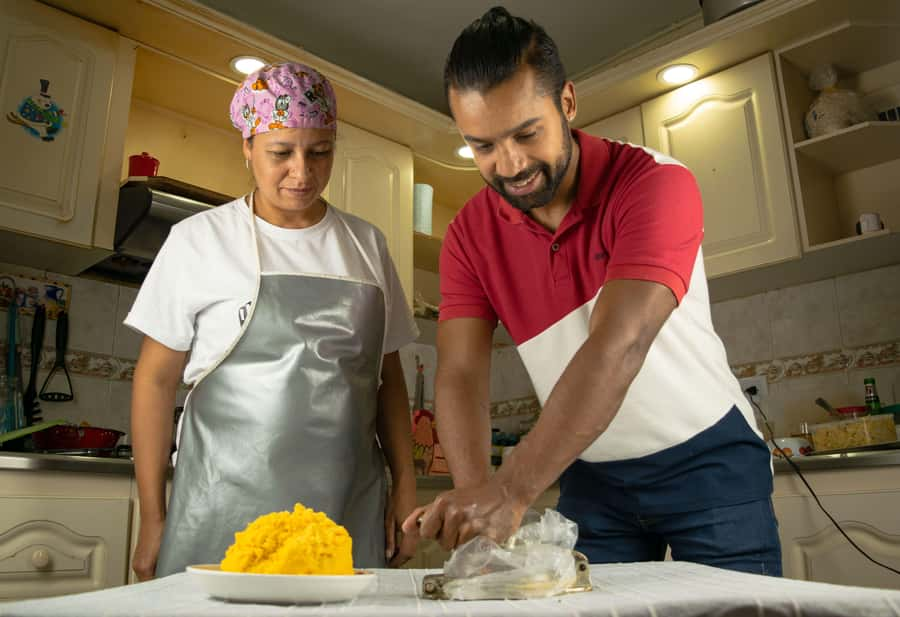
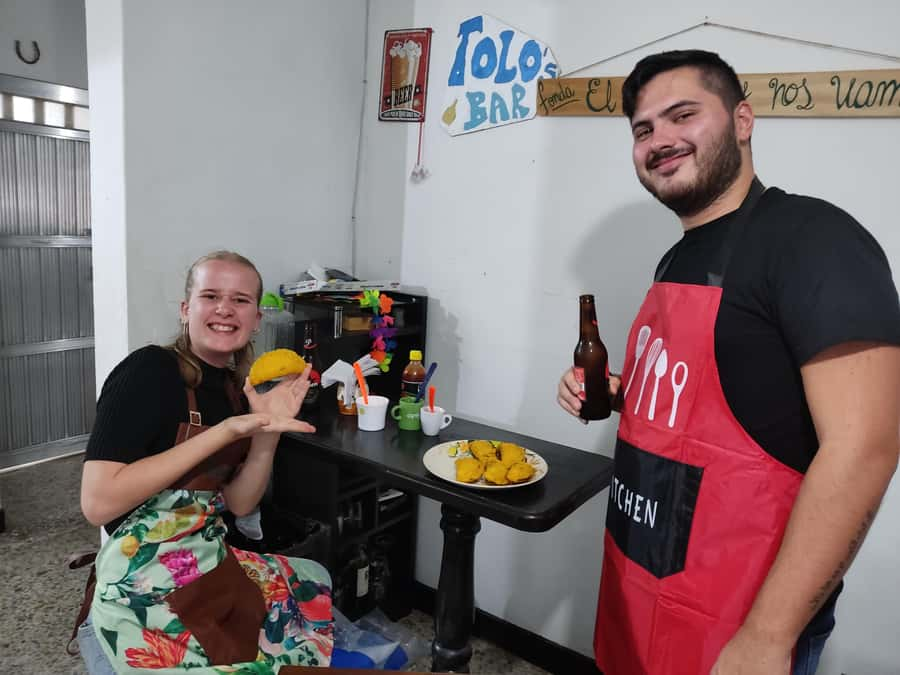
The best part of this experience is the setting. You meet at Casa 201, a family home where cooking is part of daily life. That changes the tone from a formal demonstration to a shared kitchen session. You are not just watching a chef fold pastry behind a counter. You are working beside the hosts, asking questions, and seeing the sort of space where Colombian food is prepared at home.
The two sisters make the experience a team effort. One is the empanada specialist, and the other supports the class and helps with communication. English is the main language offered, and some Portuguese is also spoken. The instruction has been clear enough for families and first-time cooks, with translation help when needed.
I would not expect a polished cooking-school production with a long professional kitchen setup. That is part of the appeal. The focus is on food, family, and conversation. If you want an informal activity where you can laugh at imperfect folds and try again, this setting should suit you well.
Other street food tours people book around Colombia:
- Medellin: Comuna 13 Graffiti Tour, Cable Car & Street Food
★ 4.8 · 9,046 reviews - Medellín: Comuna 13 True Story and Street Food Tour
★ 4.9 · 1,779 reviews - Cartagena: Guided Street Food Tour with Tastings
★ 4.9 · 833 reviews
Starting with a welcome drink and local context
The class begins with a local welcome drink. It is a small detail, but it gives you a relaxed start and creates a natural moment to meet the hosts and the other people in the group.
Next comes a brief history of empanadas. This is not presented as a long lecture. Instead, it gives you a useful frame for the food you are about to make. Empanadas appear in many parts of the Spanish-speaking world, but each place has its own dough, fillings, and way of serving them. Here, the emphasis is on Colombian preparation and the variety of flavors you can put inside.
That short introduction matters because it helps you see the empanada as more than fried dough with a filling. It is practical food, social food, and home food. You learn a little about the dish before handling the ingredients, then move quickly into the part most people are waiting for.
Choosing between meat, chicken, and vegetarian fillings
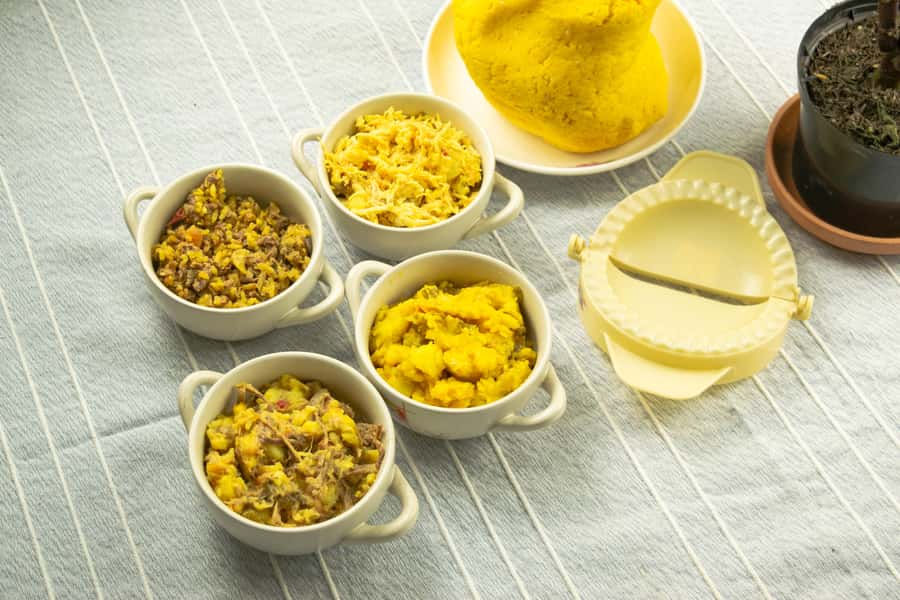
You can choose among several filling styles. Meat and chicken are available, along with a special filling that changes each month. That monthly option gives repeat visitors a reason to come back, though the exact choice depends on when you attend.
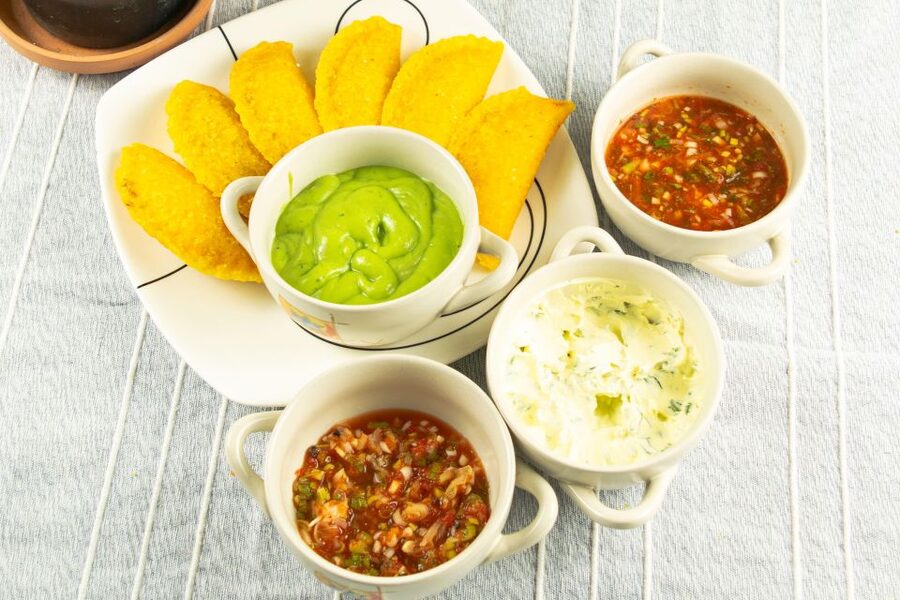
Vegetarian options include mushrooms, corn, cheese, and potato with hogao. Hogao is a Colombian-style tomato and onion sauce, and the potato version gives you a good way to try a familiar local flavor without choosing meat. If you enjoy variety, you can make several types rather than committing to one filling.
The experience is also designed to work for vegans. Since the listed vegetarian choices include cheese, you should clearly state your dietary needs when arranging your place and confirm which ingredients will be used. The hosts specifically invite ingredient preferences, so this is the right time to ask rather than wait until the cooking begins.
This flexibility is useful for families and mixed groups. One person can choose chicken, another can choose potato with hogao, and someone else can work with mushrooms or corn. You are not forced into a single menu, and the class becomes more personal as each person builds a different empanada.
Making the dough, folding the edges, and cooking
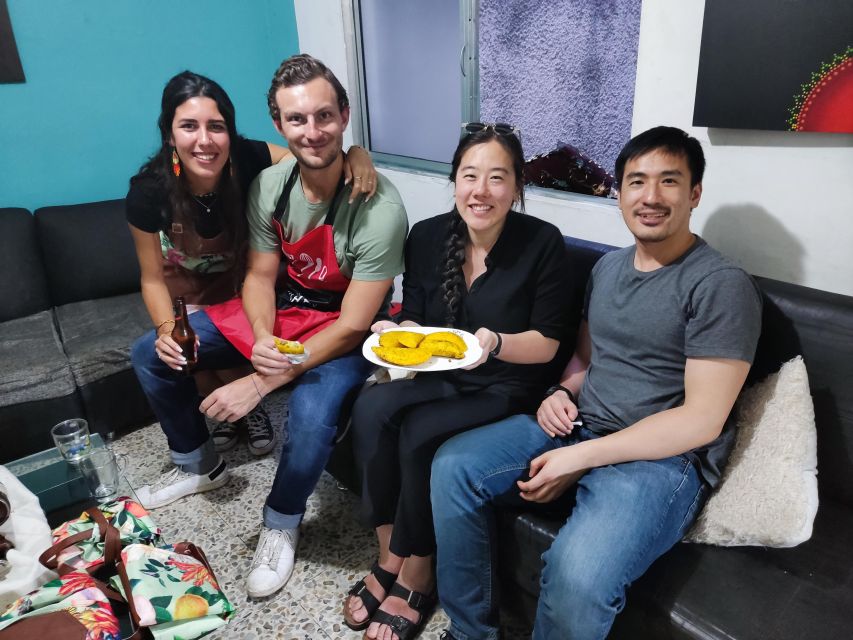
The hands-on section is the heart of the visit. You prepare the empanadas with guidance from the hosts, rather than receiving a finished product to taste. The basic skills are simple to describe, but the details matter: getting the filling amount right, closing the dough firmly, and shaping the edge so the empanada holds together while cooking.
This is where the small group limit helps. With no more than nine participants, you should have a reasonable chance to get individual help. You can watch the host demonstrate, copy the movement, and ask for a correction if your first attempt looks uneven. Do not worry about producing perfect shapes on your first try. The point is to learn the method and improve as you go.
A family of four who attended with one other participant found that everyone stayed involved. That is a useful clue for parents: the lesson is not built only for adults who already cook. The hands-on work gives each person something to do, and the hosts keep the tone encouraging.
You also get enough time to practice. This is important because one demonstration is rarely enough to make a new fold feel natural. By making several empanadas, you can adjust the amount of filling and get better at sealing the edges. Some participants have even had extra empanadas to take home, though you should not count on that for every session.
Same city, a different plate:
- Medellin: Street Food and Poblado Rooftop Tour with a Local
★ 4.8 · 317 reviews - Medellin: Party Bus with DJ & Street Food Tastings
★ 4.5 · 112 reviews - The Cali Street Food Walking Tour
★ 5.0 · 81 reviews - Cali: Street Food Tour
★ 4.8 · 71 reviews
Sitting down to eat what you made
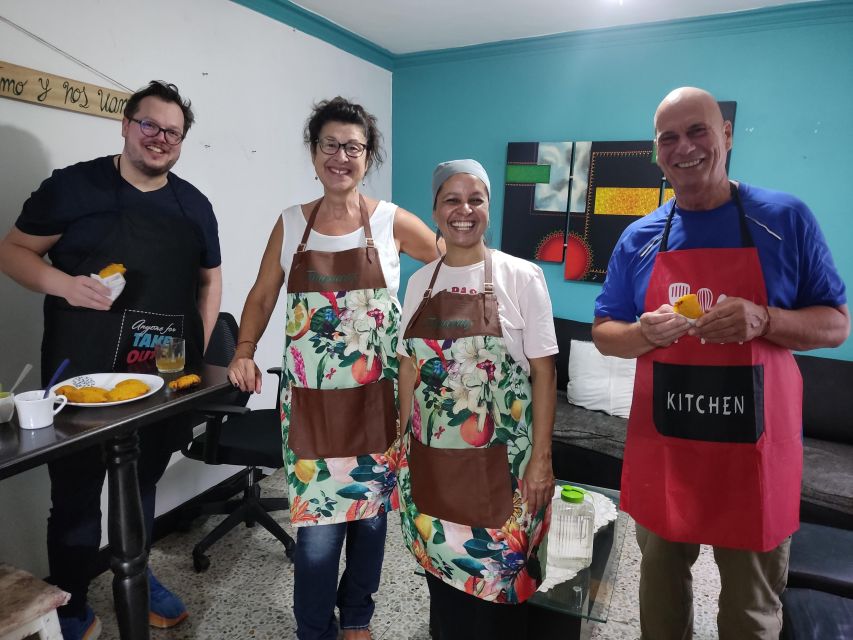
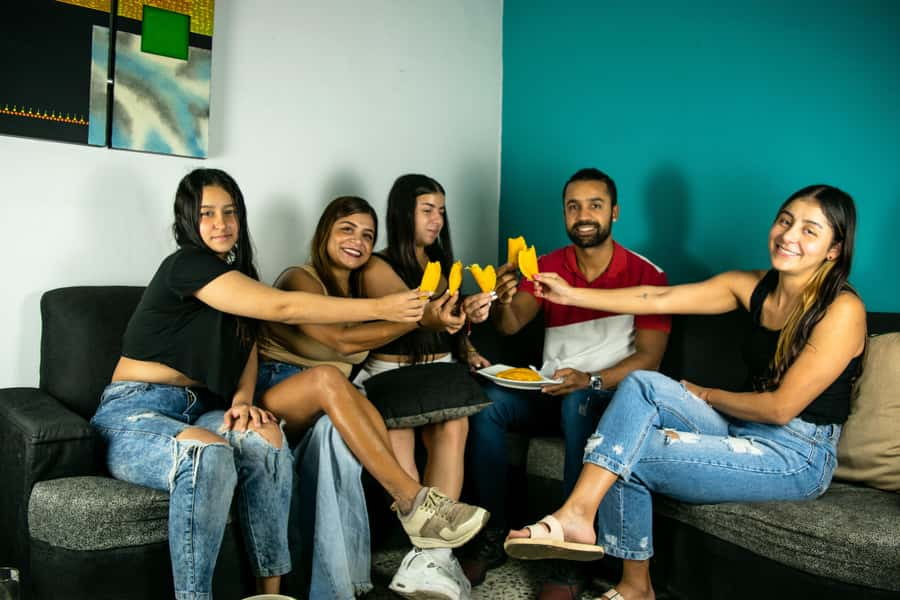
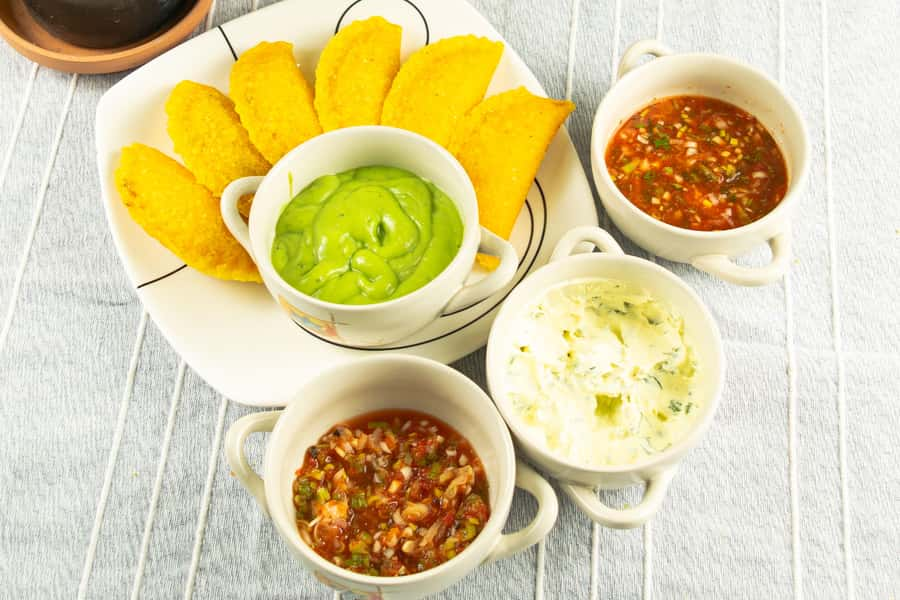
After preparation and cooking, you enjoy the empanadas with another drink. This final meal is part of the experience, not just a reward at the end. You have handled the ingredients, made decisions about the filling, and watched the food cook. The finished empanada tastes more interesting because you understand the work behind it.
I like the way this turns lunch or a snack into a shared conversation. You can compare different fillings, talk with the hosts, and ask more questions about Colombian home cooking. The mood is warm and social, but the activity still has a clear shape: welcome, background, preparation, cooking, and eating.
The food itself may not be uniform because each person makes it differently. One empanada might be neatly sealed, while another has a thicker edge or a slightly different filling balance. That is normal. You are taking part in a lesson, not buying factory-made pastries.
What the $56 price includes
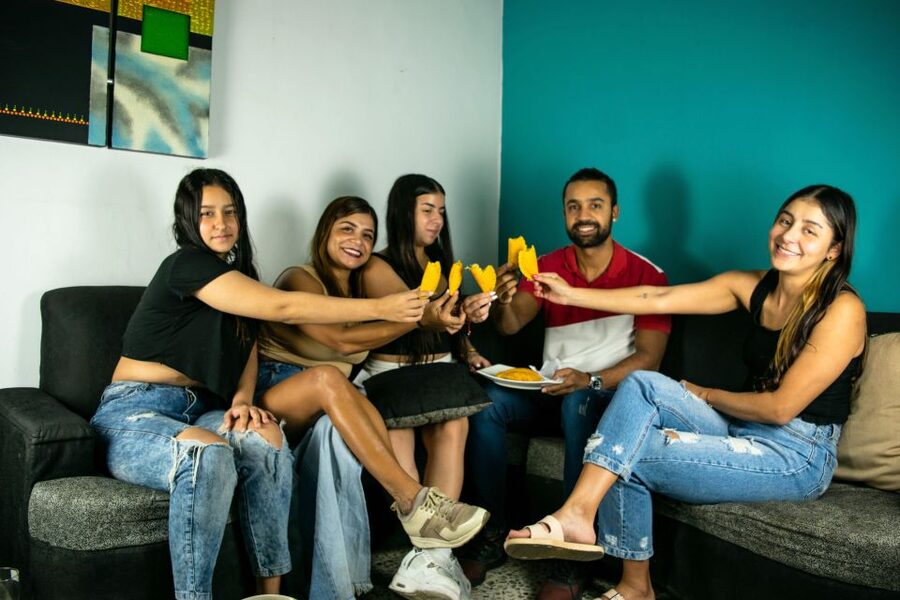
At $56 per person, this is a midrange food activity rather than a budget meal. If you judge the price only by the number of empanadas you eat, it may seem high. A street vendor can feed you for much less.
The better comparison is with a private or small-group cooking lesson. Your fee covers the welcome drink, ingredients, instruction, cooking time, the short food introduction, and another drink with the meal. It also pays for access to a family setting and the chance to work directly with the hosts.
I think the value is strongest if you want an activity that combines food with personal contact. You are not simply tasting Colombian cooking. You are learning a technique, choosing ingredients, and taking part in a home-based exchange. For a couple, family, or small group that enjoys cooking, the price can be justified.
It is less suitable if you want a quick, inexpensive food stop or if you dislike guided activities. The session takes two and a half hours, so it requires a real block in your Medellin schedule. You should choose it because you want the process, not only the final snack.
Who will enjoy this most
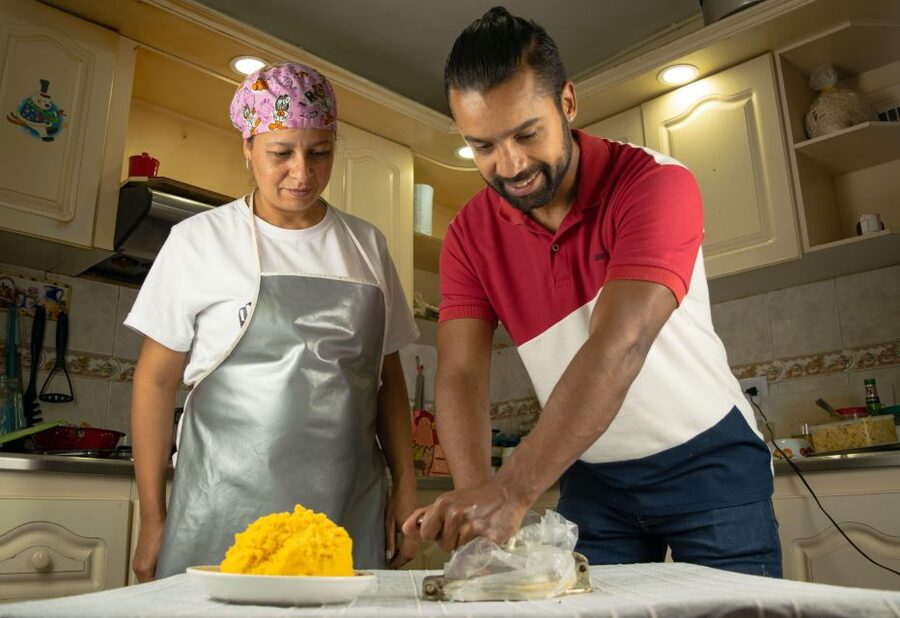
This class works especially well for first-time visitors who want a gentle introduction to Colombian food. You do not need advanced cooking skills, and the hosts explain the work in a way that makes the process approachable.
Families should also consider it. The lesson gives everyone a role, and the group size keeps the activity from feeling like a large demonstration. Children may enjoy choosing fillings and shaping the dough, though the provided details do not specify a minimum age, so families should confirm that before booking.
Vegetarians have several clear choices. Vegans can be accommodated, but you should explain your needs in advance and confirm the ingredients used in the dough, fillings, and cooking process.
This is also a good pick for people who prefer conversation to sightseeing. You will not be moving between several attractions. Instead, you spend the session in one place with the host sisters and a small group. That slower pace lets you focus on the food and the people around you.
You may want to skip it if your schedule is packed, you want a formal restaurant setting, or you have strict dietary requirements that need extensive kitchen controls. The activity is personal and home-based, so clear communication about food restrictions matters.
Practical details before you go
The meeting point is Casa 201 in Antioquia, Medellin. Check the starting time when you reserve, since the available time can vary.
The activity is conducted in English. Some Portuguese is also spoken, but English is the listed instruction language. If you are not fully comfortable with English cooking terms, you can still follow by watching the demonstration and copying the steps, but it is sensible to mention any language concerns ahead of time.
Bring an open attitude, a smile, and a good appetite. That is the practical advice provided for the session, and it fits the tone of the activity. You should also arrive ready to work with your hands and spend time standing or moving around the cooking area, although the available information does not give specific accessibility details.
Groups are limited to nine participants. That cap matters because personal help is a major part of the class. If you are booking for a larger family or group, check how the reservation will be arranged.
You can cancel up to 24 hours before the activity for a full refund, and you can reserve now while paying later. Those policies are useful if your Medellin plans may change.
My take on the food and cultural value
The strongest feature is not a rare ingredient or a dramatic cooking trick. It is the connection between the food and the home where it is made. You learn how a familiar Colombian snack is prepared in a real family setting, then share the result with the people who taught you.
The hosts also seem to understand that beginners need encouragement. The lesson gives you room to make mistakes, practice, and try again. That makes it more rewarding than a fast demonstration where you only take notes.
The cultural side is strongest when you participate. The welcome drink and empanada background provide context, but the real exchange happens while you are choosing fillings, shaping dough, and eating together. You get a closer look at everyday food traditions without turning the session into a museum talk.
Should you book this empanada class?
Book it if you want a friendly, hands-on food activity with direct contact in a Colombian home. It is a particularly good choice for families, couples, vegetarians, and first-time cooks who value conversation as much as the meal.
Think twice if you are comparing it only with the cost of street food. At $56, the value comes from the lesson, the ingredients, the small group, and the time with the sister host team. For me, that makes it worthwhile for a dedicated food experience, but not for someone who simply wants to grab an empanada and keep sightseeing.
FAQ
Where does the empanada class meet?
The meeting point is Casa 201 in Antioquia, Medellin.
How long does the activity last?
The experience lasts 150 minutes, or two and a half hours. Check availability for the starting times.
What fillings can I choose?
Available choices include meat, chicken, a special filling that changes each month, mushrooms, corn, cheese, and potato with hogao. Vegetarian options are available, and vegan arrangements can be made according to your preferences.
Is the activity offered in English?
Yes. English is the listed instruction language. The hosts also speak some Portuguese.
How many people can join the group?
The group is limited to nine participants.
What is included in the price?
The $56 price includes a local welcome drink, a brief history of empanadas, preparation and cooking with the hosts, the empanadas you make, and another drink to enjoy with the finished food.
Just added around Colombia
- Private Cartagena city and street food tour.★ 5.0 · 31 reviews
- The Cali Street Food Walking Tour★ 5.0 · 81 reviews
- Street Food Tour – Live A Unique Gastronomic Experience★ 5.0 · 34 reviews
- Street Food Tour in Bogotá with Tastings★ 5.0 · 34 reviews
- PALOQUEMAO MARKET FOOD TOUR. EXOTIC FRUIT. LOCAL SNACKS. /Min 2 pax★ 5.0 · 70 reviews
- Cali: Street Food Tour★ 4.8 · 71 reviews
- Shared Tour Bogota’s Street Local Food★ 4.5 · 22 reviews
- Shared Tour Cali’s Local Food at Alameda Market★ 4.8 · 12 reviews
Colombia Street Food Tours, compared.
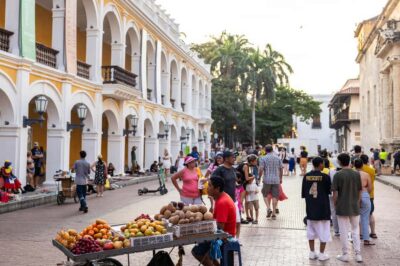
Cartagena: Guided Street Food Tour with Tastings
Read our review →
Medellin: Street Food and Poblado Rooftop Tour with a Local
Read our review →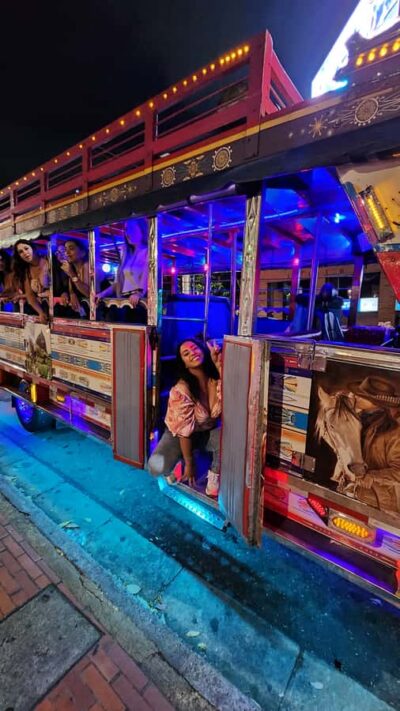
Medellin: Party Bus with DJ & Street Food Tastings
Read our review →
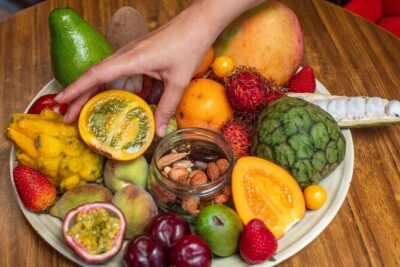
PALOQUEMAO MARKET FOOD TOUR. EXOTIC FRUIT. LOCAL SNACKS. /Min 2 pax
Read our review →
Medellin: tasting Street Food with Rooftops of El Poblado
Read our review →
Santa Marta A Historical & Street food Experience
Read our review →Browse the lists this tour appears in