
REVIEW · MARRAKECH STREET FOOD TOURS
Marrakech Night Street Food Tour / Taste The Real Marrakech
The best part of this Marrakech food tour is its sheer range. In about four hours, you move from msemen pancakes and harira soup to slow-cooked tangia, fried sardines, Jewish-style donuts, Moroccan sweets, and fresh juice. It is less a single meal than a full introduction to how Marrakech eats after dark.
I like two things right away: the guides, including Nour and Omar on many departures, explain the food alongside local customs and history; and the route takes you into small neighborhood places you would be unlikely to find on your own. The one catch is simple: you must arrive very hungry. Portions are generous, and the tour can last longer than four hours.
Five things to know before you book
- Expect a full evening of food: This is not a quick tasting walk. You may sample around ten or more dishes, with substantial servings at several stops.
- Tangia is the star dish: The slow-cooked meat stew, sometimes prepared especially for the group and cooked in the embers of a hammam, is a major highlight.
- The food comes with context: Guides explain Moroccan cooking, Jewish and Berber influences, family traditions, ingredients, and the role of food in daily life.
- The route goes beyond the main tourist lanes: You may walk through the Medina, Kasbah, local markets, side streets, and neighborhoods outside the usual visitor circuit.
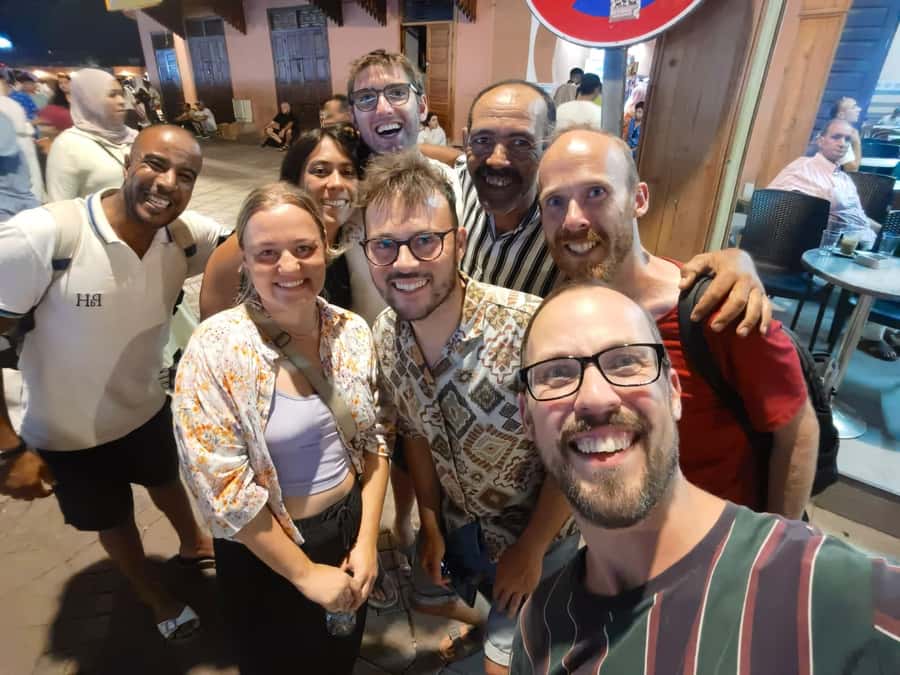
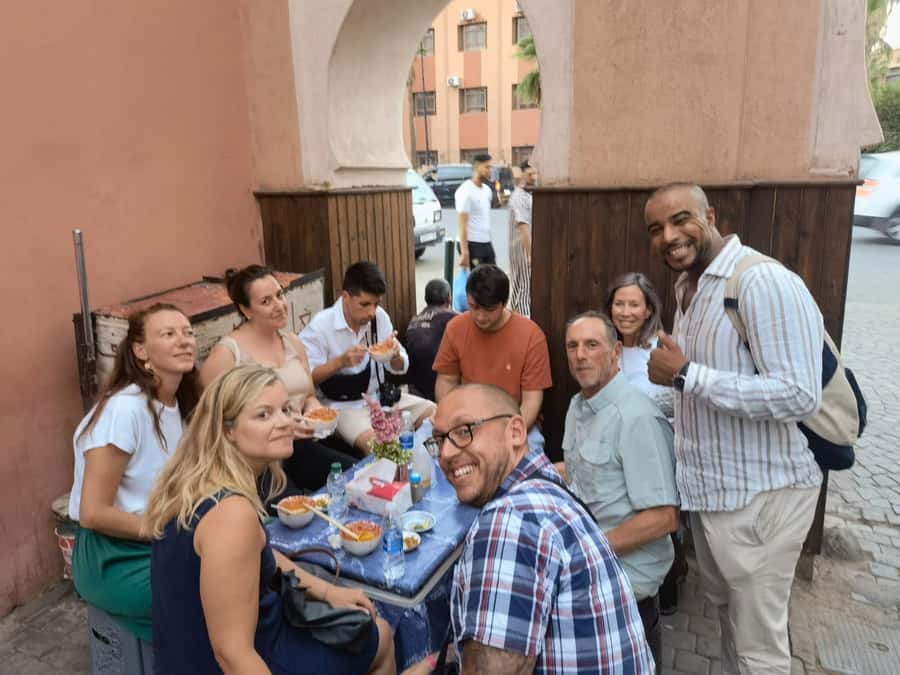
- Small groups keep it personal: The group is limited to 10 people, and the tour is conducted in English. Food, tea or coffee, and bottled water are included.
A generous first night in Marrakech
I think this tour works best on your first evening in town. It gives you a practical introduction to Moroccan food while helping you get your bearings in the Medina and Kasbah. You will also leave with a list of dishes and local places to try during the rest of your stay.
Meet your guide in front of Café de France, an easy landmark in central Marrakech. The guide explains the evening’s route before leading the group into the streets. Depending on the departure, you might walk and use transport between different neighborhoods, but transportation is not included in the price.
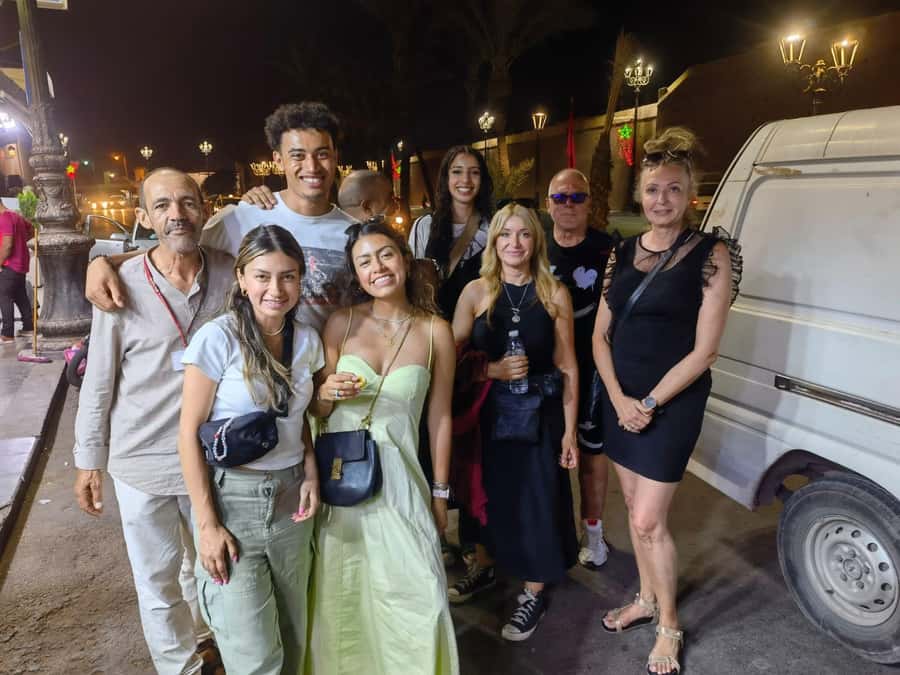
The group size matters here. With a maximum of 10 people, the guide can explain a dish without shouting over a large crowd. Nour and Omar are frequently praised for their humor, energy, and care, while other guides such as Khawla, Mustafa, Mohamed, and Mohammed have also led particularly well-received outings. Your guide is assigned rather than selected, so expect the style to vary slightly.
The tour is listed at four hours, but you should leave extra time. Some evenings run well past that mark, especially when the group is enjoying the food and the guide wants everyone to try each stop. That is good news if you want a long evening, but less useful if you have a tightly packed schedule afterward.
More Night Market Food Tours in Morocco:
- Marrakech: Street Food Tour by Night
★ 4.8 · 2,838 reviews - Night Tour of Casablanca with Street Food Tasting
★ 4.8 · 29 reviews - Saigon By Night and Street Food By Motorbike | Opt: Ao Dai Riders
★ 5.0 · 4,066 reviews
Msemen, harcha, and the first taste of Moroccan street food
The opening tastings introduce the everyday side of Moroccan cooking. Msemen is a layered, pan-fried pancake with a pleasantly chewy texture. Harcha is another Moroccan pancake, made with semolina and usually served as a simple, filling snack.
These are useful dishes to try early because they show how much Moroccan food depends on bread, grains, oil, and patient cooking. You are not starting with a formal restaurant plate. You are eating the kind of food people pick up during a normal day.
Tea and coffee may accompany the first stops. Moroccan tea is more than a drink, and the guide can explain its place in hospitality and social life. Bottled water is included, which is welcome on a long walk with repeated tastings.
The quantity begins to become clear quickly. Do not treat the early pancakes as a small prelude before dinner. They are part of a full meal, and several more courses are ahead.
Harira and chebakia, a classic sweet and savory pairing
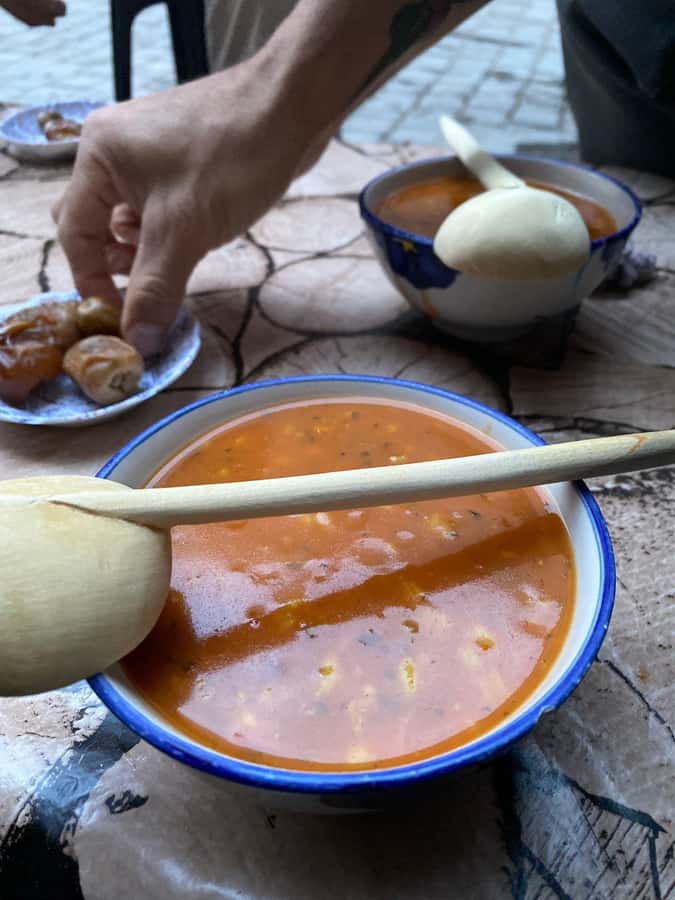
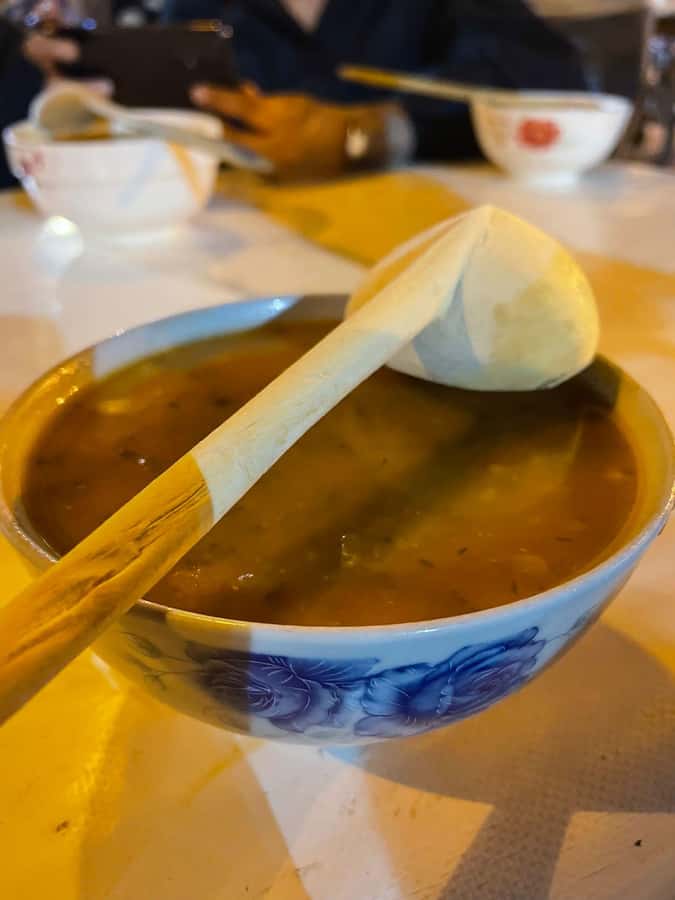
Harira is a famous Moroccan soup and one of the more comforting stops on the route. This version is described as vegetarian, which gives you a lighter contrast to the meat dishes later. Expect a warm, hearty bowl rather than a delicate tasting spoonful.
Chebakia supplies the sweet side. These pastries are shaped, fried, and coated with honey or syrup, with sesame adding texture. They are commonly associated with Moroccan celebrations and Ramadan, so the guide’s explanation adds useful context to what might otherwise seem like just another sweet.
I appreciate this part of the tour because it shows how food can mark the calendar and bring people together. You are not simply learning names. You are learning that a soup, pastry, or pancake can carry a social role.
If you have a sweet tooth, pace yourself here. The evening includes more pastries, frozen yogurt, and fruit juice. It is easy to fill up before the savory highlights arrive.
Tangia in the Medina and the cooking of Marrakech
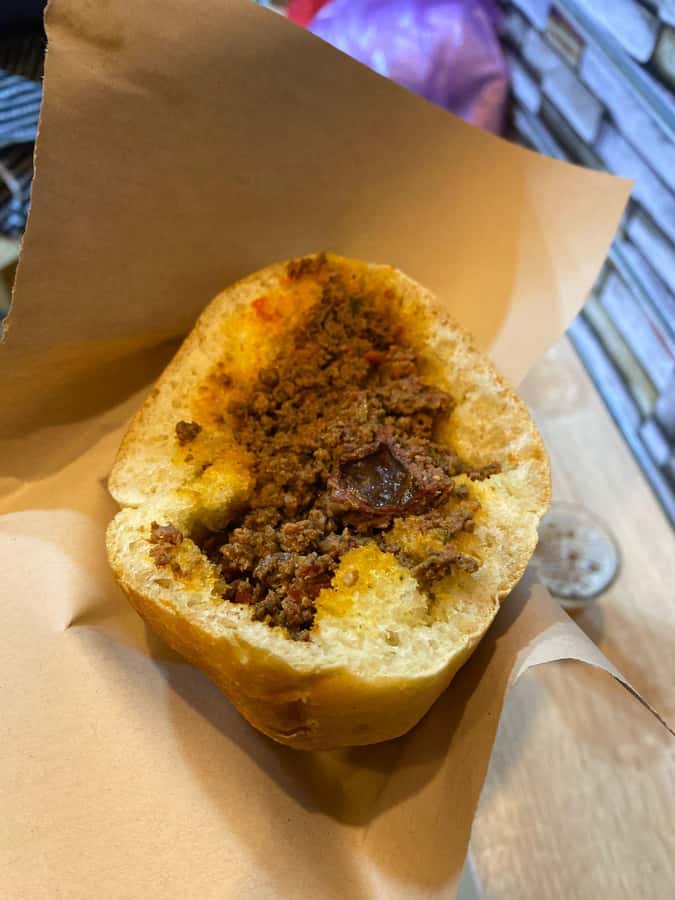
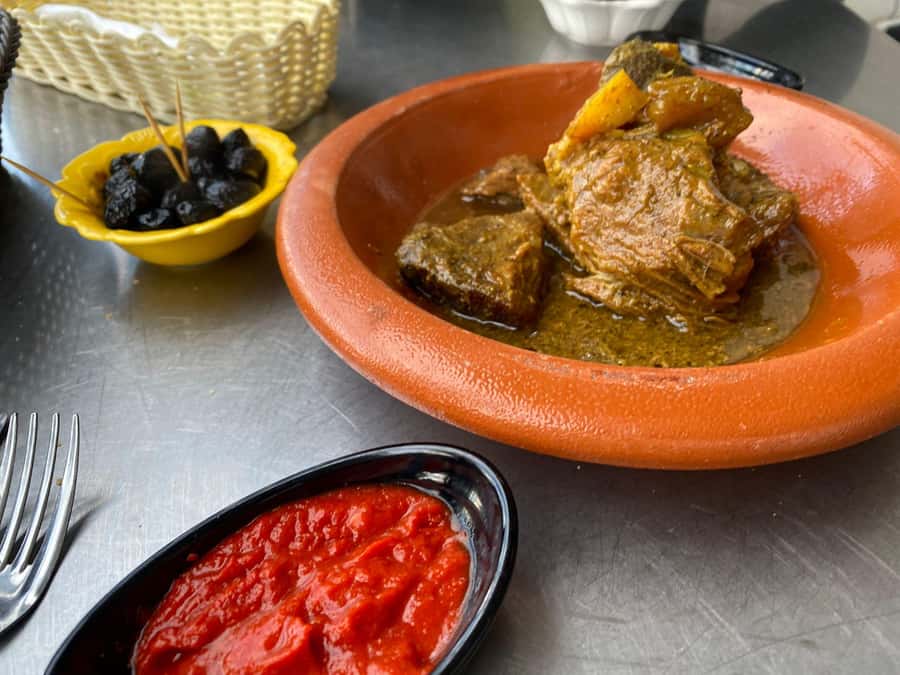
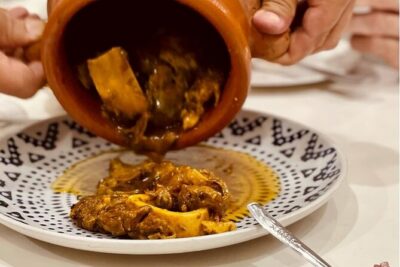
Tangia is the dish that gives this experience its strongest sense of place. It is a slow-cooked meat stew associated especially with Marrakech. The meat is cooked for hours until tender, often with preserved lemon, spices, and other seasonings, depending on the preparation.
Several guides have prepared tangia themselves for the group. A particularly memorable version is cooked in the hot embers of a hammam, where the dish can slowly cook alongside the bathhouse heating system. This is not a standard restaurant presentation. It connects the meal to the working life of the city and to a cooking method you would not normally see as a visitor.
Some departures include a look at the boiler area of a hammam while the tangia is prepared or finished. The exact arrangement can vary, so I would not book expecting an identical performance every evening. Still, this is the most distinctive food moment described for the tour.
Tangia is also a good example of why a guide helps. A plate of tender meat tells you very little by itself. The guide can explain how it is cooked, why it belongs to Marrakech, and how local workers and families use traditional cooking spaces.
More Evening Tours in Morocco:
- Private Street Food Evening Walking Tour in Ho Chi Minh City
★ 5.0 · 3,175 reviews - Phuket: Full Day City Tour with Night Market
★ 4.5 · 2,888 reviews - Saigon: Day-Night Sights & Local Food Tour l Female Option
★ 5.0 · 1,638 reviews - Small Group: Singapore Street Food & Night Tour with 9 tastings
★ 5.0 · 1,240 reviews
Stews, sardines, and the heartier side of the route
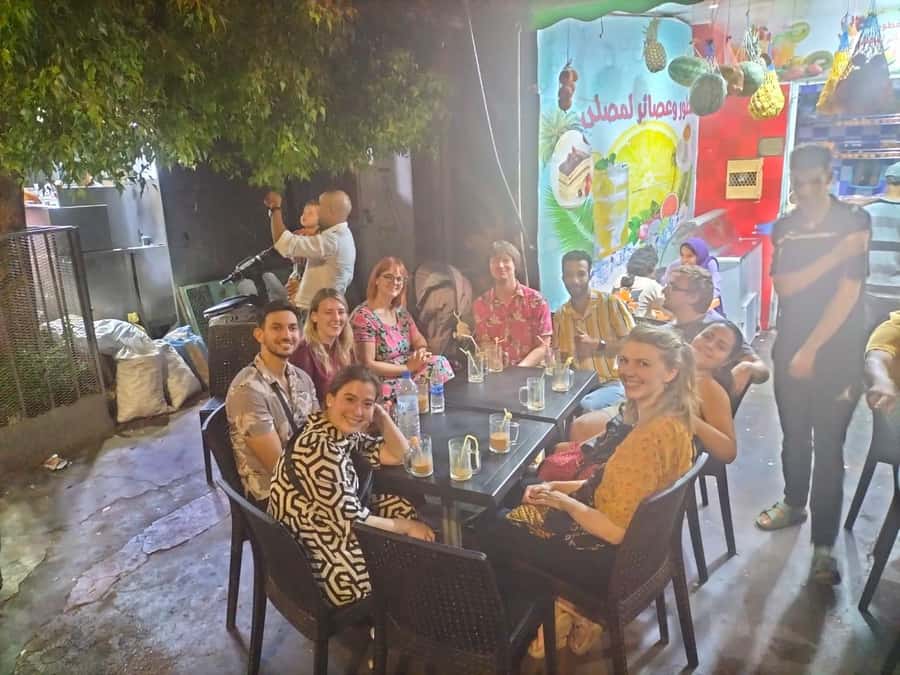
The middle of the evening moves through Moroccan stews and other filling dishes. The food can include slow-cooked meat, chicken, minced liver, and different local preparations. Recipes vary by stop, and the route may change if a family stall or restaurant is closed.
That flexibility has worked well on past departures. Guides have had to alter the plan because of family circumstances or other last-minute problems, yet still provided a full meal and plenty of explanation. This is worth knowing if you prefer a fixed itinerary with named restaurants at set times. You are booking a guided food route, not a rigid tasting menu.
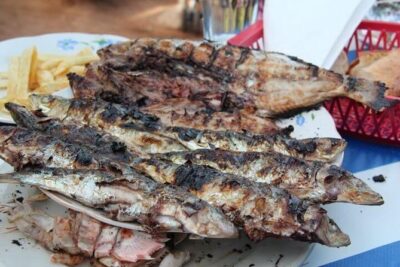
Fried sardines with eggplant add a different texture and a taste of Morocco’s coastal food traditions. The fish is paired with vegetables rather than served as a stand-alone seafood course. It is a substantial stop, not a tiny sample.
The guide may also point out how ordinary-looking side streets lead to places where local food is being prepared. That is the real value of the walk. Without local help, you could pass a small doorway or unmarked eatery and never know what is being cooked inside.
Chfnj, Berber omelette, and the city’s mixed influences
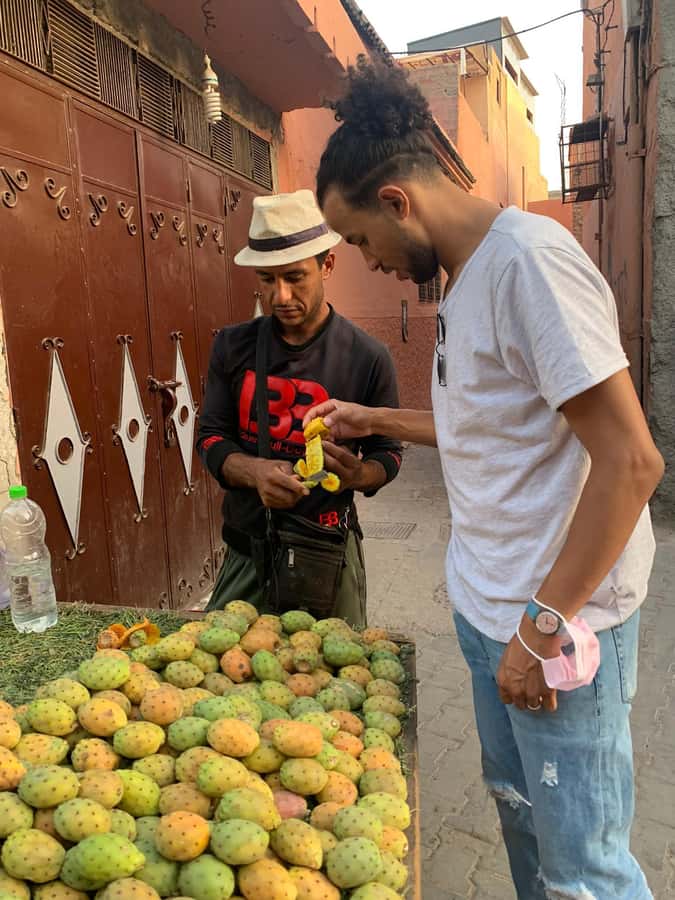
Chfnj are described as Jewish donuts, usually eaten with tea. They are a small but meaningful part of the tour because they point to the Jewish influence on Moroccan food and city life. The route also includes Lbid o Maticha, a Berber omelette made with eggs and tomatoes.
These dishes broaden the picture beyond the familiar tagine-and-couscous version of Morocco. Marrakech food reflects different communities, regions, cooking methods, and periods of cultural exchange. You do not need prior food knowledge to follow the story, and the guides use the stops to explain how traditions overlap.
The omelette is especially useful for anyone who wants food that feels everyday rather than ceremonial. Eggs, tomatoes, bread, and tea may sound simple, but the point is how people combine them and when they eat them.
This part of the tour also makes the walking route feel like more than a series of restaurants. You are seeing how food fits into neighborhoods where people live, work, gather, and shop.
Raïb, fresh juice, and the final sugar rush
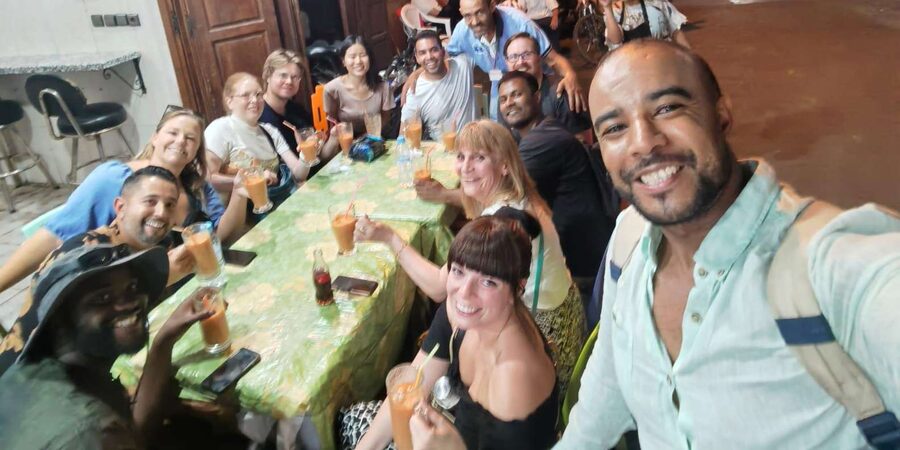
Raïb is a frozen yogurt dessert, while assir is fresh fruit juice. These provide a cool, sweet finish after several hot and savory courses. You may also receive additional sweets or small snacks along the way.
By this point, the main challenge is not finding enough food. It is finding room for more. Several people have needed to stop eating before the final dishes, even though everything was appealing. I recommend taking small bites early and sharing when the guide allows it. You do not need to finish every plate to enjoy the tour.
The group atmosphere can help here. The tour brings together people from different countries, and the long sequence of tastings gives everyone something to discuss. If you enjoy social outings, this is a pleasant way to meet people without the formality of a sit-down dinner.
If you are vegetarian or vegan, tell the provider about your needs in advance. Suitable alternatives have been provided for vegetarians and vegans at many stops, but the advertised route includes a good deal of meat, sardines, eggs, and dairy. Allergy information should also be supplied before the tour so alternatives can be arranged.
What the walking route adds to the meal
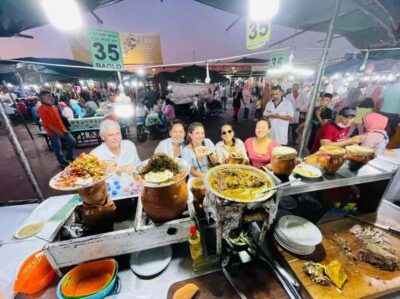
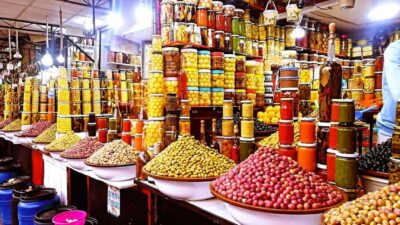
The food is the main reason to book, but the route gives the evening its shape. You may pass through the Medina, Kasbah, local markets, narrow lanes, and areas outside the main tourist center. The walk exposes you to the city at night, when food stalls, cafés, and neighborhood eateries take on a different rhythm.
Do not expect a sightseeing tour with a long list of monuments. The guide’s attention is on local food and daily life. You may receive stories about Moroccan history, sugar, door knockers, family cooking, hammams, and the customs connected to particular dishes.
I like this balance. You see more of Marrakech without spending four hours staring at monuments. The food gives the walk a purpose, and the walking gives the meal a sense of place.
Wear comfortable shoes and keep your schedule open. The route is in a busy old city, and the evening may last longer than advertised. The activity is listed as wheelchair accessible, but the changing route and old-city streets are still worth discussing with the provider before booking if you have specific mobility needs.
Is $56 a fair price for four hours?
At $56 per person, this tour is not the cheapest way to eat in Marrakech. You could buy an individual plate, a pancake, or a glass of juice for much less.
The value comes from the quantity and variety. Food and drinks are included, along with a bilingual local guide, tea or coffee, and bottled water. You are also paying for access to places that are difficult to identify on your own, plus explanations of dishes, cooking methods, and customs.
If the tour lasts four to five hours and includes the full range of tastings, $56 is a strong value for anyone who wants a serious introduction to Moroccan food. It is less attractive if you only want a light snack or a short stroll.
The generous portions make the price feel especially reasonable. This is closer to dinner, dessert, and a walking tour combined than to a few small samples. Just remember that the value depends on your appetite and interest in trying many foods.
Who should book this Marrakech food walk?
I would recommend it to first-time visitors, curious eaters, couples, solo travelers, and small groups who want a guided start to Marrakech. It is particularly useful on your first night, when you need help choosing what to eat and want an easy introduction to the city.
It also suits people who enjoy stories as much as food. Nour, Omar, and the other guides are praised for explaining local history and culture, not just naming each dish. The guides also tend to be attentive about getting people back safely at the end of the night, though your own transport home is not included.
You should think twice if you dislike long meals, walking, crowded streets, or unfamiliar ingredients. The food keeps coming, and the tour can run beyond four hours. It is also not ideal for a strict vegetarian unless you arrange alternatives ahead of time.
Practical details before you go
The price is $56 per person, and the activity lasts about four hours, with some departures taking longer. Meet in front of Café de France, and check the available start time when booking.
The tour is conducted in English with a live local guide. Groups are limited to 10 participants, and food, coffee or tea, and bottled water are included. Transportation is not included, so plan your arrival and departure accordingly.
You can cancel up to 24 hours in advance for a full refund, and reserve now while paying later. The activity is listed as wheelchair accessible, but share any mobility or dietary requirements before the evening begins.
Should you book it?
Book this tour if you want a full, social, food-first introduction to Marrakech. The strongest reasons are the generous number of tastings, the local neighborhood stops, and the chance to try tangia prepared in a traditional hammam setting.
The main warning is the same one repeated throughout the evening: eat very little beforehand. If you arrive after a large lunch, you may spend the final hour watching food go by. Arrive hungry, wear comfortable shoes, and allow more than four hours in your schedule. For most visitors, this is one of the better ways to begin eating your way through Marrakech.
FAQ
Where does the Marrakech Night Street Food Tour meet?
Meet your guide in front of Café de France in Marrakech.
How long does the tour last?
The stated duration is four hours. Some departures can run longer, so leave extra time in your evening.
What food is included?
The tour can include msemen and harcha pancakes, harira soup, chebakia pastries, tangia, Moroccan stews, fried sardines with eggplant, chfnj donuts, a Berber omelette with eggs and tomatoes, raïb frozen yogurt, fresh fruit juice, sweets, and other local foods.
Are drinks included?
Yes. Coffee or tea and bottled water are included. Fresh fruit juice may also be part of the tastings.
Is transportation included?
No. Transportation is not included in the price. The experience includes walking through Marrakech and may involve movement between neighborhoods.
Can vegetarians, vegans, or people with allergies join?
Yes, but you should provide your dietary and allergy information in advance. Alternatives can be arranged, and suitable vegetarian and vegan choices have been provided at many stops.
How large is the group?
The tour is a small-group activity limited to 10 participants. It is conducted in English by a live local guide.
Just added around Morocco
- Fez Street Food Tour★ 4.5 · 33 reviews
- The Sunday Market in Had Draa & Local Food Tasting.★ 5.0 · 33 reviews
- Essaouira Guided Tour: 3 on 1 – Nightlife tour, Live like a local & Street food★ 4.5 · 32 reviews
- Marrakech Guided Day Trip from Casablanca: Djemaa el-Fna Square and Bahia Palace★ 4.0 · 3 reviews
- Casablanca Food Tour – Moroccan Street Food Tour★ 5.0 · 86 reviews
- Casablanca Market and Street Food Walking Tour★ 5.0 · 3 reviews
- Agadir with a Local–Balade Authentic & Tasting Street Food★ 5.0 · 21 reviews
- Tangier: Food Walking Tour★ 4.9 · 43 reviews
Marrakech Street Food Tours, compared.
Marrakech: Authentic Moroccan Food Walking Tour & Dinner
Read our review →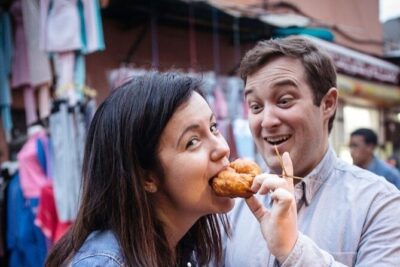
Medina Tasting Tour: Experience Local Street Food & Culture!
Read our review →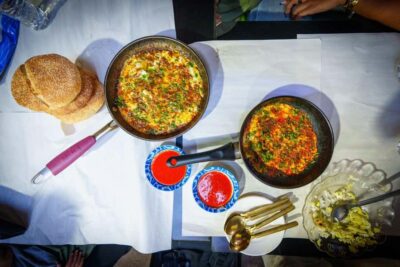

Discover Marrakech Street Food with a Local Guide
Read our review →Browse the lists this tour appears in