

REVIEW · COLOMBIA STREET FOOD TOURS
Medellín: Comuna 13 True Story and Street Food Tour
Comuna 13 is more than a photo stop in Medellín. This three-hour walk connects its famous escalators, street art, music, viewpoints, and food with the difficult past that local guides such as Mateo, Jorge, Alex, Kevin, and Esteban know firsthand. I especially like the local perspective and the chance to try everyday snacks rather than simply admire murals from a distance.
I also like the mix of history and present-day life: you see galleries, performers, small alleys, and the neighborhood’s dramatic views in one outing. The main drawback is the walking. There are uphill sections, stairs, crowds, and a fairly brisk pace, so anyone with limited mobility should plan carefully.
Key points at a glance
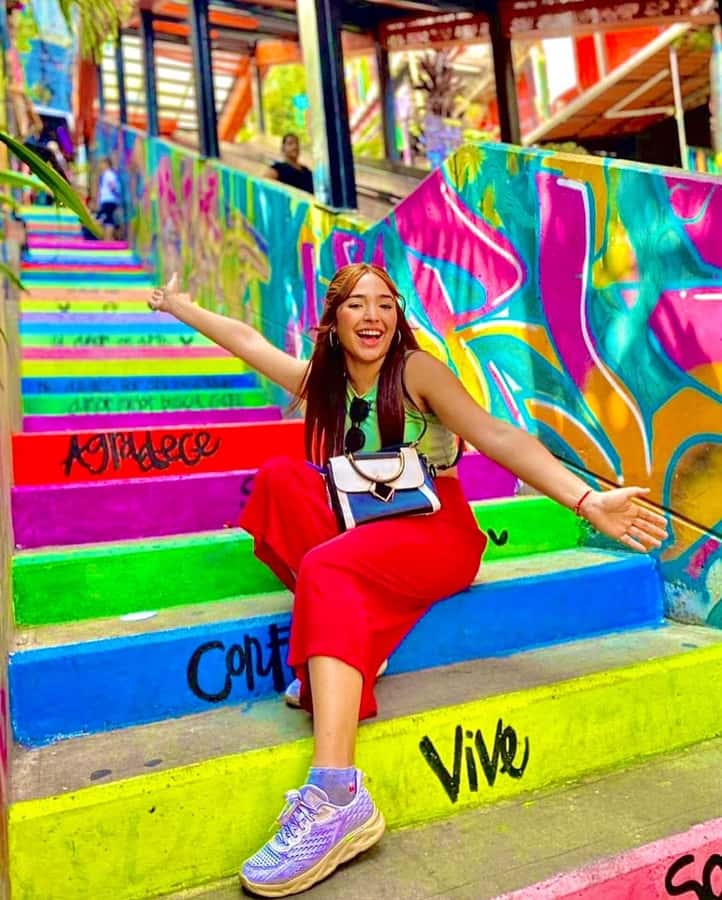
- Local stories from Comuna 13: Guides who grew up in the neighborhood explain its painful past and ongoing changes.
- Street food included: Expect empanadas, a mango and lime popsicle with salt, and additional small snacks.
- Music and dance: The route includes a rap or breakdance performance, depending on the day.
- The famous escalators: You visit the public escalators that helped connect steep hillside streets.
- Strong photo stops: Viewpoints, murals, art displays, and colorful alleys provide plenty of picture opportunities.
- Good value at $14: Three hours of guiding, food, performances, and local context make this an inexpensive introduction to Comuna 13.
Why this Comuna 13 tour feels different
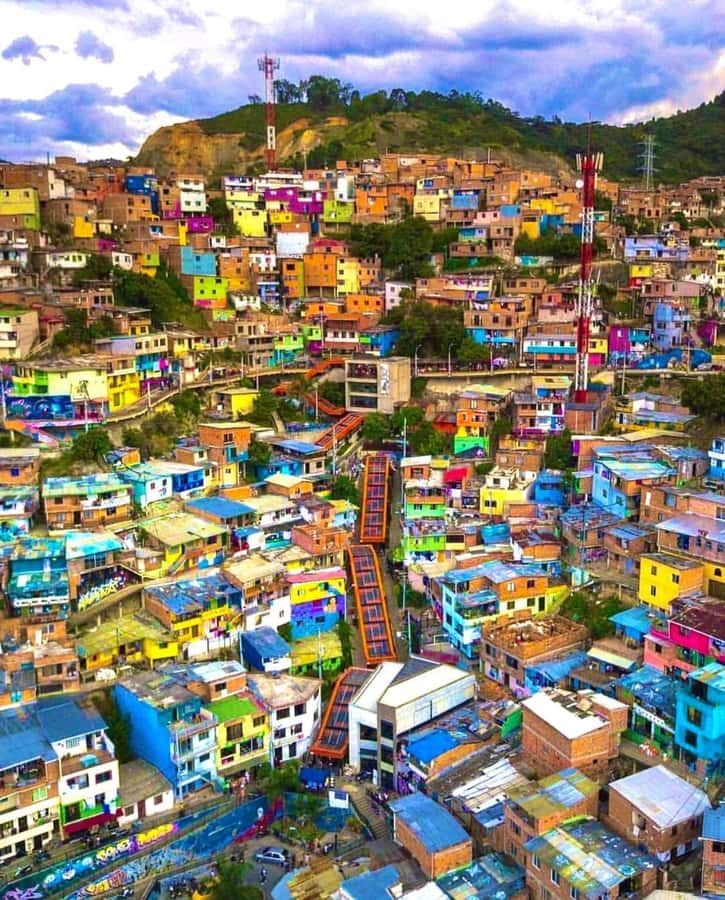
Many visits to Comuna 13 focus on murals and the outdoor escalators. Those are important, but they only tell part of the story. This experience adds local food and personal accounts, giving you more context for the changes you see around you.
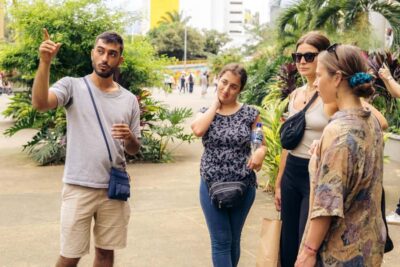
The guides are central to the experience. Mateo, who grew up in Comuna 13, has sometimes shown visitors the area where he was raised and introduced them to family members. Jorge, Alex, Kevin, Esteban, Carlos, Lucho, Nancy, and others are also praised for explaining the neighborhood in clear, engaging English or Spanish.
That local connection matters. You are not just hearing a general account of Medellín’s past. You can ask questions about daily life, the community’s transformation, and the meaning behind the art. The tone is not only about violence and hardship. It also gives attention to music, creativity, local businesses, and the pride people feel in their neighborhood.
I appreciate that balance. A tour about Comuna 13 can easily become a dramatic retelling of its worst years. This one aims to show how the area has changed and how residents continue to shape its identity.
A few more street food tours around Colombia worth a look
- Medellin: Comuna 13 Graffiti Tour, Cable Car & Street Food
★ 4.8 · 9,046 reviews - Cartagena: Guided Street Food Tour with Tastings
★ 4.9 · 833 reviews - Medellin: Street Food and Poblado Rooftop Tour with a Local
★ 4.8 · 317 reviews
Meeting at Garden Coffee
The meeting point is outside Garden Coffee, in front of a colorful building. The supplied directions give two slightly different street numbers, Cl. 38a #109-7 and Cl. 38a #108-21, so I would confirm the exact spot with the operator before setting out.
The guide is expected to be outside the café. The company recommends using WhatsApp to request a photo of your guide, which is a sensible step in a busy area where several groups may be gathering.
The tour begins with a safety briefing of about 10 minutes. This is useful, not just a formality. Comuna 13 is a working neighborhood as well as a popular attraction, and your guide can help you understand how to move respectfully through public spaces.
Some visitors have arrived late because of problems with a rideshare pickup, and one guide waited for a delayed group. I would not count on that as a plan, though. Arrive early, especially if you want time to find Garden Coffee without rushing.
The opening walk and first taste of Comuna 13
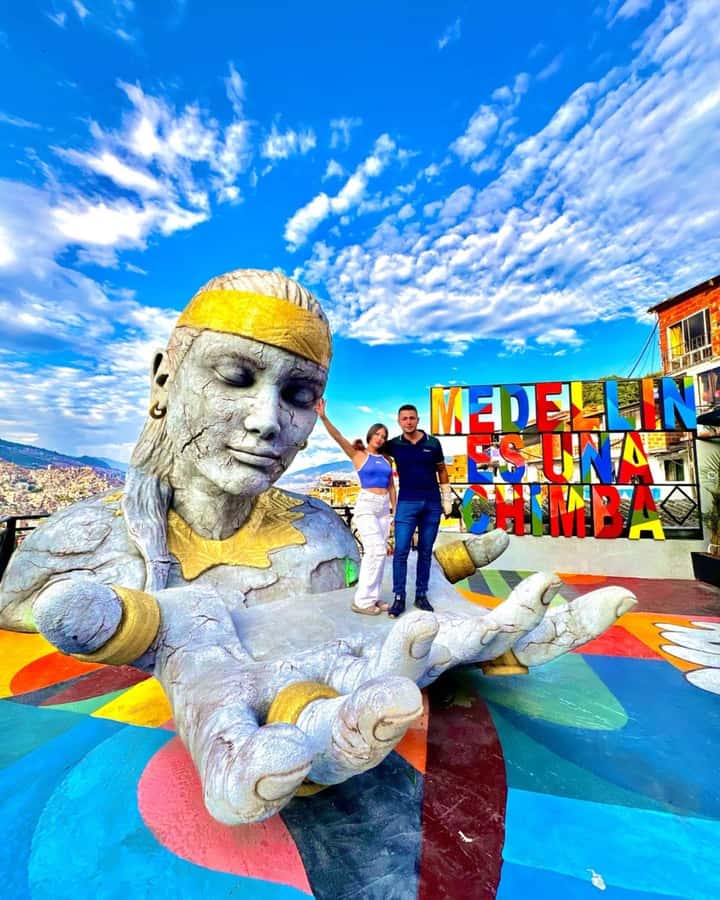
The first guided portion lasts about 20 minutes and helps you get your bearings. Expect your guide to begin laying out the area’s story while pointing out details that are easy to miss on your own.
This opening section is a useful introduction because Comuna 13 can feel like a maze of steep lanes, painted walls, shops, and stairways. The guide gives the surroundings a human frame before the tour moves into its longer walking sections.
You will also begin to see why comfortable shoes matter. The route includes uphill walking and steps. One person traveling with a 70-year-old parent found that the pace could be demanding, even though the parent completed the route. If you walk slowly, tell the guide early so the group can adjust when possible.
Dance, rap, and the neighborhood’s creative voice
A performance of about 15 minutes is included, usually rap or breakdance. This is not just a pause for entertainment. Music and dance are part of the way Comuna 13 presents its current identity.
The show gives the tour a welcome change of pace after the historical introduction. It also helps you see local performers as active artists rather than background decoration for a sightseeing stop.
The quality and exact format may vary, since the experience can include either rap or breakdance. Still, the performances are one of the most consistently praised parts of the outing. They add energy without pushing the history aside.
You will have time for photographs during and after the performance, but do not expect unlimited time at every stop. The description promises good picture locations, and the route delivers viewpoints, murals, galleries, and colorful streets, yet the group continues moving.
Same city, a different plate:
- Medellin: Party Bus with DJ & Street Food Tastings
★ 4.5 · 112 reviews - The Cali Street Food Walking Tour
★ 5.0 · 81 reviews - Cali: Street Food Tour
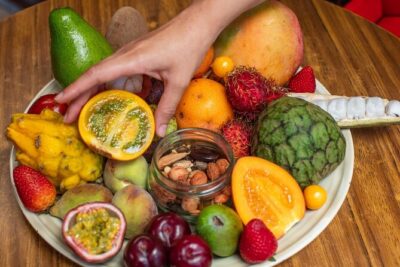
★ 4.8 · 71 reviews - PALOQUEMAO MARKET FOOD TOUR. EXOTIC FRUIT. LOCAL SNACKS. /Min 2 pax
★ 5.0 · 70 reviews
The escalators and the story behind them
The outdoor escalators are the best-known feature of Comuna 13. They are practical public infrastructure, but they also represent a major change in how residents move around the steep hillside community.
Your guide explains the escalators as part of the neighborhood’s wider transformation. That context is more useful than simply riding them, taking a quick picture, and moving on. You can see how the walkways connect sections of the community while listening to the local account of what life was like before these improvements.
The tour also includes Independence neighborhoods 1 and 2. These sections help broaden the visit beyond the most photographed strip. You may see quieter alleys, local homes, small businesses, and art displays that are not obvious from the main route.
This is where having a local guide makes the biggest difference. Several guides, including Jorge and Mateo, are known for taking groups through less touristy parts of the community. The route is not only a set of famous landmarks.
Viewpoints, murals, galleries, and photo time
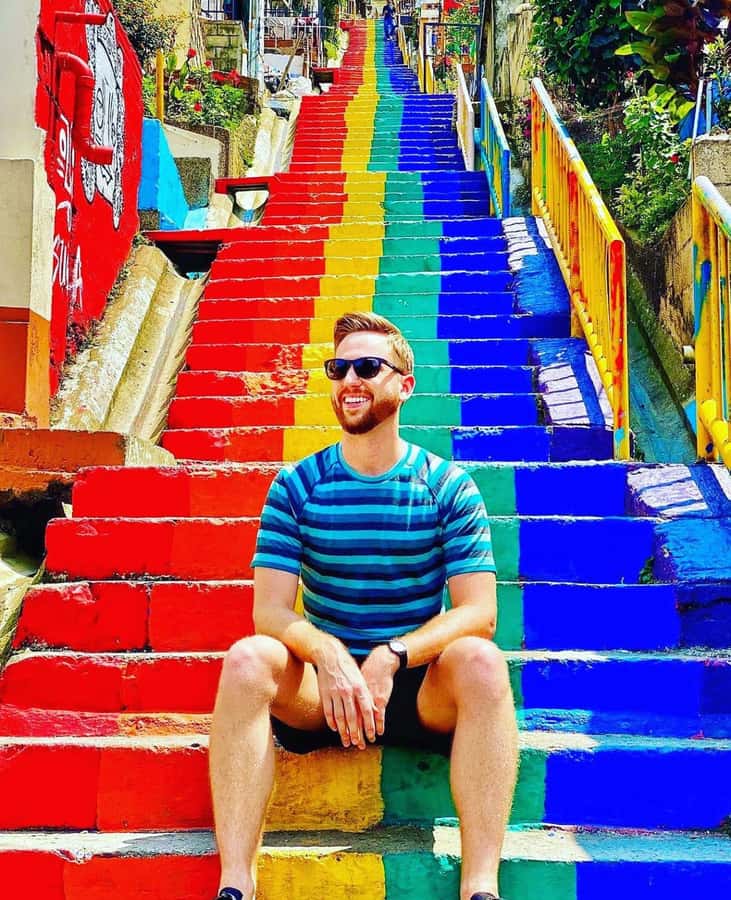
The route includes several scenic viewpoints. From the hillside, you can look across Medellín and get a better sense of the city’s scale and terrain.
Bring a phone or camera, but keep the practical side in mind. The most scenic spots may also be the busiest, and the tour has a schedule to maintain. One visitor felt the pace was too fast for taking many pictures, even though the description emphasizes social media photo locations.
I would treat the photo stops as chances to capture a few strong images, not as a dedicated photography session. Guides may help take pictures, as Esteban did for one visitor, but that should be seen as a helpful extra rather than a guaranteed service.
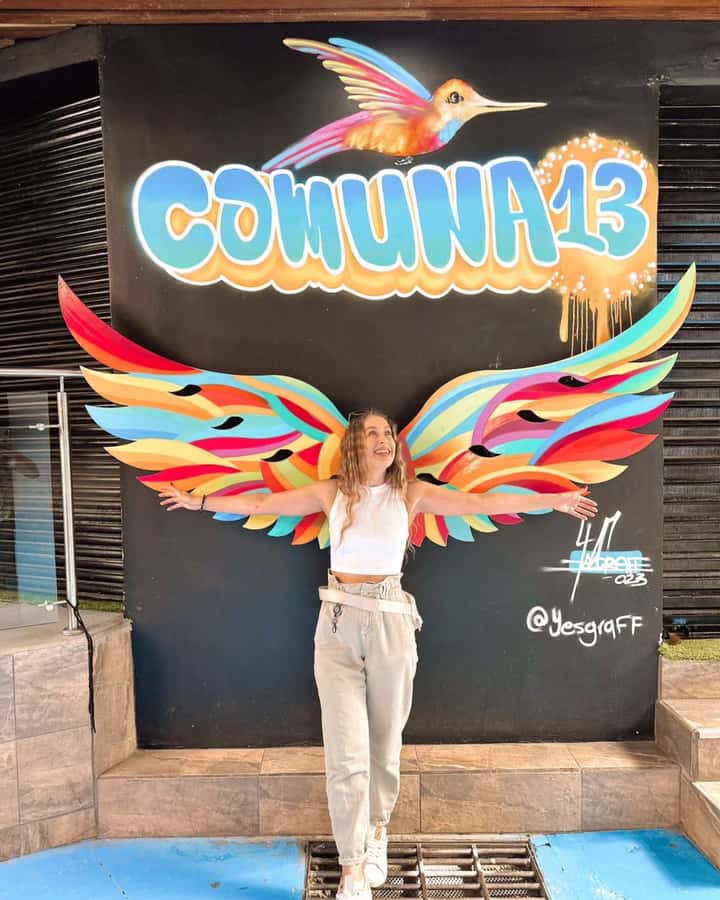
The murals and galleries add another layer to the walk. The art is not presented as decoration alone. Your guide can connect colors, images, music, and public expression to the neighborhood’s current sense of hope and identity.
Street food: empanadas, mango, and more
Food is one of the best reasons to choose this tour over a basic walking route. You receive empanadas and other neighborhood snacks, including a mango and lime popsicle finished with salt and lime.
The food is served in small portions, so think of it as a tasting experience rather than lunch. That is actually a good fit for a walking tour. You can try several local flavors without feeling weighed down during the uphill sections.
The empanadas and ice pop receive special praise, but the exact selection of additional snacks can vary. Some food is suitable for vegetarians, though I would still ask the guide about each item if you have dietary restrictions.
This part of the outing also supports a more ordinary view of Comuna 13. You are not only looking at public art and hearing historical accounts. You are trying the snacks sold and enjoyed in the neighborhood today.
The longer guided walk through Independence 1 and 2
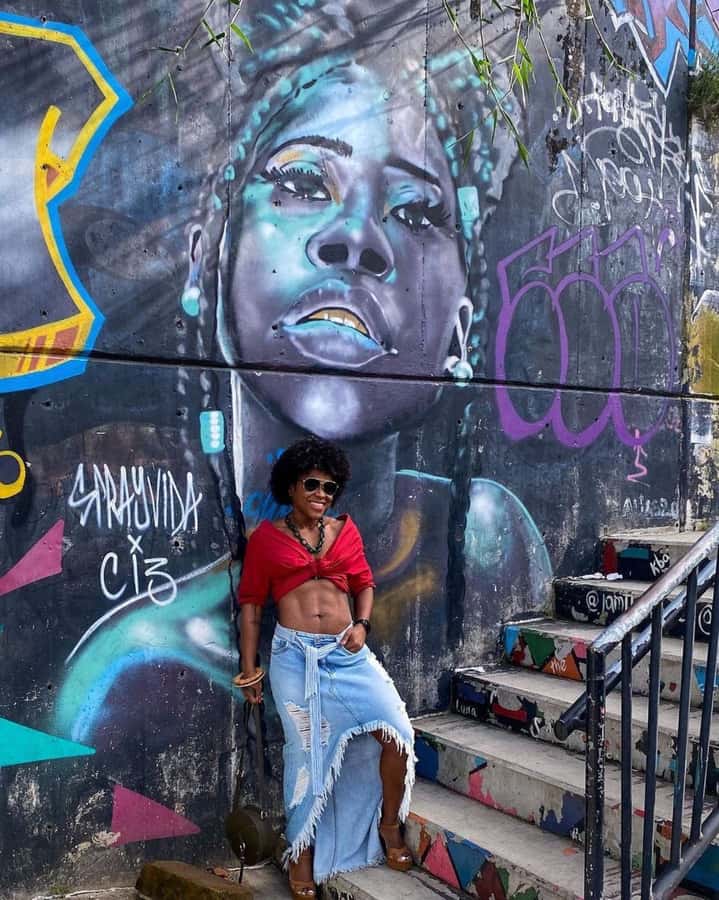
After the early stops, the tour spends about an hour on a more detailed guided walk. This is the main history section, covering the difficult past of Comuna 13 and the changes that followed.
The guides are encouraged to answer questions, and that makes this section more valuable than a memorized speech. You can ask about the transition from a troubled past to a neighborhood known for art, music, tourism, and community activity.
The strongest guides bring personal experience into the explanation without making the entire tour about themselves. Mateo, for example, grew up in the area, while other guides describe having lived through earlier periods. That can make the history more immediate, but it also means the tone may differ depending on your guide.
I would listen for both parts of the story: what happened before and what the community is doing now. A respectful visit should avoid treating Comuna 13 as a spectacle of past violence. The tour’s better moments show residents as people building businesses, performing, creating art, and welcoming visitors on their own terms.
The final hour: food, shopping, and a slower look around

The last major section combines another guided walk with free time, shopping, food tasting, scenic views, and more picture stops. This is the least predictable part because the rhythm depends on the group and the guide.
You may have a chance to browse local art or small goods, pause at a snack stand, and revisit a viewpoint. The free time is useful if you want a souvenir or one last photograph, but it may feel limited if the group has fallen behind earlier.
Some people prefer this flexible ending because it gives the tour a more natural neighborhood feel. Others may want a clear final stop and more time for independent browsing. If shopping matters to you, tell your guide early so you can use the available time well.
The tour then returns you to the same meeting area. There is no separate transport included, so you should arrange your next plans from that point.
How much walking should you expect?
The experience lasts three hours and includes escalators, uphill stretches, steps, viewpoints, alleys, and standing during performances. The escalators reduce some effort, but they do not remove the walking.
Most people who are comfortable with moderate urban walking should manage it. Still, this is not an ideal choice for anyone expecting a flat, slow stroll. The route may feel rushed if you need frequent breaks or long photo stops.
The group size is not fixed in the information provided. One group had eight people plus the guide. A small or medium group is likely to make questions and photo help easier, while a larger group can slow down the route.
Wear shoes with a firm grip, bring water, and keep your belongings close in crowded areas. These are basic city-walking habits, not special warnings about this particular tour.
Is $14 a fair price?
At $14 per person, the value is strong. You receive about three hours of guiding, local stories, several major Comuna 13 sights, food tastings, a mango and lime popsicle, and a live music or dance performance.
Comparable independent visits may cost less in cash, but they do not necessarily provide the same historical explanation or local access. The main value here is the guide. If your guide is able to explain personal connections and answer questions in English or Spanish, the experience gives you far more than a route map.
The low price also makes this a useful first activity in Medellín. It introduces Comuna 13 without requiring a full-day commitment. You can then decide if you want to return on your own for more art, food, or shopping.
The tradeoff is a fixed group pace. You are paying for a shared experience, not a private tour. If you want total control over timing, photography, and food choices, a private guide may suit you better.
English, Spanish, and guide quality
Tours are offered in English or Spanish. Some material may be presented in its original language, so ask questions if a phrase or explanation is unclear.
The guide names connected with especially strong experiences include Mateo, Jorge, Alex, Kevin, Esteban, Carlos, Lucho, Nancy, Eddy, David, and Luis. You cannot choose a particular guide with certainty from the information given, but the repeated praise for different guides suggests the company has a broad team rather than relying on one person.
The best guide for you will be one who matches your language and interests. If you care most about history, ask for detailed explanations. If you want photographs, say so at the beginning. If mobility is an issue, mention it before the group begins climbing.
One small practical note: a complaint concerned unfriendly café staff at the meeting point. That does not define the tour itself, but it is another reason to keep communication with the guide clear and not assume café employees are handling the group.
Who should book this experience?
I would choose this tour if you want a compact introduction to Comuna 13 that combines history, food, art, and local contact. It suits first-time visitors to Medellín, people who prefer a guide in English or Spanish, and anyone who wants more context than a quick photo visit provides.
It is also a good choice for solo visitors who want the comfort of a group and for couples or families interested in hearing the neighborhood’s past directly from local guides.
I would think twice if you have limited mobility, dislike uphill walking, or need a slow pace for photography. The tour can work for an active older visitor, but the experience may be tiring and the group may not be able to wait at every point.
Free cancellation up to 24 hours before the start and the option to reserve now and pay later make planning easier. Even so, I would confirm the meeting street number, language, starting time, and any mobility concerns before booking.
Should you book it?
Yes, if you want a low-cost, locally led introduction to Comuna 13 with food and performances built in. The combination is hard to beat for $14, and the strongest guides add personal meaning to the escalators, murals, viewpoints, and alleys.
Book with realistic expectations. This is an active walking tour, not a relaxed café crawl or a private photography session. Arrive early, wear good shoes, keep some time for questions, and tell the guide what you need. For most visitors who want to understand both Comuna 13’s painful past and its creative present, this is a smart three-hour choice.
FAQ
Where does the Comuna 13 tour meet?
The guide meets you outside Garden Coffee, in front of a colorful building. The supplied information gives both Cl. 38a #109-7 and Cl. 38a #108-21, so confirm the exact street number by WhatsApp before arriving.
How long does the experience last?
The tour lasts three hours, including the safety briefing, guided walks, performances, food tastings, photo stops, and return to the meeting area.
Is the tour offered in English?
Yes. Live guides are available in English and Spanish. Some content may be presented in its original language.
What food is included?
The food includes empanadas, additional neighborhood snacks, and a mango and lime popsicle with salt and lime. Some of the food is suitable for vegetarians.
Does the tour include the Comuna 13 escalators?
Yes. The route visits the famous outdoor escalators, along with viewpoints, galleries, art displays, alleys, and the Independence 1 and 2 neighborhoods.
Is a dance or music performance included?
Yes. The experience includes either a rap show or a breakdance show.
Can I cancel the booking?
You can cancel up to 24 hours before the experience for a full refund. You can also reserve now and pay later.
Just added around Colombia
- Private Cartagena city and street food tour.★ 5.0 · 31 reviews
- The Cali Street Food Walking Tour★ 5.0 · 81 reviews
- Street Food Tour – Live A Unique Gastronomic Experience★ 5.0 · 34 reviews
- Street Food Tour in Bogotá with Tastings★ 5.0 · 34 reviews
- PALOQUEMAO MARKET FOOD TOUR. EXOTIC FRUIT. LOCAL SNACKS. /Min 2 pax★ 5.0 · 70 reviews
- Cali: Street Food Tour★ 4.8 · 71 reviews
- Shared Tour Bogota’s Street Local Food★ 4.5 · 22 reviews
- Shared Tour Cali’s Local Food at Alameda Market★ 4.8 · 12 reviews
Colombia Street Food Tours, compared.
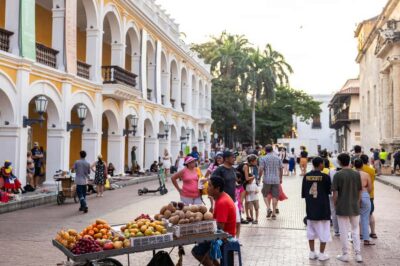
Cartagena: Guided Street Food Tour with Tastings
Read our review →
Medellin: Street Food and Poblado Rooftop Tour with a Local
Read our review →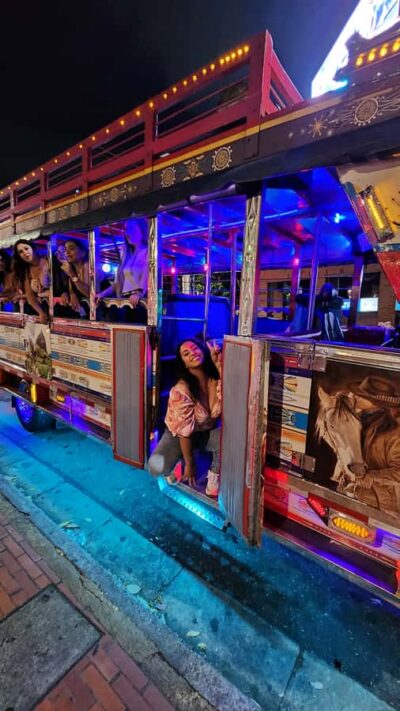
Medellin: Party Bus with DJ & Street Food Tastings
Read our review →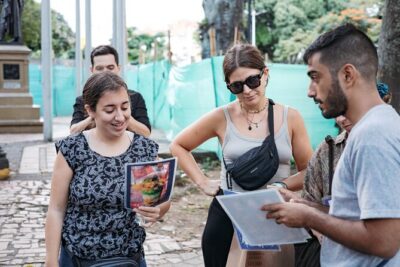
PALOQUEMAO MARKET FOOD TOUR. EXOTIC FRUIT. LOCAL SNACKS. /Min 2 pax
Read our review →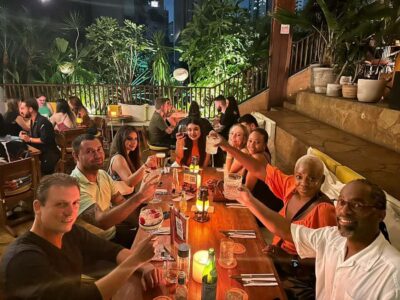
Medellin: tasting Street Food with Rooftops of El Poblado
Read our review →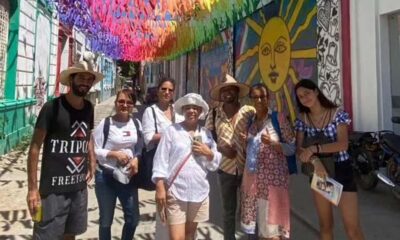
Santa Marta A Historical & Street food Experience
Read our review →Browse the lists this tour appears in