REVIEW · CHINA STREET FOOD TOURS
Night Market Haggling Adventure with an English Guide!
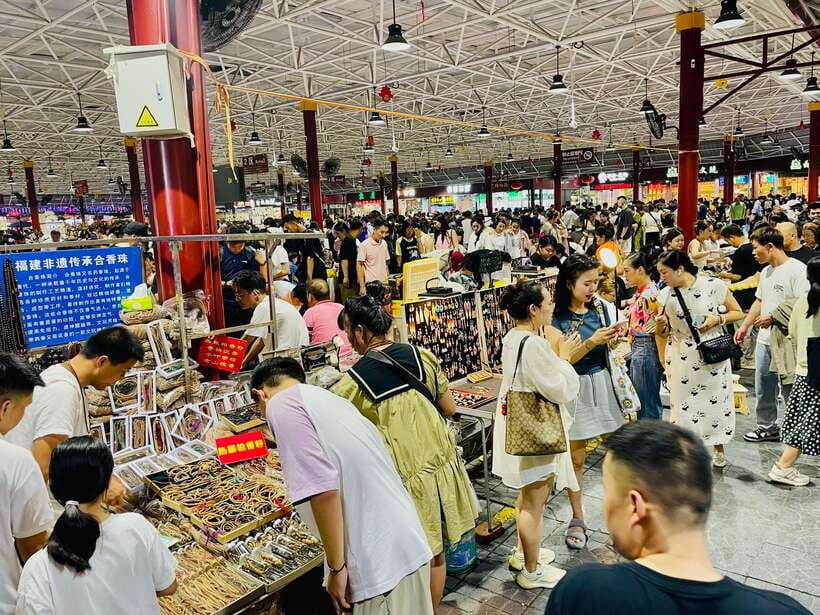
Panjiayuan is not a polished shopping mall. It is a changing night market with roots reaching back to the Qing Dynasty, where old-style antiques sit beside handmade work from younger artists. The fun is in not knowing what will appear at the next stall. I like the English-speaking bargaining help and the chance to stop wherever something catches your eye.
I also like that snacks and street food are included, so the evening is not only about buying things. Guides Lan and July receive especially warm praise for their energy, food choices, and ability to get better prices. The main consideration is your budget: the $68 fee covers the guide, water, and food, but your purchases are extra, and three hours can pass quickly if you enjoy shopping.
Key points to know before you book
- Panjiayuan changes from visit to visit: Different sellers appear, so you will not see one fixed collection of stalls each evening.
- Lan and July are named guides: Both are praised for being friendly, enthusiastic, and useful at the bargaining table.
- Bargaining is part of the activity: Your guide can translate, discuss prices, and help you avoid handling every purchase alone.
- Food is built into the evening: Expect local snacks and street food during a planned 30-minute food stop.
- The group is private: The tour can be adjusted around the stalls and items that interest you.
- Bring room in your budget: Personal purchases are not included in the $68 price.
Why Panjiayuan works after dark
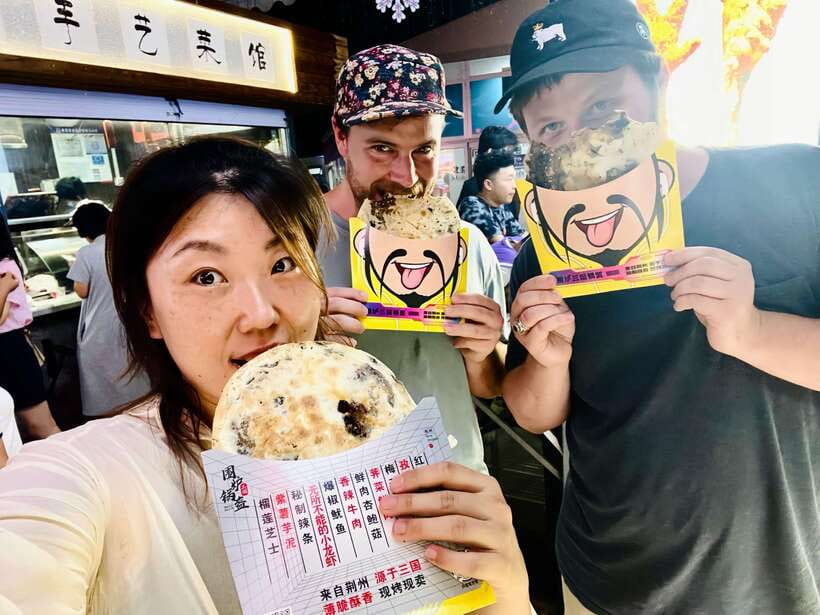
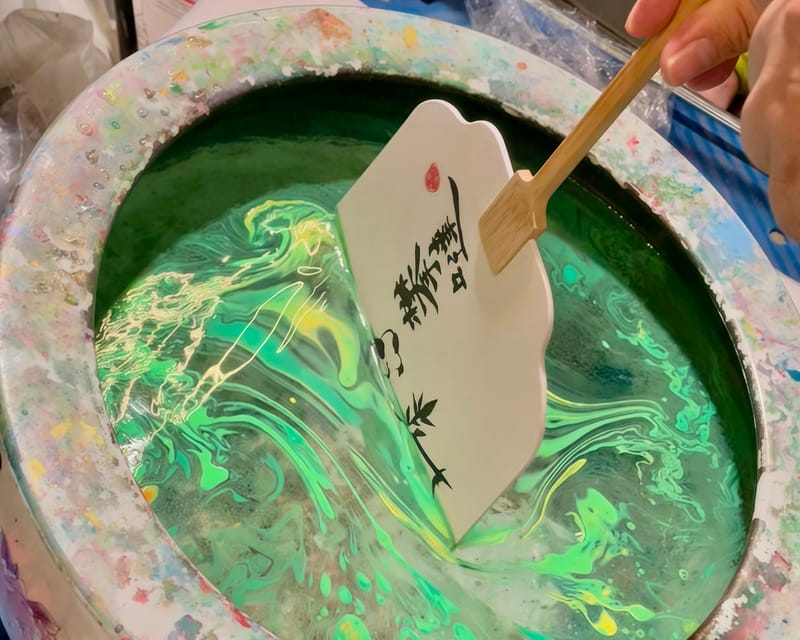
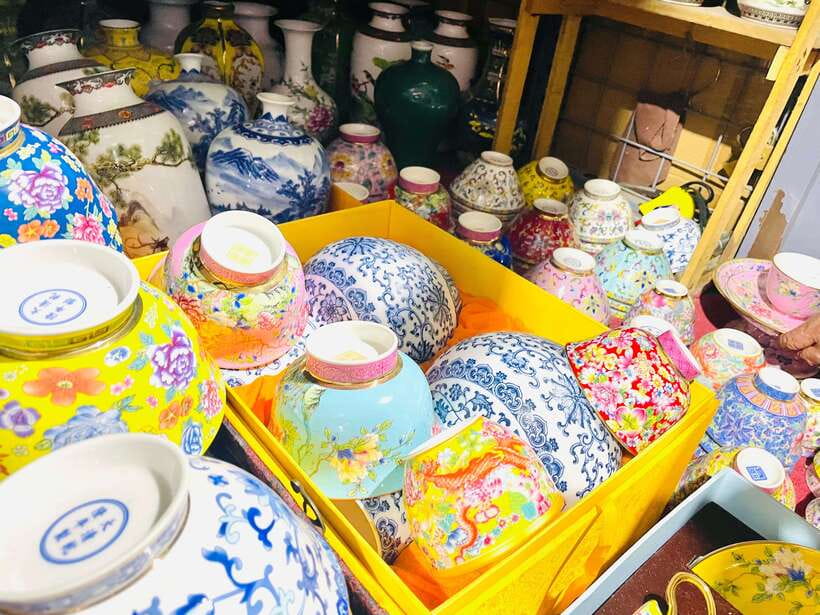
Panjiayuan Antique Market has an old reputation as a place for antiques, but the present-day market is broader. You may find traditional objects, decorative pieces, handmade crafts, and work by young local artists. That mix gives the market more life than a shop with one fixed product line.
The night timing matters. The tour begins at 6:30 PM, when sellers and shoppers are getting into the evening rhythm. You are not simply walking through a daytime collection of stalls. You are watching the market switch into its social hours, with people browsing, comparing prices, eating, and making quick decisions.
I like the fact that the market is described as changing from one visit to the next. That makes this less about checking off a famous sight and more about seeing what is available that night. The tradeoff is simple: you cannot count on finding a particular item. If you want one exact antique or souvenir, this may feel uncertain. If you enjoy the search, that uncertainty is the point.
The tour is especially useful if you are curious about shopping but do not know how to begin. A guide gives you a person to ask before you buy, which can make a large market feel less tiring.
More Night Market Food Tours in China
Meeting at Line 10, Exit B
The meeting point is in front of Panjiayuan Station on Line 10, Exit B. That is an important practical detail because the market itself is not the meeting point listed for the tour. Plan to arrive with enough time to find the exit and meet your guide before the 6:30 PM start.
Once you meet, the evening stays in the Panjiayuan area. There is no long sightseeing transfer built into the experience. That keeps the focus on the market, the food, and the shopping.
The private-group format is a real advantage here. You can tell your guide what interests you, stop at stalls that appeal to you, and spend less time on items that do not. This is better suited to a couple, family, or small party with shared interests than to someone who wants a large group social outing.
The activity is listed as wheelchair accessible, though the market experience itself involves moving among stalls and shopping areas. If you use a wheelchair, it is sensible to discuss your needs with the provider before booking, especially since the tour centers on a market rather than a formal indoor venue.
The first hour: browsing the antique market
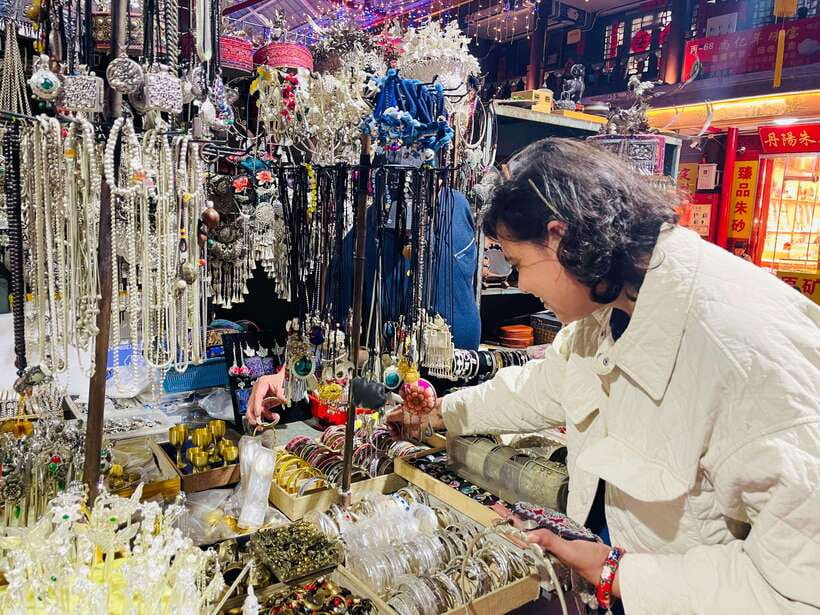
The first shopping period lasts about one hour. Think of it as your introduction to the market’s scale and style. Your guide can help you understand what you are seeing, explain prices, and translate when you want to ask about an item.
This is where the guide’s role becomes more useful than a simple escort. At a market, the challenge is often not finding something interesting. It is knowing how to ask about it, how to compare prices, and how to decide if the object is worth your money.
You are free to stop at stalls that catch your attention. The tour does not appear to lock you into a short list of approved shops, which suits people who like browsing at their own pace. You might find traditional pieces at one stall and modern handmade work at the next.
Do not expect every item to be a museum-quality antique. The market is a place to look, ask, compare, and bargain. If you treat every object as a serious historical purchase, you may end up frustrated. If you see the experience as a chance to browse local goods and practice the art of choosing, it becomes much more enjoyable.
Your guide can also help with the social side of bargaining. You do not have to walk into a stall and start negotiating in a language you do not speak. That is one of the clearest reasons to pay for this tour instead of visiting alone.
Thirty minutes for local snacks
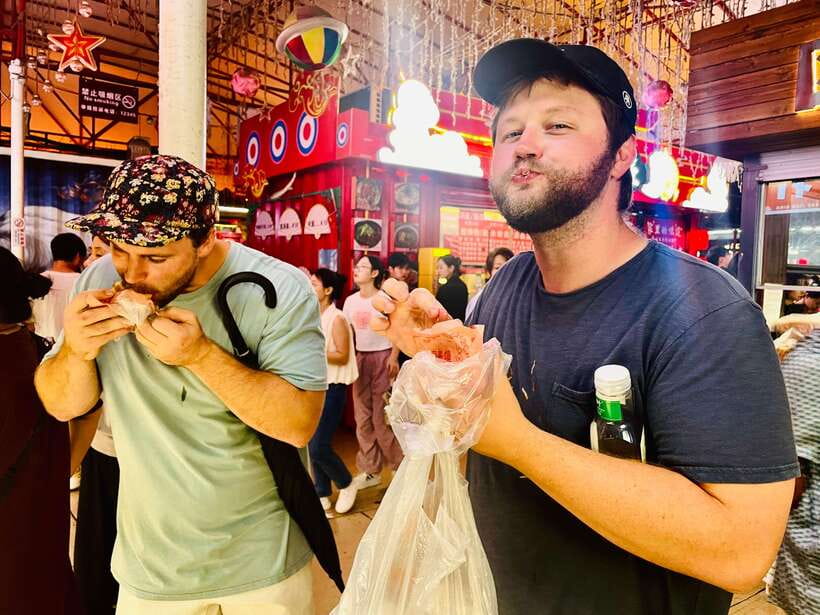
The planned food stop lasts about 30 minutes and includes local snacks and street food. Bottled water is also included, which is useful during an evening spent walking and browsing.
Food gives the tour a second purpose. You are not spending the entire night thinking about prices and purchases. The snack stop breaks up the shopping and gives you a chance to try something local without having to choose every dish on your own.
The guide’s food choices are one of the strongest parts of the experience. Lan is praised for selecting good food, and the tour is designed to include snacks rather than leave you to find dinner separately. That makes the $68 price easier to assess, especially if you value guidance at the food stalls as much as help with shopping.
Still, this is a snack stop, not a full restaurant meal. You should not book it expecting a long sit-down dinner. The useful comparison is a guided market evening with food included, not a dedicated Beijing food tour.
If you have dietary restrictions, ask the provider in advance. The supplied details confirm that snacks and street food are included, but they do not list specific dishes or dietary options.
More Street Food Market Tours in China
- Dumpling Cooking Class and Local Market Tour
★ 5.0 · 3 reviews - Organic Chinese Dumpling Class with Market Walk
★ 5.0 · 88 reviews - Organic Xiao Long Bao Soup Dumpling Class & Market Walk
★ 5.0 · 62 reviews - Private Guangzhou Food Tour Michelin Restaurant&Local Food Market
★ 5.0 · 32 reviews
The final 90 minutes: shop with a plan
After the food stop, you return to shopping for about an hour and a half. This longer second session is where the private format can make a difference. By now, you have seen the market, learned how the guide works, and may have a clearer idea of what you want.
You can return to an item, compare another stall, or continue looking for something that suits your budget. Your guide can help translate questions and bargain for you. In one especially useful account, the guide stopped at every stall of interest and helped with both translation and prices. That is exactly the kind of flexibility you want in a market tour.
Lan is repeatedly praised for enthusiasm and for bargaining successfully at many stalls. July is also described as well prepared and helpful. Since the exact guide can vary, you should not assume you will receive one particular person, but these names show the kind of support the company aims to provide.
This longer shopping block also reveals the tour’s main weakness. If you do not like shopping, 90 minutes can feel long. One participant who normally dislikes markets still had a good evening, but your experience will depend on how much you enjoy browsing, tasting, and making small buying decisions.
The private setting helps reduce that risk. You are not stuck following a fixed group through every stall. You can tell the guide when you have seen enough, or focus the time on a few items that interest you.
Bargaining without guesswork
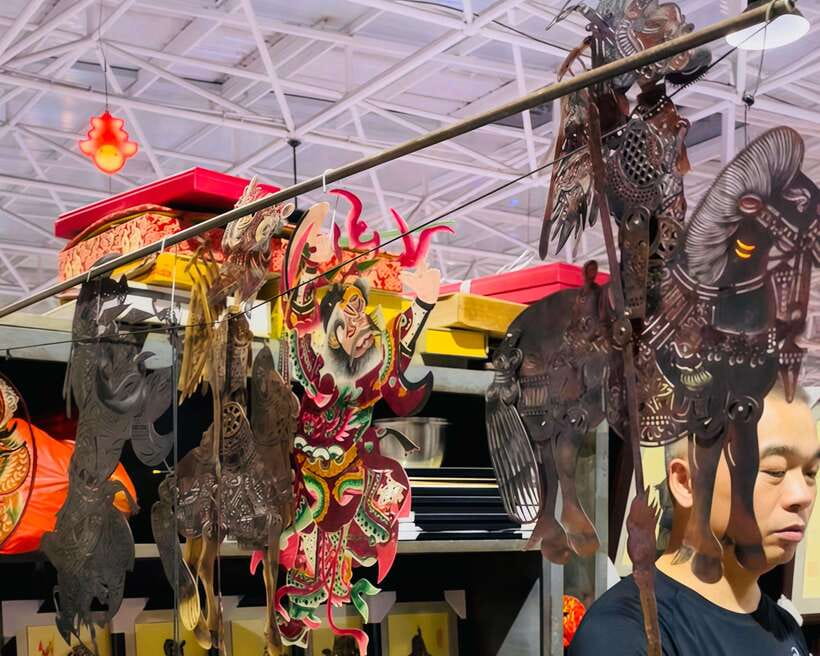
Bargaining is not an optional extra here. It is one of the main reasons to book. Your guide can speak with sellers, ask questions, and help you judge whether a price is worth discussing.
That does not mean the guide can guarantee a bargain on every purchase. Sellers may have different prices, and the market changes from night to night. The guide’s value is in giving you support and context, not promising that every item will be sold at a dramatically lower price.
You should decide your own spending limit before you arrive. It is easy to get carried away when you see several small objects and the guide helps make each purchase feel possible. The tour price does not include personal spending, so your final cost depends on what you buy.
A useful payment tip is to carry some cash. Digital payments such as WeChat and Alipay are common concerns for visitors, and one piece of practical feedback notes that cash worked when phone payment might have failed. The supplied information does not promise that every vendor accepts every payment type, so cash gives you a backup.
Keep your expectations sensible. Panjiayuan is a market, not an appraisal service. If you are considering an expensive antique, ask careful questions and do your own research. The guide can help with communication and bargaining, but the buying decision remains yours.
What the $68 price covers
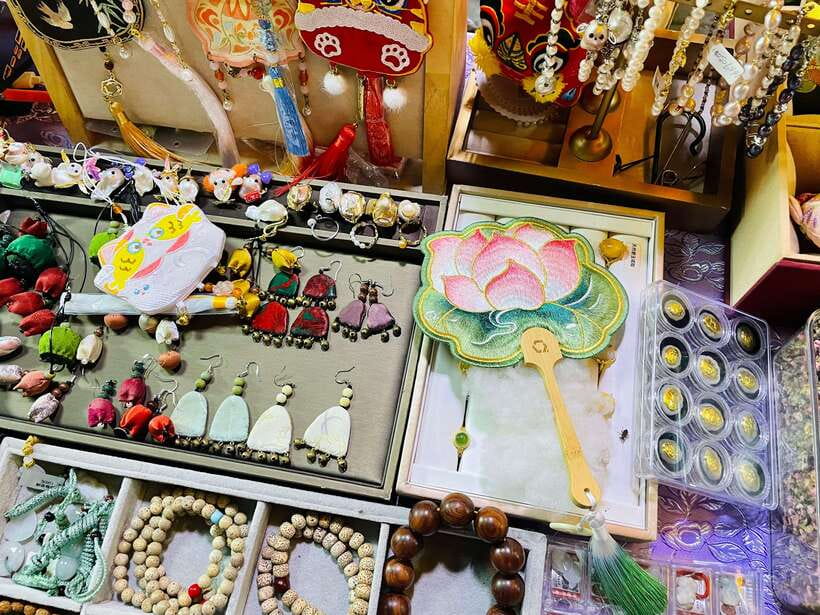
At $68 per person, this is not the cheapest way to walk around Panjiayuan. You are paying for an English-speaking private guide, help with bargaining, bottled water, and included snacks and street food.
The price makes the most sense for you if language is a concern or if you feel uneasy negotiating alone. A private guide can save time and reduce the stress of deciding where to go first. You also receive a planned food break and a local setting that is difficult to appreciate fully if you are focused only on avoiding mistakes.
The value is weaker if you already speak Chinese, enjoy bargaining independently, or only want a quick look at the market. In that case, the guided portion may not justify the added cost, especially since purchases are extra.
Group size matters here. A private group means you are not sharing the guide’s attention with strangers, and the route can be shaped around your interests. For a couple or small group, the cost may feel more reasonable than it would for one person traveling alone.
The listed duration creates one small point to clarify. The main details describe a three-hour tour, while the highlights call it a 3.5-hour private experience. The timed plan adds up to about three hours: one hour of shopping, 30 minutes for snacks, and 1.5 hours of shopping. Check the exact starting and ending time when you book.
Who will enjoy this night market tour
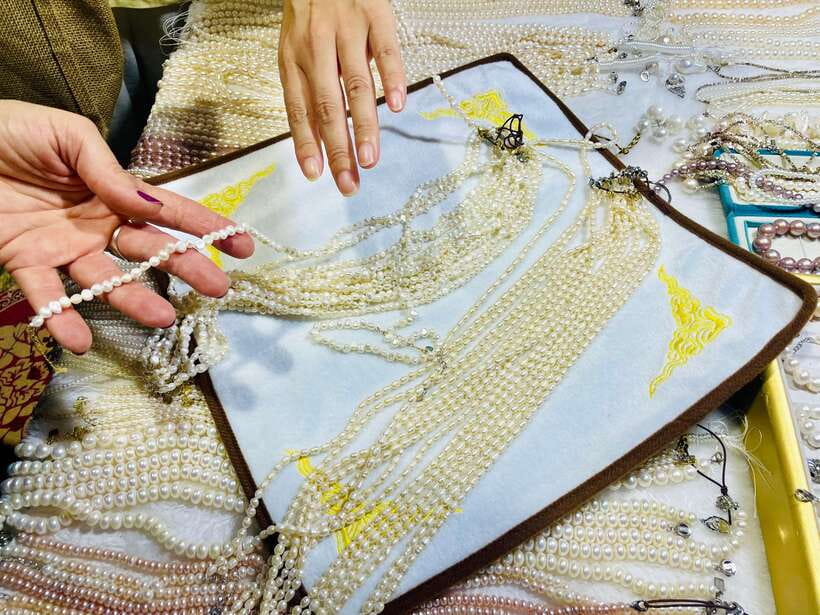
I would recommend this experience to you if you enjoy browsing without needing a fixed shopping list. The changing stalls mean the market has an element of surprise, and the guide lets you explore without worrying about every translation or price discussion.
It also suits first-time visitors to Beijing who want an evening activity outside the standard sightseeing route. You get a historic market setting, local food, and a chance to interact with sellers, all in one compact outing.
The tour is a good match for:
- Couples who want a relaxed evening activity
- Small private groups with mixed interest in food and shopping
- Visitors who want English help with bargaining
- People who like handmade crafts and unusual small purchases
- Anyone who would rather have food choices explained than order alone
You may want to skip it if shopping makes you tired, if you need a formal dinner, or if you want guaranteed access to specific antiques. The market is flexible and changing, not a carefully controlled collection.
Booking details worth knowing
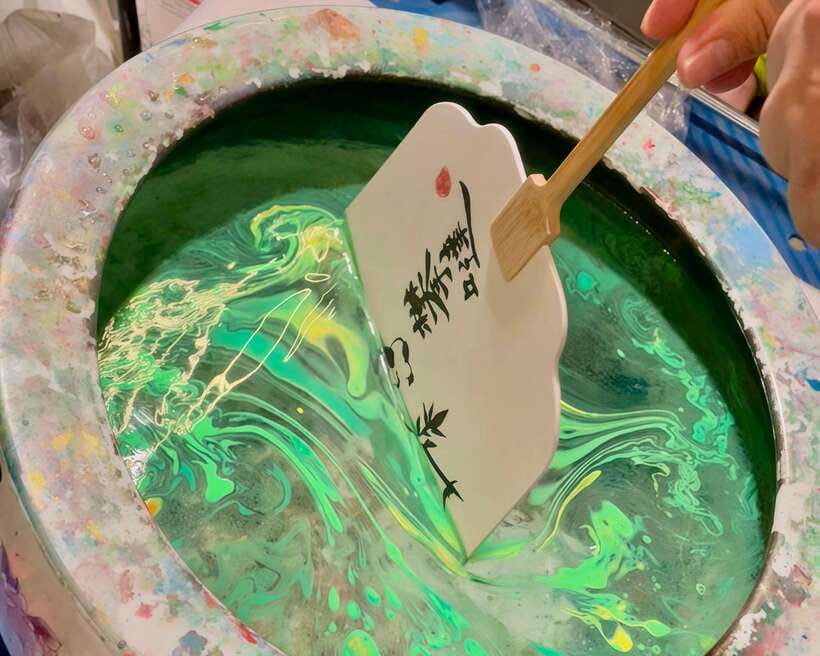
The live guide speaks English, and the group is private. The tour is listed as wheelchair accessible. The meeting point is in front of Exit B at Panjiayuan Station on Line 10.
You can cancel up to 24 hours in advance for a full refund. The reserve-now, pay-later option lets you hold a place without paying on the day of booking, which is useful when your Beijing schedule is still shifting.
The tour provider is Wonder Locals. The activity has a rating of 4.8 from seven ratings, with particularly strong praise for the guides’ friendliness, energy, bargaining help, and food choices. I would give those points more weight than the number alone because they match the actual design of the experience.
Should you book it?
Book this tour if you want Panjiayuan to feel approachable rather than confusing. The best reasons are the private format, English bargaining help, changing selection of stalls, and included local snacks. Guides such as Lan and July are praised for making the evening fun even for people who normally dislike markets.
Skip it if you prefer to browse alone, do not plan to buy anything, or want a full dinner instead of a short snack stop. Also set a purchase budget before you arrive. The $68 fee buys guidance and food, but the most tempting part of the evening is likely to cost extra.
For the right visitor, this is a practical way to experience a less polished, more unpredictable side of Beijing. Go with curiosity, a little patience, and enough cash for the object you did not expect to find.
FAQ
Where does the tour meet?
The meeting point is in front of Line 10 at Panjiayuan Station, Exit B.
What language does the guide speak?
The live tour guide speaks English.
How long does the tour last?
The main details list the duration as three hours. The highlights also describe it as a 3.5-hour experience, so confirm the exact timing when booking. The scheduled activities add up to about three hours.
Is food included?
Yes. Bottled water, snacks, and street food are included. The planned local snack stop lasts about 30 minutes.
Are shopping purchases included in the price?
No. The $68 price does not include personal spending or other fees not listed. You pay separately for anything you buy at the market.
Can I cancel the booking?
Yes. You can cancel up to 24 hours in advance for a full refund. You can also reserve now and pay later.
More Market Food Tours in Beijing
- Tokyo Tsukiji Fish Market Food and Culture Walking Tour
★ 5.0 · 3,184 reviews - London Bridge & Borough Market Food Tour with 7 Authentic Dishes
★ 5.0 · 1,972 reviews - Tokyo: Tsukiji Fish Market Food and Walking tour
★ 5.0 · 1,724 reviews - Small Group Cooking Class & Market Food Tour in Florence
★ 5.0 · 1,574 reviews
More Night Market Food Tours in Beijing
- Saigon By Night and Street Food By Motorbike | Opt: Ao Dai Riders
★ 5.0 · 4,066 reviews - Phuket: Full Day City Tour with Night Market
★ 4.5 · 2,888 reviews - Marrakech: Street Food Tour by Night
★ 4.8 · 2,838 reviews - Small Group: Singapore Street Food & Night Tour with 9 tastings
★ 5.0 · 1,240 reviews
Just added around Beijing
- Street Food in Beijing Hutongs by Bike★ 5.0 · 11 reviews
- Private Hutong Culture Tour with Dumpling Cooking Class plus Cricket Fighting Game★ 5.0 · 5 reviews
- 4-Hour Private Tour: Lama Temple, Confucius Temple, Guozijian Museum with Dim Sum★ 5.0 · 21 reviews
- Beijing: Private Dumpling Cooking Class in Local Family★ 5.0 · 3 reviews
- Private Customized Beijing Night Tour To Wangfujing Food Street And Pipe Hutong★ 4.0 · 5 reviews
- Private Beijing Night Tour with Mr. Shi’s Dumplings, Great Leap Brewing and Houhai Lake★ 4.5 · 5 reviews
- Private Beijing Tour: Forbidden City, Mutianyu Great Wall, and Dumpling Lunch★ 5.0 · 7 reviews
- Hutong Calligraphy Crafts and Dumpling Making in a Local Home★ 5.0 · 2 reviews
China Street Food Tours, compared.
Authentic Local Food Tour in Central Shanghai
Read our review →
Xi’an: Great Tang Dynasty Night Show & Dumpling Meal Option
Read our review →
Small Group Kowloon Michelin Rated Street Food and Culture Tour
Read our review →