
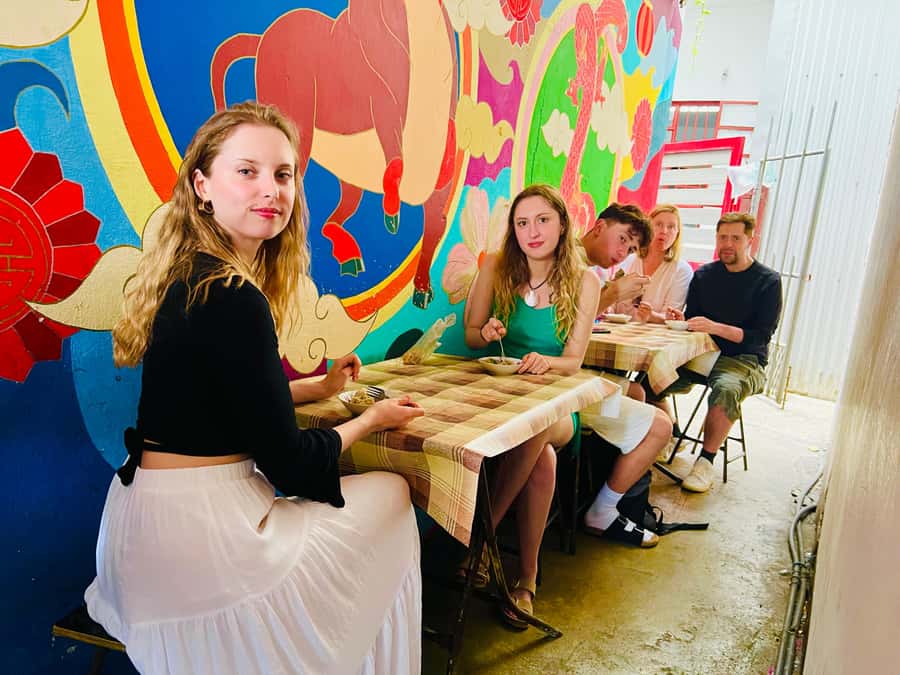
REVIEW · STREET FOOD TOURS
Port Louis: Street Food & City Tour
Port Louis is easiest to understand with something tasty in your hand. This walking tour links the city’s Indian, Chinese, African, and French influences to the food sold in its markets and side streets, from spicy gato pima to tropical fruit and sweet treats.
I like the mix of history and eating, especially the museum visit and the stops at Chinatown and Central Market. I also like the small group, capped at 10, and guides such as Dourvesh, who bring in stories about plants, politics, temples, street art, and daily life instead of sticking to food alone.
The main drawback is the walking. You may cover more than 5 kilometers, spend time in strong sun, and finish very full. One vegetarian stop may offer only the meat-free part of a dish rather than a proper substitute, so tell the guide about dietary needs before setting out.
Key things to know before booking
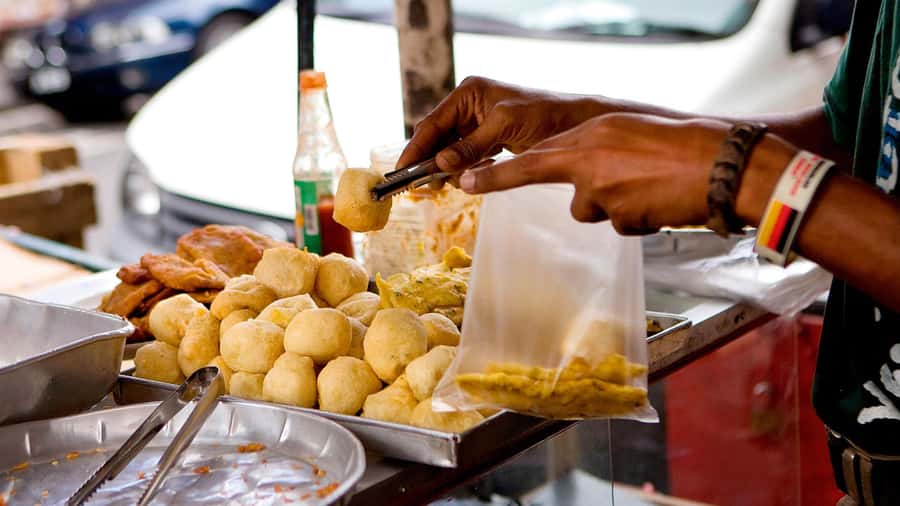
- Gato pima at Central Market: Try Mauritius’s crisp chili bites made with split peas, spring onions, and green chilies.
- A city tour with real food stops: The route takes in Chinatown, Aapravasi Ghat, Company Garden, old buildings, temples, street art, and the waterfront.
- A generous tasting schedule: You receive about 6 to 8 tastings, plus tropical fruit and a milkshake or juice. Some outings include more small samples.
- A small walking group: No more than 10 people makes it easier to ask questions and keep the pace relaxed.
- A guide-led introduction to Mauritius: Dourvesh is frequently named as the guide, with English and French available.
- A good first-day activity: The route gives you a useful map of Port Louis and ideas for places to revisit later.
Why food is the best way into Port Louis
Mauritius is a small island with an unusually mixed cultural identity. Its food reflects Indian, Chinese, African, and French influences, and this tour uses that mix as a guide to the city.
That matters because street food is not just a collection of snacks. It shows how communities settled, traded, adapted recipes, and made familiar ingredients work in a new place. Your guide explains those links as you walk, so a food stop becomes part of the larger story of Mauritius.
You will not simply sit down for one long meal. Instead, you pause at several places, taste something, hear where it fits into local life, then walk on to the next part of the city. That keeps the experience active and helps you notice how quickly Port Louis changes from waterfront to market streets, Chinatown, gardens, and historic buildings.
The food is also filling. Come ready to eat, but do not arrive after a heavy breakfast. A light breakfast two or three hours beforehand is the sensible compromise, especially since the first stop may involve history before the main tasting begins.
More City Tours in the world:
- Ho Chi Minh City Street Food Tour & Sightseeing By Motorbike
★ 5.0 · 9,413 reviews - Private Street Food Evening Walking Tour in Ho Chi Minh City
★ 5.0 · 3,175 reviews - Top Notch Street Food Motorbike Tour In Ho Chi Minh City
★ 5.0 · 2,667 reviews
Starting at Caudan Waterfront
The meeting point is in front of Le Casino at the Caudan Waterfront, opposite Café LUX. Look for the guide wearing a black hat.
Caudan gives you an easy starting point. It is a modern waterfront setting, and the route then moves toward the older parts of Port Louis. That contrast helps you see the city as more than a cruise-port stop or shopping area.
The activity is listed as 210 minutes, or three and a half hours. In practice, some outings have lasted a little over four hours, especially when the group asks questions or takes its time at food stops. I would not schedule a tight airport transfer, excursion, or restaurant booking immediately afterward.
The group limit of 10 is useful here. Port Louis streets and food stalls are easier to manage with a small party than with a large coach group. You can hear the guide, ask about unfamiliar ingredients, and stay together without turning every stop into a production.
A museum stop that gives the food context
The first cultural stop is a historical museum, with the Aapravasi Ghat Centre specifically mentioned in the experience feedback. This is an important pause before the eating begins.
Aapravasi Ghat connects to the story of indentured immigration and the people who helped shape modern Mauritius. You learn about the movement of people to the island and the cultural forces that later appeared in its languages, religions, neighborhoods, and cooking.
I value this part because it prevents the food from becoming a disconnected tasting menu. Once you understand why Mauritius has such a varied population, the later stops in Little India, Chinatown, and the market make much more sense.
The museum visit also means you should not expect to eat within minutes of meeting the guide. If you need food early in the morning, have something small before arriving.
Through Chinatown and Port Louis side streets
From the historic center, the walk continues through Port Louis, including Chinatown. Here you can expect to see older buildings, street art, temples, and food influenced by Hakka Chinese cooking.
Chinatown is one of the strongest parts of the route for many people because it is easy to pass through without knowing what to look for. A local guide can point out the food stalls and explain the difference between simply seeing a neighborhood and understanding how it fits into the city.
The route is not limited to major sights. It uses side streets and small food places that you might skip when exploring alone. That is useful in Port Louis, where a plain-looking stall can be more interesting than a polished restaurant, but you may not know what to order or how a dish is normally eaten.
Street art adds another layer. Several outings included colorful murals and lesser-known pieces that are easy to miss when you are focused on monuments and markets. If you like taking photographs, keep your camera ready, but stay aware of the group and the walking pace.
Your guide may also talk about plants, local politics, and city life. That wider conversation is one reason this works better as a city tour with food than as a simple snack crawl.
A few more street food tours around the world worth a look
- Reykjavik Food Walk – Local Foodie Adventure in Iceland
★ 5.0 · 18,952 reviews - Dubai: Old Town, Creek, Museums, Souks, & Street Food Tour
★ 4.8 · 10,816 reviews - Medellin: Comuna 13 Graffiti Tour, Cable Car & Street Food
★ 4.8 · 9,046 reviews - Dubai: Old Town, Souks, Street Food, Guided Tour & Abra Ride
★ 4.9 · 7,170 reviews
Central Market and the best-known tastings
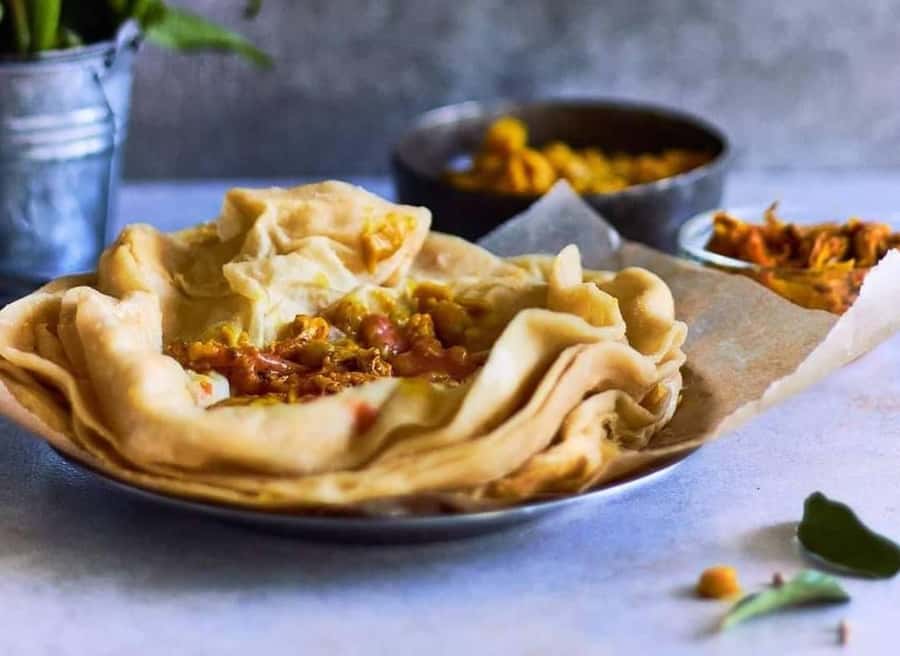
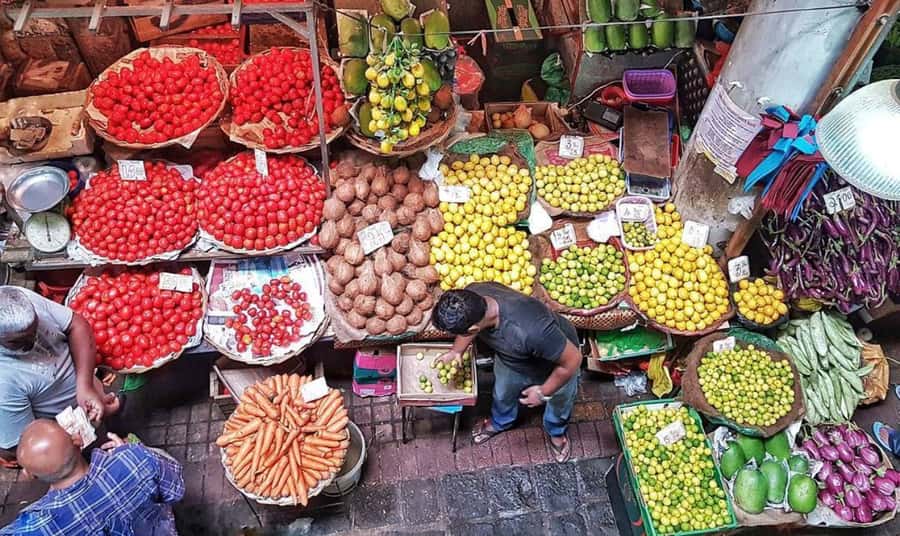
Central Market is the main food stop. It is a place to see produce, prepared food, spices, and the everyday rhythm of Port Louis in one compact area.
The signature bite is gato pima, a fried split-pea snack mixed with spring onions and green chilies. The name means chili cake, and the flavor has a gentle build: crisp outside, soft inside, with a fresh hit of chili and onion. Eat one while it is fresh if you can.
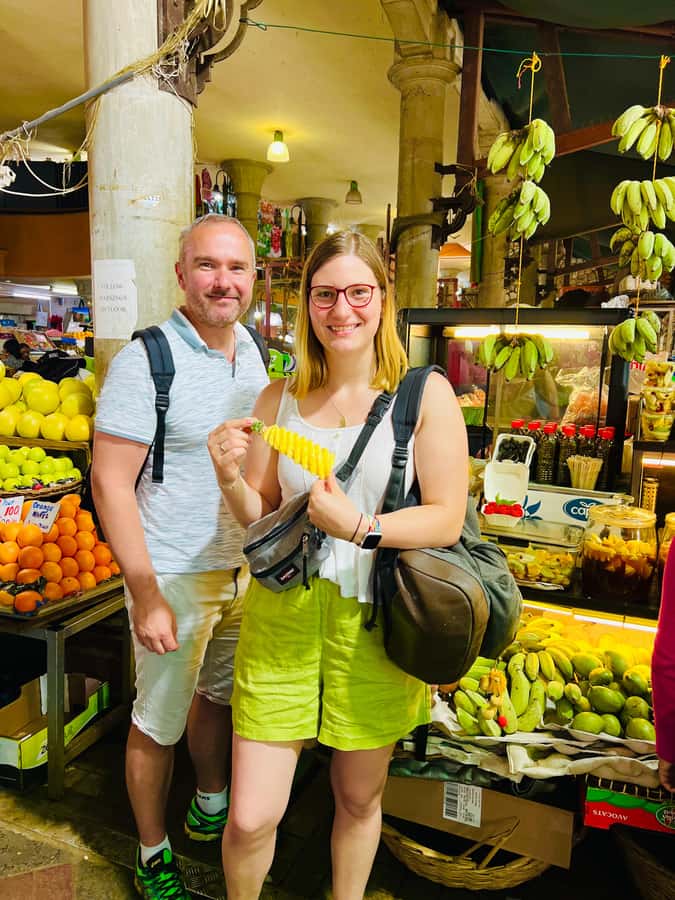
You also try seasonal tropical fruit, sometimes with an optional fruit sauce. The fruit gives the tour a welcome change of pace after savory and fried foods. Since the selection depends on the season, the exact fruit may vary.
The tasting list is described as 6 to 8 dishes, plus fruit, a bottle of water, and a milkshake or juice. In practice, the number can feel higher because some stops include several small items, sweets, or drinks. One outing included more than 15 individual foods and samples, while another described eight or nine dishes. Think of the advertised figure as a guide, not a strict plate count.
A sweet potato bun with sesame seeds has been singled out as a favorite, which gives you an idea of the range. You are not only trying spicy snacks. Expect a mixture of savory, sweet, fried, fresh, and drinkable items.
The food is intended to be eaten along the way, not studied like a formal cooking class. If you want detailed ingredient lists for every bite, ask as you go. The guide can explain what is known about each dish and how it fits into Mauritian cuisine.
Company Garden, old buildings, and a slower stretch
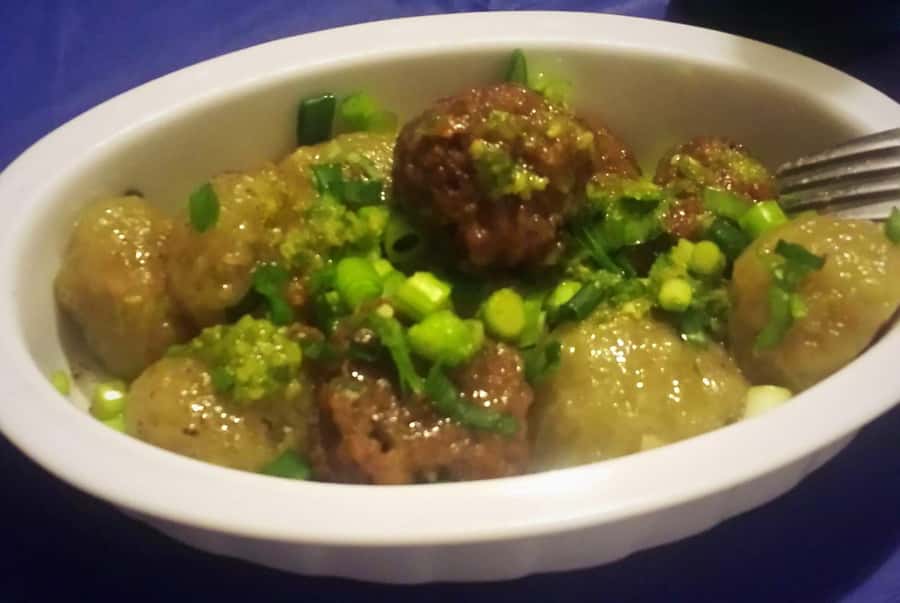
The route also includes Company Garden and other older parts of the city. This is a useful change after the market’s food, noise, and crowds.
The garden is noted for its large trees and hanging roots. It gives you a chance to look up, cool down briefly, and see a less commercial side of central Port Louis. The old buildings along the route add architectural context, even if this is not a dedicated architecture tour.
This stretch also helps balance the food stops. You are walking off some of the meal while the guide continues the story of the capital. The pace is generally described as relaxed, but relaxed does not mean short. You should still expect several hours on your feet.
There is no hotel pickup or drop-off. You make your own way to Caudan Waterfront and return there at the end. That arrangement suits people already staying near Port Louis, arriving by cruise ship, or comfortable arranging their own transport.
How much food do you really get?
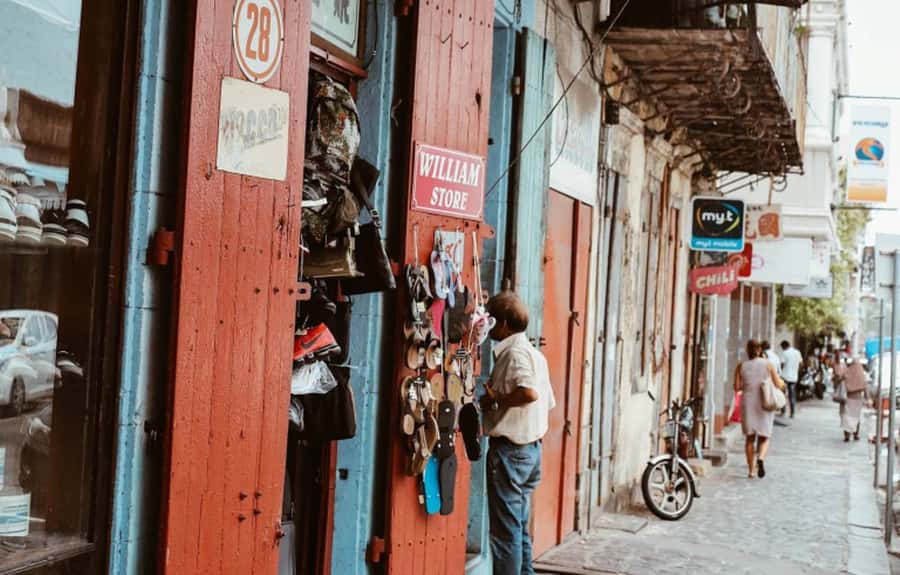
The short answer is: enough for lunch, and possibly enough to make dinner unnecessary.
You will sample several small portions, but the total adds up quickly. Fried snacks, buns, fruit, sweets, and a drink are more substantial than they sound when eaten at repeated stops. One useful tip is to avoid planning lunch afterward.
The exact amount depends on the group, the stops operating that day, and what counts as a separate tasting. The stated plan is 6 to 8 tastings. Some outings have included extra samples, so you may get more variety than the basic description suggests.
This is good value for curious eaters because you are paying not only for food, but also for local guidance, the route, museum context, and the time saved finding suitable stalls. At $42 per person, the price is reasonable if you would otherwise pay separately for several snacks and a city guide.
It is less compelling if you mainly want a sit-down meal or dislike eating in small portions while walking. The value comes from the combination of food and place.
Dietary needs and what to tell the guide
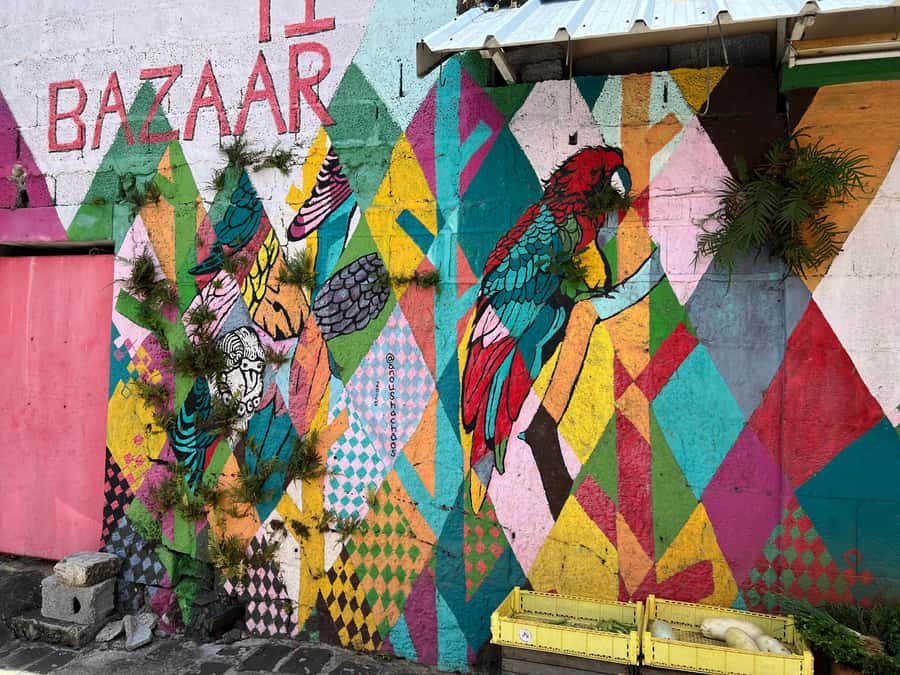
Vegetarians have been accommodated successfully, and vegan visitors have also had their needs handled thoughtfully. Still, the experience is built around local stalls rather than a fixed restaurant menu, so you should explain your diet clearly before the walk begins.
Do not assume every stop has a separate vegetarian or vegan recipe. At one stop, the alternative was simply to remove the meat or fish without replacing it. That may be fine for a small bite, but it is not the same as a complete substitute.
Allergy information is not provided, so anyone with a serious allergy should ask the operator for confirmation before booking. The guide can explain the food, but the tour may not offer the level of ingredient control found in a dedicated restaurant.
Heat, rain, and the practical side of the walk
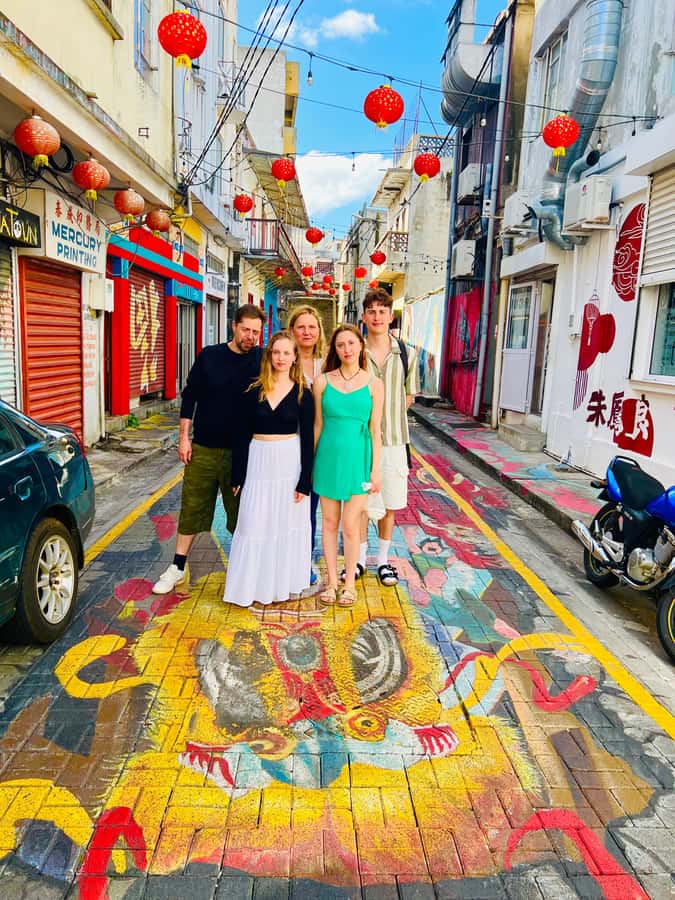
Port Louis can be hot, and you are outdoors for most of the experience. Wear comfortable shoes, light comfortable clothing, sunscreen, and a sun hat. A parasol can also help, especially in the middle of the day.
Bring water, although a bottle is included. An umbrella and rain gear are sensible because tropical weather can change quickly. One outing continued through torrential rain, and the guide adapted the experience, but you should still dress for wet conditions rather than assume the forecast will hold.
The route can cover more than 5 kilometers. That is not a mountain hike, but the combination of heat, pavement, market crowds, stops, and a full stomach makes supportive shoes important.
If you prefer short walks, need frequent seating, or want a quiet food experience, this may feel demanding. If you like exploring on foot and want to see how the city fits together, the distance is part of the appeal.
Who will get the most from this experience?
I would recommend it most strongly to first-time visitors to Mauritius, food-focused travelers, cruise passengers with several hours in Port Louis, and anyone who wants a local introduction before exploring independently.
It also suits people who like asking questions. Guides such as Dourvesh are praised for explaining history, culture, food, plants, and everyday life in an easygoing way. That makes the tour feel flexible rather than memorized.
Families can enjoy the mix of sights and snacks, provided everyone is comfortable walking in the heat. Vegetarians and vegans should contact the operator in advance and repeat their needs to the guide at the start.
You may want to skip it if you have already spent several days sampling Mauritian food, dislike spicy or unfamiliar dishes, or prefer a formal sightseeing tour with transport between stops. This is a walking experience, and its strongest moments happen in markets and side streets rather than inside a vehicle.
Booking details and overall value
The tour costs $42 per person and includes the food tastings, tropical fruit, a milkshake or juice, and bottled water. Hotel pickup is not included, so factor in your transport to Caudan Waterfront.
English and French are offered, and cancellation is free up to 24 hours before the start. You can also reserve and pay later, which is useful when your Port Louis plans depend on cruise schedules or changing weather.
The 4.9 rating from 377 reviews reflects the tour’s main strengths: guides who explain more than the menu, a generous amount of food, and access to places you might not find alone. The praise is especially strong for Dourvesh’s friendly pace, clear explanations, and willingness to answer questions.
My one caution is to allow more time than the official 210 minutes if your day is tightly planned. I would also wear proper walking shoes, eat a light breakfast, and carry sun and rain protection. Those small preparations make a real difference.
Should you book the Port Louis street food tour?
Book it if you want your first look at Port Louis to include history, market life, Chinatown, street art, and a serious amount of local food. The tour gives you a useful orientation to the capital while showing you what to taste and where the city’s cultural influences meet.
It is especially good value for a first day in Mauritius. You can return later to favorite neighborhoods, order food with more confidence, and understand the island’s mixed culture beyond the resort areas.
Skip it only if a long walk, outdoor heat, or shared street-food tastings are a poor fit. For most curious eaters, this is a practical and enjoyable way to get acquainted with Port Louis, and you will probably finish with both a full stomach and a better sense of how Mauritius became Mauritius.
FAQ
Where does the Port Louis street food tour start?
It starts in front of Le Casino at the Caudan Waterfront, opposite Café LUX in Port Louis. The guide wears a black hat.
How long does the tour last?
The stated duration is 210 minutes, or three and a half hours. Some outings have lasted just over four hours, so allow extra time if your schedule is tight.
How many food tastings are included?
The tour includes approximately 6 to 8 food tastings, along with fresh tropical fruit, a milkshake or juice, and a bottle of water. The number of individual samples can vary.
What food might I try?
Possible tastings include gato pima, tropical seasonal fruit, sweet foods, buns, and snacks influenced by Indian, Chinese, and African cooking. The exact selection may change.
Does the tour visit Chinatown and Central Market?
Yes. The route includes guided time in Chinatown and a visit to Central Market, along with a historical museum, Company Garden, old streets, and other city sights.
Is the tour available in English?
Yes. Live guiding is available in English and French.
Is hotel pickup included?
No. You must make your own way to the meeting point at Caudan Waterfront, and the tour returns to Le Casino.
What should I bring?
Bring comfortable shoes, a sun hat, sunscreen, comfortable clothes, and a bottle of water if desired. An umbrella and rain gear are also recommended.
Just added around the world
- 1 Istanbul Tour: Highlights, Street Food & Hidden Pearls★ 5.0 · 9 reviews
- Hyderabad Street Food Crawl (2 Hours Guided Food Tasting Tour)★ 4.0 · 5 reviews
- Evening Hyderabad Street Food Walk with Hyderabad Biryani★ 4.5 · 24 reviews
- Japanese Street Food Class in Beech Grove★ 5.0 · 9 reviews
- Small-group Street food tour in Ischia★ 3.5 · 2 reviews
- Hyderabad : Evening Street Food Tasting with Guided Old City Tour★ 5.0 · 10 reviews
- Hyderabad Street Food Experience with Local Expert★ 4.5 · 2 reviews
- Hue Street Food On Foot (Daily Tour – Group Tour | 12 pax max)★ 5.0 · 15 reviews
Street Food Tours, compared.
Ho Chi Minh City Street Food Tour & Sightseeing By Motorbike
Read our review →
Dubai: Old Town, Souks, Street Food, Guided Tour & Abra Ride
Read our review →
Naples: Street Food Walking Tour with Local Guide
Read our review →
Small Group Hanoi Street Food Tour with a Real Foodie
Read our review →
Saigon By Night and Street Food By Motorbike | Opt: Ao Dai Riders
Read our review →
Private Street Food Tour by Motorbike/Car with Local Students
Read our review →
Saigon: Street Food Tasting & Sightseeing Tour by Motorbike
Read our review →Browse the lists this tour appears in