
REVIEW · STREET FOOD MARKET TOURS
Seoul: Namdaemun Market Food Tour
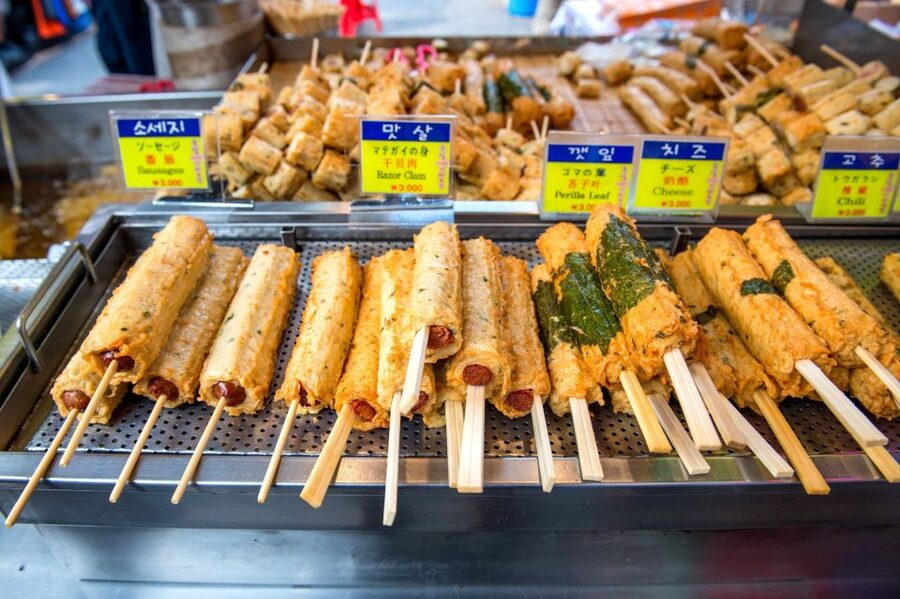
Namdaemun Market is at its best when you stop treating it as a place to shop and start treating it as a place to eat. This 150-minute tour leads you through food lanes and market corners that can be hard to sort out on your own, with four tastings built in: noodle soup, dumplings, twisted bread sticks, and skewered fish cake.
I like the small group size, capped at 10, and the way the tour connects each dish to Korean culture and market life. I also like that shopping is optional. The main consideration is price: at $71 per person, this costs more than simply eating your way through the market, so the value depends on how much you want the guide, explanations, and local direction.
Key points
- Four set tastings: Try noodle soup, dumplings, twisted bread sticks, and skewered fish cake during the walk.
- Food lanes with a story: Visit Food Alley and learn about Kalguksu Alley and Galchi Jorim Road.
- More than eating: The route includes accessory stalls, traditional crafts, and other parts of the local market.
- English-speaking guide: Guides such as Joy, Alan, Sophie, Sally, Soojin, and Sheen have led dates of this experience.
- Shopping stays optional: You are not required to buy anything, but the guide can help if you want to purchase market goods.
- Flexible booking: Cancel up to 24 hours before the start for a full refund, and reserve now while paying later.
Why Namdaemun is a good place for a food tour
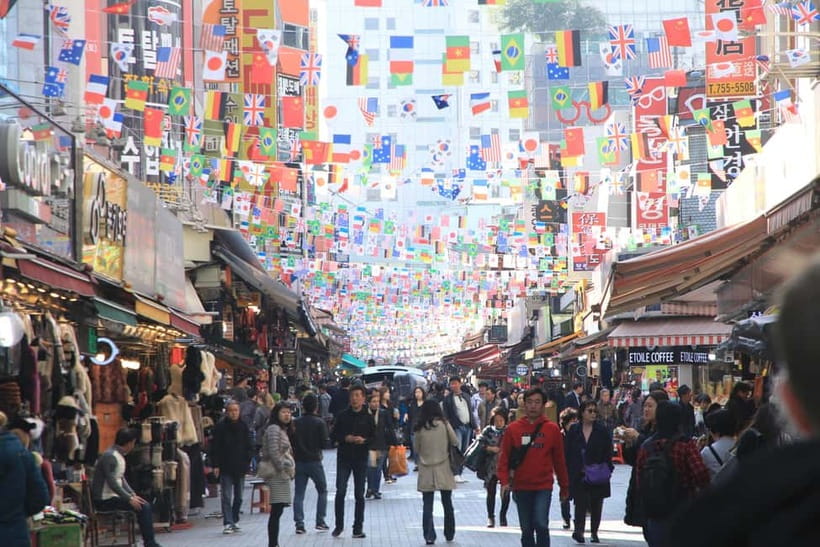
Namdaemun is Seoul’s largest traditional market, and its size is both the attraction and the challenge. Food stalls, small restaurants, clothing shops, accessories, flowers, crafts, and household goods fill a network of streets and covered passages. You can walk a short distance and feel as if you have entered a completely different market.
That variety makes a guide useful. Without one, you may spot a steaming pot or a crowded noodle counter but have no clear idea what it serves, how to order, or why the food matters. On this tour, the guide provides the explanation while you concentrate on the smells, cooking sounds, and quick exchanges between vendors and customers.
The market also gives you a more everyday view of Seoul than a polished restaurant district. You are not simply sitting down for a meal. You are moving through a working market where food is prepared in front of you and where shopping, eating, and social life overlap.
More Street Food Market Tours in South Korea
- Seoul Street Food Market Tour
★ 5.0 · 1,226 reviews - Seoul: Night Market Food Tour with Local Guide
★ 4.9 · 943 reviews - Mangwon Market Food tour By Locals; Cheap Eats to Fancy Feast
★ 5.0 · 38 reviews
Meeting at Hoehyeon Station Exit 5
You meet the guide at Exit 5 of Hoehyeon Station, written in some booking information as Haehyeon St. Arrive about 10 minutes early. This is sensible advice because Namdaemun sits beside a busy station and the market streets can be confusing, especially during your first visit.
The tour provider uses email and WhatsApp to confirm the meeting place and time. Keep an eye on both before leaving your hotel. If you cannot find the guide, WhatsApp is also useful for locating one another near the station.
This is not a long sightseeing tour with a bus or other transport. You spend the full 150 minutes on foot around the market. Wear comfortable shoes and expect to move through narrow commercial lanes rather than open plazas.
The four foods you are set to taste
The core of the tour is a compact introduction to familiar Korean market food. You receive four types of street food, with lunch, snacks, and coffee or tea included.
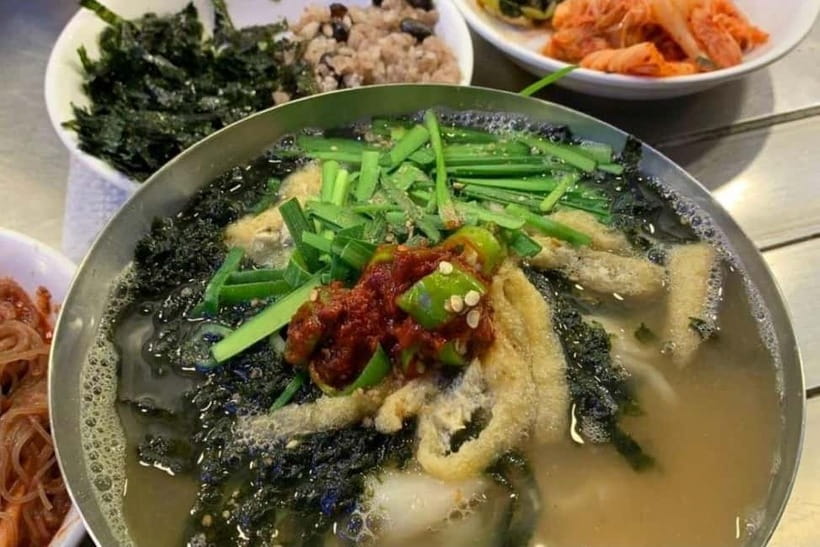
Noodle soup
Noodle soup introduces you to the market’s handmade-noodle tradition. The tour information identifies Kalguksu Alley as one of Namdaemun’s key food streets. The name refers to hand-cut noodles, and the alley is made up of restaurants that specialize in them.
This stop is useful because it gives context to a dish that might otherwise look simple. A bowl of noodles can be quick, filling, and inexpensive, but the story of the alley shows how a market develops food neighborhoods around a particular specialty.
More Market Food Tours in Seoul:
- Seoul: The Biggest Sea-food Noryangjin Market Tour
★ 4.3 · 30 reviews - Seoul: Fearless Foodie Gwangjang Market Food Adventure
★ 5.0 · 10 reviews - Seoul: Guided Street Food Tour at Namdaemun Market
★ 5.0 · 10 reviews - Mangwon Market Food tour By Locals;Cheap Eats to Fancy Feast
★ 4.9 · 9 reviews
Dumplings
Dumplings are another approachable choice, especially if you are still getting used to Korean flavors. They are easy to share and provide a different texture from noodle soup.
One practical advantage of tasting several small portions is that you are less likely to fill up at the first stop. The tour is designed as a walking food experience, not one large restaurant meal, so pace yourself and leave room for what comes next.
Twisted bread stick
The twisted bread stick offers a lighter, snack-style contrast to soup and dumplings. It is also one of the more playful foods on the route, and past tour notes specifically praise this kind of sweet or snack-like market bite.
If you have a sweet tooth, this may be one of your favorite stops. If you prefer savory food, it gives the meal a needed change of pace rather than another heavy dish.
Skewered fish cake
Skewered fish cake is a classic street-food sight in Korea, usually served hot and easy to eat while standing or walking. It gives you a chance to try the kind of quick snack that is closely tied to Korean market and street life.
The four tastings are not presented as a full survey of Korean cuisine. They are a practical first sample, chosen to show different formats: soup, dumplings, a bread-based snack, and a fish-based street food.
Food Alley, Kalguksu Alley, and Galchi Jorim Road
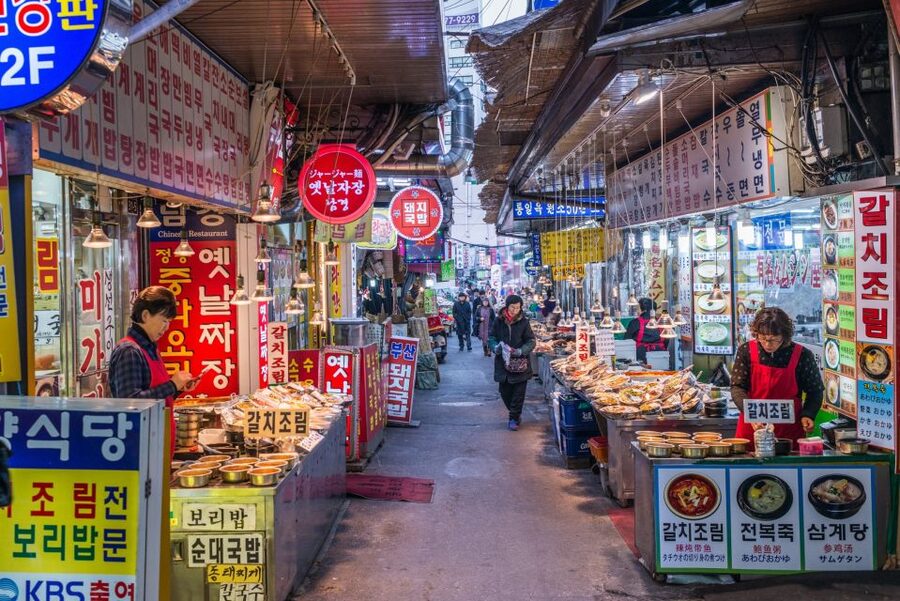
Food Alley is one of the main parts of the route. It is lined with vendors serving Korean staples and street-food favorites, and the guide explains how the alley fits into the market.
Kalguksu Alley is especially worthwhile if you enjoy noodles or want to see how a single dish can define a section of a traditional market. The restaurants focus on hand-cut noodle soup, giving the area a clear identity rather than a random collection of food stalls.
The tour also introduces Galchi Jorim Road, known for braised hairtail fish stew. This dish was created at Namdaemun, which gives the market a direct connection to the food itself. You may not receive a full serving of the stew as one of the four listed tastings, so treat this part as food background and a chance to see another market specialty, not as a guaranteed fifth dish.
This is one of the stronger parts of the tour for anyone who wants more than a checklist of snacks. You learn why particular streets exist and how local dishes become linked to a place.
Accessory Alley and traditional crafts
The walking route is not limited to food. You also explore Accessory Alley and see Korean traditional crafts. These areas help you understand Namdaemun as a market for daily life, not just a stop for tourists looking for snacks.
Shopping is not mandatory. That matters if you dislike tours that quietly turn into sales visits. You can look at the stalls, ask questions, and continue without buying anything.
If you do want to shop, the guide can help with purchases and, on some tours, with bargaining. That support can be useful when you are unsure about prices or need help communicating. Still, you should decide for yourself what you want to buy. The tour is strongest when shopping remains an option rather than the purpose.
The market may also include flower areas and smaller stores away from the obvious food streets. The route can change with the day and market conditions, but the general point is clear: you see several parts of Namdaemun rather than staying in one restaurant.
What the guide adds
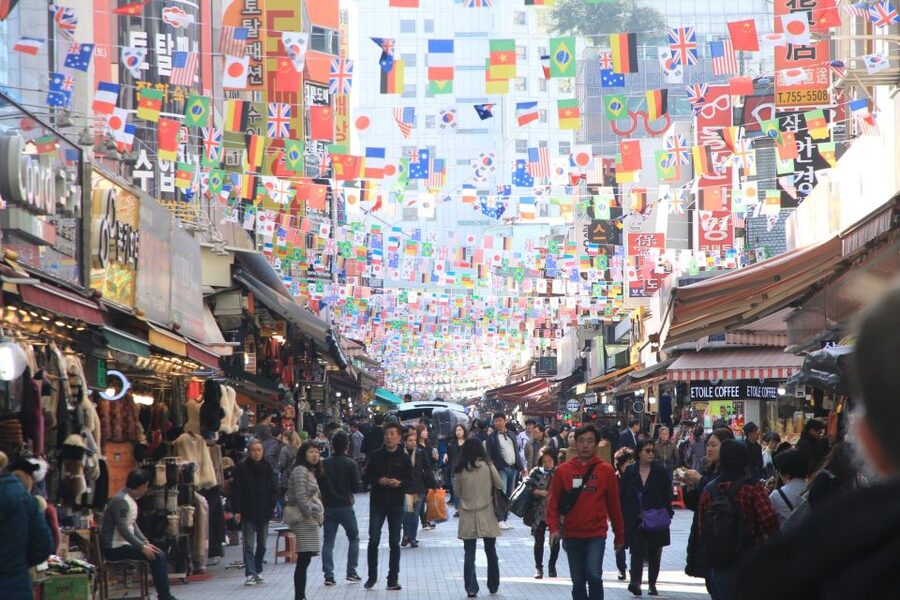
The guide is the main reason to pay for this experience instead of simply arriving at Namdaemun and eating independently. You receive explanations about food, Seoul, Korean customs, and the market’s past while moving from one stop to another.
The tour is conducted in English and is limited to 10 people. A group of that size is small enough for questions and conversation without making the outing feel like a large organized march. The experience can become more personal when fewer people book. On some dates, the group has been reduced to one or two participants, allowing the guide to adjust food choices and conversation.
Guides associated with this experience include Joy, Alan, Sophie, Sally, Soojin, and Sheen. Their approach may vary, but the most praised qualities have been clear English, friendliness, flexibility, and a strong grasp of Korean food and culture.
Sheen, for example, has been noted for explaining the market and Korean history in clear English. Joy has adjusted food choices for individual tastes and helped solo participants feel welcome. Sophie has been praised for taking people to places they might not locate alone and for keeping the conversation going throughout the walk. Alan has helped with market purchases and answered questions about street food and the market’s past.
You should not book expecting a specific guide unless the provider confirms that in advance. The guide you receive will depend on the date and assignment.
Why the small group matters
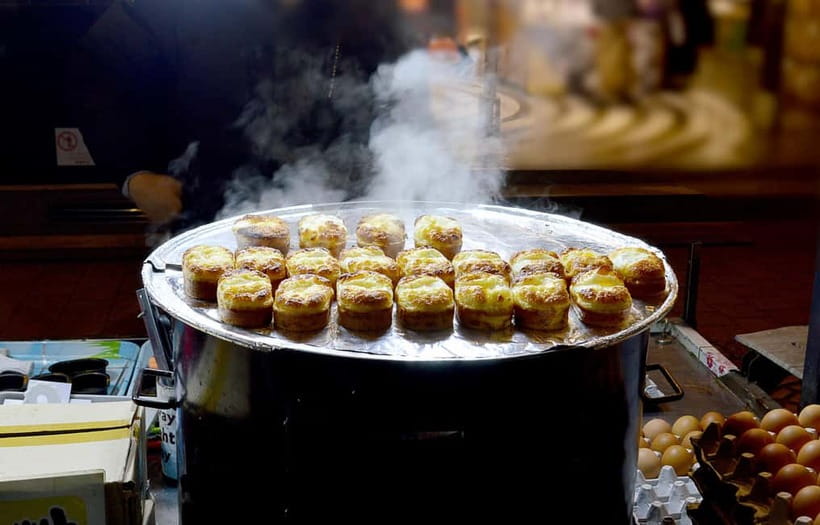
A 10-person limit is a useful middle ground. You get more structure than you would with a private guide, but you are not lost in a crowd. At food stalls, a smaller group also makes it easier to stay together and hear explanations.
The social side can be part of the fun. The tour gives you time to talk about food, Seoul, and Korean customs rather than simply moving from one tasting to the next. Solo visitors may especially appreciate this, since the guide can make the experience feel less awkward and can take photographs if needed.
There is one condition to watch. If fewer than four people book, the tour may be canceled, with notice sent by WhatsApp. That is not a problem for most bookings, but it means you should keep your phone available before the activity.
Is $71 a fair price?
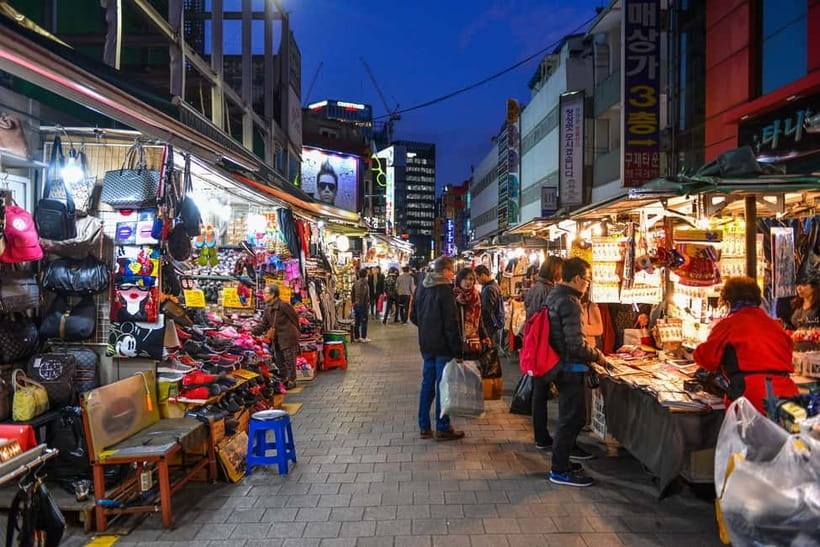
At $71 per person, this is not the cheapest way to eat at Namdaemun. You could certainly buy individual snacks for less if you already know what you want and are comfortable ordering on your own.
The price pays for more than food. It includes a local English-speaking guide, lunch, snacks, coffee or tea, and 150 minutes of direction through a large market. You are also paying for help with unfamiliar dishes, explanations of the food streets, and access to parts of the market you might otherwise pass without noticing.
I think the price makes the most sense for a first visit to Seoul, a solo visit, or anyone who values cultural context. It is less appealing if you are an experienced Korea visitor who already knows Namdaemun, speaks Korean, and prefers to browse alone.
The best value comes when you ask questions. Find out why a dish is popular, how the market developed, and what makes one alley different from another. If you only want four quick samples, the cost will feel high.
Timing, cancellations, and useful planning
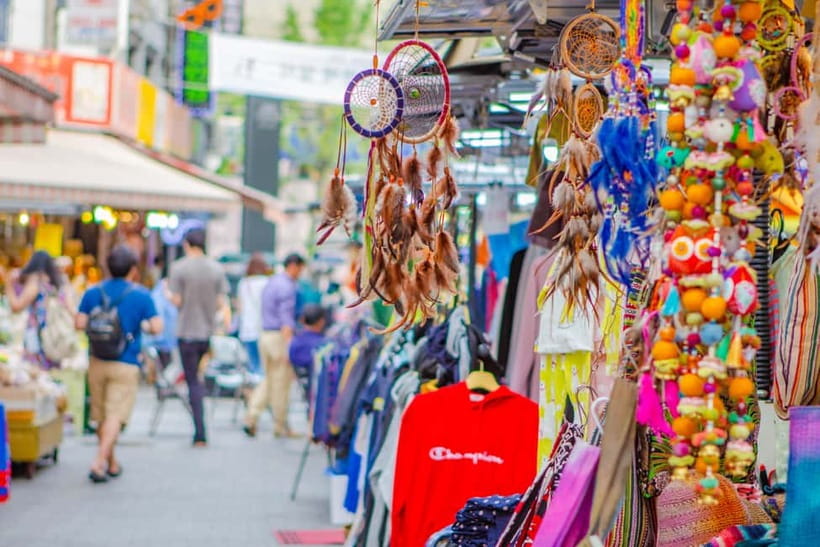
The activity lasts 150 minutes, or two and a half hours. That gives you enough time for food stops and market exploration without taking up an entire day.
You can cancel up to 24 hours before the start for a full refund. There is no refund for a same-day cancellation or no-show. Reservations cannot be confirmed on weekends and holidays, so check availability before building your day around this tour.
Lunch, snacks, and coffee or tea are included. Traveler’s insurance is not included. The tour is conducted in English, and the listed group type is small group.
Because this is a walking tour through a food market, tell the provider about important dietary needs before booking if you have them. The supplied details do not promise vegetarian, allergy-safe, or substitute menus, so you should not assume that changes are available.
Who should book this food tour
I would choose this tour for a first-time Seoul visitor who wants a gentle introduction to Korean market food without guessing at every stall. It also suits solo visitors, couples, and small groups who want conversation and cultural explanation along with lunch.
It is a good fit if you enjoy local markets but do not want a shopping-focused outing. You can explore accessory stalls and traditional crafts without pressure to spend money.
Families and cautious eaters may also like the four-food structure because it offers variety without requiring you to order a large unfamiliar meal. Still, anyone with strict food restrictions should confirm what can be changed before paying.
I would skip it if your main goal is independent shopping, a long sit-down meal, or a broad tour of Seoul’s major sights. This is a focused market walk, not a city tour.
Should you book the Namdaemun Market Food Tour?
Book it if you want help finding the best food lanes, prefer a small English-speaking group, and care about the story behind what you eat. The combination of noodle soup, dumplings, twisted bread sticks, and fish cake gives you a useful first taste, while Food Alley, Kalguksu Alley, Accessory Alley, and the craft stalls show how broad Namdaemun really is.
The main question is value. At $71, you are paying for guidance and local understanding rather than bargain-priced food. For a first visit, that can be money well spent. For an independent market expert, it may be more satisfying to save the fee and make your own way through the stalls.
FAQ
Where does the Namdaemun Market food tour meet?
The meeting point is Exit 5 of Hoehyeon Station, also written as Haehyeon St. You should arrive 10 minutes before the activity begins.
How long does the tour last?
The tour lasts 150 minutes, or two and a half hours.
What food is included?
The listed tastings are noodle soup, dumplings, twisted bread sticks, and skewered fish cake. Lunch, snacks, and coffee or tea are also included.
Is the tour conducted in English?
Yes. The tour has a live English-speaking guide.
How large is the group?
The group is limited to 10 participants.
Does the tour include shopping?
Shopping is not mandatory. You can explore accessory stalls and traditional crafts without buying anything. The guide can help if you decide to purchase something.
Is traveler’s insurance included?
No. Traveler’s insurance is not included.
Can I cancel for a refund?
You can cancel up to 24 hours in advance for a full refund. There is no refund for a no-show or cancellation on the day of the tour.
Can the tour be canceled if too few people book?
Yes. If fewer than four people participate, the tour may be canceled. The cancellation notice is sent by WhatsApp.
Are weekend and holiday reservations confirmed?
Reservations cannot be confirmed on weekends and holidays. The provider also sends information about the meeting place and time by email or WhatsApp.
Just added around Seoul
- Taste hidden street food in Seoul with a 2.5h food tour★ 4.4 · 12 reviews
- Suwon: Baseball Game with Fortress and Local Food Tour★ 5.0 · 3 reviews
- Seoul: UNESCO Palace and Street Foods Guided Tour★ 5.0 · 6 reviews
- Seoul: Watching Sports Match & Local Food Experience★ 4.8 · 17 reviews
- Seoul Gwangjang Market Foody Walking Tour★ 4.1 · 7 reviews
- Seoul: The Biggest Sea-food Noryangjin Market Tour★ 4.3 · 30 reviews
- Seoul: Jongno 3-Ga and Ikseon-Dong Tour with Street Food★ 3.9 · 12 reviews
- Seoul: Fearless Foodie Gwangjang Market Food Adventure★ 5.0 · 10 reviews
Street Food Market Tours, compared.
Tokyo Tsukiji Fish Market Food and Culture Walking Tour
Read our review →
London Bridge & Borough Market Food Tour with 7 Authentic Dishes
Read our review →
Tokyo: Tsukiji Fish Market Food and Walking tour
Read our review →
Small Group Cooking Class & Market Food Tour in Florence
Read our review →
Tokyo: Tsukiji Fish Market Guided Walking Tour
Read our review →
Nishiki Market Brunch Walking Tour (7 Tastings + Brunch)
Read our review →
Food Market Visit and Cooking Class with Wine
Read our review →Browse the lists this tour appears in