
REVIEW · COLOMBIA STREET FOOD TOURS
Shared Tour Cali’s Local Food at Alameda Market
Cali’s Alameda Market is not a polished food hall. It is a working market where food, family tradition, and daily income meet. You’ll walk through stalls, taste homemade specialties such as Champús and Cucas, and learn why Valle del Cauca’s food reflects African, European, Pacific, and local influences.
I like two things right away: the chance to try foods you may not find on a standard city tour, and the attention given to the people who depend on the market for their living. The main drawback is the pace. You may walk about 8 kilometers, and this shared tour is not suitable for wheelchair users or people with food allergies.
Key points to know before you book
- Meet local food at Alameda Market: The route focuses on real market stalls rather than a formal restaurant meal.
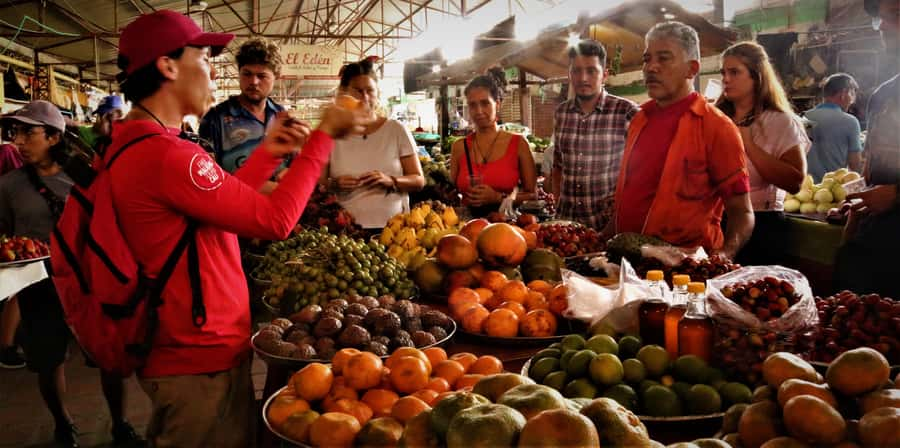
- Taste unusual regional specialties: Champús, Cucas, exotic fruit juices such as Borojó, Pacific food, and Viche may all enter the tasting trail.
- Learn the story behind the food: Your guide explains ancestral ingredients, traditional methods, and the cultural forces that shaped Valle del Cauca cooking.
- Expect a long walking route: The experience lasts about 150 minutes, though the description also calls it approximately three hours, and covers roughly 8 kilometers with eating stops.
- Guide Fernando receives special praise: His humor, friendliness, and ability to explain unfamiliar foods are repeatedly highlighted in the available feedback.
- Budget extra for tasting: The tour costs $13 per person, while food, drinks, and souvenirs can add up to $40,000 COP if you try everything offered.
Why Alameda Market is the right place to start
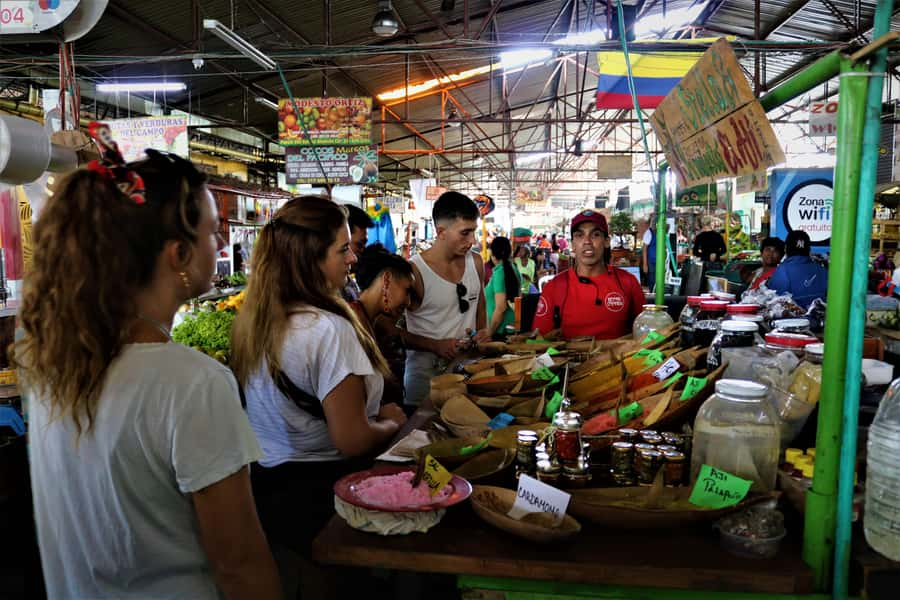
If you want to understand Cali through food, Alameda Market gives you a useful starting point. The market is described as a core source of economic survival, not simply a place where visitors come to sample snacks. Hundreds of vendors sell produce, prepared food, clothing, crafts, and household goods.
That mix matters. You see what people buy for home, what small vendors sell to earn a living, and how food sits beside ordinary errands. A market like this can tell you more about daily life than a neat row of tourist restaurants.
The tour also connects the market to the wider Valle del Cauca region. The area’s biological, geographic, and cultural variety shows up in its ingredients and cooking methods. You’ll hear about food shaped by the Pacific coast, local crops, family recipes, and European influence.
I especially like that the tour does not treat regional dishes as isolated curiosities. You are encouraged to consider who makes them, when people eat them, how ingredients are used, and what these foods say about local identity.
More Market Food Tours in Colombia:
- PALOQUEMAO MARKET FOOD TOUR. EXOTIC FRUIT. LOCAL SNACKS. /Min 2 pax
★ 5.0 · 70 reviews - Tokyo Tsukiji Fish Market Food and Culture Walking Tour
★ 5.0 · 3,184 reviews - Phuket: Full Day City Tour with Night Market
★ 4.5 · 2,888 reviews
Starting at Parque Alameda with Beyond Colombia
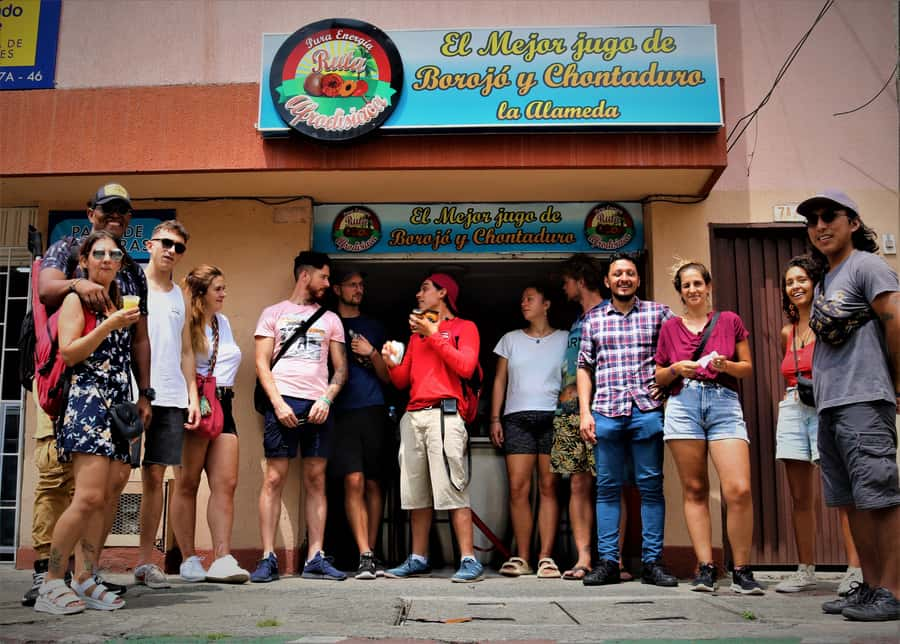
You meet at Parque Alameda, looking for Beyond Colombia’s red umbrellas. This is a practical meeting point because the market itself is the focus, and you do not spend the opening part of the experience sitting in a vehicle.
The tour is shared, so you will be with other people rather than hiring a private guide. That keeps the price low at $13 per person and can make the outing more social. The tradeoff is that the pace and conversation are shaped by the group.
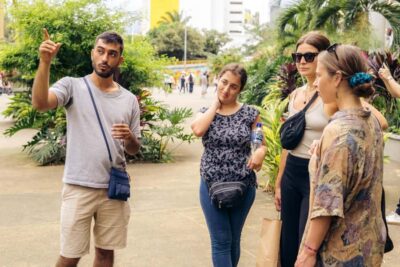
The tour is offered in English with a live guide. Fernando is the guide most often singled out in the available comments. His style comes through as funny, friendly, and willing to explain unfamiliar ingredients without making the food feel like a museum exhibit.
Still, guide assignments can vary. Book this for the market-focused format and the subject matter, not only for one specific person.
The first tastes: Champús, Cucas, and local sweets
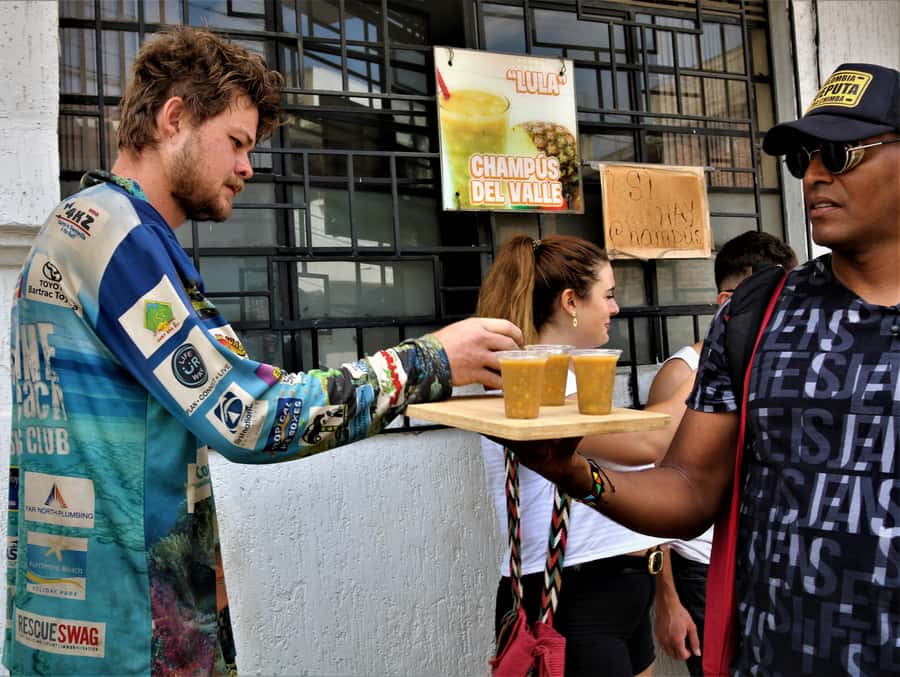
One of the clearest food highlights is the chance to try Champús and Cucas prepared by local women from Cali. These are useful examples of how a recipe can carry family memory and regional identity.
Champús is a traditional drink or preparation associated with the region, while Cucas are local sweet biscuits or cakes. The exact tasting selection may depend on what is available during the visit, but these foods give you a sense of the sweet side of Valle del Cauca cooking.
The tour also brings attention to sweet, salty, oily, spicy, and vigorous foods. That wording is useful because regional cooking here is not reduced to one flavor profile. You should expect contrasts rather than a carefully controlled tasting menu.
For someone who likes trying new combinations, this is a strong part of the experience. For a cautious eater, the open-minded attitude requested by the tour is important. The food may be unfamiliar, and the experience is designed around discovery rather than predictable international fare.
Vegetarians can join, which makes the tour more flexible. However, people with food allergies are advised not to book. In a busy market, ingredients and preparation methods may not always be easy to confirm, so this warning should be taken seriously.
Fruit, Borojó, and the taste of the Pacific
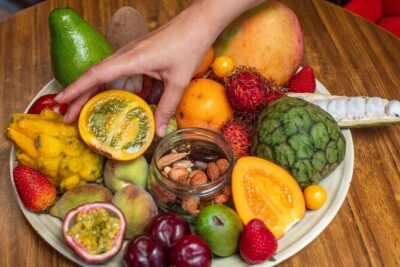
Fruit is another major part of the route. Valle del Cauca is known for unusual juices and regional produce, including Borojó. You may find flavors that are hard to compare with familiar supermarket fruit drinks, which is part of the fun.
The fruit section also helps explain the region’s natural variety. Food here is linked to climate, geography, and what grows locally. Instead of simply tasting a juice and moving on, the guide connects ingredients to the place they come from and the people who use them.
The Pacific influence is especially important. The tour introduces traditional food from the Pacific coast and discusses Afro-Colombian preparations alongside European flavors. That combination gives you a better sense of how Cali’s cooking developed through migration, trade, family practice, and local resources.
I would not treat this as a complete course in Colombian food. In 150 minutes, you can only sample a small part of a large region. But it offers a useful map of flavors and gives you ideas for what to seek out later in Cali.
A few more street food tours around Colombia worth a look
- Medellin: Comuna 13 Graffiti Tour, Cable Car & Street Food
★ 4.8 · 9,046 reviews - Medellín: Comuna 13 True Story and Street Food Tour
★ 4.9 · 1,779 reviews - Cartagena: Guided Street Food Tour with Tastings
★ 4.9 · 833 reviews - Medellin: Street Food and Poblado Rooftop Tour with a Local
★ 4.8 · 317 reviews
Viche, local alcohol, and the cultural meaning of a toast
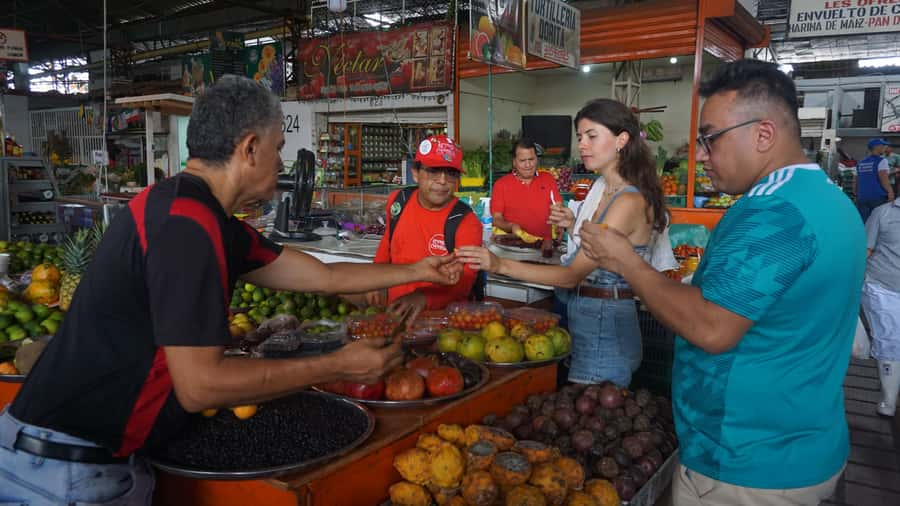
The experience includes the chance to toast with Viche, a local alcoholic drink connected to Pacific culture. This is more than a quick liquor sample. Viche offers a way to discuss local production, tradition, and the relationship between food and celebration.
Alcohol is not included in the $13 price, so keep some Colombian pesos available if you want to take part. The same applies to food, juices, and any souvenirs.
You should also remember the tour rules: smoking, drugs, and littering are not allowed. If you choose to sample Viche, do so as part of the guided tasting and keep in mind that the outing continues on foot.
The drink may be one of the most memorable moments for visitors who want a strong sense of place. If you do not drink alcohol, you can still focus on the food, fruit, cooking methods, and market culture.
What the guide explains beyond the plate
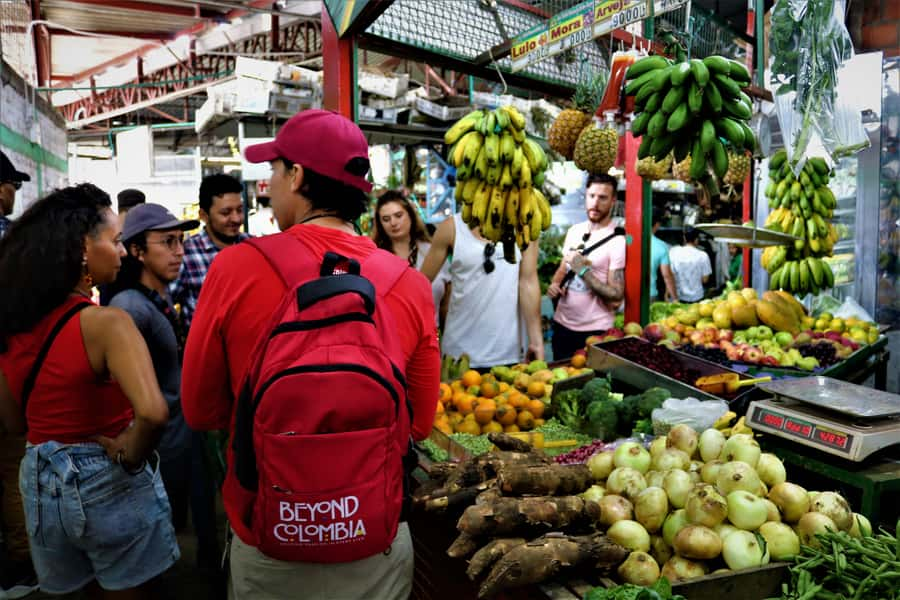
A good market tour should answer more than the question of what something tastes like. This one is built around several larger themes:
- The origins of regional gastronomy
- Cultural influences from local communities
- Ancestral ingredients and traditional techniques
- Useful and unusual food preparations
- The role of markets in economic survival
- The biological and geographic variety of Valle del Cauca
- The social meanings attached to food
That subject range gives the walk more substance than a quick round of snacks. You learn why a preparation matters, not just whether you personally like it.
I also appreciate the focus on the environment. Regional food reflects what can be grown, gathered, preserved, and prepared with available tools. When the guide explains those links, a market stall becomes part of a much larger story about work and place.
The conversation may be especially useful early in a Cali visit. You will leave with names of dishes and ingredients to look for at lunch, in shops, or on a later return to the market.
Walking, timing, and comfort
The stated duration is 150 minutes, or two and a half hours. The description also refers to the outing as approximately three hours, so allow a little flexibility rather than scheduling a tight appointment afterward.
The route is on foot, with rest stops and food breaks. The distance is listed as about 8 kilometers, which is substantial for a short food tour. Comfortable shoes are essential, and you should wear clothes that let you walk easily.
Bring water, a sun hat, biodegradable sunscreen, and insect repellent. Rain is also a possibility, so pack a rainproof coat or umbrella. Cali’s weather can change your comfort level quickly, and the tour continues outdoors between market stops.
This is not a good fit if you want to sit down for most of the outing. It suits you better if you enjoy walking through working neighborhoods, stopping often, and staying alert to the sights and smells around you.
Because the market can be crowded, keep your belongings close. The practical local phrase included in the instructions is don’t give papaya, meaning do not make it easy for someone to take advantage of you. Leave expensive items out of sight and stay aware of your phone and wallet.
What you pay, and what the price really covers
At $13 per person, this is a low-cost way to get a guided introduction to Cali’s food culture. The fee covers a professional Beyond Colombia guide, English explanations, visits to authentic places to eat inside the market, and recommendations for shops where you can return for lunch, coffee, or souvenirs.
It does not cover food, drinks, or souvenirs. The additional cost can reach $40,000 COP if you try everything available. That is still a reasonable food budget, but you should not arrive thinking the $13 includes a full meal.
The value is strongest if you want context and recommendations rather than a fixed restaurant menu. You are paying for access to local market stops and a guide who helps explain what you are seeing.
If your main goal is to eat as much as possible for one low price, this may not be the best choice. If you want to understand the food and then use that knowledge to explore on your own, the price makes good sense.
Who will enjoy this market walk most
I would recommend the tour to curious eaters, first-time visitors to Cali, and anyone who wants a practical introduction to Valle del Cauca cuisine. It also suits people who enjoy hearing about culture through ordinary places rather than only through monuments.
You will get the most from it if you are willing to taste unfamiliar food and ask questions. An open mind matters here, especially with unusual fruit, strong flavors, oily or spicy dishes, and local alcohol.
Vegetarians are welcome, but people with food allergies should skip it. The route is also not suitable for wheelchair users, and the 8-kilometer walking distance may be too much for anyone who needs frequent seated breaks.
Families and groups should also consider the shared format. It is not a private food tour tailored to your pace. You meet new people, follow the guide through the market, and share the experience with the group.
Is Fernando’s guiding style a reason to book?
Fernando receives the strongest personal praise in the available feedback. He is described as funny, friendly, and good at showing people new things. One comment specifically highlights how interesting the fruit and market sections were, which matches the parts of the experience most likely to reward a good guide.
Several comments also point to the pleasant mood he creates. That matters in a market, where a relaxed guide can make it easier to ask about strange ingredients or try something you would otherwise pass by.
Do remember that a shared tour may assign another guide. The company has operated local walking tours since 2013 and offers several original experiences across Colombia, but guide availability can change by date.
Should you book the Alameda Market food tour?
Book it if you want real market life, regional food, and cultural context in one outing. The chance to try Champús, Cucas, Pacific preparations, Borojó, and Viche gives you a broader introduction than a standard restaurant meal.
Skip it if you need a short, seated, fully inclusive tasting or if food allergies make market sampling risky. Also think carefully about the walking distance, especially since the tour lasts about two and a half to three hours.
For most able-bodied visitors with an adventurous appetite, the combination of low price, local guidance, and direct contact with Alameda Market is worthwhile. Go early in your Cali stay, wear good shoes, carry cash for tastings, and keep a second visit in mind for the stalls you want to explore at your own pace.
FAQ
Where does the tour meet?
Meet at Parque Alameda, beside Beyond Colombia’s red umbrellas.
How long does the tour last?
The activity is listed as 150 minutes, or two and a half hours. The description also calls it approximately three hours, so allow some extra time.
What language is the tour offered in?
The live tour guide speaks English.
How much does the tour cost?
The listed price is $13 per person.
Are food and drinks included?
No. Food, drinks, and souvenirs are extra. The total additional cost can be up to $40,000 COP if you try everything offered.
What foods might I taste?
The experience may include Champús, Cucas, traditional Pacific food, exotic fruit juices such as Borojó, and local alcohol called Viche.
Can vegetarians join?
Yes. The tour is suitable for vegetarians.
Is the tour accessible to wheelchair users?
No. The experience is not suitable for wheelchair users, and it includes about 8 kilometers of walking.
Can I cancel for a full refund?
Yes. You can cancel up to 24 hours before the activity for a full refund. You can also reserve now and pay later.
Just added around Colombia
- Private Cartagena city and street food tour.★ 5.0 · 31 reviews
- The Cali Street Food Walking Tour★ 5.0 · 81 reviews
- Street Food Tour – Live A Unique Gastronomic Experience★ 5.0 · 34 reviews
- Street Food Tour in Bogotá with Tastings★ 5.0 · 34 reviews
- PALOQUEMAO MARKET FOOD TOUR. EXOTIC FRUIT. LOCAL SNACKS. /Min 2 pax★ 5.0 · 70 reviews
- Cali: Street Food Tour★ 4.8 · 71 reviews
- Shared Tour Bogota’s Street Local Food★ 4.5 · 22 reviews
- Santa Marta A Historical & Street food Experience★ 4.7 · 41 reviews
Colombia Street Food Tours, compared.
Cartagena: Guided Street Food Tour with Tastings
Read our review →
Medellin: Street Food and Poblado Rooftop Tour with a Local
Read our review →
Medellin: Party Bus with DJ & Street Food Tastings
Read our review →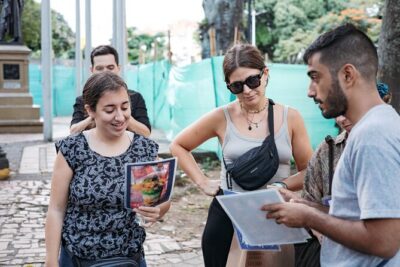
PALOQUEMAO MARKET FOOD TOUR. EXOTIC FRUIT. LOCAL SNACKS. /Min 2 pax
Read our review →
Medellin: tasting Street Food with Rooftops of El Poblado
Read our review →
Santa Marta A Historical & Street food Experience
Read our review →Browse the lists this tour appears in