
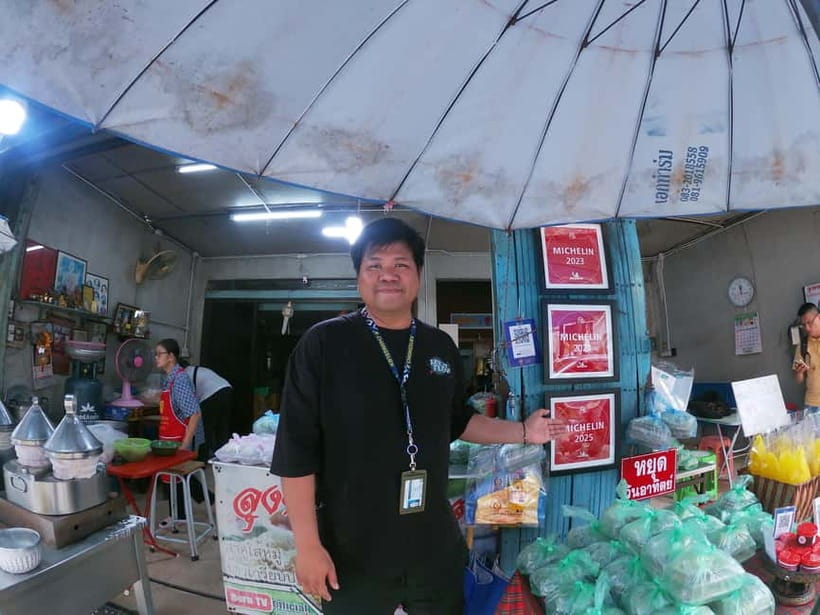
REVIEW · CHIANG MAI STREET FOOD TOURS
Taste of Chiang Mai: Michelin Guide & Street Food Tour
Chiang Mai’s best food lesson may begin with a bowl of pink Hakka noodles rather than a famous temple. This two-hour Michelin food tour links local dishes with the Chinese, Thai, and northern influences that shaped them. You eat three proper dishes, not a parade of tiny samples, while your guide explains what is on the plate and why it matters.
I like two things right away: the relaxed pace and the access to places you might pass without noticing. Guides such as Natt have a gift for explaining food, trade routes, local customs, and even practical matters such as crossing the road. The $31 price is also strong value when the portions are full size.
The main consideration is that this is a short, focused tour, not a grand crawl through ten or twelve stalls. Some people may find three full dishes more than enough, while others may wish for more variety. Vegetarians, vegans, people with food allergies, and anyone with several dietary or mobility limitations should choose another experience.
What makes this Chiang Mai food tour worth your time
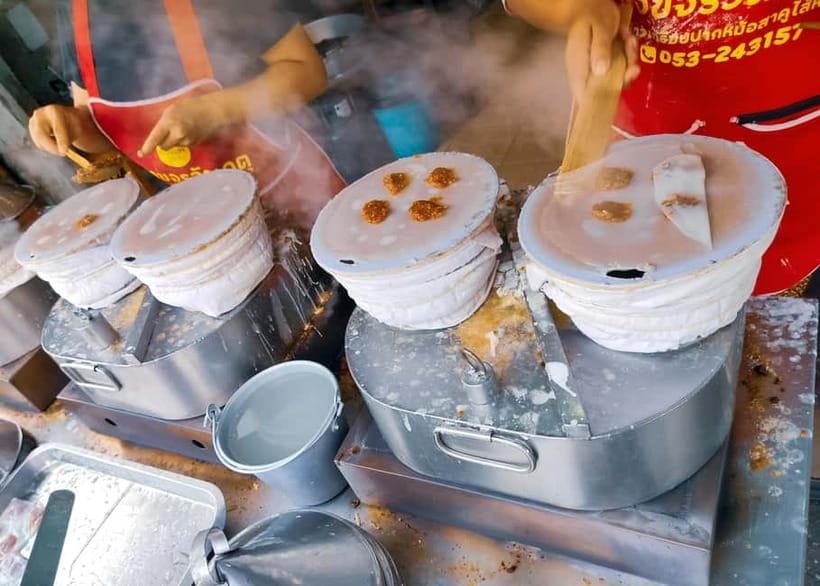
- Three substantial Michelin Guide selections: Lunch includes Hakka pink noodles, dinosaur fried dough, and steamed rice skin dumplings. Dinner includes khao soi, roast chicken, and papaya salad.
- Warorot Market, also called Kad Luang: The lunch route gives you time to see one of Chiang Mai’s major food markets, shops, and old commercial streets.
- A guide who teaches, not just points: Natt is frequently named as the main host, with Anan and Pupe also appearing among the guides. Expect food stories mixed with local history and practical advice.
- Small-group or private format: The experience is available as a private tour or in a small group, which suits travelers who prefer conversation over a crowded procession.
- A useful first-day activity: The guide can suggest places to eat and visit for the rest of your stay, helping you get your bearings early.
- Short walking sections: The route includes walks of about 10 minutes between stops, so comfortable shoes matter more than athletic fitness.
Starting near Tha Pae Road
For the lunch option, you meet at Wat Saen Fang, at the entrance beside The Story 106 Co-Working Space & Cafe on Thapae Road. It is about 600 meters from Tha Pae Gate, and GetYourGuide signage identifies the meeting point.
That starting location works well because you are already near the old commercial quarter. You do not begin with a long vehicle transfer or a complicated pickup. Instead, the food story starts as soon as you set off toward Warorot Market.
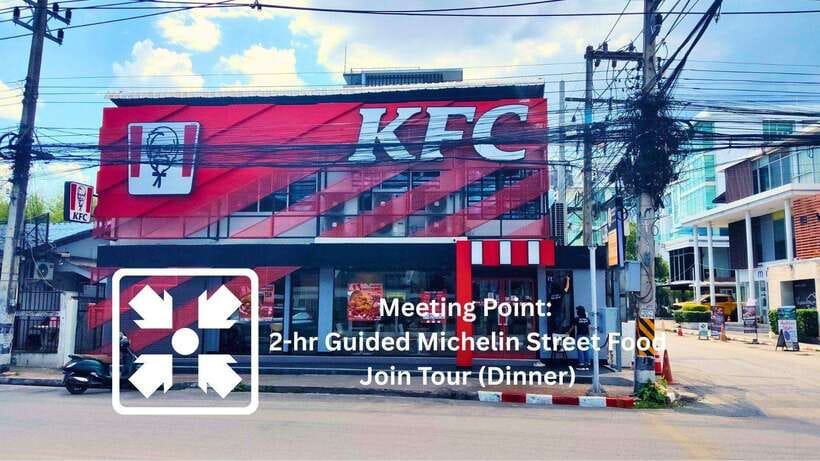
The meeting point can change with the option you book. The dinner tour begins at McDonald’s Nimmanhaemin and stays around Nimmanhaemin Road, with no market visit. That is an important distinction. If Kad Luang is the part that attracts you, choose lunch.
More Hidden Gem Food Tours in Chiang Mai:
- Taste of Chiang Mai: Michelin Guide Street Food Small Group 2Hr
★ 5.0 · 19 reviews - Chiang Mai Michelin Food Walking Tour with Professional Tour Guide
★ 4.5 · 13 reviews - Michelin Guided Street Food Tour in Chiangmai: Thai Food Tour
★ 5.0 · 11 reviews
The walk to Warorot Market and Kad Luang
The first walk takes about 10 minutes. This is not a sightseeing march with a long list of formal stops. It is a transition into the food district, and your guide may use the route to explain how Chiang Mai’s food traditions developed through movement, trade, and Chinese influence.
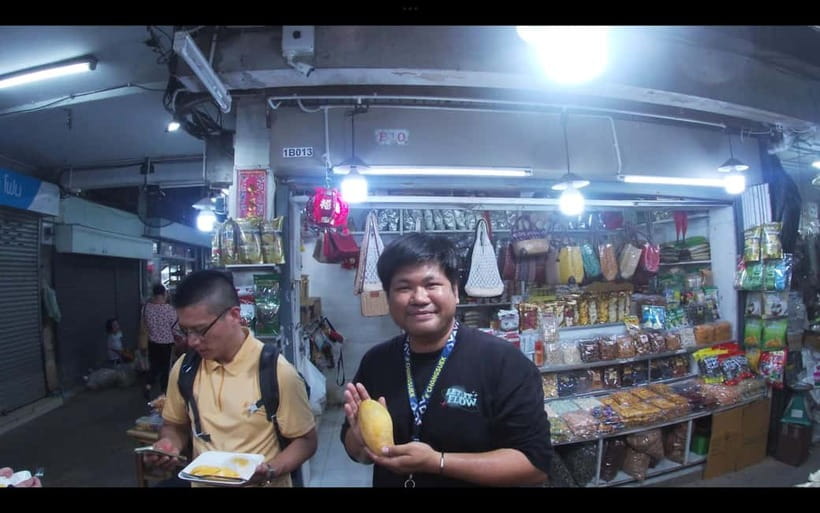
Warorot Market is more than a place to buy lunch. It is a working market where food, sweets, dried goods, clothing, and household items share the same space. The route allows about 20 minutes for a guided look, followed by another 10 minutes of sightseeing and walking.
I like this part because it gives the meal context. You are not simply told that a dish is famous. You can see the ingredients, snacks, cooking supplies, and everyday shopping that form the background of local eating.
The market can also be the busiest and least polished part of the outing. You should expect an active public market rather than a quiet museum. Keep your belongings close, watch your footing, and bring cash if you want to buy something beyond the included food.
Thana Ocha’s Hakka pink noodles
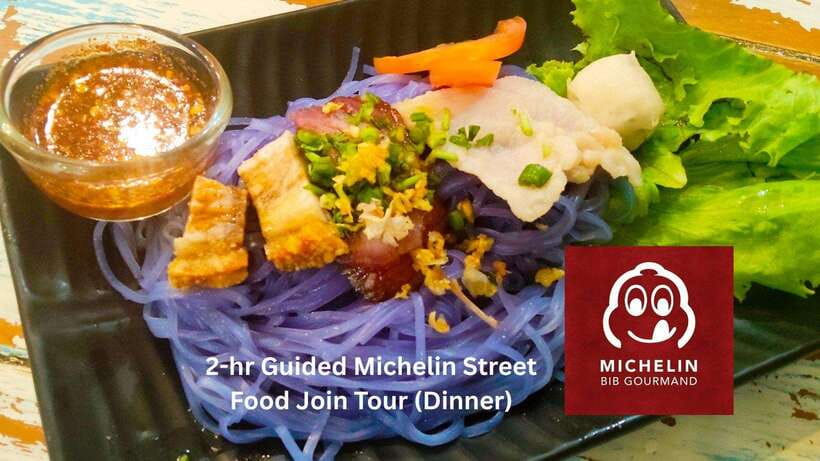
The first major food stop is Thana Ocha Noodle, with roughly 40 minutes set aside for the guided tasting. The featured dish is Hakka pink noodle, also known as yen ta fo. Its bright color makes it an immediate conversation starter, but the useful part of the stop is learning how the dish fits into Chiang Mai’s Chinese-Thai food culture.
This is one reason I prefer the tour’s format to a random street-food hunt. Your guide can explain ingredients, preparation, and local influences while you eat. Natt is particularly noted for connecting food with Chiang Mai’s trade routes and multicultural past, making the bowl more than a quick photo opportunity.
The portion style is worth noting. Several people who took this tour describe receiving proper meals rather than a spoonful from a dozen stalls. That means you should arrive hungry, especially if you have selected lunch and plan to sample additional market snacks.
You may also find the pace pleasantly slow. The schedule leaves time to sit, ask questions, and taste the dish without being pushed toward the next stop. The tradeoff is simple: if your ideal food tour means sampling ten different items, three larger dishes will feel limited.
Lung Khajohn Wat Ket and steamed rice skin dumplings
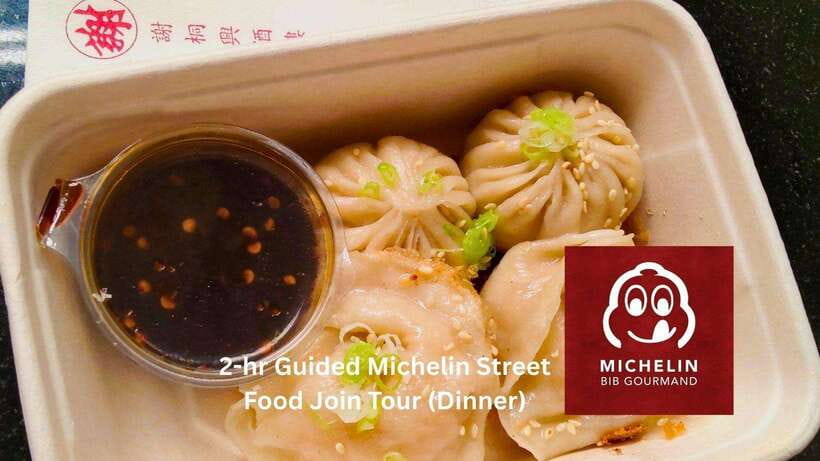
After more time around Warorot Market, the route continues to Lung Khajohn Wat Ket for steamed rice skin dumplings, called khao kriab pak moh. This stop has a different texture and style from the noodles, giving the lunch a useful contrast.
The tour includes about 20 minutes here. That is enough for a focused tasting and explanation, but not a long meal with several menu choices. If you are curious about the difference between a snack, a market bite, and a full dish, this stop helps draw that line.
The route then returns toward Warorot Market, with another 10-minute walk and scenic views along the way. The tour ends at Kad Luang rather than returning you to a hotel. That makes the finish practical if you want to keep shopping, explore the market on your own, or arrange your next stop nearby.
A few more street food tours around Chiang Mai worth a look
- Chiang Mai: Local Food and Markets Guided Walking Tour
★ 4.3 · 175 reviews - Chiang Mai: Evening Sightseeing and Local Food Guided Tour
★ 4.9 · 46 reviews - Dubai: Old Town, Souks, Street Food, Guided Tour & Abra Ride
★ 4.9 · 7,170 reviews - Naples: Street Food Walking Tour with Local Guide
★ 4.9 · 4,976 reviews
The fried dough stop
The third lunch selection is Patongo Ko Neng’s dinosaur fried dough. The name alone makes this a memorable stop, and the dish brings a lighter, fried note to a meal that also includes noodles and dumplings.
It is easy to think of fried dough as a simple side item. A good guide gives you more to notice: texture, sweetness or savoriness, how it is eaten, and how it fits into local food habits. The tour’s food choices work well because each stop presents a different style rather than repeating the same kind of soup or curry.
The schedule presents the three dishes as the core experience, although the guide may point out other foods and shops along the way. Do not assume every extra sample is included. Personal purchases are separate, and cash is useful.
What the dinner option changes
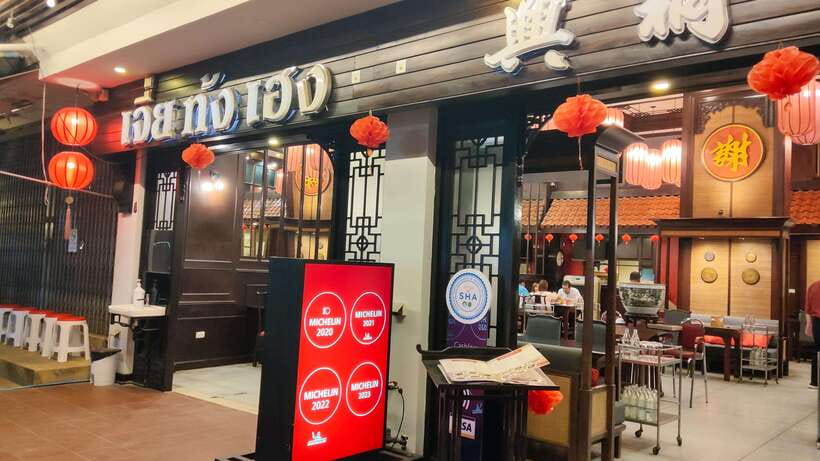
The dinner option is not simply the lunch tour at a later hour. It begins at McDonald’s Nimmanhaemin, skips Warorot Market, and ends around Nimmanhaemin Road. You can visit ONE Nimman after the tour if you want to continue your evening.
Dinner includes three different Michelin Guide selections:
- Khao soi Michelin: Northern Thailand’s famous curry noodle dish.
- Roast chicken: A savory stop that gives the meal a different profile from the noodle dish.
- Papaya salad: A fresh, spicy counterpoint to the richer foods.
This option suits you if you are staying around Nimman or already have daytime plans. It is less suitable if your main goal is to see Kad Luang. The dinner route also gives you a chance to start your Chiang Mai trip with local food while keeping the morning free.
The exact balance of spice, richness, and portion size can vary by stop and by your appetite. Tell the guide if you need help pacing yourself, but do not expect a menu designed for vegans, vegetarians, people with food allergies, or strict gluten-free diets.
Why the guide matters more than the Michelin label
The Michelin name gets attention, but it is not the main reason to book. The real value is having someone explain how a dish connects to Chiang Mai, Chinese food traditions, local ingredients, and daily life.
Natt is repeatedly praised for his English, humor, warmth, and ability to answer questions. He has a master’s degree, comes from a restaurant family in Bangkok, and studied in Chiang Mai. Those details help explain why the conversation can move from a bowl of noodles to Thai history, regional geography, or suggestions for the rest of your holiday.
Other named guides include Anan and Pupe. The exact guide depends on the date and option, so do not book on the assumption that one particular person is guaranteed unless the provider confirms it.
I especially like the practical advice built into the experience. You may leave with ideas for other restaurants, sweets, markets, and walks. One guide even used maps and photographs when explaining local history. That kind of personal instruction can be valuable on your first day, when you are still trying to understand the city’s layout.
How much food do you actually get?
This is not a light nibble tour. The lunch and dinner options both include three selected dishes, and the portions may be full size. Several people found the food plentiful enough to leave completely full, while one person felt the amount was more than expected.
My advice is simple: do not eat a large meal beforehand. If you want to try extra snacks at Warorot Market, pace yourself at the first stop. You can always buy something later, but you cannot make room once you are full.
The food is also not presented as a formal tasting menu. You sit down at food businesses and eat in a more ordinary local setting. That brings authenticity, but it may also mean basic seating, street noise, and less control over timing than you would have in a restaurant booked for your group.
Is $31 a good price?
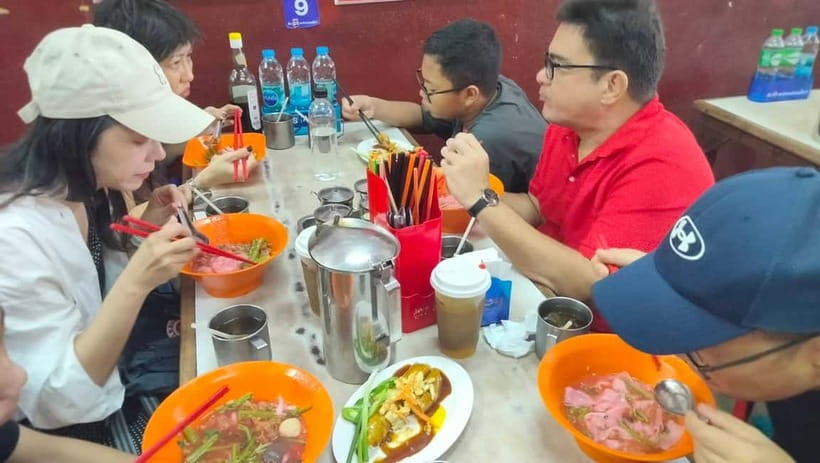
At $31 per person, the tour offers solid value if you care about both food and explanation. You receive three included dishes, a local guide, a bottle of water, market access on the lunch route, and advice that can shape the rest of your stay.
The price is less compelling if you only want the cheapest possible meal. You could spend less by eating independently, but you would need to find the right stalls, understand the menus, navigate the market, and know which foods are worth your time. The tour charges for that local direction as much as for the dishes themselves.
Private and small-group formats can make the cost more worthwhile for couples, families with older children, or friends who want to ask many questions. The experience is not suitable for children under two, wheelchair users, people with mobility or respiratory problems, pregnant women, or people with many medical restrictions. Baby strollers, large backpacks, pets, and electric wheelchairs are not allowed.
Timing, clothing, and practical preparation
Two hours is enough for a compact introduction, but it goes quickly. One person found the experience too short because the conversation and food were so enjoyable. Plan it as a focused morning or evening activity, not a full-day food expedition.
Wear comfortable shoes and bring sunscreen, a hat, a camera, and cash. Chiang Mai’s heat, market surfaces, and short walking sections make practical clothing more useful than dressing up.
You should also check the meeting point carefully because lunch and dinner start in different areas. Free cancellation is available up to 24 hours before the activity, and you can reserve now and pay later, which helps if your Chiang Mai schedule is still shifting.
Who should book this tour?
I would choose this for a first or second day in Chiang Mai, especially if you want food recommendations for the rest of your stay. It is also a strong pick for anyone who likes a guide who talks about history and culture instead of simply naming dishes.
It suits curious eaters who are open to noodles, dumplings, fried dough, curry, roast chicken, and papaya salad. The relaxed pacing works well for people who prefer sitting down and talking rather than racing from one stall to the next.
I would skip it if you need a fully vegetarian, vegan, allergy-safe, gluten-free, or medically restricted menu. I would also look elsewhere if your top priority is maximum variety. Three substantial dishes offer a satisfying meal and a clearer food story, but not the widest possible sample.
Should you book Taste of Chiang Mai?
Book it if you want three generous local dishes, a market or Nimman setting, and a guide who can connect food with Chiang Mai’s past and present. At $31, the experience gives you more than a meal, particularly if you use the guide’s suggestions for the rest of your trip.
Choose lunch for Warorot Market and the Hakka noodles, fried dough, and steamed dumplings. Choose dinner for khao soi, roast chicken, and papaya salad around Nimmanhaemin. Arrive hungry, wear sensible shoes, and expect a friendly, food-focused lesson rather than a huge buffet of samples.
FAQ
How long does the food tour last?
The experience lasts two hours.
How much does the tour cost?
The listed price is $31 per person.
What food is included with the lunch option?
Lunch includes Hakka pink noodles, Thai fried dough, and steamed rice skin dumplings. These are selected Michelin Guide dishes.
What food is included with the dinner option?
Dinner includes Michelin Guide selected khao soi, roast chicken, and papaya salad.
Where does the lunch tour meet?
The lunch tour meets at Wat Saen Fang, at the entrance beside The Story 106 Co-Working Space & Cafe on Thapae Road. The meeting point is about 600 meters from Tha Pae Gate.
Where does the dinner tour meet?
The dinner tour meets at McDonald’s Nimmanhaemin. It takes place and ends around Nimmanhaemin Road, and it does not include a market visit.
Is a guide included?
Yes. A passionate local guide is included, with English and Thai available. Private and small-group options are offered.
Can I cancel or pay later?
You can cancel up to 24 hours in advance for a full refund. The reserve now and pay later option lets you book without paying immediately.
Just added around Chiang Mai
- Private Half-Day Tour The Old Chiang Mai City With Street Foods★ 5.0 · 3 reviews
- Chiang Mai – Doi Suthep Temple and Street Food Tour★ 5.0 · 17 reviews
- Michelin Guided Street Food Tour in Chiangmai: Thai Food Tour★ 5.0 · 11 reviews
- Taste of Chiang Mai: Michelin Guide Street Food Small Group 2Hr★ 5.0 · 19 reviews
- Chiang Mai Michelin Food Walking Tour with Professional Tour Guide★ 4.5 · 13 reviews
- Chiang Mai Street Food Tour by Tuk Tuk with Pick Up★ 5.0 · 7 reviews
- Chiang Mai: Temples and Street Food Night Tour by Tuk Tuk★ 4.3 · 81 reviews
- Chiang Mai: Tuk-Tuk Evening Tour with Temples & Street Foods★ 4.7 · 26 reviews
Chiang Mai Street Food Tours, compared.
Small-Group Chiang Mai Evening Street Food Tour
Read our review →
Chiang Mai: Evening Local Street Food Market Tour
Read our review →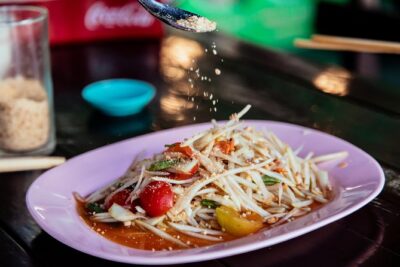
The 10 Tastings of Chiang Mai With Locals: Private Street Food Tour
Read our review →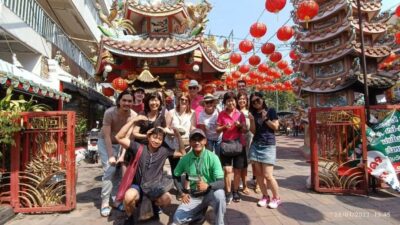
Chiang Mai: Local Food and Markets Guided Walking Tour
Read our review →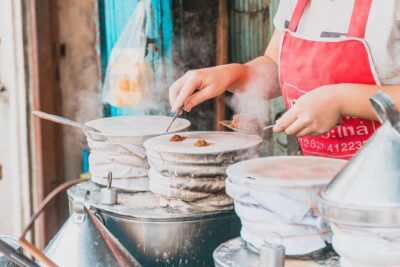
Go where the locals go, Eat what the locals eat! Food Tour with Local Foodies
Read our review →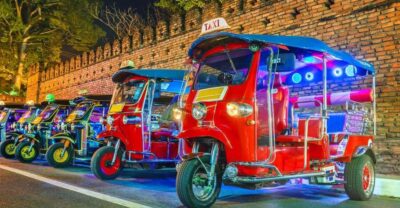
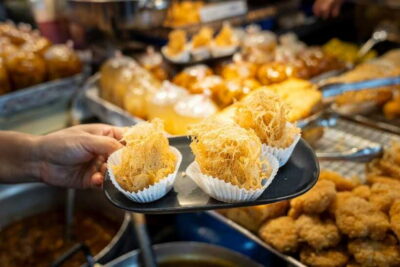
Chiang Mai: Evening Sightseeing and Local Food Guided Tour
Read our review →
Chiang Mai: Tuk-Tuk Evening Tour with Temples & Street Foods
Read our review →Browse the lists this tour appears in