
REVIEW · JAPAN STREET FOOD TOURS
Samurai Food Walk in Kakunodate
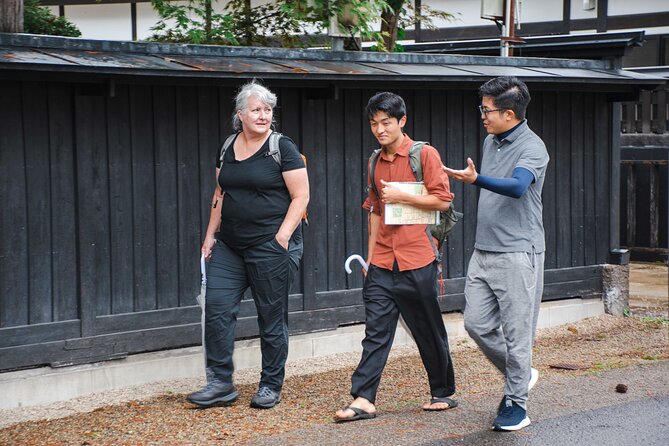
Kakunodate is one of Japan’s best places to connect food with history. On this small-group walk, you move from sake and soy sauce to mochi, kiritanpo, and samurai homes, seeing how everyday local life shaped this old castle town. The food is the doorway, not the whole show.
I like the tour’s mix of three sake tastings and traditional sweets, along with the visit to Ando Jozo Brewery, where miso and soy sauce production gives you a taste of Akita beyond the usual restaurant menu. I also like the compact route, which covers Samurai Street, old merchant areas, a samurai residence, and local shops in about two and a half hours.
The main consideration is pace. You will sample many things, but none in large portions, and the tour is mainly on foot. Private transportation is not included, and the start and end points are different. That is easy to manage in Kakunodate, but you should plan your arrival and onward route.
Key points to know before booking
- Three sake samples at Fujita: Compare local Akita sake in a proper liquor shop rather than ordering one familiar glass at a restaurant.
- Ando Jozo Brewery visit: Learn how miso and soy sauce fit into local cooking and food culture.
- Samurai Street and Iwahashi Samurai House: See the old town’s two sides, from samurai residences to merchant businesses.
- Sweets, snacks, and kiritanpo: Taste manju, dorayaki, mochi, a local street snack, and Akita’s classic grilled rice preparation.
- Small group of up to eight: The size suits questions and conversation without turning the walk into a crowd.
- Rain support is built in: Umbrellas and boots are available to rent when the weather turns wet.
Why Kakunodate works so well for a food walk
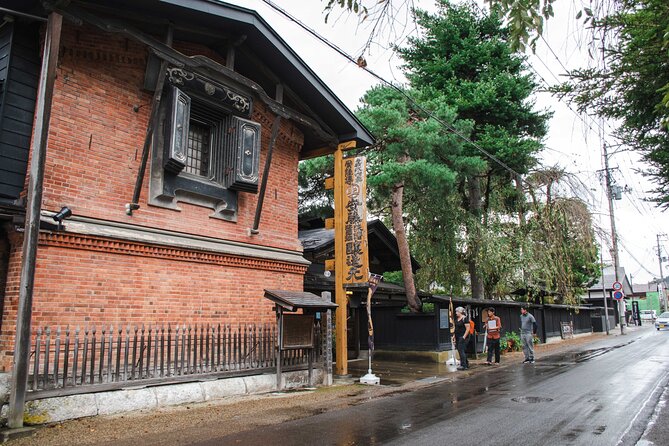
Kakunodate is an old castle town often called Michinoku’s Little Kyoto. Its historic center is compact, with samurai residences, merchant buildings, shops, and craft businesses gathered within roughly a two-kilometer radius.
That layout matters. You are not spending the afternoon shuttling between far-flung sights. The food stops and cultural sites sit within a walkable old town, so each tasting helps explain the street you are standing on.
The town has a useful split between the inner area, associated with samurai residences, and the outer area, where merchant houses and businesses developed. Ando Jozo Brewery sits in that outer town. Samurai Street, by contrast, gives you the grander old-house setting, with preserved residences and broad streets lined by traditional buildings.
I like this kind of route because it avoids treating history as a separate museum subject. You taste soy sauce near old merchant streets, try local sweets in a shop with more than 140 years of operation, and see a samurai residence after learning how Kakunodate was organized.
More Street Food Walking Tours in Japan
- Tokyo Tsukiji Fish Market Food and Culture Walking Tour
★ 5.0 · 3,184 reviews - Tokyo: Tsukiji Fish Market Food and Walking tour
★ 5.0 · 1,724 reviews - Tokyo: Tsukiji Fish Market Guided Walking Tour
★ 4.9 · 1,397 reviews
Starting with local shops in Kakunodate
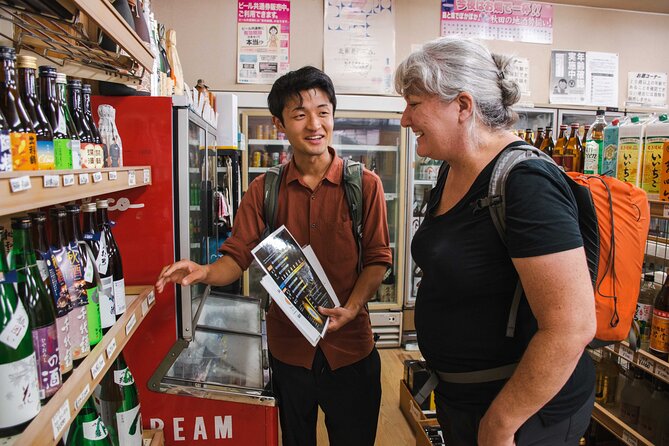
The opening portion takes about 30 minutes and introduces several local businesses. You may visit a sake shop, a green grocery, a Japanese sweet shop, a snack stop, and other small food businesses in town.
This first section is useful for getting your bearings. Instead of beginning with a long historical lecture, the guide introduces the town through things you can smell, taste, and recognize. You also get explanations of the unusual details behind each business and product.
Do not expect a full meal at this point. The value is variety. A small taste of a local snack can tell you more about daily eating habits than a polished restaurant course, especially when the guide explains how the food is used locally.
This is also where the guide’s personality matters most. Miki has led tours that combine local customs, food, and history with clear explanations. Mac has offered practical suggestions beyond the fixed route, including e-bike rental for people who wanted to see more of the town and ride beside the river. Those names come from past tour experiences, so your guide may be different, but the format favors a personal, conversational walk.
Three sake styles at Fujita
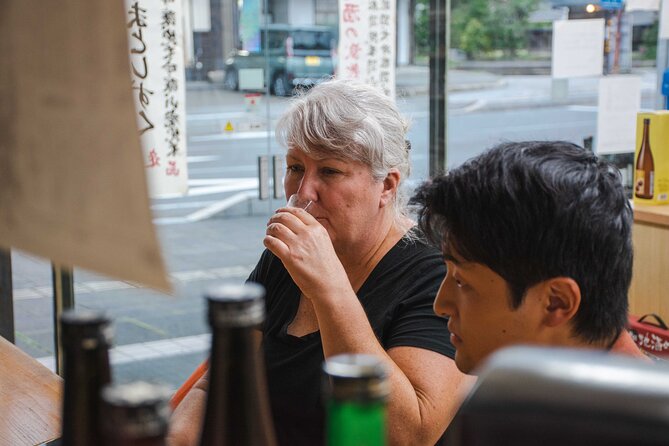
The visit to 地酒のふじた, or Fujita, lasts about 20 minutes. Akita Prefecture is known for its sake, and here you taste three different types in a local liquor shop.
A comparison tasting is a smart use of time. One drink by itself can be hard to judge, especially if you are new to sake. Three samples let you notice differences in aroma, sweetness, strength, and finish while the flavors are still fresh in your mind.
The tasting includes alcoholic beverages, but this is not a bar crawl. The tour gives you three samples, not an open-ended drinking session. If you do not drink alcohol, the supplied details do not specify a replacement tasting, so check with Akita INAKA Travel before booking.
The stop works best for curious drinkers who want context as well as flavor. Ask the guide what makes Akita sake different and which style is most common locally. The small group limit of eight should make those questions practical.
Ando Jozo and the everyday taste of Akita
Ando Jozo Brewery is one of the most interesting stops because it shifts attention from special-occasion food to basic pantry ingredients. The business is in Kakunodate’s outer town, among the old merchant area.
Miso and soy sauce can disappear into a finished dish, but they shape the flavor of much of Japanese cooking. Seeing a brewery devoted to these ingredients gives you a better sense of how local food is built from the ground up.
The stop lasts about 20 minutes. That is enough for an introduction, but not enough for a long production tour. Expect the emphasis to be on the place, its role in town, and the food culture around miso and soy sauce.
This was a particular highlight for one past participant, who had not expected the factory visit to be so memorable. I can see why. Sake gets most of the attention on food tours, while fermented seasonings often explain more about what people actually eat at home.
Same city, a different plate:
- Hungry Osaka Street Food Tour:15 Tastings & 3 Drinks with a Local
★ 5.0 · 1,727 reviews - Nishiki Market Brunch Walking Tour (7 Tastings + Brunch)
★ 5.0 · 1,355 reviews - Tokyo Sushi Making Class in Tsukiji with Professional Chef
★ 5.0 · 1,177 reviews - Osaka Local Foodie Walking Tour in Dotonbori and Shinsekai
★ 5.0 · 985 reviews
Manju, dorayaki, and old-fashioned sweets
Goto Fukushindo is a traditional sweet shop tucked behind Samurai Street. It has operated for more than 140 years, and the tasting includes sweets such as manju, dorayaki, and other mochi-based treats.
These are not generic souvenir candies. They are familiar Japanese sweets with different textures and fillings, and the shop’s long local history adds useful context. You can compare soft mochi, cake-like dorayaki, and the denser texture of manju in one stop.
The scheduled visit is about 15 minutes. That makes it a quick but satisfying pause rather than a sit-down dessert course. The included dumplings are one of the tour’s food benefits, particularly if you want to try traditional sweets without buying a large box of unfamiliar items.
If you have a strong sweet tooth, this stop may be one of your favorites. If you prefer savory food, the tour gives you enough other stops to keep the balance right.
Inside the Iwahashi Samurai House
The Iwahashi Samurai House offers the tour’s clearest look at Kakunodate’s former warrior class. The Iwahashi family was a middle-ranking samurai family and chief retainers of the Ashina clan, which ruled Kakunodate from 1603 until 1653.
The stop takes about 15 minutes and includes the entrance fee. That matters because you are not simply walking past a historic facade. You get to enter one of the residences and connect the town’s political past with its surviving buildings.
Do not expect a large castle complex. The appeal is smaller and more personal. A residence can show how a samurai household functioned in a way that a broad street view cannot.
The short timing also keeps the walk moving. You will not get an exhaustive architectural study, but you will have a concrete example to remember as you continue along Samurai Street.
Kiritanpo at the Samurai Street Teahouse
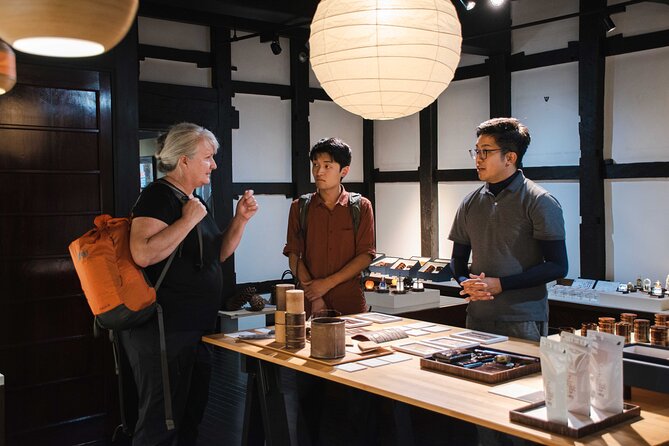
At Bukeyashiki no Chaya, the Samurai Street Teahouse, you try kiritanpo, one of Akita’s best-known local foods. It is a preparation made from rice, shaped and grilled, and is commonly associated with home cooking.
That home connection is the point. Kiritanpo is not merely a regional dish placed on a tourist menu. It gives you a taste of what local food can look like away from the standard sushi, ramen, and tempura circuit.
The teahouse sits across from the Aoyagi Samurai Manor and serves local dishes and sweets. The visit lasts about 20 minutes, giving you time to sample the food and hear why it matters in Akita.
This is a good stop for anyone who wants the tour to include something savory and substantial enough to break up the sweets. The exact serving size is not specified, so treat it as a tasting rather than a guaranteed lunch.
Finishing with cherry bark craft
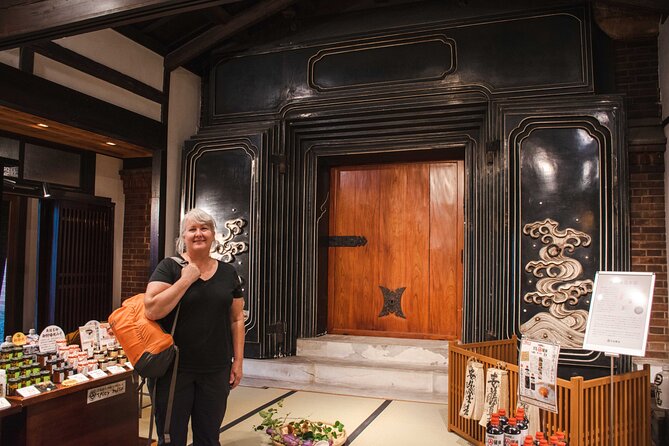
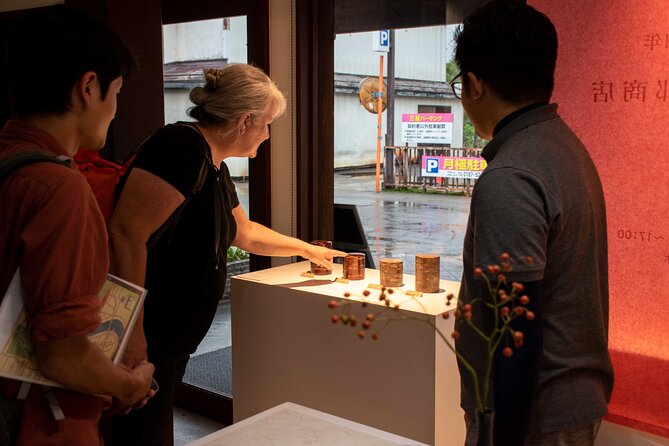
The route ends at the Kakunodate Cherry Bark Woodcraft Museum, at 10-1 Kakunodatemachi Omotemachishimochō. The building has a black exterior and brick construction, and it sits in the center of Samurai Street.
Kaba-zaiku, or cherry bark craft, developed during the Edo period as work associated with lower-ranking samurai. Craftspeople used mountain cherry bark for items such as inro and eyeglass cases. The craft gives you one last way to see how samurai-era life extended beyond battles and official buildings.
The museum is a fitting endpoint because it leaves you with a material reminder of Kakunodate’s past. Food begins the walk, but local craft completes the picture.
The end point is not the same as the start. The tour begins at Inaka Travel Akita, at 94-7 Nakasugasawa, and finishes at the museum. Since private transportation is not included, check the route before you arrive and decide how you will continue after the walk.
What the $100.99 price includes
At $100.99 per person, this is not a bargain snack crawl. The price makes more sense if you value interpretation, access to several small businesses, the sake comparison, the included sweets and snack, the kiritanpo tasting, and entry to a samurai house.
You are paying for range as much as quantity. In two and a half hours, the tour covers sake, fermented seasonings, sweets, street food, samurai architecture, local craft, and town history. Buying each item independently might cost less, but you would lose the explanations and the efficient route.
The small group cap also affects the value. With no more than eight people, the guide can answer questions and adjust the conversation. That is especially useful in small shops where a large group could feel awkward.
The limitation is that the food portions are designed for tasting. If you want a large lunch or a long sake session, this is the wrong format. Think of it as a guided introduction to Kakunodate’s food culture, followed by time to eat more on your own.
Timing, weather, and who should book
The experience lasts about 2 hours and 30 minutes. The listed stop times add up to that length, so the schedule is fairly full. Arrive ready to walk, taste, listen, and move on when the group does.
Rain does not have to ruin the plan. Umbrellas and boots are available to rent for wet days. Still, comfortable walking shoes and weather-appropriate clothing will make the route easier.
I would choose this tour if you want:
- A first look at Kakunodate with food as the organizing theme
- A small group and direct access to a local guide
- Three sake samples plus non-alcoholic food tastings
- A quick visit to a samurai residence
- Context for miso, soy sauce, sweets, kiritanpo, and cherry bark craft
I would skip it if you want a long, formal samurai-history tour, a full restaurant meal, or private transportation. The walk is broad rather than deep, touching many parts of Kakunodate without spending a long time at any single one.
Should you book the Samurai Food Walk?
Book it if you want Kakunodate to feel like a living town rather than a row of preserved buildings. The best parts are the connections: sake with Akita’s brewing tradition, soy sauce with merchant life, sweets with long-running local shops, and kiritanpo with home cooking.
The strongest reason to go is the mix of food and explanation. Past tours led by guides such as Miki and Mac have included local history, customs, e-bike suggestions, and personal stories about the town. You should not assume the same guide will lead your walk, but the experience is clearly designed around that local point of view.
At $100.99, you are paying for a carefully packed introduction rather than a large meal. For first-time visitors to Kakunodate, that is a fair trade. For repeat visitors who already know the samurai district, the tour is worthwhile mainly if you want the food businesses and local craft explained in one short route.
FAQ
How long does the Samurai Food Walk in Kakunodate last?
The tour lasts approximately 2 hours and 30 minutes.
How much does the tour cost?
The listed price is $100.99 per person.
How many people can join the tour?
The group is limited to a maximum of eight travelers.
What sake tasting is included?
You receive a comparison tasting of three different types of Japanese sake at the local liquor shop Fujita.
Are snacks included?
Yes. The experience includes dumplings from a long-running Japanese sweets shop and one locally loved street food item.
Is a samurai residence included?
Yes. Entrance to a samurai house is included, with a visit to the Iwahashi Samurai House.
What other foods are sampled?
The tour includes traditional Japanese sweets such as manju, dorayaki, and mochi, along with kiritanpo at the Samurai Street Teahouse.
Is transportation included?
No. Private transportation is not included. The experience is a walking tour through Kakunodate.
Where does the tour finish?
The tour finishes at the Kakunodate Cherry Bark Woodcraft Museum on Samurai Street.
What happens if it rains?
Umbrellas and boots are available to rent for rainy days.
Just added around Japan
- Savor Setouchi inland sea Local Food & Bike Tour with Local Guide★ 5.0 · 3 reviews
- Okonomiyaki Counter: Hiroshima Edition★ 5.0 · 2 reviews
- Private Fukuoka Bar Hopping and Food Walking Tour★ 5.0 · 3 reviews
- Fukuoka Evening Tours: Yatai, Izakaya, Karaoke and more★ 5.0 · 21 reviews
- Tokyo: Tsukiji walk & sushi private tour with Uni Students★ 5.0 · 17 reviews
- Tokyo: Private Tsukiji Street Food & Sake with Local Guide★ 5.0 · 3 reviews
- Tokyo: Tsukiji Market Guided Tour & Sushi-Making Experience★ 4.4 · 11 reviews
- Tokyo: Tsukiji Market and Hama-rikyu Gardens Guided Tour★ 4.8 · 73 reviews
Japan Street Food Tours, compared.
Tokyo Tsukiji Fish Market Food and Culture Walking Tour
Read our review →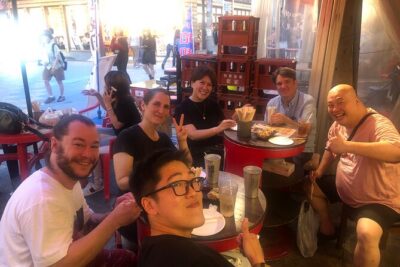
Hungry Osaka Street Food Tour:15 Tastings & 3 Drinks with a Local
Read our review →
Tokyo: Tsukiji Fish Market Food and Walking tour
Read our review →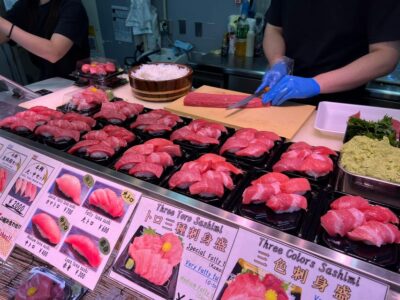
Tokyo: Tsukiji Fish Market Guided Walking Tour
Read our review →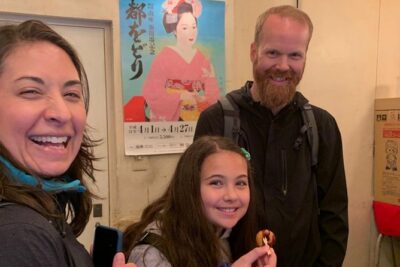
Nishiki Market Brunch Walking Tour (7 Tastings + Brunch)
Read our review →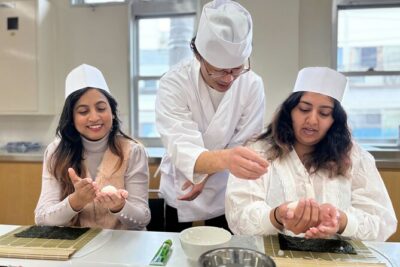
Tokyo Sushi Making Class in Tsukiji with Professional Chef
Read our review →
Osaka Local Foodie Walking Tour in Dotonbori and Shinsekai
Read our review →
Browse the lists this tour appears in