REVIEW · TOKYO STREET FOOD TOURS
Tokyo: Tsukiji Market and Hama-rikyu Gardens Guided Tour
Tokyo gives you one of its best contrasts on this compact walking tour: the narrow food lanes of Tsukiji Market followed by the calm ponds and teahouses of Hama-rikyu Gardens. You begin at Tsukiji Hongwanji Temple, then walk through a market handling about 480 types of seafood and 270 types of produce before ending among trees, flowers, and a modern skyline.
I like the food-first format, since you can choose grilled scallops, tamagoyaki, sushi, wagyu skewers, or matcha sweets rather than sit through a fixed meal. I also like that the garden admission is included and that the tour connects three very different parts of Tokyo on foot.
The main drawback is the walking. The tour lasts from 150 minutes to three hours, includes narrow market lanes and a 15-minute walk to the gardens, and food is not included. The accessibility details also conflict: the activity is marked wheelchair accessible, but it is also listed as unsuitable for wheelchair users and people with mobility impairments. Confirm this directly before booking.
Key points to know before booking
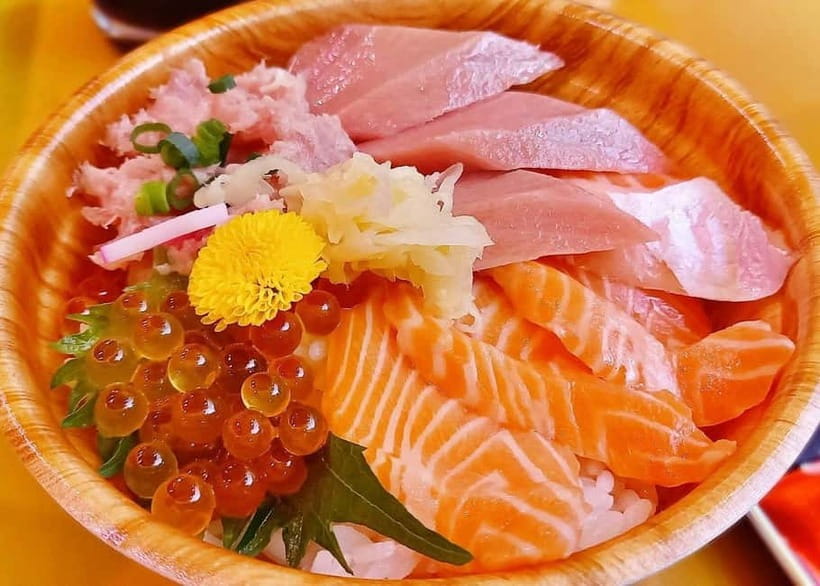
- Tsukiji still works best as a food stop: Choose your own snacks, with seafood, sushi, omelette, wagyu, and sweets all possible.
- The tour begins at a temple: The 15-minute visit to Tsukiji Hongwanji adds architecture and a quiet pause before the market.
- Hama-rikyu changes with the season: Flowers vary through the year, so the garden looks different depending on your visit.
- You pay separately for food: Market snacks and the optional matcha and wagashi tasting cost extra.
- The walk ends at the garden: There is no return transport included, so plan your next stop from Hama-rikyu.
- Several languages are available: Guides may lead tours in English, Chinese, French, Korean, or Spanish.
Tsukiji Hongwanji is a calm start
Meet your guide in front of the Starbucks Coffee Tsukiji Station shop. From there, the first stop is Tsukiji Hongwanji Temple, a short guided visit lasting about 15 minutes.
This is a smart opening. Tsukiji is best known for food, but the temple gives you a quieter introduction to the district. Its unusual architecture and peaceful interior make it feel different from many Japanese temples you may have seen elsewhere in Tokyo. Your guide can explain the site and help you notice details you might otherwise pass without a second look.
Fifteen minutes is enough for a first look, not enough for a long religious or architectural study. I would treat this stop as a useful orientation rather than the main event. You get a moment to settle into the tour, take photographs, and learn why this temple matters to the area before the pace picks up.
The temple also helps frame the rest of the walk. Tokyo is not divided into neat tourist zones where one mood lasts all day. A short distance can take you from a quiet religious site to food sellers, shoppers, delivery activity, and then back to a formal garden. This tour makes that contrast easy to see.
More Fish Market and Seafood Tours in Tokyo
- Tokyo Tsukiji Fish Market Food and Culture Walking Tour
★ 5.0 · 3,184 reviews - Tokyo: Tsukiji Fish Market Food and Walking tour
★ 5.0 · 1,724 reviews - Tokyo: Tsukiji Fish Market Guided Walking Tour
★ 4.9 · 1,397 reviews
Tsukiji Outer Market puts Japanese food within reach
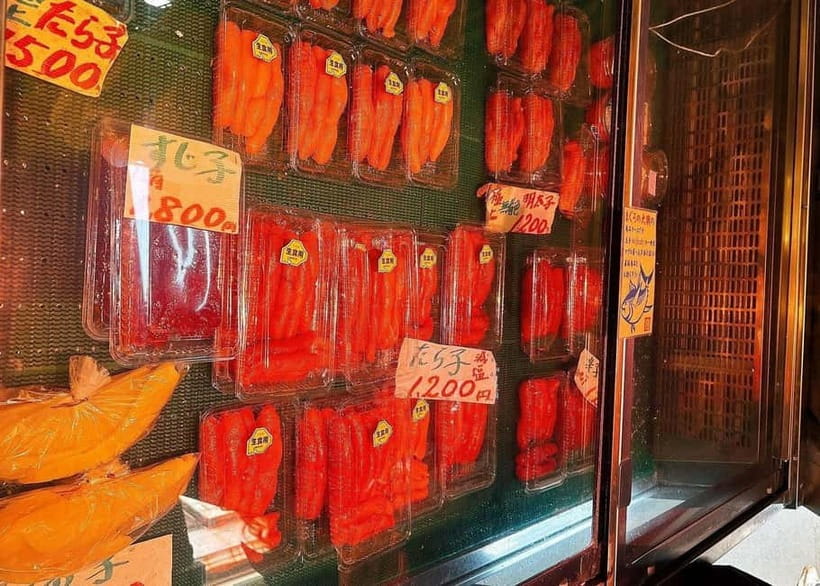
After the temple, you enter Tsukiji Outer Market for about 45 minutes of guided touring, free time, and shopping. The market is described as an 83-year-old central wholesale market, with roughly 480 types of seafood and 270 types of produce moving through its shops and stalls.
Those figures tell you why a guide helps. The market is not simply one large hall with a clear route. You walk through narrow lanes lined with many kinds of food, and it is easy to spend your entire visit staring at one counter. A guide can give the area some shape, explain what you are seeing, and point out ways to approach the food culture without making the stop feel like a lecture.
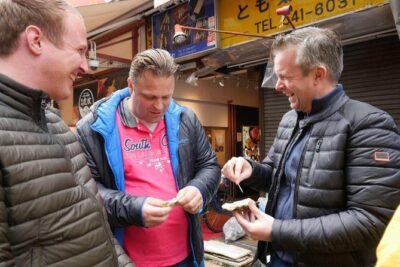
You are not locked into one meal. That is one of the tour’s best features. You can buy a small grilled scallop, try tamagoyaki, order sushi, pick up a wagyu skewer, or finish with a matcha sweet. If you are cautious about unfamiliar food, start with one item and continue at your own pace. If you enjoy trying several things, the short tasting portions let you build your own snack crawl.
Food costs extra, so bring money for purchases. The tour price of $31 covers the guide and Hama-rikyu Garden admission, but not meals or food from the stalls. That arrangement keeps the base price reasonable and gives you control over how much you spend. It also means you should not arrive expecting a full lunch to be included.
The 45-minute market visit is enough for a lively introduction, but it is not a long shopping session. If you want to examine every seafood counter, buy gifts, and eat several dishes, you may feel rushed. The guide-led portion and free time are best for sampling and getting your bearings, not for a serious grocery expedition.
Bring a camera, but use it thoughtfully. The narrow lanes can be busy, and sellers are working. Focus on the food, signs, colors, and details around you, while leaving room for people to pass. Smoking is not allowed during the activity.
What to eat at Tsukiji

The food choices listed for this tour cover a useful range of Japanese staples and market snacks.
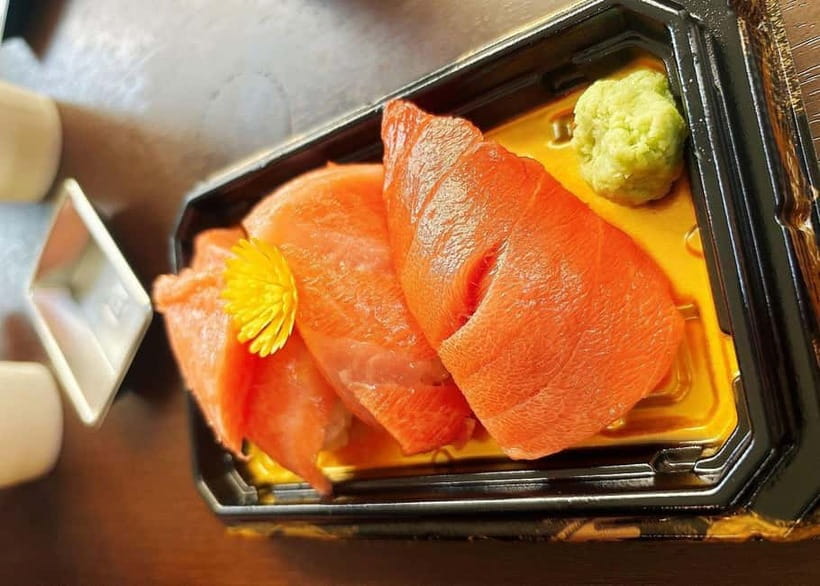
Grilled scallops give you a simple introduction to the seafood side of Tsukiji. You can see the product before it is cooked, then eat it hot from the stall. Tamagoyaki, a sweet Japanese omelette, is a gentler choice if raw fish is not appealing.
Sushi is the obvious market pick, but it is not your only option. A wagyu skewer offers a more substantial bite, while matcha sweets provide a small dessert or a break from seafood. Since purchases are optional, you can match your food choices to your appetite, budget, and comfort level.
I would not plan the tour around eating a full meal unless you have confirmed how much free time your departure offers. The market stop is short, and the walking route continues afterward. Think of it as a guided tasting opportunity with room for shopping, not a restaurant reservation.
You should also expect your guide to discuss Japanese food culture, not just name dishes. That context is useful because it turns a quick snack into a better understanding of how ingredients, preparation, and presentation fit into daily life.
The 15-minute walk to Hama-rikyu Gardens
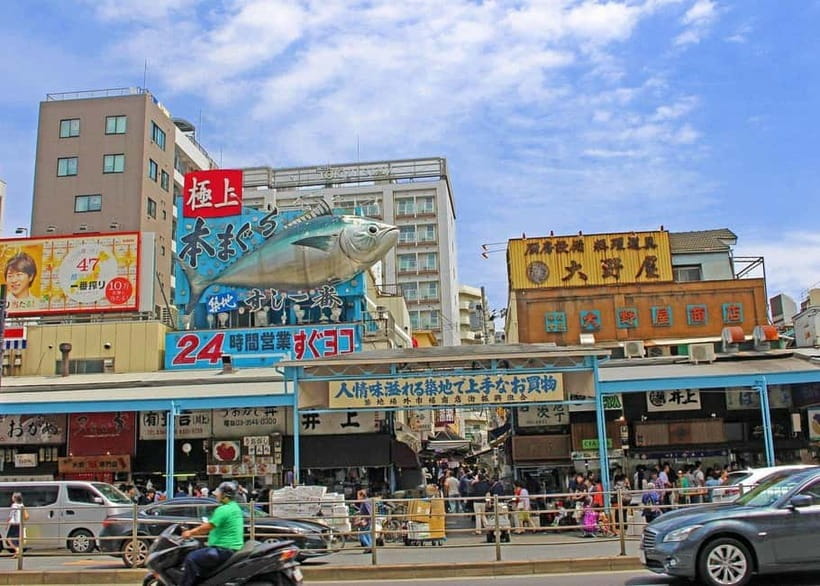
The route from Tsukiji to Hama-rikyu Gardens takes about 15 minutes on foot. This is not a transfer by vehicle, and transportation to and from the attractions is not included.
That short walk links two very different parts of Tokyo. You leave the market’s tight lanes and move toward the spacious garden grounds. For you, the change of pace is part of the experience, but it also explains why comfortable shoes matter. The entire tour involves considerable walking, with another hour spent exploring the garden.
If you have limited stamina, be realistic about the schedule. The listed duration ranges from 150 minutes to three hours, depending on the starting time and how the tour is run. The difference is significant. A shorter version may feel brisk, while a longer version allows more time for free exploration and explanations.
You finish at Hama-rikyu Gardens rather than returning to the starting point. This is convenient if you plan to continue sightseeing in that part of Tokyo, but you should arrange your next stop from the garden. There is no included transport back to Tsukiji or to your hotel.
More Street Food Market Tours in Japan
- Tsukiji Fish Market Guided Tour and Sushi Making with Pro Chef
★ 5.0 · 775 reviews - Tokyo: Tsukiji Fish Market Food and Culture Walking Tour
★ 4.7 · 757 reviews - Tsukiji Fish Market: Street Food & Culture Walking Tour
★ 5.0 · 669 reviews - Tsukiji Fish Market Small-Group Food Walking Tour
★ 5.0 · 621 reviews
Hama-rikyu reveals old Tokyo beside the skyline
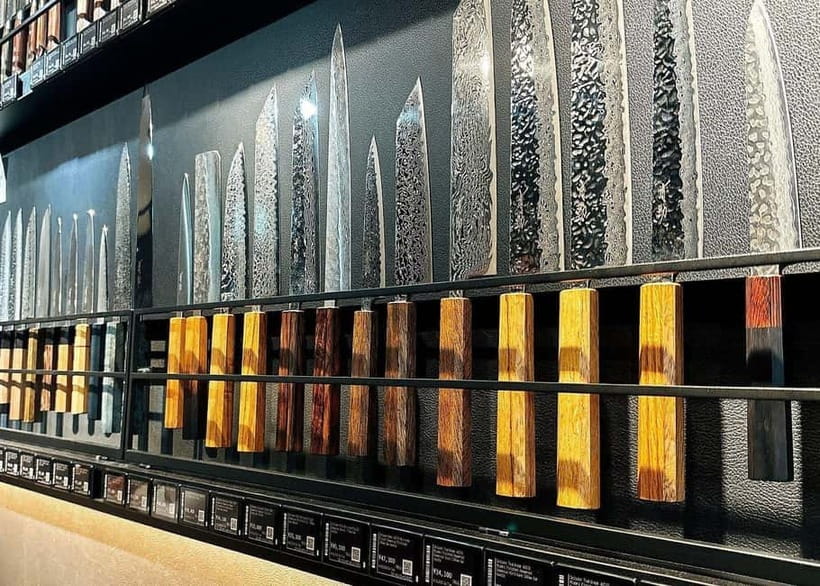
Hama-rikyu Gardens was created during the Edo period, more than 370 years ago. The garden provides a sharp change after Tsukiji: instead of market counters and food stalls, you find paths, ponds, flowers, and open views toward Tokyo’s high-rise buildings.
That contrast is the reason I would not skip this part. The garden is not isolated from the city. Modern towers remain visible, making it easy to see old and new Tokyo in one frame. You can enjoy the quiet setting without pretending the city has disappeared.
The guided visit lasts about an hour, including time with the guide and free time. You can listen to the explanation, then pause for photographs or simply walk at your own speed. The tour description emphasizes seasonal flowers, so the exact display depends on when you visit. Spring, summer, autumn, and winter will each offer a different mix of color and plant life.
You should keep expectations sensible. This is not a full-day garden tour, and the activity does not promise one particular flower display. The appeal comes from the garden’s design, age, water features, seasonal planting, and skyline views working together.
The garden admission fee is included, which improves the value of the $31 price. If you visited Tsukiji independently and then paid separately for the garden, you would still need to organize the route and find your way through both areas. Here, the guide provides a clear connection between them.
Optional matcha and wagashi in the garden
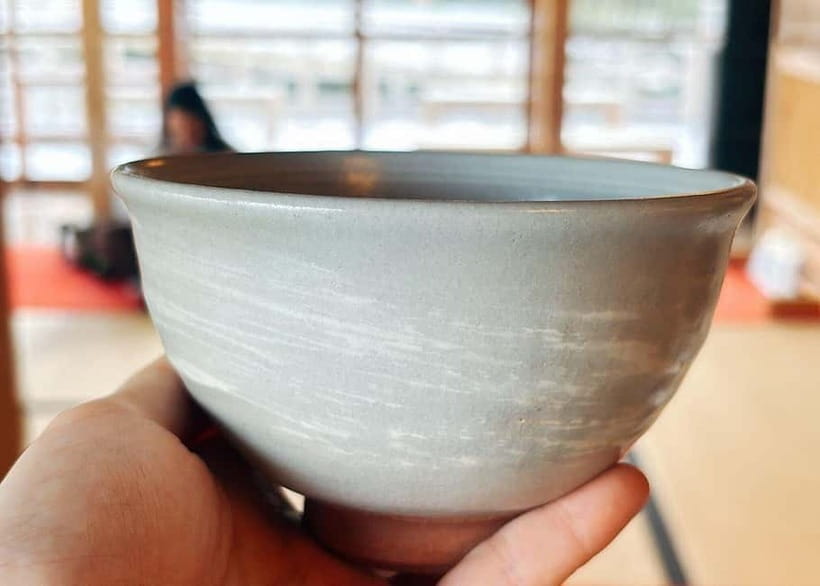
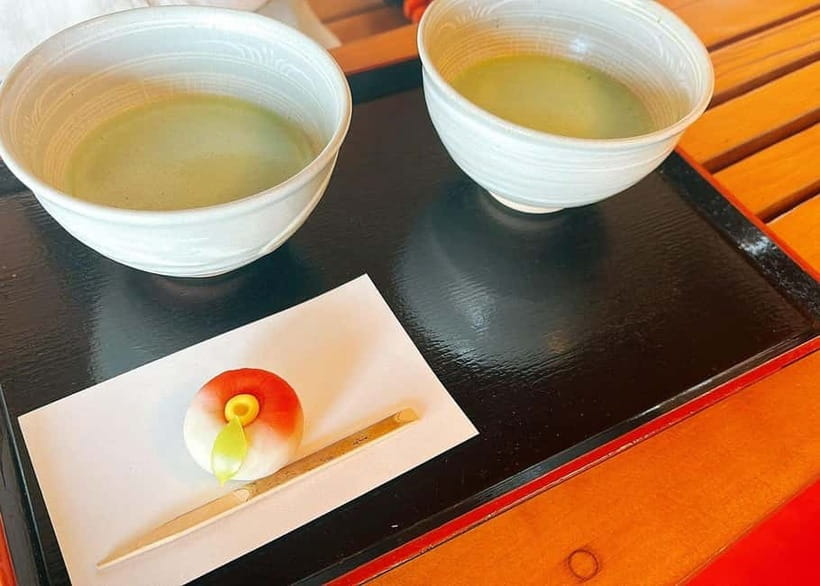
If you want a more traditional pause, you can add matcha and wagashi, Japanese sweets, for about 1,000 yen. This cost is paid on-site and is not part of the tour price.
The tasting is optional, which is helpful. You can keep the tour focused on the market and garden, or add a short lesson in Japanese etiquette with tea. For many people, this will be the most restful part of the day, especially after walking and eating in Tsukiji.
Do not assume the tasting is included simply because it takes place during the garden visit. Set aside the extra 1,000 yen if you want it, and ask your guide about timing on the day. Since the activity information does not promise a fixed tea ceremony format, think of it as a tea and sweet tasting with etiquette guidance rather than an extended formal ceremony.
How much value do you get for $31?
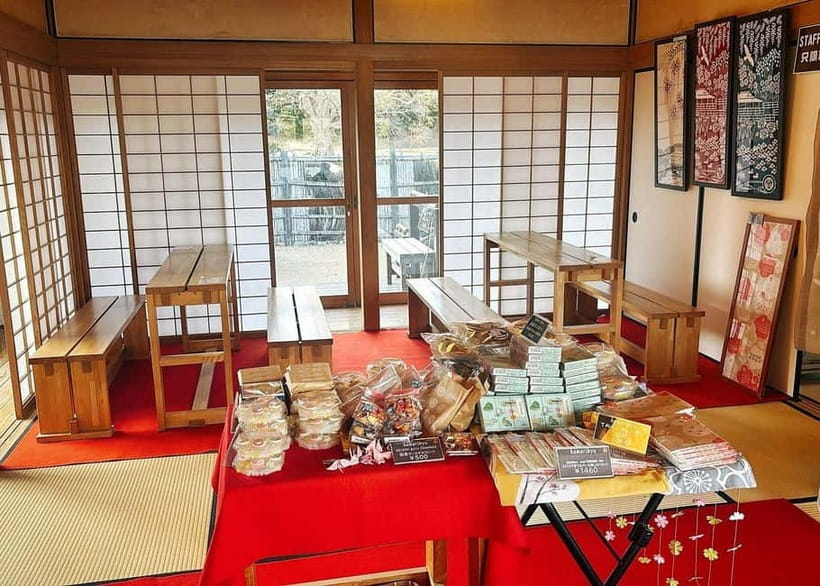
At $31 per person, this is a modestly priced guided walking tour for Tokyo. The value comes from three things: a local guide, admission to Hama-rikyu Gardens, and a route that joins the temple, market, and garden without requiring you to plan the connections yourself.
The price is strongest for first-time visitors who want help reading Tsukiji. You can certainly walk through the market alone, but a guide may help you understand what you are seeing and avoid spending your limited time wandering without a plan. The admission included at Hama-rikyu also adds a clear benefit.
The value is weaker if you mainly want a long meal or an unhurried shopping trip. Food is extra, the market section lasts about 45 minutes, and the tour follows a set route. You are paying for context and organization, not for a large amount of included food.
The optional matcha tasting adds another 1,000 yen. Even with that addition, the total can remain reasonable, but you should compare it with your own plans. If you already know Tsukiji well and are comfortable navigating Tokyo, you may prefer to visit independently and spend longer at the stalls you choose.
Walking, group comfort, and accessibility
Wear comfortable shoes. This is basic advice, but it matters here. You walk through narrow market lanes, continue for 15 minutes to the gardens, and spend about an hour walking around the garden grounds.
Bring water and a camera. A light bag is easier than bulky luggage in the market, though no specific baggage rule is provided. Smoking is not allowed.
The activity lists live guides in English, Chinese, French, Korean, and Spanish. Language availability depends on the time you book, so check the available option before paying.
The accessibility information needs special attention. One part of the activity details says the tour is wheelchair accessible, while another says it is not suitable for wheelchair users or people with mobility impairments. Pregnant women are also listed among those for whom the activity is not suitable.
Because the route includes market lanes and substantial walking, I would contact the provider before booking if you use a wheelchair, have a mobility limitation, or are pregnant. Do not rely on the general accessibility label alone.
Free cancellation is available up to 24 hours before the start for a full refund, and you can reserve now and pay later. Those terms help if your Tokyo schedule is still changing, but they do not remove the need to check the exact start time and language option.
Who will enjoy this tour most?
I would recommend it to a first-time Tokyo visitor who wants a short introduction to food, history, and garden design. It suits you especially well if you enjoy trying small bites but do not want a fixed group meal.
It also works for travelers who like a clear route. You begin near Tsukiji Station, visit three distinct sites, and finish at Hama-rikyu Gardens. You do not need to work out how to connect them yourself.
Families and mixed-age groups may appreciate the choice of food. One person can try sushi while another chooses tamagoyaki or a sweet. Still, the walking and market lanes may not work well for everyone, so consider each person’s mobility and energy.
I would choose a different plan if you want the tuna auction experience, a long independent market visit, or a formal tea ceremony. None of those is promised here. This is a compact neighborhood walk with optional tasting, not a full-day Tsukiji food expedition.
Should you book this Tsukiji and Hama-rikyu walk?
Book it if you want Tokyo in three contrasting scenes: a distinctive temple, a major food market, and an Edo-period garden with skyscrapers behind it. At $31, the guide and included garden entry make the cost fair, especially if you value local explanation and a ready-made route.
Skip it if you dislike walking, want all food included, or prefer to spend several hours shopping at your own pace. Before booking, confirm the tour duration, guide language, and accessibility details. For a short, varied introduction to this part of Tokyo, it offers a useful mix of flavor, calm, and city history.
FAQ
Where does the tour begin?
The meeting point is in front of Starbucks Coffee near Tsukiji Station.
Where does the tour finish?
The activity finishes at Hama-rikyu Gardens. Transportation back to Tsukiji or elsewhere is not included.
How long does the tour last?
The listed duration is between 150 minutes and three hours. Check the available starting time for the exact schedule.
Is food included in the price?
No. Food from market stalls is optional and costs extra. Possible choices include grilled scallops, tamagoyaki, sushi, wagyu skewers, and matcha sweets.
Is the matcha tasting included?
No. Matcha and wagashi tasting is optional and costs about 1,000 yen, payable on-site.
Which languages are available?
Live guides may be available in English, Chinese, French, Korean, and Spanish. Confirm the language option when booking.
Is the tour suitable for wheelchair users?
The information is inconsistent. The activity is marked wheelchair accessible but also says it is unsuitable for wheelchair users and people with mobility impairments. Contact the provider before booking if this applies to you.
More Market Food Tours in Tokyo
- Private Toyosu & Tsukiji Market Adventure with Tuna Auction
★ 4.8 · 191 reviews - Tokyo: Toyosu Tuna Auction &Tsukiji Market Gourmet Adventure
★ 4.8 · 187 reviews - Tokyo: Tsukiji Fish Market Tour with 6 Stops & Seafood Lunch
★ 4.5 · 165 reviews - Inside Tokyo’s Kitchen: Tsukiji Market, Food & Culture Tour
★ 5.0 · 162 reviews
More Street Food Market Tours in Tokyo
- Tokyo: Tsukiji Fish Market Sushi Making Class with Pro Chef
★ 4.9 · 506 reviews - Tokyo Food Tour Taste Fresh Delights at Tsukiji Market
★ 5.0 · 429 reviews - Tokyo Tsukiji Fish Market Tour and Sushi Making Lesson
★ 5.0 · 390 reviews - Tsukiji Fish Market: Street Food & Culture Walking Tour
★ 4.8 · 259 reviews
Just added around Tokyo
- Tokyo: Tsukiji walk & sushi private tour with Uni Students★ 5.0 · 17 reviews
- Tokyo: Private Tsukiji Street Food & Sake with Local Guide★ 5.0 · 3 reviews
- Tokyo: Tsukiji Market Guided Tour & Sushi-Making Experience★ 4.4 · 11 reviews
- Tokyo Tsukiji Food & Culture Private Tour Licensed Guide★ 4.9 · 28 reviews
- Tokyo: Tsukiji Fish Market Foodie and Educational Tour★ 5.0 · 4 reviews
- Tokyo: Tsukiji Fish Market Culture Tour with Sashimi Tasting★ 4.6 · 54 reviews
- Tokyo: Tsukiji, Ginza, and Asakusa Japanese Culture Tour★ 5.0 · 2 reviews
- Tokyo: Togoshi Ginza Street Food Tour★ 5.0 · 34 reviews
Tokyo Street Food Tours, compared.
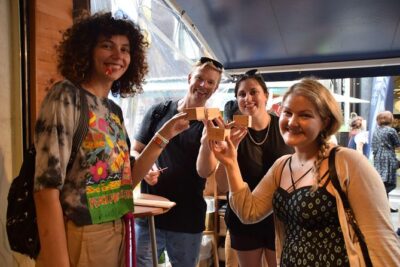
Tokyo Tsukiji Fish Market Food and Culture Walking Tour
Read our review →
Tokyo: Tsukiji Fish Market Food and Walking tour
Read our review →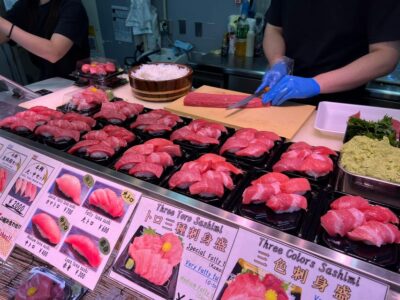
Tokyo: Tsukiji Fish Market Guided Walking Tour
Read our review →
Tokyo Sushi Making Class in Tsukiji with Professional Chef
Read our review →
Tsukiji Fish Market Guided Tour and Sushi Making with Pro Chef
Read our review →Tokyo: Tsukiji Fish Market Food and Culture Walking Tour
Read our review →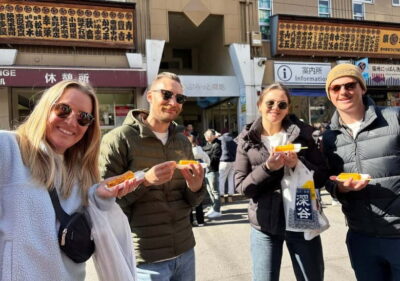
Tsukiji Fish Market: Street Food & Culture Walking Tour
Read our review →