
REVIEW · BARCELONA STREET FOOD TOURS
Barcelona Gracia Neighborhood Local Food & History Tour
Gracia is the star here, not just the food. You begin near Casa Vicens, Gaudí’s first major project, then walk through old squares, family shops, a traditional bodega, and the historic Mercat de la Llibertat. I like the way the tour connects Catalan cooking with local history, instead of treating each bite as an isolated snack.
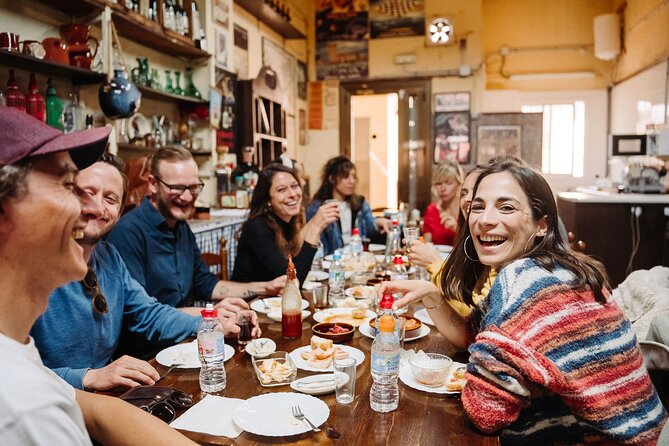
I also like the small group limit of 12 and the generous amount of food. You get breakfast, an aperitivo, lunch, sweets, and several drinks in three and a half hours. Guides such as Danny, Victoria, Raquel, Irene, Norah, and Ester have each brought a personal touch, with Danny’s background as a chef especially useful for explaining what is on your plate.
The main caution is dietary choice. This is not a good fit for vegans, and it is only a partial fit for vegetarians because many included dishes contain meat. You should also arrive ready to walk at a moderate pace and keep in mind that the tour ends near La Pedrera, not back at the starting point.
Key points to know before booking
- You eat your way through Gracia: Expect at least 10 food items, with the fuller description promising 12 or more tastes.
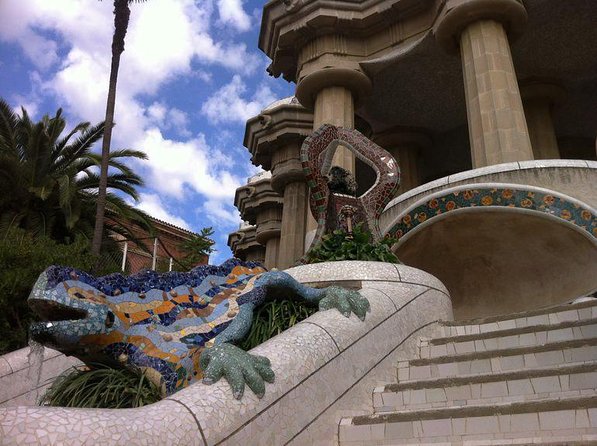
- The route begins at Casa Vicens: Gaudí’s first major work provides an excellent architectural opening, but entry is not included.
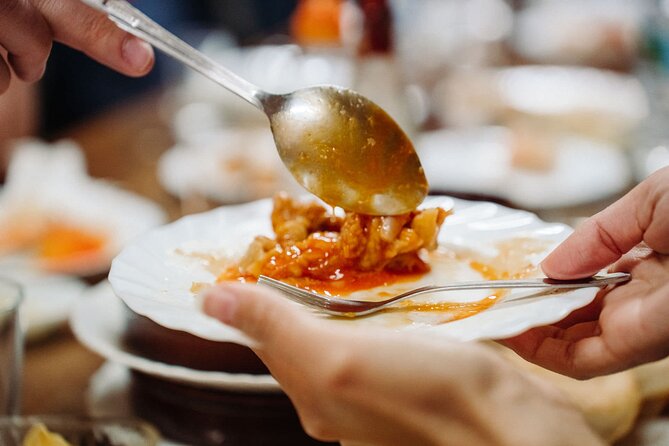
- The food is local and varied: Traditional Catalan dishes share the table with Syrian pastries, dried fruit, nuts, and market fare.
- Drinks are part of the experience: Vermouth, cava, wine, beer, and other drinks are included, though the supplied details differ on the exact total.
- The group stays small: A maximum of 12 people allows more room for questions and conversation with the guide.
- It is a morning tour with a lunch-sized finish: The 10 a.m. start and 3:30-hour length make this a useful first-day introduction to Barcelona food and neighborhoods.
Why Gracia makes such a good food-tour setting
Gracia feels different from the grand avenues and major sights farther south. It was once a separate village, and the tour uses that old village character to explain how the area became part of Barcelona. You walk through local streets and squares rather than spending the entire morning on the standard sightseeing circuit.
The meeting point is near Farmàcia Les Carolines on Carrer de les Carolines, close to Casa Vicens. That is a practical place to begin because you get a famous Gaudí building right away, then move into the everyday streets around it.
Your guide meets you at 10 a.m. and leads a small English-speaking group. The size matters here. At a crowded market stall or a narrow bodega, 12 people is still manageable. You can hear the guide, ask questions, and sit down for food without the stop feeling like a formal group feeding.
I would book this early in your Barcelona stay. It gives you a working introduction to Catalan ingredients, eating habits, and neighborhood customs. Guides have also suggested dinner places and other food stops for later in the trip, which makes the tour more useful than a single morning of tastings.
More Heritage Tours in Barcelona:
- Historic Ybor City Food Walking Tour
★ 5.0 · 2,210 reviews - Palermo: Street Food and History Walking Tour
★ 4.9 · 1,486 reviews - Old Cairo Guided Walk Tour: History, Culture & Street Bites
★ 4.6 · 633 reviews
Casa Vicens starts the morning with Gaudí
The first stop is Casa Vicens, one of the most distinctive buildings in Gracia. It was designed by Antoni Gaudí and was his first major project before the Sagrada Familia and his later works. Its colorful modernist style gives you an immediate sense of the architectural story that runs through Barcelona.
You stop outside for about 15 minutes. Admission is not included, so this is an exterior visit rather than a house tour. That is worth knowing if you want to see the interior. The benefit is that you can appreciate the building without using up the morning on a separate museum visit.
From here, the tour shifts quickly from architecture to food. The change is part of the appeal. Barcelona’s design history is not kept apart from daily life. It appears in the streets, markets, homes, and shops where people still eat and shop.
A family pastry shop and the first taste
The first food stop takes you to a third-generation pastry shop that has been open since 1916. You start with a local pastry, a sensible way to begin a food tour that runs through breakfast and lunch.
The stop itself lasts about 10 minutes, so do not expect a long lesson or a large sit-down meal here. Think of it as a first taste and a chance to see the sort of family business that gives the neighborhood its character.
This is also one reason I would avoid eating a full breakfast before you arrive. The tour is designed to feed you from the start, and the food adds up quickly. A light snack or coffee beforehand is fine, but you will want room for the later bodega, market, tapas, and dessert.
Cal Pep brings in vermouth and old Barcelona
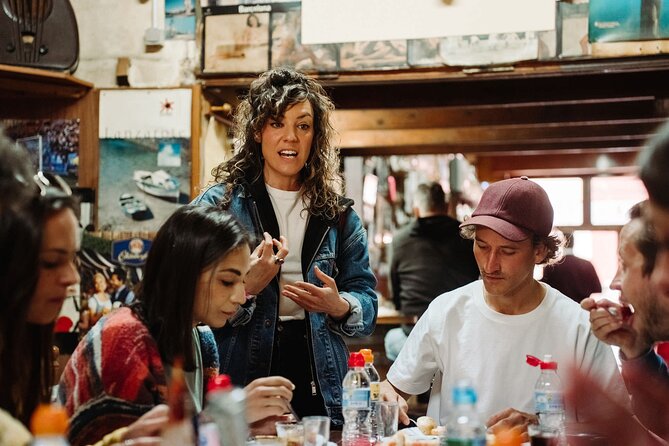
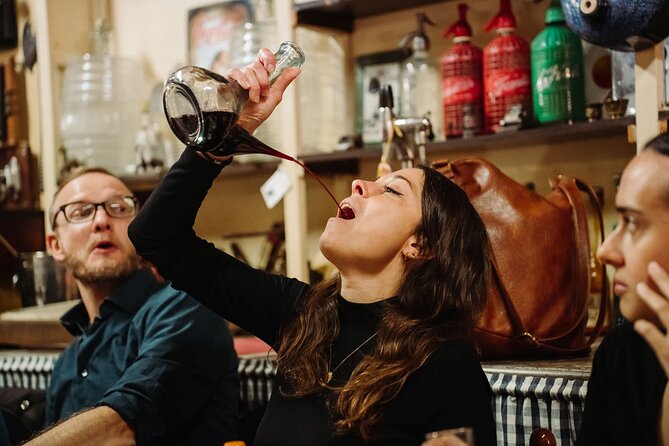
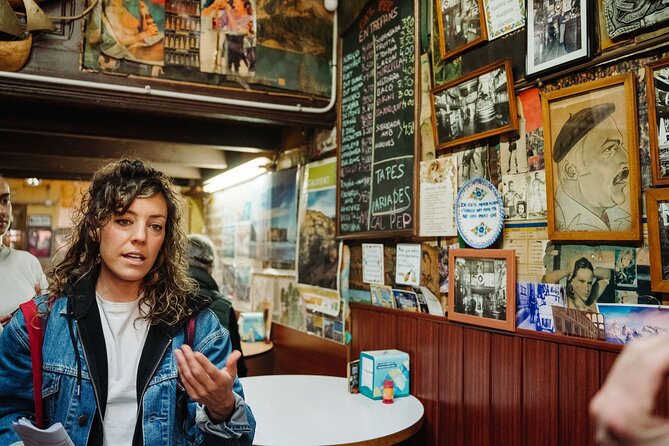
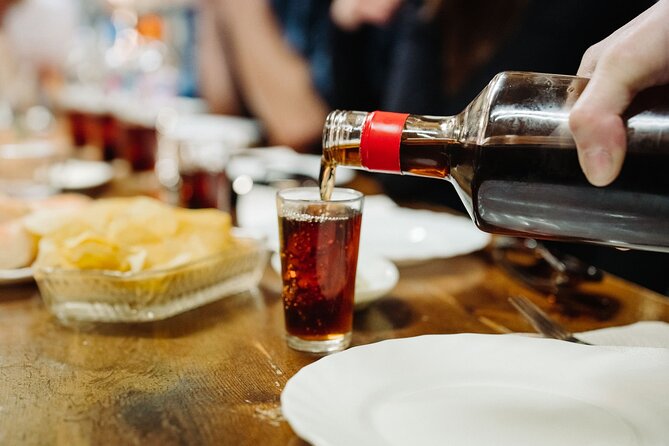
At Cal Pep, a traditional bodega operating since 1939, you get a stronger sense of the city’s older drinking culture. The setting is meant to feel like a step into another period of Barcelona, with classic Catalan breakfast dishes and a glass of vermouth.
The guide also explains the local way of drinking wine in Catalonia. That kind of detail gives the stop more value than simply placing a glass in front of you. You learn how a drink fits into social life, and how a neighborhood bodega can function as part restaurant, part meeting place, and part time capsule.
This is one of the more substantial stops, lasting about 35 minutes. It is also where dietary restrictions may become more difficult. Vegetarians can be accommodated, but replacement food is not guaranteed at every stop, and meat appears often in the included menu.
A few more street food tours around Barcelona worth a look
- No Diet Club – Unique local food in Barcelona
★ 4.8 · 89 reviews - Barcelona: Street Food & Sightseeing Tour with Local Market
★ 4.9 · 84 reviews - Barcelona Tapas Tour with a Local Foodie: Personalized & Private
★ 5.0 · 26 reviews - Tasty Barcelona Street Food Tour With Local Market Visit
★ 4.5 · 24 reviews
Plaça de la Virreina and a Syrian pastry shop
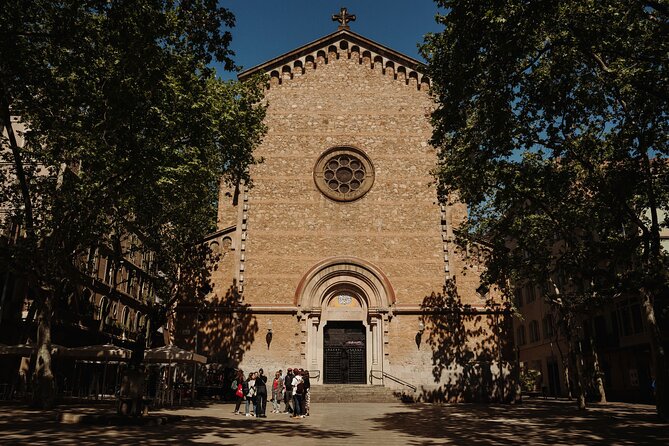
The walk to Plaça de la Virreina adds more local history. You see the Sant Joan de Gracia church and hear about its connection to Gaudí. The square offers a pause from eating and gives your guide room to explain how the neighborhood developed.
Then the tour makes one of its most interesting food choices: Mustafa’s Syrian pastry shop. This is not a traditional Catalan stop in the narrow sense, and that is precisely why it belongs here. Gracia reflects the mix of cultures found in modern Barcelona, and the pastry shop shows how immigrant food traditions become part of neighborhood life.
You pick up homemade pastries to eat later. The timing is smart because it spreads the food across the tour instead of putting another sweet course immediately after the morning pastry. At the end, near Casa Milà, the guide explains Arab influence on Spanish desserts while you enjoy the treat.
The pastry shop is also a useful reminder not to think of Catalan cuisine as sealed off from outside influence. The tour presents local food as something that changes over time.
Dried fruit, nuts, and the independence story
Next comes a quick stop at a 150-year-old dried fruit and nut shop. You taste one of the shop’s specialties while walking through more modernist streets.
This is a small course, but it helps break up the richer dishes. After pastry, vermouth, and breakfast plates, a simple nut or dried fruit taste gives the morning a different texture. It also shows the range of businesses included in the route. You are not only visiting restaurants. You are seeing shops that serve ordinary neighborhood needs.
The guide also discusses Catalonia’s independence movement along the way. That adds political context without turning the tour into a formal history walk. If you want a quick introduction to Catalan identity, language, and regional pride, this part of the route helps connect the food to the place.
Mercat de la Llibertat adds color and a cava stop
Mercat de la Llibertat is one of the route’s strongest stops. This historic market is known for its modernist design as well as its food stalls, colors, sounds, and smells. You stop at a stall for a typical aperitivo and a refreshing glass of cava.
The market visit gives you a look at how food is displayed and sold in Barcelona. It also provides a change of pace after the smaller shops and restaurants. Instead of sitting in one place, you are surrounded by the activity of a working market.
The cava is a good fit for the aperitivo course, but keep track of your drinks. The tour description promises at least three drinks in the included section, while the overview refers to four. Since the exact number may vary, ask your guide at the beginning if the drink count matters to your plans.
Bar Roure turns tastings into lunch
At Bar Roure, you settle in for homemade lunch. The meal includes a selection of typical Catalan tapas and your choice of wine or beer.
This is the point where the tour becomes more than a collection of samples. You have already had several smaller tastes, but Bar Roure gives you time to sit, eat, and talk. The 35-minute stop is long enough to make the meal feel like a real part of the day, though you should not expect a leisurely multi-course restaurant lunch.
The choice of wine or beer gives you some control, and the guide can explain what you are eating as it arrives. Danny, one of the guides praised for his work on this route, is a chef and has a useful way of describing ingredients and preparation. Other guides, including Victoria, Raquel, Irene, Norah, and Ester, have also been associated with warm, personal tours.
The meal is likely to be the biggest issue for strict vegetarians. The tour can accommodate vegetarians, but many included dishes are meat-based and a substitute may not be available at each stop. Vegans should choose another experience.
Passeig de Gracia and the final Gaudí lesson
After lunch, you walk toward Passeig de Gracia. The route passes Hotel Casa Fuster, a restored modernist mansion now operating as a five-star hotel. You do not go inside, and admission is not included, but the exterior adds another piece to Barcelona’s architectural story.
The final destination is Casa Milà, also called La Pedrera. Gaudí designed this unusual building later in his career, so the stop lets your guide compare it with Casa Vicens at the beginning of the tour. You see the arc of his work without paying for entry to either attraction.
The tour ends in front of Casa Milà, on Passeig de Gracia. That is a convenient finish if you plan to continue sightseeing in Eixample, visit the building separately, or browse the high-end shops along the avenue. It is less convenient if you expected transportation back to Gracia, since hotel pickup and drop-off are not included.
What the $103.34 price really covers
At $103.34 per person, this is not a cheap snack walk. It is closer to a half-day food outing with a meal, drinks, a guide, and a neighborhood history lesson built in.
The value depends on how you use it. If you would otherwise pay separately for breakfast, pastries, an aperitivo, lunch, and several drinks, the price becomes easier to justify. You are also paying for access to small family-run businesses and for someone to explain the food, the neighborhood, and the traditions behind it.
The small group is another part of the value. A maximum of 12 people is far more personal than a large coach-style food tour. Still, the price will feel high if you mainly want a few samples and prefer to explore restaurants on your own.
The tour is commonly booked about 28 days ahead, so I would not leave it until the last minute if your Barcelona dates are fixed. Free cancellation is available up to 24 hours before the 10 a.m. start, which gives you some flexibility.
Who should book this Gracia food tour
I would recommend it most strongly to first-time visitors who want food and context at the same time. It gives you an easy way to learn where Gracia sits in the city, how Catalan eating habits work, and how local identity appears in daily life.
It also suits people who like small independent businesses more than polished tourist venues. The pastry shop, bodega, dried fruit store, market stall, and neighborhood restaurants give the morning a local focus.
You should be comfortable walking at a moderate pace for three and a half hours. The tour can accommodate mobility impairments and wheelchairs, but you need to contact the guest experience team in advance. The food is not ideal for vegans, and vegetarians should contact the provider before booking so expectations are clear.
The tour runs in English. Children and adults are generally able to participate, but the supplied information does not give a specific minimum age, so confirm that point if it affects your plans.
Should you book it?
Book this tour if you want a substantial introduction to Gracia, not just a checklist of Barcelona’s famous buildings. The best parts are the small group, the mix of old Catalan food with newer cultural influences, and the way the route finishes near La Pedrera after connecting two major Gaudí buildings.
Skip it if you are vegan, if you dislike a food-focused morning, or if you want extensive interior visits to Casa Vicens or Casa Milà. Those buildings are viewed from outside, and the tour’s real focus is eating, walking, and learning how the neighborhood works.
For most omnivores who want a useful first taste of Barcelona, the combination of 12 or more food samples, several drinks, local guides, and a full morning in Gracia makes the price reasonable.
FAQ
How long does the Barcelona Gracia food tour last?
The tour lasts approximately 3 hours and 30 minutes.
What time does the tour start?
It starts at 10 a.m.
Where does the tour begin?
The meeting point is Farmàcia Les Carolines, Carrer de les Carolines, 26, in Gracia.
Where does the tour end?
It ends in front of La Pedrera, also called Casa Milà, at Passeig de Gràcia, 92.
How much food is included?
The tour includes at least 10 food tastes. The included details describe 12 or more tastes, enough food for breakfast and lunch.
How many drinks are included?
The included details state that three drinks are provided, while the tour overview refers to four drinks. Ask your guide to confirm the exact number on your tour.
Is the tour suitable for vegetarians or vegans?
Vegetarians can be accommodated, but many dishes are meat-based and a replacement may not be available at every stop. The tour is not recommended for vegans.
Is the tour conducted in English?
Yes. The tour is conducted in English with a local English-speaking guide.
Is hotel pickup included?
No. Hotel pickup and drop-off are not included. You need to reach the meeting point and arrange your own way onward from La Pedrera.
Just added around Barcelona
- Tasty Barcelona Street Food Tour With Local Market Visit★ 4.5 · 24 reviews
- Barcelona Food Markets Private Tour with Tastings★ 5.0 · 8 reviews
- Barcelona Street Food Tour with Local Market & City Center Visit★ 4.5 · 7 reviews
- Barcelona Tapas Food Walking Tour with Wine in El Born★ 4.5 · 15 reviews
- Barcelona: Gothic, Tapas & Churros Small Group Tour★ 5.0 · 13 reviews
- Barcelona Tapas Tour with a Local Foodie: Personalized & Private★ 5.0 · 26 reviews
- Barcelona : Gothic, Tapas, Churros & Vermouth★ 5.0 · 65 reviews
- Barcelona Vegetarian Tapas and Food Walking Tour in Gracia★ 4.5 · 3 reviews
Barcelona Street Food Tours, compared.
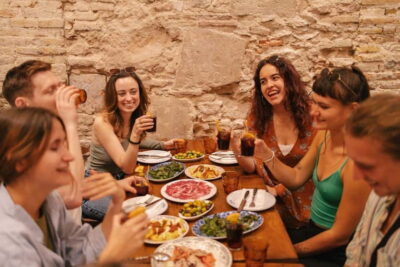
Barcelona: Food Walking Tour with Tapas and Wine
Read our review →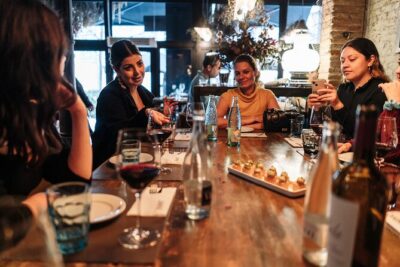
Barcelona: Guided Food Walking Tour with Tapas and Wine
Read our review →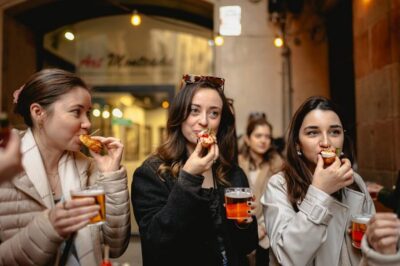
Barcelona: El Born Food Walking Tour with Tapas and Drinks
Read our review →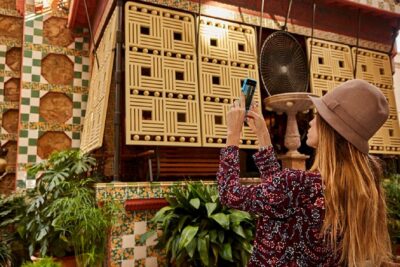
Sweet Gaudi: the most delicious visit to Casa Vicens
Read our review →
Barcelona: Street Food & Sightseeing Tour with Local Market
Read our review →
Family Private Tour: Churros, Hot Chocolate & Games in Barcelona
Read our review →
Barcelona: Churros, Hot Chocolate, and Games Family Tour
Read our review →Browse the lists this tour appears in