
REVIEW · DUBAI STREET FOOD TOURS
Dubai Old Town, Culture, History, Street food and Souks Tour
Dubai’s glass towers tell only half the story. This three-hour walk takes you through Al Fahidi and Dubai Creek, where old homes, working markets, Arabic coffee, and a short abra crossing show you how Dubai looked before the skyscrapers arrived. The route finishes at the Gold Souk, with the Spice Souk in between.
I like the small group of no more than 15 and the way the tour mixes facts with useful help at the markets. Guides such as Abdullah, Hesham, and Hichem Azzem are praised for clear explanations, humor, and help with bargaining. I also like that snacks, dates, camel milk chocolate, tea or coffee, water, and the abra ride can be part of the experience.
The main thing to check is the booking option. Food and drinks are not included with the English walking tour, while other options include them, and lunch is included with some upgraded packages. Dubai’s heat is another consideration, since much of this experience takes place outdoors.
Key points to know before you book
- Old Dubai in three hours: Cover Al Seef, Al Fahidi, Dubai Creek, the Spice Souk, and the Gold Souk without giving up a full day.
- A guide-led cultural walk: Learn about Emirati customs, religion, daily life, and Dubai’s growth from guides including Abdullah, Hesham, and Hichem Azzem.
- Food depends on your option: Snacks and drinks are included with selected packages, but not with the English walking tour.
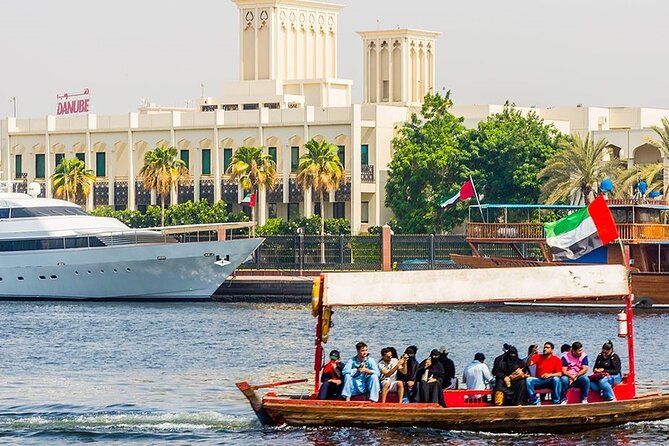
- Abra crossing included: Ride a traditional boat from Bur Dubai toward Deira and see the creek from the water.
- Market help at the end: Get practical advice on shopping and haggling, with the tour finishing at the Gold Souk.
- Pickup and private guiding available: Choose an upgrade if you prefer hotel pickup or a more personal visit.
Why Old Dubai is the right place to start
If you begin your Dubai visit among the towers, malls, and grand hotels, it is easy to miss the city’s earlier character. This tour gives you a useful counterpoint. You walk through areas tied to Dubai’s trading past, then cross the creek in the same basic way people have used for generations.
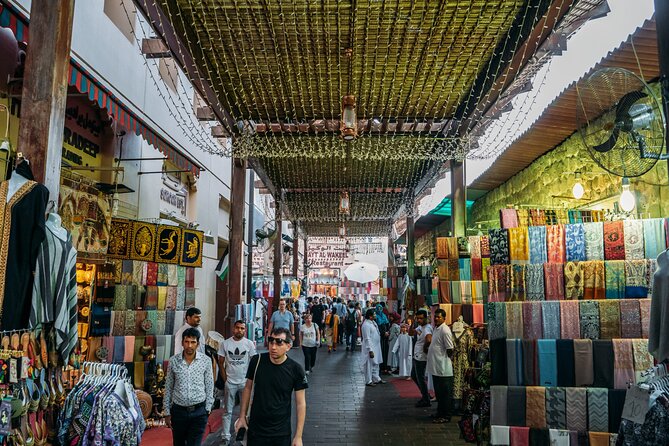
The route is not a museum lecture. You move between streets, courtyards, food stops, boats, and markets. That makes the past easier to understand. You see where commerce happened, where boats carried people and goods, and how Arab and Emirati traditions still shape daily life.
I especially like this as an early-trip activity. Several visitors used it during their first or second day, and that timing makes sense. A good guide can explain local customs, religion, food, and bargaining before you spend the rest of your visit trying to make sense of Dubai on your own.
The price is about $20.10 per person, which is strong value if your selected option includes snacks, drinks, and the abra. Even the walking tour without food gives you a guide, a structured route, and a boat crossing. Just compare the package details before paying, since the inclusions change.
More Heritage Tours in Dubai:
- Old Dubai Historic Guided Tour: Creek, Street Food & Souks
★ 4.9 · 156 reviews - Discover Old Dubai Town, Souks, Street Food, Culture and History
★ 5.0 · 3 reviews - Historic Ybor City Food Walking Tour
★ 5.0 · 2,210 reviews
Starting at Al Seef beside Dubai Creek
The meeting point is Wokyo Noodle Bar at Al Seef, in the Heritage Village area. This is also where the tour begins, with about 20 minutes around Al Seef before the group moves toward Al Fahidi.
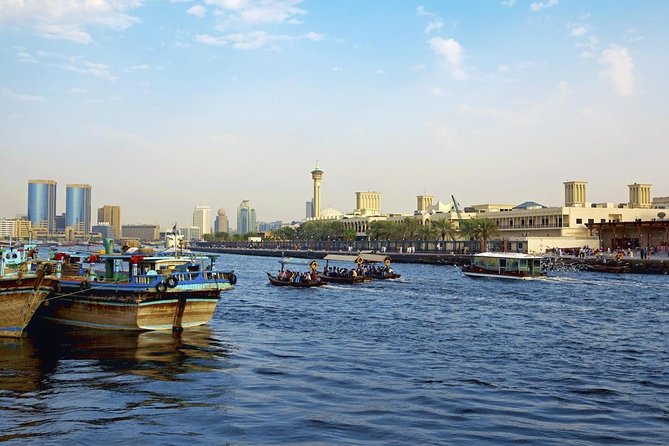
Al Seef presents an old-style version of Dubai beside the water. It is designed as a heritage district rather than an untouched old quarter, so you should not expect every building to be original. Still, it is a convenient place to begin because it gives you immediate views across Dubai Creek and a gentle introduction to Arab and Emirati design.
Your guide uses this opening section to set the scene. You learn about the city before its oil wealth and modern construction, along with the role of the creek in trade and settlement. The creek views also provide some of the best early photographs, especially when boats and the older districts appear beyond the walkway.
The group format matters here. With a maximum of 15 people, you should be able to hear the guide and ask questions without the walk feeling like a large procession. The experience works best when you take advantage of that access. Ask about customs, food, religion, or the way Dubai changed, rather than waiting for a long prepared speech.
Al Fahidi and the older face of Dubai
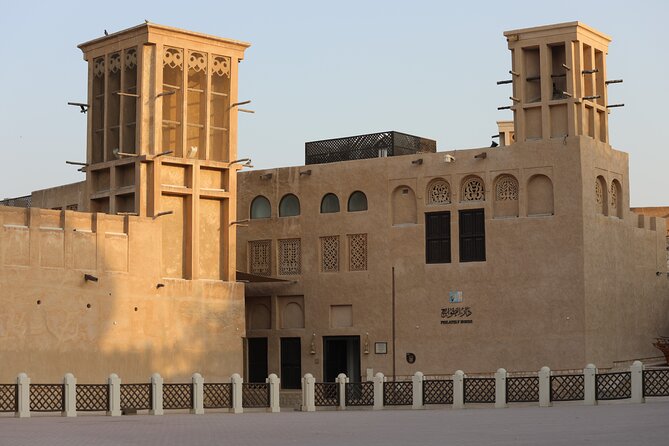
The longest stop is Al Fahidi, with about an hour set aside for historical sites, local customs, and Arab daily life. This is the heart of the cultural section, and it is where the tour earns its modest price.
The guide explains traditional homes, local habits, and the part of religion in Emirati life. You also have the chance to sip Arabic coffee in a traditional Arab setting. That small ritual is more useful than it may sound. Food and drink can open a conversation about hospitality, social customs, and the way visitors are welcomed.
The itinerary also points out Dubai’s oldest building, once the Ruler’s Court and later repurposed as Dubai Museum. The museum itself may not be the main focus of the visit, but seeing the building helps you place Dubai’s political past within the older quarter.
Some tour accounts also describe a mosque visit and a short introduction to Islamic practice. Treat this as a possible part of the guide’s route rather than a guaranteed timed admission, since the supplied schedule does not list a separate mosque ticket. The useful point is that the tour addresses religion in a straightforward way, which can help you understand the city beyond shopping and architecture.
The strongest guides make this section conversational. Abdullah is repeatedly singled out for humor, clear answers, and a strong grasp of Dubai’s past and culture. Hesham is praised for explaining Emirati life in an engaging way and for watching the group carefully in the heat. Hichem Azzem is also noted for his cultural explanations, friendly manner, and ability to speak with groups in more than one language.
Street food, coffee, and what you actually receive
Food is one of the pleasant surprises here, but the package wording needs attention. The supplied inclusions list snacks, bottled water, Arabic dates, camel milk chocolate, and coffee or tea. It also describes a set of vegetarian and non-vegetarian street-food tastings.
At the same time, the tour details say that food and drinks are not included with the English walking tour, while other options include them. Lunch is included with some options, including the Premium option. That means you should not assume every $20.10 booking comes with the full tasting selection.
If your package includes food, expect small tastes rather than a full restaurant meal. This is the right format for a walking tour because you can try several local items without stopping for a long lunch. Fresh juice, tea, coffee, dates, and camel milk chocolate add variety, and the snacks give the cultural talk a practical side.
The tour also includes food stops around the creek and Spice Souk area. You may find the tastings more memorable than the market displays because they connect the sights to everyday life. If food is a major reason for booking, confirm the selected option before checkout and do not count on lunch unless it is clearly listed.
A few more street food tours around Dubai worth a look
- Dubai: Old Town, Creek, Museums, Souks, & Street Food Tour
★ 4.8 · 10,816 reviews - Dubai: Old Town, Souks, Street Food, Guided Tour & Abra Ride
★ 4.9 · 7,170 reviews - Dubai: Old Town, Souks, Street Food, Guided Tour & Abra Ride
★ 5.0 · 1,664 reviews - Dubai: Old Town, Street Food, Creek, Souks, & Emirati House
★ 4.9 · 1,496 reviews
Crossing Dubai Creek by abra
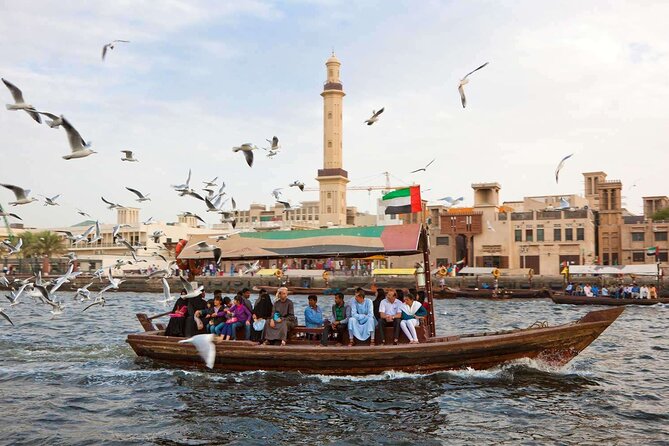
After the Al Fahidi section, the route moves to Dubai Creek. There is about 25 minutes of free time for shopping, along with advice on prices and bargaining, before the traditional boat crossing.
The abra ride is short, but it is one of the tour’s best transitions. From the water, you see Bur Dubai and Deira on opposite sides, with the creek linking the two districts. After walking through lanes and courtyards, the boat offers a quick change of view and helps explain why this waterway mattered so much to Dubai’s growth.
The ride is also practical. Instead of simply visiting two markets by road, you travel between them in a way tied to the area’s older transport system. It gives the route a sense of place that a standard vehicle transfer would miss.
The timing is worth noting. This is an outdoor tour with walking, waiting, and a boat ride, so heat can affect your comfort. Hesham is praised for checking that people were coping in hot conditions, but you should still bring water, use sun protection, and dress for the weather. Bottled water is listed among the inclusions for selected options.
Spice Souk: smells, displays, and shopping advice
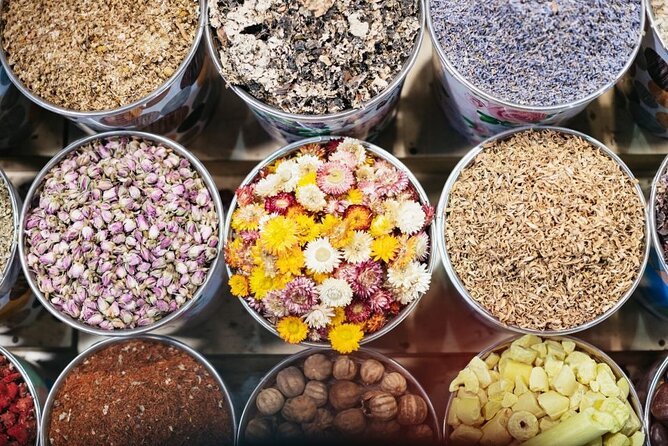
The Spice Souk receives about 30 minutes. Here the tour turns from history to practical shopping.
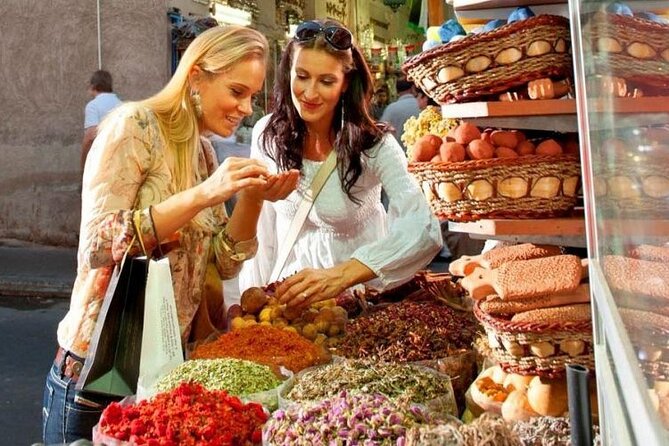
You can examine sacks and displays of spices, herbs, teas, and other market goods, while the guide explains how to approach the stalls. The atmosphere is part of the appeal, but keep your expectations sensible. This is a short visit, not a leisurely shopping session with time to inspect every shop.
The guide’s bargaining advice is useful even if you do not plan to buy anything. You learn to compare prices, ask questions, and avoid rushing into a purchase. The tour is not presented as a sales stop, and the feedback points to no pressure to buy. That distinction matters in a market area where enthusiastic sellers may approach you.
I would treat the Spice Souk as an introduction. If you find something worth buying, take note of the shop and price, then decide whether to return later. Thirty minutes is enough to get a feel for the market, sample food if your package includes it, and learn basic bargaining habits. It is not enough to make a careful purchase in every category.
Gold Souk: a dramatic finish
The final stop is the Gold Souk in Deira, with roughly 30 minutes planned. This is where the tour ends, not where it returns you to your hotel unless you book an option with pickup arrangements.
The Gold Souk is known for large jewelry displays and record-breaking pieces. Even if you have no interest in buying gold, the scale of the shop windows makes this an entertaining finish. You can see the contrast between Dubai’s older trading culture and its modern reputation for luxury.
The short time limit is both helpful and limiting. It keeps the tour moving, but serious shoppers will want to come back on another day. One useful strategy is to use the guided visit to learn the basics, then return later when you can compare shops without a group waiting.
Guides such as Abdullah are praised for helping with purchases and ensuring people did not overpay. That does not mean the guide can guarantee a bargain, and you should still make your own decisions. But having someone explain how to approach prices is a real benefit, especially if you are new to souk shopping.
The end point at the Gold Souk also gives you flexibility. You can continue exploring Deira, shop on your own, or make your way elsewhere by public transport. The tour is therefore better viewed as a one-way introduction than a round trip.
What the guides add to the experience
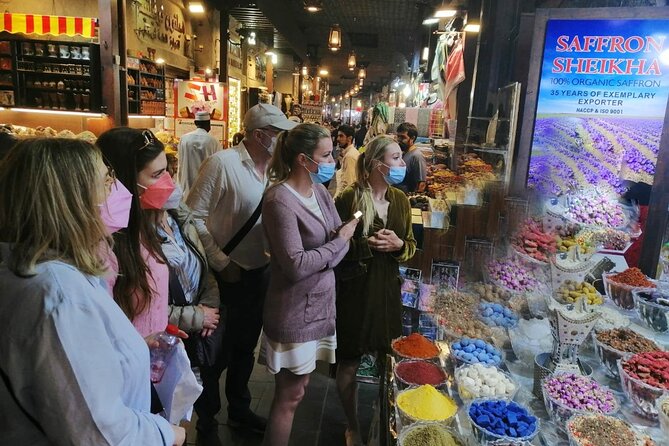
The guide can make or break a short cultural tour, and this experience has several names associated with its strongest sessions. Abdullah is often described as funny, patient, and well informed about the city, culture, religion, and history. His help at the markets is especially useful for first-time shoppers.
Hesham is praised for his care in hot weather and for making Emirati culture easy to follow. Hichem Azzem is noted for his friendly manner, cultural explanations, and ability to include people speaking different languages. Shafi is also described as informative and thoughtful, particularly when discussing culture and religion.
Guide assignments can change, so you should not book solely to meet one named person. The useful pattern is that the experience depends on a local guide who can answer questions, not just recite dates. Ask questions early and take advantage of the small group.
Group size, pickup, and practical planning
The maximum group size is 15. That is small enough for a more personal walk, though the experience is still a shared tour rather than a private outing. Private-guide upgrades are available if you want more control over the pace or your questions.
Pickup is offered only when you choose an option that includes it. The standard meeting point is at Al Seef, and the tour ends at the Dubai Gold Souk. Since the start and end are in different areas, check the route back to your hotel before you set out.
The tour is near public transportation, and confirmation is provided at booking. Most people can participate, but the itinerary includes walking, outdoor heat, market lanes, and a boat ride. Choose comfortable clothing and shoes, and plan for changing conditions rather than treating this as an indoor museum visit.
It is booked, on average, 23 days ahead. That does not prove every date sells out, but it is a good reason to reserve early if your Dubai schedule is fixed. Free cancellation is available until 24 hours before the start time. Inside that window, changes and refunds are not accepted. A minimum group is required, and if the operator cancels because it is not met, you are offered another date or a full refund.
Who should book this Old Dubai tour?
I would choose this for a first visit, a short stay, or a trip that has so far focused on modern Dubai. It packs history, food, a boat crossing, and two famous markets into three hours without demanding a full day.
It is also a good fit if you want context before shopping. The guide can explain the areas, give you bargaining basics, and point out what deserves a closer look later.
I would be more cautious if you want a slow, detailed market visit or a full meal. The Gold and Spice Souks receive limited time, and the food varies by package. Anyone who dislikes heat or walking should read the inclusions carefully and consider the pickup or private options.
Should you book it?
For about $20.10, this is a sensible way to get your bearings in Old Dubai. The value is strongest when your option includes the snacks, drinks, and abra ride, and when you use the guide for questions rather than simply following the route.
Book it if you want a lively introduction to Emirati culture, practical souk advice, and a clear look at the creek districts. Skip it if your main goal is unhurried shopping or a substantial meal. For most first-time visitors, especially those with only a few days in Dubai, the three-hour route offers a useful and affordable change from the city’s modern face.
FAQ
How long does the Dubai Old Town tour last?
The tour lasts approximately three hours.
Where does the tour start?
It starts at Wokyo Noodle Bar at Al Seef, in the Heritage Village area of Al Seef, Dubai.
Where does the tour end?
The tour ends at the Dubai Gold Souk in Deira.
Is hotel pickup available?
Yes. Pickup is available when you choose an option that includes pickup. It is not part of every booking.
Is the abra boat ride included?
Yes. The traditional abra ride across Dubai Creek is listed as included.
Are food and drinks included?
It depends on the option you book. Snacks, coffee or tea, bottled water, dates, and camel milk chocolate are included with selected options. Food and drinks are not included with the English walking tour, while other options include them. Lunch is included with some upgraded options.
How large is the group?
The tour has a maximum of 15 participants.
Can I cancel for a full refund?
Yes, if you cancel at least 24 hours before the experience starts. Cancellations made within 24 hours are not refunded, and changes in that period are not accepted.
Does the tour include the Gold and Spice Souks?
Yes. The route includes about 30 minutes at the Spice Souk and about 30 minutes at the Gold Souk, where the tour finishes.
Just added around Dubai
- Old Dubai Walk, Souk, Street Foods, Al Fahidi and Al Seef Tales★ 4.0 · 9 reviews
- Original Street Food Tour of Dubai★ 4.5 · 41 reviews
- Private Dubai Street Food Tour .★ 4.5 · 7 reviews
- Discover Old Dubai Town, Souks, Street Food, Culture and History★ 5.0 · 3 reviews
- Dubai Street Food Tour★ 5.0 · 5 reviews
- Dubai Souks, Museum, Street Food Walking Tour with Hotel Transfer★ 4.5 · 7 reviews
- Local Street Food and Guided Walking Tour of Dubai Old Town★ 5.0 · 37 reviews
- Local Food Tour of Dubai★ 5.0 · 3 reviews
Dubai Street Food Tours, compared.
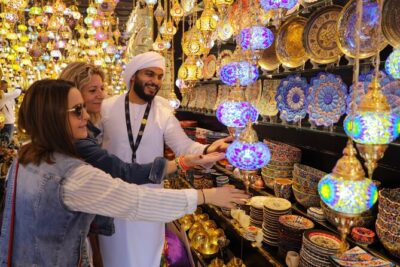
Dubai: Old Town, Souks, Street Food, Guided Tour & Abra Ride
Read our review →Dubai: Old Town, Souks, Street Food, Guided Tour & Abra Ride
Read our review →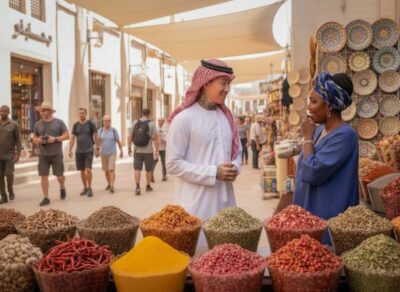
Dubai: Old Town, Street Food, Creek, Souks, & Emirati House
Read our review →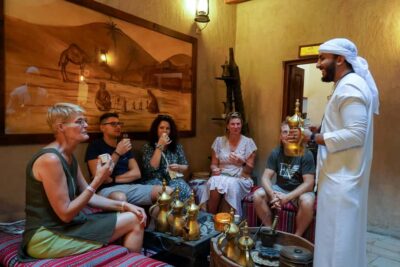
Old Dubai: Premium Guided Tour with Street Food & Abra Ride
Read our review →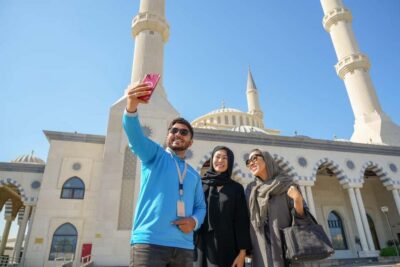
Dubai Top Highlights: Frame Entry, Souks, Abra & Street Food
Read our review →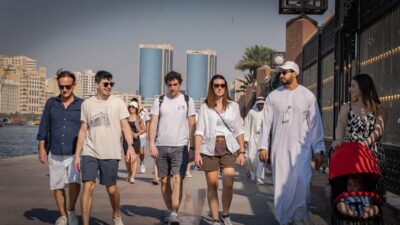
Dubai: Premium Old Town, Street Food, Souks & Boat Ride Tour
Read our review →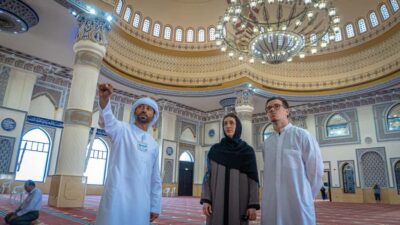
Dubai: City Highlights Tour with Blue Mosque & Street Food
Read our review →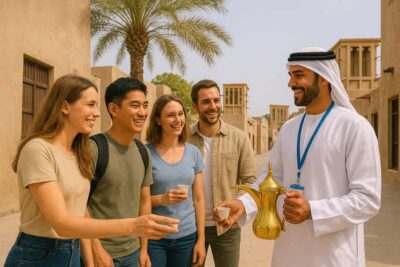
Dubai.Discover Old town,Markets,street food,Abra &Museums
Read our review →Browse the lists this tour appears in