
REVIEW · BUENOS AIRES STREET FOOD TOURS
Buenos Aires: Empanada & Alfajor Cooking Lesson in Palermo
Argentina’s two most useful food lessons fit neatly into this 150-minute Palermo cooking class: savory empanadas and sweet alfajores filled with dulce de leche. You make the food yourself, then sit down to eat it, which makes this more than a demonstration.
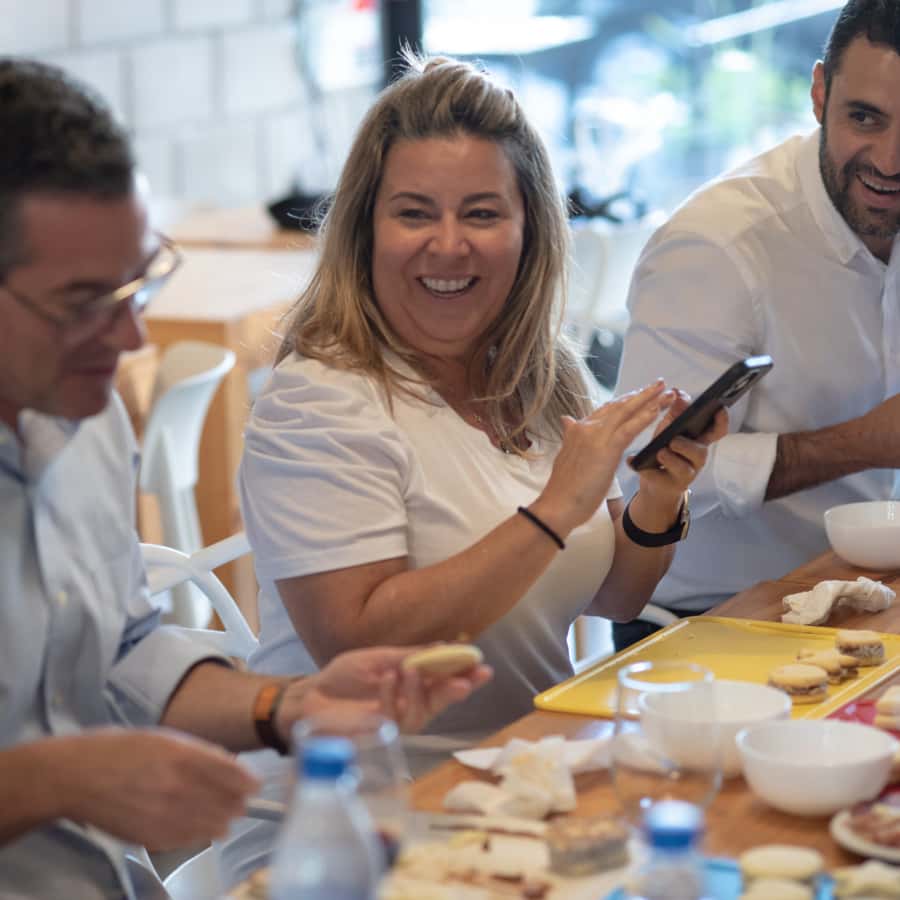
I like the hands-on format, especially the practice folding empanadas and making alfajores from scratch. I also like the relaxed cultural side, with mate tea, local ingredients, and stories from native guides such as Carolina, Tomas, Catalina, and Paulina.
The main consideration is that some parts may involve watching while the instructor demonstrates, rather than every person cooking every step. The class is also held at a stated meeting point in Palermo, so you will need to arrange your own way there.
Key points to know before you book
- Two Argentine staples in one class: Make empanadas and dulce de leche alfajores, then eat your own work.
- Real participation: You mix, shape, fold, bake, and assemble instead of simply watching a chef.
- Meat or vegan empanadas: A vegan option is available, which helps mixed-diet groups.
- Mate and conversation: The class adds local tea and cultural explanation to the cooking.
- Good for families: Children and adults can take part, though some stages may be demonstrations.
- Simple Palermo plan: The class lasts 150 minutes and costs $49 per person, with no hotel pickup.
Why empanadas and alfajores make such a good pair
This class works because it covers the full Argentine food mood in two small dishes. Empanadas are warm, savory, and practical. Alfajores are crumbly, sweet, and built around dulce de leche, one of Argentina’s most loved ingredients.
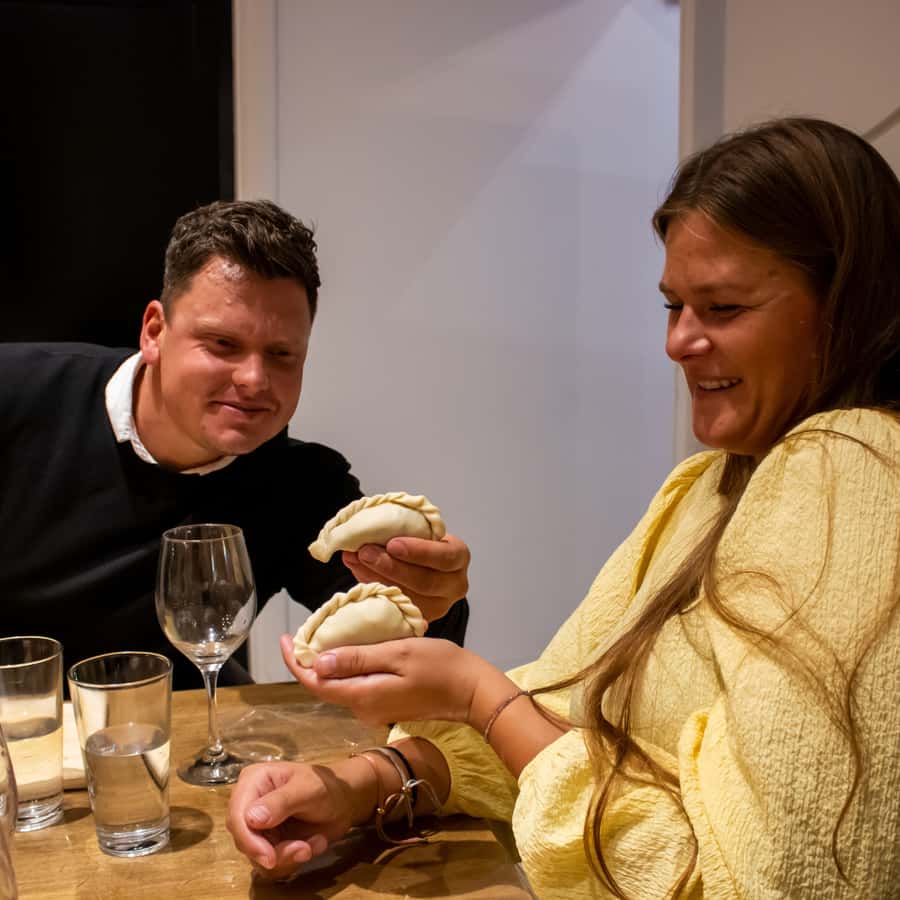
You begin with the empanada, a food that appears across Argentina in many regional forms. The class gives you a chance to work with the filling and dough, then learn the folding technique. That last part is not just decoration. The edge helps seal the pastry, and folding it neatly takes a little practice.
You may have the option of meat or vegan filling. That matters if you are booking for a family or a mixed group. It also gives you a more useful recipe to take home, since you can adapt the filling to your own kitchen.
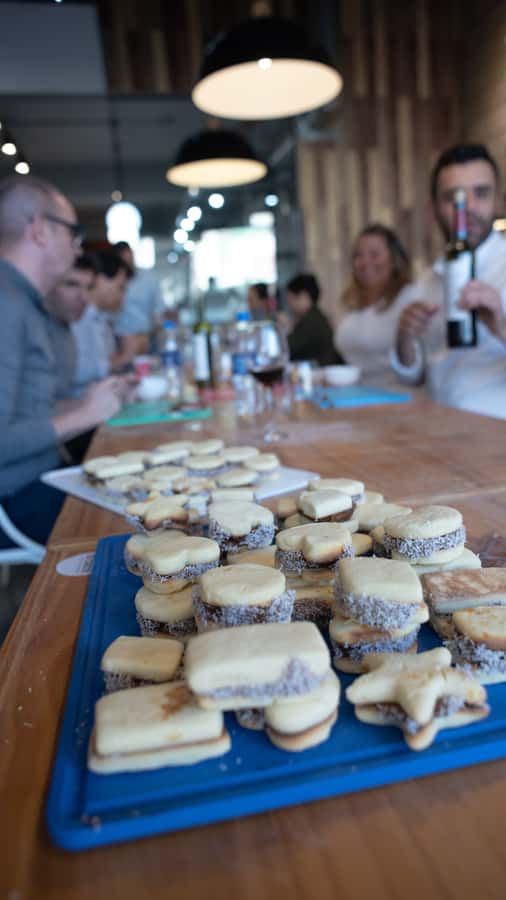
The second half turns to alfajores. You mix the dough, bake the cookies, and sandwich them with creamy dulce de leche. The process is simple enough for beginners, but still satisfying for people who already cook. One participant who already knew how to make empanadas still found plenty to learn, particularly from the instructor’s methods and cultural context.
I like this pairing because it prevents the class from becoming a single-recipe lesson. You get practice with a savory dough, a sweet dough, shaping, baking, and assembly. You also finish with a proper meal and dessert rather than leaving with a recipe but no taste of the result.
More Cooking Classes in the world:
- Florence: Cooking Class with Local Food Market Tour
★ 4.9 · 407 reviews - Street Food Cooking Class
★ 5.0 · 125 reviews - Busan Local Food Cooking Class with Market Tour
★ 5.0 · 53 reviews
What the 150-minute class is like
The class is presented as an in-person lesson at Gorriti in Palermo. The supplied meeting details give both Gorriti 4882 and Gorriti 4886, so check the final confirmation carefully before setting out. That small address difference is worth resolving, especially if you are arriving by taxi or ride service.
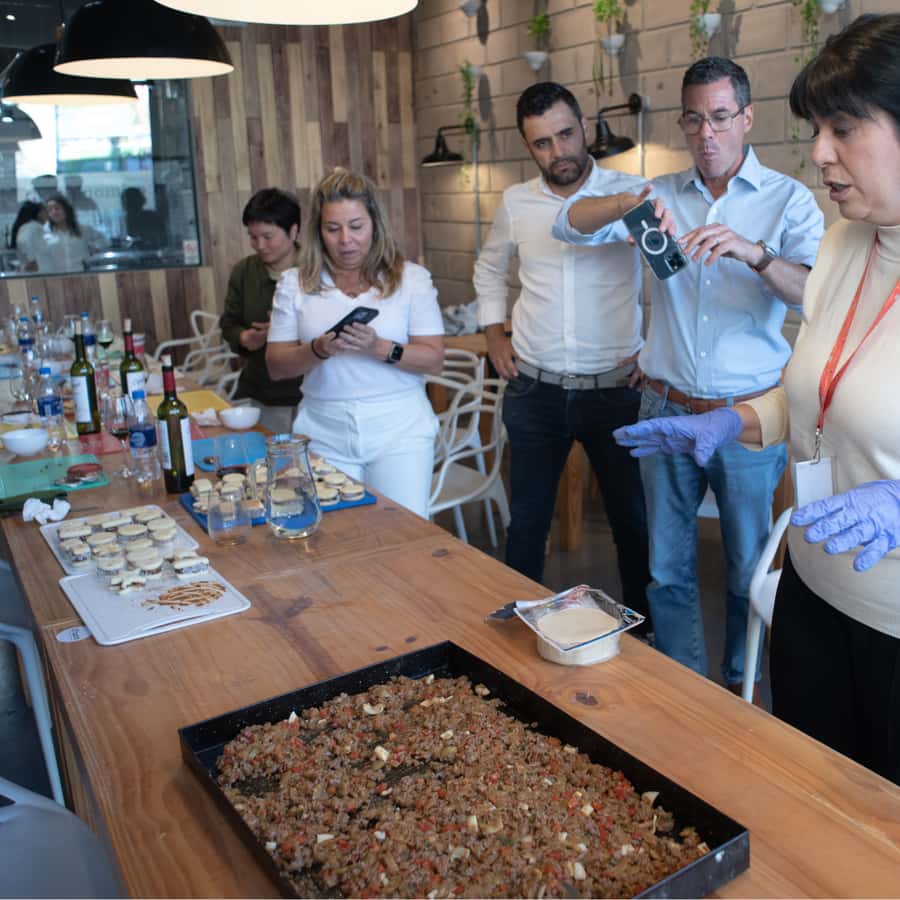
Your local instructor introduces the food and the plan for the session. Guides have included Carolina, Tomas, Catalina, Paulina, Lourdes, Layla, and others, so your host will depend on the date. The strongest part of the teaching is the friendly, patient approach. Tomas, for example, is described as giving detailed instructions and useful cooking tips, while Carolina is repeatedly praised for keeping people involved and explaining each stage clearly.
The format is social rather than formal. You cook alongside other people, talk as you work, and learn how food fits into Argentine daily life. It is a nice way to meet people from different countries without the forced feeling of an organized social event. The food gives everyone an easy subject to discuss.
The class includes mate tea. If you have never tried it, this is a useful place to learn how it fits into Argentine culture. The tea is not just a drink added to the menu. It gives the instructor a natural way to explain local habits and hospitality while your food cooks.
At the end, you sit down to eat the empanadas and alfajores you prepared. Past sessions have also included wine, though the stated inclusions specifically promise mate tea and ingredients, not wine. Treat wine as something that may vary by session rather than a guaranteed part of the package.
Folding empanadas is the small skill you will remember
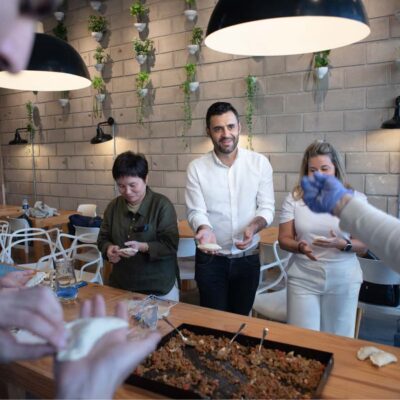
The empanada portion is likely to be the most active part of the class. You work with the ingredients, prepare the filling, and shape the pastries. The folding technique, sometimes called repulgue, is the point where a basic pastry becomes recognizably Argentine.
Do not worry if your first fold looks rough. That is part of the fun. The instructor demonstrates the motion, then helps you correct it. The class is designed for ordinary home cooks, not pastry professionals.
One useful feature is the comparison between packaged empanada dough and freshly made dough. This gives you a practical choice for home cooking. Fresh dough may offer a more personal result, while packaged rounds make a quick weeknight version easier. Seeing both helps you understand what you gain and give up with each option.
The vegan choice is another strong point. You should make your dietary preference clear when booking or on arrival, since the available information confirms the option but does not spell out the exact filling. The class is not presented as a dedicated allergy-free workshop, so people with serious allergies should ask the provider for current ingredient details.
The amount of food is generous enough to function as a meal. Several sessions have produced more than enough to eat, and some hosts have packed leftovers to take away. That can vary with the group and the day, so do not count on a takeaway box, but arrive hungry rather than planning a large lunch immediately afterward.
Making alfajores from scratch
Alfajores are the sweeter, calmer half of the class. You prepare the cookie mixture, bake the rounds, and join them with dulce de leche. The work is straightforward, but the finished dessert depends on getting the texture right and spreading the filling without breaking the cookies.
This is where the class becomes especially useful for families. Children can take part in mixing, cutting, assembling, and decorating, with an adult nearby for the hot equipment. The activity suits a wide age range, and one family group with children enjoyed the full session. Still, the lesson is not described as a children-only class, so younger children may need help during the baking stages.
I like that the alfajores are made from scratch instead of being presented as a tasting sample. You learn the basic sequence well enough to try it again at home. One person returned home and taught a parent how to make them, which tells you something about the recipe’s practical appeal.
Dulce de leche is already popular across Argentina, but tasting it inside a cookie gives you a better sense of its role in local sweets. The result is rich, so you may appreciate having the savory empanadas first or alongside it. This is not a light snack class. It is a small meal with a substantial dessert.
A few more street food tours around the world worth a look
- Ao Nang: Hands-on Learn to Cook 3 Popular Thai’s street food
★ 4.8 · 417 reviews - Hungarian Langos Making Class: The No. 1 Street Food in Hungary
★ 5.0 · 55 reviews - Syracuse: Sicilian Street Food Hands-On Cooking Class
★ 4.9 · 38 reviews - Lisbon: Portuguese street food cooking class with Drinks
★ 4.9 · 37 reviews
The instructors make the difference
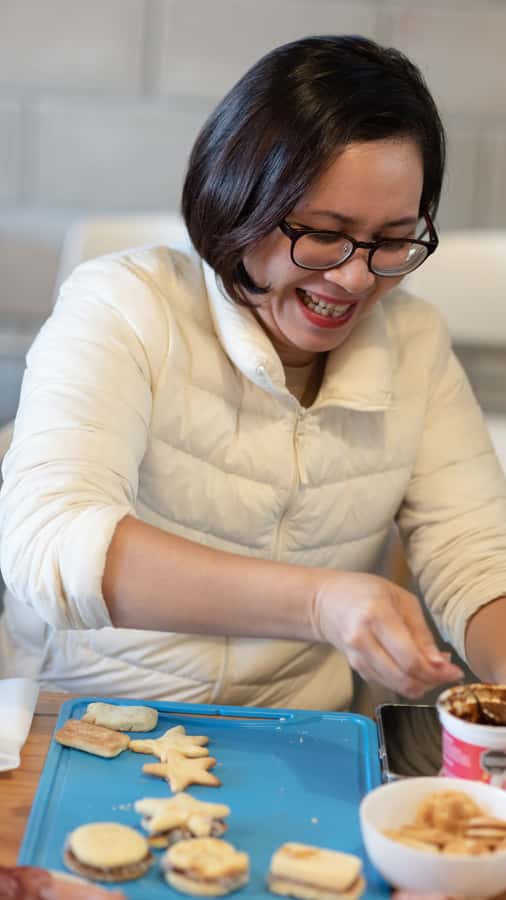
A cooking class can have good recipes and still feel flat if the teacher rushes or takes over. Here, the most consistent strength is the personal teaching style. Carolina is praised for patience and enthusiasm. Catalina is described as personable and good at keeping the activity friendly. Tomas receives strong marks for clear instruction and cooking skill.
Paulina has also hosted the class in a home setting, adding a more personal feel and sharing her recipes and culture directly. That kind of setting can be especially appealing if you want a social meal rather than a polished studio lesson. At the same time, the exact venue and host may differ, so you should not assume every booking takes place in a private home.
The class is offered in English, Spanish, and Portuguese. That makes it accessible to a broad mix of visitors, but the language of your specific session may depend on the group and instructor. If clear English instruction is important to you, confirm it before booking.
The teaching style is participatory but not rigid. The instructor may divide tasks among the group, which keeps the work manageable. One minor criticism is that some people may watch during parts of the lesson rather than cook constantly. If you want uninterrupted kitchen time, ask how the group shares the tasks. If you prefer a relaxed pace, the division of work is probably a benefit.
Mate, conversation, and the Argentine social side
The mate portion adds something a recipe card cannot provide. You get a small window into a daily Argentine custom and the way food and conversation often belong together. The class uses the cooking as a reason to talk about local culture, not as a separate lecture.
That social element has been a major part of the class’s appeal. The atmosphere is described as friendly and relaxed, with time to talk while the food is prepared and after it is served. In some sessions, wine and a charcuterie board have appeared alongside the cooking, but these extras are not listed as guaranteed inclusions.
I would book this partly for that human contact. A food lesson gives you a natural way to ask questions about Argentina without sitting through a formal history talk. You can ask about fillings, sweets, regional habits, and how people make these dishes at home.
The class also works well early in a Buenos Aires visit. You learn two foods you can recognize in cafés and restaurants, and you gain a little confidence ordering or discussing them. If you are already familiar with empanadas, the dough comparison and folding practice still give the session enough substance.
Is $49 a fair price?
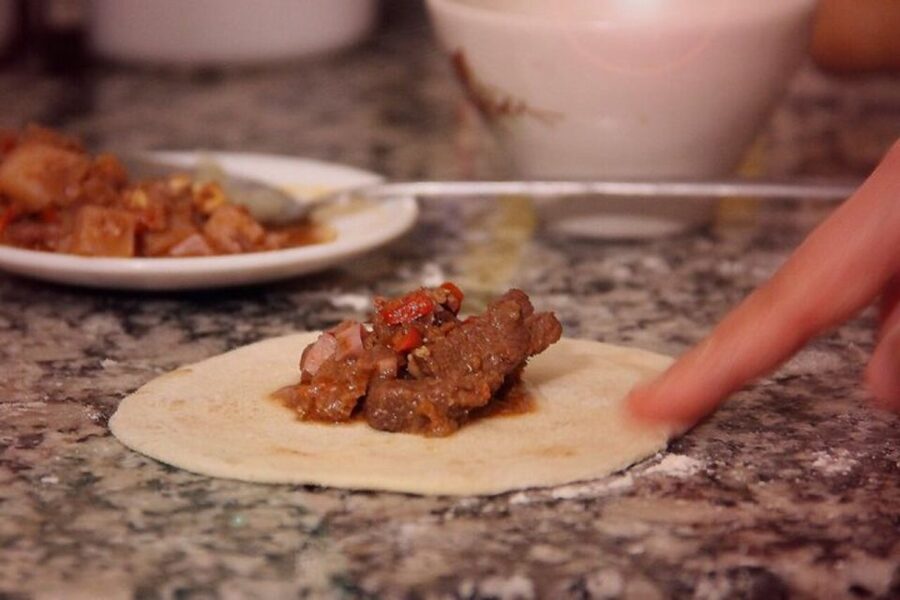
At $49 per person, the value depends on what you want from a food activity. You receive the ingredients for both recipes, instruction from a local guide, mate tea, and a meal made during the class. The 150-minute duration gives you enough time to cook rather than rush through a short demonstration.
I consider the price fair for a small-group cooking activity in Palermo, particularly if you would otherwise pay separately for a meal and a food tour. The lesson also leaves you with recipes and techniques you can use at home. That practical after-value is important. You are not paying only for two hours of entertainment.
The package does not include hotel pickup or drop-off. You need to make your own way to Gorriti in Palermo, and the meeting address should be checked because both 4882 and 4886 appear in the supplied details.
Flexible booking helps if your Buenos Aires schedule is still moving. You can cancel up to 24 hours before the class for a full refund, and the reserve-now, pay-later option lets you hold a place without paying at once. Availability and starting times vary, so check the current slot when you book.
Who will enjoy this class most?
I would recommend it to families, couples, solo visitors who like meeting people, and anyone who wants a food activity with real participation. It is especially useful if you want to understand Argentine food beyond ordering steak and wine.
Children can take part, and the activity suits a wide family age range. Parents should remember that the lesson may include demonstrations and shared tasks, so it is not a private cooking session where every child works at a separate station.
It also fits people who enjoy bringing food memories home. The recipes are approachable, and the class gives you enough technique to try both dishes later. The alfajores are an easy souvenir in recipe form, while empanadas can become a flexible meal with meat or plant-based fillings.
I would be less keen on it if you want a highly technical pastry course, a private class guaranteed to be entirely hands-on, or a fully specified wine tasting. The class is social and practical, not a professional chef workshop.
Practical details for your Palermo visit
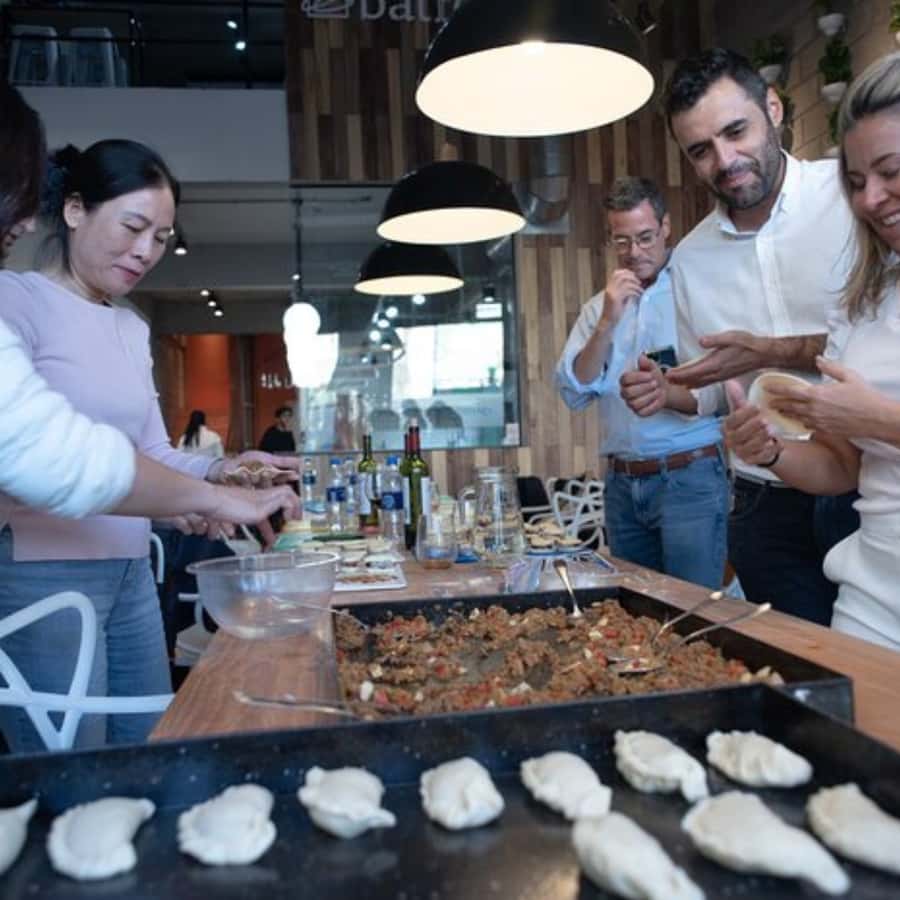
Plan to arrive at the stated Gorriti meeting point with enough time to find the correct door. Because the address is shown as both 4882 and 4886, use the final booking information or contact the provider if needed.
The activity takes place in rain or shine, so bad weather does not normally cancel the session. That is useful in Buenos Aires, where a cooking class can rescue an afternoon when outdoor plans fail.
Wheelchair access is available. The listed languages are English, Spanish, and Portuguese. Hotel transportation is not included, so plan your route to Palermo separately.
Wear something comfortable for kitchen work. The provided information does not specify an apron, dress code, or exact equipment, so avoid assuming that special clothing or premium utensils will be supplied. One minor concern raised about an earlier session involved utensil quality, though this did not outweigh the food or teaching for that participant.
Should you book the empanada and alfajor class?
Book it if you want a friendly, useful introduction to Argentine food and like the idea of eating what you make. The combination of empanadas, alfajores, mate, and cultural conversation gives you more than a simple recipe lesson, while the vegan option and family-friendly pace make it easy to fit into many itineraries.
The strongest reasons to book are the patient local instructors, the chance to make both dishes from scratch, and the recipes you can repeat at home. The main limits are shared tasks, no hotel transfer, and some variation in extras such as wine or leftovers.
At $49 for 150 minutes, I find it a solid choice for a food-focused afternoon or morning in Palermo. Confirm the exact address, language, and dietary needs before paying, then arrive ready to fold a few imperfect empanadas and eat the evidence.
FAQ
How long does the Buenos Aires cooking class last?
The class lasts 150 minutes.
Where does the cooking class meet?
It meets on Gorriti in Palermo. The supplied details show Gorriti 4882 and Gorriti 4886, so check your booking confirmation for the exact address.
What foods will I make?
You will prepare Argentine empanadas and dulce de leche alfajores. You mix, bake, shape, and assemble the food before eating it.
Is there a vegan empanada option?
Yes. Meat or vegan empanada options are available.
Is mate tea included?
Yes. Local mate tea is included, along with the ingredients for the empanadas and alfajores and instruction from a local guide.
Is hotel pickup included?
No. Hotel pickup and drop-off are not included, so you must arrange your own transportation to and from the Palermo meeting point.
Just added around the world
- 1 Istanbul Tour: Highlights, Street Food & Hidden Pearls★ 5.0 · 9 reviews
- Evening Hyderabad Street Food Walk with Hyderabad Biryani★ 4.5 · 24 reviews
- Hyderabad Street Food Crawl (2 Hours Guided Food Tasting Tour)★ 4.0 · 5 reviews
- Japanese Street Food Class in Beech Grove★ 5.0 · 9 reviews
- Small-group Street food tour in Ischia★ 3.5 · 2 reviews
- Hyderabad : Evening Street Food Tasting with Guided Old City Tour★ 5.0 · 10 reviews
- Hyderabad Street Food Experience with Local Expert★ 4.5 · 2 reviews
- Hue Street Food On Foot (Daily Tour – Group Tour | 12 pax max)★ 5.0 · 15 reviews
Buenos Aires Street Food Tours, compared.
Buenos Aires: Empanadas and Alfajores Guided Cooking Class
Read our review →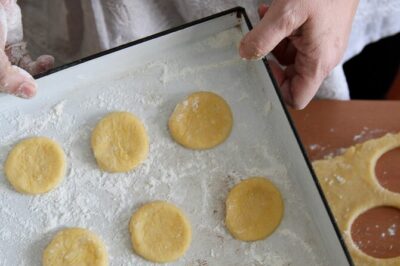
BA: Empanadas and Alfajores Cooking Experience in Palermo
Read our review →
San Telmo: Historical Guided Tour with Street Food & Drinks
Read our review →
Argentinian Empanadas Cooking Experience in Palermo, Bs As
Read our review →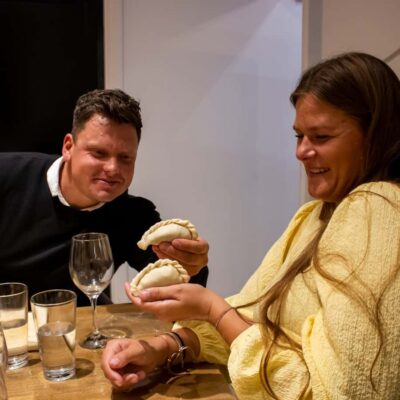
Premium Empanadas Cooking Class & Wine Tasting Experience
Read our review →
5hs Small Group City Tour of Buenos Aires with Street Food
Read our review →
Browse the lists this tour appears in