
REVIEW · POLAND STREET FOOD TOURS
Warsaw: Polish Dumplings Cooking Class
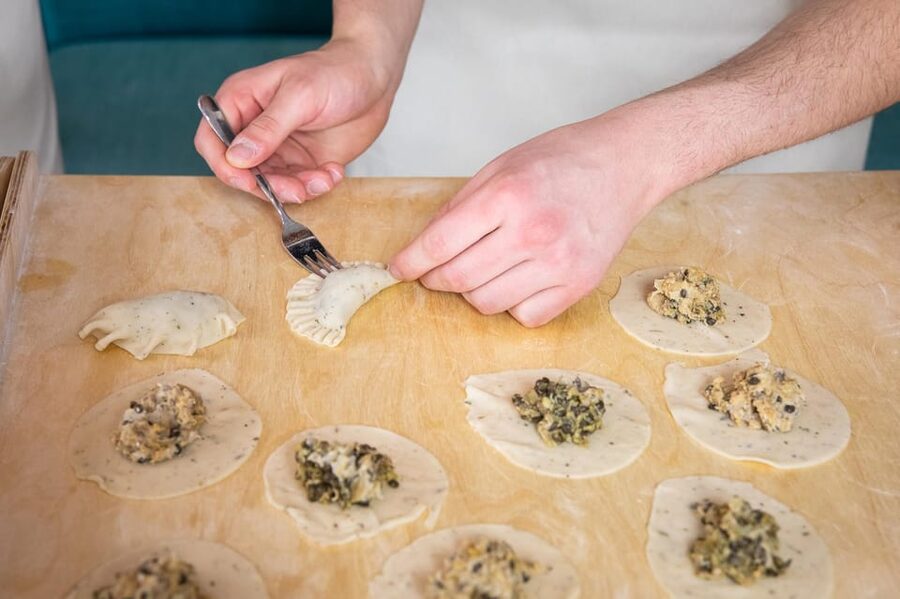
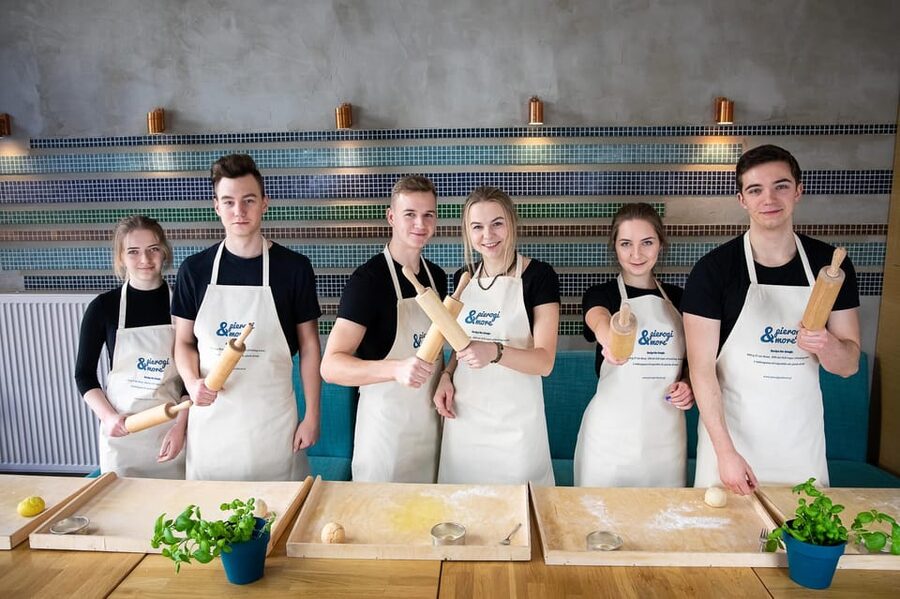
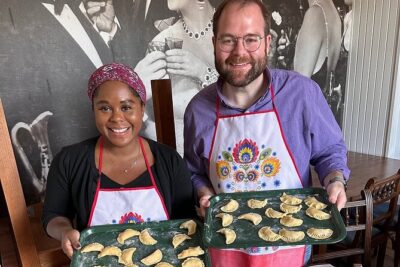
Making pierogi by hand is one of the best ways to meet Polish food culture at the table. At Pierogi & More, you mix and knead the dough, prepare several fillings, learn different ways to seal the dumplings, then sit down to a generous meal of what you made. The class is practical, not a cooking demonstration, so you spend much of the time working with your hands.
I like two things in particular: the small group, capped at 10 people, gives the English-speaking instructors time to help each person, and the recipe booklet lets you repeat the experience at home. You also learn up to five folding styles, including the tricky tortellini shape, which adds a playful challenge. The main consideration is timing: drinks are included with the evening class, but a morning booking means buying your own drinks.
Key details before you book
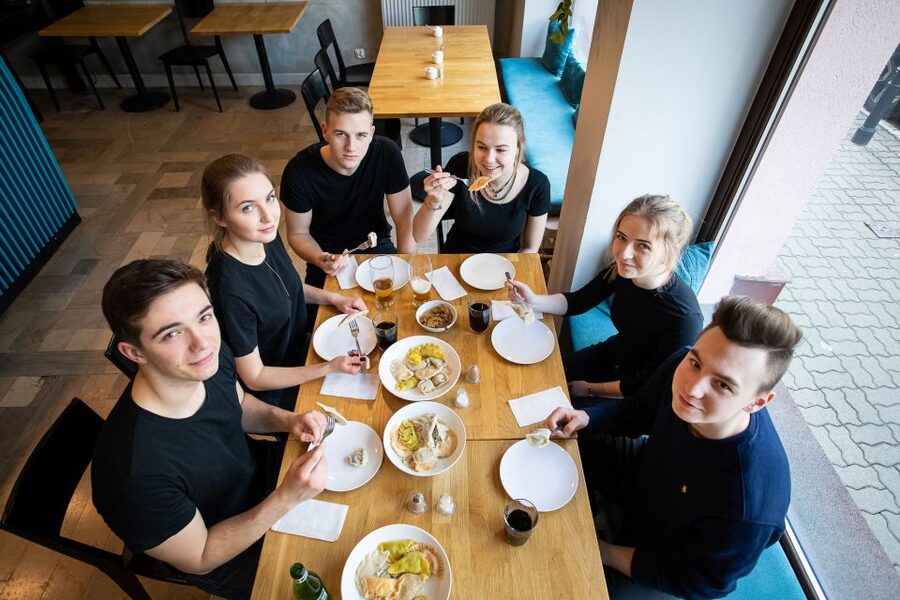
- Several pierogi styles in one class: You can work with meat, vegetarian, and vegan fillings, and try different shapes and toppings.
- A full meal, not just a sample: Your handmade dumplings are cooked and served family-style at the end.
- Five ways to seal the dough: The class covers practical folds as well as more decorative designs.
- English-speaking instruction: Hosts including Daria, Maria, Ben, Marysia, and Patrycja have led sessions.
- Small-group format: No more than 10 participants means hands-on help is part of the experience.
- Useful take-home extras: Recipes arrive by email, and you receive a link to pictures taken during the class.
Why pierogi make such a good Warsaw activity
Pierogi are more than a plate of dumplings. They are a familiar part of Polish home cooking, made in countless versions with meat, cheese, vegetables, potatoes, fruit, and other fillings. You get a short introduction to their origins and place in Polish food culture before the cooking begins, so the meal has a little context behind it.
I like this format because it gives you something to do on a day when Warsaw sightseeing feels tiring. You are not simply seated while a chef cooks. You roll dough, handle fillings, test your fingers at the edges, and see how a simple circle of pastry becomes a proper pieróg.
It also works well for different types of groups. A couple can share the activity, a family can work side by side, and a solo participant can join a small table of other English-speaking visitors. The class is not suitable for children under eight, but older children can take part. One 12-year-old with an interest in cooking was able to enjoy the hands-on work with a parent.
More Dumpling and Dim Sum Tours in the world:
- Hong Kong: Street Food Tour with Locals – Dim Sum and Wonton
★ 4.8 · 673 reviews - Bagels Dumplings Pizza & Tacos: A Downtown Food Crawl
★ 5.0 · 63 reviews - Tokyo Local Food Tour: Noodles, Skewers, Dumplings, Sweets
★ 5.0 · 48 reviews
Arriving at Pierogi & More on Stawki Street
The meeting point is Pierogi & More, at 3 Stawki Street, 00-193 Warsaw. Enter from the street and look for the large Pierogi & More sign. This is not a cooking session hidden inside a hotel or private apartment, so the clear storefront matters. Still, arrive on time. The opening talk is short, but it explains the dish and sets up the rest of the class.
The venue has been described as clean and professionally arranged, with a shop-like setting that feels welcoming rather than formal. You should expect a working class environment, not a restaurant dinner with a cooking show attached. That is part of the appeal, though anyone looking for a polished chef-led performance may find the activity more hands-on than theatrical.
The small group limit is important. With no more than 10 people, the instructor can watch your dough, correct your folding technique, and help if you fall behind. Several hosts have been praised for giving individual assistance and keeping every group moving at a comfortable pace.
The short introduction to Polish dumplings
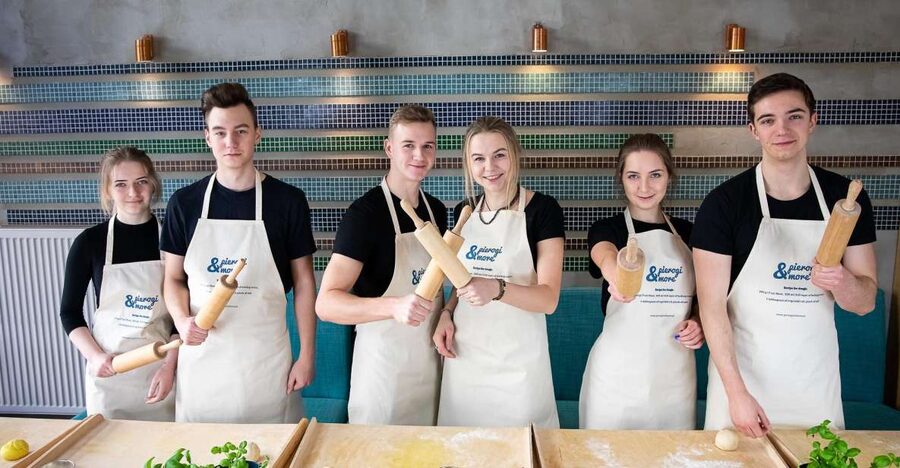
The session starts with an explanation of pierogi and their role in Polish cuisine. This is not a long lecture, which is sensible. You get enough background to understand why the dish matters, then move quickly to the part you came for.
The best value here is the link between food and everyday life. Pierogi are not presented as an exotic object. They are treated as a dish you can make in your own kitchen, adapt to your taste, and share with family or friends.
The English instruction is a strong point. The hosts have included Daria, Maria, Ben, Marysia, Patrycja, Nina, and others, and the sessions are run in English. One older review noted that the chef’s English was somewhat difficult to understand, but the same account also described the host as attentive and helpful. That is a fair reminder to listen closely during demonstrations if you are less confident with spoken English.
Mixing and kneading the pierogi dough
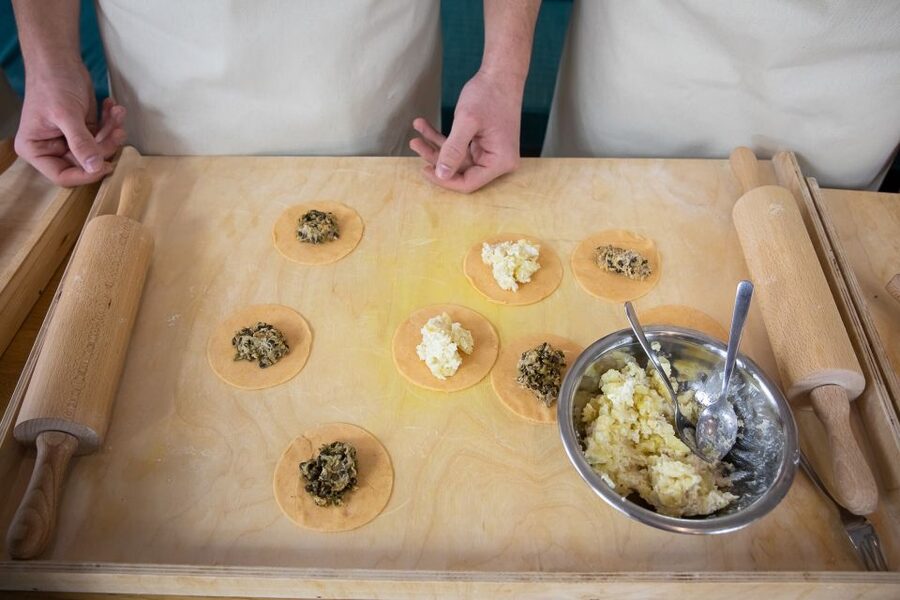
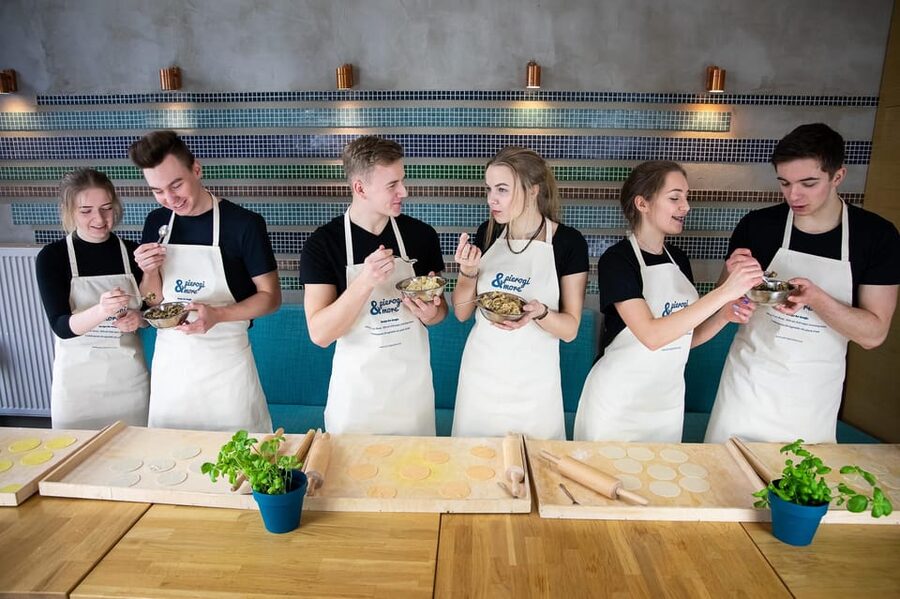
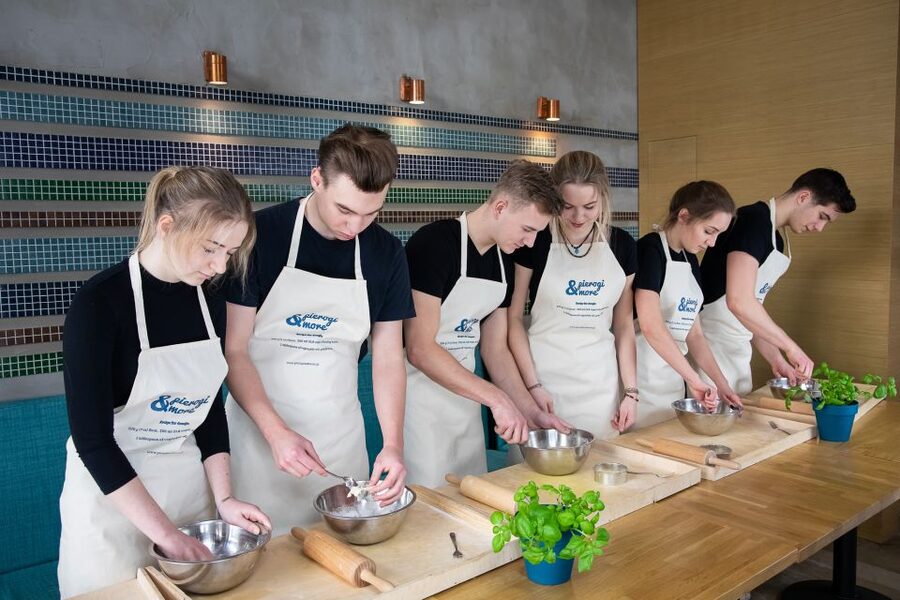
You begin by mixing the dough and learning how it should feel as you knead it. This is one of the most useful parts of the class because dough is where many home attempts go wrong. A recipe can tell you measurements, but your hands tell you whether the dough is too dry, too wet, or ready to roll.
After kneading, you roll the dough and cut or shape it for filling. You may find this slower than expected at first. That is normal. The class is designed for beginners, and the instructors have been praised for patient, easy-to-follow guidance.
Do not worry about making perfect circles or identical dumplings. The point is to learn a repeatable method. By the end, you should have enough confidence to try the process again at home, even if your first batch has a few uneven edges.
More Cooking Classes in the world:
- Florence: Cooking Class with Local Food Market Tour
★ 4.9 · 407 reviews - Street Food Cooking Class
★ 5.0 · 125 reviews - Busan Local Food Cooking Class with Market Tour
★ 5.0 · 53 reviews - Syracuse: Sicilian Street Food Hands-On Cooking Class
★ 4.9 · 38 reviews
Choosing meat, vegetarian, or vegan fillings
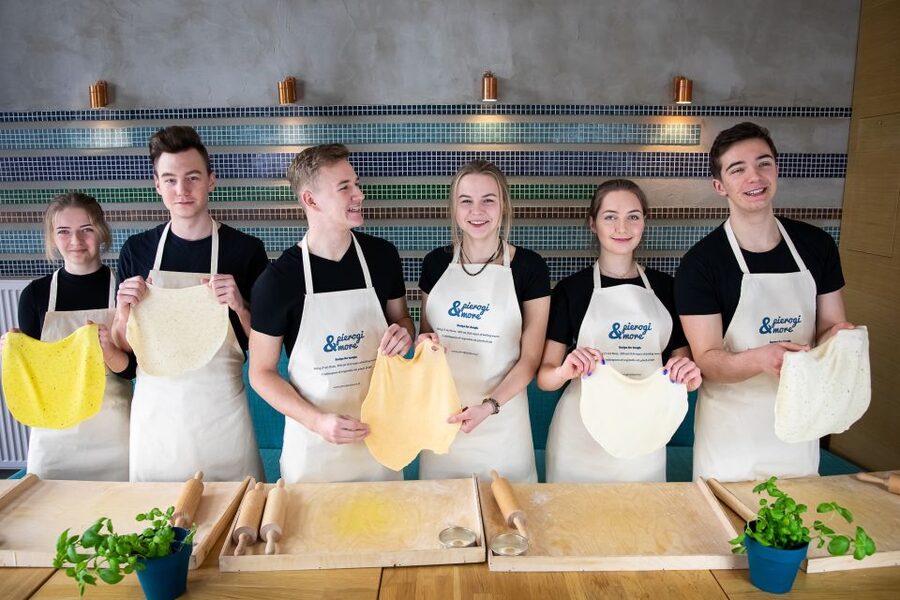
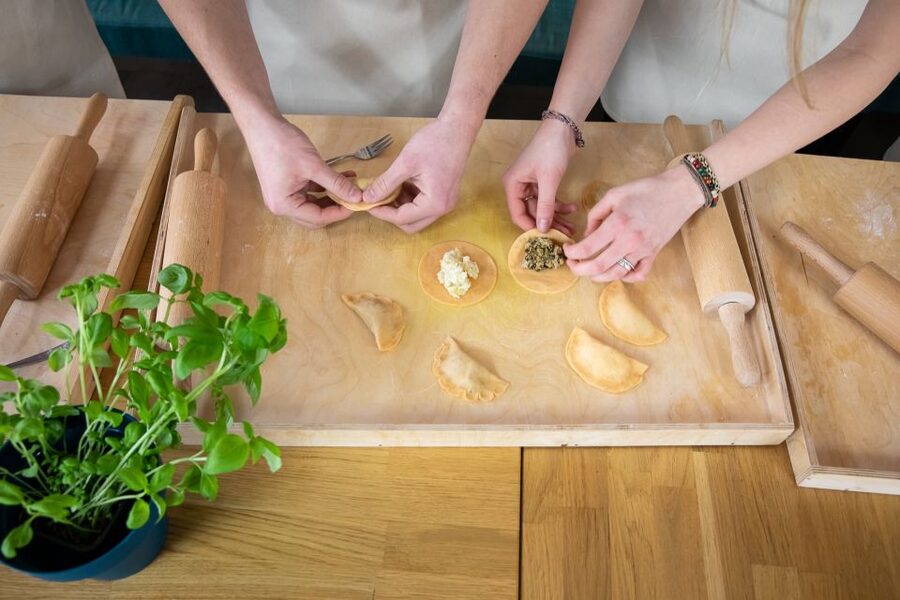
The class offers a choice of meat or vegetarian and vegan options. This makes the activity easier to recommend to mixed groups, since one person does not have to sit out because of dietary preferences. The exact number of fillings can vary, but sessions have included several types, with one class making four varieties: vegan, vegetarian, and two meat fillings.
That range also lets you compare how different fillings affect the finished dumpling. Some are likely to be easier to fold than others, and the instructor can show you how much filling to use. Too much turns the edge into a struggle. Too little leaves you with a disappointing mouthful of dough.
You also learn small tricks intended to improve flavor. One particularly useful detail from the class format is the onion oil served with the dumplings. Toppings matter with pierogi, and the right finishing touch can make a simple filling taste much fuller.
If you are hoping to make fruit pierogi, ask about that possibility before booking or during the session. Fruit-filled dumplings were not listed as a standard part of the class, although the recipe material and general method may encourage you to experiment at home.
Folding five shapes, including the tortellini challenge
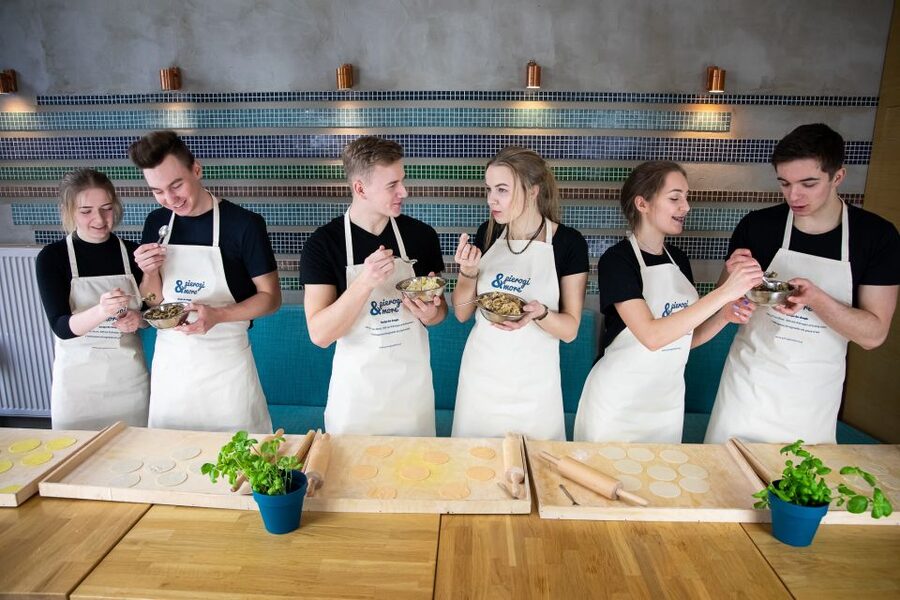
Folding is where the class becomes both useful and funny. There is more than one way to seal a pieróg, and the instructors demonstrate several designs. You may learn as many as five, including the familiar crimped edge and a tortellini-style shape.
The basic fold is the one you will probably use most often at home. The decorative versions are worth learning because they give you a visual way to separate fillings and make the plate more attractive. They also reveal how much finger pressure is needed to keep the dumpling closed without tearing the dough.
Do not judge your cooking ability by the tortellini shape. It is a fiddly one, and even an otherwise successful batch may include a few lopsided examples. The hosts are there to show you the hand movements and offer individual help. Practice is part of the fun, not a test.
This is also a good activity for families with older children. A child who enjoys cooking can take on the shapes as a small challenge, while adults handle the dough and filling preparation. Children under eight are not allowed, so plan on another activity for younger family members.
Sitting down to a generous plate of pierogi
Once the dumplings are prepared, you get to eat them. The included meal is described as a big serving, and the family-style presentation lets you try the different pierogi made during the session. You should arrive hungry, because this is far more than a token tasting.
This shared meal is one of the strongest parts of the experience. You have seen the raw ingredients, shaped the dumplings, and then get the reward right away. You can compare the meat, vegetarian, and vegan versions, notice how the folds hold up, and decide which fillings you want to recreate later.
Water is included. For evening classes, drinks are included as well, along with a tasting of Polish liqueurs at the end. The booking information also says alcoholic beverages are not generally included, so the practical distinction matters: evening class drinks are covered, while morning class drinks cost extra. The liqueur tasting is intended as a small finish to the meal, not a full bar service.
The Polish liqueur tasting is a pleasant cultural extra. Cherry liqueur has been singled out as a favorite, though tastes differ. If you do not drink alcohol, confirm your needs with the provider before booking, since the supplied details only specify the alcoholic tasting and included water.
Recipes and photos you can use later
The recipe booklet is more useful than a souvenir that sits in a drawer. Recipes are sent by email, so you have a digital copy when you are back home and ready to try again. The class also provides a link to pictures taken by the host during the session.
Those photos can be helpful because they show the process as well as the finished food. They may remind you how the dough looked, how a particular fold was made, or how the meal was arranged. The exact number of pictures is not specified, so think of this as a helpful follow-up rather than a formal photo package.
The recipe material also gives the class lasting value. At $75 per person, you are paying for instruction, ingredients, a full meal, water, the recipe material, and the photo link. That is not the cheapest way to eat pierogi in Warsaw, but it is a fair price if you want an activity rather than a restaurant stop.
The value is strongest for people who enjoy cooking or who want a cultural experience with something practical to take home. If you only want to taste excellent pierogi, a restaurant will cost less and take less time. If you want to learn the basic method and share a meal with a small group, the price makes more sense.
Timing, accessibility, and who should book
The experience is listed as lasting two hours, with the duration also shown as up to 150 minutes. Allow roughly a full cooking session rather than planning a tightly timed museum visit immediately afterward. The exact starting time depends on availability.
The activity is wheelchair accessible, and instruction is in English. The group is limited to 10 participants, which helps keep the class personal. Arriving late would mean missing the introduction and possibly the first dough instructions, so punctuality matters more here than it would at a standard restaurant meal.
I would recommend it most strongly for:
- Couples wanting a relaxed food activity
- Solo visitors who like meeting people through a shared task
- Families with children aged eight and older
- Vegetarian or vegan participants joining a mixed group
- Anyone who collects cooking skills from different countries
- Visitors who want a substantial evening activity rather than another sightseeing stop
I would be more cautious if you dislike shared meals, cannot take part in hands-on food preparation, or want a highly technical cooking course. The instruction is friendly and beginner-focused. It is not presented as professional chef training.
Should you book the Warsaw pierogi class?
Yes, if you want to understand Polish food by making it yourself. The combination of dough work, several fillings, five folding methods, a full meal, and a Polish liqueur tasting gives you a well-rounded two to two-and-a-half-hour activity.
The hosts are a major part of the experience. Daria, Maria, Ben, Marysia, Patrycja, Nina, and their colleagues have been noted for patience, humor, clear guidance, and personal help. The class has earned a 4.8 rating from 151 reviews, and the praise is especially consistent around the instructors, the easy-to-follow format, the generous meal, and the fun of shaping the dumplings.
Book it if you want to leave Warsaw with more than a food memory. You will leave with recipes, photos, a full stomach, and enough practice to attempt pierogi at home. Choose the evening session if included drinks and the liqueur tasting matter to you. Choose a morning class if the cooking itself is your priority and you are happy to purchase drinks separately.
FAQ
Where does the pierogi cooking class take place?
It takes place at Pierogi & More, 3 Stawki Street, 00-193 Warsaw. Enter from the street and look for the large Pierogi & More sign.
How long does the class last?
The activity is listed as two hours, with the duration also shown as up to 150 minutes. Check availability for the exact starting time.
Is the class taught in English?
Yes. The instructor language is English.
How many people can join the class?
The class is limited to 10 participants, making it a small-group activity.
What types of pierogi can I make?
You can choose meat, vegetarian, or vegan fillings. Classes have included several varieties, including two meat fillings and vegetarian and vegan options.
Will I eat the pierogi I make?
Yes. A large meal of pierogi is included, with the dumplings served after the preparation session.
Are drinks included?
Water is included. Drinks are included with the evening class, while morning-class drinks may be ordered at your own cost. The experience also includes a tasting of Polish liqueurs.
Do I receive anything after the class?
Yes. Recipes are sent by email, and you receive a link to pictures taken by the host during the class.
Is the activity suitable for children and wheelchair users?
The class is wheelchair accessible. Children under eight are not permitted. Children aged eight and older may take part, provided they can participate in the hands-on cooking activity.
More Workshops in the world
- Ao Nang: Hands-on Learn to Cook 3 Popular Thai’s street food
★ 4.8 · 417 reviews - Hungarian Langos Making Class: The No. 1 Street Food in Hungary
★ 5.0 · 55 reviews - Lisbon: Portuguese street food cooking class with Drinks
★ 4.9 · 37 reviews - Hanoi Egg Coffee Class and Street Food Walking Tour
★ 5.0 · 33 reviews
Just added around the world
- 1 Istanbul Tour: Highlights, Street Food & Hidden Pearls★ 5.0 · 9 reviews
- Evening Hyderabad Street Food Walk with Hyderabad Biryani★ 4.5 · 24 reviews
- Hyderabad Street Food Crawl (2 Hours Guided Food Tasting Tour)★ 4.0 · 5 reviews
- Japanese Street Food Class in Beech Grove★ 5.0 · 9 reviews
- Small-group Street food tour in Ischia★ 3.5 · 2 reviews
- Hyderabad Street Food Experience with Local Expert★ 4.5 · 2 reviews
- Hyderabad : Evening Street Food Tasting with Guided Old City Tour★ 5.0 · 10 reviews
- Hue Street Food On Foot (Daily Tour – Group Tour | 12 pax max)★ 5.0 · 15 reviews
Poland Street Food Tours, compared.
Warsaw’s No 1 cooking class-Polish dumplings with liqueur tasting
Read our review →
Half-Day Polish Food Walking Tour with Guide and Dinner
Read our review →
Pierogi Cooking Class: Mastering the Art of Polish Dumplings
Read our review →
Krakow’s Local Flavor: Craft Beer and Street Food with Guide
Read our review →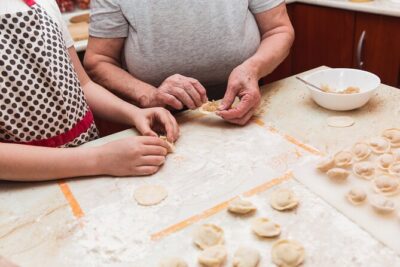
Browse the lists this tour appears in