
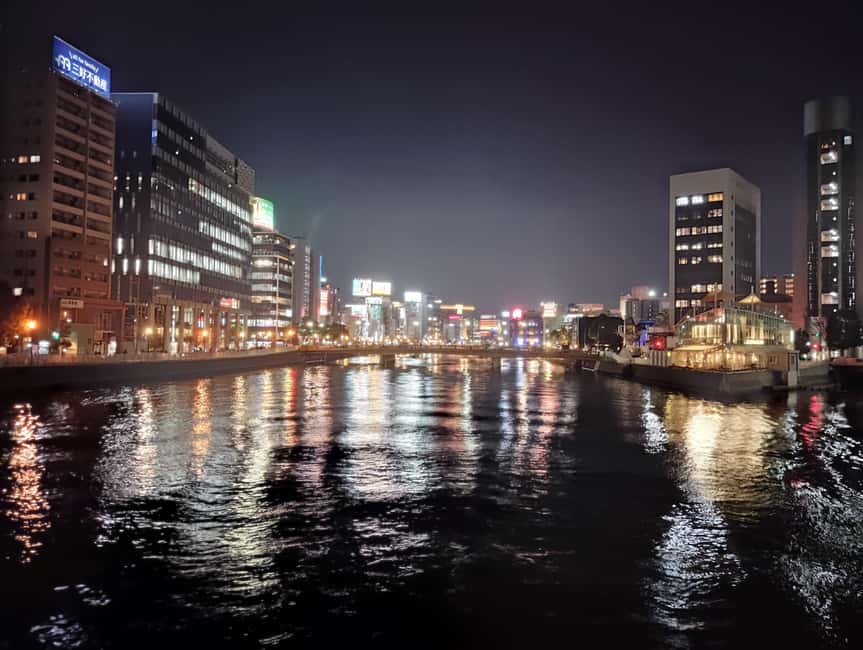
REVIEW · JAPAN STREET FOOD TOURS
Fukuoka: Nakasu Food Stall Private Guided Tour with Tastings
Fukuoka’s yatai food stalls are tiny, social, and not always easy to enter when you cannot read Japanese. This private tour takes you into Nakasu with an English-speaking guide who helps choose dishes, explains the customs, and keeps the evening moving.
I like the two-stall tasting format because you get more than one view of Fukuoka’s street food. I also like the guide-led local contact, especially with guides such as Morry, Manabu, Rie, Aya, and Shota, who tailor the evening to food interests and explain the people behind the stalls.
The main caution is timing. Some stalls may still be setting up around the earliest start time, and rainy weather can limit outdoor choices. The food subsidy helps, but two hours is still a short introduction rather than a full evening meal crawl.
Key points to know before booking
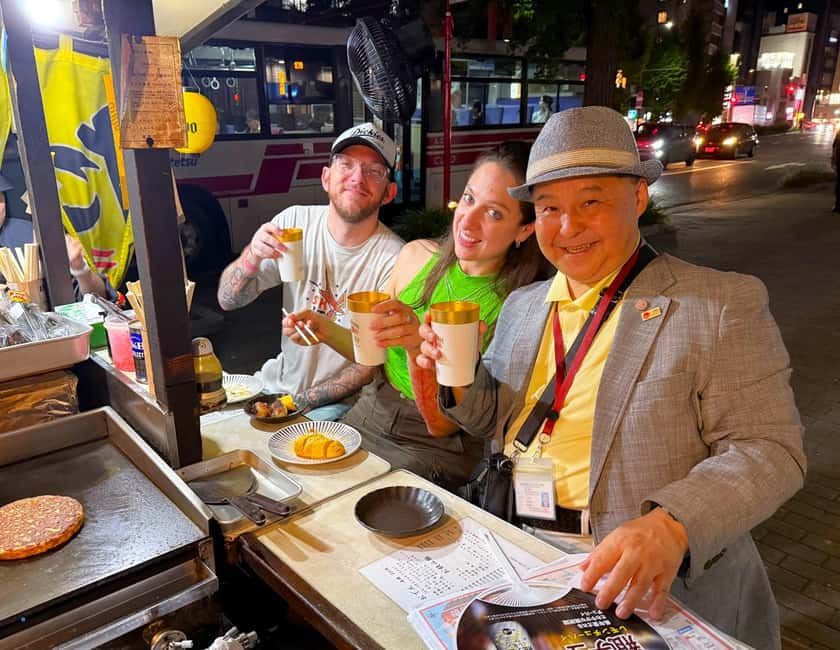
- Two yatai stops: Taste dishes such as ramen, oden, yakitori, and stewed specialties at two food stalls.
- 1,000 yen per stall: The tour includes a food and drink subsidy at each stall, helping cover the tasting costs.
- Private English-speaking guide: You can ask questions, get help ordering, and avoid the stress of handling the experience alone.
- Nakasu and Tenjin setting: Meet at FamilyMart Tenjin 1-chome, then walk toward the food stalls around Nakasu.
- Guides add personality: Morry is known for close-up magic and mentalist tricks, while other guides tailor food suggestions and local explanations.
- Bring cash and comfortable shoes: You will walk between locations and may need cash for anything beyond the included subsidy.
Why Fukuoka’s yatai are worth your evening
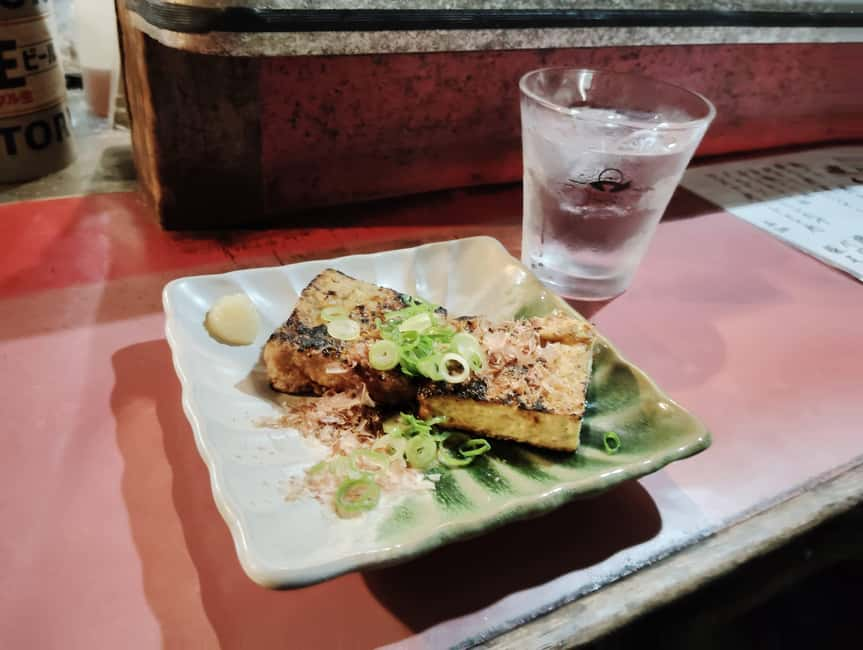
A yatai is more than a takeaway counter. It is a small dining room on wheels, with limited seats and a close view of the cook preparing food. You sit near other diners, order quickly, and share a compact space where conversation comes easily.
Fukuoka is especially associated with this style of eating. The food stalls around Tenjin and Nakasu give you a taste of the city after dark, when the riverside streets begin to fill with diners. The setting is informal, but the rules can be unclear to a first-time visitor. Where do you sit? How do you order? Is it fine to stay for another dish? A local guide makes those small questions much easier.
I like this tour because it treats the stalls as working places, not just photo stops. You get some background on how the yatai developed and why particular stalls are local favorites. You also have someone beside you who can explain what is on the menu before you commit to it.
Still, keep your expectations in check. A yatai is usually small, and the food may arrive quickly rather than in a carefully paced sequence. The attraction is the setting, the social contact, and the chance to sample several local foods. It is not a formal restaurant tasting.
A few more street food tours around Japan worth a look
- Private Toyosu & Tsukiji Market Adventure with Tuna Auction
★ 4.8 · 191 reviews - Tokyo: Private Personalized Local Food Tour
★ 4.5 · 101 reviews - PRIVATE 6hr, Food tour from Osaka Castle, Kuromon, Dotonbori.
★ 5.0 · 68 reviews
Meeting at Tenjin and heading toward Nakasu
The meeting point is in front of FamilyMart Tenjin 1-chome. Your guide will hold a yellow sign marked DeepExperience, which should make the group easier to find in the city streets.
From there, the tour heads toward Nakasu, the district between the older Hakata and Fukuoka areas. The route is part of the experience, since your guide can point out the relationship between the districts and explain how the food stall culture fits into Fukuoka’s city life.
You should wear shoes suited to walking. The tour lasts two hours, and although the distance is not specified, you will move between the meeting point and more than one food stall. Bring cash, even though a 1,000 yen food and beverage subsidy is included per stall. Cash is useful for anything that exceeds the allowance or for extra purchases.
The tour is private, so you do not have to match the pace or interests of a large group. That matters at a food stall, where you may want to spend more time asking about dishes, or skip something that does not suit your diet.
What happens at the two food stalls
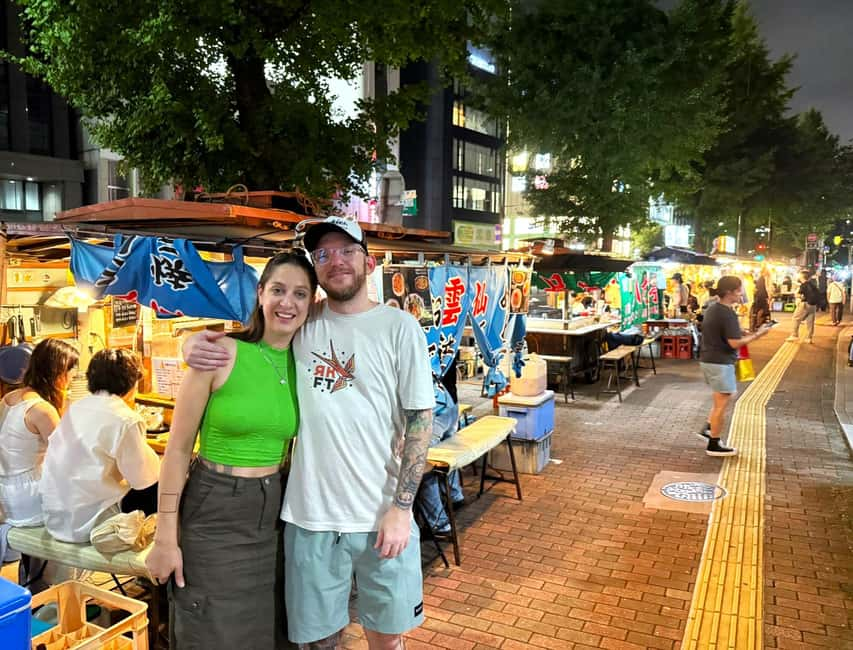
The tour includes visits to two stalls. That number gives you a useful comparison without turning the evening into a race.
At one stop, you might try oden, a Japanese comfort food made from ingredients simmered in broth. At another, the focus may be yakitori, ramen, or a stewed dish. The exact stalls and dishes can change, and the information provided does not promise a fixed menu. Think of the subsidy as permission to sample rather than a guarantee of a particular plate.
The 1,000 yen allowance per stall is important. It makes the advertised price more useful because part of your food and drink spending is already covered. Still, $101 per person is not simply the price of two small meals. You are also paying for a private English-speaking guide, assistance with ordering, local background, and the confidence to enter places that can feel intimidating on your first night.
That value is strongest for people who want guidance. If you already speak Japanese, know Fukuoka well, and feel comfortable choosing stalls on your own, you may find the price harder to justify. If you are new to Japan or want a social food experience without menu anxiety, the guide can save time and prevent awkward mistakes.
Ramen, yakitori, oden, and stewed dishes
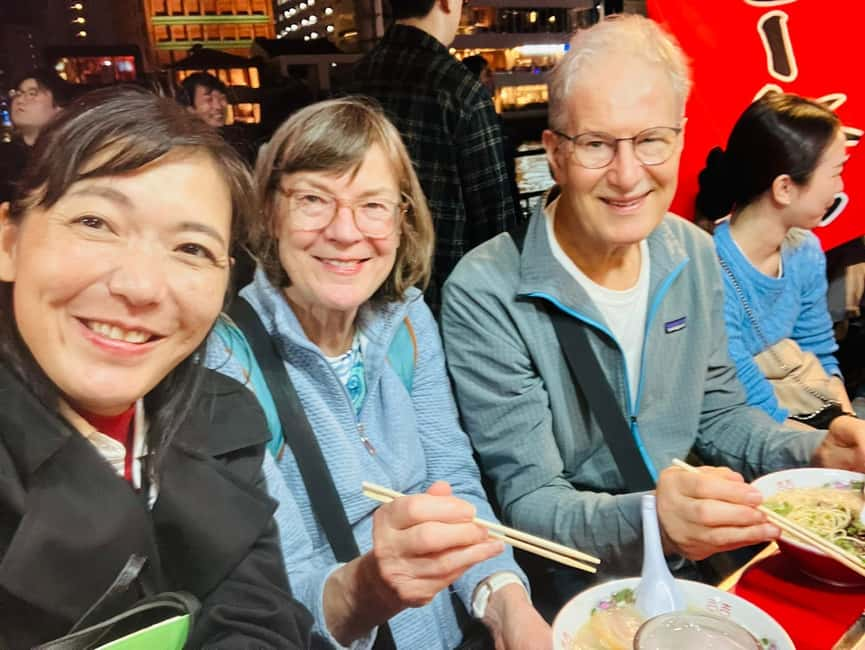
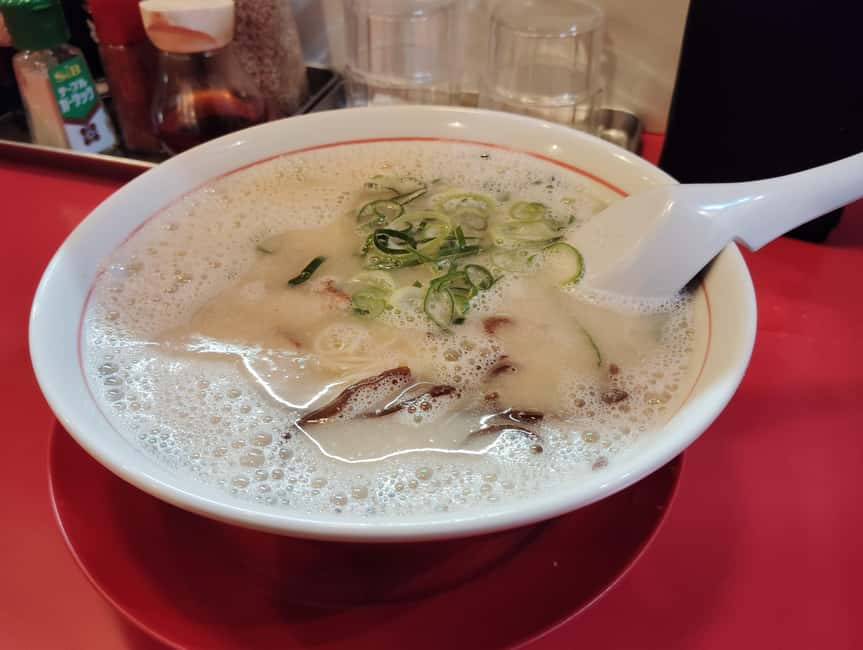
Fukuoka is famous for ramen, and this tour gives you the chance to taste it alongside other local staples. Ramen is often served quickly, which suits the yatai setting. One participant described the ramen as the best part of a rainy evening, while also noting that the stalls were more memorable for their atmosphere than for every dish.
That is a fair way to think about the food. You could find an excellent bowl of ramen, but the other dishes may vary from stall to stall. Oden is slower and more comforting, with ingredients taking on the flavor of the broth. Yakitori offers a different experience, with small grilled portions that work well for sharing. Stewed specialties give you another look at everyday Japanese cooking.
Your guide can explain what you are eating and help with local interaction. That is particularly useful if you have dietary needs. The tour is not advertised as vegetarian, but a guide was able to adapt the meal for a visitor following a non-strict vegetarian diet. If your restrictions are strict or medically necessary, you should clarify them before booking rather than relying on last-minute changes.
Same city, a different plate:
- Tokyo Tsukiji Fish Market Food and Culture Walking Tour
★ 5.0 · 3,184 reviews - Hungry Osaka Street Food Tour:15 Tastings & 3 Drinks with a Local
★ 5.0 · 1,727 reviews - Tokyo: Tsukiji Fish Market Food and Walking tour
★ 5.0 · 1,724 reviews - Tokyo: Tsukiji Fish Market Guided Walking Tour
★ 4.9 · 1,397 reviews
The guides make the difference
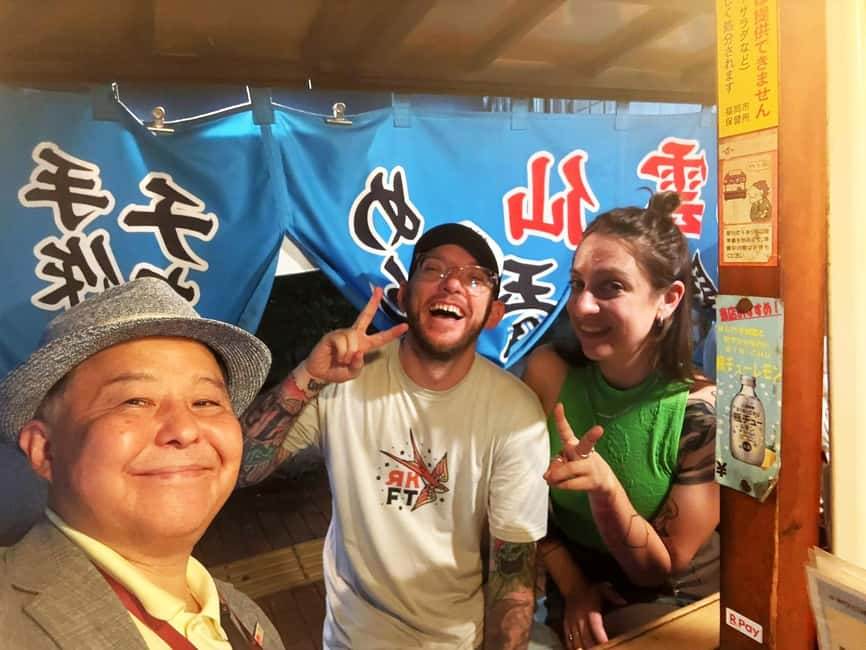
The strongest part of this experience is the guide. The names that appear in the supplied information include Morry, Manabu, Rie, Aya, and Shota, and their styles are not identical.
Morry comes through as a highly entertaining host. He uses close-up magic, mentalist tricks, quizzes, and fun facts to keep conversation going while you wait for a seat or food. That is not just a gimmick. Yatai stalls can have queues, and a little entertainment makes the waiting feel less awkward.
Manabu is described as thoughtful and helpful, with an ability to give the evening a local feel. Rie is fluent in English and personable, which helps if you want more conversation with the people around the stall. Aya has worked at a yatai, giving her a particularly useful connection to the food and the people who run these places.
Shota is a good match for someone who wants recommendations beyond the two scheduled stops. He has tailored tours around food interests and suggested restaurants he has personally tried. That can make the tour more useful if you are staying in Fukuoka for several days and want ideas for later meals.
Guide assignments can change, so you should not book solely on the assumption that one named guide will lead your tour. The consistent benefit is having a local English-speaking person who can explain, translate, and adjust the evening.
Local atmosphere, with a few limits
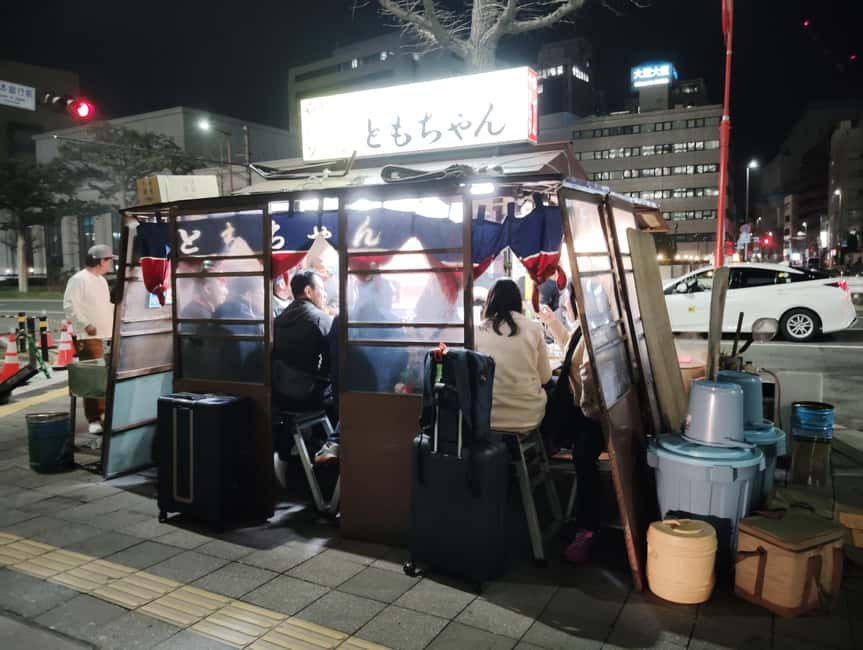
The tour aims to avoid the most obvious tourist routine and take you to stalls used by local diners. That can mean a more natural evening, with less hand-holding once your guide has shown you how the system works.
You may be the only foreign visitor at a stall, which can make the experience feel more connected to ordinary Fukuoka life. Your guide can help you speak with locals and understand the basic etiquette. That contact is one of the clearest reasons to choose a private tour rather than simply photographing the stalls from the street.
But the atmosphere depends heavily on weather, opening hours, and available seats. In heavy rain, some outdoor stalls may not operate normally, and the group may use an indoor venue instead. One rainy outing included an indoor stall and still worked well, but the experience was less like the classic riverside yatai scene.
The stalls are also compact. You should be comfortable sitting close to other diners and accepting that the evening may include a wait. Smoking is not allowed on the activity, which is useful to know if you are comparing different nightlife options.
Timing matters more than the two-hour label
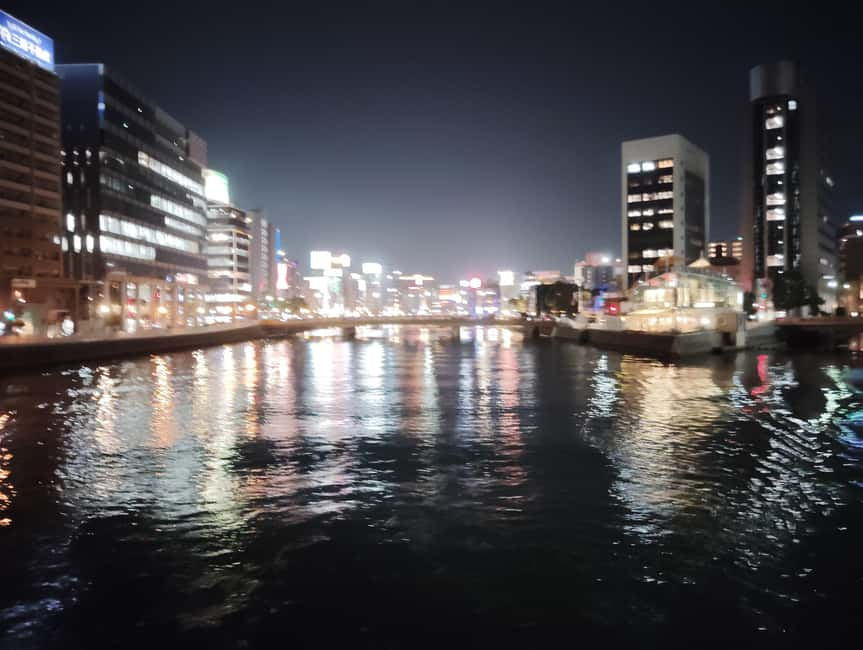
The tour lasts two hours, but the exact pace depends on how quickly the stalls open and how long you wait for seats. An early start around 5:30 can be awkward because some food stalls may still be setting up past 6. If you choose an early time, ask about current opening patterns before you commit.
A later start may give you a better chance of finding the stalls in full operation, though availability depends on the date. The activity page advises checking the available starting times, so do not assume every departure follows the same schedule.
The two-hour length works well as an introduction before another evening plan. It is less suitable if you want to linger over several rounds of drinks or eat a full meal at every stop. You will taste a range of foods, but the tour is designed to keep moving.
Rain is another practical factor. Bring sensible clothing and expect the route or stall choices to change if conditions are poor. The tour can still include food and conversation indoors, but you may lose some of the outdoor riverside character.
Is the $101 price good value?
At $101 per person, this is a premium way to eat at Fukuoka’s stalls. The included 1,000 yen per-stall food and drink allowance helps, especially when you visit two stalls, but the main purchase is the private service.
I see the value in three areas. First, you get an English-speaking guide who can manage the language gap. Second, the private format lets the guide adapt dishes and recommendations to your interests. Third, you receive context about Fukuoka’s food culture rather than simply buying a bowl of ramen and leaving.
The price is less attractive if your only goal is to eat cheaply. You can explore food stalls without a tour, and the food itself is not presented as an unlimited tasting menu. Some diners may find that the atmosphere is better than certain dishes, which is normal for an informal food crawl.
For a first night in Fukuoka, though, the cost can be reasonable. You get a low-stress introduction and practical advice for returning to the stalls on your own. One of the clearest benefits is leaving the tour ready to try a yatai independently instead of wondering how the whole system works.
Who should book this Nakasu food tour?
I would recommend it to first-time visitors, solo diners, couples, and small private groups who want a guided introduction to Fukuoka after dark. It is particularly helpful if you do not speak Japanese, feel uncertain about ordering, or want a local to explain the difference between dishes.
It also suits people who enjoy conversation as much as food. Morry’s magic, the guides’ food suggestions, and the chance to meet local diners add more than a standard restaurant meal.
You may want to skip it if you prefer a long, quiet dinner, have strict dietary requirements that need advance confirmation, or are comfortable navigating Japanese food stalls alone. It is also worth reconsidering an early departure if you want every yatai stop to be fully open.
Cancellation is free up to 24 hours before the tour, and you can reserve while paying later. Those policies make it easier to fit the outing into a changing Japan itinerary, but they do not solve the opening-time issue. Check the available start time and ask about food restrictions before booking.
Final call: book for confidence and conversation
Book this tour if you want to understand how Fukuoka’s yatai work, taste several local dishes, and have a friendly guide handle the language gap. The private setting, two-stall route, and 1,000 yen allowance at each stall give the evening a clear structure.
Do not book it expecting a huge meal or a perfectly fixed menu. The best parts are the local contact, the stories behind the stalls, and the confidence you gain for eating out on your own. For many first-time visitors, that makes this a useful and memorable first night in Fukuoka.
FAQ
Where does the tour meet?
Meet in front of FamilyMart Tenjin 1-chome. The guide will hold a yellow DeepExperience sign.
Where does the tour take place?
The tour visits the Nakasu area of Fukuoka, with food stalls located along the river between the historic Hakata and Fukuoka districts.
How long is the tour?
The tour lasts two hours, including the walk, sightseeing, and food tastings.
How many food stalls will I visit?
The activity information says you will taste food at two stalls and visit multiple yatai locations.
What foods might I taste?
Possible dishes include oden, ramen, yakitori, and stewed specialties. The exact food selection can vary by stall.
What is included in the food allowance?
You receive a 1,000 yen food and beverage subsidy at each food stall.
Is the tour offered in English?
Yes. The tour includes a live English-speaking guide.
Is this a private tour?
Yes. The group type is listed as a private group.
What should I bring?
Bring comfortable shoes, a camera, and cash. Smoking is not allowed during the activity.
Just added around Japan
- Savor Setouchi inland sea Local Food & Bike Tour with Local Guide★ 5.0 · 3 reviews
- Okonomiyaki Counter: Hiroshima Edition★ 5.0 · 2 reviews
- Private Fukuoka Bar Hopping and Food Walking Tour★ 5.0 · 3 reviews
- Fukuoka Evening Tours: Yatai, Izakaya, Karaoke and more★ 5.0 · 21 reviews
- Samurai Food Walk in Kakunodate★ 5.0 · 10 reviews
- Tokyo: Tsukiji walk & sushi private tour with Uni Students★ 5.0 · 17 reviews
- Tokyo: Private Tsukiji Street Food & Sake with Local Guide★ 5.0 · 3 reviews
- Tokyo: Tsukiji Market Guided Tour & Sushi-Making Experience★ 4.4 · 11 reviews
Japan Street Food Tours, compared.
Tokyo Tsukiji Fish Market Food and Culture Walking Tour
Read our review →
Hungry Osaka Street Food Tour:15 Tastings & 3 Drinks with a Local
Read our review →
Tokyo: Tsukiji Fish Market Food and Walking tour
Read our review →
Tokyo: Tsukiji Fish Market Guided Walking Tour
Read our review →
Nishiki Market Brunch Walking Tour (7 Tastings + Brunch)
Read our review →
Tokyo Sushi Making Class in Tsukiji with Professional Chef
Read our review →
Osaka Local Foodie Walking Tour in Dotonbori and Shinsekai
Read our review →
Browse the lists this tour appears in