
REVIEW · STREET FOOD MARKET TOURS
Arusha: Traditional Tanzania Cooking class& Food Market Tour
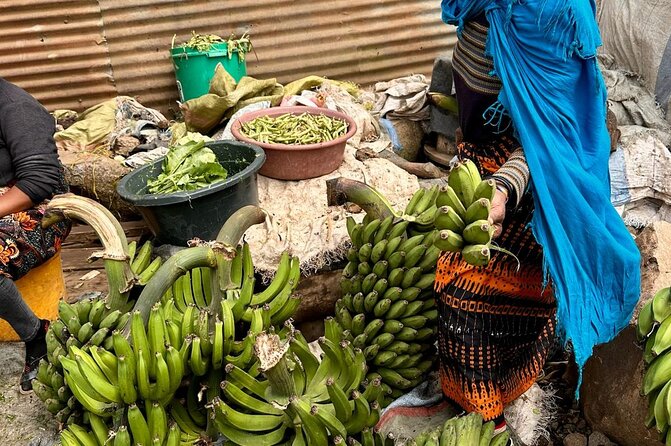
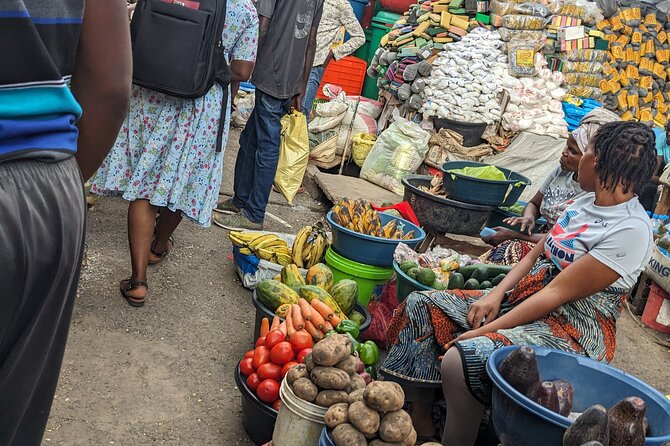
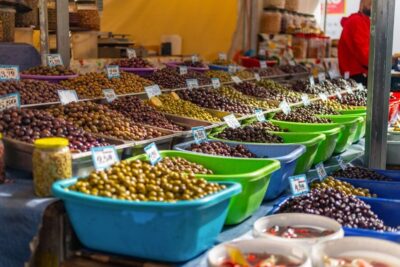
Arusha’s food market is the real opening act here. You walk past stalls of fruit, vegetables, dry goods, and meat, then help choose the ingredients that will become your lunch. I like that the market visit is not just a quick photo stop, and I like the personal touch from guides such as Liroy and Israel, who explain the products, vendors, and town life.
The cooking takes place in a small local home, often with chef Neema, using charcoal and propane stoves. That setting feels far more personal than a polished demonstration kitchen. The main drawback is that cleanliness may not match North American standards, and the cooking can run long, so bring patience, wear long pants, and do not expect drinks to be included.
Key points at a glance
- Shop before you cook: Spend about 30 to 50 minutes in a central Arusha food market, then help buy ingredients for the meal.
- Cook a full Tanzanian plate: Prepare plantain banana, chapati, ugali, vegetables, and, if you choose, a stewed or barbecued meat dish.
- Learn in a local home: The class takes place in a simple house rather than a formal culinary school, with a local chef guiding each step.
- Share the meal you made: Sit down with the group after cooking, and pack leftovers if food remains.
- Hotel pickup is included: Pickup and return are provided for hotels in Arusha town near the city center.
- Allow a relaxed five hours: The market portion is fairly short, but the class can last from one to three hours depending on the menu and pace.
Why the market visit matters
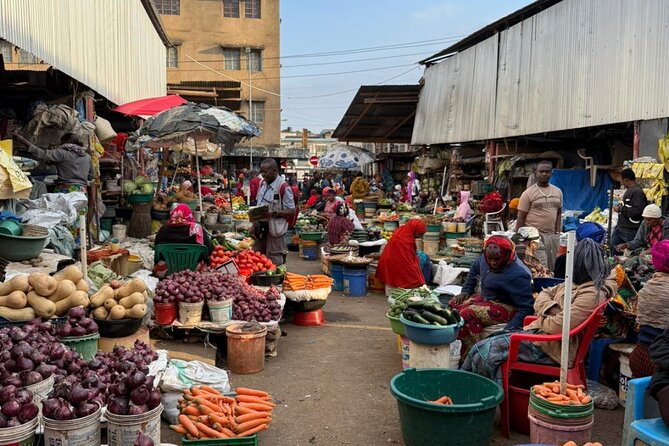
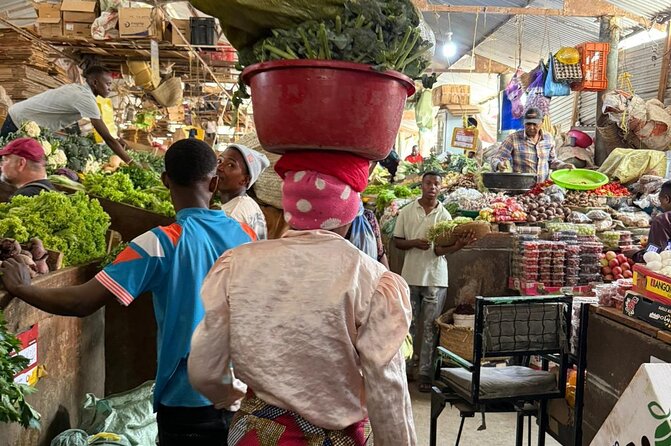
Food tours can sometimes feel like a string of tastings. This one begins before anything reaches the cooking pot. You visit a local central market and see the raw materials of everyday Tanzanian cooking, including fruits, meat, dry foods, and other basic ingredients.
The market visit lasts about 30 to 50 minutes. That gives you enough time to look around, take photos, ask questions, and watch daily buying and selling without turning the whole morning into a market expedition. I would use this time to ask about ingredients you do not recognize. The guides are there to explain what you are seeing, and the market is a useful place to connect food with ordinary life in Arusha.
You may also visit a smaller market to buy the exact items needed for the class. That second stop adds a practical touch. Instead of viewing food from the sidelines, you help select what will be cooked later. It also means the menu may have some flexibility, since the group discusses which dishes it wants to prepare.
Be polite when taking photos. You are allowed to photograph during the tour, but the market is a workplace, not a staged display. Ask before photographing individual sellers, especially when you are close to a stall.
More Market Food Tours in the world:
- Seoul Street Food Market Tour
★ 5.0 · 1,226 reviews - Venice Street Food Tour with Local Guide with Local Food Market Visit
★ 5.0 · 822 reviews - Cancun Street Food Tour with Food Stalls, Local Market and Murals
★ 5.0 · 723 reviews
Meeting Liroy, Israel, and the local cooking team
The guides are an important part of the experience. Liroy has been described as explaining the market and town in detail while staying alert to the busy movement around the stalls. That last point matters in a working market, where people may carry heavy loads through narrow spaces. A careful guide helps you enjoy the setting without getting in the way.
Israel may also help lead the food walk and cooking visit. The guides are available in English and are expected to answer questions about the ingredients and local life. This is not a lecture-heavy food course. The value comes from being able to stop, ask, and get a clear answer while you are looking at something in front of you.
The cooking chef may be Neema, who works with the guides and leads the hands-on preparation. The format is simple: she shows you a step, then you take over part of the work while she handles another task. That approach gives you something to do instead of leaving you seated while someone else cooks.
You may also have your photo taken while preparing food. The guides have been attentive about capturing these moments without being asked, which is useful if you are cooking alone or want a record of the class.
Cooking plantain, chapati, ugali, and vegetables
The main class lasts between one and three hours. The range is wide, so do not plan a tight appointment immediately afterward. The pace depends on the chosen dishes, the size of the group, and how much hands-on work you do.
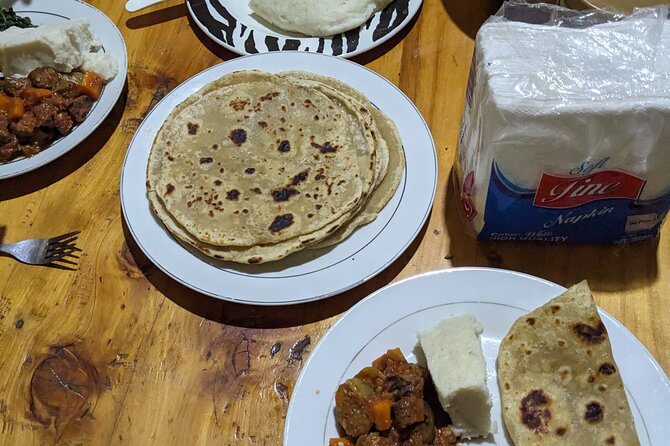
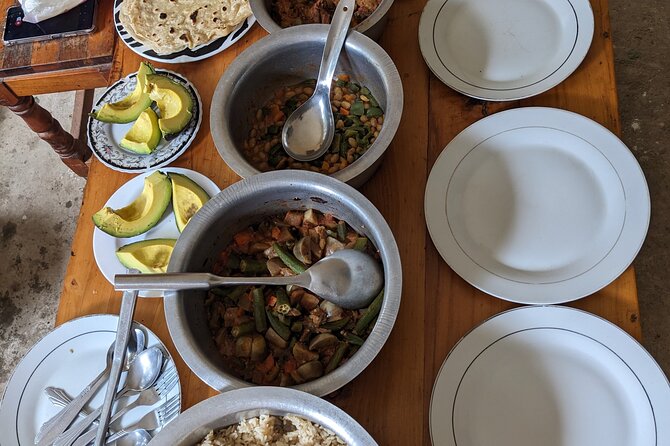
The food list includes plantain banana, chapati, ugali, and vegetables. You can generally choose three dishes from four common local options, although some sessions have prepared all four. If you enjoy meat, there may also be a stewed or barbecued dish.
Each item teaches a different part of Tanzanian home cooking. Plantain banana shows how a familiar fruit can become a savory side. Chapati requires more direct handling, since you help work and cook the dough. Ugali is a staple made by stirring a stiff mixture, and vegetables round out the plate with a simpler preparation.
You are not just watching a chef put lunch together. The chef demonstrates each stage, then lets you complete the task. This is especially useful if you want to repeat the dishes at home. The class is not described as a professional culinary course, so expect practical instruction rather than knife-skills training or a formal lesson on food science.
The stoves may be charcoal and propane. That detail is part of the appeal, since it gives you a closer look at how many local kitchens operate. It can also mean heat, smoke, and a slower pace than you would find in a modern cooking studio. Wear clothes that are comfortable and suitable for a working kitchen.
A simple home, not a polished studio
The class takes place in a small local house with a washroom. That setting gives the activity its strongest sense of place. You cook where a local family might prepare food, rather than in a room designed mainly for tourists.
I like this because the setting helps the food make sense. The meal is connected to a home, a kitchen, and the people preparing it. You can chat with the chef and guides while working, which often leads to a more natural exchange than a formal presentation.
The tradeoff is comfort. Facilities are basic, and the available information does not promise a large kitchen, air conditioning, or restaurant-style seating. If you need a highly polished culinary setting, this may feel too informal. If you want a close look at everyday cooking, the modest surroundings are part of the point.
One practical concern deserves attention: hygiene. Soap and water are available, but handwashing and cleaning of cutting boards may not be as thorough as you are used to in the United States or Canada. Meat is fully cooked, which reduces risk, but you should still wash your hands carefully and speak up if you have concerns. Anyone with serious food allergies should ask about ingredients and preparation before booking.
More Cooking Classes in the world:
- Florence: Cooking Class with Local Food Market Tour
★ 4.9 · 407 reviews - Street Food Cooking Class
★ 5.0 · 125 reviews - Busan Local Food Cooking Class with Market Tour
★ 5.0 · 53 reviews - Syracuse: Sicilian Street Food Hands-On Cooking Class
★ 4.9 · 38 reviews
The meal is the payoff
After the cooking, you sit down and eat what you prepared. This shared meal gives the class a clear purpose. You are not simply collecting recipes or watching a demonstration, you are tasting the result with the people who helped make it.
The food is described as fresh, approachable, and authentic to the local setting. Do not expect a fixed restaurant menu. The exact dishes depend on what the group chooses and what is bought at the market.
The meal can also become a social part of the day. You may eat with the chef and guides, chatting about the dishes, Arusha, and daily life. That relaxed table time is one reason this works well for people who prefer conversation and participation over a quick attraction visit.
Drinks are not included. Water may be obtained during the outing, and one account noted that beer was provided on request, but you should not count on that as part of the package. Bring or buy water if you need regular hydration, especially on a warm day.
If food remains, you may be able to pack some and take it back to your hotel. This is not guaranteed, but it can turn the class into a second meal and makes the $45 price feel better.
Is $45 a good value?
At $45 per person, this is a fair price if you value direct contact with local food and people. The fee covers hotel pickup and return in Arusha town, the market visit, ingredients, the chef-led class, and the meal. You are paying for a five-hour experience rather than a short cooking demonstration.
The market and meal make the price stronger. A cooking class alone might teach you a few recipes, but this outing adds transport, ingredient shopping, and the chance to learn how those foods appear in a local market. You also leave with recipes and skills that you can use at home.
The value is less convincing if you want a fast, highly structured activity. The class may last up to three hours, and one session took longer than expected. The simple home setting, basic facilities, and lack of included drinks also mean you should judge the experience by its personal contact, not by comfort or luxury.
For a solo visitor, the included pickup is useful. For a couple or small group, the shared cooking and meal can be a good way to spend part of an Arusha day before or after a safari. The activity is also a sensible choice if you have already seen the city’s main sights and want something hands-on.
What to wear and bring
Choose comfortable clothes and shoes. You will walk through a market, move around a kitchen, and possibly spend time near charcoal or propane heat.
Long pants are required in the practical information for the activity. They are also a sensible choice for a local market and a home cooking session. Avoid loose clothing that could get in the way near a stove.
You can take photos, but keep your camera or phone secure in the market and ask before photographing people. Weapons and sharp objects are not allowed, so leave those behind.
Bring extra water money, since drinks are not included. If you have dietary restrictions, tell the provider before the cooking begins. The available information confirms the basic menu and optional meat, but it does not promise vegetarian, vegan, halal, or allergy-specific arrangements.
Who will enjoy this Arusha food tour?
I would choose this for you if you like meeting local people, asking questions, and doing rather than simply watching. It suits curious eaters, home cooks, solo visitors, and couples who want a more personal activity in Arusha.
Families with older children may also enjoy it, provided everyone is comfortable with market walking and a basic home kitchen. Young children may find the class long, especially if preparation stretches toward three hours.
This is less suitable for anyone seeking a luxury food experience, a formal chef school, or a short activity with a fixed finish time. It is also not the best match if you are uncomfortable with basic hygiene conditions, charcoal cooking, or a menu built around common local ingredients.
The English-speaking guides make the activity workable for English speakers. The cooking itself is hands-on, but you should expect to communicate through the guide and chef rather than receive a printed, highly structured lesson plan.
Booking and timing tips
The advertised duration is five hours, with hotel pickup and return in Arusha town. Starting times vary, so check availability for the date you want. Give yourself a buffer after the activity because the cooking portion can last from one to three hours.
Pickup is intended for hotels in or near central Arusha. Confirm your hotel details when booking so the meeting arrangement is clear.
You can cancel up to 24 hours before the activity for a full refund, and you can reserve without paying immediately. Those options help if your Arusha plans may shift around safari schedules or other transfers.
The activity is operated by African Snarl Safari. Its overall rating is 4.9 from 12 reviews, with especially strong praise for the friendly guides, the market explanations, the chef’s patient instruction, and the social meal. The most useful caution is not about the food or the people, but about the simple facilities and slower pace.
Should you book it?
Book this tour if you want to understand Tanzanian food by shopping for it, preparing it, and eating it in a local home. The best parts are the Central Market walk, the chance to choose ingredients, and the hands-on work with a chef such as Neema.
Go in with realistic expectations. This is not a polished cooking school, drinks are extra, and hygiene standards may feel different from home. Allow the full five hours, wear long pants, and bring patience. If those conditions suit you, $45 buys a friendly, useful introduction to Arusha’s food and everyday cooking.
FAQ
Where does the tour begin and end?
Hotel pickup and drop-off are provided for hotels in Arusha town, near the city center. The experience begins and ends in Arusha.
How long does the activity last?
The listed duration is five hours. The market visit takes about 30 to 50 minutes, while the cooking class lasts between one and three hours.
What language is the tour conducted in?
The live tour guide and additional information are provided in English.
What food will I cook?
The cooking options include plantain banana, chapati, ugali, and vegetables. You may choose three common dishes, and an optional stewed or barbecued meat dish may be available.
Is a meal included?
Yes. You eat a meal made from the dishes prepared during the class. If food remains, you may be able to pack some to take to your hotel.
Are drinks included?
No. Drinks are not included in the activity price.
What should I wear?
Wear comfortable shoes, comfortable clothing, and long pants.
Can I cancel the booking?
Yes. You can cancel up to 24 hours in advance for a full refund. You can also reserve now and pay later.
More Workshops in the world
- Ao Nang: Hands-on Learn to Cook 3 Popular Thai’s street food
★ 4.8 · 417 reviews - Hungarian Langos Making Class: The No. 1 Street Food in Hungary
★ 5.0 · 55 reviews - Lisbon: Portuguese street food cooking class with Drinks
★ 4.9 · 37 reviews - Hanoi Egg Coffee Class and Street Food Walking Tour
★ 5.0 · 33 reviews
Just added around the world
- 1 Istanbul Tour: Highlights, Street Food & Hidden Pearls★ 5.0 · 9 reviews
- Evening Hyderabad Street Food Walk with Hyderabad Biryani★ 4.5 · 24 reviews
- Hyderabad Street Food Crawl (2 Hours Guided Food Tasting Tour)★ 4.0 · 5 reviews
- Japanese Street Food Class in Beech Grove★ 5.0 · 9 reviews
- Small-group Street food tour in Ischia★ 3.5 · 2 reviews
- Hyderabad : Evening Street Food Tasting with Guided Old City Tour★ 5.0 · 10 reviews
- Hyderabad Street Food Experience with Local Expert★ 4.5 · 2 reviews
- Hue Street Food On Foot (Daily Tour – Group Tour | 12 pax max)★ 5.0 · 15 reviews
Street Food Market Tours, compared.
Tokyo Tsukiji Fish Market Food and Culture Walking Tour
Read our review →
London Bridge & Borough Market Food Tour with 7 Authentic Dishes
Read our review →
Tokyo: Tsukiji Fish Market Food and Walking tour
Read our review →
Small Group Cooking Class & Market Food Tour in Florence
Read our review →
Tokyo: Tsukiji Fish Market Guided Walking Tour
Read our review →
Nishiki Market Brunch Walking Tour (7 Tastings + Brunch)
Read our review →
Food Market Visit and Cooking Class with Wine
Read our review →Browse the lists this tour appears in