
REVIEW · CHINA STREET FOOD TOURS
Beijing: Dumpling Making Workshop with Meal and Tea
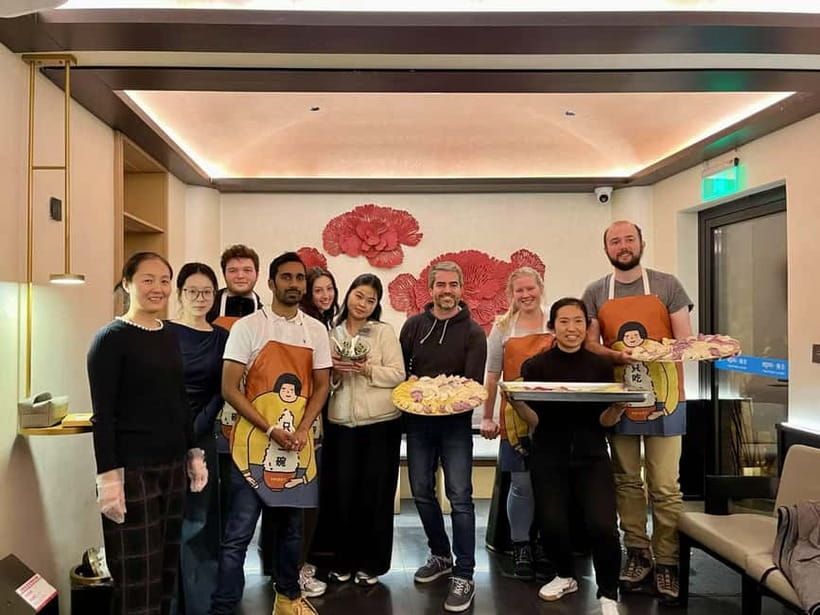
Beijing’s dumplings become much more interesting when you make them yourself. In this three-hour evening class, you learn to roll wrappers, fill them, and pinch them into several shapes before sitting down to eat. The dumplings carry plenty of meaning too, especially around Lunar New Year.
I like the patient English-speaking instruction and the generous meal that goes beyond the dumplings you prepare. I also like the easy social setting: tea, beer, shared dishes, and flour-dusted hands give you a relaxed way to meet people. One thing to check is how much dough and filling preparation your particular session includes, since some participants shaped prepared ingredients rather than making every part from scratch.
Key points to know before booking
- A 16:30 start leads into dinner, making this a useful evening activity after sightseeing.
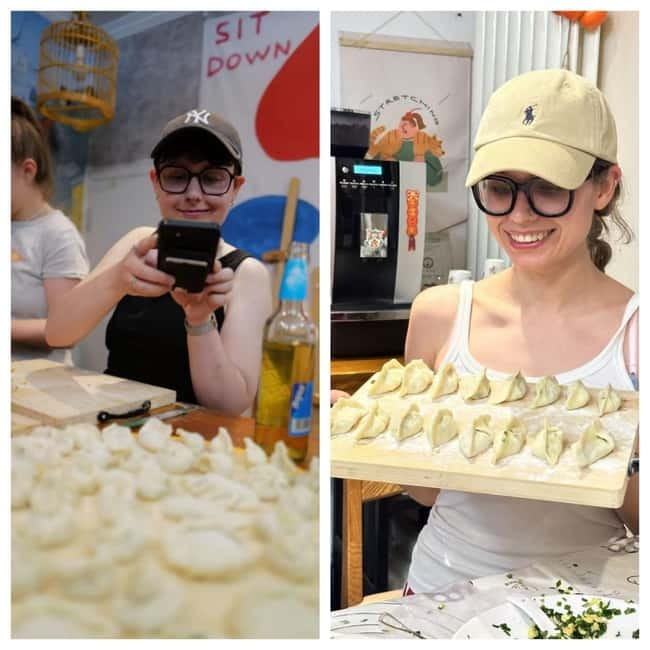
- You learn several folding methods, including how to hold the wrapper, add filling, and pinch the edges.
- The meal includes more than dumplings, with tea, beer, and other Chinese dishes served at the table.
- Hosts such as Jenny, Eric, Janine, and Heyang teach in clear English and are praised for patience and good humor.
- The class costs $35 per person, a fair price if you value both instruction and a full meal.
- Hotel pickup is not included, and people with food allergies should choose another activity.
Why a dumpling class fits Beijing so well
You can eat dumplings all over Beijing without ever learning what goes into them. This class gives you the missing middle step: the work, hand movements, family customs, and shared table that turn a familiar food into part of daily life.
Dumplings are linked with good fortune and togetherness, particularly during Lunar New Year. Their shape can suggest old Chinese currency, while the act of making many dumplings together suits a holiday built around family meals. The guide explains these ideas as you work, so the cultural talk stays connected to what is happening on the table.
That connection matters. Instead of listening to a long speech about Chinese food, you hear a short explanation and then use your hands. You can ask questions while rolling wrappers or waiting for the dumplings to cook. It is a simple way to get closer to Chinese home cooking without needing previous kitchen experience.
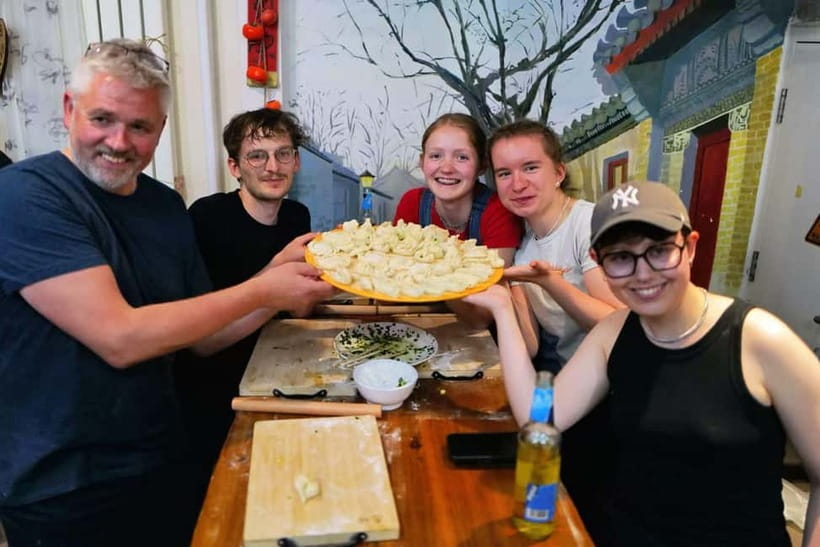
The setting also appears designed for conversation. You sit with other people, make food side by side, and share the final meal. If you are traveling alone, this may be an easier social evening than sitting by yourself in a restaurant. If you are with family, children or adults can take part at their own pace, though comfortable clothing is a sensible choice.
More Dumpling and Dim Sum Tours in China
Meeting the guide at 16:30
The scheduled start is 16:30, and the class lasts three hours. That timing makes it a natural dinner plan, not a rushed daytime stop. You can spend the earlier part of your day at a museum, palace, or market, then arrive ready to work and eat.
You meet at the hotel lobby rather than receiving hotel pickup. This is an important practical detail. The meeting information identifies a hotel lobby, and one participant noted that the Sacred Hotel was next to the map pin. Check your confirmation carefully before setting out, especially if you are unfamiliar with Beijing’s streets or using a translation app.
Give yourself extra time to find the exact entrance. Beijing addresses and map pins can be confusing, and one person missed the class after getting lost. The host tried to help with pickup and even delivered dumplings to the hotel, which shows generous service, but you should not count on that happening. Arriving early is the safer plan.
The class is offered in English, and clear instruction is one of its strongest practical features. Names connected with the teaching team include Eric, Jenny, Janine, Heyang, his sister, and other hosts. The exact instructor may vary, but the teaching style described across the sessions is patient, friendly, and step by step.
From flour to folded dumplings
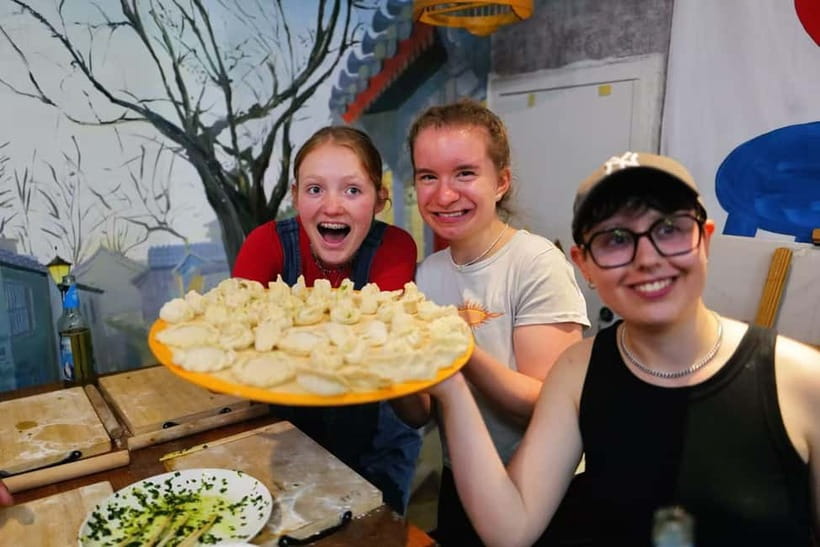
The advertised lesson includes kneading dough, preparing fillings, and shaping dumplings. You are shown how to roll the dough properly, place the wrapper in your hand, add filling, and pinch the edge in different ways. This is the part where the class earns its keep.
Folding looks easy when an experienced cook does it. Your first attempt may look more like a small pouch than the neat crescent you were shown. That is normal. The hosts are praised for demonstrating the movements slowly and helping people correct their grip without making the process feel like a test.
Several folding styles give you something useful to take home. You are not just copying one shape and moving on. You learn how pressure, moisture, and filling quantity affect the seal. The skill is modest but practical, and you can try it again in your own kitchen.
There is one qualification. The experience description says you learn to knead dough and craft fillings, but at least one session used premade filling and did not involve making the dough from scratch. Another participant specifically wished there had been more work with the fillings. If the ingredient preparation matters most to you, ask the operator what your session includes before booking.
This is not necessarily a flaw. Prepared ingredients allow more time for folding, conversation, and eating. Beginners may prefer that balance. But anyone hoping for a full pastry lesson should know that the emphasis may be on shaping rather than complete production from flour and raw ingredients.
Fillings, food preferences, and the cooking stage
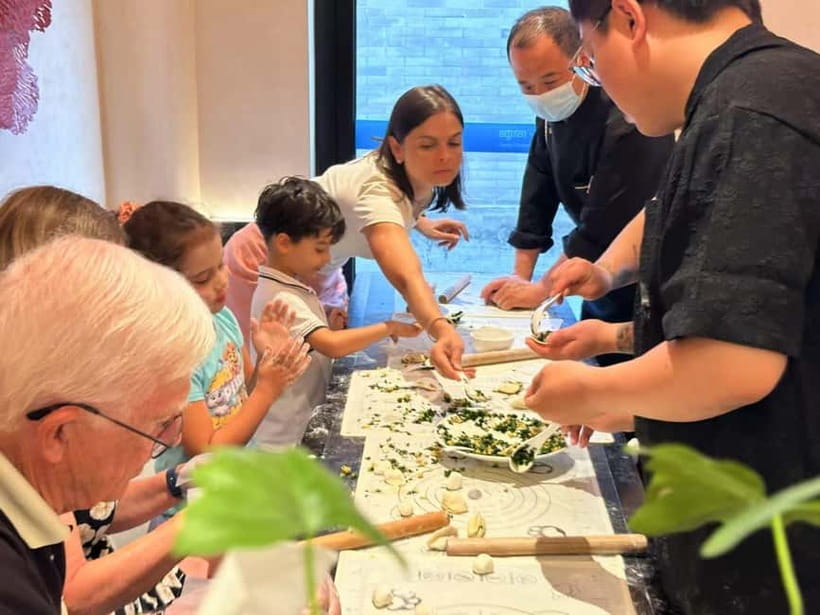
The fillings have been praised as tasty, and the class includes both meat and vegetable dumplings in at least some sessions. A vegetarian-friendly visit has also been reported, which is useful if your group has mixed preferences. Still, you should explain your needs clearly when booking because the activity is not suitable for people with food allergies.
The supplied information does not promise a specific filling menu. That is sensible in a cooking class, where ingredients may change. You can expect the guide to explain the ingredients used that day, but do not book this as an allergy-safe activity.
Once the dumplings are shaped, they are cooked in different ways. The meal may include boiled dumplings with a soft, silky wrapper and pan-fried dumplings with a crisp base. Seeing the same food prepared in more than one way helps you notice how cooking changes texture.
The cooking pause is part of the social rhythm. You can chat with the group while the dumplings boil or fry, then sit down when the food arrives. This is a pleasant change from a class that ends with a few bites and a quick goodbye.
More Dumpling and Dim Sum Tours in Beijing:
- 4-Hour Private Beijing Hutong Bike Tour with Dumpling Lunch
★ 5.0 · 13 reviews - Beijing Forbidden City, Summer Palace, Hutong and Dumpling Making
★ 5.0 · 10 reviews - 4-Hour Private Tour of Calligraphy Class, Hutong and Dumplings
★ 5.0 · 9 reviews - Dim Sum Breakfast&Tailored Beijing Highlights Tour-Pick Your Spot
★ 5.0 · 8 reviews
A full dinner, not just the dumplings you make
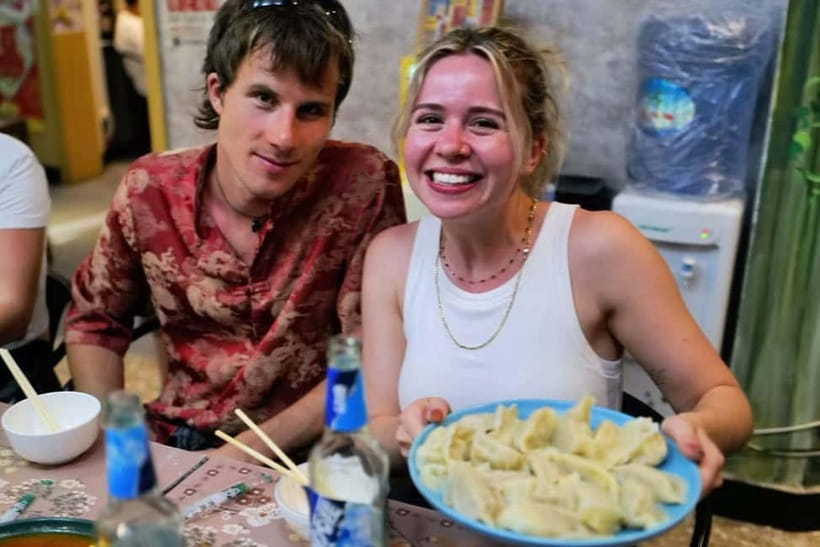
The meal is one of the strongest reasons to consider the $35 price. You eat the dumplings you helped prepare, but the table may also include several traditional dishes. Past meals have included kung pao chicken, tomato and egg, cabbage, breaded chicken, desserts, and other shared plates.
The exact menu is not fixed in the information provided, so treat those dishes as examples rather than a guarantee. The consistent point is that you receive more than a small tasting portion. Several sessions included plenty of food, along with water, juice, beer, and other beverages.
Tea is part of the meal and the cultural lesson. You are not simply handed a cup as an afterthought. The tea pairing helps slow down the meal and gives the table another shared subject. If you are curious about Chinese dining customs, this is a useful part of the evening.
Beer is also included, along with other drinks. That makes the meal feel generous for the price, though you should not assume every person at the table will want alcohol. Water, juice, and other beverages are available according to the supplied details.
The table is communal, so the evening works best if you enjoy sharing food and conversation. It is less suited to someone looking for a private, quiet dinner or a highly formal cooking school. Here the point is to eat together, compare folding attempts, and enjoy the company around you.
How the teaching style affects the evening
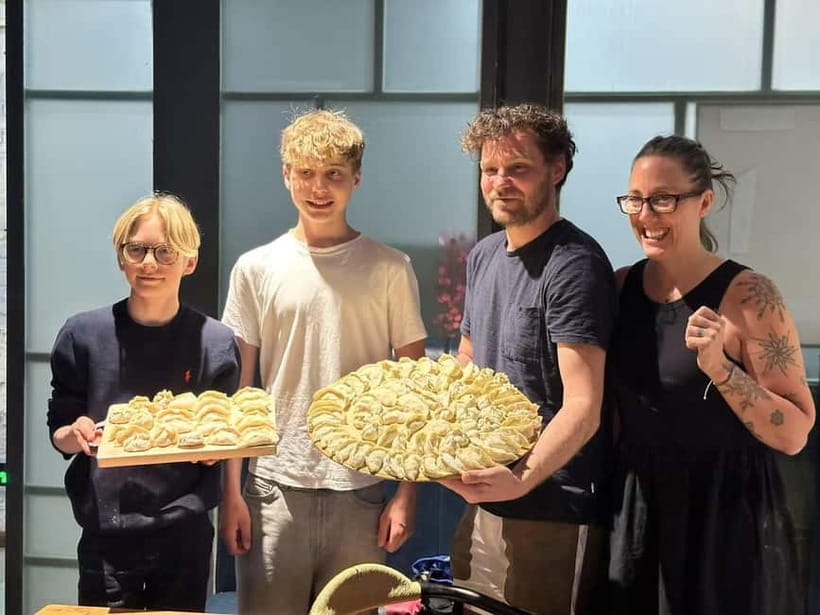
The hosts receive repeated praise for being friendly, patient, and easy to understand. Jenny is described as a fun teacher, while Janine is noted for clear English and a cheerful manner. Eric and Lan are praised for making people feel at home, and Heyang and his sister are credited with guiding beginners through the whole process.
Those details tell you what kind of class this is. You do not need to arrive knowing how to cook. The instructors expect uneven folds, answer questions, and keep the mood light. One participant who began with no dumpling-making experience left with folding skills they could use at home.
The class also has a local, personal feel. A session held in a traditional hutong was described as especially comfortable and welcoming. The exact venue may vary, so do not assume every booking takes place in the same hutong, but the setting can add a pleasant sense of place when available.
The English instruction is practical rather than academic. You learn through demonstration and repetition. That works well for food, since a hand position is often easier to understand when you see it than when you hear a long explanation.
Is $35 good value in Beijing?
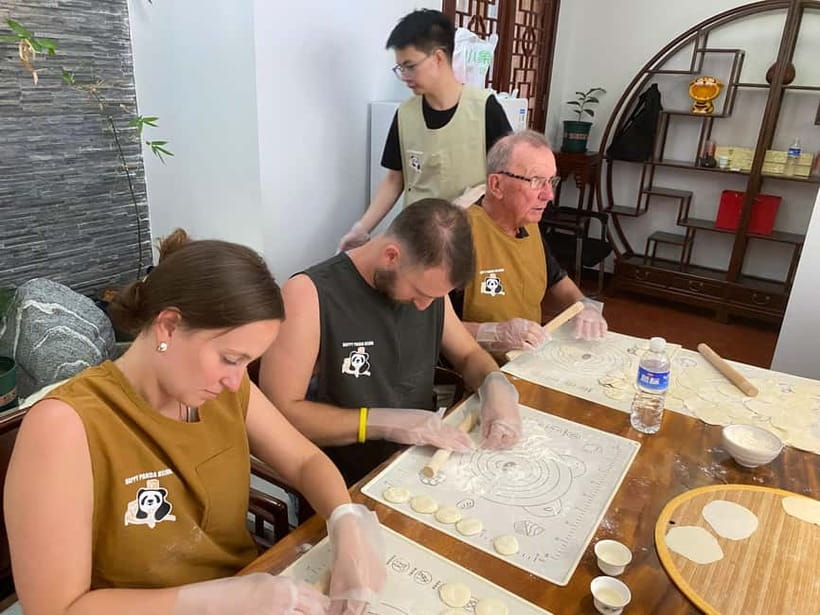
At $35 per person, I consider this a good-value evening if you want food, instruction, and a cultural activity in one booking. You receive a three-hour class, ingredients, tea, beer, other drinks, and a substantial meal. The price is not only paying for dumplings. It also covers the host’s time, the teaching, and the shared dinner setting.
The value is strongest for first-time visitors who want a break from sightseeing. A standard restaurant meal might cost less or more depending on where you eat, but it would not give you the folding lesson or the cultural explanation. A formal cooking class could offer more technical detail, but might not include such a broad communal dinner.
The value is weaker if you only want a full lesson in dough and fillings. Because at least one session used prepared ingredients, you should ask about the hands-on scope if that is your main reason for booking. You may still learn useful rolling and folding techniques, but the class does not promise the same level of ingredient preparation every time.
For families and couples, the shared format can make the price feel worthwhile. For solo visitors, the social side adds value. For anyone with strict dietary restrictions, the risk is not worth it because the activity is specifically marked as unsuitable for food allergies.
What to wear and what to bring
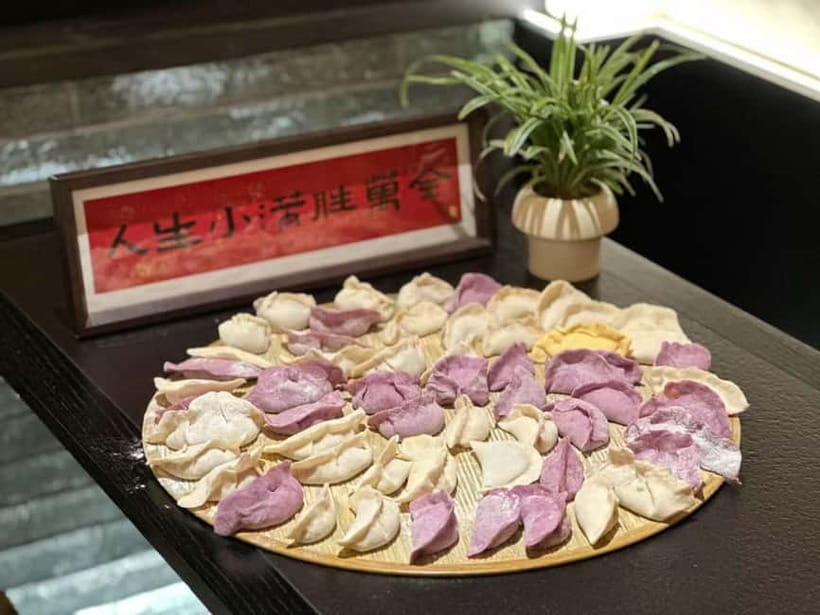
Wear comfortable clothes. You will handle flour, wrappers, fillings, and food, so this is not the evening for delicate clothing. You do not need to bring cooking equipment or ingredients, since the food supplies are included.
Smoking is not allowed. The class is wheelchair accessible, which is helpful, although you should still check the exact meeting route and venue details when booking if you need a particular arrangement.
The activity requires booking at least 12 hours in advance. That is easy to manage if you plan your Beijing days ahead, but it may not suit a last-minute change of mind. You can reserve now and pay later, and cancellation is free up to 24 hours before the start according to the supplied terms.
Who should book this class
I would recommend it to you if you want a hands-on cultural activity that ends with a real dinner. It suits beginners, couples, families, solo visitors, and anyone who likes learning through food rather than watching a demonstration from the side.
It is also a good choice if you have already seen several major sights and want an evening with a slower pace. The class gives you something to do with your hands, a chance to talk with locals, and a meal that introduces more than one Chinese dish.
You should think twice if you have food allergies, need a strictly controlled menu, or want advanced instruction in dough fermentation and filling design. You should also confirm the meeting point if navigating Beijing is difficult for you, since transportation to and from your hotel is not included.
Should you book the Beijing dumpling class?
Book it if you want a friendly, food-centered evening for $35, especially if a full meal and tea matter as much as the cooking lesson. The strongest parts are the patient English instruction, several folding techniques, generous shared dishes, and the chance to hear why dumplings matter in Chinese culture.
Before paying, confirm two details: the exact hotel lobby meeting point and how much dough and filling preparation is planned for your date. With those expectations clear, this is a warm and practical way to spend three hours in Beijing, with dinner already taken care of.
FAQ
How long does the dumpling-making activity last?
The class lasts three hours and starts at 16:30.
What does the $35 price include?
The price includes the three-hour dumpling class, all dumpling ingredients, tea with the meal, and other foods and beverages, including beer.
Is hotel pickup included?
No. You meet at the stated hotel lobby, but hotel pickup and drop-off are not included.
Is the class taught in English?
Yes. The instructor language is English, and the hosts provide step-by-step demonstrations.
Is the activity suitable for people with food allergies?
No. The activity is marked as not suitable for people with food allergies. A vegetarian-friendly session has been reported, but you should confirm your needs before booking.
Can I cancel or pay later?
You can reserve now and pay later. Cancellation is free up to 24 hours before the activity for a full refund, according to the supplied booking terms.
More Workshops in Beijing
- China’s Favourite Street Food Cooking Workshop
★ 5.0 · 16 reviews - Private Hutong Culture Tour with Dumpling Cooking Class plus Cricket Fighting Game
★ 5.0 · 5 reviews - Beijing: Private Dumpling Cooking Class in Local Family
★ 5.0 · 3 reviews - Dumpling Cooking Class and Local Market Tour
★ 5.0 · 3 reviews
Just added around Beijing
- Street Food in Beijing Hutongs by Bike★ 5.0 · 11 reviews
- Private Hutong Culture Tour with Dumpling Cooking Class plus Cricket Fighting Game★ 5.0 · 5 reviews
- 4-Hour Private Tour: Lama Temple, Confucius Temple, Guozijian Museum with Dim Sum★ 5.0 · 21 reviews
- Beijing: Private Dumpling Cooking Class in Local Family★ 5.0 · 3 reviews
- Private Customized Beijing Night Tour To Wangfujing Food Street And Pipe Hutong★ 4.0 · 5 reviews
- Private Beijing Night Tour with Mr. Shi’s Dumplings, Great Leap Brewing and Houhai Lake★ 4.5 · 5 reviews
- Private Beijing Tour: Forbidden City, Mutianyu Great Wall, and Dumpling Lunch★ 5.0 · 7 reviews
- Hutong Calligraphy Crafts and Dumpling Making in a Local Home★ 5.0 · 2 reviews
China Street Food Tours, compared.
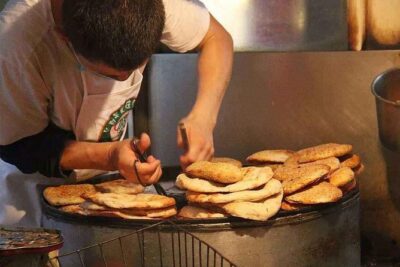
Authentic Local Food Tour in Central Shanghai
Read our review →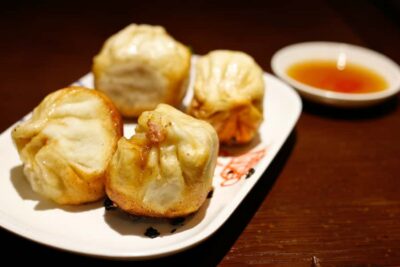
Xi’an: Great Tang Dynasty Night Show & Dumpling Meal Option
Read our review →
Small Group Kowloon Michelin Rated Street Food and Culture Tour
Read our review →
The 10 Tastings of Hong Kong With Locals: Private Street Food Tour
Read our review →Browse the lists this tour appears in