
REVIEW · GREECE STREET FOOD TOURS
Chania: Old Town Highlights Guided Tour with Street Food
Chania’s best introduction may come with a pastry in one hand and a piece of Cretan cheese in the other. This four-hour walk moves from the market and Bougatsa Chania into the Old Town, linking Venetian lanes, Ottoman traces, local shops, and generous food stops.
I like two things here: the food is substantial, not just a token bite, and the guide helps you understand why Cretan food is tied so closely to family life, farming, trade, and local custom. The second plus is the flexible human touch. Guides such as Manos, Aria, Eleni, Adonis, Goldy, and Antonis have been praised for adjusting the pace, answering questions, and sharing practical places to eat after the tour.
The catch is simple: this is a four-hour walk over narrow cobbled streets, with no hotel pickup. It is not suitable for wheelchair users or people with mobility impairments, and the tour is specifically not suitable for people with gluten intolerance. Come hungry, but bring only a small bag.
Key points to know before booking
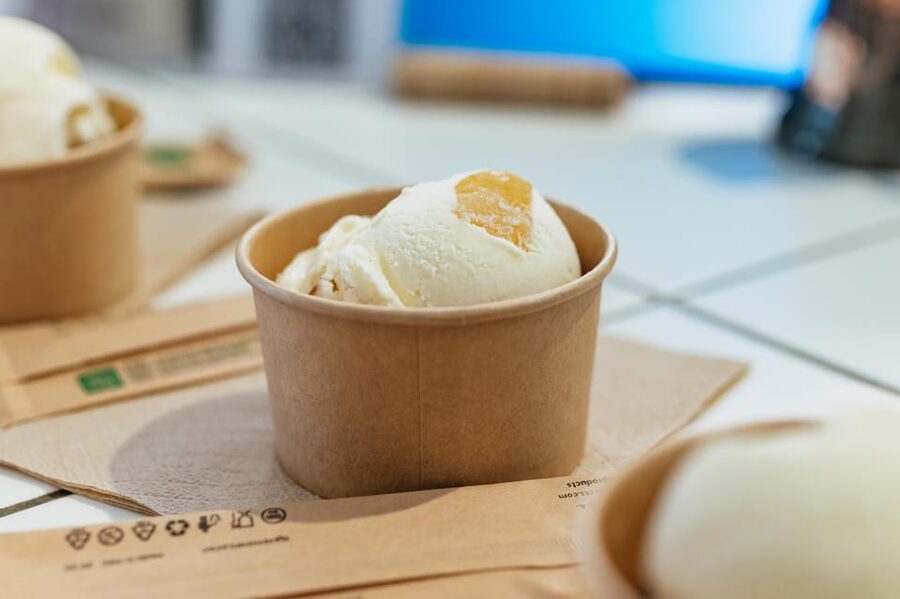
- More than a snack tour: Tastings can include bougatsa, cheeses, olives, honey, olive oil, breads, pies, dips, meatballs, baklava, ice cream, liqueurs, and a final Cretan meal.
- A useful first-day activity: You get a practical orientation to Chania, plus restaurant and food suggestions for the rest of your stay.
- History stays connected to the streets: Venetian, Renaissance, and Ottoman influences are explained while you walk past buildings, shops, the harbor area, and old lanes.
- Small-group or private options: A smaller group can make it easier to ask questions and discuss dietary needs, though gluten intolerance is excluded.
- Meet at Bougatsa Chania: Hotel pickup and return are not included, so plan your route to the meeting point.
- Four hours is a serious commitment: Wear comfortable shoes, use sunglasses in the bright weather, and do not plan a large meal immediately afterward.
Starting at Bougatsa Chania with a local pastry
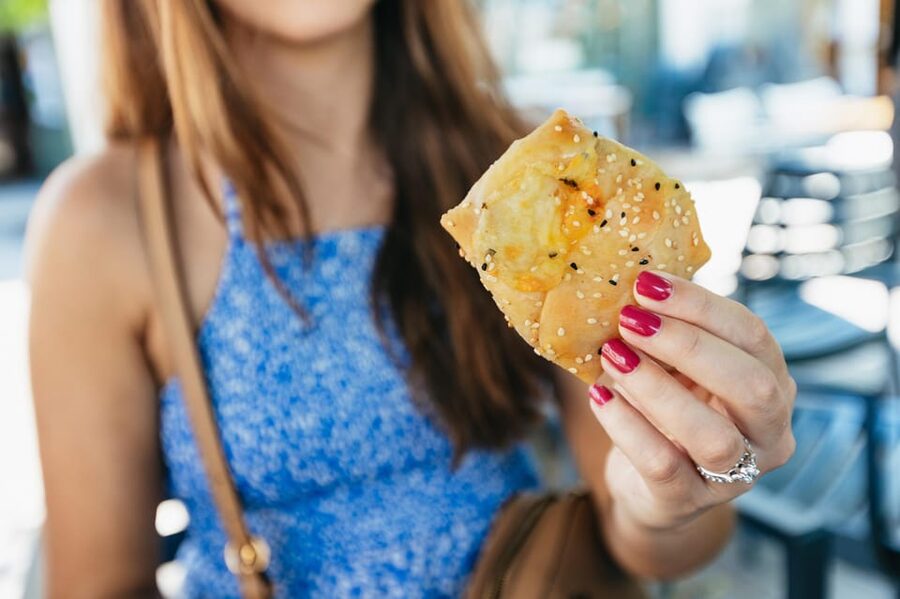
The meeting point at Bougatsa Chania gives the tour a fitting start. Bougatsa is a familiar Greek pastry, and here it serves as an early taste of the food-centered approach. One guide took the group close to the shop making the pastry, where the skill involved in preparing it could be seen rather than simply described.
That small detail matters. A food tour is more useful when it shows you the people and places behind the dish. You are not only told that a pastry is traditional. You begin to see how a local bakery fits into everyday Chania.
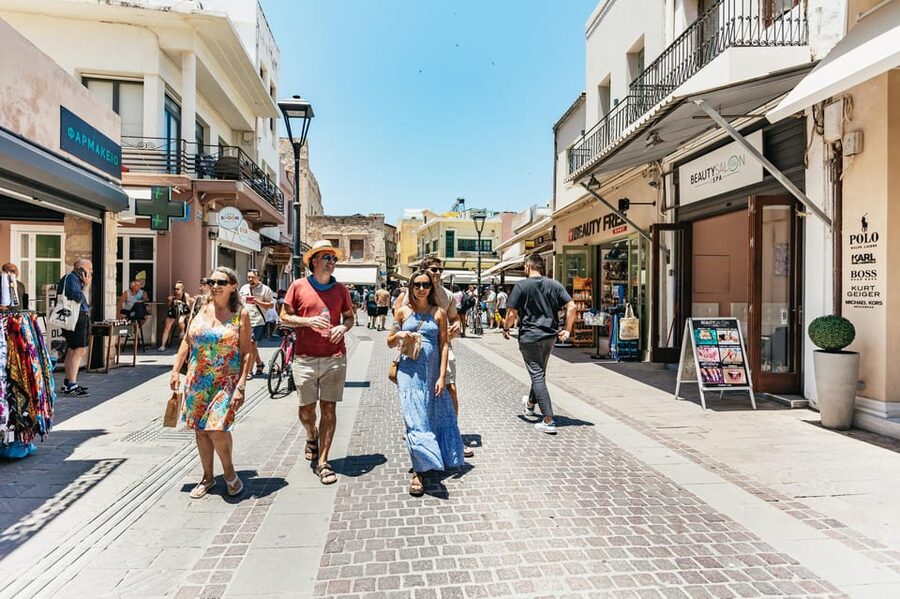
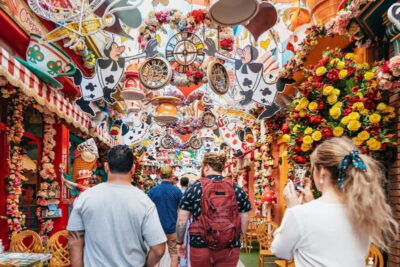
From here, the route moves through the market and toward the Old Town. The walk is on foot, with no vehicle transfer to break up the experience. That keeps the focus on doorways, signs, narrow lanes, storefronts, and the changing feel of the city as you move from ordinary local commerce into the more historic center.
The exact order of stops can vary with the guide and group. That is a benefit rather than a problem. Guides have adjusted the pace and route to suit the people in front of them, and a private booking should give you the most room for personal questions and requests.
A few more street food tours around Greece worth a look
- Athens: Guided Greek Food Walking Tour with Tastings
★ 4.9 · 2,859 reviews - Corfu Town: Guided Walking Tour and Local Food Tastings
★ 4.9 · 313 reviews - Rethymno: Cretan Wine Tasting Guided Tour with Local Food
★ 4.8 · 133 reviews
Chania’s Old Town, read through three eras
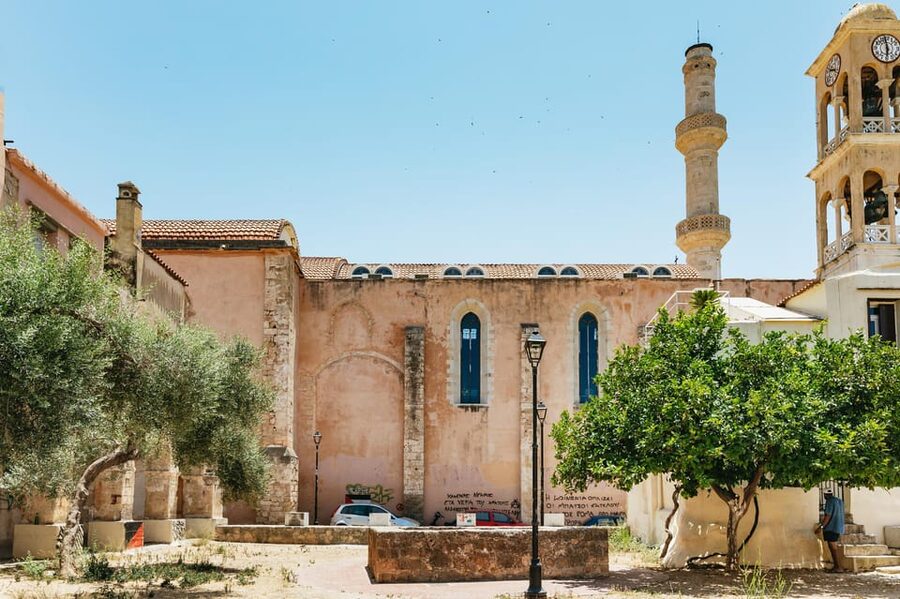
Chania can look like a pretty harbor city at first glance, but the Old Town makes more sense when you see the layers beneath the postcard view. Your guide explains the Venetian past, the Renaissance influence, and the later Ottoman presence while you walk through the streets.
The Venetian period is especially visible in the architecture and the layout of the historic center. Rather than treating history as a list of dates, the guide connects it to the buildings and lanes around you. You can pause at landmarks, look closely at details, and ask how the city changed as different powers shaped it.
The Ottoman influence adds another layer to the story. The walk helps you see Chania as a city formed by contact between cultures, not simply as an old Venetian quarter preserved for visitors. The value is in the explanation, since many architectural details are easy to pass without context.
The tour also includes the harbor area and places used by local craftspeople. Depending on the route, you may see a knife maker, rug maker, or filo maker. These are not just shopping stops. They give the walk a link to working traditions and show how local skill survives alongside restaurants and souvenir shops.
I would not book this as a substitute for a detailed museum tour. The history is presented in an informal walking format, with food and daily life sharing equal billing. That is ideal if you want a strong overview, but less suitable if your main goal is specialist architectural study.
Market tastings: olive oil, cheese, honey, and local pantry goods
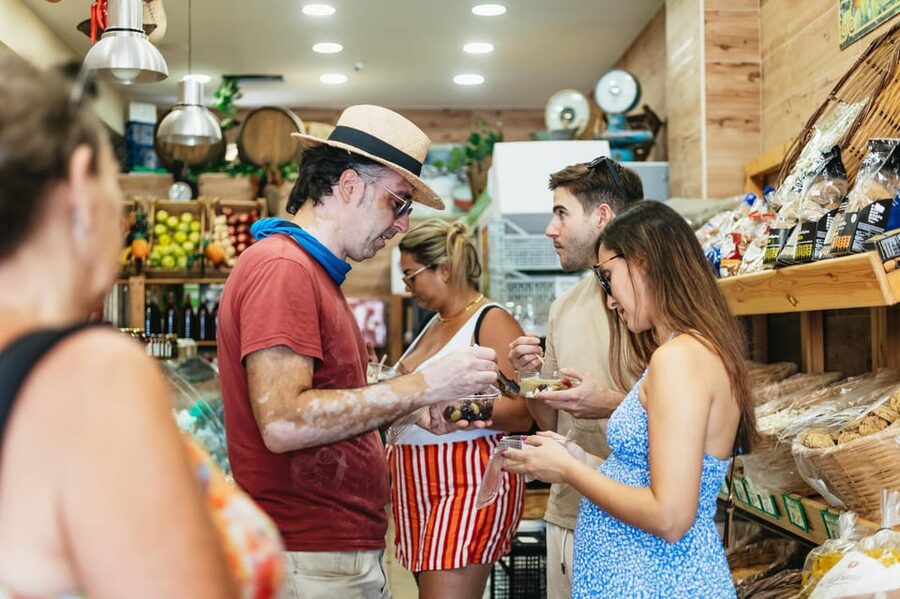
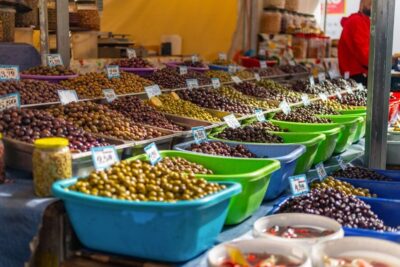
The market and food shops are where the tour becomes especially practical. You may stop at places selling wine, olive oil, cheese, herbs, spices, olives, honey, spreads, and other Cretan products. The guide explains what you are tasting and how these ingredients fit into local cooking.
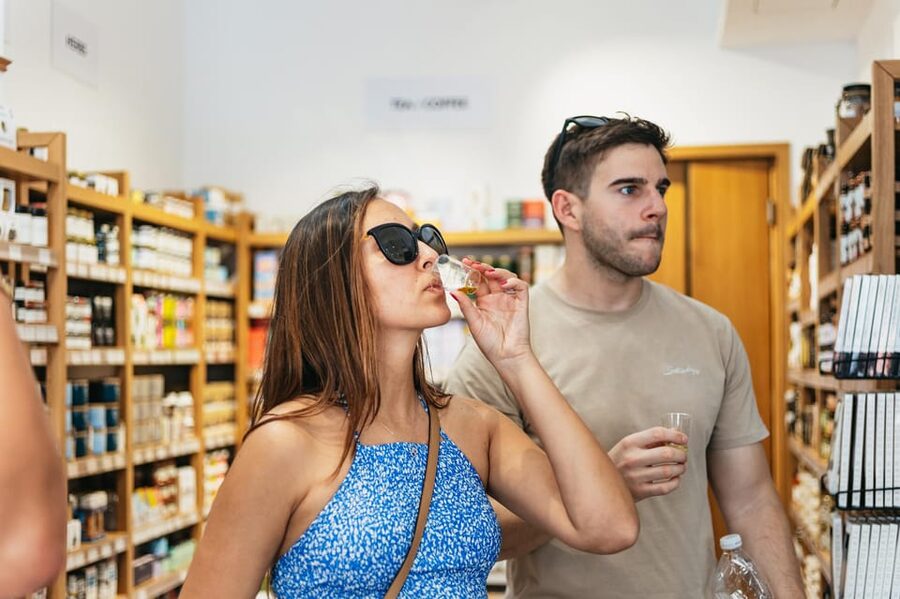
A specialized grocery stop has included samples of several olive oils, honeys, pistachio butter, balsamic glaze, and other products. This kind of tasting gives you a better sense of Cretan food than a single plate in a restaurant. You can compare textures and flavors, then decide what you actually want to buy.
The olive oil tasting is useful for shoppers. Crete is closely linked with olive cultivation, and a guided tasting can help you pay attention to aroma, bitterness, and peppery notes instead of treating every bottle as the same. The same goes for honey, herbs, and cheese. You get a chance to ask questions before spending money on edible souvenirs.
One important point: the quantity can be surprisingly large. Several people have needed to warn future participants not to eat breakfast. This is not a tour built around tiny samples placed on a toothpick. The tastings may add up to a full meal, especially once pastries, savory dishes, and a final lunch are included.
If you have allergies, tell the guide before the tour begins. Manos in particular has been praised for handling food allergies and making adjustments. Still, the official conditions exclude people with gluten intolerance, so this is not the right choice if avoiding gluten is essential.
Street food with real portions
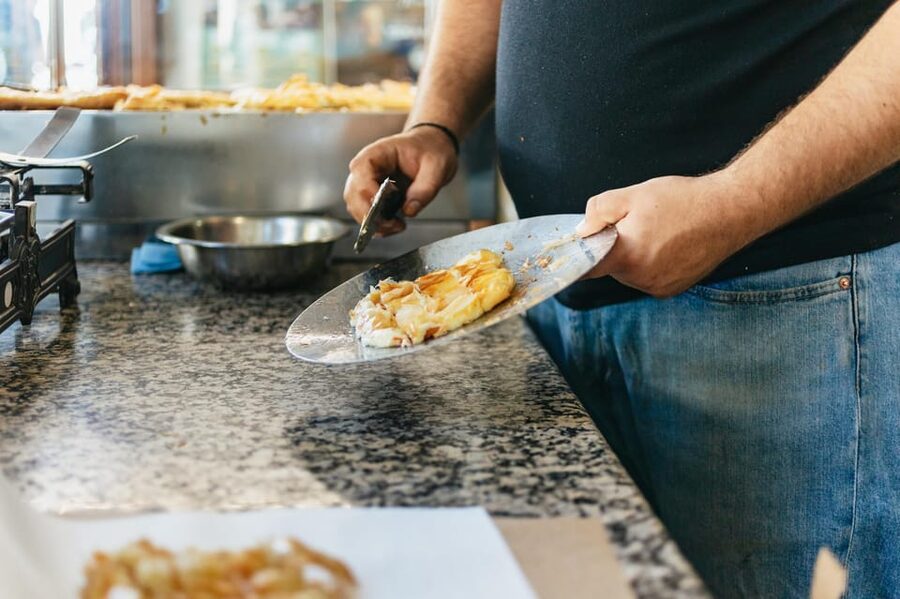
The food route can include an impressive range of Cretan and Greek favorites. Past tastings have included bougatsa, local pies, breads, olives, cheeses, dips, meatballs, baklava, ice cream, liqueurs, honey, and olive oils. You may also finish with a sit-down Cretan meal under trees or in another pleasant setting.
The variety is one of the tour’s strongest features. You move from sweet to savory, from bakery food to pantry ingredients, and from quick samples to a fuller meal. It gives you a broad introduction to the island’s cooking without asking you to choose one restaurant and hope for the best.
The food is not presented in isolation. Guides explain the background of the ingredients and dishes, along with the way food connects to local life. Aria, Eleni, Alma, Manos, and others have been praised for explaining both language and food, which can make an unfamiliar dish easier to understand.
Still, taste is personal. One participant found the cultural stops and the guide stronger than some of the food itself. That is a fair caution. The tour offers many tastings and generous portions, but not every bite will be equally memorable for every palate.
You should also think about the pace. Four hours with repeated food stops can feel leisurely and social, but it will not suit you if you prefer a brisk sightseeing walk. The food is part of the schedule, not an extra added on at the end.
Same city, a different plate:
- Greek Food Walking Tour in Athens
★ 5.0 · 4,740 reviews - Athens: Street Food Tasting Tour
★ 4.9 · 3,343 reviews - Athens: Food Market Visit and Cooking Class with Wine
★ 4.9 · 1,087 reviews - Athens Authentic Greek Food Walking Tour (Small Group)
★ 5.0 · 809 reviews
Why the guide matters so much
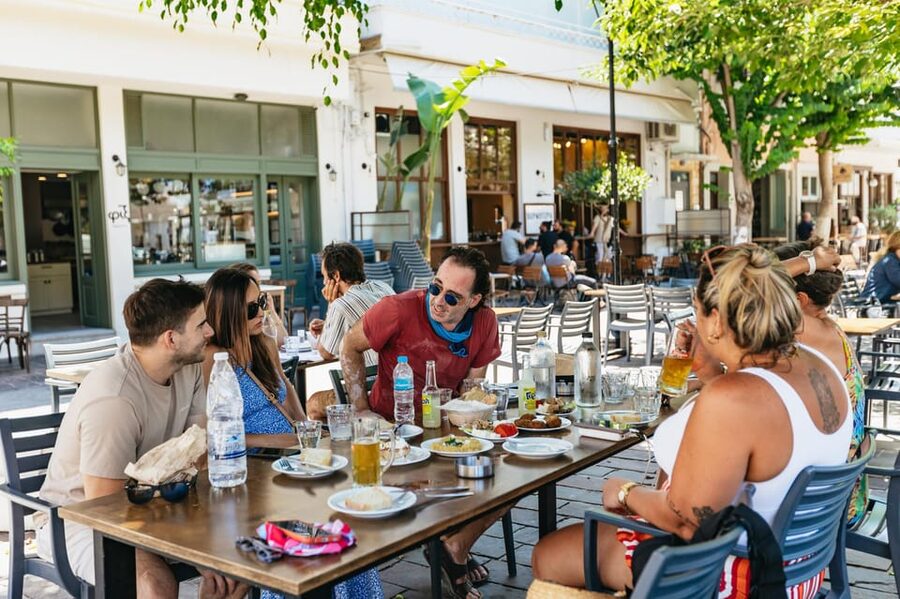
The route is only half the experience. The guide determines how much history you absorb, how comfortable the group feels, and how useful the food advice becomes afterward.
The strongest guide descriptions center on warmth, humor, local pride, and the ability to explain without making the walk feel like a lecture. Manos has been praised for telling stories that hold attention and for explaining Greek history and everyday life. Aria has been described as energetic and passionate about Chania’s food and culture. Eleni has been praised for warmth, detailed explanations, and follow-up recommendations.
Adonis and Antonis have been noted for a relaxed pace and thoughtful guidance. Goldy has been praised for being calm and attentive to individual needs. These details matter if you are booking early in your stay, because a good guide can help you decide where to eat and what else to see in Crete.
Languages listed for the tour are English, Greek, and Spanish. Private and small-group formats are available. A shared group gives you the social side of the experience, while a private option is better if you want to ask many questions or move at a particular pace.
The group setting can also add to the fun. One account describes eating and laughing with people from several countries. That is not guaranteed, of course, but food naturally makes conversation easier than a formal sightseeing tour.
The best timing: make it your first day in Chania
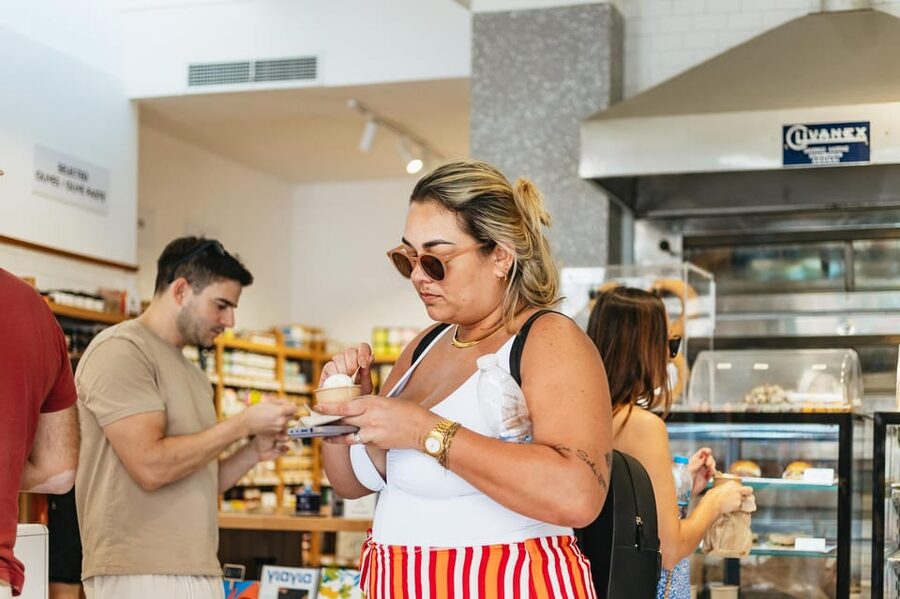
I would place this tour near the start of your stay. You get a map in your head before exploring alone, and the guide can point out places you might otherwise miss. Several guides have also offered restaurant suggestions and ideas for further exploration after the walk.
This is particularly useful if you have only one day in Chania. A cruise passenger with limited time used the tour as a way to combine the main Old Town sights with local food. It gives you a broad look at the city without requiring separate bookings for a food tour and a history walk.
The tour also works well on the first morning, provided you accept the food warning. Do not eat a full breakfast. Coffee or herbal tea is included, but the tastings may include enough food to carry you through much of the day.
The weather matters. Chania can be bright and warm, so sunglasses are listed as an item to bring. Comfortable shoes are more important still. Narrow streets and cobbles are part of the setting, but they can be tiring over four hours.
Price, group size, and practical value
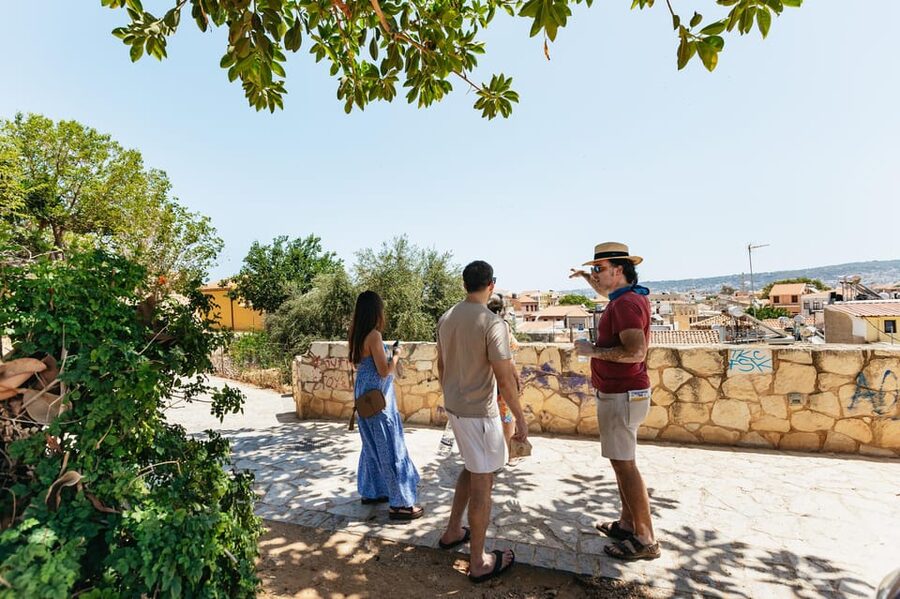
At $106 per person, this is not a cheap orientation stroll. Its value depends on how much you want to eat, ask, and learn in one booking.
The price includes a local guide, the walking tour, savory Cretan street-food tastings, and coffee or herbal tea. The food can be generous enough to replace breakfast and lunch, which changes the calculation. You are also paying for access to local shops, explanations of ingredients, and a guide who can help shape the rest of your visit.
A cheaper self-guided day is possible. You could walk the Old Town, buy pastries, visit market stalls, and choose a restaurant on your own. The tradeoff is that you would need to make those choices yourself, and you might not learn which places locals favor or how the food connects to the city’s past.
The tour offers free cancellation up to 24 hours before the start, plus a reserve-now-and-pay-later option. Those terms are useful if your plans may shift. Hotel pickup is not included, and large bags or luggage are not allowed, so arrive at the meeting point ready to walk.
The 4.9 rating from 407 reviews suggests a very strong record, but I would read the format correctly. The high praise focuses most often on the guides, the amount of food, and the balance between culture and eating. If you want a quiet, short sampling session, this may feel too long and too filling.
Who should book this Chania food walk?
You should consider it if you:
- Want a broad first look at Chania Old Town
- Enjoy trying many foods rather than ordering one meal
- Like history explained through streets, buildings, and daily life
- Value restaurant and shopping advice from a local
- Are comfortable walking for four hours on narrow, uneven streets
- Have only a short time in Chania
- Prefer a small group or private setting
I would skip it if you have gluten intolerance, use a wheelchair, have a mobility impairment, or dislike large meals. The tour is also not ideal for anyone who wants a tightly timed list of major monuments with little stopping.
For families, the format can work if children enjoy tasting new food and walking. A 10-year-old joined one tour successfully, but children who tire quickly may find four hours demanding. A private booking gives families more control, if available for their date.
Should you book the Chania Old Town street-food tour?
Book it if you want Chania explained through food, local stories, and a generous walk through the Old Town. The best reason to choose it is the combination: you can taste olive oil, honey, cheese, pastries, and prepared dishes while learning how Venetian, Renaissance, and Ottoman influences shaped the city.
I especially like it for the first day of a visit. You get bearings, a meal, and practical advice in one outing. Just arrive hungry, wear sturdy shoes, leave the suitcase behind, and keep your expectations realistic: the guide and cultural context may be as important as any single dish.
FAQ
Where does the Chania Old Town tour meet?
Meet your guide at Bougatsa Chania. Hotel pickup and drop-off are not included.
How long does the tour last?
The walking and food tour lasts four hours. Starting times depend on availability when you book.
What food is included?
The tour includes savory Cretan street-food tastings, with coffee or herbal tea. Tastings described for the route have included bougatsa, cheeses, olives, honey, olive oil, breads, pies, dips, meatballs, baklava, ice cream, and liqueurs.
Which languages are available?
The live guide is available in English, Greek, or Spanish.
Can I book a private tour?
Yes. Private and small-group options are available.
Is the tour suitable for people with gluten intolerance or mobility impairments?
No. The activity is not suitable for people with gluten intolerance, mobility impairments, or wheelchair users. Comfortable shoes are recommended, and large bags or luggage are not allowed.
Just added around Greece
- Premium Cretan Olive Oil Tasting, Wine, Raki and Local Food Tour★ 5.0 · 17 reviews
- Street food walking Heraklion tour★ 5.0 · 14 reviews
- Private Chania Old Town Food Walking Tour★ 5.0 · 5 reviews
- Private History, Sights, and Food Walking Tour of Chania City★ 5.0 · 2 reviews
- Taste Corfu: Private Corfu Food Walking Tour★ 5.0 · 82 reviews
- Athens Sights Highlights on eBike Tour with Local Food & Drinks★ 5.0 · 13 reviews
- Classic Athens Food Tour with Local Drink & Market Visit★ 5.0 · 34 reviews
- Piraeus Street Food Walking Tour★ 5.0 · 20 reviews
Greece Street Food Tours, compared.
Food Market Visit and Cooking Class with Wine
Read our review →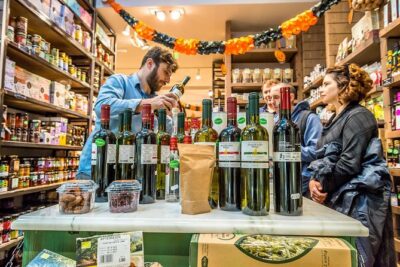
Athens Authentic Greek Food Walking Tour (Small Group)
Read our review →
Browse the lists this tour appears in