
REVIEW · DUBAI STREET FOOD TOURS
Walking Tour in Dubai. Souks, museums, Local Food Testing
Dubai’s polished skyscrapers get most of the attention, but this tour takes you to the older Dubai, where wind towers, coffee museums, textile stalls, and spice counters tell a more useful story about the emirate. You walk through Al Fahidi, cross Dubai Creek by a small abra, and finish among the gold shops of Deira.
I like the mix of history and everyday market life, rather than a parade of photo stops. I also like the price: $24 covers a guide, the boat ride, bottled water, street-food tasting, camel milk tea, and camel milk chocolate. The main drawback is the pace. Three hours includes a lot of walking, and this is not a good fit for wheelchair users or people with mobility limits.
Key points at a glance
- Al Fahidi sets the scene: See old Arabian-style buildings now used for museums, galleries, cultural venues, and the coffee museum.
- The abra ride adds real local transport: Cross Dubai Creek in about five minutes instead of simply viewing the water from shore.
- Gold and spice souks provide the strongest sensory moments: Expect bright displays, strong aromas, and plenty of chances to browse.
- Local tastes are built into the price: Camel milk tea, camel milk chocolate, street food, and bottled water are included.
- Guides make a major difference: Abdullah and Ikram have led particularly warm, informative tours, according to the named booking comments.
- Come ready to walk: Comfortable shoes matter, and large bags or luggage are not allowed.
Why Old Dubai is the right place to start
This is a tour about contrast. In one morning or afternoon, you move from restored traditional houses to the Creek, then from cloth and spices to the glitter of the Gold Souk. That change of mood helps you understand Dubai as a trading town before it became a global city.
The tour begins at Sharaf DG Metro Station, Exit 4. From there, you walk toward Al Seef, a waterfront district designed around older Dubai styles. You get a short photo stop and guided visit here, then continue into Al Fahidi.
The meeting point is useful if you are already using the Metro, but you should arrive ready to walk rather than expecting a vehicle to carry you between stops. The route is on foot for most of the first half, with only the abra crossing providing a ride.
More Street Food Walking Tours in Dubai:
- Dubai: Old Town Walking Tour with Abra Cruise & Street Food
★ 4.9 · 71 reviews - Local Street Food and Guided Walking Tour of Dubai Old Town
★ 5.0 · 37 reviews - Old Dubai Walk, Souk, Street Foods, Al Fahidi and Al Seef Tales
★ 4.0 · 9 reviews
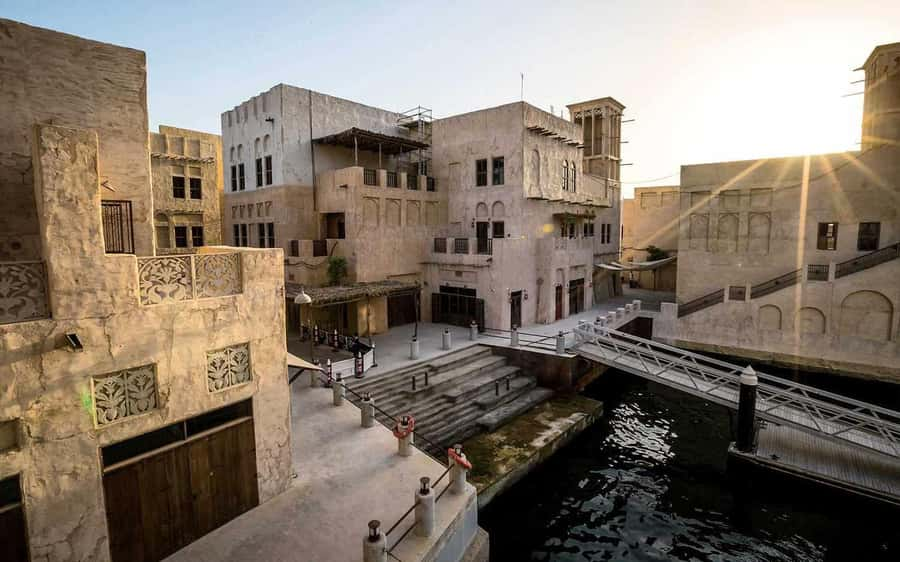
Al Seef and Al Fahidi: Dubai before the towers
Al Seef gives you an early look at Dubai’s older visual language. The area is known for traditional-looking architecture and its position beside Dubai Creek, so it works as a gentle introduction before the more historic-feeling lanes of Al Fahidi.
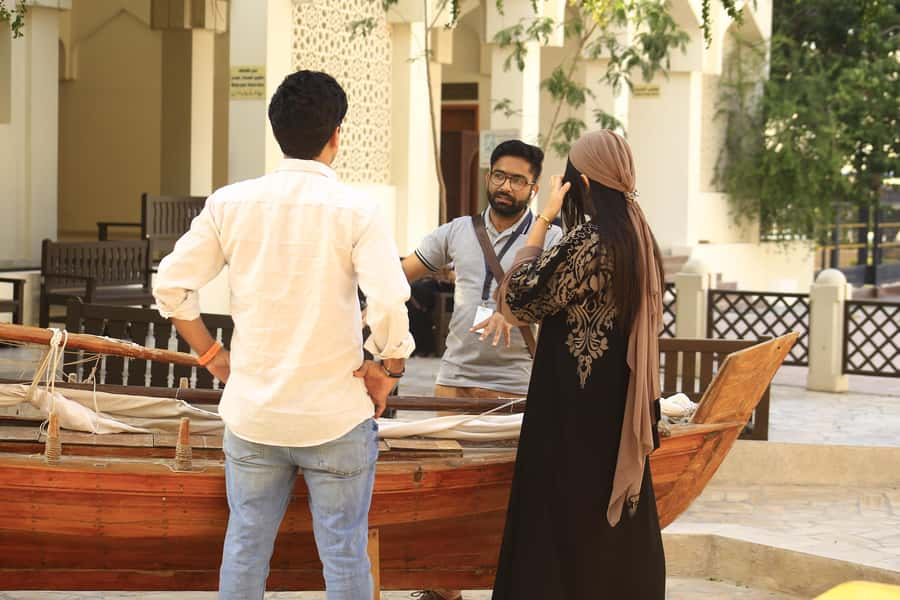
The main stop is Al Fahidi District, where the tour spends about 50 minutes. You can expect narrow passages, old-style façades, wind towers, and buildings now used as museums, art galleries, event spaces, and cultural centers. The point is not simply to photograph a pretty wall. Your guide connects the buildings with the daily life and trading past of the emirate.
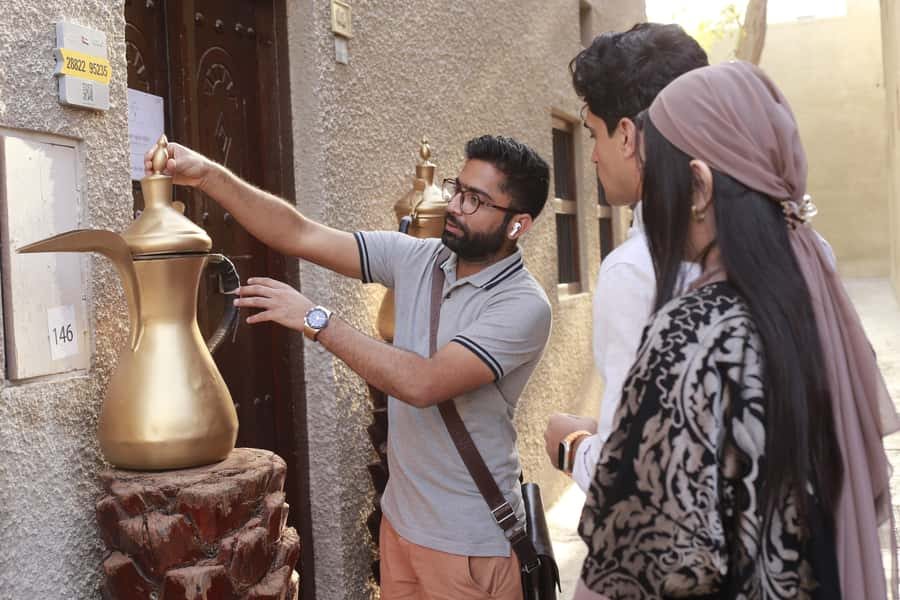
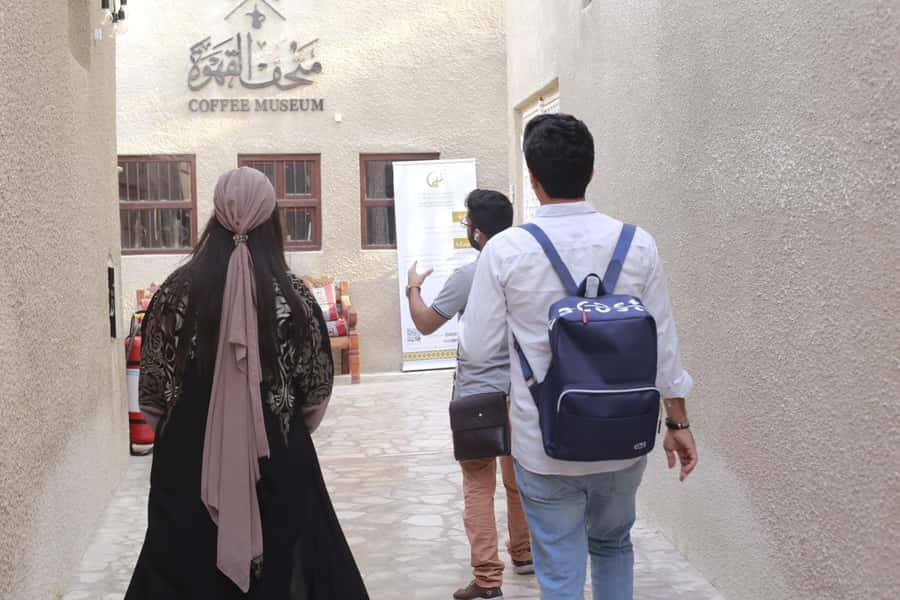
The district is also home to the Coffee Museum, which adds a small but worthwhile cultural detail. Coffee is not treated as a generic café stop here. It is part of the region’s hospitality customs, and the setting helps explain why coffee remains such an important part of social life.
Guide quality matters most in this part of the walk. Abdullah has been praised for making the tour friendly and enjoyable, while Ikram has been singled out for explaining Dubai’s past and answering questions in detail. Your assigned guide may be different, but the tour works best when you ask questions rather than simply follow the group.
Old Mosque, Dubai’s old wall, and Al Fahidi Fort
As you leave the Al Fahidi lanes, you pass the Old Mosque, noted for its simple Arabian architecture. This is a quick visual stop, not a long religious-site visit, so keep your expectations in line with the schedule.
The route also points out the remains of Dubai’s old enclosure wall, built around 1800 AD. It is a modest remnant, but it gives you a physical marker for the age of the settlement. Dubai’s modern skyline can make the city feel new from top to bottom. Small remains like this correct that impression.
A five-minute walk brings you to Al Fahidi Fort, where you have about 15 minutes for photographs. The fort is closely tied to Dubai’s early defensive and civic story. The schedule lists this as a photo stop, so you should not expect a long museum visit inside the fort itself.
The Dubai Museum is also part of the route description, with relics and artifacts connected to Emirati civilization. The practical detail is that the tour’s stop time is limited. You are getting an introduction, not an exhaustive museum tour. If you want to study every display at length, you may need a separate visit.
Textile Market and Al Souq Al Kabeer
The next section shifts from monuments to commerce. At Al Souq Al Kabeer, you have a short photo stop of about 10 minutes. Then the tour continues to the Old Textile Market for another 10-minute visit.
This is a good place to look closely at fabrics instead of rushing past them. The cloth appears in many colors and patterns, and the guide can help you understand what you are seeing in the setting of Dubai’s older market quarter. If you hope to shop, keep in mind that the schedule allows only a brief visit.
The textile stop also makes the later gold and spice markets easier to understand. Dubai’s old trading identity was not built around one product. Cloth, spices, coffee, gold, and food all helped connect the Creek with wider regional trade.
You should also expect sellers to approach you in market areas. That is part of the commercial atmosphere, but it may feel intense if you prefer quiet sightseeing. The tour gives you a guide to help you move through the area, though personal purchases remain your responsibility.
More Museum Visits in Dubai:
- Dubai: Old Town, Creek, Museums, Souks, & Street Food Tour
★ 4.8 · 10,816 reviews - Dubai.Discover Old town,Markets,street food,Abra &Museums
★ 4.9 · 181 reviews - Dubai: Discover Dubai Old Town, Souks, Museum & Street Food
★ 4.9 · 25 reviews - Dubai Souks, Museum, Street Food Walking Tour with Hotel Transfer
★ 4.5 · 7 reviews
Crossing Dubai Creek by abra
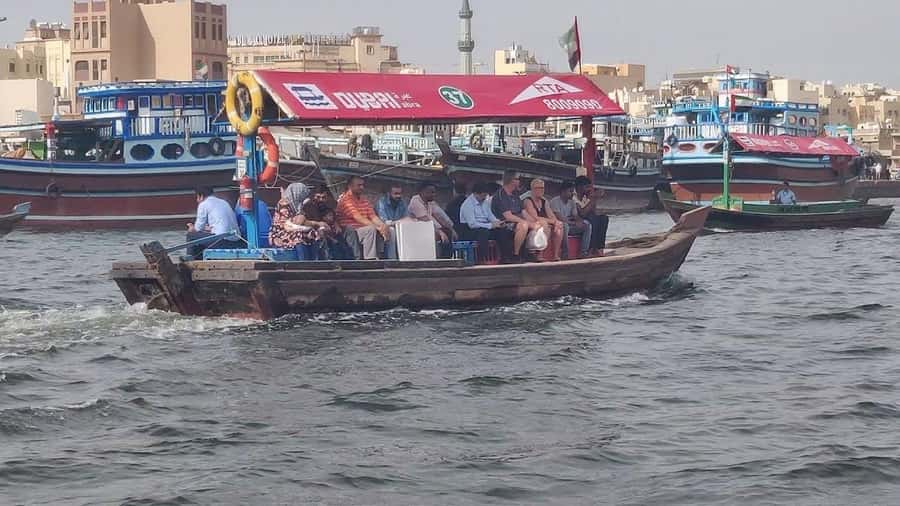
The five-minute abra ride is one of the tour’s most appealing details. These small water taxis connect the two sides of Dubai Creek, and the crossing gives you a quick change of scene without adding a long transfer.
This is not a cruise with a running commentary or a long sightseeing loop. It is practical local transport, which is exactly why it fits the tour. You see the Creek from the water, feel the movement of the boat, and arrive at Deira ready for the spice and gold markets.
The boat ride is included in the $24 price. That matters because the experience feels more varied than a basic walking tour, yet it remains inexpensive. You should still expect a simple crossing rather than a private boat or a reserved sightseeing vessel.
Spice Souk: smells, samples, and useful browsing

On the Deira side, the tour reaches the Dubai Spice Souk for about 30 minutes. This is where the sensory side of Old Dubai becomes strongest. You can expect the smell of spices and coffee, colorful displays, and vendors selling ingredients from across the region.
The included tastings give the stop more purpose. You receive camel milk tea, camel milk chocolate, and a taste of street food, so you are not only looking at counters from a distance. These samples are small details, but they help make the market feel like a place where people buy and eat things, not just a set for photographs.
One practical tip: if you buy spices, ask questions about how they are used and how much you actually need. It is easy to get carried away by colorful powders and unfamiliar blends. The tour includes no personal purchases, so factor shopping money into your budget.
The Spice Souk is also a good place to slow down and use your senses. You might find ingredients you recognize beside others you do not. The guide can point out the role of different products, but the exact amount of explanation depends on the group and the guide assigned that day.
Gold Souk: glitter with a commercial edge
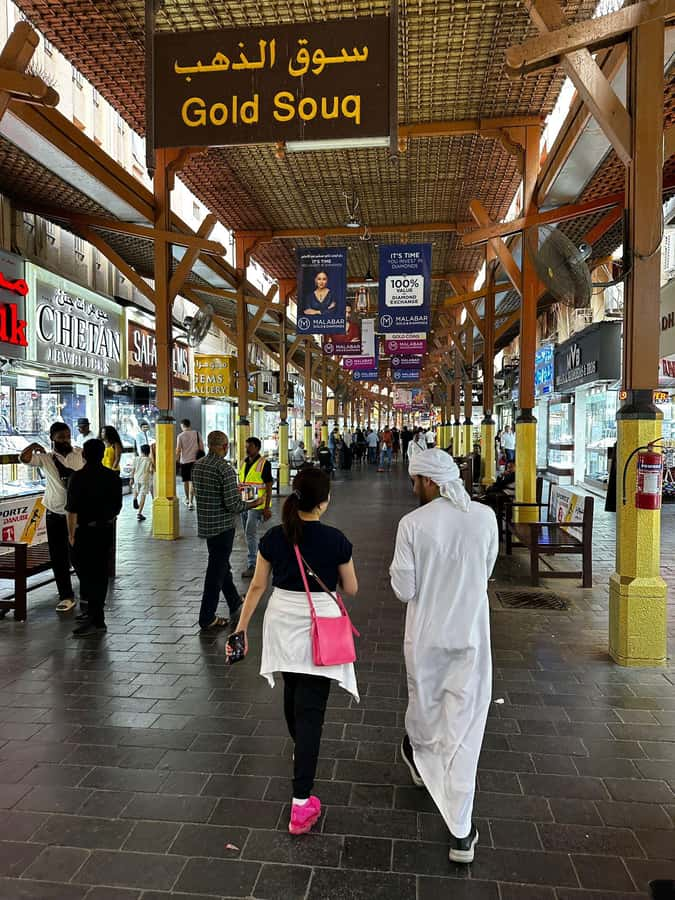
The final major stop is Dubai Gold Souk, with about 30 minutes for a guided visit. The market is known for more than 350 gold retailers and is described as one of the largest gold retail markets in the world. Even if you do not plan to buy anything, the scale and display style make it worth seeing.
Gold is presented openly here, often in large and elaborate pieces. The visual effect is very different from the earthy smell of the Spice Souk only a short time earlier. That contrast is one of the tour’s best features.
You may also find other products and souvenirs for sale, including Dubai chocolate and spices. One named booking comment specifically noted finding bargains on Dubai chocolate and a selection of spices. Still, treat shopping as optional. A guided tour can show you where to look, but it cannot guarantee a particular price, product, or negotiation result.
The tour ends at Al Ras Metro Station, which is practical for continuing your day. You finish near the Gold Souk rather than returning to the starting point, so plan your next stop from the Deira side.
What the $24 price really covers
At $24 per person, this is good value if you want several Old Dubai sights tied together in one outing. You receive three hours with an English-speaking guide, the abra crossing, bottled water, camel milk tea, camel milk chocolate, and a street-food tasting.
The value is strongest for first-time visitors who would otherwise spend time finding Al Fahidi, the markets, and the Creek on their own. A guide adds context to places that might otherwise blur together, especially the old wall, textile lanes, and traditional architecture.
It is less valuable if your main goal is extended shopping. The itinerary moves on a schedule, and the textile, spice, and gold stops have limited time. You can browse and make purchases, but this is primarily a guided introduction rather than a dedicated shopping tour.
Personal expenses are not included. That covers your own market purchases and anything else you choose to buy. Carry a small amount of spending money if you want spices, chocolate, fabrics, or gold, but do not feel pressure to shop for the tour to be worthwhile.
Walking, clothing, and timing tips
Wear comfortable shoes. The route includes repeated walking sections between Al Seef, Al Fahidi, the fort, the markets, and the Creek. The stated duration is three hours, so the schedule is active rather than leisurely.
Sunglasses are recommended, and bottled water is included. Large bags and luggage are not allowed, so leave suitcases elsewhere. This is especially important if you are coming directly from an airport or hotel move.
The activity is offered in English with a live guide. It is not suitable for wheelchair users or people with mobility impairments. The many short walks and market surfaces make that limitation important, not a minor footnote.
You can cancel up to 24 hours in advance for a full refund, and the reserve-now, pay-later option keeps the booking flexible. Starting times vary, so check availability when choosing your date.
Who will get the most from this tour
I would choose this for a first visit to Dubai, a short stopover, or a day when you want culture instead of another high-rise viewpoint. It gives you a useful three-hour introduction to the older side of the city without asking you to organize several separate stops.
It also suits curious eaters and shoppers who like a little local flavor with their sightseeing. The tastings are modest, but camel milk tea and chocolate add something distinctive to the walk.
Families with older children may enjoy the changing scenes, especially the abra ride and gold displays. The walking pace and market crowds may be harder for very young children, but no specific child policy is provided, so check before booking if that is important to you.
You should skip it if you want a slow museum visit, a private guide, or a fully vehicle-based outing. You should also reconsider if market selling makes you uncomfortable or if three hours on foot would be tiring.
Should you book it?
Book this tour if you want Old Dubai in one compact route, with history, market life, food samples, and a Creek crossing included. The strongest reasons are the variety and the price. For $24, you see far more than one neighborhood and finish near the Gold Souk and Al Ras Metro Station.
The main decision comes down to pace and mobility. You need comfortable shoes, light luggage, and enough energy for several walking sections. If that suits you, this is a practical way to meet Dubai’s older character, with guides such as Abdullah and Ikram adding the personal explanations that turn old buildings and market stalls into a clearer story.
FAQ
Where does the walking tour begin?
The meeting point is Sharaf DG Metro Station, Exit 4.
Where does the tour finish?
The tour finishes at Al Ras Metro Station.
How long does the activity last?
The walking tour lasts three hours.
What language is the tour offered in?
The tour is offered in English with a live guide.
Is the abra water taxi included?
Yes. The five-minute abra crossing is included in the activity.
What food and drinks are included?
The tour includes camel milk tea, camel milk chocolate, a street-food tasting, and bottled water.
Are personal purchases included?
No. Personal expenses, including anything you buy in the markets, are not included.
What should I bring?
Bring comfortable shoes and sunglasses.
Can wheelchair users join the tour?
No. The activity is not suitable for wheelchair users or people with mobility impairments.
Just added around Dubai
- Old Dubai Walk, Souk, Street Foods, Al Fahidi and Al Seef Tales★ 4.0 · 9 reviews
- Original Street Food Tour of Dubai★ 4.5 · 41 reviews
- Private Dubai Street Food Tour .★ 4.5 · 7 reviews
- Discover Old Dubai Town, Souks, Street Food, Culture and History★ 5.0 · 3 reviews
- Dubai Street Food Tour★ 5.0 · 5 reviews
- Dubai Souks, Museum, Street Food Walking Tour with Hotel Transfer★ 4.5 · 7 reviews
- Local Street Food and Guided Walking Tour of Dubai Old Town★ 5.0 · 37 reviews
- Local Food Tour of Dubai★ 5.0 · 3 reviews
Dubai Street Food Tours, compared.
Dubai: Old Town, Souks, Street Food, Guided Tour & Abra Ride
Read our review →Dubai: Old Town, Souks, Street Food, Guided Tour & Abra Ride
Read our review →
Dubai: Old Town, Street Food, Creek, Souks, & Emirati House
Read our review →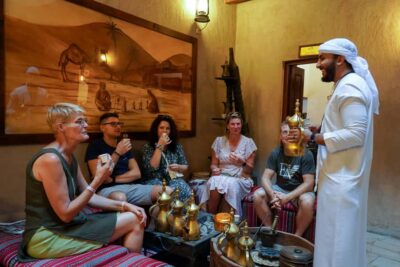
Old Dubai: Premium Guided Tour with Street Food & Abra Ride
Read our review →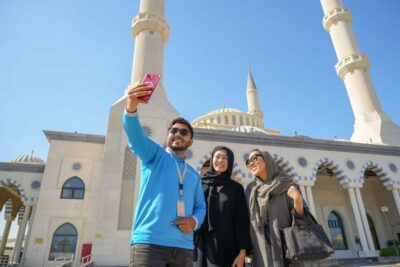
Dubai Top Highlights: Frame Entry, Souks, Abra & Street Food
Read our review →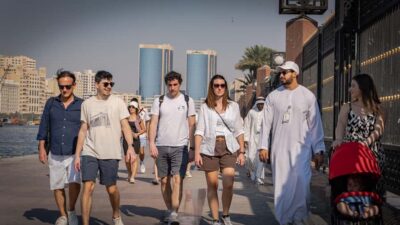
Dubai: Premium Old Town, Street Food, Souks & Boat Ride Tour
Read our review →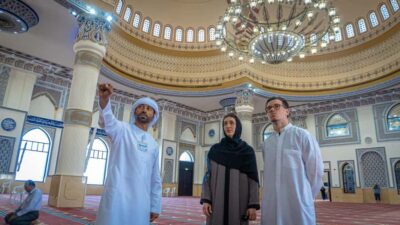
Dubai: City Highlights Tour with Blue Mosque & Street Food
Read our review →
Dubai.Discover Old town,Markets,street food,Abra &Museums
Read our review →Browse the lists this tour appears in