
REVIEW · GREECE STREET FOOD TOURS
Rethymno: Private Old Town Highlights Tour with Street Food
Rethymno’s Old Town is best understood one bite and one doorway at a time. This four-hour private walk links Venetian and Ottoman traces with food shops, taverns, artisan stops, and local market life. You get history, but you also get the practical details of how Cretans eat and shop today.
I like the private format, which lets you ask questions and set the pace with your guide. I also like the food itself: sheep yogurt with thyme honey and nuts, Cretan cheeses, mezes, seasonal sweets, and raki make this more than a sightseeing walk. The main drawback is that it is not suited to people with mobility impairments or gluten intolerance, and $165 per person is a serious price for four hours.
I especially recommend booking for a Thursday or Saturday morning, when the farmer’s market is in place. Guides associated with the experience include Theo and Mirdini, and the English or Spanish tour can be shaped around your interests.
Key points to know before booking
- Private four-hour walk: You explore with your own group rather than joining a large tour.
- Two layers of Rethymno: Venetian architecture and Ottoman traces give the Old Town its unusual mix of styles.
- A proper Cretan tasting: Expect yogurt with thyme honey and nuts, cheeses, mezes, local delicacies, desserts, and raki.
- Best market timing: Thursday and Saturday mornings bring the farmer’s market into the experience.
- Local shopping included: Olive oil, cheese, herbs, spices, and handmade goods are part of the route.
- Plan for a walking tour: Wear comfortable shoes, and bring sunglasses and a sun hat.
Rethymno Old Town, read through food and architecture
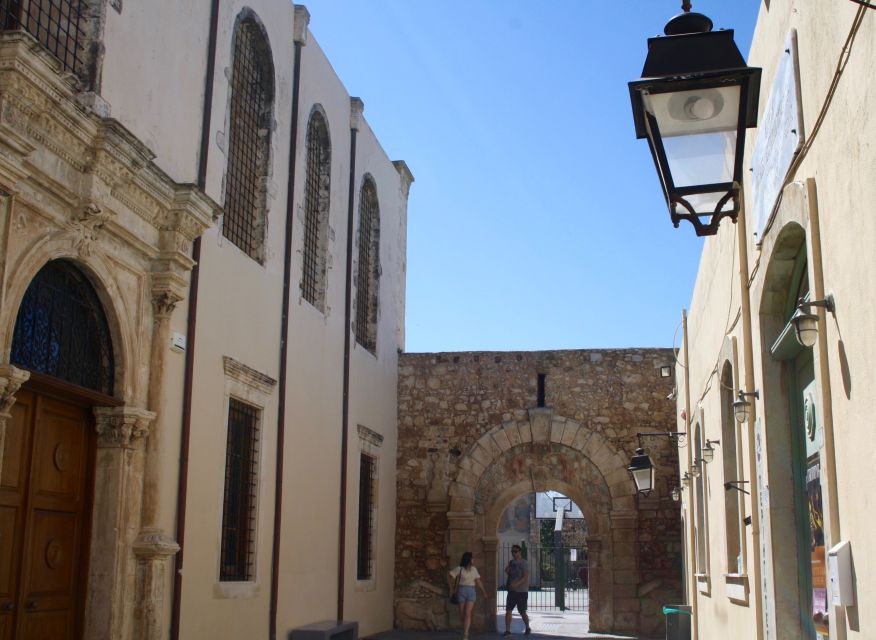
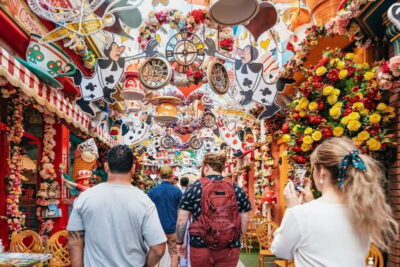
Rethymno is one of those places where the past is not fenced off from daily life. Old buildings still frame narrow streets, shops continue to sell food and household goods, and a short walk can take you from a Venetian doorway to a reminder of Ottoman rule.
Your guide helps connect those details. Instead of simply pointing out attractive buildings, the tour explains how the Venetians and Ottomans shaped the city and left marks on its culture. That context matters because Rethymno’s appearance is not the result of one period. Its character comes from layers of rule, trade, religion, cooking, and everyday use.
You will also hear about modern Cretan life. The focus is not only on monuments, but on how local products are made, sold, prepared, and eaten. I find that approach more useful than a tour that treats the Old Town as a collection of photo stops.
The route includes scenic views and impressive architecture, though the details of each exact stop can vary. Think of the experience as a guided stroll through the old part of the city, with food and conversation woven into the walk rather than a fixed museum-style circuit.
A few more street food tours around Greece worth a look
- Taste Corfu: Private Corfu Food Walking Tour
★ 5.0 · 82 reviews - Athens Private Walking Tour: Acropolis monuments, Plaka and local food
★ 5.0 · 33 reviews - Corfu: Shared Group or Private Food Walking Tour
★ 4.9 · 8 reviews
Why the private format matters after the first hour
A private group changes the feel of this experience. You can ask about a building, a food, or a local custom without waiting for a whole group to catch up. If your party is especially interested in Ottoman history, traditional cooking, or shopping, you can spend more time on that subject.
The guide is central to the experience. Theo and Mirdini are names associated with past departures, and the tour is offered in English or Spanish. A good guide here does more than recite dates. You want someone who can explain why a product matters, identify how ingredients are used, and introduce the people working in the shops and taverns.
The private setup also makes the tasting stops more personal. You can ask how a cheese is produced, what makes a local herb useful in cooking, or how raki fits into Cretan hospitality. The itinerary specifically includes conversations with people behind the scenes, so you are not only looking at products behind a counter.
There is one practical limit. Private does not mean effortless. This remains a four-hour walking tour through the Old Town, and the activity is not suitable for people with mobility impairments. Comfortable shoes are essential.
From Venetian streets to Ottoman traces
The historical section gives the food stops a stronger sense of place. Rethymno’s Venetian past appears in its architecture and old urban plan, while Ottoman influence adds another layer to the city’s streets and traditions.
You will learn how both powers affected the island during their long presence in Crete. The guide’s role is to point out the evidence and explain its meaning in plain terms. That is valuable when you are looking at a doorway, street pattern, or building detail that might otherwise seem simply picturesque.
The architecture is one of the tour’s visual rewards. You can expect attractive old streets and views along the route, with time to notice the contrast between formal historic buildings and the smaller shops of present-day Rethymno.
Do not book this as a substitute for a dedicated architecture tour or a full museum visit. The emphasis is broader. You are learning enough history to make the streets readable, then moving on to food, markets, and local business. For most people, that balance is the point.
The food shops are the real classroom
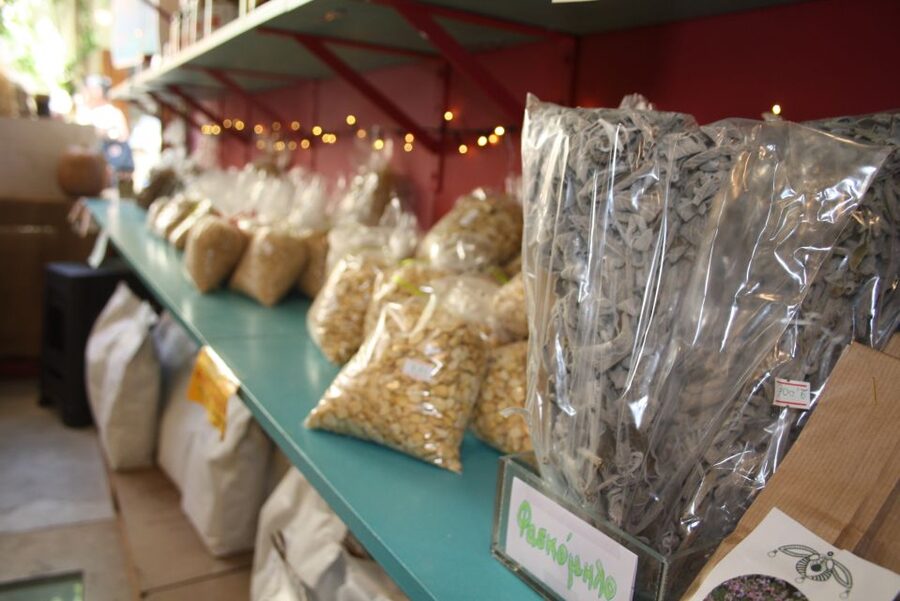
The tour visits quaint food shops and taverns where local products are part of daily business, not just display items. You may browse olive oil, cheese, herbs, and spices, while your guide explains production methods and cooking traditions that remain in use.
Olive oil is a natural part of this conversation, since it is one of the central products of Cretan cooking. Cheese gives you another way to compare local tastes and methods. Herbs and spices show how much flavor can come from simple ingredients when they are used well.
The value here is the explanation. A tasting without context can blur into a series of snacks. With a guide, you can learn what you are trying, how it is made, and where it fits in the local diet.
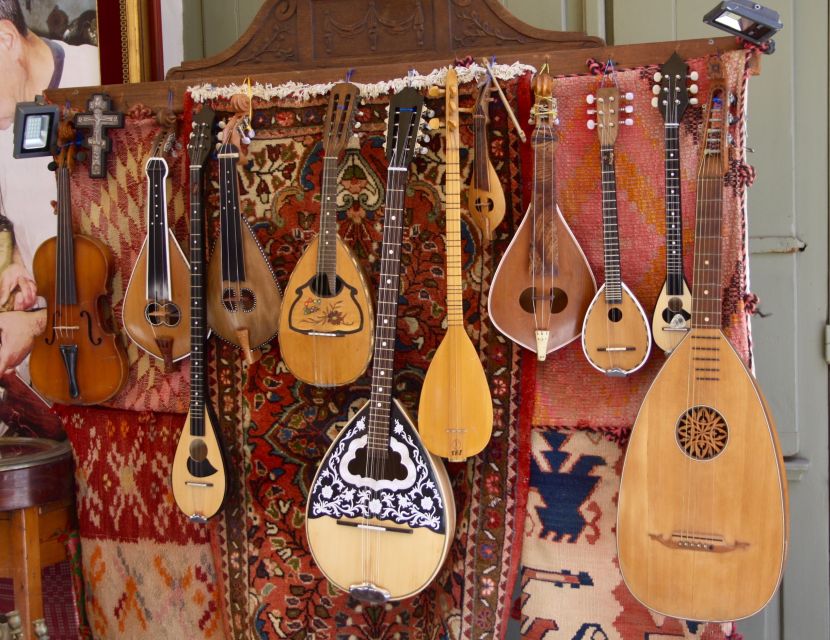
The route also includes artisan shops. The available information does not specify every craft or shop, so do not expect a guaranteed list of particular products. Instead, expect the chance to see small local businesses and learn more about the people and methods behind what is sold.
If you enjoy bringing home edible gifts, this part may help you decide what is worth buying. The tour is not described as a shopping trip, though, so purchases are not included and should be treated as optional.
Same city, a different plate:
- Greek Food Walking Tour in Athens
★ 5.0 · 4,740 reviews - Athens: Street Food Tasting Tour
★ 4.9 · 3,343 reviews - Athens: Guided Greek Food Walking Tour with Tastings
★ 4.9 · 2,859 reviews - Athens: Food Market Visit and Cooking Class with Wine
★ 4.9 · 1,087 reviews
What you actually taste during the four hours
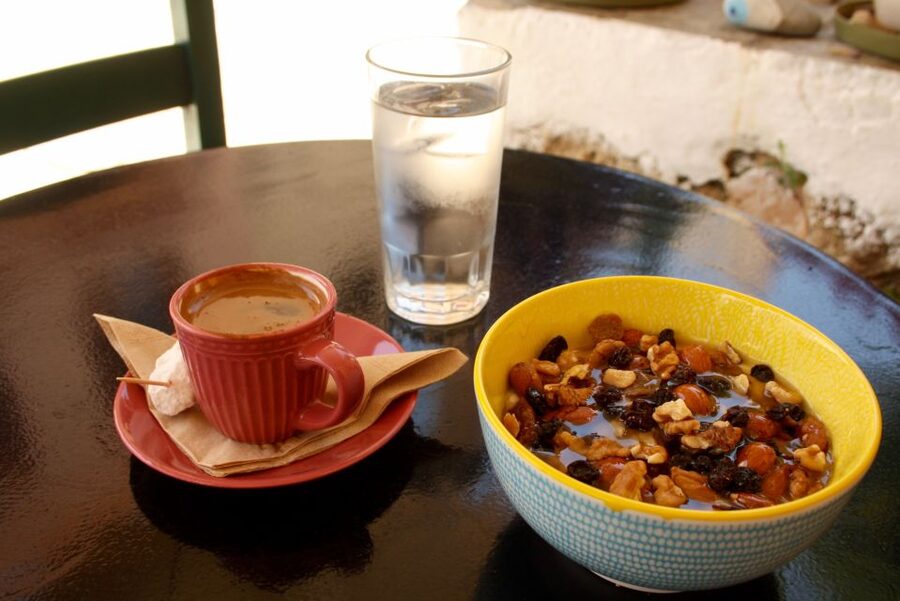
Come hungry. Food begins early in the experience, and the tasting menu covers more than one category.
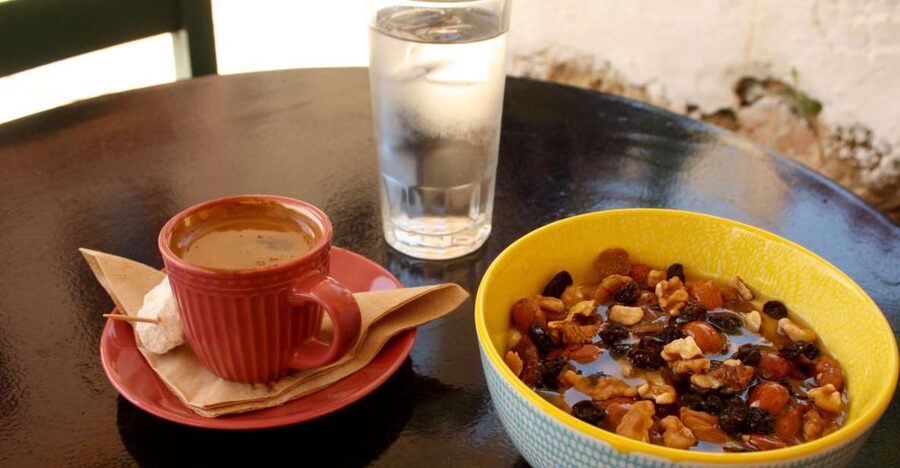
A bowl of sheep yogurt with thyme honey and nuts gives you a clear example of the sweet, simple combinations found in Cretan food. The tang of the yogurt, the herbal note of thyme honey, and the crunch of nuts make this a small dish with plenty to discuss.
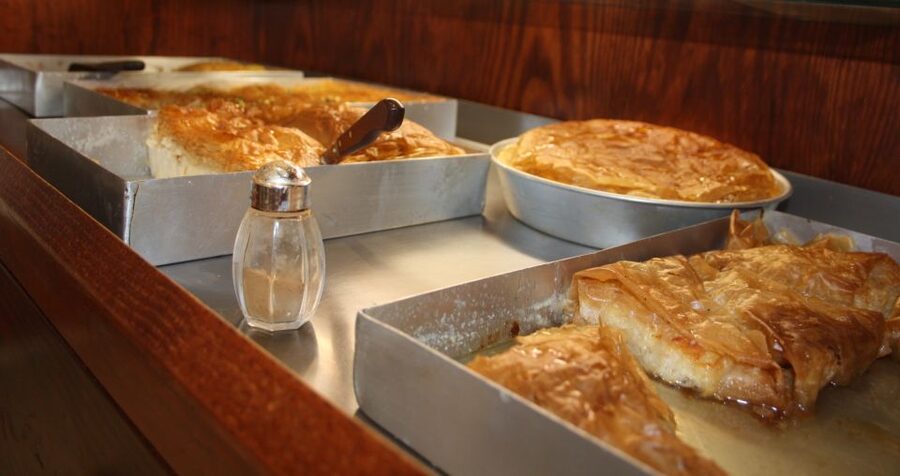
You will also try a selection of mezes. These are small savory dishes meant to be shared, and they offer a useful introduction to the way food works socially in Greece. The exact selection can change with the season and availability.
Cretan cheeses are another important stop. You can sample several local varieties and ask about their production. Seasonal delicacies and desserts add a changing element, so the food should not feel locked into a single menu all year.
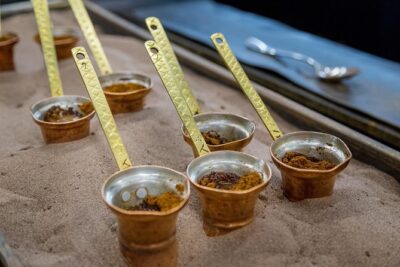
Drinks include coffee or herbal tea, both of which are included. You will also have the chance to try Cretan raki, the distinctive local spirit often connected with hospitality and the end of a meal. Raki can be strong, so take the small pour seriously, especially if you have several food stops still ahead.
The tour is not suitable for people with gluten intolerance. Vegan and vegetarian options are available if requested in advance, which is useful, but you should communicate your needs before booking rather than assume every stop will work for you.
Thursday and Saturday mornings bring the best timing
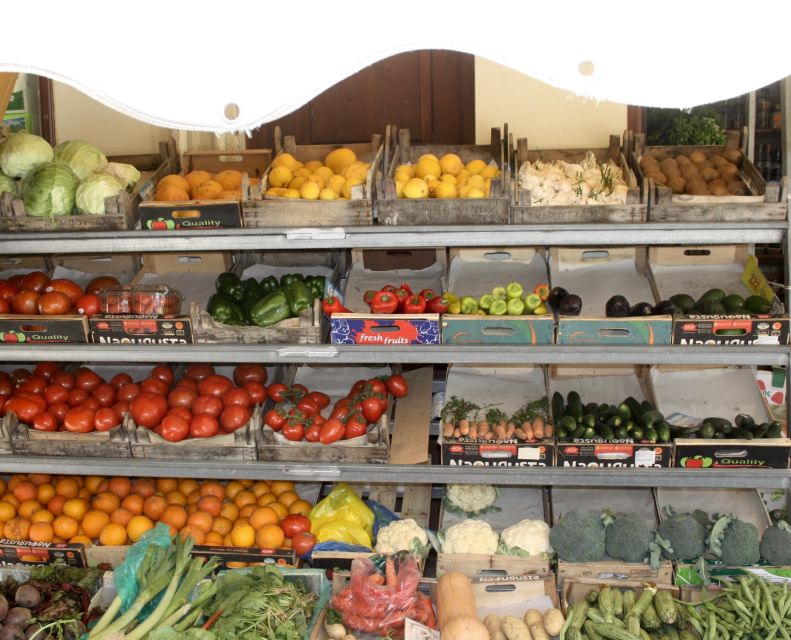
The strongest scheduling advice is simple: choose a Thursday or Saturday morning if you can. Those are the days when the farmer’s market is in place, adding another layer of local life to the route.
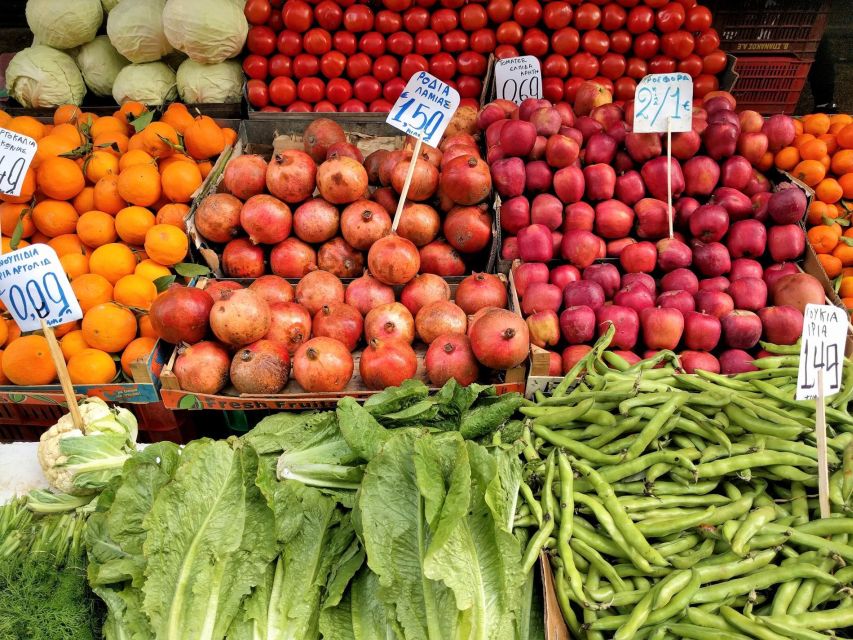
A market makes the food theme more immediate. Instead of only hearing about ingredients in a shop, you can see local produce and the way people buy it. It also gives your guide more material for explaining seasonal cooking and household traditions.
The market is an added benefit, not a guarantee of a particular product or stall. Availability changes, and the tour details do not promise a set market route. Still, the timing advice is clear enough that I would plan around it whenever possible.
If you cannot manage those days, the tour still includes food shops, taverns, local products, and artisan stops. You will not lose the entire food experience. You simply miss one of the best chances to see everyday buying and selling in action.
Morning timing also makes sense for a food walk. You can start with an appetite, and the cooler part of the day is generally more comfortable for walking in the sun. Bring sunglasses and a sun hat, especially in the warmer months.
What the price means at $165 per person
At $165 per person, this is not a budget introduction to Rethymno. You are paying for a private four-hour experience, a local guide, and a series of tastings rather than transportation or admission to major attractions.
The price makes more sense for a small group that values flexibility. If several people in your party share the cost, the private arrangement may offer a better experience than separate food tastings and a standard group walk. You also avoid spending time trying to identify products or interpret the Old Town without help.
The included food is part of the value, but I would not book this only as a way to get lunch. The meal is spread across tasting stops and includes conversation, history, and access to local shops. Portions are described as tastings, so you should expect a food-focused walk, not a full restaurant meal.
For a solo visitor, $165 is harder to justify unless personal guiding and direct questions are especially important to you. For a couple, family, or small group, the cost may feel more reasonable, particularly if you want one outing that combines culture, food, and orientation in Rethymno.
Coffee or herbal tea is included, as are the Cretan delicacy tastings. Hotel pickup, drop-off, and other transport are not included, so you need to reach the meeting point yourself.
Meeting the guide and handling the practical details
Meet in front of the Prefectural Directorate Unit of Rethymno. Your guide will be holding an Alma de Creta sign, which should make the meeting point easier to identify.
No hotel pickup or drop-off is provided. Plan your route to the meeting point before the start time, especially if you are staying outside the Old Town.
The tour lasts four hours, with starting times depending on availability. English and Spanish are offered. Since this is a private group experience, you should have more room to ask questions and manage the pace than you would on a large shared tour.
Free cancellation is available up to 24 hours before the activity for a full refund. You can also reserve now and pay later, which helps if your Crete plans are still shifting. These policies make it easier to book ahead for the preferred Thursday or Saturday morning timing.
Wear shoes you can walk in for several hours. Sunglasses and a sun hat belong in your day bag. The supplied information does not give a detailed accessibility route, and the experience is specifically not suitable for people with mobility impairments.
Who will enjoy this Rethymno food walk
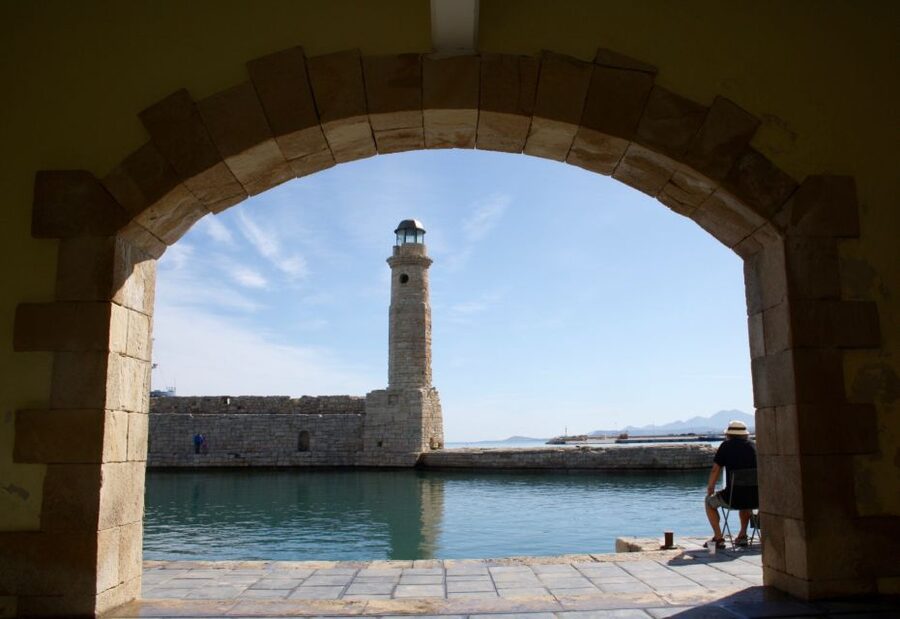
I would choose this tour if you want a first look at Rethymno that goes beyond a list of monuments. It suits people who enjoy asking questions, sampling unfamiliar food, and seeing how history still shapes ordinary streets.
It is especially useful early in a stay. The guide can introduce products, eating customs, and parts of the Old Town that you may want to revisit on your own. The market timing makes Thursday and Saturday mornings particularly appealing.
Food lovers should come ready to try several small dishes rather than wait for one large meal. History fans will get Ottoman and Venetian context, though not an exhaustive academic lecture. Shoppers may appreciate the olive oil, cheese, herbs, spices, and artisan goods, but the main purpose is learning and tasting rather than purchasing.
I would not choose it if you need a wheelchair-friendly route, cannot eat gluten, or dislike walking between several stops. I would also think twice if your main goal is a formal monument tour with entry into major historic sites, because this experience focuses on the streets, shops, food, and local way of life.
Should you book it?
Book it if you want a private, food-led introduction to Rethymno and you value a guide who can connect buildings with cooking, markets, and daily life. The strongest version is a Thursday or Saturday morning, when the farmer’s market adds another reason to explore.
The tastings are varied, the private format gives you room for questions, and the history provides useful context without taking over the whole outing. At $165 per person, it is best for a small group that will make real use of the guide and the included food.
Skip it if the price feels too high for a four-hour walk, if you need accessible arrangements, or if gluten intolerance makes the tasting menu unsuitable. For everyone else, this is a practical way to meet Rethymno through its streets, shops, and table.
FAQ
Where does the tour meet?
Meet your guide in front of the Prefectural Directorate Unit of Rethymno. The guide will be holding an Alma de Creta sign.
How long does the tour last?
The tour lasts four hours.
Is the tour private?
Yes. It is offered as a private group experience.
Which languages are available?
The live tour guide is available in English or Spanish.
What food and drinks are included?
The tastings include Cretan delicacies such as sheep yogurt with thyme honey and nuts, mezes, Cretan cheeses, seasonal local delicacies, desserts, and Cretan raki. Coffee or herbal tea is also included.
Are vegetarian and vegan options available?
Yes. Vegan and vegetarian options are available upon request.
Is hotel pickup included?
No. Hotel pickup and drop-off are not included.
Is the tour suitable for people with mobility impairments or gluten intolerance?
No. The activity is not suitable for people with mobility impairments or gluten intolerance.
Just added around Greece
- Premium Cretan Olive Oil Tasting, Wine, Raki and Local Food Tour★ 5.0 · 17 reviews
- Street food walking Heraklion tour★ 5.0 · 14 reviews
- Private Chania Old Town Food Walking Tour★ 5.0 · 5 reviews
- Private History, Sights, and Food Walking Tour of Chania City★ 5.0 · 2 reviews
- Taste Corfu: Private Corfu Food Walking Tour★ 5.0 · 82 reviews
- Classic Athens Food Tour with Local Drink & Market Visit★ 5.0 · 34 reviews
- Athens Sights Highlights on eBike Tour with Local Food & Drinks★ 5.0 · 13 reviews
- Piraeus Street Food Walking Tour★ 5.0 · 20 reviews
Greece Street Food Tours, compared.


Food Market Visit and Cooking Class with Wine
Read our review →
Athens Authentic Greek Food Walking Tour (Small Group)
Read our review →

Browse the lists this tour appears in