
REVIEW · SINGAPORE STREET FOOD TOURS
Singapore: Street Food & Ethnic Quarters Kick Scooter Tour
Singapore packs several cultures into a small city, and this evening tour lets you move between them quickly, with a snack in hand. You’ll ride a kick scooter from Little India through Bugis, the civic district, and Kampong Glam while tasting seven vegetarian-friendly foods and drinks.
I like the mix of eating and sightseeing, especially the dosai cone with chutneys and masala tea, plus local bites such as popiah, chwee kway, muah chee, black glutinous rice dessert, and pisang goreng. I also like the personal touch from Ping, the guide most often named in the feedback, who has made the experience flexible, warm, and highly informative.
The main consideration is the scooter itself. You’ll cover about 5.7 kilometers in roughly three and a half hours, so you need reasonable fitness, balance, and comfort riding around city streets. Bad weather can also mean walking instead of scooting.
Key points to know before booking
- Seven local tastes in one evening: Expect dosai, chutneys, masala tea, Chinese snacks, Malay sweets, and hawker-center favorites.
- Six cultural districts by scooter: Little India, Bugis, the civic district, Kampong Glam, the Jewish Quarter, and nearby heritage streets all fit into one route.
- Ping is a major part of the experience: Her friendly, flexible guiding style has been especially appreciated, including careful help with vegetarian needs.
- You cover a lot of ground: The scooter makes it possible to see far more than you would on foot in 210 minutes.
- This is active sightseeing: You must be at least 8, reasonably fit, and able to balance on a kick scooter.
- The price is $54 per person: That includes the scooter, an English-speaking licensed guide, seven food and drink tastings, and a disposable poncho if rain arrives.
Why this tour gives Singapore a useful introduction
Singapore can feel polished and modern at first glance. Yet its older neighborhoods reveal a different city, one shaped by Indian, Chinese, Malay, Arab, Jewish, and European communities. This route connects those places in a way that makes the city’s cultural mix easier to understand.
I like that the food is not treated as a separate activity. You are not simply parked at one restaurant for an evening meal. Instead, each snack helps explain the neighborhood around you. Indian food appears in Little India, hawker-center dishes show how Singapore eats today, and Malay sweets and drinks lead you toward Kampong Glam.
The scooter changes the pace. You are not trudging from one stop to the next, but you are also not sealed inside a vehicle. You feel the evening air, notice street art and shopfronts, and move at street level. That combination gives the tour a light, informal feel.
Still, you should not think of this as a leisurely food crawl with long periods at each stop. Some heritage buildings receive only a short explanation or photo stop. The value comes from the full sequence: many neighborhoods, several small tastings, and a guide who connects the pieces.
More Street Food Rides in Singapore:
- Ho Chi Minh City Street Food Tour & Sightseeing By Motorbike
★ 5.0 · 9,413 reviews - Saigon By Night and Street Food By Motorbike | Opt: Ao Dai Riders
★ 5.0 · 4,066 reviews - Private Street Food Tour by Motorbike/Car with Local Students
★ 5.0 · 3,950 reviews
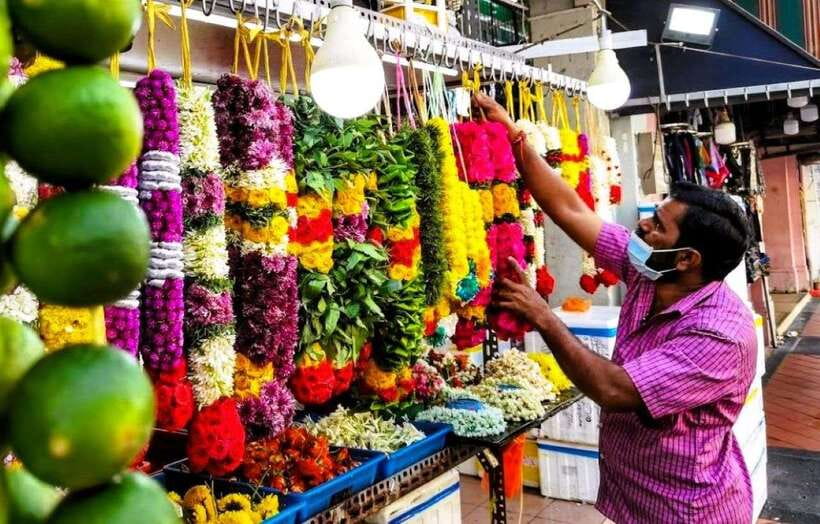
Starting in Little India with color, temples, and dosai
Meet at Little India MRT Station Exit E, at street level. This is a practical starting point because the station is easy to reach by Singapore’s public transit, and you can begin near one of the city’s most distinctive quarters.
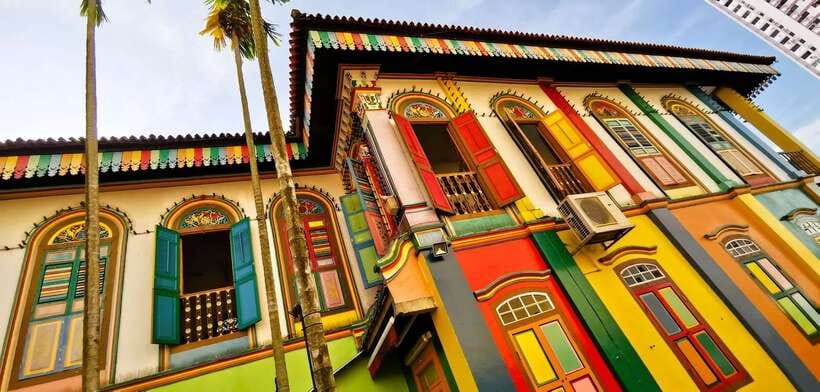
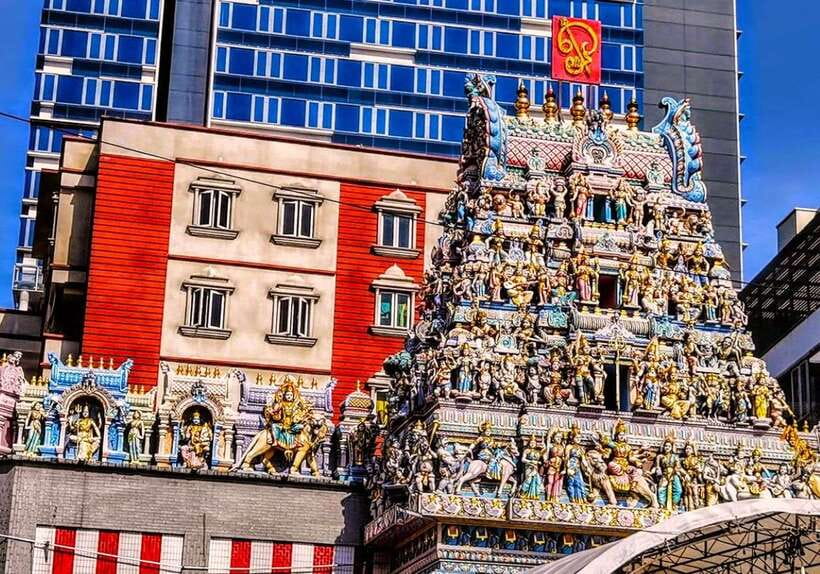
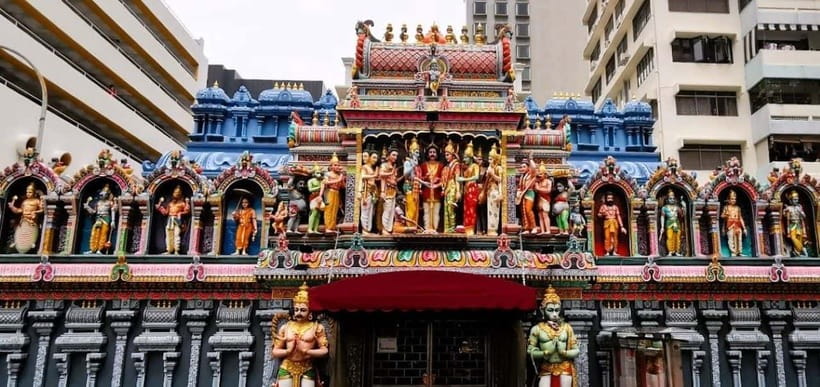
The first sights include Tan Teng Niah, a colorful historic house that makes an easy opening photo stop. From there, you visit Sri Veeramakaliamman Temple, one of the key Hindu landmarks in Little India. The stop is brief, but it gives you a first look at the religious traditions that shape the area.
The food begins at Komala Vilas Restaurant. Here you taste dosai served in an especially photogenic cone shape, along with chutneys and a hot cup of masala tea. Dosai is a crisp, thin South Indian pancake, and the different chutneys give the tasting some contrast. The tea adds a warm, spiced finish.
This is one of the stronger food stops because you get both a proper sit-down pause and an introduction to a familiar Singapore flavor. The listed timing is about 40 minutes, making it the longest food stop of the evening.
If you have dietary needs, tell the guide before the tour begins. Ping has been especially accommodating with vegetarian requirements, and the experience is designed around vegetarian-friendly food. The tour does not promise a fully vegan menu, so vegans should confirm the exact tastings before booking.
Campbell Lane and the old streets around Bugis
After Little India, the route moves through Campbell Lane and past the David Elias Building. These short stops help you see how older commercial streets and shophouses fit into the modern city.
Campbell Lane is a useful place to pause because it keeps you close to Little India’s everyday street life rather than sending you straight to major attractions. You get time for photographs and a quick explanation before moving on.
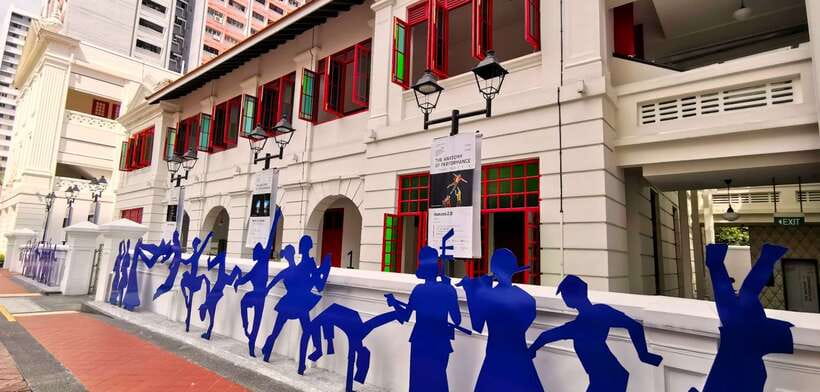
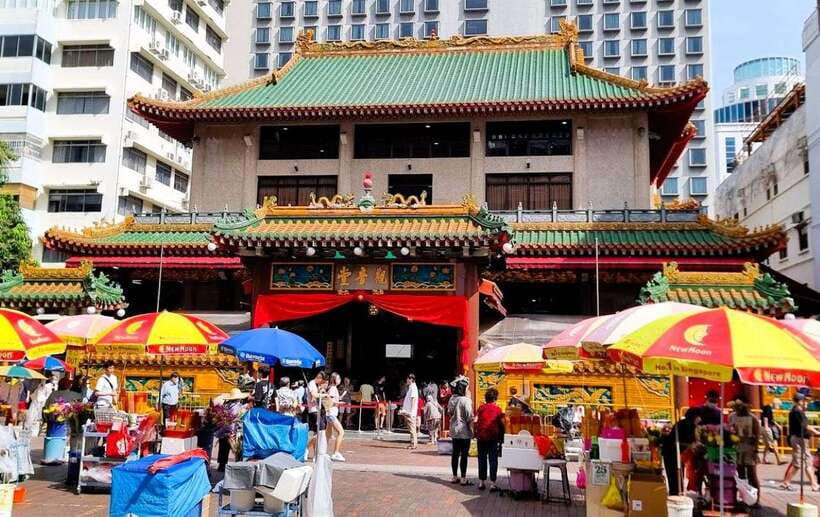
The route then reaches the Stamford Arts Centre and two important religious sites: Sri Krishnan Temple and Kwan Im Thong Hood Cho Temple. These stops are short, but the pairing is meaningful. Singapore’s religious buildings often sit close together, and this section shows how different faiths share the same urban space.
The experience does not give you a long interior visit at every temple. In fact, several stops last only two to five minutes. I see that as both a strength and a limitation. You can cover a great deal of ground and learn the basic story of each place, but you should not book this expecting extended worship-site visits or detailed architectural study.
Hawker food at Albert Centre
Albert Centre is where the tour shifts from sightseeing to the everyday food culture Singapore is famous for. You stop for additional street food and local snacks, with about 30 minutes set aside for tasting.
The menu includes several small local specialties:
- Popiah: A fresh Chinese spring roll filled with vegetables and wrapped in a soft skin.
- Chwee kway: Steamed rice cakes topped with salted radish and spicy sambal.
- Muah chee: Soft glutinous rice pieces rolled in crushed peanuts and sugar.
- Bubur pulut hitam: Black glutinous rice dessert finished with coconut cream.
- Pisang goreng: Crispy Malay-style banana fritters.
These dishes give you more variety than a single large meal. You get soft, crisp, savory, sweet, spicy, and creamy textures in small portions. For a first visit to Singapore, that is a useful way to try foods you might not order confidently on your own.
The tradeoff is that tasting portions are not the same as a full dinner. If you arrive very hungry, you may want to eat something beforehand or plan another meal after the tour. The $54 price covers seven food and drink tastings, but it is best understood as a guided sampling experience rather than an all-you-can-eat outing.
More Scooter Tours in Singapore:
- Saigon Afternoon Unseen Street Food by Scooter |Opt: Ao Dai Rider
★ 5.0 · 854 reviews - Bangkok: E-Scooter Night Tour with Local Street Food
★ 4.8 · 488 reviews - Vespa Female Ao Dai riders Night Street Food + See Train Street
★ 5.0 · 254 reviews - Ho Chi Minh City Signature Local Street Food by scooter Tour
★ 5.0 · 249 reviews
Bugis Street and Singapore’s civic district
From Albert Centre, the route passes Bugis Street and Bugis Junction. Bugis Street brings a more commercial side of the city, with shopping and a lively evening atmosphere. Bugis Junction, by contrast, gives you a look at how older streets and newer retail spaces meet.
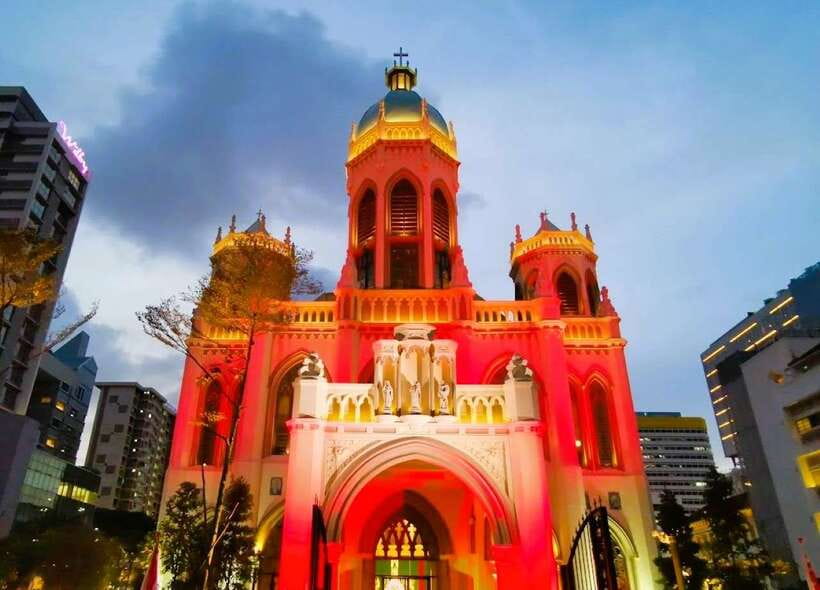
The tour then heads toward several civic and religious landmarks. You pass St Joseph’s Church on Victoria Street, the Cathedral of the Good Shepherd, and CHIJMES. These sites reflect Singapore’s Catholic and colonial-era story, while also showing how old buildings have been incorporated into a modern central district.
The stops here are mostly short photo and explanation points. That quick rhythm works well on a scooter, since you are continually moving through different parts of the city. I would not choose this tour if your main goal is to enter every church or examine each building in detail.
You do get a broader understanding of Singapore’s changing identity. A Hindu temple, Buddhist temple, Catholic church, hawker center, shopping street, and mosque all appear within the same evening. The route makes that closeness visible.
Raffles Hotel gives you a breathing space
Raffles Hotel is the longest non-food break on the later part of the route, with about 20 minutes for a pause, photographs, and some shopping.
The hotel is one of Singapore’s best-known landmarks, and it offers a change of pace after the busy streets and food stops. You can take a breath, look around, and enjoy the evening before heading toward Kampong Glam.
This pause also helps the tour feel less rushed. Three and a half hours is a long time to stay active, especially if you are still learning how to handle the scooter. The break is useful for anyone who wants to keep the evening comfortable rather than treating the whole route as a race.
Haji Lane and Kampong Glam after dark
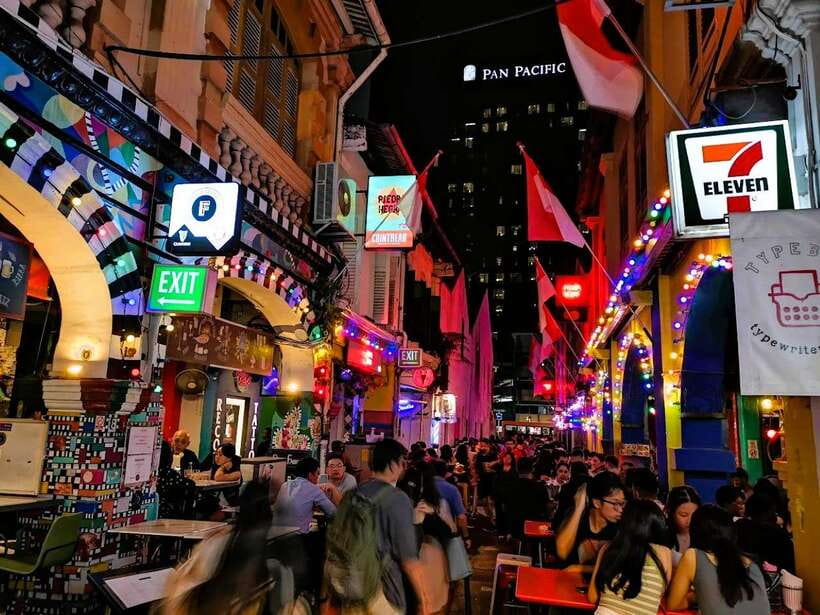
The final neighborhood is Kampong Glam, centered on Haji Lane, Sultan Mosque, and Bussorah Street. Haji Lane is known for colorful street art, small shops, and a more creative evening feel. It is one of the best parts of the route for photographs.
At Haji Lane, you receive a dessert or street-food tasting. This may include one of the sweet Malay-style items such as pisang goreng, while bubur pulut hitam provides a softer dessert with coconut cream. The exact sequence of the seven tastings should be confirmed when you book, but the food list gives you a clear idea of the range.
Sultan Mosque provides the neighborhood’s main religious landmark. Bussorah Street leads you through the streets around the mosque, where the atmosphere feels different from Little India and Bugis. The route also includes the Jewish Quarter earlier in the evening, adding another layer to the city’s religious and cultural story.
This last section is a good reason to choose an evening departure. The cooler air makes riding more pleasant, and the streets take on a different character after sunset. You also get the chance to see Singapore beyond its office towers and shopping centers.
The scooter experience: fun, useful, and not for everyone
The kick scooter is central to the tour, not just a way to get between food stops. You ride for about 5.7 kilometers, with pauses at landmarks and food venues along the way.
You need comfortable shoes, water, and a reasonable sense of balance. Children under 8 cannot join, pregnant women are not permitted, and the tour is not suitable for anyone over 220 pounds, or 100 kilograms. Those restrictions are worth taking seriously, since the activity combines several hours outside with repeated scooter riding.
I would choose this tour if you enjoy active city sightseeing and want to cover many districts in one evening. I would choose a walking food tour instead if you have joint problems, poor balance, or little interest in riding.
Weather can affect the format. A disposable poncho is included during bad weather, but one past outing continued on foot because of conditions. Singapore rain can change plans quickly, so bring water and wear shoes that can handle wet streets.
What $54 gets you
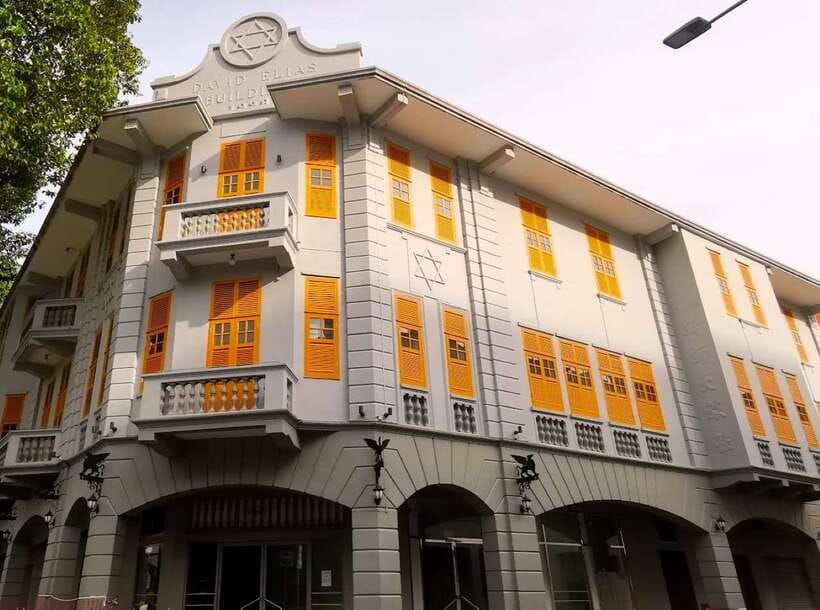
At $54 per person, the value depends on how you use the tour. You are paying for a 210-minute guided route, scooter rental, seven food and drink tastings, and an English-speaking licensed guide. You also receive a poncho if the weather turns wet.
That is a fair price if you want orientation, food introductions, and transport between six cultural areas in one package. A guide adds real value here because many of the landmarks are easy to pass without understanding their place in Singapore’s story.
The price is less attractive if you mainly want a large dinner or long visits inside major attractions. The tastings are spread across the route, and several sightseeing stops are very brief. Think of the tour as a moving introduction to Singapore, with food as the thread tying it together.
The feedback is unusually consistent about Ping. She is described as friendly, passionate, flexible, and able to explain the city in an engaging way. A small group can make the experience feel more personal, but the exact group size is not specified, so you should not assume every departure will be private.
Who will get the most from this evening
I would recommend the tour to first-time visitors who want an efficient introduction to Singapore’s food and cultural districts. It also suits repeat visitors who have seen the main attractions and want a different route through the city.
Vegetarians should find the menu useful, especially if they alert the guide to their needs. Families with older children may enjoy the scooter element, as long as every participant meets the age, weight, fitness, and balance requirements.
I would be cautious if you dislike riding in city areas, need a slow pace, or want substantial time at each temple and church. The tour is active, social, and fairly quick. It rewards curiosity and flexibility more than careful, unhurried study.
You can cancel for a full refund up to 24 hours before the start, and reserve now while paying later. That flexibility helps if your Singapore schedule depends on weather or changing plans.
Should you book this Singapore food tour?
Book it if you want to connect food, faith, neighborhoods, and movement in one evening. The route is unusually broad, and Ping’s guiding style appears to be one of its strongest features. The combination of dosai, hawker snacks, Malay desserts, temples, churches, shophouses, and Haji Lane gives you a useful first look at Singapore’s many communities.
Skip it if you want a relaxed restaurant meal, a fully indoor activity, or detailed visits at each landmark. For the right person, $54 buys much more than snacks: it buys a fast-moving introduction to how Singapore’s cultures share the same city.
FAQ
Where does the tour start?
The meeting point is Little India MRT Station Exit E, at street level.
Where does the tour finish?
The tour finishes at 73 Dunlop Street.
How long does the experience last?
The tour lasts 210 minutes, or three and a half hours.
How far will I ride?
You will ride the kick scooters for about 5.7 kilometers.
What language is the tour conducted in?
The live tour guide speaks English.
What food and drinks are included?
The experience includes seven types of local street food and drink. Listed examples include dosai, chutneys, masala tea, popiah, chwee kway, muah chee, bubur pulut hitam, and pisang goreng.
Is the food vegetarian-friendly?
Yes. The tour is designed to include vegetarian-friendly local food. Tell the guide about your dietary needs before the tour, especially if you require a fully vegan menu.
What should I bring?
Bring water and comfortable shoes.
Who cannot take part?
Children under 8, pregnant women, and people over 220 pounds or 100 kilograms cannot take part. You also need reasonable fitness and a sense of balance.
Is hotel pickup included?
No. Hotel pickup and drop-off are not included.
What happens if it rains?
A disposable poncho is included during inclement weather. Weather can also lead to parts of the route being completed on foot rather than by scooter.
Can I cancel the booking?
You can cancel up to 24 hours in advance for a full refund. You can also reserve now and pay later.
Just added around Singapore
- Street Food, Cultural & Historical Tour of 3 Ethnic Quarters★ 5.0 · 23 reviews
- Singapore: Chinatown Hawker Guided 8-Dish Tasting Tour★ 4.9 · 41 reviews
- Singapore: Local Street Food Tasting Tour★ 4.8 · 36 reviews
- Singapore: Lau Pa Sat Night Street Food with Marina Bay Walk★ 4.4 · 4 reviews
- Singapore Limousine Van Tour: ️ Shopping & Street Food Trail★ 5.0 · 2 reviews
- Singapore: Hawker Culture Food Tour and Sightseeing★ 4.8 · 23 reviews
- Singapore: Katong Local Food and City Highlights Tour★ 5.0 · 18 reviews
- Singapore: Chinatown Food Tour with 6 Tastings★ 4.8 · 7 reviews
Singapore Street Food Tours, compared.
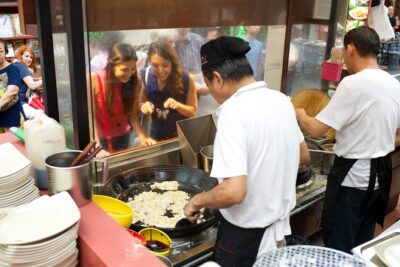
Small Group: Michelin and Local Hawker Food Tour with 9 tastings
Read our review →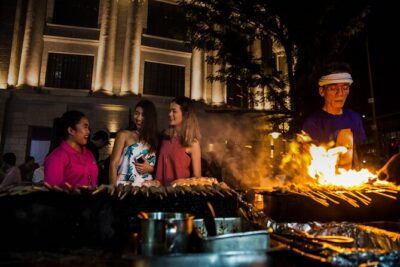
Small Group: Singapore Street Food & Night Tour with 9 tastings
Read our review →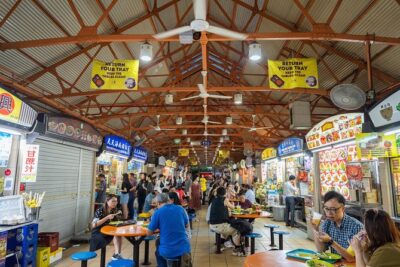
Singapore: UNESCO Street Food & Cultural Experience
Read our review →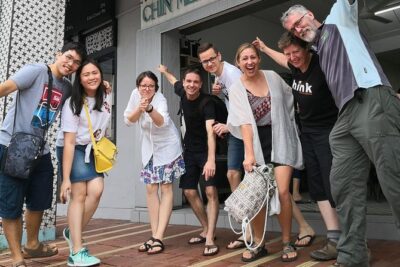
Small-Group Food Tour With Hawker Center: Eat Like A Local
Read our review →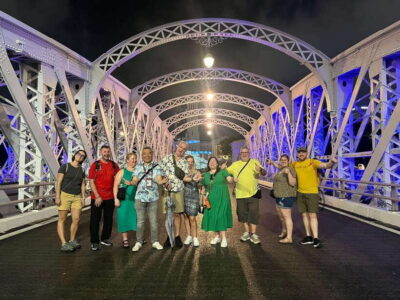
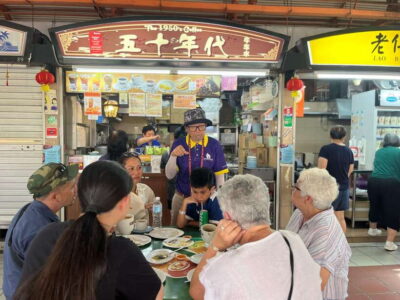
Singapore: Local Hawker Food Tour with Tastings
Read our review →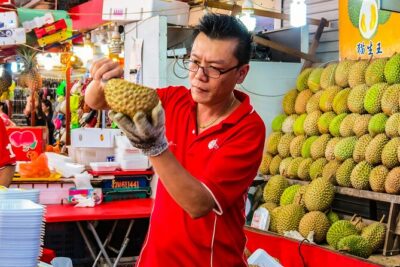
Singapore Street Food Tour with a Local: A Feast for Foodies 100% Personalized
Read our review →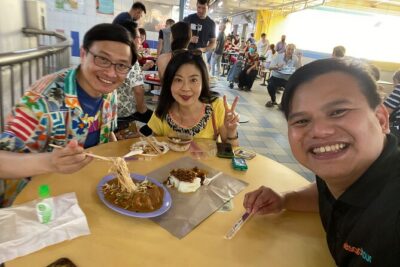
Browse the lists this tour appears in