
REVIEW · STREET FOOD MARKET TOURS
Seoul: Colonial History Tour with Prison&Palace, Market Food
Seodaemun Prison gives this Seoul tour its emotional center. You walk through the former Japanese colonial prison where Korean independence fighters were imprisoned, then move into royal architecture, modern Seoul, and a hot bowl of noodles at Namdaemun Market. I like the way the tour connects political history with ordinary food, rather than treating each sight as an isolated stop.
I also like the mix of indoor and outdoor time, especially the contrast between the prison’s serious exhibits and Deoksugung’s unusual blend of Korean and Western design. Guides Janice and Ron are specifically praised for answering questions about Korean culture and history. The drawback is the pace: four hours covers a lot, and moderate walking plus several short visits may feel brisk if you prefer a slow museum day.
Key points at a glance
- Seodaemun Prison sets the tone: Allow the full 80 minutes to understand the personal cost of Korea’s independence struggle.
- Dilkusha adds an international angle: Albert W. Taylor’s former home shows how an American journalist helped share Korea’s story abroad.
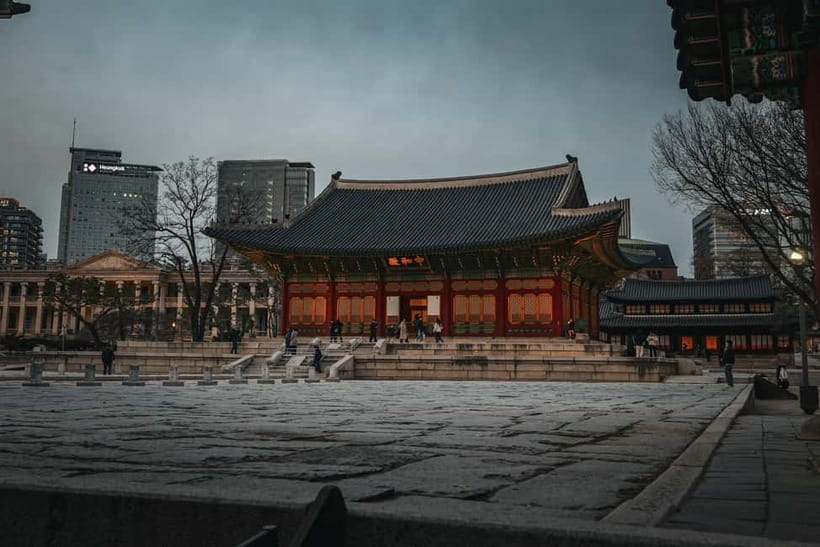
- Deoksugung links old and new Seoul: Its royal grounds include traditional Korean features alongside Western-style architecture.
- Namdaemun ends on a practical high note: Kalguksu Alley and market tastings turn history into a living food experience.
- The tour is value-packed: The $58 price includes admission, transport, an English-speaking guide, and food tastings.
- Plan for walking: Comfortable shoes matter, and the route may shift from vehicle travel to walking because of local conditions.
Why this tour works as a Seoul introduction
Many Seoul sightseeing days either focus on palaces and royal traditions or on the city’s modern shopping districts. This experience takes a more thoughtful route. It asks you to look at Korea under Japanese rule, the fight for independence, the country’s move toward modernization, and the way daily food culture continues through it all.
I find that useful because Korean history can otherwise seem like a series of dates and dynasties. Here, you move between actual places tied to people and events. Seodaemun Prison makes the colonial period personal. Dilkusha introduces an outsider who supported Korea’s cause. Deoksugung shows a royal court facing a changing world. Namdaemun then brings you back to the present, with vendors, noodles, and quick local dishes.
The schedule is tightly arranged. Seodaemun Prison receives about 80 minutes, Deoksugung about an hour, and Dilkusha only 15 minutes. The final market visit lasts about an hour, with two brief stops listed at 10 minutes each along the way. You will get a broad view of Seoul’s past rather than a slow, specialist examination of one site.
More Street Food Market Tours in South Korea
- Seoul Street Food Market Tour
★ 5.0 · 1,226 reviews - Seoul: Night Market Food Tour with Local Guide
★ 4.9 · 943 reviews - Mangwon Market Food tour By Locals; Cheap Eats to Fancy Feast
★ 5.0 · 38 reviews
Starting at Dongnimmun Station
The meeting point is Dongnimmun, or Independence Gate, Station Exit 5. Look for the guide holding a Tripper sign. This starting point makes sense for the subject of the tour because the first major stop, Seodaemun Prison History Hall, is tied directly to Korea’s independence movement.
Your guide speaks English, and named guides for this experience include Janice and Ron. The strongest reason to pay attention to the guide is not simply navigation. The historical material is serious, and the value of the tour depends on how clearly the guide explains what you are seeing and connects the locations to modern Korea.
You should arrive ready to walk. The tour lasts four hours, and the route includes a prison museum, a historic house, palace grounds, city streets, a gate, and a traditional market. The vehicle route can change to a walking route depending on conditions, so comfortable shoes are more important than dressing for a formal palace visit.
The operator sends tour information through WhatsApp one or two days before the experience. Give a contact number that can receive WhatsApp messages so you do not miss updates.
Seodaemun Prison, where the history becomes personal
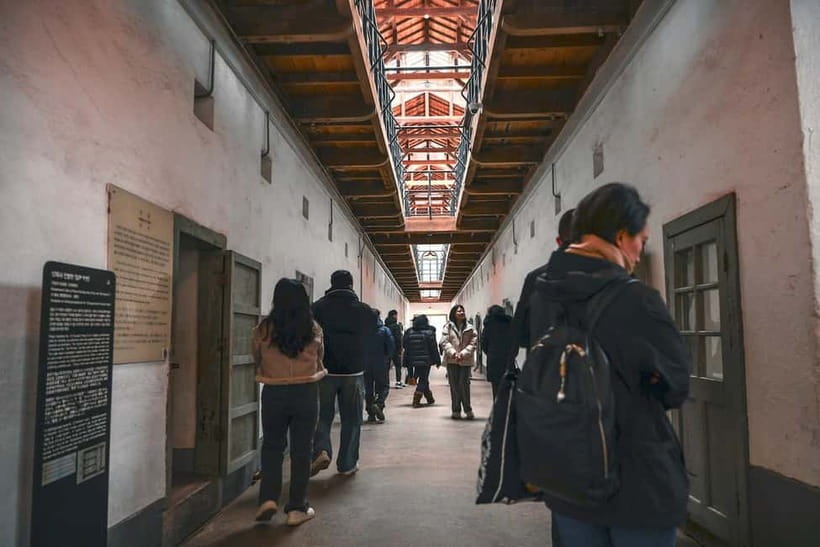
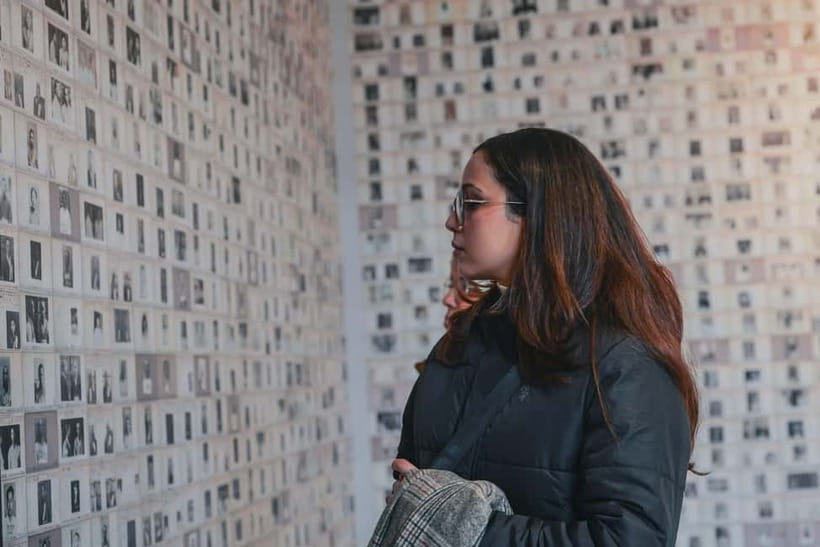
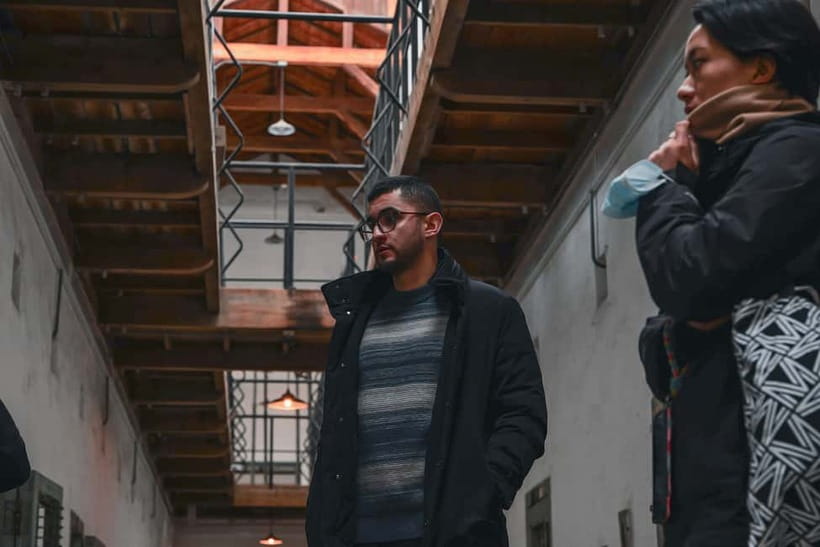
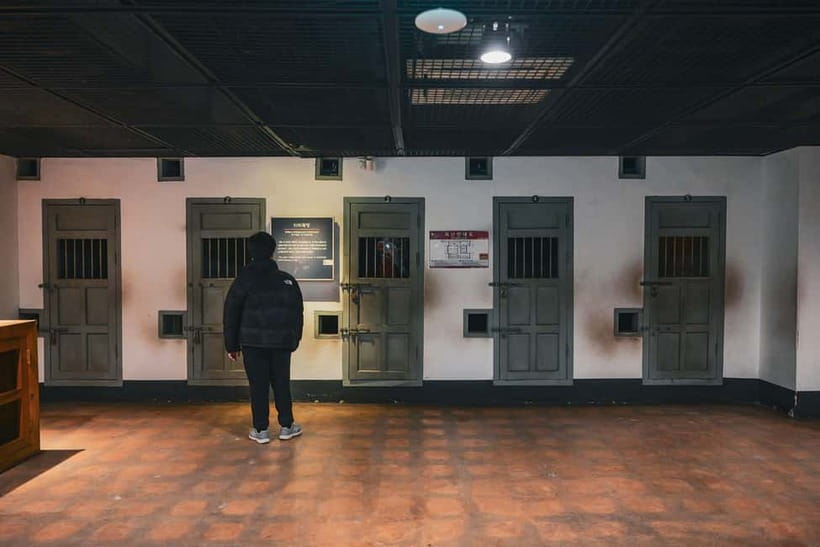
The 80-minute visit to Seodaemun Prison History Hall is the longest single historical stop. That is appropriate. This is not a quick photo opportunity, and the subject matter can be upsetting.
The prison operated during the Japanese colonial period, when Korean independence activists were detained and abused. Inside, you can expect a somber visit focused on the people who endured imprisonment in the struggle for freedom. The guide helps provide context, but you should also allow yourself time to take in the atmosphere of the site.
This is the portion of the tour most likely to affect you emotionally. One review described the experience as involving a touch of emotional damage, which is a blunt but fair warning. The material is intense in the best educational sense, but it is not light sightseeing. If you prefer a cheerful first activity in Seoul, this may not be the right opening stop.
I like that the tour does not rush through this location. Eighty minutes gives the subject room to breathe and lets the guide explain more than the basic outline of Japanese rule. If modern Korean history is new to you, this stop can help you understand later sights in the city.
Dilkusha and the role of Albert W. Taylor
Dilkusha is a short 15-minute guided visit, so keep your expectations in check. This is a brief but distinctive stop, not a full house tour with extensive free time.
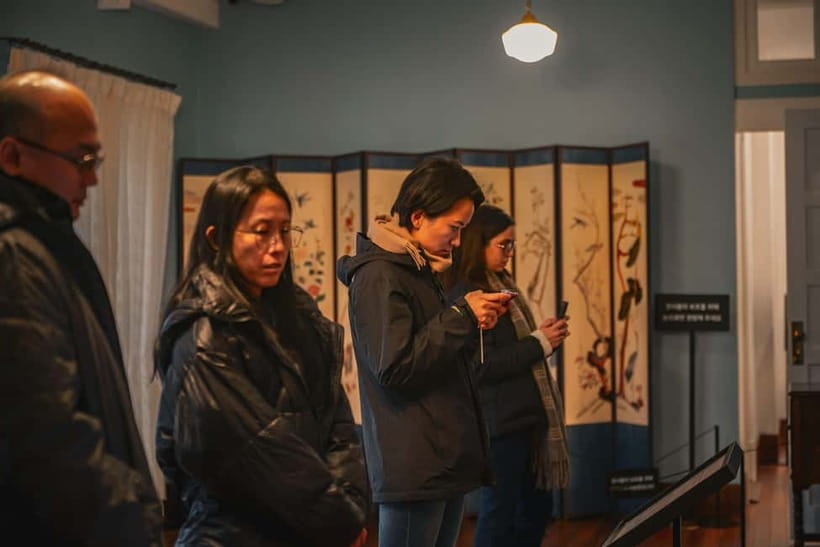
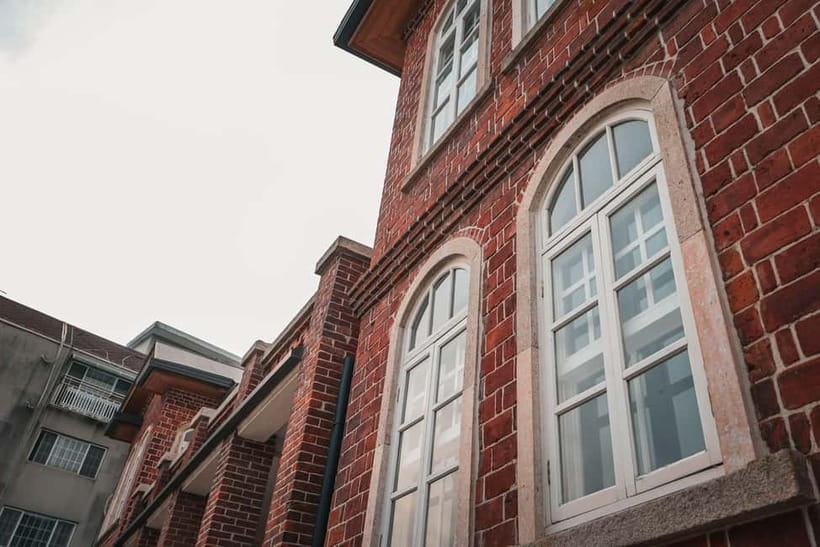
The house belonged to Albert W. Taylor, an American journalist who supported Korea’s independence cause and helped share the country’s story with the outside world. His role adds an international layer to the tour. You are not only hearing about Korean resistance from within Korea, but also about how information reached people beyond the peninsula.
The stop is especially useful after Seodaemun Prison. The prison shows the pressure placed on independence fighters. Dilkusha shifts the focus to communication, foreign support, and the way journalism could carry news of Korea’s struggle abroad.
Because the visit is short, listen closely and ask questions as soon as you can. The tour does not provide much spare time at this stop. That brevity is a limitation, but it also keeps the larger route moving.
More Market Food Tours in Seoul:
- Seoul: Namdaemun Market Food Tour
★ 4.9 · 34 reviews - Seoul: The Biggest Sea-food Noryangjin Market Tour
★ 4.3 · 30 reviews - Seoul: Fearless Foodie Gwangjang Market Food Adventure
★ 5.0 · 10 reviews - Seoul: Guided Street Food Tour at Namdaemun Market
★ 5.0 · 10 reviews
Deoksugung Palace and Korea’s changing royal world
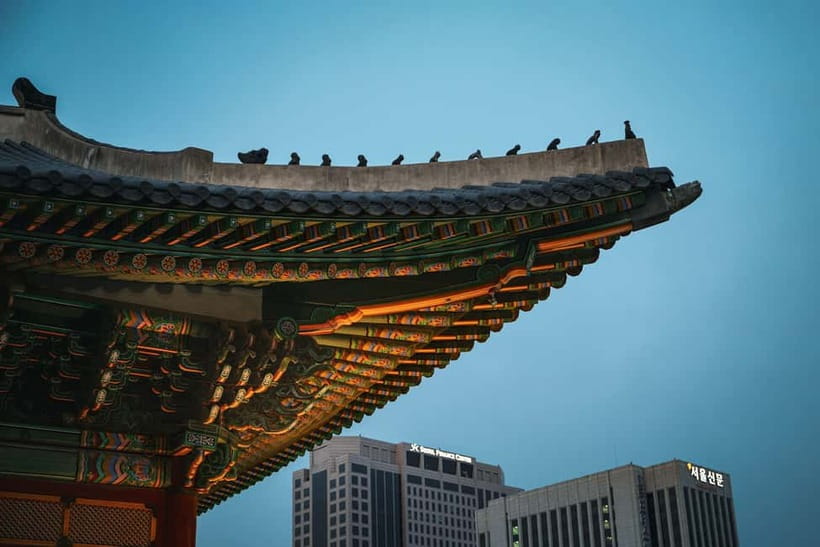
Deoksugung receives about an hour, giving you enough time to see more than a palace gate. The site is valuable for its architectural contrast. Traditional Korean royal buildings share the setting with Western-style structures, reflecting the pressure to modernize during a period of political uncertainty.
I especially like this stop because it complicates the usual palace picture. You are not looking only at an older royal tradition preserved in place. You are seeing Korea adapt, negotiate, and respond to foreign influence while its political future was under strain.
The architecture also gives the tour a visual change after the prison. Seodaemun is heavy and inward-looking. Deoksugung opens the subject toward the court, the state, and modernization. A guide can help you notice why the mixture of styles matters instead of treating it as a simple oddity.
Do not expect a full palace-focused tour. The hour is part of a larger four-hour program, so the visit has to share time with several other sites. If Deoksugung is your main priority, you may want a separate, slower visit later. If you want context and variety in one morning or afternoon, the timing works well.
Seoul City Hall and the walk toward Sungnyemun
The route also passes Seoul City Hall, a useful symbol of the city’s change from colonial rule to a modern democratic capital. The stop is brief, listed at about 10 minutes, so think of it as a viewpoint and explanation rather than an extended civic architecture tour.
From there, the experience includes Sungnyemun Gate, also called Namdaemun. This 600-year-old national treasure served as the southern entrance to Seoul during the Joseon Dynasty. Its presence gives you a longer historical view. The tour has moved from colonial-era resistance back through royal Seoul and into a landmark connected with the city’s older defenses and urban structure.
These short stops help stitch the itinerary together. They may not satisfy you if you want long photo sessions at every landmark, but they keep the tour from becoming a single-theme visit. You get a sense of how Seoul changed across several periods without spending the entire day at one location.
Namdaemun Market, where the lesson turns into lunch
The final hour at Namdaemun Market is the tour’s most relaxed section. This is Korea’s largest and oldest traditional market, with vendors selling goods for more than 600 years. The market visit is not simply time to wander. It includes street food, food tastings, and a meal in Kalguksu Alley.
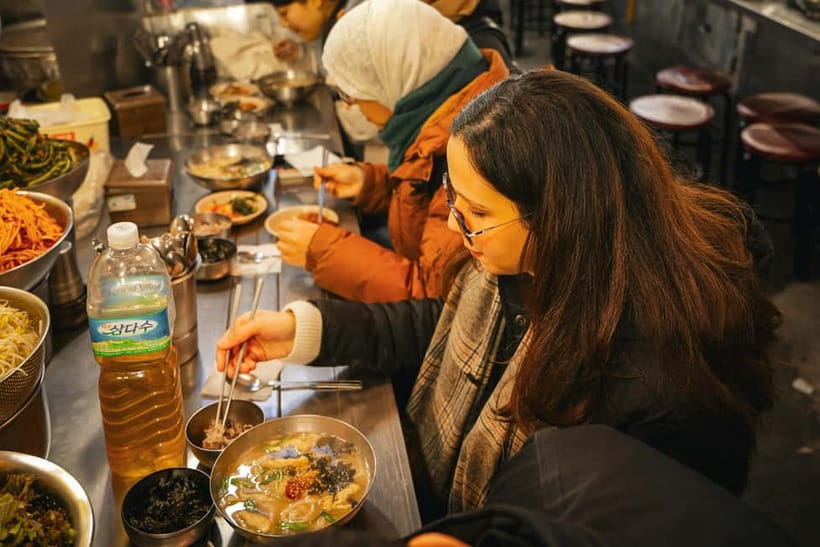
Kalguksu means knife-cut noodles, and the appeal here is straightforward: a warm, comforting bowl served in a small, active market setting. The meal gives you a chance to try a dish associated with everyday Korean eating rather than a formal restaurant meal.
The food portion also includes street foods such as hotteok and gimbap. Hotteok is a sweet filled pancake, while gimbap consists of rice and fillings rolled in seaweed. These tastings add variety and make the final stop feel like a real meal rather than a token sample.
Namdaemun can be crowded and energetic, and market stalls are not designed for a long, quiet lunch. That is part of the point, but it may be less comfortable if you need lots of space or prefer a calm dining room. You will get a more direct feel for Seoul’s food culture, with the tradeoff of a busy market setting.
I like the order of the day. After difficult historical sites, the food stop does not erase the earlier material. It shows another side of continuity: people still gather, cook, sell, and eat in places shaped by centuries of city life.
What the $58 price includes
At $58 per person, this tour is not the cheapest way to see Seoul’s landmarks, but the price includes several costs that can add up separately. You receive an English-speaking professional guide, entrance fees, transportation, and food tastings at Namdaemun Market.
The value depends on what you want from a tour. If you are comfortable reading museum information on your own and arranging transport, you could spend less by visiting individual sites independently. But this route covers several locations spread across the city, and the guide supplies the historical links between them.
The food is another part of the calculation. You are not paying only for admission to Seodaemun Prison and Deoksugung. The final hour includes tastings and a bowl of noodles, which makes the price easier to justify for someone who wants both sightseeing and a meal.
There are extra fees not covered by the tour, though no specific extras are listed. Ask if you have a strict budget. The reserve-now, pay-later option and full refund cancellation up to 24 hours before the start also make planning less risky.
Who will enjoy this four-hour route
I would recommend this experience to you if you want modern Korean history explained in plain English, especially if you are curious about the independence movement and the colonial period. It also suits first-time visitors who want several major themes in one compact outing.
The tour works well for:
- People who enjoy serious historical sites alongside famous landmarks
- Visitors who want a guide to explain Korean independence and modernization
- Food-focused visitors who prefer local market dishes to a formal restaurant
- Anyone with four hours to spare and a reasonable level of fitness
- Visitors who want admission, transport, and tastings handled together
It is less suitable if you want a slow palace visit, dislike emotionally difficult museums, or have trouble with moderate walking. It is not suitable for wheelchair users, according to the activity information. The listing also says it is not suitable for people with altitude sickness.
The route may be manageable for many visitors, but the combination of walking, standing, outdoor movement, and market conditions still matters. Wear comfortable shoes and avoid scheduling something demanding immediately afterward.
Practical verdict: book it for context and appetite
I would book this tour if I wanted a clear introduction to the parts of Seoul’s past that are easy to miss on a standard palace itinerary. Seodaemun Prison is the main reason to go, while Dilkusha, Deoksugung, and Namdaemun give the experience range and balance.
The strongest features are the guide-led historical context, the unusually good progression from resistance to modernization, and the food finish at Kalguksu Alley. Janice and Ron are both noted as friendly guides who answer questions, and that matters because the subject rewards explanation.
Skip it if you want a gentle, unhurried day or if Seodaemun Prison sounds too heavy. For everyone else, $58 buys a well-packed four hours with meaningful history, several important Seoul landmarks, and enough food to make the final stop feel satisfying rather than decorative.
FAQ
Where does the tour start?
The tour starts at Dongnimmun, or Independence Gate, Station Exit 5. Meet the guide holding a Tripper sign.
Where does the tour end?
The activity ends back at the meeting point.
How long does the experience last?
The tour lasts four hours. Starting times vary, so check availability when booking.
What language is the tour conducted in?
The live tour guide speaks English.
What sites are included?
The route includes Seodaemun Prison History Hall, Dilkusha, Deoksugung Palace, Seoul City Hall, Sungnyemun Gate, and Namdaemun Market.
How much time is spent at Seodaemun Prison?
The guided visit to Seodaemun Prison History Hall lasts about 80 minutes.
Is food included?
Yes. Food tastings at Namdaemun Market are included, with a visit to Kalguksu Alley. The experience also highlights foods such as hotteok and gimbap.
Are entrance fees included?
Yes. All entrance fees are included in the tour price.
Is transportation included?
Yes. Transportation costs are included, though the vehicle route may change to a walking route depending on conditions.
What should I bring?
Bring comfortable shoes. The tour involves a moderate amount of walking.
Can I cancel for a refund?
You can cancel up to 24 hours in advance for a full refund. You can also reserve now and pay later.
More Heritage Tours in Seoul
- Historic Ybor City Food Walking Tour
★ 5.0 · 2,210 reviews - Palermo: Street Food and History Walking Tour
★ 4.9 · 1,486 reviews - Old Cairo Guided Walk Tour: History, Culture & Street Bites
★ 4.6 · 633 reviews - Walking Tour and street food Tour Palermo / History and Food
★ 5.0 · 386 reviews
Just added around Seoul
- Taste hidden street food in Seoul with a 2.5h food tour★ 4.4 · 12 reviews
- Suwon: Baseball Game with Fortress and Local Food Tour★ 5.0 · 3 reviews
- Seoul: UNESCO Palace and Street Foods Guided Tour★ 5.0 · 6 reviews
- Seoul: Watching Sports Match & Local Food Experience★ 4.8 · 17 reviews
- Seoul Gwangjang Market Foody Walking Tour★ 4.1 · 7 reviews
- Seoul: The Biggest Sea-food Noryangjin Market Tour★ 4.3 · 30 reviews
- Seoul: Jongno 3-Ga and Ikseon-Dong Tour with Street Food★ 3.9 · 12 reviews
- Seoul: Fearless Foodie Gwangjang Market Food Adventure★ 5.0 · 10 reviews
Street Food Market Tours, compared.
Tokyo Tsukiji Fish Market Food and Culture Walking Tour
Read our review →
London Bridge & Borough Market Food Tour with 7 Authentic Dishes
Read our review →
Tokyo: Tsukiji Fish Market Food and Walking tour
Read our review →
Small Group Cooking Class & Market Food Tour in Florence
Read our review →
Tokyo: Tsukiji Fish Market Guided Walking Tour
Read our review →
Nishiki Market Brunch Walking Tour (7 Tastings + Brunch)
Read our review →
Food Market Visit and Cooking Class with Wine
Read our review →Browse the lists this tour appears in