
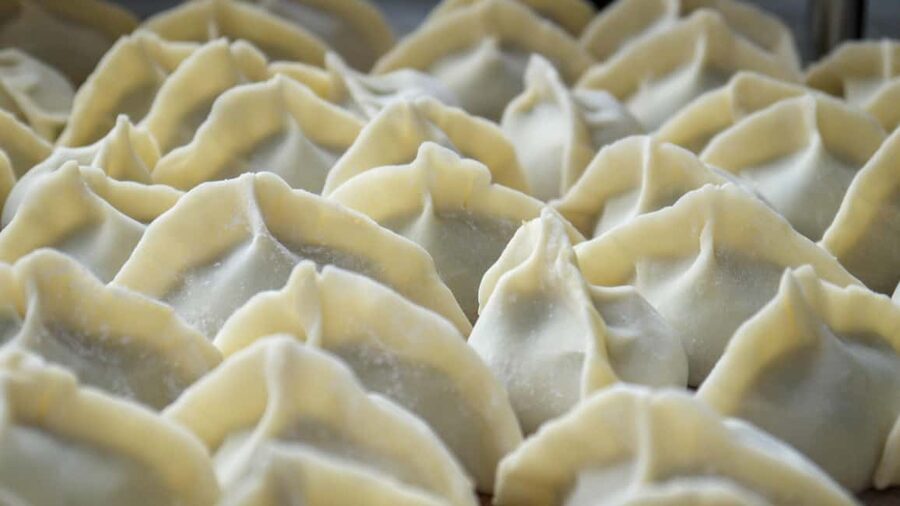
REVIEW · NEW YORK CITY STREET FOOD TOURS
Chinese Dumplings Cooking Class in NYC – Fun & Delicious!
The best part of this New York class is the mix of hands-on cooking and Chinese culture. You are not simply shown a finished dumpling and sent home with a recipe. You learn the traditional craft behind it, with Owen and an expert teacher guiding the session in English.
I like the intimate, welcoming feel described by the class format, and I like that the lesson connects food with culture. You also get a social activity that works well for friends, couples, and curious solo visitors. The main consideration is the price: at $117 per person, you should want more than a quick cooking demonstration.
Key points to know
- Learn traditional dumpling techniques: The class centers on the craft of making Chinese dumplings, not just eating them.
- Hear the cultural meaning behind the food: Your teacher explains why dumplings matter as part of Chinese food traditions.
- Meet Owen and the teacher: Personal interaction is a major part of the class atmosphere.
- Cook in English: The activity is offered in English, useful if you want clear instruction and conversation.
- Enjoy the finished result: The class leads to dumplings you make during the session, with taste being part of the payoff.
- Book with flexibility: You can reserve now and pay later, with a full refund available if you cancel at least 24 hours ahead.
Making dumplings instead of just ordering them
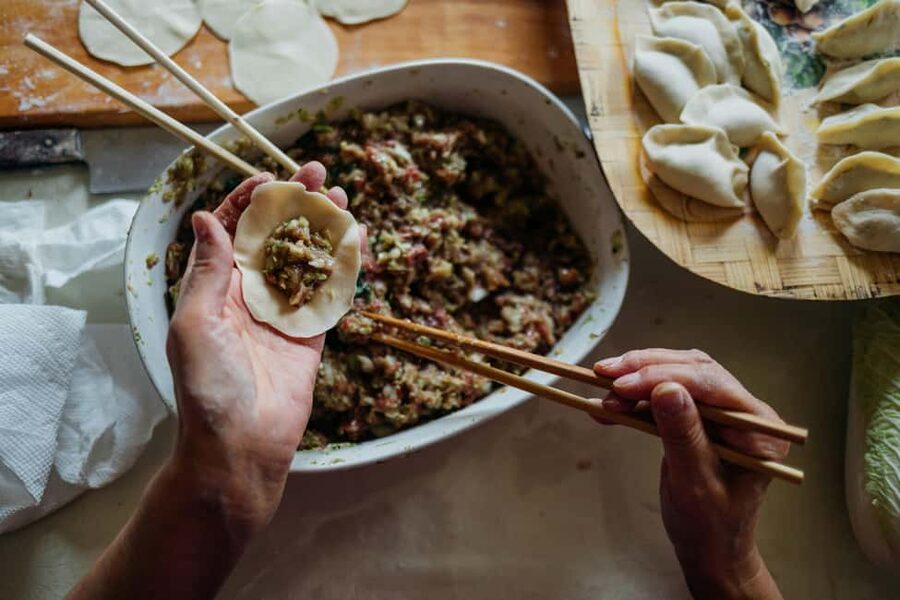
New York gives you no shortage of places to eat Chinese food. That is exactly why a cooking class needs to offer more than a tasty plate. This one puts you on the making side of the meal, where the appeal lies in learning how the dish comes together.
I like that the focus is specific. You are not signing up for a broad survey of Chinese cuisine or a long menu of unrelated dishes. The class is about dumplings, their traditional preparation, and the cultural ideas tied to them.
That focus matters. Dumplings are familiar to many people, but familiarity is not the same as understanding. A teacher can show you the small choices involved in shaping and preparing them, while also explaining why they hold such an important place in Chinese food culture.
The supplied details do not give a precise class length, group size, neighborhood, or full list of dishes. I would not book this expecting a timed tour of several kitchens or a formal restaurant meal. Think of it as a focused food lesson with a social side.
More Dumpling and Dim Sum Tours in the USA
- Bagels Dumplings Pizza & Tacos: A Downtown Food Crawl
★ 5.0 · 63 reviews - Homemade Dumplings 101 in NYC
★ 5.0 · 16 reviews - SF’s Chinatown: Tea & Dim Sum Food Tour – Includes full meal, 3hr
★ 5.0 · 153 reviews
Meeting Owen and the cooking teacher
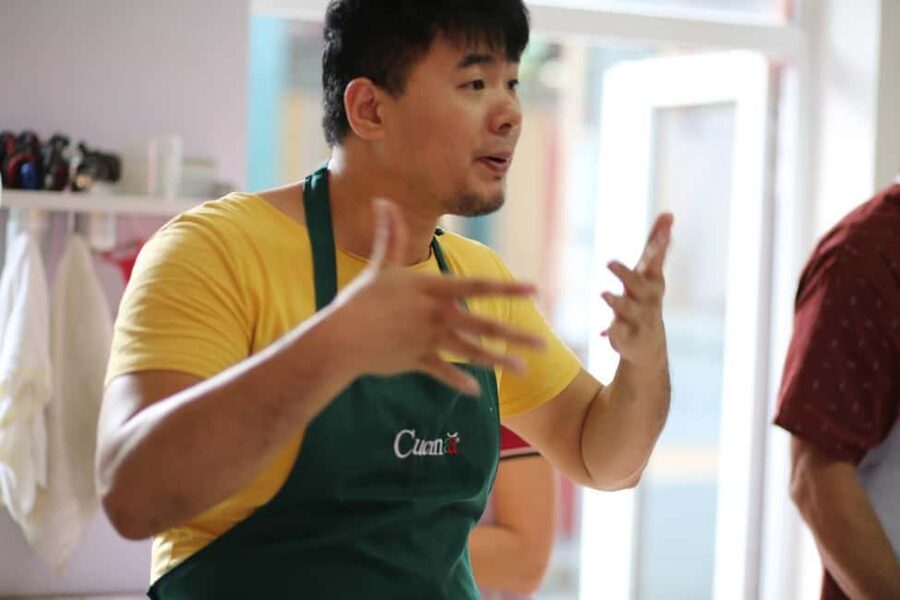
Owen is one of the named people connected with the class, and the teacher leads the cooking instruction. Personal contact appears to be central to the way this activity works. That is good news if you prefer a host-led lesson over a large, impersonal demonstration.
I would pay attention to the human side of the class. The strongest praise is directed at Owen and the teacher, not only at the food. That tells me the welcome and the conversation help shape the afternoon or evening as much as the dumplings themselves.
The teacher is also expected to explain the cultural significance of dumplings. This gives the lesson more depth without making it academic. You can ask questions, follow the practical work, and connect the food to wider Chinese traditions as you cook.
The exact credentials of the teacher are not provided, so I would avoid expecting a celebrity chef or a restaurant-backed masterclass. The value is in direct instruction, clear cultural context, and the chance to work with people who want to share the dish.
What the cooking session actually offers
The central activity is learning traditional dumpling-making techniques. You should expect instruction followed by hands-on preparation, although the available details do not specify the precise sequence, fillings, folding styles, or cooking method.
That missing detail is worth noting. If you have a particular dumpling style in mind, such as a certain regional shape or filling, ask before booking. The description promises traditional techniques, but it does not promise a specific recipe.
Still, the narrow subject is a strength. Dumpling making rewards patience and practice. The shape may look simple when it arrives at the table, but making it yourself gives you a better sense of the work behind the food.
I like classes where the finished dish is part of the lesson rather than a separate reward. Here, the result is intended to be delicious, but the point is not only to eat. You get a practical skill, cultural background, and a meal-related activity in one sitting.
Do not expect perfection on your first attempt. The fun is in learning how the process works and seeing your own results improve as the session continues. The class should suit you if you enjoy trying something with your hands and do not need every dumpling to look restaurant-ready.
Why the cultural explanation matters
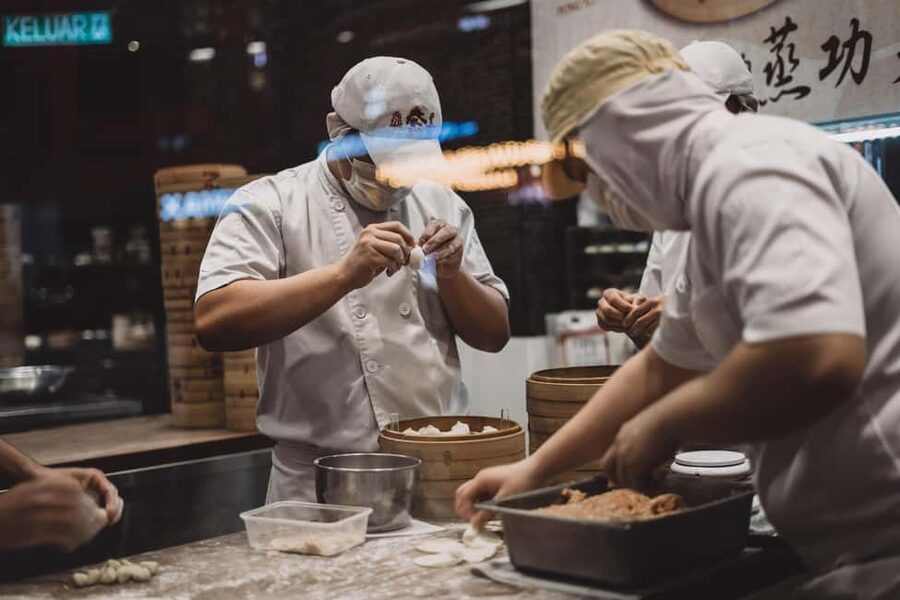
Food classes can sometimes become recipe tutorials with a few decorative facts added on top. This activity makes culture part of the stated subject, which is a meaningful difference.
Dumplings carry ideas of tradition, family, celebration, and hospitality in Chinese food culture. The information here does not identify a specific holiday or region, so I would not attach one particular story to the class. What you can expect is a broader explanation of why dumplings matter, taught alongside the practical work.
That combination makes the lesson easier to remember. You are not hearing cultural information in a museum-style talk and then moving on to another activity. The story is connected to the food you are shaping and preparing.
I also like the social setting implied by the class. One especially useful detail is the feeling of being welcomed into someone’s home for dinner. That does not mean the activity is formally advertised as a private home meal, so I would treat it as a description of the atmosphere rather than a guarantee of the venue.
For you, the practical benefit is simple: you get context without giving up the pleasure of cooking. If you already know Chinese food well, the personal teaching and technique may be the main draw. If you are new to it, the cultural explanation gives the food a clearer place in the wider tradition.
More Dumpling and Dim Sum Tours in New York City:
- Hong Kong: Street Food Tour with Locals – Dim Sum and Wonton
★ 4.8 · 673 reviews - Warsaw’s No 1 cooking class-Polish dumplings with liqueur tasting
★ 5.0 · 576 reviews - Hong Kong Day Tour: Priority Peak Tram, City Walk & Dim Sum
★ 4.5 · 266 reviews - Gyoza Cooking Class in Kyoto: Traditional Japanese Dumplings
★ 5.0 · 210 reviews
A warm class with a social payoff
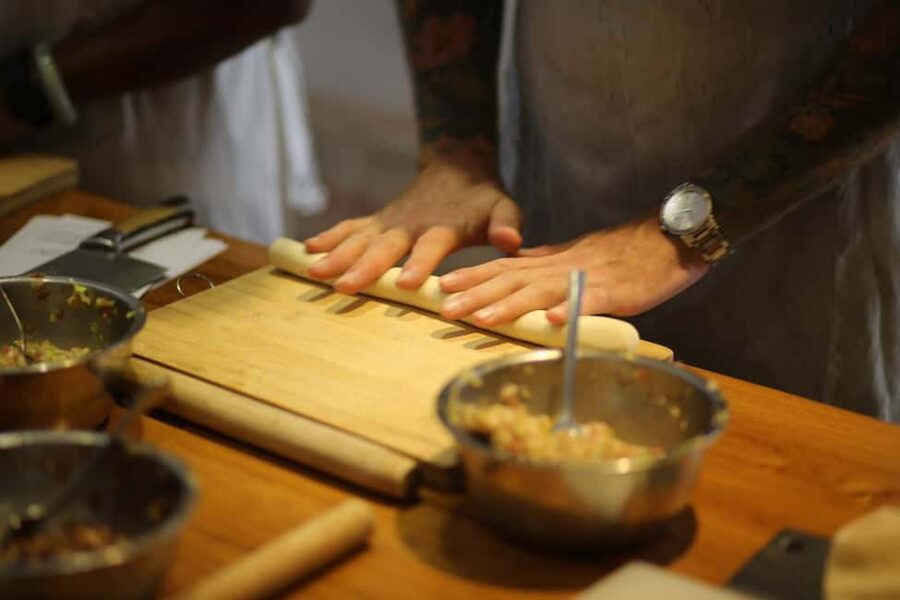
This is a good choice when you want an activity that gives you something to do together. Cooking naturally creates conversation, and the class is suited to friends or two people looking for a shared New York memory.
The direct feedback about meeting Owen and the teacher points to an easygoing social tone. I would choose this over a silent, demonstration-only event if you value interaction with the people leading the class.
That said, the available information does not promise a particular group size. The word intimate is useful as a guide to the feel, but it should not be read as a guaranteed private class. If privacy matters to you, ask the provider before you reserve.
The class also seems suitable for solo visitors who like meeting people through food. You will have a clear subject to talk about, and the cooking gives the gathering a natural rhythm. You are not forced to make conversation from nothing.
Families may need to check age rules directly, since no age policy is provided. I would also confirm any dietary questions in advance. The class description does not state whether vegetarian, vegan, allergy-sensitive, or other options are available.
Is $117 per person a fair price?
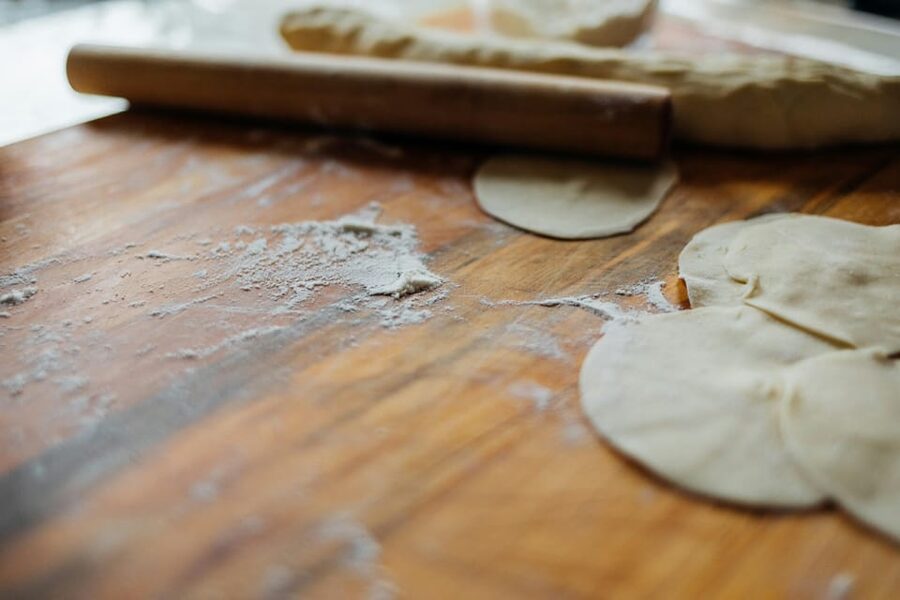
At $117 per person, this is not a casual snack stop. You are paying for instruction, a cultural lesson, the chance to make dumplings yourself, and the atmosphere created by Owen and the teacher.
I see the value most clearly if you treat it as a full activity rather than a meal. A restaurant visit may cost less and may give you more food, but it will not give you the same practical lesson or personal contact. A cooking class can also become a lasting travel memory because you take away a method, not only a taste.
The price is harder to justify if you only want to eat dumplings or if you already have strong cooking skills and little interest in cultural background. You should also keep your expectations in check because the details do not state how long the class lasts or how much food is included.
My advice is to compare this cost with the other hands-on activities you are considering in New York. If you want a social food lesson with a clear cultural angle, $117 can make sense. If you are counting on a large meal, a long session, or a professional kitchen tour, confirm those details first.
Who will enjoy this most
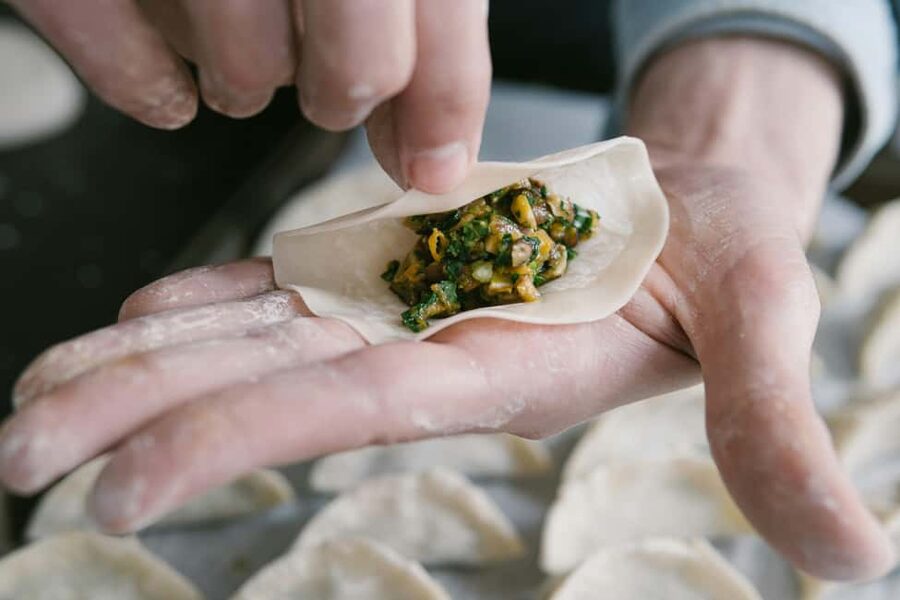
I would recommend this class to several kinds of people:
- You enjoy cooking but do not need an advanced culinary course.
- You want to learn through food rather than simply visit another restaurant.
- You like small-scale, personal teaching and conversation.
- You are curious about Chinese culture and want that context included in the lesson.
- You are traveling with a friend or partner and want a shared activity.
- You appreciate a finished dish that you helped create.
I would be more cautious if your main goal is a formal chef certification, a specific regional dumpling lesson, or a detailed recipe package. None of those features is promised in the available information.
It may also be less suitable if you dislike group activities or prefer to move at your own pace. Cooking classes involve following instruction and working within the rhythm set by the teacher. The exact class format is not provided, so ask about group size and timing if those points affect your decision.
Booking details that affect your decision
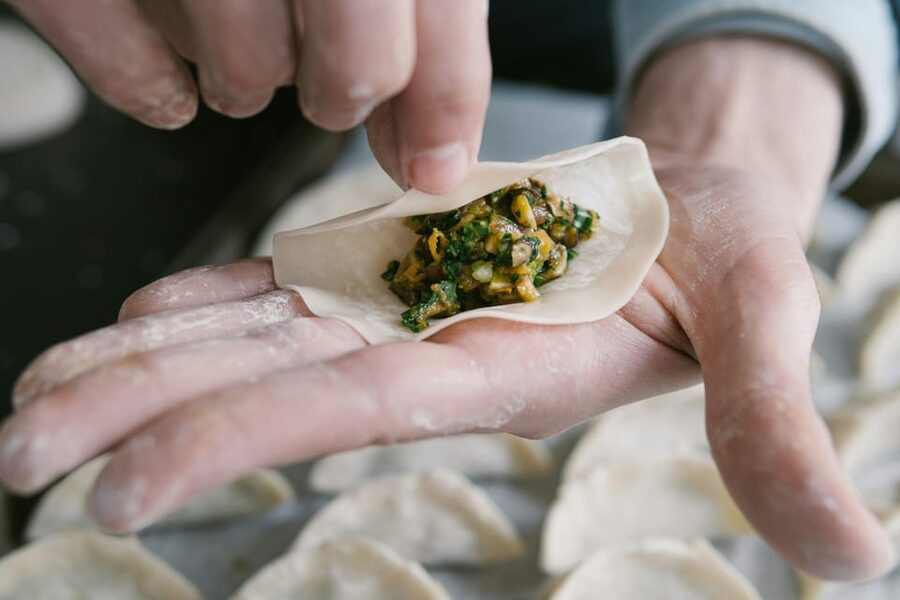
The class is offered in English. That makes the instruction straightforward for English-speaking visitors, and it should help when the teacher explains both technique and cultural meaning.
You can reserve your place and pay later. That is useful if your New York plans are still shifting, since you do not need to pay at the time of booking. The price is $117 per person.
Cancellation is flexible, but not unlimited. You can cancel up to 24 hours in advance for a full refund. I would mark that deadline on your schedule rather than assume you can change plans at the last minute.
The provider is URBAN PASSER INC. The activity is listed in New York State, United States. No exact venue, meeting point, duration, transport plan, or accessibility information is supplied, so check those practical points before committing.
I would also ask about dietary needs, age suitability, the number of people in each session, and what you will make. Those are normal questions for any cooking class, and the available details do not answer them.
The strongest reasons to book
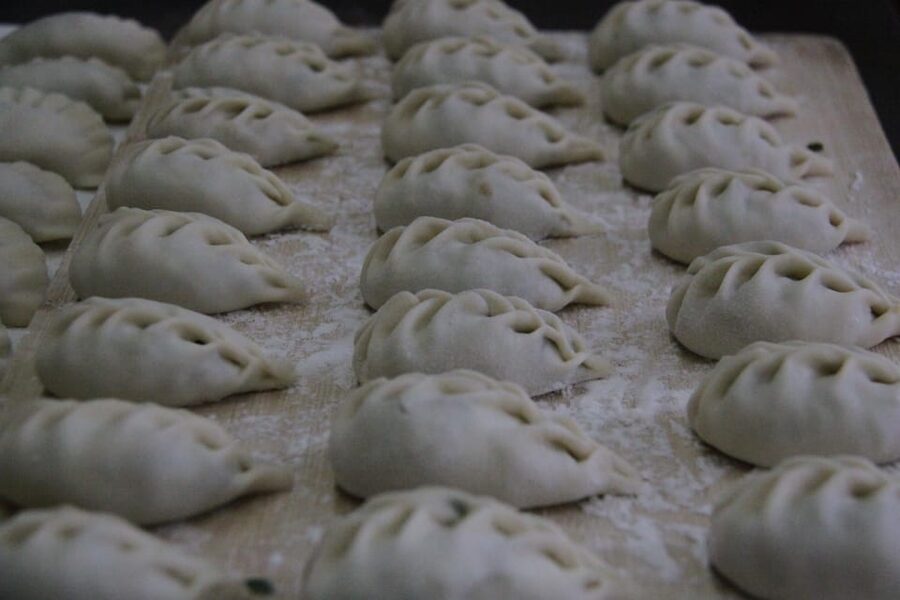
The class has three clear strengths. First, it gives you a focused way to learn dumpling making rather than just consuming the final dish. Second, it links technique with Chinese cultural meaning. Third, it appears to rely on a personal teaching style led by Owen and the cooking teacher.
The positive feedback is unusually consistent, with all four listed ratings giving the class five out of five. The comments repeatedly return to the same points: an intimate setting, useful instruction, a welcoming feel, enjoyable teaching, and delicious results.
I would put the most weight on the human connection. Food classes can be technically sound and still feel flat. Here, the people leading the session seem to be a major part of why the activity works.
Should you book the Chinese dumpling class?
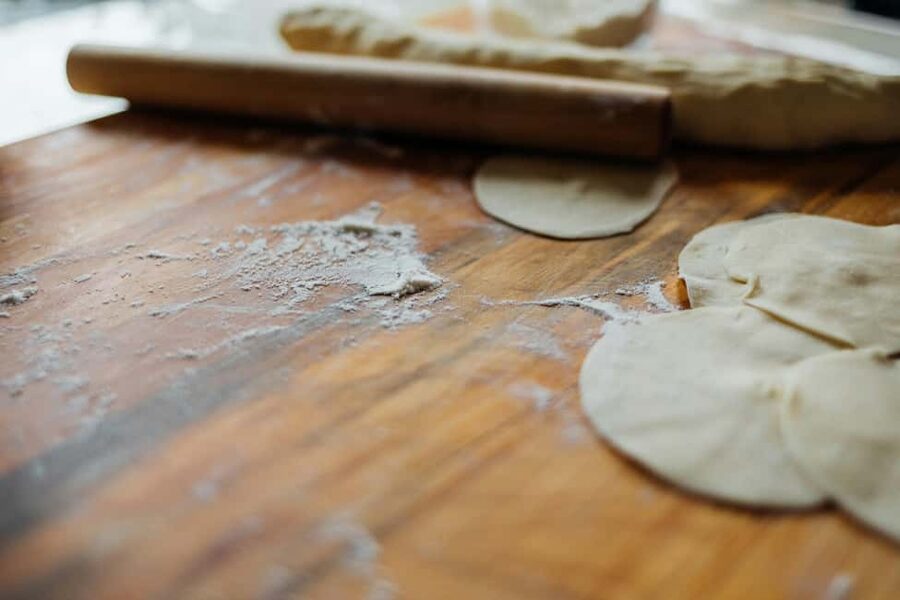
I would book it if you want a hands-on cultural activity and you are comfortable paying $117 for instruction, food, and a social setting. It looks especially well suited to friends, couples, and solo visitors who like learning through conversation.
I would pause if you only want a cheap meal, need a precise regional recipe, or require detailed information about duration, venue, dietary options, or group size before booking. Ask those questions first.
For the right visitor, this is more memorable than another restaurant table. You leave with a better sense of how dumplings are made, why they matter, and how much personality a good teacher can bring to a simple meal.
FAQ
What does the Chinese dumpling cooking class include?
The class teaches traditional Chinese dumpling-making techniques and explains the cultural significance of dumplings. You also make dumplings during the activity and enjoy the finished result.
Who teaches the class?
The class is led by an expert cooking teacher, and Owen is also involved. The available information does not provide the teacher’s name.
What language is the class offered in?
The class is offered in English.
How much does the class cost?
The price is $117 per person.
Can I reserve now and pay later?
Yes. You can reserve your place and pay later, so you do not need to pay at the time of booking.
Can I cancel for a full refund?
Yes. You can cancel up to 24 hours in advance for a full refund.
Where does the class take place?
The activity is offered in New York, United States. A more specific venue or neighborhood is not provided.
More Workshops in New York City
- Tokyo Sushi Making Class in Tsukiji with Professional Chef
★ 5.0 · 1,177 reviews - Tokyo: Tsukiji Fish Market Sushi Making Class with Pro Chef
★ 4.9 · 506 reviews - Ao Nang: Hands-on Learn to Cook 3 Popular Thai’s street food
★ 4.8 · 417 reviews - Florence: Cooking Class with Local Food Market Tour
★ 4.9 · 407 reviews
More Cooking Classes in New York City
- Small Group Cooking Class & Market Food Tour in Florence
★ 5.0 · 1,574 reviews - Athens: Food Market Visit and Cooking Class with Wine
★ 4.9 · 1,087 reviews - Mexican Cooking Class with Food Market Visit in Mexico City
★ 5.0 · 506 reviews - Buenos Aires: Empanadas and Alfajores Guided Cooking Class
★ 4.8 · 486 reviews
Just added around New York City
- Food Tour Greenwich Village NYC★ 5.0 · 2 reviews
- NYC: Upper West Side Food Walking Tour with Tastings★ 5.0 · 2 reviews
- NYC: SoHo, Little Italy, and Chinatown Walking Tour★ 5.0 · 2 reviews
- New York City: The Ultimate NYC Street Food Tour★ 5.0 · 2 reviews
- New York: Midtown Manhattan Street Food Walking Tour★ 4.8 · 14 reviews
- Greenwich Village Food Crawl★ 4.3 · 10 reviews
- Flavors of Flushing: Exploring New York’s Biggest Chinatown★ 5.0 · 14 reviews
- Chinatown Walking Food Tour of New York★ 4.8 · 11 reviews
New York City Street Food Tours, compared.

SoHo, Little Italy, and Chinatown Walking Tour in New York
Read our review →
New York City Mafia and Local Food Tour led by NYPD Guides
Read our review →
True Crime NYC: Mafia Walk w/Ret. NYPD Detective and Local Food
Read our review →
New York City: Food Walking Tour of Chinatown & Little Italy
Read our review →
#1 Rated NYC Chinatown Food and History Walking Tour with FNYT
Read our review →
NYC: Mafia Experience and Local Food with NYPD Guide
Read our review →
Foods of NY Tours Chelsea Market Food Tour & High Line Park
Read our review →
Ultimate Chinatown Walking Food Tour in New York City
Read our review →Browse the lists this tour appears in