
REVIEW · DUBAI STREET FOOD TOURS
Dubai: Old Town Walking Tour with Abra Cruise & Street Food
Old Dubai makes a fine counterpoint to the city of glass towers. On this $26 walking tour, you move through Al Fahidi’s old lanes, cross Dubai Creek by wooden abra, and finish among gold, spices, and shopkeepers. I like the mix of history and everyday trade, and I like that Arabic coffee, street food, water, camel milk chocolate, and the abra ride are included.
The guides, including Muhammad Bilal, Muhammad, and Abdulla, earn especially warm praise for clear explanations and friendly help in the souks. The main drawback is practical: you spend much of the experience on foot in the heat, and the route is not suitable for wheelchairs, strollers, luggage, or people with mobility impairments.
Key points to know before booking
- Al Fahidi is the tour’s historical heart: See old Arabian-style buildings, wind towers, the Old Mosque, and remains of a wall built around 1800.
- The abra ride adds real local transport: Cross Dubai Creek by traditional water taxi rather than viewing the creek only from shore.
- Street food and drinks are included: You receive Arabic coffee, street food, water, and camel milk chocolate as part of the experience.
- The souks are part of the lesson: Walk through the Textile, Gold, and Spice Souks with help when browsing and bargaining.
- Guides make the difference: Muhammad Bilal, Muhammad, Abdulla, and other local guides explain culture and daily life in English or Spanish.
- Plan for a walking route: Wear comfortable shoes and arrive at Al Seef at least 10 minutes early.
Why Old Dubai is worth your afternoon
If you have only seen Dubai from a taxi window or the top of a skyscraper, Al Fahidi gives you a useful correction. Here, the scale drops from towers to courtyards, narrow lanes, shaded passages, and low buildings with wind towers.
The tour begins in the Al Fahidi District, a part of the city where traditional structures now house museums, galleries, and small cultural attractions. The architecture is not grand in the European sense. Its appeal comes from practical details: thick walls, enclosed courtyards, and wind towers designed to help move air through the buildings.
I like starting here because it gives the rest of the tour a frame. The Gold Souk is more impressive after you understand that Dubai began as a trading settlement beside the creek, not as a city of superhighways and record-breaking towers.
You should also set your expectations properly. This is a guided neighborhood walk, not a formal museum tour with long indoor visits. The value lies in the stories, the route, and the way the guide connects buildings, markets, food, and transport.
More Street Food Walking Tours in Dubai:
- Local Street Food and Guided Walking Tour of Dubai Old Town
★ 5.0 · 37 reviews - Walking Tour in Dubai. Souks, museums, Local Food Testing
★ 5.0 · 11 reviews - Old Dubai Walk, Souk, Street Foods, Al Fahidi and Al Seef Tales
★ 4.0 · 9 reviews
Al Fahidi’s old lanes and wind towers
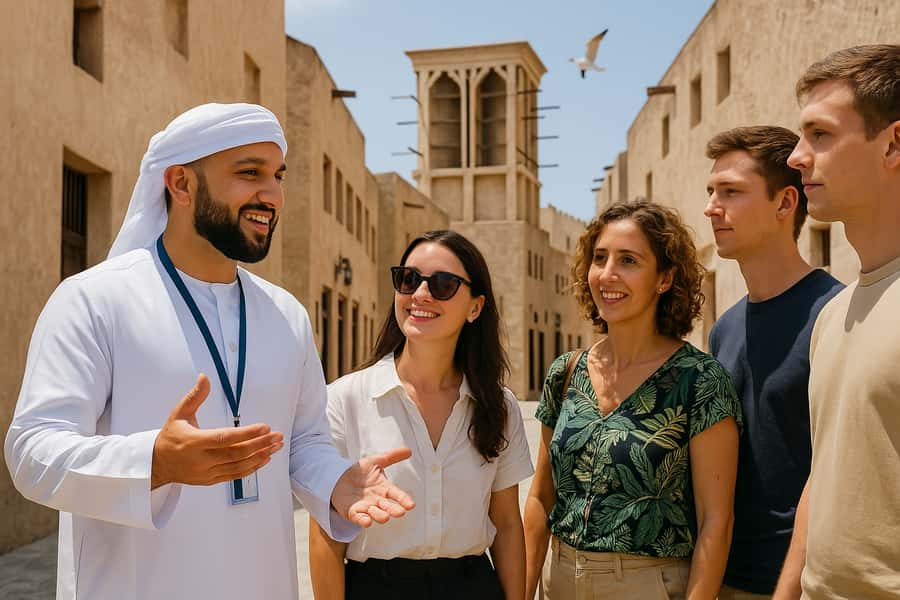
The first stretch introduces you to Arabian-style architecture and the older face of Dubai. Your guide points out details that are easy to miss when you walk alone, including the way old houses are arranged and the purpose of their wind towers.
The Old Mosque is another stop. Its design reflects the area’s religious and architectural traditions, though you should treat it as a sight to admire from the route rather than assume a full interior visit.
You also see sections of the Old Wall, built around 1800 AD. That date matters because it places Dubai’s development in a much earlier period than the modern skyline suggests. The remains are not a vast fortification, so the guide’s explanation is important. Without context, you could easily walk past them.
The district now includes museums, art spaces, and a coffee museum. These uses give the old buildings a second life, but the area can also feel polished in places. If you want raw, untouched old-town scenery, this is not quite that. You are seeing a preserved and renewed historic quarter, presented for both residents and visitors.
Still, it is a good introduction. The walk lets you notice texture and proportion, not just collect landmark photos.
The Dubai Museum and Emirati artifacts
The route continues to the Dubai Museum, where you can see artifacts connected with Emirati civilization and earlier ways of life. This portion adds substance to the walk. Instead of hearing only general comments about tradition, you get objects and displays that help show how people lived and worked before Dubai’s modern expansion.
The museum visit also helps explain why the markets matter. Dubai’s older identity grew from trade, fishing, seafaring, and links across the Gulf and wider region. The creek was a working waterway, and the souks developed around goods moving through that trade network.
The exact balance between walking, museum time, and market time can depend on the group and guide. That is worth remembering if you prefer a long, quiet museum visit. This experience is built around movement, conversation, and several different stops rather than a single extended indoor attraction.
Textile Souk: color, fabric, and bargaining
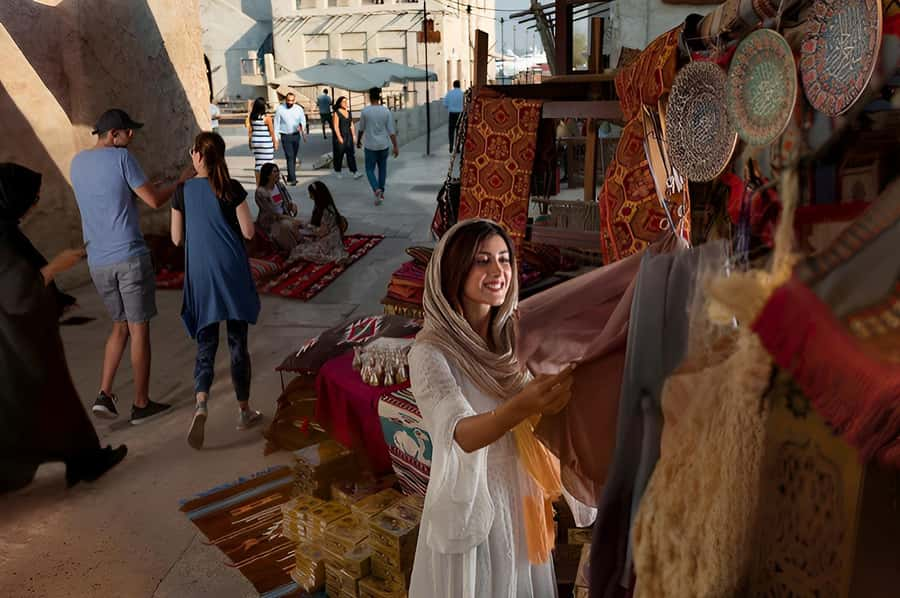
The Textile Souk brings a change of pace. After the muted walls and lanes of Al Fahidi, you reach a market full of fabrics and traditional garments in many colors.
This is a good place to ask your guide questions before shopping. You can learn how to approach the stalls, compare prices, and decide when you are browsing rather than seriously buying. The guides are also useful as a buffer if the sales pitch feels intense.
Several people specifically value the practical shopping help provided by guides such as Muhammad Bilal and Muhammad. The point is not that you must buy something. It is that you can look around with more confidence and less guesswork.
Keep your expectations realistic. A souk is a working retail area, not a quiet museum. Sellers may invite you to inspect fabrics or discuss prices. If you dislike shopping stops, tell your guide early and treat this section as a chance to observe local commerce.
A few more street food tours around Dubai worth a look
- Dubai: Old Town, Creek, Museums, Souks, & Street Food Tour
★ 4.8 · 10,816 reviews - Dubai: Old Town, Souks, Street Food, Guided Tour & Abra Ride
★ 4.9 · 7,170 reviews - Dubai: Old Town, Souks, Street Food, Guided Tour & Abra Ride
★ 5.0 · 1,664 reviews - Dubai: Old Town, Street Food, Creek, Souks, & Emirati House
★ 4.9 · 1,496 reviews
Crossing Dubai Creek by abra
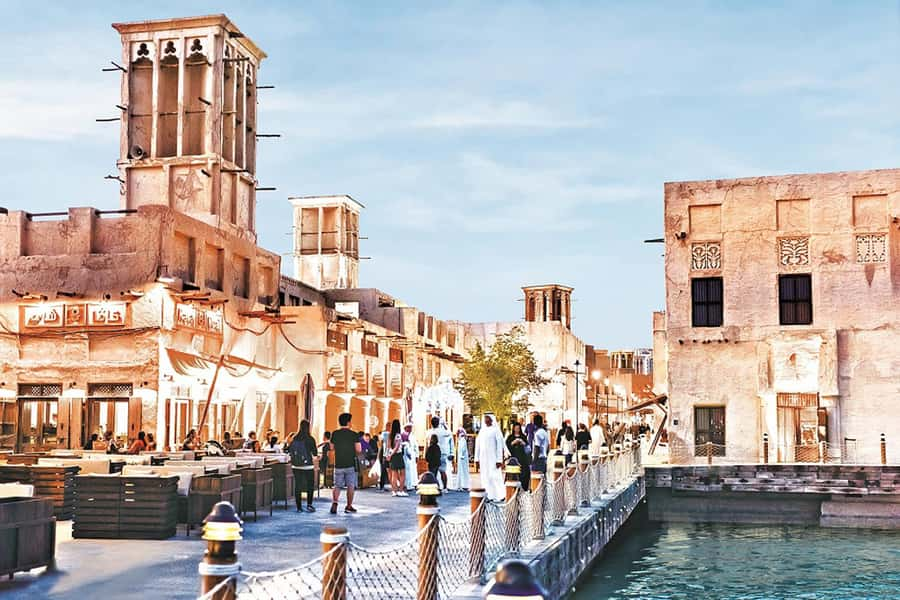
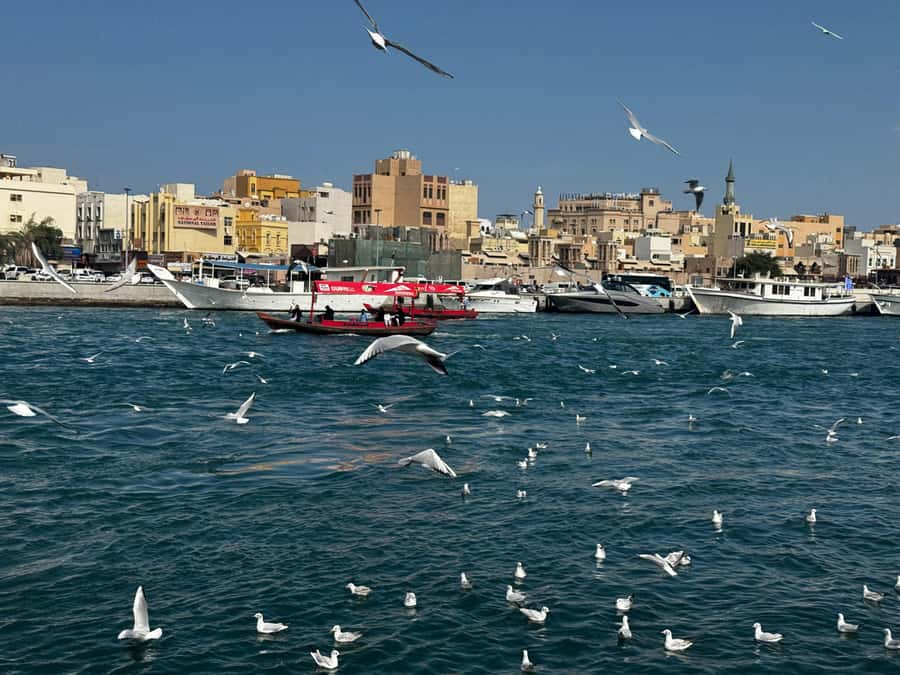
The abra ride is one of the best parts of the experience because it changes the way you move through the city. Rather than taking a road bridge or vehicle, you cross Dubai Creek in a traditional water taxi.
The ride itself is short, but it gives you a different view of Old Dubai. You can look back toward the low buildings, watch creek traffic, and see how water still links the historic districts. It also breaks up the walking, which is welcome in Dubai’s heat.
This is not a sightseeing cruise with a long commentary or a reserved private boat. It is a practical crossing on a traditional vessel. That is precisely why it works. You are using a form of transport tied to the old creekside city, not adding a decorative boat trip that could happen anywhere.
The abra is also one reason the tour suits first-time visitors who want several experiences in one outing. You get a neighborhood walk, a water crossing, food, and market time without arranging each part separately.
Gold Souk: impressive displays and useful guidance
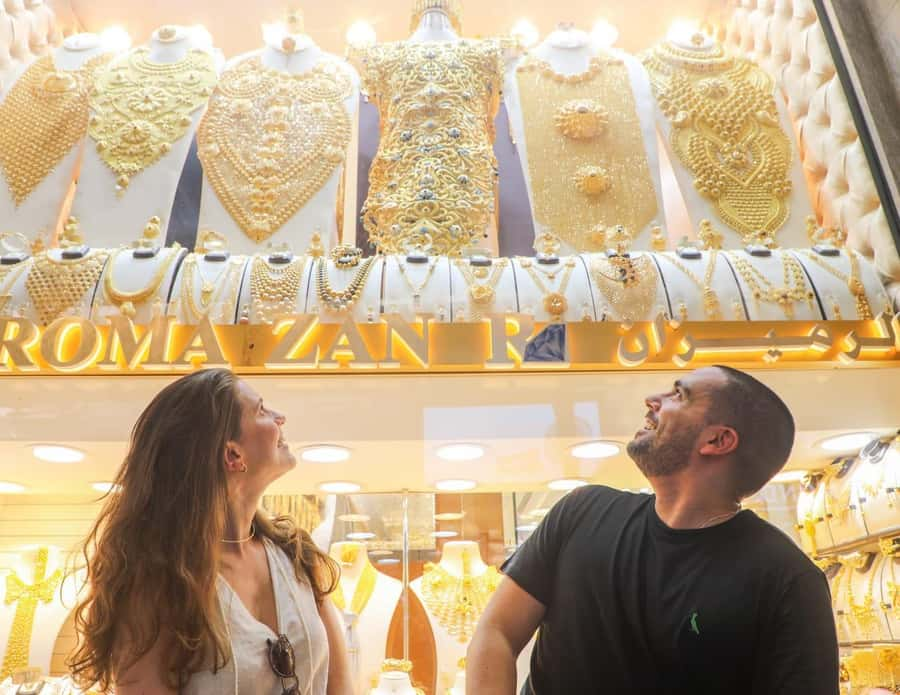
After crossing the creek, the route reaches the Gold Souk, one of the world’s largest gold retail markets. Even if you have no intention of buying jewelry, the displays are worth seeing. Gold is presented in a way that can feel almost theatrical, with shop windows filled with elaborate pieces.
Your guide helps you understand the souk as a place of business rather than simply a photo stop. You can ask about bargaining, compare stores, and learn how to move through the market without feeling lost.
The shopping advice is especially useful here. Guides have helped people feel more comfortable negotiating and, in some cases, directed them toward better prices at particular shops. That does not mean you should assume every suggested store offers the lowest price. Compare carefully, confirm costs, and buy only if you genuinely want the item.
A useful rule is to treat the guide’s help as local orientation, not a guarantee. You remain responsible for checking the weight, workmanship, price, and terms of anything you purchase.
Spice Souk and the taste of Old Dubai
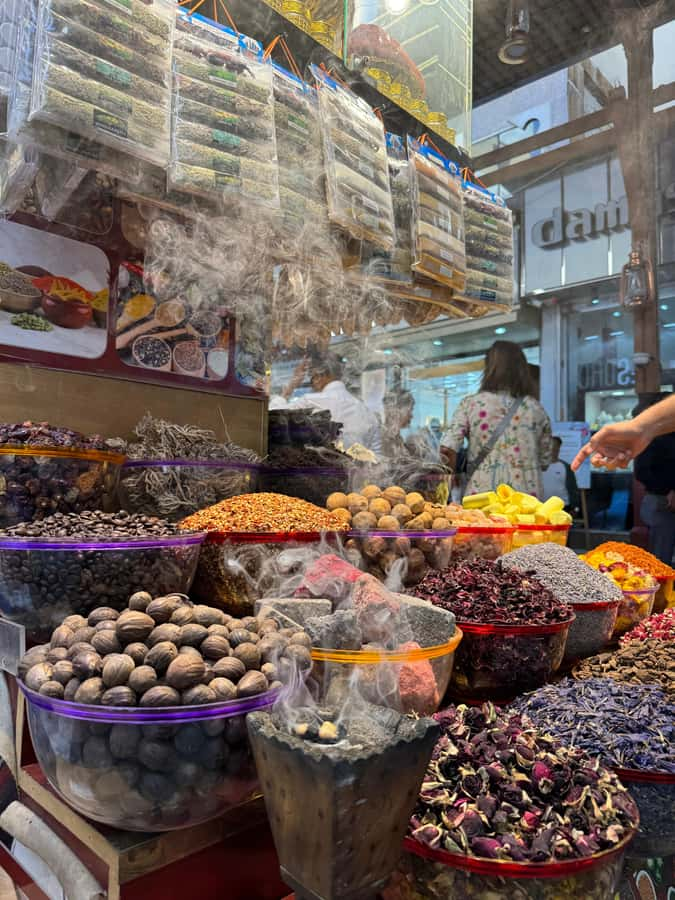
The final market section focuses on spices and Middle Eastern flavors. You can expect colorful displays, strong aromas, and vendors offering familiar and less familiar ingredients.
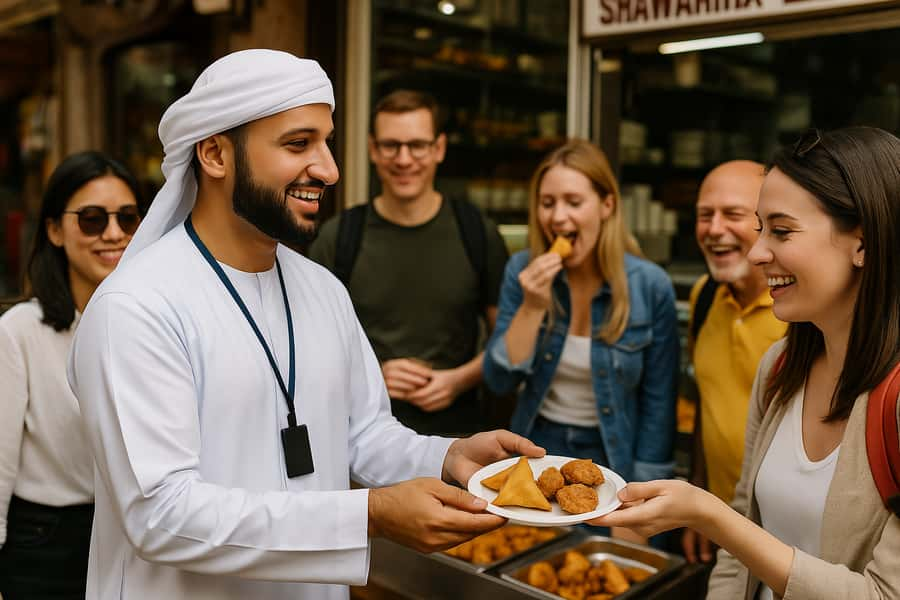
This is where the included food becomes part of the story rather than a separate snack break. The tour includes street food, Arabic coffee, water, and camel milk chocolate. The exact food selection is not specified, so do not book expecting a particular dish. Instead, think of it as a small tasting that adds flavor to the market walk.
Arabic coffee offers a direct connection to hospitality in the region. Camel milk chocolate is a distinctly local-style treat and a fun extra, especially if you want to try something you may not encounter at home.
The Spice Souk can be an active shopping environment, and vendors may encourage you to smell or taste products. If you have allergies or dietary restrictions, ask the guide what is in anything offered before eating it. The supplied details do not promise a special diet menu.
What the guides add to the experience
A route through Al Fahidi, the creek, and the souks is possible without a guide. The harder part is understanding what you are seeing and handling the market interactions with ease.
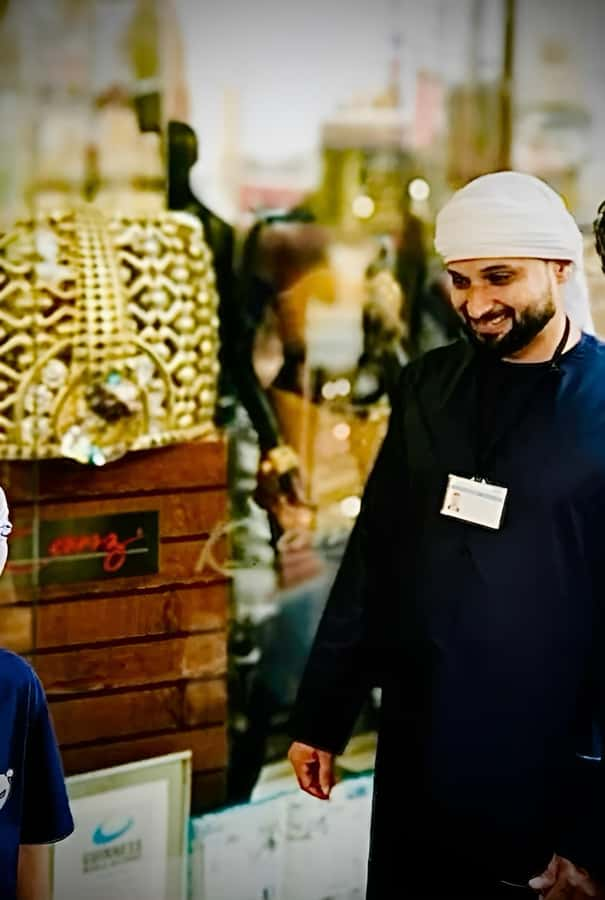
The strongest part of this experience is the guide’s role. Muhammad Bilal is praised for making the outing educational and entertaining, while Muhammad is repeatedly described as friendly, attentive, and clear. Abdulla is also singled out for making the history and culture accessible.
That pattern tells you what to look for: not a lecture packed with dates, but someone who can answer questions and link the sights to everyday life in Dubai and the United Arab Emirates.
The tour is offered in English and Spanish. It can be booked as a private experience or as a small-group outing. A small group usually gives you a more personal exchange than a large coach tour, while private service may suit you if you want more control over pace and questions.
An evening option from 5 to 8 p.m. has particular appeal. The cooler timing makes the walking easier, and the souks take on a different feel after dark. Check the available departure when booking because the provided details do not state that every date follows the same schedule.
The $26 price: good value, with limits
At $26 per person, the tour is priced well for what it combines. You are paying for a guide, Arabic coffee, street food, water, camel milk chocolate, and the abra ride, plus several hours of organized sightseeing.
The value is strongest if you want an introduction rather than a specialist history tour. Arranging the same route yourself would not cost much in transport, but you would lose the explanations, food inclusions, market guidance, and help getting from one area to the next.
The price does not include hotel pickup or drop-off unless you choose the private option. You need to make your own way to Al Seef, and any shopping is extra. That keeps the base price low, but you should budget separately if the Gold or Textile Souk inspires a purchase.
For a first or second day in Dubai, I consider this a sensible use of money. It gives you the city’s older side without asking you to commit to an expensive private guide.
Meeting point, clothing, and comfort
The meeting point is in front of Wokyo Noodle Bar in Al Seef. From Sharaf DG Metro Station on the Green Line, it is a short walk. A taxi or Uber driver can take you to Wokyo Noodle Bar at Al Seef, and the supplied map link can help with the final approach.
Arrive at least 10 minutes early. Old Dubai has lanes and busy public areas, so arriving at the last moment can create needless stress.
Wear comfortable shoes. You will walk across uneven or busy surfaces, and the route includes outdoor sections. Sunglasses, a sun hat, and light, comfortable clothing are sensible choices.
Large bags, luggage, and baby strollers are not allowed. The route is not suitable for children under two, wheelchair users, or people with mobility impairments. These limits are important, since the tour involves walking, market passages, and an abra crossing.
Cancellation is allowed up to 24 hours before the tour for a full refund, and you can reserve now and pay later. That gives you some flexibility while planning a Dubai stay.
Who should book this Old Dubai walk?
I would choose this tour if you want local context without spending a full day on formal museums. It works particularly well for first-time visitors, couples, solo sightseers, and small groups who want a friendly introduction to the historic districts.
It also suits you if you enjoy food samples, markets, architecture, and short transport experiences in one outing. The mix keeps the pace moving, and the creek crossing gives the route a clear sense of place.
I would think twice if your main goal is luxury shopping, a long boat cruise, or an air-conditioned sightseeing tour. The experience is outdoors and social, with some market pressure and a fair amount of walking.
Should you book it?
Book this tour if you want to understand Dubai beyond its modern skyline. The best reasons are the guide-led walk through Al Fahidi, the traditional abra crossing, and practical help in the Textile, Gold, and Spice Souks.
The $26 price is fair because it includes food, drinks, the water taxi, and a local guide. Choose the private option if you want hotel pickup or a more tailored pace. Otherwise, the small-group format should give you a good balance of personal attention and value.
Bring comfortable shoes, arrive early at Al Seef, and leave room in your schedule for browsing. If Muhammad Bilal, Muhammad, or Abdulla is leading your outing, you can expect clear cultural context and a guide who is willing to answer questions. For a compact, affordable look at Dubai’s older character, this is an easy recommendation.
FAQ
Where does the Dubai Old Town walking tour start?
The tour starts in front of Wokyo Noodle Bar in Al Seef.
How can I reach the meeting point by metro?
The closest station is Sharaf DG Metro Station on the Green Line. From there, Al Seef is a short walk away.
What is included in the tour price?
The tour includes a guide, Arabic coffee, street food, water, camel milk chocolate, and the abra water taxi trip.
Is hotel pickup included?
Hotel pickup and drop-off are not included unless you select the private option.
Which languages are available?
The tour is available in English and Spanish.
Does the tour include an abra ride?
Yes. You cross Dubai Creek by traditional abra, or water taxi.
What should I bring?
Bring comfortable shoes, sunglasses, a sun hat, and comfortable clothing.
Is the tour suitable for wheelchair users or young children?
The tour is not suitable for wheelchair users, people with mobility impairments, or children under two. Baby strollers and luggage are also not allowed.
Just added around Dubai
- Old Dubai Walk, Souk, Street Foods, Al Fahidi and Al Seef Tales★ 4.0 · 9 reviews
- Original Street Food Tour of Dubai★ 4.5 · 41 reviews
- Private Dubai Street Food Tour .★ 4.5 · 7 reviews
- Discover Old Dubai Town, Souks, Street Food, Culture and History★ 5.0 · 3 reviews
- Dubai Street Food Tour★ 5.0 · 5 reviews
- Dubai Souks, Museum, Street Food Walking Tour with Hotel Transfer★ 4.5 · 7 reviews
- Local Street Food and Guided Walking Tour of Dubai Old Town★ 5.0 · 37 reviews
- Local Food Tour of Dubai★ 5.0 · 3 reviews
Dubai Street Food Tours, compared.
Dubai: Old Town, Souks, Street Food, Guided Tour & Abra Ride
Read our review →Dubai: Old Town, Souks, Street Food, Guided Tour & Abra Ride
Read our review →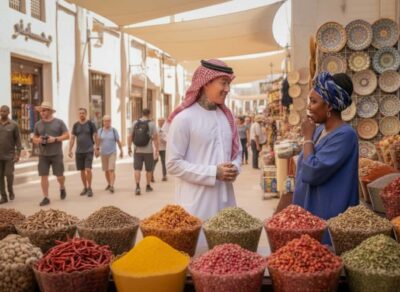
Dubai: Old Town, Street Food, Creek, Souks, & Emirati House
Read our review →
Old Dubai: Premium Guided Tour with Street Food & Abra Ride
Read our review →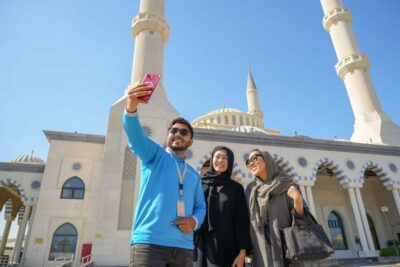
Dubai Top Highlights: Frame Entry, Souks, Abra & Street Food
Read our review →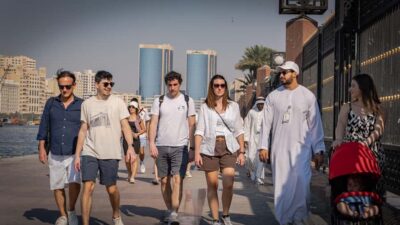
Dubai: Premium Old Town, Street Food, Souks & Boat Ride Tour
Read our review →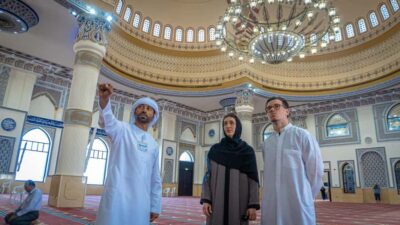
Dubai: City Highlights Tour with Blue Mosque & Street Food
Read our review →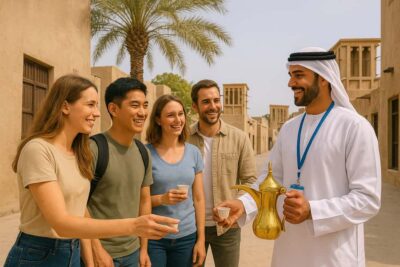
Dubai.Discover Old town,Markets,street food,Abra &Museums
Read our review →Browse the lists this tour appears in