
REVIEW · CHINATOWN FOOD TOURS
Manila Chinatown Food Tour with Local Guide
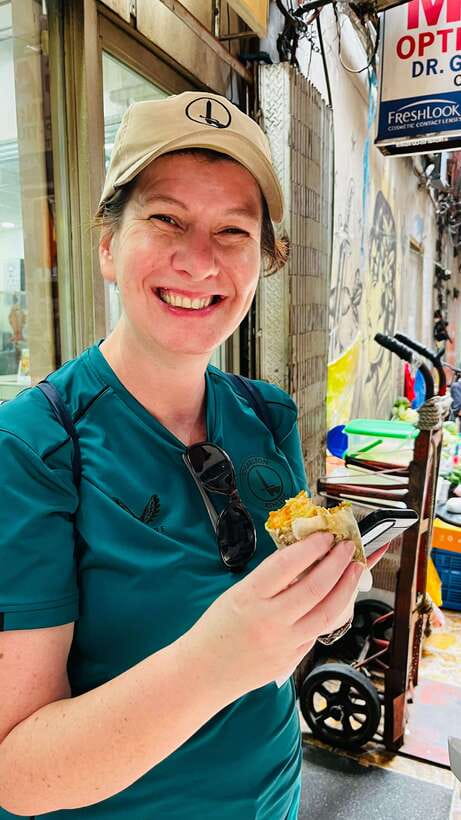
Binondo gives you one of Manila’s best introductions to Chinese-Filipino food and city life. In two hours, you’ll walk through narrow streets, stop at local food shops, hear the story of the area, and possibly ride a motorbike with a sidecar, which guide Mari jokingly calls a Lamborghini with air-conditioning. The tour visits as many as eight restaurants, so this is a serious tasting rather than a single snack stop.
I like the mix of food and history, especially the look at old buildings and the Chinese influence on Manila. I also like the local transport ride, since it adds a practical piece of daily city life instead of keeping you inside a sightseeing bubble.
The main caution is pace. One guest found the walking speed quite fast, useful in the heat but harder if you need frequent breaks. The tour is also not suitable for vegans, vegetarians, wheelchair users, or people with heart problems.
Key points to know before booking
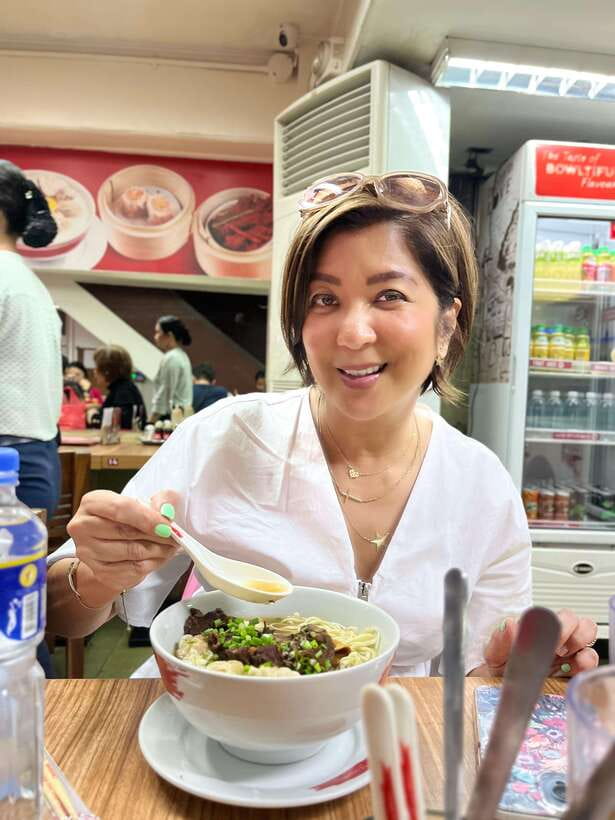
- Up to eight food stops: Expect a generous tasting route through Binondo, Ongpin, and parts of Quiapo.
- Mari or Tessie may guide you: Both are described as energetic, clear, and attentive to the group.
- Local transport is included: A motorbike with a sidecar may form part of the route.
- Come genuinely hungry: The amount of food can be surprisingly large for a two-hour experience.
- Fast walking in city heat: The pace helps cover ground, but it may not suit everyone.
- Food restrictions matter: Vegan and vegetarian travelers should not book this tour, and other dietary needs should be shared in advance.
Binondo in two hours: food, history, and city movement
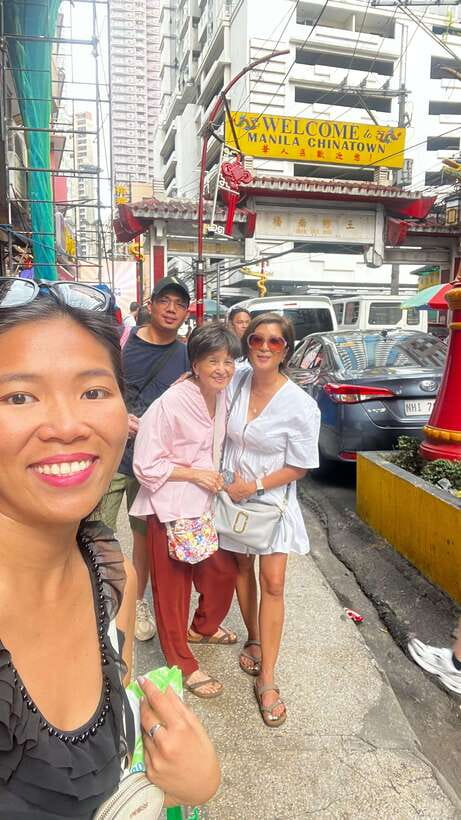
I see this tour as a quick, full-flavored introduction to Manila’s oldest Chinese district. Binondo is not presented as a polished attraction. You move through working streets, markets, food businesses, old buildings, and busy lanes where the city carries on around you.
The experience combines several things that are easy to miss if you explore alone. You taste Chinese and Filipino-Chinese dishes, learn how Chinese culture has shaped Manila, and see how residents use local streets and transport. That combination gives the outing more purpose than a simple restaurant crawl.
The tour lasts two hours, so you should expect a tightly packed route rather than a slow afternoon walk. The guide needs to keep the group moving between food stops, historical points, and transport connections. I would wear light clothing, comfortable shoes, and bring only what you can carry easily.
The meeting point is inside a cafe. When you arrive, ask the receptionist to find Mari. Since the guide may be Mari or Tessie, it is sensible to confirm the exact meeting details before setting out, particularly because the supplied location information also lists Nueva Vizcaya while the activity itself takes place in Manila’s Binondo. That mismatch is worth checking before you book transportation.
More Chinatown Food Tours in Philippines:
- Manila: Intramuros and Chinatown Food Tour with Food Samples
★ 4.8 · 12 reviews - Manila: Binondo Chinatown Food Tour with Free Food Samples
★ 5.0 · 5 reviews - Manila Chinatown Food Tour Experience
★ 4.2 · 4 reviews
Starting with Binondo’s old streets and buildings
The historical side of the tour begins with Binondo itself. The area is described as the oldest Chinatown in the world, and the walk focuses on old buildings, landmarks, and the long connection between Chinese culture and life in the Philippines.
I like this part because the history is tied to streets you are actually walking through. Instead of hearing a long lecture in a museum, you can connect the story to shops, lanes, food businesses, and the built surroundings. The guide also helps explain why Chinese food and customs have such a strong place in Manila.
The information does not promise a fixed list of landmarks, so you should not book this expecting a formal architectural tour with entry to major monuments. The value comes from seeing the district as a living part of the city. You may pause at notable older structures, but the main rhythm is walking, eating, and hearing context along the way.
Mari is the guide most often identified with this experience, and her approach sounds energetic and personal. She has been described as taking care to keep people safe and making sure the group is enjoying the route. Tessie has also led the tour, with a slower, clear explanation of the area’s history. If you have a preference, ask in advance, though guide assignment may depend on availability.
Chinese food from local shops, not just one restaurant
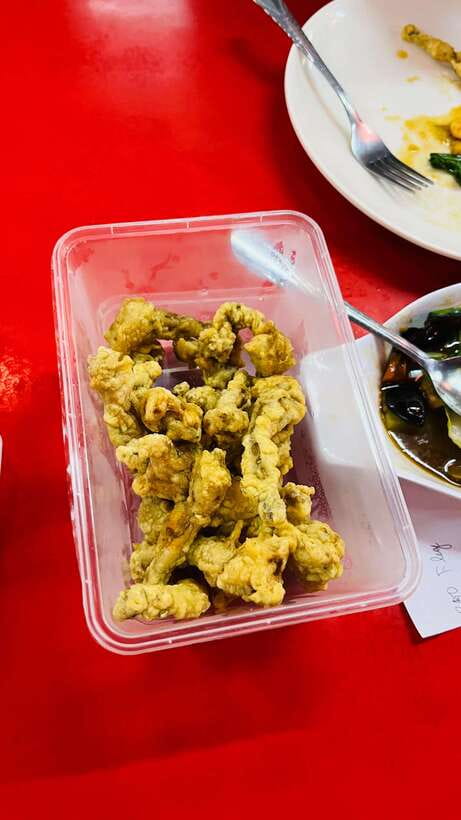
Food is the center of the experience. The tour includes Chinese street food and well-known Chinatown dishes, with sweet, savory, and spicy flavors included in the tasting. One detailed account described stops at eight restaurants, which gives you a sense of the quantity and variety involved.
I would not expect eight full meals. These are tasting portions, but you still need to arrive hungry. The guide specifically advises this, and the amount of food can add up quickly. If you eat a light breakfast before the tour, you will have more room to enjoy the route.
The exact dishes are not listed, so I would avoid booking with a fixed wish list in mind. The food may change with the day, vendor availability, and the guide’s route. That flexibility is part of the appeal: you are being taken to local places rather than following a published menu.
The tasting also gives you a way to compare different sides of Chinese-Filipino cooking. Some stops may lean toward familiar Chinese flavors, while others may show how those flavors have become part of Manila’s own food culture. The experience is useful for anyone who wants food context, not just a plate placed in front of them.
Tell the operator about dietary needs before the tour begins. The stated restrictions are firm: the tour is not suitable for vegans or vegetarians. The description also asks you to mention other restrictions ahead of time, but it does not promise that every request can be accommodated.
Ongpin and Quiapo add more than a food stop
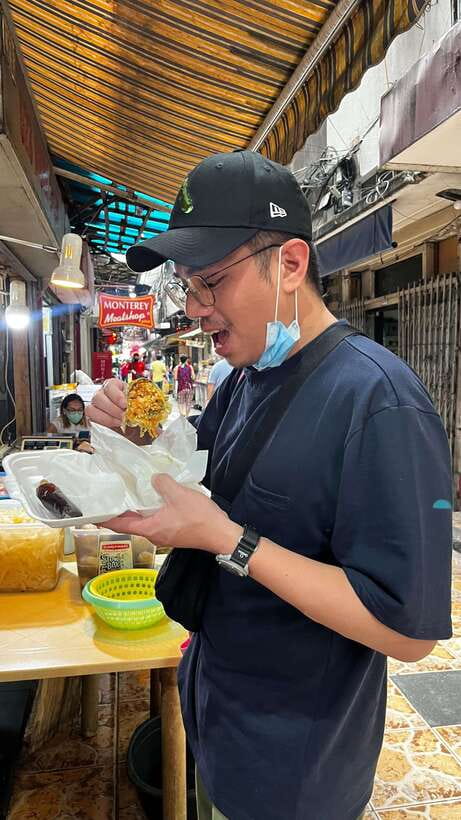
The route can pass through Binondo, Ongpin, and the Quiapo area. That wider route matters because you are not confined to one small street or one cluster of restaurants. You get a broader sense of how the district connects with the surrounding parts of Manila.
Ongpin is especially important to the Chinatown feel of the experience, with Chinese food and businesses shaping the streetscape. Quiapo adds another layer of city life. The tour does not provide a full sightseeing itinerary for either area, so think of them as parts of a moving food and history route rather than separate attractions with long visits.
This is where the guide’s local awareness becomes valuable. A guide can point out places you might walk past, explain the area in plain language, and keep the route practical. The best moments may be small: a food shop you would not have chosen alone, an old facade, or a quick explanation of a custom or ingredient.
The drawback is that the route is active and potentially crowded. You need to stay close to the guide, watch your footing, and keep your belongings secure. The tour runs rain or shine, so carry sensible protection for the weather and do not assume the walk will be postponed because of rain.
A few more street food tours around Philippines worth a look
- Manila: Guided Night Market Experience
★ 5.0 · 54 reviews - Makati: Street Food Experience with a Local Guide
★ 4.6 · 14 reviews - Manila Night Market with Local Guide
★ 4.7 · 12 reviews - Cebu: Street Food Tour with Local Guide
★ 5.0 · 2 reviews
The local transport ride brings Manila closer
Local transportation is included, and one account describes a ride in a motorbike with a sidecar. Mari’s playful Lamborghini with air-conditioning line refers to this compact local vehicle, not a luxury car. It is a memorable detail because it turns transportation into part of the experience.
I like that this gives you a brief look at how people move through the city. You are not only walking between food stops or being driven in a standard tourist vehicle. You get a more local form of transport, which can make the route feel connected to everyday Manila.
The information does not specify how long the ride lasts or whether every departure uses the same vehicle. Treat it as an included part of the route, not the main attraction. If you have mobility concerns, heart problems, or discomfort with this type of transport, ask before booking. Wheelchair users are specifically advised not to take this tour.
What Mari and Tessie add to the experience
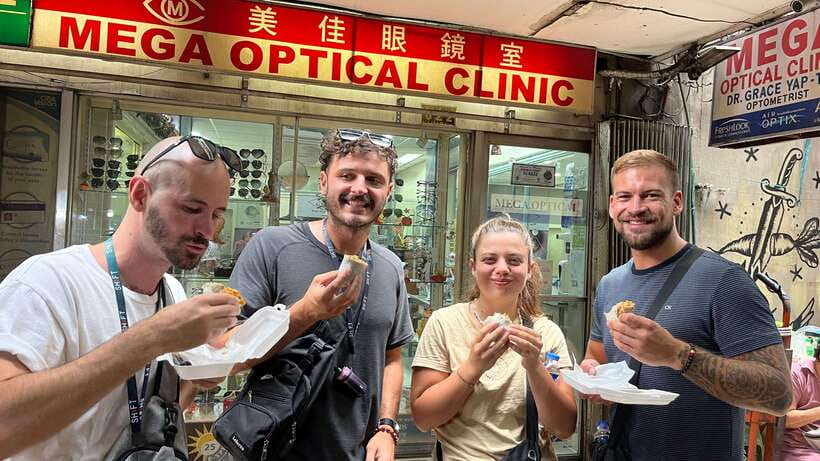
A food route works best when the guide does more than point at dishes. Mari is described as energetic, entertaining, and well connected with the food vendors. That matters because a familiar guide can help the group feel welcome while keeping several stops running on time.
She is also described as quick to respond to questions before booking. If you are unsure about food restrictions, the pace, or the meeting point, contacting the operator ahead of time is a sensible move. The tour encourages questions, and you should bring them. Two hours goes quickly, so ask while you are walking rather than waiting until the end.
Tessie has been praised for explaining the history clearly and not rushing the group. That may appeal to you if the cultural background matters as much as the food. Since the walking speed can vary by guide and group, do not assume every departure will feel identical.
The strongest part of the guide service is the attention to the group. Mari is described as checking that people are safe and enjoying themselves, and as showing care for local vendors and residents. That is the right approach for a neighborhood food tour: you want access without treating the area like a stage set.
Is $68 a fair price for two hours?
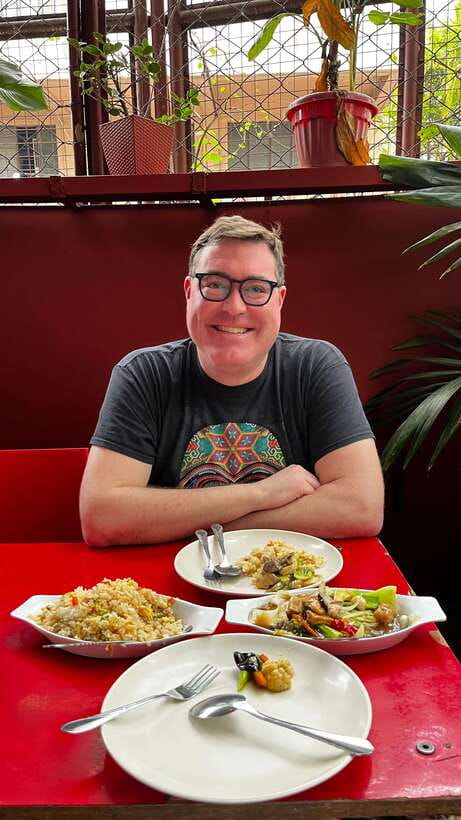
At $68 per person, this is not the cheapest way to eat in Binondo. You could spend less by choosing a few food stalls yourself. The value comes from the combination of tastings, guiding, local background, bottled water, and transport, along with the time saved planning a route through an unfamiliar district.
The food matters most to the price. If the tour includes several tasting stops, as one detailed account indicates, you may receive a substantial amount of food in a short period. Add the guide’s explanations and the transport experience, and the cost becomes easier to justify for a first visit.
I would book it if you have limited time in Manila and want a structured introduction to Binondo. I would skip it if you prefer choosing every restaurant yourself, need a slow walking pace, or are mainly looking for a low-cost meal.
The reserve-now-and-pay-later option gives you some flexibility, and cancellation is allowed up to 24 hours before the activity for a full refund. The experience also says it can be booked within 24 hours, which helps if your Manila plans come together late. Still, I would confirm availability and the starting time before relying on a last-minute booking.
Who will enjoy this tour most?
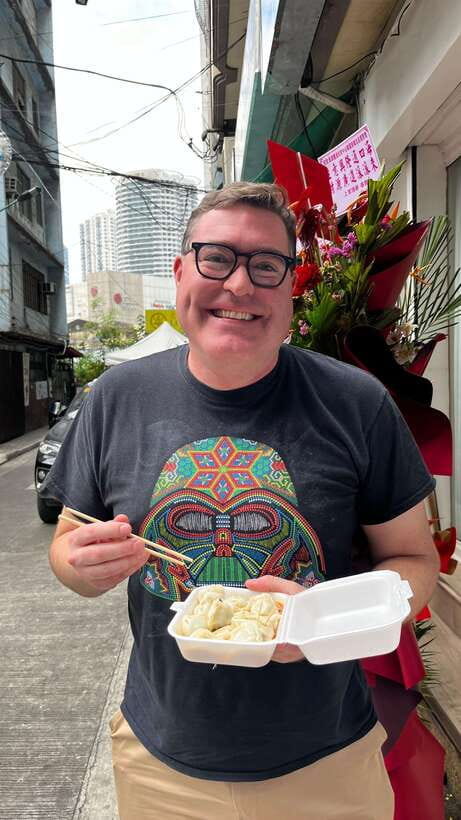
This experience suits curious eaters who want to understand the district while sampling it. It is a good fit for first-time visitors to Binondo, people who enjoy street food, and anyone who likes a guide to handle the route and explain the local setting.
Families can bring children aged three and older. I would consider the walking pace and heat carefully for young children, since the route covers active streets and may move quickly. The rain-or-shine policy also means you should be prepared for changing conditions.
It is less suitable for anyone who needs step-free access, cannot eat meat or other non-vegetarian foods, or has a heart condition. Vegans and vegetarians should choose a different food activity. If you have another dietary restriction, contact the operator before booking rather than hoping it can be managed on the day.
Final call: book it if you want a lively first taste of Binondo
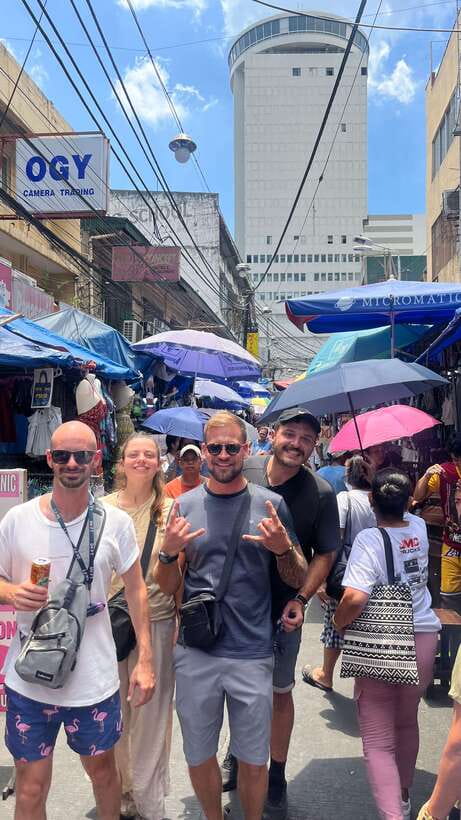
I would choose this tour for a short Manila stay, especially if I wanted food, local history, and a bit of everyday transport in one compact outing. The combination of several tastings, old streets, Chinese-Filipino culture, and a guide such as Mari or Tessie gives you a useful first look at Binondo.
Book it if you can walk at a brisk pace, eat Chinese food, and arrive very hungry. Skip it if you need a relaxed stroll, wheelchair access, or strict vegan or vegetarian meals. Before paying, confirm the meeting point, starting time, guide, dietary options, and the location discrepancy involving Nueva Vizcaya and Manila.
FAQ
Where does the Manila Chinatown food tour take place?
The activity takes place in Binondo, Manila’s historic Chinatown, with parts of the route passing through Ongpin and the Quiapo area. The supplied location also lists Nueva Vizcaya, so confirm the exact meeting details before booking.
How long does the food tour last?
The tour lasts two hours. Starting times vary, so check availability when choosing your date.
Who guides the tour?
The tour is conducted in English or Tagalog. Guides named in the activity information include Mari and Tessie.
What food is included?
The tour includes Chinese street food and well-known Chinatown food tastings, with sweet, savory, and spicy dishes. The exact menu is not specified and may vary.
Is transportation included?
Yes. Local transportation is included, and the route may use a motorbike with a sidecar.
Can children join the tour?
Children aged three and older are allowed to join.
Can I cancel or pay later?
You can reserve now and pay later. Cancellation is allowed up to 24 hours in advance for a full refund.
Just added around Philippines
- The Original Cebu City Historical and Food Walking Tour★ 4.5 · 81 reviews
- Makati: Street Food Experience with a Local Guide★ 4.6 · 14 reviews
- Manila Street food and Night Market Tour★ 4.7 · 21 reviews
- Manila Street Food and Drinks with Tuktuk Experience★ 5.0 · 4 reviews
- Manila Night Market with Local Guide★ 4.7 · 12 reviews
- Manila: Intramuros and Chinatown Food Tour with Food Samples★ 4.8 · 12 reviews
- Manila Chinatown Food Tour Experience★ 4.2 · 4 reviews
- Manila: Binondo Chinatown Food Tour with Free Food Samples★ 5.0 · 5 reviews
Chinatown Food Tours, compared.

SoHo, Little Italy, and Chinatown Walking Tour in New York
Read our review →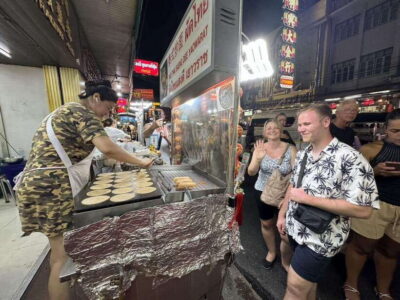
Bangkok Authentic Tasting Thai-Chinatown Walking Food Tour
Read our review →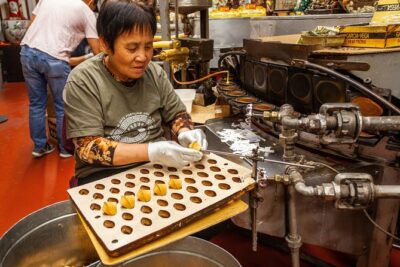
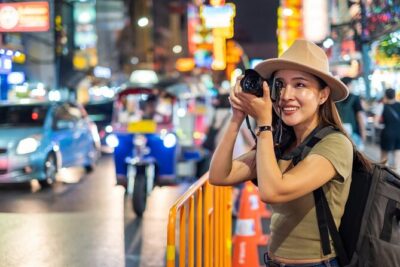
Bangkok Tuk-Tuk Tour by Night with Chinatown Street Food Meal
Read our review →
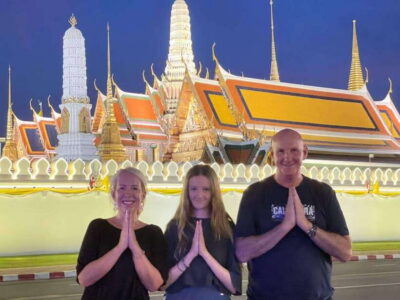
Bangkok Tuk-Tuk by Night with Chinatown Street Food Meal
Read our review →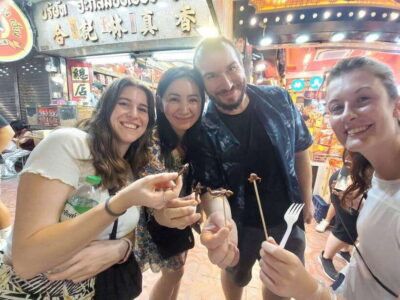
Bangkok: Chinatown Food Tour with Michelin Food Stalls
Read our review →
New York City: Food Walking Tour of Chinatown & Little Italy
Read our review →Browse the lists this tour appears in