
REVIEW · CHINATOWN FOOD TOURS
Manila: Binondo Chinatown Food Tour with Free Food Samples
Binondo’s best introduction may be found one bite at a time. This three-hour walk links street food, dim sum, and traditional pastries with the stories of Manila’s Chinatown, founded in 1594 and widely recognized as the oldest Chinatown in the world.
I like the clear focus on food you might not order on your own, including the siopan praised by Catherine from the United Kingdom. I also like the personal touch: guide Jane leads the walk in English or Tagalog, and the private format gives your group a more direct way to ask about dishes, streets, and local customs.
The main drawback is the pace and setting. You walk for the full three hours through crowded Chinatown streets, and the tour is not suitable for wheelchair users. At $80 per person, it makes the most sense if you value a private guide and several tastings rather than a cheap self-guided snack crawl.
Key points to know before you go
- Start and finish at Binondo Church: The Minor Basilica and National Shrine of Saint Lorenzo Ruiz is both the meeting point and the return point.
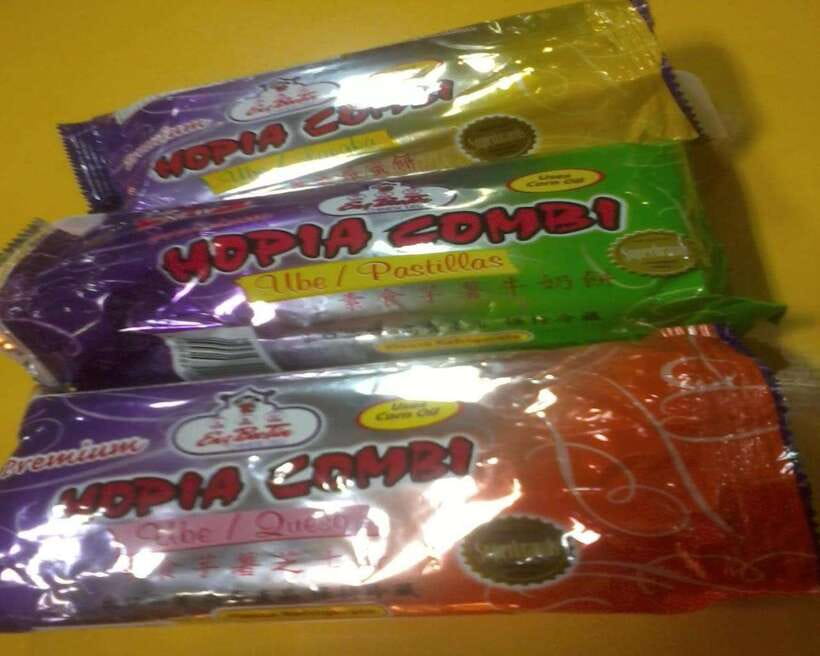
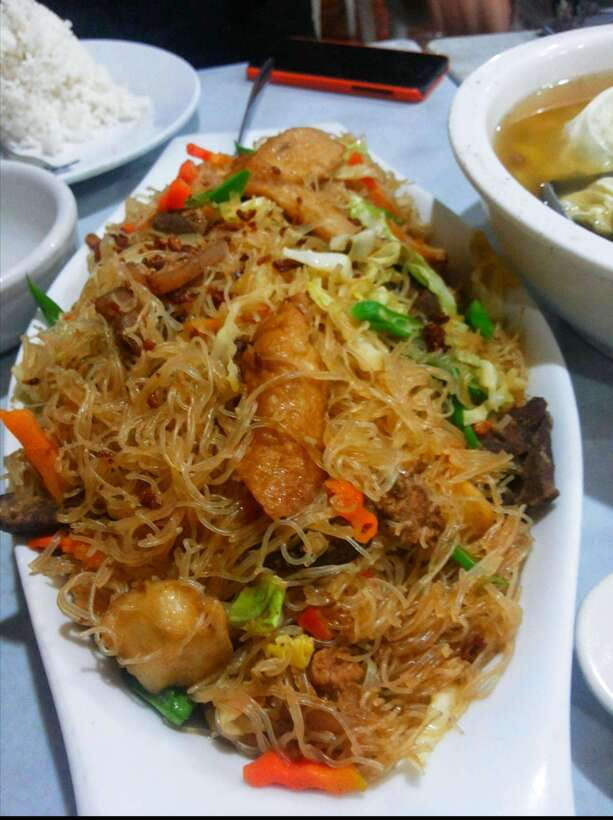
- Taste across the Chinatown menu: Expect a mix of savory dim sum, street snacks, local dishes, and sweet traditional pastries.
- Visit key Binondo landmarks: The route includes Ongpin Street, Plaza San Lorenzo Ruiz, and Binondo Church.
- Walk for the entire three hours: Comfortable shoes and water are practical choices.
- Go private with Jane: The tour is for a private group, with an English or Tagalog-speaking local guide.
- Plan for a $80-per-person experience: Free samples are included, while personal spending and gratuity are extra.
Why Binondo works so well for a food walk
Binondo is not simply a place to stop for one Chinese meal. It is a Manila district where food, faith, trade, family businesses, and street life meet in a compact urban setting. That makes walking useful. You get the chance to see where you are eating instead of being dropped at one restaurant and sent on your way.
The neighborhood was established in 1594, giving the walk a clear historical frame. You begin at Binondo Church, an important landmark with the formal name Minor Basilica and National Shrine of Saint Lorenzo Ruiz. From there, your guide connects the setting with the food found nearby.
I like this approach because it gives context to dishes that may otherwise seem unfamiliar. A pastry is not just a sweet bite. A dumpling is not merely a quick snack. Jane can explain how the food fits into Chinatown and Filipino life, then help you decide what deserves a second taste.
The streets are active and close-packed. You should expect traffic, markets, pedestrians, and the ordinary noise of a city district. That atmosphere is part of the experience, but it also means this is not a calm tasting room or a polished food tour with a seat at every stop.
More Chinatown Food Tours in Philippines:
- Manila: Intramuros and Chinatown Food Tour with Food Samples
★ 4.8 · 12 reviews - Manila Chinatown Food Tour with Local Guide
★ 5.0 · 6 reviews - Manila Chinatown Food Tour Experience
★ 4.2 · 4 reviews
Meeting at Binondo Church
The tour starts at Binondo Church, which makes the first few minutes easy to understand. You have a fixed landmark rather than a vague street corner, and you return to the same place at the end.
This opening stop also gives Jane a chance to explain Binondo before food becomes the main subject. That matters because the area can feel busy and confusing when you first arrive. A short orientation helps you recognize the connection between the church, the surrounding streets, and the Chinatown district.
I would arrive ready to walk rather than expecting a long introduction. The full activity lasts three hours, and the food stops begin as you move through the neighborhood. Bring water, keep your hands free when possible, and wear shoes that can handle an uninterrupted city walk.
Binondo Church is also a useful place to take an early photo and mark your bearings. Since the walk returns here, you do not need to arrange a separate pickup at the end.
Ongpin Street and the working Chinatown
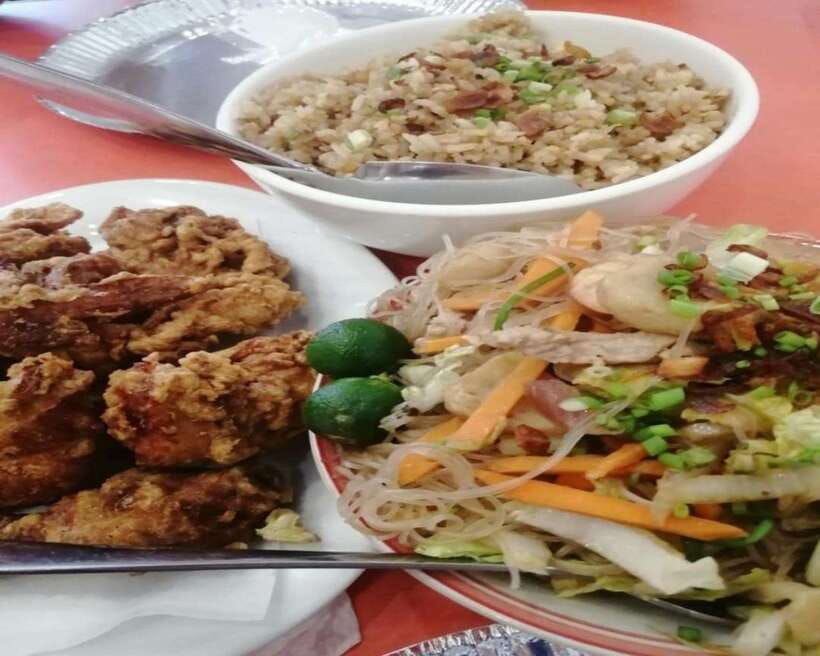
Ongpin Street is one of the tour’s most useful stops because it gives you a strong sense of Binondo as a living commercial district. It is an iconic part of Chinatown, and the food stalls and restaurants here show why the area is best explored on foot.
You are not just passing through a historic quarter. You are looking at food being sold in the place where people shop, eat, and go about their daily business. That difference is important. The experience is less about a staged performance and more about learning how to read the neighborhood.
Your guide points out popular food stops and places that are easy to miss if you are walking alone. The exact dishes can vary, so you should not expect a fixed menu with every item listed in advance. The stated range includes savory dim sum, street snacks, local dishes, and traditional pastries.
That flexibility can be a plus. It lets the walk respond to what is available during the visit. It also means you should book this for the general experience of tasting across Binondo, not for one guaranteed restaurant or a single signature dish.
From savory bites to sweet pastries
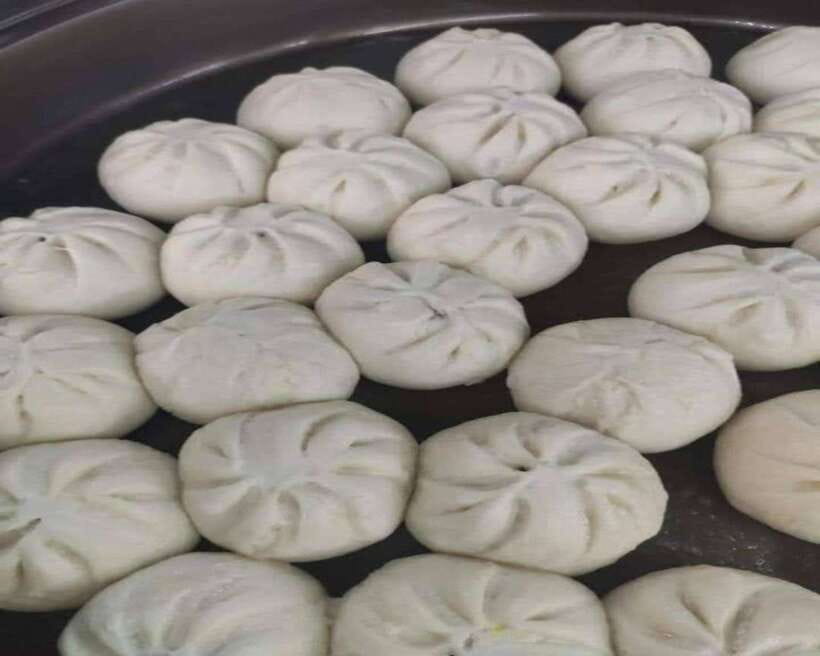
The food is the heart of the tour. Each sample is meant to show a different part of Chinatown’s cooking, moving from savory items to sweets rather than giving you one large meal at one address.
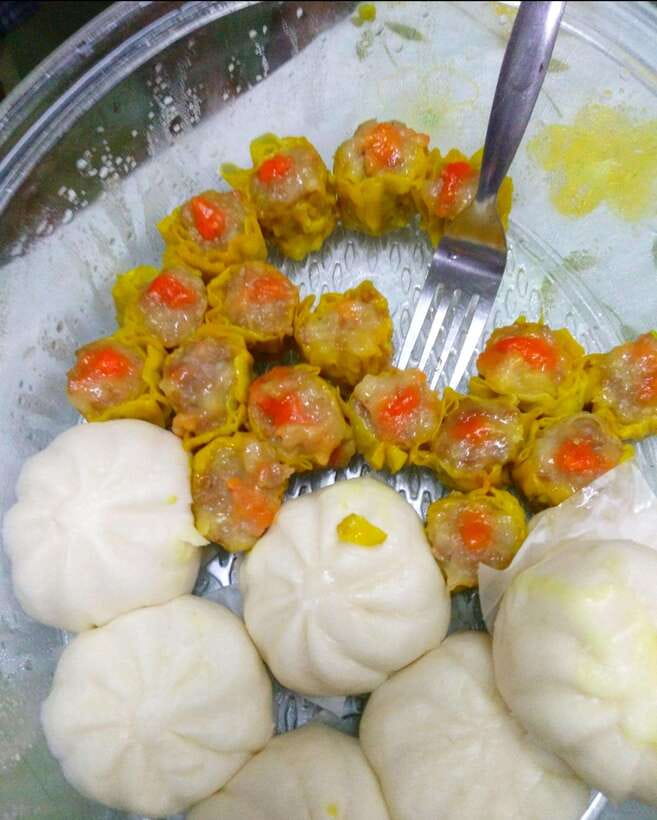
Dim sum is among the more familiar options for many visitors, but the value comes from trying it in the setting of Binondo and hearing how Jane describes the food. Street snacks give the walk a more casual feel, while traditional pastries provide a change of pace near the end of the tasting sequence.
One specific dish earned strong praise: the siopan, described as amazing by Catherine. The spelling in the feedback is siopan, so I would ask Jane about the dish when you meet. It is a good example of why a guide helps. You can learn what you are eating, how it is usually enjoyed, and whether there are other versions worth trying.
The samples are included, which keeps the tasting simple. You do not need to budget separately for every bite included in the tour. Still, bring some extra money for personal expenses, additional food, or drinks, since those are not covered.
Do not mistake free food samples for an unlimited buffet. The experience is built around multiple tastes while walking, not a guaranteed full meal with large portions. One person described the combination as plenty of different food and a great meal, but your appetite and the day’s stops may shape how filling it feels.
Same city, a different plate:
- Manila Food Tour: Introduction to Philippine Street Food
★ 5.0 · 417 reviews - Manila: Street Food and Drinks Walking Tour with Tastings
★ 4.8 · 114 reviews - The Original Cebu City Historical and Food Walking Tour
★ 4.5 · 81 reviews - Manila: Sightseeing and Food Walking Tour with Tastings
★ 4.7 · 68 reviews
Plaza San Lorenzo Ruiz and the story between stops
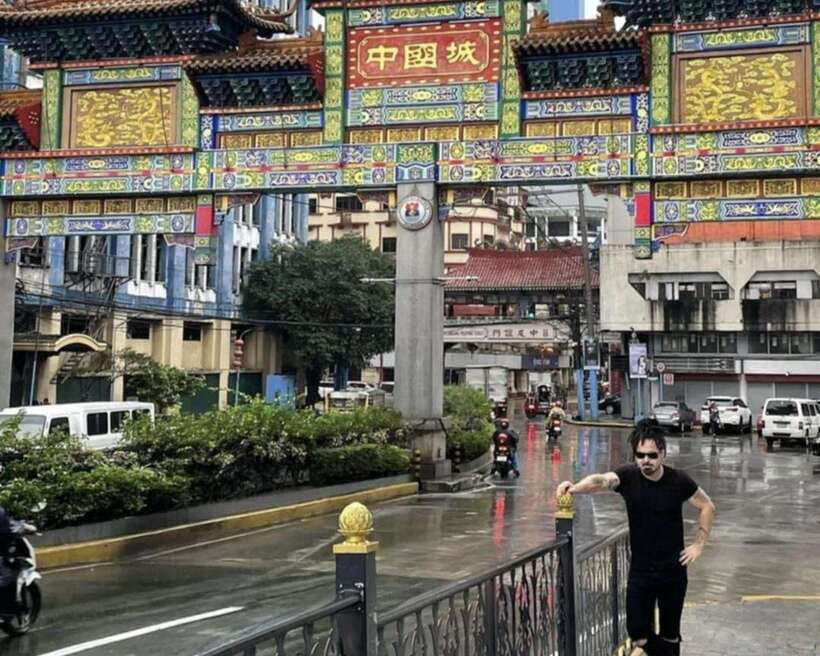
Plaza San Lorenzo Ruiz is another named stop, giving the walk a public space where you can pause and take in more of the district’s setting. The plaza and Binondo Church help tie the food to the area’s cultural and religious character.
This is where a local guide adds more than a printed food map. Jane can explain the stories behind landmarks and dishes in a way that helps you connect separate stops. Several comments about the tour point to her explanations of Chinatown, the food, and the Philippines as a major strength.
I would pay attention during these short pauses, even if your main reason for booking is eating. The historical details give the dishes a sense of place, and they can help you understand why Binondo feels different from a restaurant row designed only for tourists.
The walking format also keeps the tour moving. You are likely to see the neighborhood change from one block to the next, with food stalls, established restaurants, and busy streets sharing the same route. That variety is more useful than a long lecture, especially if you prefer learning in small pieces.
What the private format changes
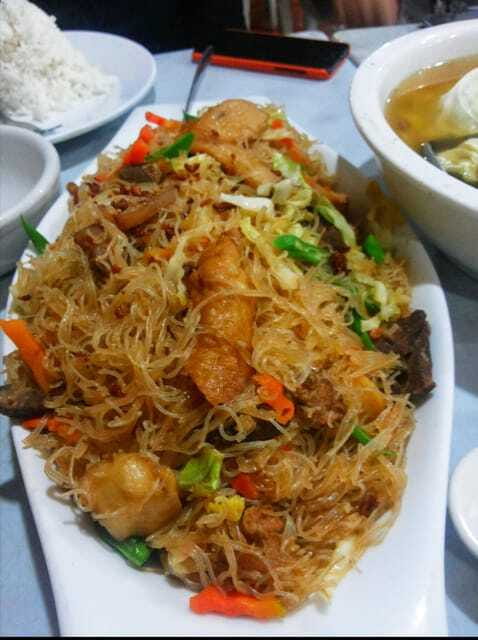
This is a private group tour, not a large shared walk. That can make a real difference in a food-focused activity. You can ask Jane to explain a dish again, discuss what you have just tasted, or raise questions about a landmark without trying to speak over a crowd.
A private tour may also feel more comfortable if you are new to Filipino or Chinese-influenced foods. You can say what you usually eat, mention any concerns, and ask what each sample contains. The supplied information does not provide a specific allergy policy or dietary menu, so you should raise food restrictions before booking or at the start of the tour.
Jane is the guide name that appears in the strongest comments. One piece of feedback spells the name as Jenne, but the repeated name is Jane. She is described as friendly and as someone who showed the group important and traditional foods while explaining Chinatown and the Philippines.
The guide’s role is especially useful when dishes are unfamiliar. You are not left to guess what to order, how much to eat, or why a particular stop matters. That personal help is a big reason to choose this tour over simply walking Ongpin Street on your own.
Is $80 per person good value?
At $80 per person, this is not the lowest-cost way to eat in Binondo. If your only goal is to buy inexpensive snacks, you can spend less by exploring alone. The tour earns its price through the combination of a private guide, three hours of walking, several food samples, landmark stops, and local explanations.
The value is strongest for first-time visitors who want a clear route. You are paying to reduce guesswork: which streets to follow, which food stalls and restaurants to notice, and how the district’s story connects with its food.
It is also useful for couples, families, or small groups who prefer a private outing. Because the group is private, the cost may feel more reasonable when shared among several people, though the listed rate is still per person.
The value is weaker if you already know Binondo well or want a full restaurant meal with fixed dishes. Personal expenses are not included, and gratuity is also extra. I would treat the included samples as a guided tasting rather than assume the tour replaces lunch for everyone.
Practical details for a comfortable walk
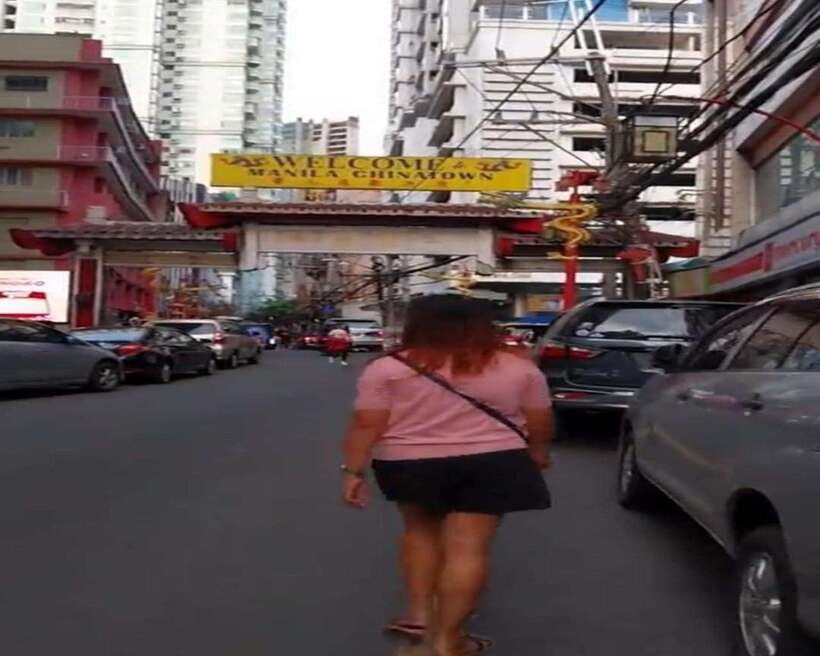
The tour lasts three hours and involves walking throughout. Wear comfortable shoes, bring water, and carry a camera if you want to record the streets, landmarks, and food.
The meeting point and endpoint are both Binondo Church. That is convenient, but it also means you need to make your own way to Binondo Church before the walk. No separate transport is included in the activity.
The tour is offered with a live guide in English or Tagalog. You should check the available starting times when choosing a date, since the schedule can vary.
This experience is not suitable for wheelchair users. The full walking route, crowded streets, and food stops make mobility an important consideration. Anyone who finds three hours of city walking difficult should also think carefully before booking.
Cancellation is flexible up to 24 hours before the start for a full refund. You can also reserve now and pay later, which helps if your Manila plans are still taking shape.
Who should book this Binondo food tour?
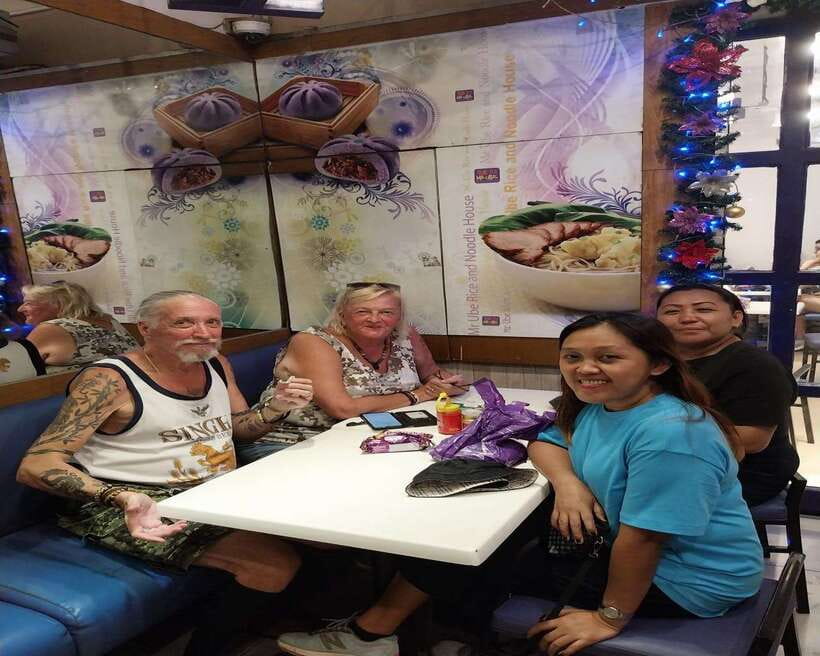
I would recommend it to first-time Manila visitors who want a guided introduction to Chinatown without spending a full day on the outing. Three hours is long enough to sample several types of food and see major spots, while still leaving time for other Manila plans.
It suits curious eaters who enjoy trying dishes they might not choose alone. The comments about the siopan and traditional foods point to the tour’s strongest quality: it nudges you beyond the most familiar order.
It is also a good fit if you like stories with your meals. Jane’s explanations of Chinatown, the Philippines, and the food are a central part of the experience, not a small extra added between stops.
I would skip it if you want a quiet, seated meal, a fully listed menu, or a low-cost food crawl. I would also skip it if you cannot comfortably walk for three hours or use a wheelchair.
Should you book it?
Book this tour if you want a private, guide-led introduction to Binondo with included tastes and a clear three-hour route. The strongest reasons are Jane’s personal guidance, the range from dim sum to pastries, and the chance to connect Ongpin Street and Plaza San Lorenzo Ruiz with the area’s long story.
At $80 per person, it is a premium choice for a food walk. Its value depends on wanting guidance and context, not just cheap bites. If that sounds right, meet at Binondo Church with good shoes, an open appetite, and room in your schedule for a few extra food purchases.
FAQ
Where does the Binondo food tour start?
The tour starts at the Minor Basilica and National Shrine of Saint Lorenzo Ruiz, also called Binondo Church.
Where does the tour end?
The tour returns to Binondo Church, the same place where it begins.
How long does the tour last?
The walking tour lasts three hours.
What food is included?
Free samples are included. The food range includes savory dim sum, street snacks, local dishes, and sweet traditional pastries.
Is the tour a private experience?
Yes. The group type is private.
Which languages are available?
The live guide speaks English and Tagalog.
Who is the guide?
The guide is named Jane in the available tour information and guest feedback. One comment spells the name as Jenne.
What landmarks are visited?
The route includes Binondo Church, Ongpin Street, and Plaza San Lorenzo Ruiz, along with food stalls and popular restaurants.
What should I bring?
Bring comfortable shoes, water, and a camera.
Is the tour wheelchair accessible?
No. The activity is not suitable for wheelchair users.
Are personal expenses and gratuity included?
No. Personal expenses and tip or gratuity are not included.
Can I cancel for a full refund?
Yes. You can cancel up to 24 hours in advance for a full refund.
Just added around Philippines
- The Original Cebu City Historical and Food Walking Tour★ 4.5 · 81 reviews
- Makati: Street Food Experience with a Local Guide★ 4.6 · 14 reviews
- Manila Street food and Night Market Tour★ 4.7 · 21 reviews
- Manila Street Food and Drinks with Tuktuk Experience★ 5.0 · 4 reviews
- Manila Night Market with Local Guide★ 4.7 · 12 reviews
- Manila: Intramuros and Chinatown Food Tour with Food Samples★ 4.8 · 12 reviews
- Manila Chinatown Food Tour with Local Guide★ 5.0 · 6 reviews
- Manila Chinatown Food Tour Experience★ 4.2 · 4 reviews
Chinatown Food Tours, compared.

SoHo, Little Italy, and Chinatown Walking Tour in New York
Read our review →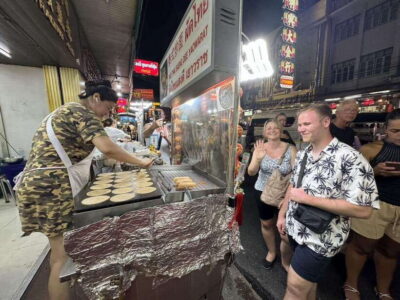
Bangkok Authentic Tasting Thai-Chinatown Walking Food Tour
Read our review →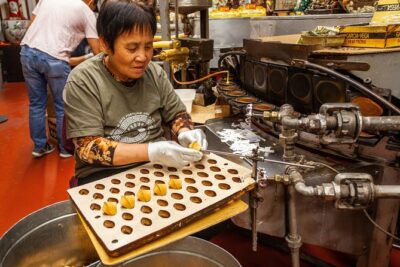
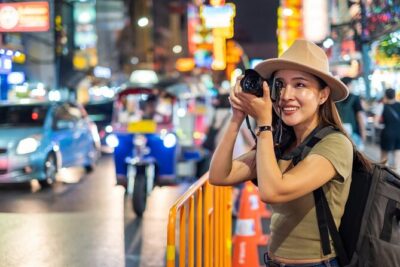
Bangkok Tuk-Tuk Tour by Night with Chinatown Street Food Meal
Read our review →
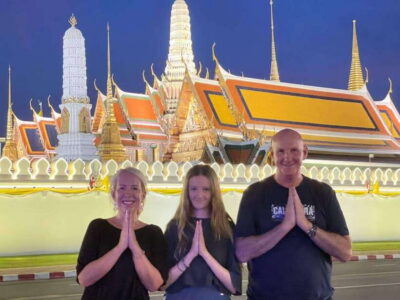
Bangkok Tuk-Tuk by Night with Chinatown Street Food Meal
Read our review →
Bangkok: Chinatown Food Tour with Michelin Food Stalls
Read our review →
New York City: Food Walking Tour of Chinatown & Little Italy
Read our review →Browse the lists this tour appears in