
REVIEW · TOKYO STREET FOOD TOURS
Tokyo: Tsukiji, Ginza, and Asakusa Japanese Culture Tour
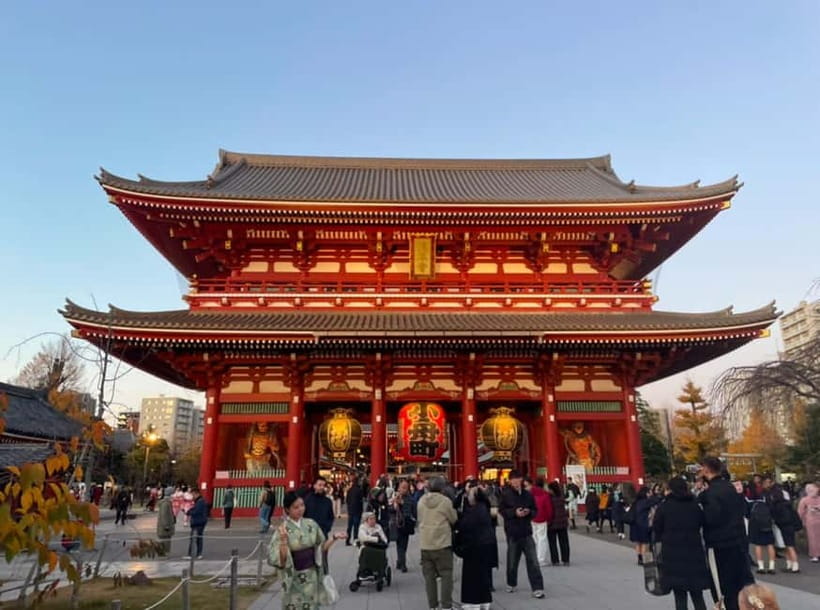
Tokyo’s character changes block by block on this three-hour morning tour. You begin with seafood and market food in Tsukiji, shift to Ginza’s polished shopping streets and Kabuki-za Theater, then finish among temples and old-style shops in Asakusa.
I like the compact route and the small group limit of five. I also like that the tour includes actual tastings, an omikuji fortune at Senso-ji, and an English-speaking guide who can explain the links between food, religion, theater, and city life. Guides Mikio and Yoshiko are named in the tour information, and Mikio is noted for helping one participant find a good meeting place after the tour.
The main drawback is clear: this is not suitable for vegans or vegetarians. The included food features raw fish and beef, and the tour requires a train ride from Higashi-ginza to Asakusa, with the 220-yen fare paid separately.
Key points at a glance
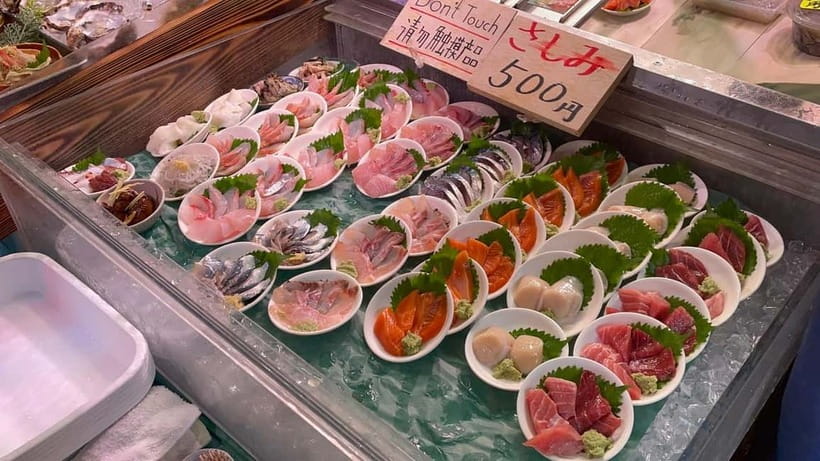
- Tsukiji tasting: Try included wagyu sushi and seafood while walking through the market area.
- Three very different districts: Move from food-centered Tsukiji to refined Ginza and temple-centered Asakusa.
- Kabuki-za visit: See one of Ginza’s best-known cultural landmarks and browse for special goods.
- Small group format: With no more than five participants, the guide can usually respond to individual questions.
- Senso-ji tradition: Visit the temple and receive an included omikuji fortune.
- Useful half-day design: You get culture, food, walking, and shopping without giving up a full afternoon.
Why this route gives you a quick feel for Tokyo
Tokyo can feel like a collection of separate cities. A fish market, a luxury shopping district, and a temple quarter may seem unrelated, yet this route puts them together in a way that helps you read the city.
Tsukiji introduces food and working-market culture. Ginza shows Tokyo’s modern polish and performing arts. Asakusa brings you to older religious and downtown traditions. You do not spend long enough in any one district for a full study, but you get three useful snapshots in one morning.
The route is also practical for a first visit. Instead of spending half a day figuring out how these areas connect, you walk with a guide who can explain what you are seeing. The tour is conducted in English, and the maximum group size is five, which should make street crossings, food stops, and questions easier than on a large coach outing.
You should still see this as an introduction rather than a full culinary tour or a detailed temple visit. The entire experience lasts only three hours, and the food tastings are limited. Its strength is range.
More Fish Market and Seafood Tours in Tokyo
- Tokyo Tsukiji Fish Market Food and Culture Walking Tour
★ 5.0 · 3,184 reviews - Tokyo: Tsukiji Fish Market Food and Walking tour
★ 5.0 · 1,724 reviews - Tokyo: Tsukiji Fish Market Guided Walking Tour
★ 4.9 · 1,397 reviews
Starting at Lawson in Tsukiji
The meeting point is in front of the Lawson Tsukiji 2-chome store. Be careful here: it is the 2-chome location, not the 4-chome store. That small distinction matters in Tokyo, where nearby streets can look similar and convenience stores are common.
From the meeting point, you walk about five minutes into the Tsukiji area. Starting on foot keeps the opening simple. There is no long transfer before the first stop, and you can begin seeing the neighborhood almost at once.
Your guide sets the pace for the group and introduces Tsukiji through food. This is not simply a stop for a quick snack. The stated focus is the people connected with the fish market, the market’s food culture, and the role of fresh seafood and meat in Japanese eating.
Tsukiji food tasting and market culture
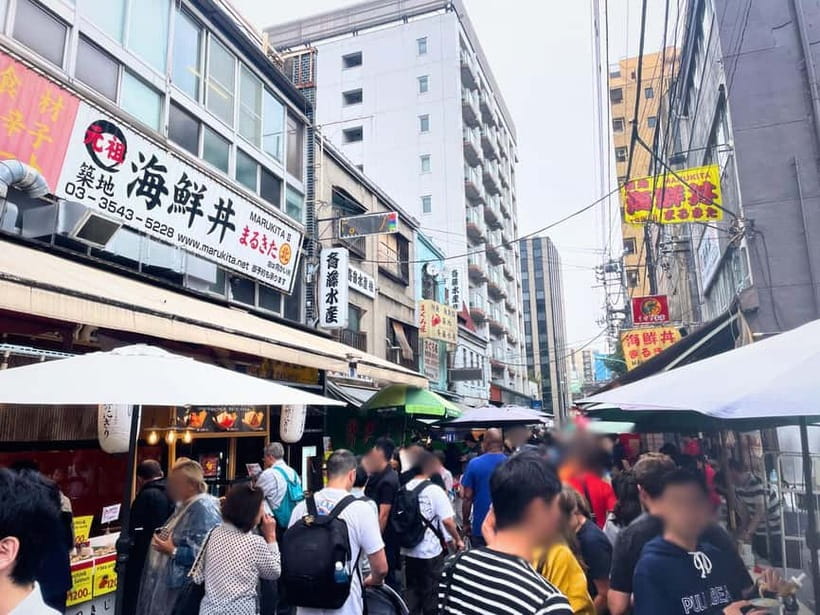
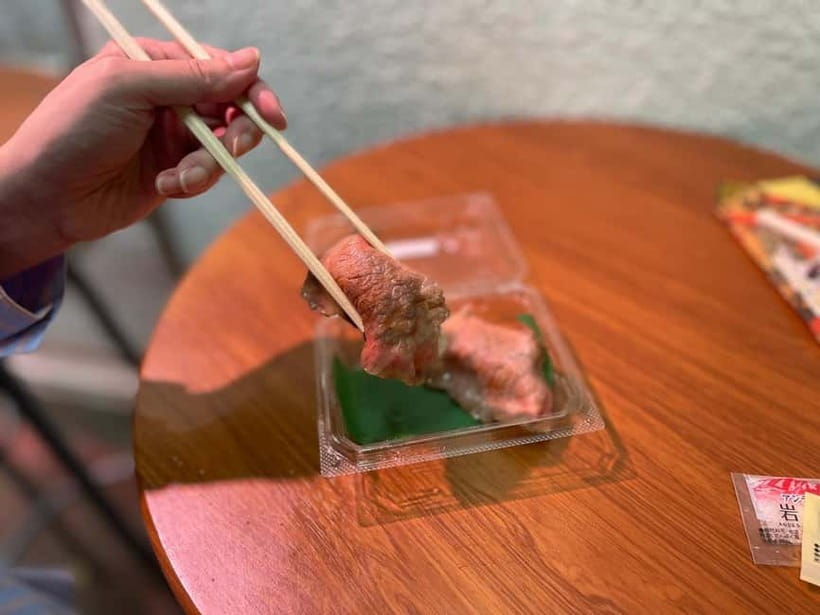
The Tsukiji portion lasts about 50 minutes. You receive included tastings of wagyu sushi and seafood, with the food fee covered in the tour price. This gives you a clear reason to begin the day here: you get to sample the ingredients instead of only looking at shopfronts.
The raw fish and beef requirement is important. If you are vegetarian, vegan, or unable to eat raw fish and beef, this tour is not a good match. The information specifically rules out vegans and vegetarians, and it also notes that the tour includes raw fish and beef. You should consider your own dietary needs before booking.
You may also buy other food and drinks at Tsukiji, but those purchases are extra. That is useful if you want to add another bite, yet you should not assume the tasting covers every food you see. The market area can tempt you into spending more, so bring a little flexibility if sampling is part of your plan.
I like the way this first stop gives the tour a human focus. The guide is not only pointing out stalls. You learn about the people who have worked around the fish market for a long time and the habits tied to Japanese food. Silke’s experience with guide Mikio especially points to patient explanations, time for photographs, and room to look carefully at the stalls.
The 50-minute length is enough for an introduction, but not enough for a leisurely meal. If you want a long breakfast or an extended food crawl, this section may feel brief. If you want a guided first look before exploring Tsukiji on your own, the timing works well.
Walking from Tsukiji toward Ginza
After Tsukiji, you walk for about 15 minutes toward Ginza. This is one of the useful parts of the tour because Tokyo’s character changes as you go. You are not being moved between isolated attractions by vehicle. You get a short look at the city between the food market and the grand shopping district.
The walk also means comfortable shoes are a smart choice. The full tour includes walking through three areas, with a train ride in the middle. Nothing in the supplied details suggests a strenuous hike, but you should expect to be on your feet for much of the morning.
Same city, a different plate:
- Tokyo Sushi Making Class in Tsukiji with Professional Chef
★ 5.0 · 1,177 reviews - Tsukiji Fish Market Guided Tour and Sushi Making with Pro Chef
★ 5.0 · 775 reviews - Tokyo: Tsukiji Fish Market Food and Culture Walking Tour
★ 4.7 · 757 reviews - Tsukiji Fish Market: Street Food & Culture Walking Tour
★ 5.0 · 669 reviews
Kabuki-za and Ginza’s polished center
The Ginza stop lasts about 45 minutes and centers on Kabuki-za Theater. The theater is one of the area’s most famous landmarks and gives the tour a different cultural subject after Tsukiji’s food focus.
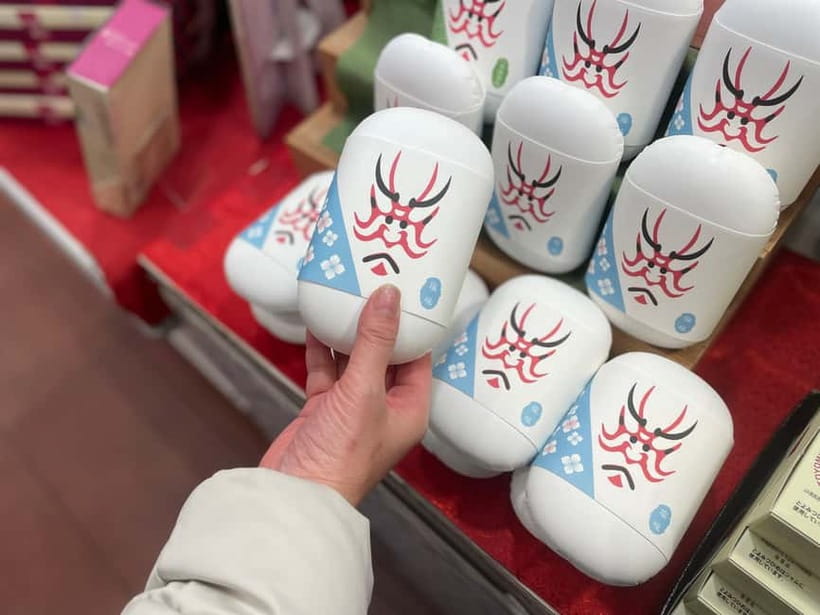
You visit the theater area with your guide and learn about Japanese performing arts culture. The plan also includes time at a store selling goods that can only be purchased there. Shopping is not an afterthought in this section. Ginza is presented as part of Tokyo’s culture of design, presentation, theater, and carefully made goods.
You should keep your expectations in check. This is a guided visit and shopping stop, not a full kabuki performance. The available details do not promise a show or theater backstage access. Instead, you get context around Kabuki-za and a chance to browse its special merchandise.
That distinction makes the stop better suited to someone who wants a cultural orientation. If your main goal is to attend kabuki, you will need a separate theater plan. If you want to understand why Kabuki-za matters in Ginza and see goods connected with the theater, this short visit fits the tour’s wider purpose.
The Ginza section also provides free shopping time. You pay for anything you choose to buy, and the cost depends on the store and your own choices. This lets you browse without forcing a purchase, which is helpful if you are comparing souvenirs or simply want to look.
The train to Asakusa
The trip from Ginza to Asakusa uses a train and takes about 20 minutes. The train fare from Higashi-ginza to Asakusa is not included. You pay 220 yen per person.
This is a small extra cost, but it is worth planning for. The tour price is not an all-inclusive transport price, and other food or drinks at Tsukiji are also separate. Knowing those details ahead of time makes the $78 price easier to judge.
The train ride breaks up the walking and connects two districts that feel very different. It also means the tour is not simply a long walk across central Tokyo. Your guide helps keep the group together as you move between areas, though you should remain attentive to the meeting instructions during the transfer.
Asakusa, Senso-ji, and Nakamise Street
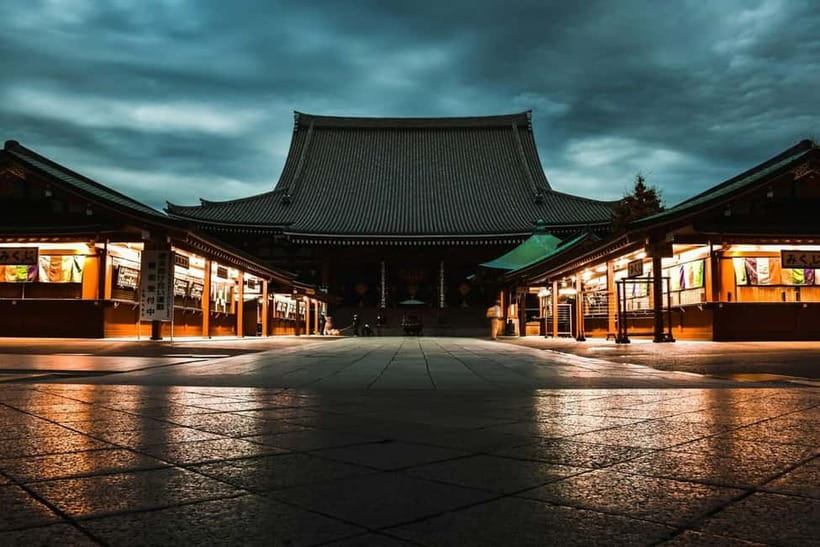
The final stop lasts about 40 minutes. In Asakusa, you visit Senso-ji Temple and walk along Nakamise Street, one of the district’s best-known shopping paths.
This is where the tour turns toward religion and traditional downtown culture. Senso-ji gives you a place to see a major temple setting, while Nakamise Street adds shops and everyday browsing. The contrast with Ginza is the point. Ginza is polished and commercial in a modern way; Asakusa feels connected to older city customs and temple visits.
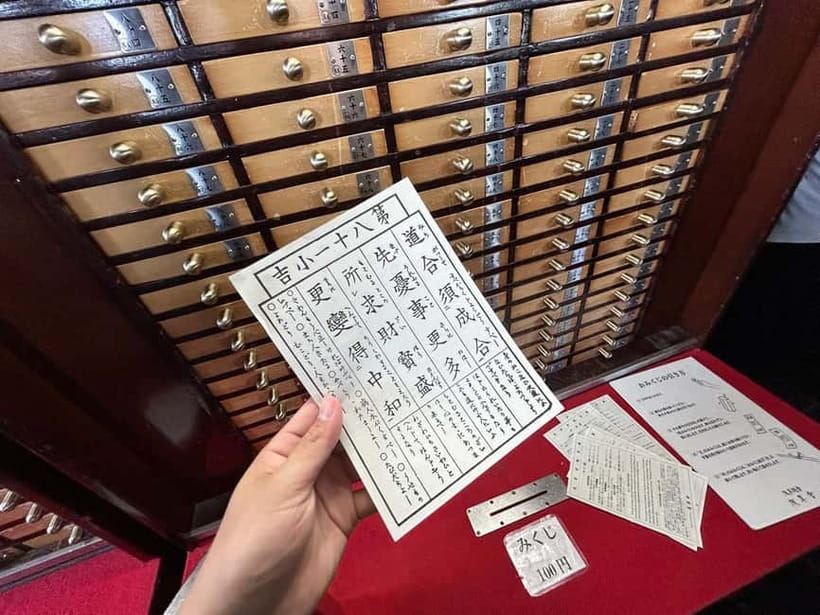
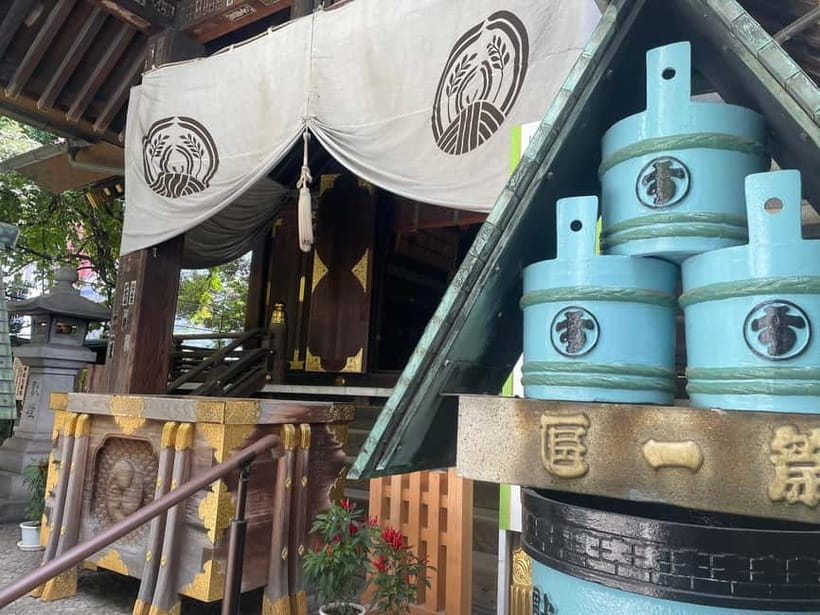
The tour includes an omikuji fortune at Senso-ji. An omikuji is a written fortune drawn at a temple or shrine. It is a small activity, but it gives you something to do rather than simply walk past the temple and take pictures. Your guide can help place the custom in context.
The Asakusa section also includes free shopping time. You pay separately for anything you buy. Since the tour finishes on Denboin Street, at 2-3 Asakusa, Taito, you can continue looking around the area afterward if your schedule allows. The tour itself ends there, so any additional time in Asakusa is your own.
Forty minutes is enough to get an introduction to Senso-ji and Nakamise Street, but you should not expect a quiet, extended temple visit. The area can be active, and the schedule is shared with the rest of the group. If you want time for detailed photography, a slow meal, or careful souvenir shopping, plan to return later.
What the guide adds to the experience
The guide is central to the value here. Without one, you could visit Tsukiji, Ginza, and Asakusa independently, but the connections between the districts would be less clear. The guide provides the thread linking food, theater, religion, and Tokyo’s development.
The tour is offered in English and limited to five participants. That small format matters most in Tsukiji, where you may want to stop at stalls, ask about ingredients, or take photographs without losing the group. It also gives you a better chance to ask about customs at Senso-ji or the meaning of Kabuki-za.
Mikio is described as patient while participants explored stalls and took photos. He also helped one person locate a suitable meeting place after the tour ended. That detail suggests a guide willing to offer practical help beyond the fixed route. Yoshiko led another highly rated outing and was specifically praised for the market tastings, Kabuki-za, and Asakusa guidance.
The guide names do not guarantee who will lead your departure, so treat Mikio and Yoshiko as examples rather than a promise. Still, they show the kind of personal guidance the experience is designed to provide.
Is $78 a fair price?
At $78 per person, the tour is not the cheapest way to walk through these neighborhoods. You could visit Tsukiji, Ginza, and Asakusa independently for less, especially if you skip paid tastings and use your own route planning.
The value comes from the combination. Your fee includes an English-speaking guide, wagyu sushi and seafood tastings in Tsukiji, and the omikuji fortune at Senso-ji. You also get a small group, a planned route, cultural explanations, and help moving between districts.
You still need to pay for the 220-yen train ride, extra food and drinks, and anything you buy. That makes the real morning cost somewhat higher than the headline price if you plan to shop and eat freely. Even so, the price can make sense for a first-time visitor who wants a guided overview and does not want to build the route alone.
I would compare it with the cost of your time. If you are comfortable researching Tokyo, navigating trains, and deciding what to eat at Tsukiji, independent travel may be better value. If you want a human guide to explain what you are seeing and keep the morning moving, the small group format gives the fee a reasonable purpose.
Who should book this morning walk?
This tour suits you best if you want a fast cultural overview of Tokyo rather than a single-subject outing. It works especially well for a first visit, a short stay, or a morning when you want a clear introduction before exploring on your own.
Food lovers who eat raw fish and beef should enjoy the Tsukiji opening. People interested in Japanese theater will appreciate the Kabuki-za stop, though it does not include a performance. Anyone curious about temple customs gets a simple introduction through Senso-ji and the included omikuji.
The tour may not suit you if you want a long market breakfast, a full kabuki program, or a slow temple visit. It is also unsuitable for vegans and vegetarians, and anyone with dietary restrictions should pay close attention to the raw fish and beef requirement.
Free cancellation is available up to 24 hours before the tour for a full refund. You can also reserve and pay later, which helps if your Tokyo schedule is still shifting. Starting times vary, so check availability before choosing a date.
Should you book it?
Book this tour if you want three distinct sides of Tokyo in one manageable morning: food culture in Tsukiji, theater and shopping in Ginza, and temple life in Asakusa. The strongest reasons are the small group, the included tastings, and the chance to ask an English-speaking guide about details you might otherwise miss.
Skip it if you are vegetarian, vegan, or looking for a deep food crawl or full theater experience. For everyone else, $78 is a fair price for a tightly planned introduction, provided you remember the extra train fare, shopping costs, and optional food purchases.
FAQ
How long does the Tokyo culture tour last?
The tour lasts three hours. The route includes Tsukiji, Ginza, and Asakusa, with walking and a train ride between Higashi-ginza and Asakusa.
Where does the tour begin?
Meet in front of the Lawson Tsukiji 2-chome store. This is the 2-chome branch, not the Lawson at 4-chome.
Which languages are available?
The tour is conducted in English with a live English-speaking guide.
Is food included?
The tour includes the tasting fee for Tsukiji wagyu sushi and seafood. Other food and drinks bought at Tsukiji cost extra.
Is the train fare included?
No. The train from Higashi-ginza to Asakusa costs 220 yen per person and is paid separately.
Can vegetarians or vegans join?
No. The tour includes raw fish and beef, and it is not suitable for vegans or vegetarians.
Just added around Tokyo
- Tokyo: Tsukiji walk & sushi private tour with Uni Students★ 5.0 · 17 reviews
- Tokyo: Private Tsukiji Street Food & Sake with Local Guide★ 5.0 · 3 reviews
- Tokyo: Tsukiji Market Guided Tour & Sushi-Making Experience★ 4.4 · 11 reviews
- Tokyo: Tsukiji Market and Hama-rikyu Gardens Guided Tour★ 4.8 · 73 reviews
- Tokyo Tsukiji Food & Culture Private Tour Licensed Guide★ 4.9 · 28 reviews
- Tokyo: Tsukiji Fish Market Foodie and Educational Tour★ 5.0 · 4 reviews
- Tokyo: Tsukiji Fish Market Culture Tour with Sashimi Tasting★ 4.6 · 54 reviews
- Tokyo: Togoshi Ginza Street Food Tour★ 5.0 · 34 reviews
Tokyo Street Food Tours, compared.
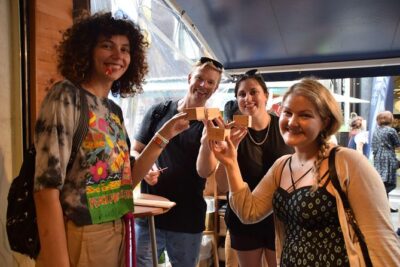
Tokyo Tsukiji Fish Market Food and Culture Walking Tour
Read our review →
Tokyo: Tsukiji Fish Market Food and Walking tour
Read our review →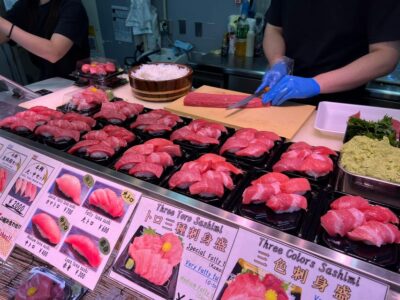
Tokyo: Tsukiji Fish Market Guided Walking Tour
Read our review →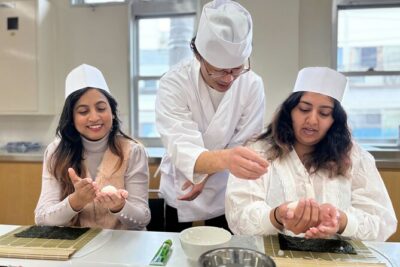
Tokyo Sushi Making Class in Tsukiji with Professional Chef
Read our review →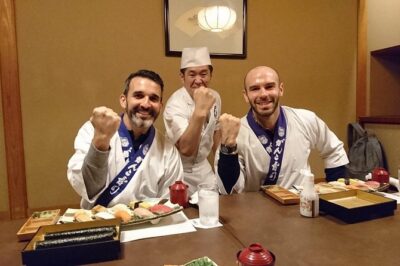
Tsukiji Fish Market Guided Tour and Sushi Making with Pro Chef
Read our review →Tokyo: Tsukiji Fish Market Food and Culture Walking Tour
Read our review →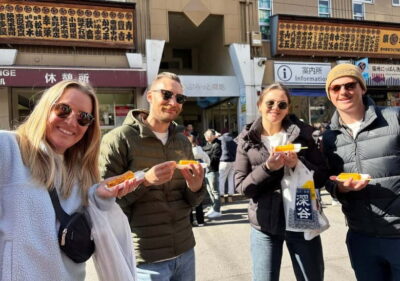
Tsukiji Fish Market: Street Food & Culture Walking Tour
Read our review →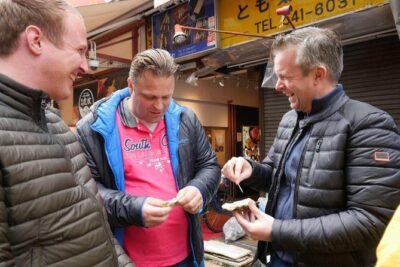
Tsukiji Fish Market Small-Group Food Walking Tour
Read our review →Browse the lists this tour appears in