
REVIEW · TOKYO STREET FOOD TOURS
Tokyo: Explore Authentic Japanese Food Culture at Tsukiji
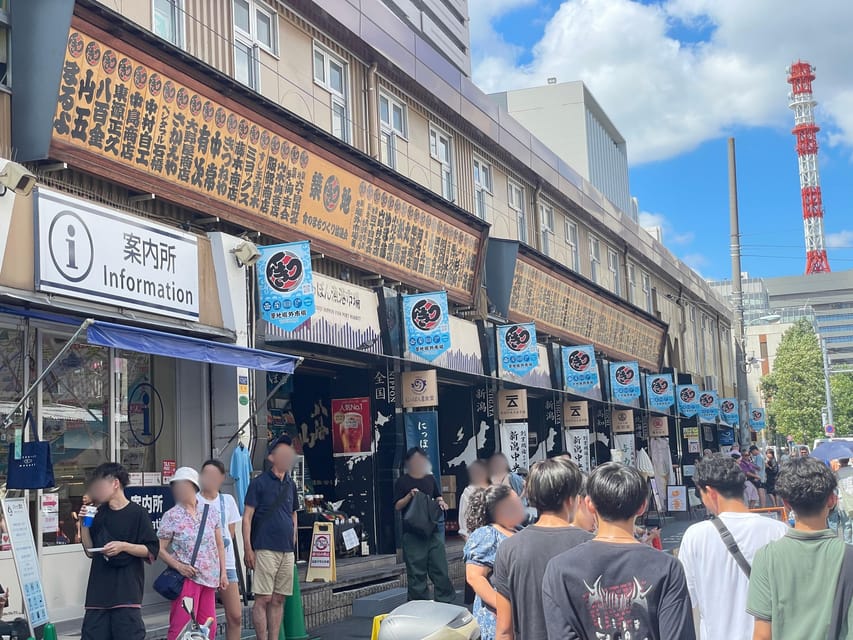
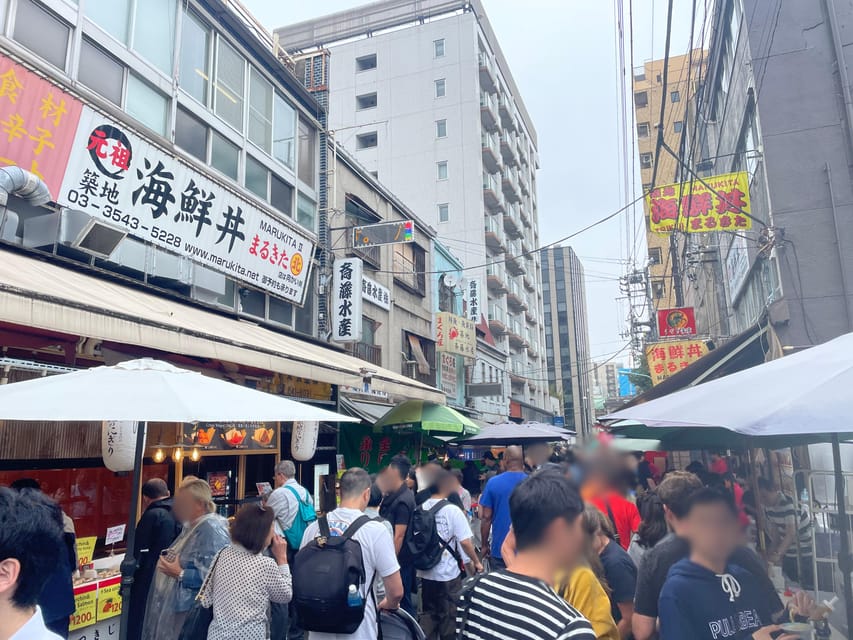
Tsukiji is best understood one bite at a time. This three-hour walk takes you through the Outer Market, where seafood, prepared foods, sweets, and Japanese pantry staples still fill the lanes around the former wholesale market. You are not just looking at fish counters. You are learning how locals shop, snack, and connect food with religious tradition.
I like two things right away: the small group of six or fewer, which makes a maze-like market easier to handle, and the included tastings, which cover more than seafood. You may try seasoned seaweed, dried fish, roast beef sushi, oysters or sashimi, and bean snacks. The main drawback is clear: lunch and any extra shopping are at your own cost, and the tour is not suitable for vegans, wheelchair users, or people with food allergies.
Key points to know before booking
- Tsukiji is more than a fish market: The route introduces prepared foods, pantry goods, snacks, and the market’s connection with local worship.
- A small group helps in tight lanes: With no more than six participants, you can stay close to the guide while shopping and tasting.
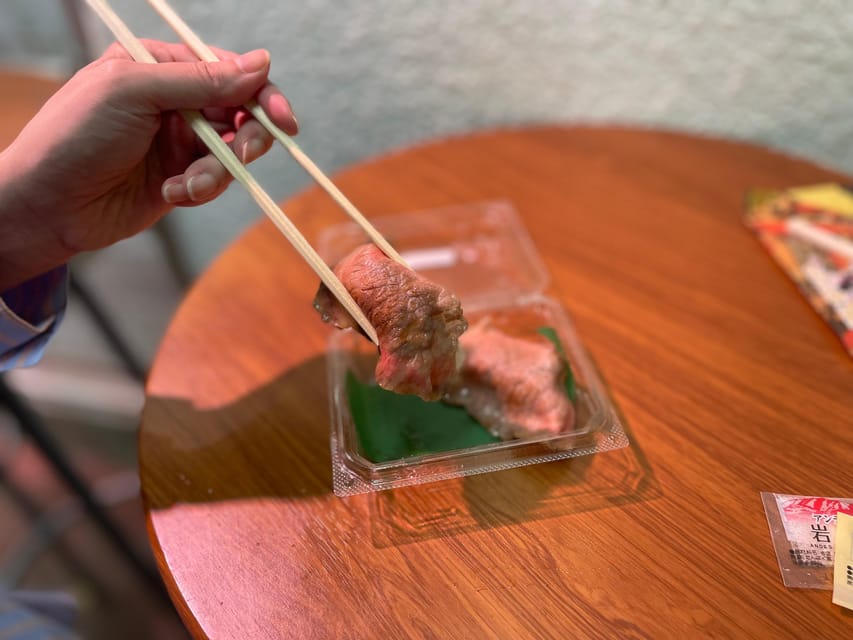
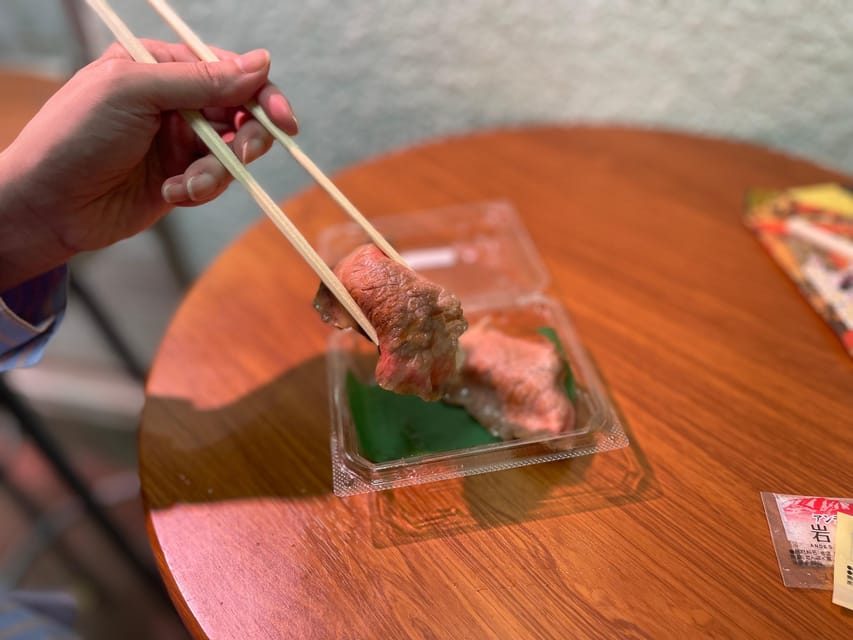
- Several snacks are included: Expect seasoned seaweed, dried fish, roast beef sushi, oysters or sashimi, and bean snacks.
- You choose and pay for lunch: The guide helps you buy food, but lunch is not included in the $99 price.
- Haruka received special praise: One booking had Haruka as the guide, with the group finding her friendly and highly informed about the market.
- Food restrictions matter: Seafood and meat are part of the tasting plan, so this is not a good match for vegans or people with allergies.
Why Tsukiji still matters after the wholesale market moved
The name Tsukiji once meant Tokyo’s central wholesale market, but that operation closed and moved away several years ago. The Outer Market remained. That distinction matters when you set your expectations.
You are not booking a tour of the former wholesale auction floor. You are visiting the nearby shopping and dining district that continued after the wholesale market closed. The area still brings together Japanese foodstuffs, small restaurants, specialty shops, and ready-to-eat snacks.
I like this setup because it gives you a more practical look at food culture. You can see the ingredients, ask how they are eaten, and sample food as you move. The experience is less about checking off one famous sight and more about understanding how a food district works.
The market can feel confusing, especially if you are seeing it for the first time. Small lanes, many shopfronts, and similar-looking counters can make it hard to know where to begin. A guide gives you a route and helps you spend your time eating rather than wandering in circles.
More Fish Market and Seafood Tours in Tokyo
- Tokyo Tsukiji Fish Market Food and Culture Walking Tour
★ 5.0 · 3,184 reviews - Tokyo: Tsukiji Fish Market Food and Walking tour
★ 5.0 · 1,724 reviews - Tokyo: Tsukiji Fish Market Guided Walking Tour
★ 4.9 · 1,397 reviews
Meeting at Tsukiji Honganji Temple
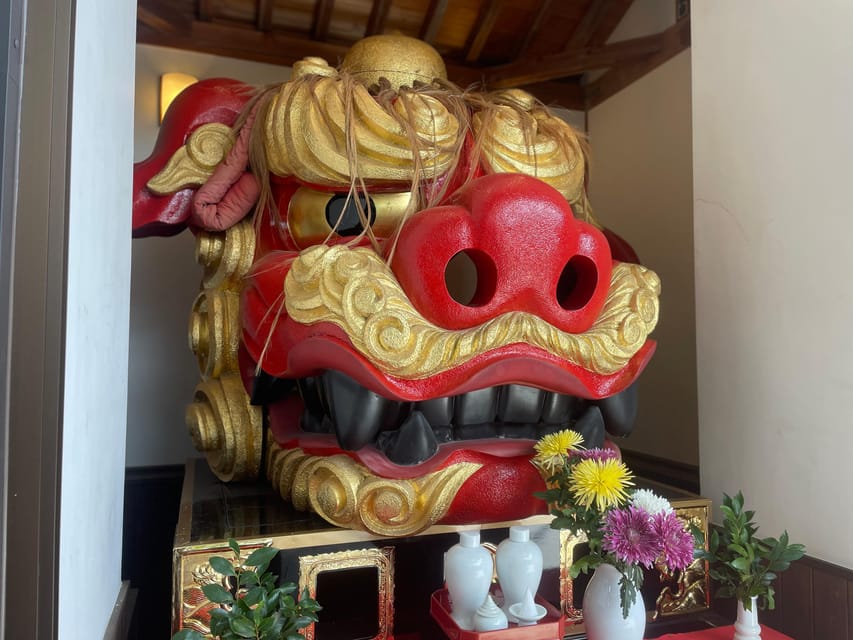
The meeting point is outside the main gate of Tsukiji Honganji Temple. This is a useful starting place because the temple gives you a calm reference point before you enter the tighter market lanes.
The temple visit lasts about 20 minutes. You get a photo stop and a guided visit before moving toward the Outer Market. The temple is not simply a place to meet. It helps frame Tsukiji as more than a commercial food district, with religious sites tied to the daily life of the area.
Take care with the meeting details. You need to meet outside the main gate, not somewhere inside the market. Since the tour begins at a set meeting point and the market route is compact, arriving with enough time to find the gate will make the opening less rushed.
The temple stop is fairly short. If your main goal is an extended cultural visit, this tour will not give you a long temple study. Its role is to introduce the neighborhood, provide context, and connect the food market with the community around it.
Two hours inside the Tsukiji Outer Market
Most of the tour takes place in the Outer Market, with about two hours devoted to walking, shopping, and tasting. The guide leads you through the food area and points out recommended places to buy snacks and lunch.
This is where the small group matters most. Tsukiji is a maze, and the lanes can make a simple food plan feel scattered. A group capped at six gives the guide a better chance to keep everyone together and explain what you are seeing without shouting over a large crowd.
The route includes a wide mix of market activities. You may stop for a small breakfast or brunch item, dessert, local snacks, or lunch shopping. Some of the tasting is arranged as part of the tour, while other purchases depend on what you choose.
The included food gives you a useful range:
- Seasoned seaweed
- Dried fish
- Roast beef sushi
- Oysters or sashimi
- Bean snacks
That list also shows why you should not think of this as a simple seafood tasting. The food covers land and sea, sweet and savory, dried goods, raw items, and prepared bites. You get a broader picture of Japanese snacking than you would from one restaurant meal.
The seafood portion needs careful attention. Oysters or sashimi may be included, and the tour notes that purchased snacks can include seafood and meat. If you have any food allergy, tell the guide before the tour. The activity is specifically listed as unsuitable for people with food allergies, so you should not book casually and hope the issue can be handled on the day.
What the tastings add to the experience
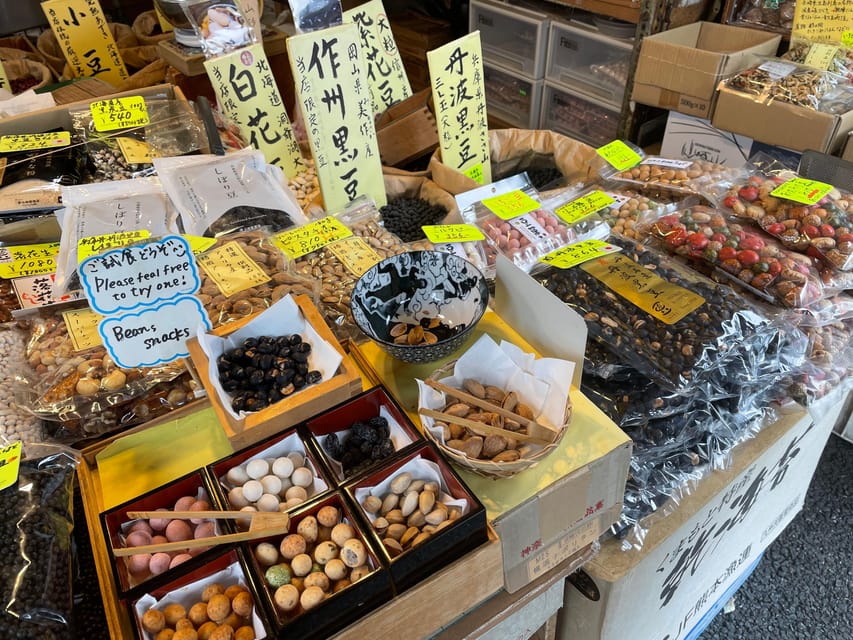
A food market can be hard to understand when you only look at unfamiliar products. Tasting gives each stop a purpose. Seasoned seaweed and dried fish show the importance of preserved ingredients, while roast beef sushi brings a prepared dish into the mix. Bean snacks add another texture and flavor to the lineup.
I like that the tour includes light meals rather than promising one large sit-down feast. Small portions let you keep moving and leave room for choices later. You can compare different kinds of food without using your entire appetite on the first stop.
The experience is also useful for first-time visitors who feel uncertain about ordering. Your guide helps you buy from recommended shops, explains what you are getting, and keeps the process moving. That practical help can be worth a lot in a market where labels and menus may not be easy for you to read.
Still, tasting preferences are not fully open-ended. The included foods are chosen around the market experience, not around a vegetarian or vegan menu. Meat and seafood are part of the plan, and the activity is not suitable for vegans. If you avoid animal products, choose another food tour.
Same city, a different plate:
- Tokyo Sushi Making Class in Tsukiji with Professional Chef
★ 5.0 · 1,177 reviews - Tsukiji Fish Market Guided Tour and Sushi Making with Pro Chef
★ 5.0 · 775 reviews - Tokyo: Tsukiji Fish Market Food and Culture Walking Tour
★ 4.7 · 757 reviews - Tsukiji Fish Market: Street Food & Culture Walking Tour
★ 5.0 · 669 reviews
Choosing lunch after the included snacks
Later in the tour, you can buy your preferred lunch and eat it with the snacks purchased during the route. Lunch is not included in the $99 price, and you also pay for shopping at each store according to your choices.
This arrangement has both a benefit and a cost. The benefit is control. You do not have to accept a fixed lunch that does not appeal to you. You can choose what looks good at the market and decide how much extra food you want.
The cost is that the final price varies. The listed rate covers the English-speaking guide and the specified snacks, but not your lunch or additional purchases. If you want to try several extra items, your spending can rise beyond the advertised price.
I would set aside a separate food budget before booking. You do not need to buy more than the planned lunch, but Tsukiji makes extra sampling tempting. Knowing your limit helps you enjoy the choices without treating every shop as a must-try stop.
The role of Namiyoke Shrine
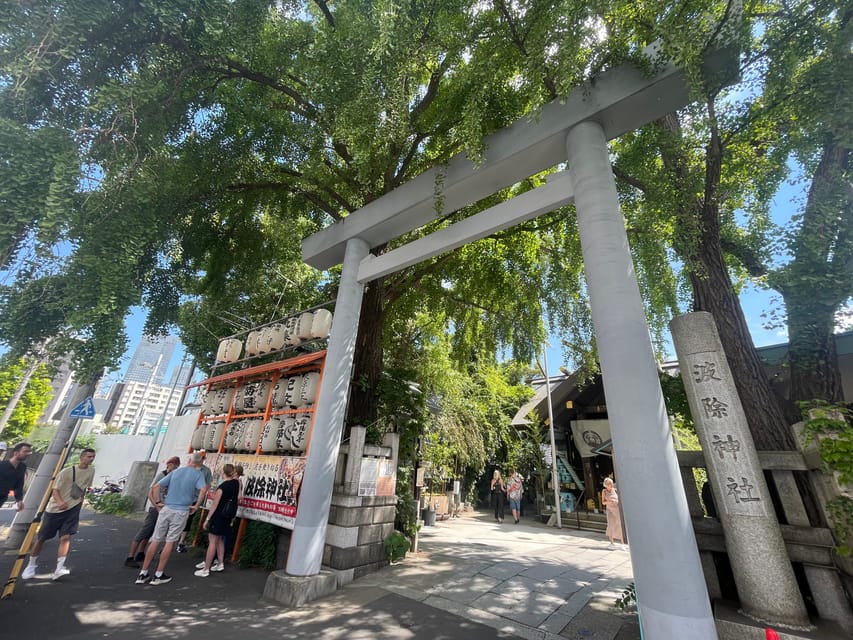
The tour finishes at Namiyoke Shrine, also called Tsukiji Namiyoke Shrine. The shrine supports workers in Tsukiji and gives the route a meaningful ending.
This stop helps explain why the market is more than a row of food shops. Food districts depend on many people, from sellers and cooks to porters and other workers who keep the area running. A shrine connected with those workers adds a community angle to the market visit.
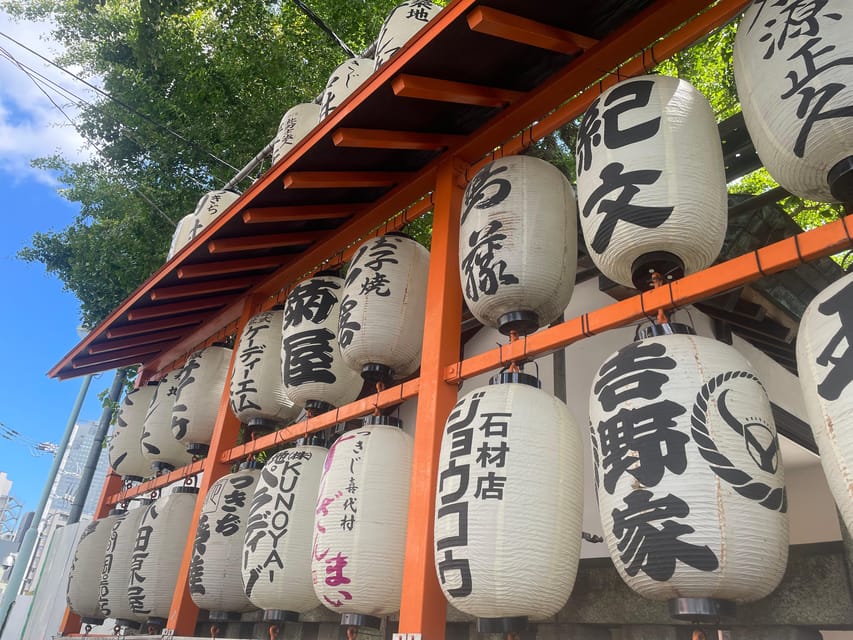
The finish at the shrine also gives the tour a clear shape. You begin at Tsukiji Honganji Temple, spend most of the time with food and shopping, then end at a shrine tied to the people of Tsukiji. The religious stops are short, but they keep the food experience from feeling like a simple shopping trip.
The listed itinerary includes a visit to Namiyoke Shrine, but the supplied details do not give a set duration for that stop. Plan on it being the closing point rather than a long standalone shrine tour.
How much value do you get for $99?
At $99 per person, this is not the cheapest way to walk through Tsukiji. You can visit the Outer Market independently and pay only for the food you buy. The price makes more sense if you want guidance, a planned tasting selection, and help navigating the market.
The small group improves the value. A guide handling a group of six or fewer can offer more attention than a large coach-style tour. That matters in Tsukiji, where the useful part is often knowing which counter to approach, what to try, and how to keep moving through tight lanes.
The included snacks also give you a clearer starting point. You are not paying $99 for a walk with no food included. Seasoned seaweed, dried fish, roast beef sushi, oysters or sashimi, and bean snacks are part of the experience, though lunch remains separate.
I would consider the price fair for a visitor who wants a guided introduction and plans to sample food. It is less attractive for an independent eater who already knows Tsukiji and feels comfortable choosing shops alone. The tour earns its cost through structure and food guidance, not through access to a private attraction.
Timing, group size, and physical limits
The activity lasts three hours. That is enough time for the temple, a substantial market visit, several tastings, shopping, and the shrine, but it is not a full-day food crawl.
The group is limited to six participants. This is a practical advantage for the market. You can hear the guide more easily, stay together in narrow areas, and ask questions without waiting behind a large group.
The tour is not wheelchair accessible. Since the route moves through a market and includes walking between several stops, anyone with mobility needs should treat this limitation as a firm reason to choose another activity.
Food allergies require the same level of care. The tasting includes seafood and meat, and the tour is listed as unsuitable for people with food allergies. Tell the guide about allergies before the tour, but do not assume substitutions are available.
The tour is conducted in English. An English-speaking guide leads the market route, explains the stops, and helps with the food purchases. One guide named Haruka received especially strong praise for taking a group through the market’s confusing lanes and finding many good places to try. Guide assignments can vary, so you should not assume she will lead every departure.
Who will enjoy this Tsukiji tour most?
I would recommend this experience to you if you are visiting Tsukiji for the first time, enjoy trying several small foods, and want help making sense of the market. It also suits travelers who prefer a small group to a large sightseeing party.
It is a good choice for curious eaters who want more than sushi. The tastings include preserved foods, meat, seafood, and bean snacks, so the route presents several sides of Japanese food culture.
It is less suitable if you want a long temple visit, a private food itinerary, or a fixed lunch included in the price. It is also a poor match for vegans, people with food allergies, wheelchair users, and anyone who wants to avoid paying extra for lunch and shopping.
The strongest reason to book is the combination of food and orientation. You get help finding your way through Tsukiji, several included bites, and two cultural stops that explain the neighborhood beyond its menus.
Should you book this Tsukiji experience?
Book it if you want an easy introduction to the Outer Market and value a guide who can lead you through the maze, explain the food, and point you toward worthwhile stops. The small group and included tastings make it more useful than simply following a map.
Skip it if you already know Tsukiji, want to control every food choice, or need a vegan, allergy-safe, or wheelchair-accessible activity. Also remember to budget for lunch and extra purchases.
For the right eater, this is a compact and practical way to connect Tokyo’s market food with its temples, shrine, and working community. The three-hour format keeps it focused, while the tasting list gives you plenty to talk about after you leave.
FAQ
Where does the tour begin?
Meet outside the main gate of Tsukiji Honganji Temple at 3-chōme-15-1 Tsukiji.
Where does the tour finish?
The tour finishes at Namiyoke Shrine, written in the activity details as 波除神社.
How long does the tour last?
The experience lasts three hours.
Is the tour conducted in English?
Yes. The tour includes a live English-speaking guide.
How many people are in the group?
The tour is limited to six participants.
What food is included?
Included snacks are seasoned seaweed, dried fish, roast beef sushi, oysters or sashimi, and bean snacks.
Is lunch included in the price?
No. You can purchase your preferred lunch during the tour, but the lunch fee is not included.
Is the tour suitable for vegans, people with food allergies, or wheelchair users?
No. The activity is listed as unsuitable for vegans, people with food allergies, and wheelchair users.
Just added around Tokyo
- Tokyo: Tsukiji walk & sushi private tour with Uni Students★ 5.0 · 17 reviews
- Tokyo: Private Tsukiji Street Food & Sake with Local Guide★ 5.0 · 3 reviews
- Tokyo: Tsukiji Market Guided Tour & Sushi-Making Experience★ 4.4 · 11 reviews
- Tokyo: Tsukiji Market and Hama-rikyu Gardens Guided Tour★ 4.8 · 73 reviews
- Tokyo Tsukiji Food & Culture Private Tour Licensed Guide★ 4.9 · 28 reviews
- Tokyo: Tsukiji Fish Market Foodie and Educational Tour★ 5.0 · 4 reviews
- Tokyo: Tsukiji Fish Market Culture Tour with Sashimi Tasting★ 4.6 · 54 reviews
- Tokyo: Tsukiji, Ginza, and Asakusa Japanese Culture Tour★ 5.0 · 2 reviews
Tokyo Street Food Tours, compared.
Tokyo Tsukiji Fish Market Food and Culture Walking Tour
Read our review →
Tokyo: Tsukiji Fish Market Food and Walking tour
Read our review →
Tokyo: Tsukiji Fish Market Guided Walking Tour
Read our review →
Tokyo Sushi Making Class in Tsukiji with Professional Chef
Read our review →
Tsukiji Fish Market Guided Tour and Sushi Making with Pro Chef
Read our review →Tokyo: Tsukiji Fish Market Food and Culture Walking Tour
Read our review →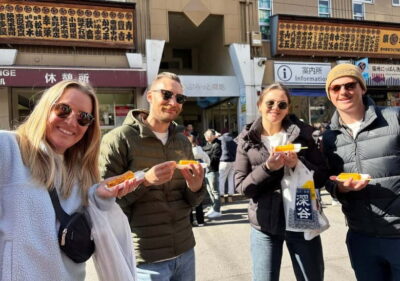
Tsukiji Fish Market: Street Food & Culture Walking Tour
Read our review →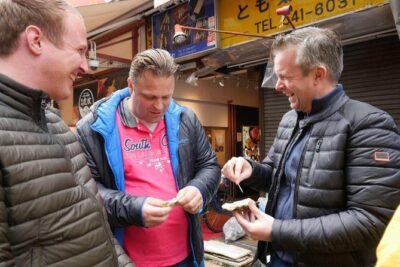
Tsukiji Fish Market Small-Group Food Walking Tour
Read our review →Browse the lists this tour appears in