
REVIEW · TOKYO STREET FOOD TOURS
Tokyo: Shinjuku Local Eats, Street Food Tour & Culture Walk
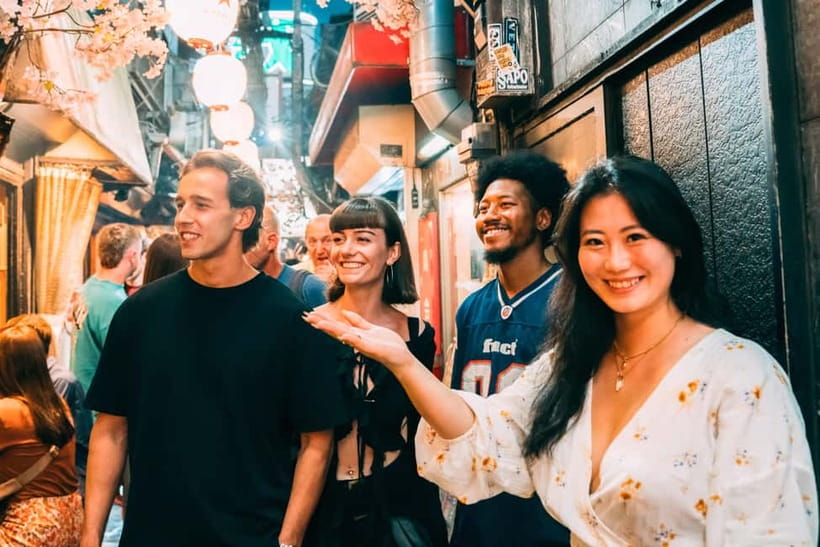
Shinjuku is best understood one small plate at a time. This food and culture walk leads you away from the main tourist flow and into four local eateries or food stands, where your English-speaking guide orders Japanese favorites for you. The food may include tempura, sushi, yakitori, ramen, and a traditional dessert.
I like the low tour price and the fact that food choices are ordered for you, so you do not need to decode a Japanese menu. I also like the local focus: the guide explains how people eat these dishes, not just what is on the plate. The main consideration is that the $16 booking price does not include food or drinks, and people with food allergies should not book this experience.
Key points to know before booking
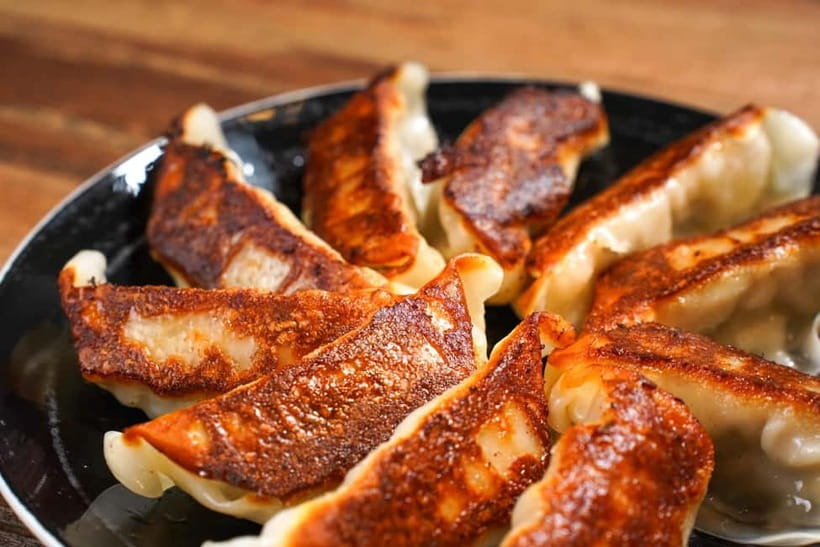
- Four local stops: Expect a mix of eateries and food stands, with several small tastings instead of one large meal.
- Haru may guide you: Haru is described as friendly, welcoming, and informative, and has taken participants to tasty ramen spots.
- Food costs extra: Plan on about 3,000 to 5,000 yen for food and drinks in addition to the tour price.
- Shinjuku backstreets: The walk takes you beyond the big station corridors and into places often missed by first-time visitors.
- Ordering is handled for you: Your guide selects and orders dishes, with adjustments possible for dislikes and preferences.
- Simple meeting point: Start near Uniqlo and finish back at the same meeting point.
Why a Shinjuku food walk can be worth your time
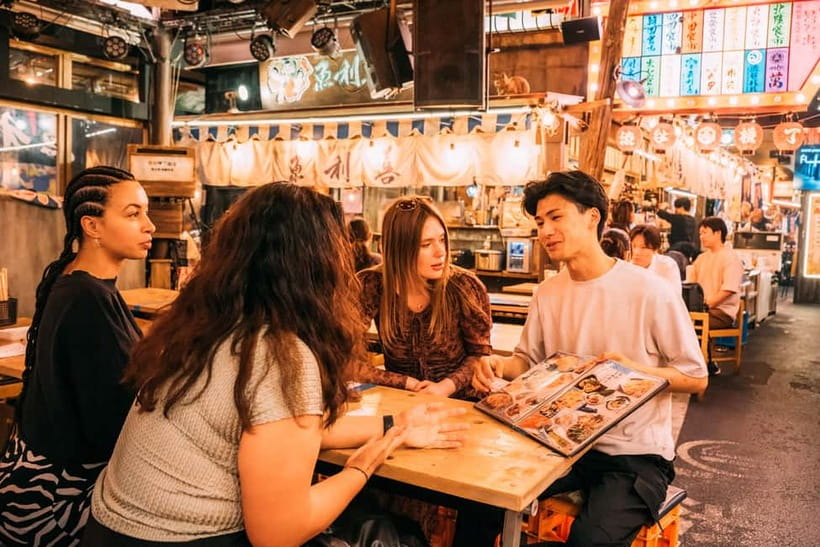
Shinjuku can feel like several cities stacked together. There are giant department stores, bright signs, office towers, narrow lanes, station crowds, and small food businesses operating in the gaps. A guided food walk gives you a reason to slow down and notice how these parts fit together.
I like this experience because the food is not treated as an afterthought. The four stops form the main event. Instead of hearing a general talk about Japanese cuisine and then being sent off to eat alone, you move from place to place with someone who can explain what you are seeing and help you order.
The small price also makes this an easy first taste of Tokyo’s food scene. At $16 per person, the guide and walking experience cost relatively little. You still need to budget 3,000 to 5,000 yen for food and drinks, but that spending goes directly toward dishes at four affordable places rather than toward an expensive set menu.
This is not a polished restaurant tasting with a fixed dining room and formal service. That is part of its appeal. You can expect a more casual introduction to everyday eating in Shinjuku, with the exact dishes guided by the food available and the needs of the group.
More Street Food Walking Tours in Japan
- Tokyo Tsukiji Fish Market Food and Culture Walking Tour
★ 5.0 · 3,184 reviews - Tokyo: Tsukiji Fish Market Food and Walking tour
★ 5.0 · 1,724 reviews - Tokyo: Tsukiji Fish Market Guided Walking Tour
★ 4.9 · 1,397 reviews
Meeting near Uniqlo and entering Shinjuku’s backstreets
The meeting point is near Uniqlo, and the activity ends back there. That makes the tour fairly easy to fit into a day of sightseeing, especially if you want to continue shopping or exploring Shinjuku afterward.
The information provided does not state the tour duration, walking distance, or group size. I would avoid planning a tight connection immediately afterward. Give yourself room, wear comfortable shoes, and bring water. Shinjuku is an area where a short walk can involve crowded sidewalks, station approaches, and narrow side streets.
Once the group sets off, the value of the guide becomes clear. Shinjuku has plenty of food, but the choice can be overwhelming. A local English-speaking guide removes the usual problems: trying to guess what a sign says, wondering how much to order, or choosing a restaurant that does not match your budget or appetite.
You are not simply following a restaurant list. The walk is designed to show you how local food fits into daily life. Your guide shares stories about food culture and history as you move between stops, giving context to dishes that might otherwise arrive as anonymous plates.
Stop one: Japanese favorites chosen for you
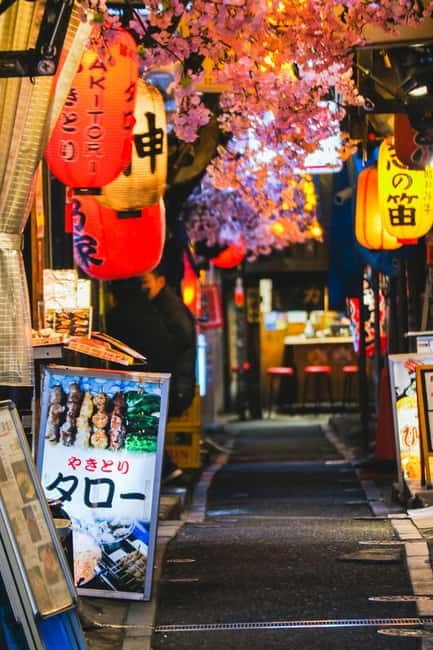
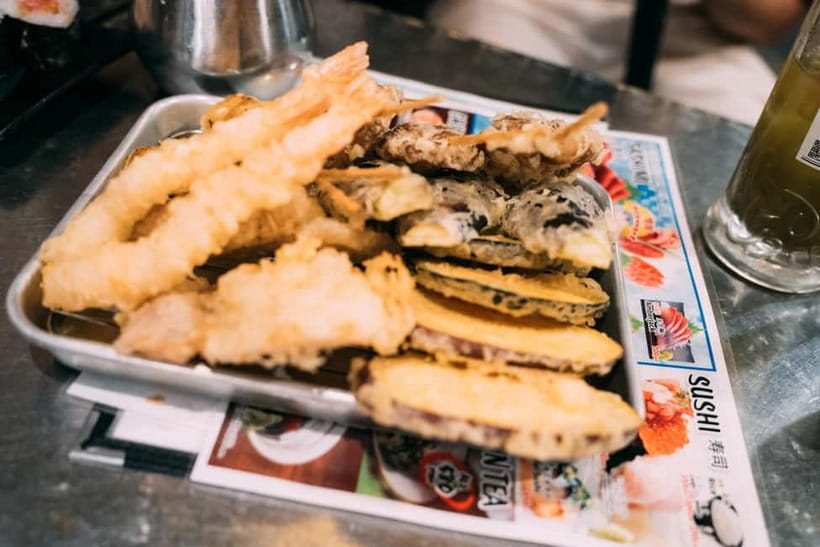
The exact order of the four stops is not specified, and the guide chooses the dishes. The first stop may introduce you to one of the familiar Japanese favorites listed for the experience, such as tempura or sushi.
That approach works well if you are new to Japanese food. You do not have to begin with a large meal or commit to an unfamiliar dish. A small tasting lets you see what you like, ask questions, and save room for the next stop.
Tempura offers a useful lesson in texture. The appeal is not just the ingredients, but the contrast between a light, crisp coating and the food inside. Sushi, meanwhile, gives you a chance to notice the balance between rice, topping, and seasoning without turning the meal into a formal sushi ceremony.
The guide’s role matters here. Food names can be translated, but translation alone does not always explain how locals order or eat a dish. Stories about the food can help you understand why it belongs in an everyday Tokyo meal.
The limitation is that the menu is not fixed in the information provided. If you have a dish you are determined to try, ask the guide at the start. You should think of this as a guided sample of local eating, not a guaranteed checklist of every named dish.
Stop two: Yakitori and the pleasure of small portions
Yakitori is another possible highlight. These grilled chicken skewers are a natural fit for a walking tour because they are easy to share and come in different cuts and seasonings.
A yakitori stop can also show you a different side of Japanese dining. The food is direct and social, with small portions that encourage you to try more than one item. You may find that the guide orders a selection rather than giving each person a full meal.
This is where the four-stop format earns its keep. One restaurant alone might give you a good meal, but four stops offer a broader picture. You get to compare cooking styles, settings, and flavors without spending the whole evening in one place.
Remember that food and drinks are not included. Your guide handles the ordering, but you pay for what you eat and drink as the tour progresses. The estimated total of 3,000 to 5,000 yen is useful for planning, though your final cost may depend on the choices made for your group.
More Street Food Walking Tours in Tokyo
- Tokyo: Tsukiji Fish Market Food and Culture Walking Tour
★ 4.7 · 757 reviews - Tsukiji Fish Market: Street Food & Culture Walking Tour
★ 5.0 · 669 reviews - Tsukiji Fish Market Small-Group Food Walking Tour
★ 5.0 · 621 reviews - Tsukiji Fish Market: Street Food & Culture Walking Tour
★ 4.8 · 259 reviews
Stop three: Ramen may be part of the route
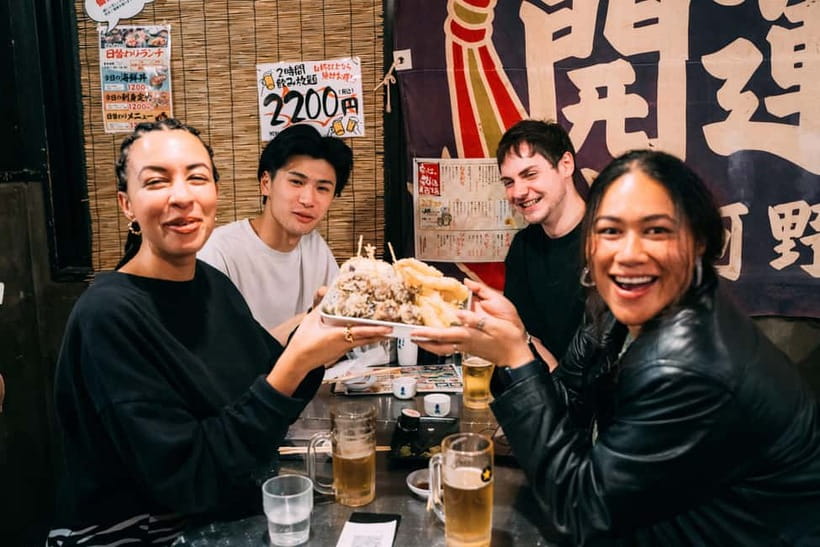
Haru, one of the named guides, has taken participants to delicious ramen spots. That suggests the route can include ramen, even though the main description also highlights tempura, sushi, yakitori, and dessert.
Ramen brings a different rhythm to the tour. Unlike a quick skewer or small sushi serving, it can be a more filling stop. If ramen appears early, you may want to pace yourself. Four stops sound manageable when you are thinking about samples, but several savory dishes plus drinks can add up.
I appreciate that the food selection is not presented as rigid. The guide can adjust choices for dislikes, which is helpful when one person in a family wants noodles and another prefers grilled food. Still, you should tell the guide about strong dislikes before ordering, rather than waiting until a dish arrives.
Do not assume that every named food will appear on every outing. The available information presents these dishes as examples of what you may taste, while the guide chooses the best options for the group. That flexibility is useful, but it also means you should book this tour for the overall experience rather than for one guaranteed dish.
Stop four: Dessert and a lighter finish
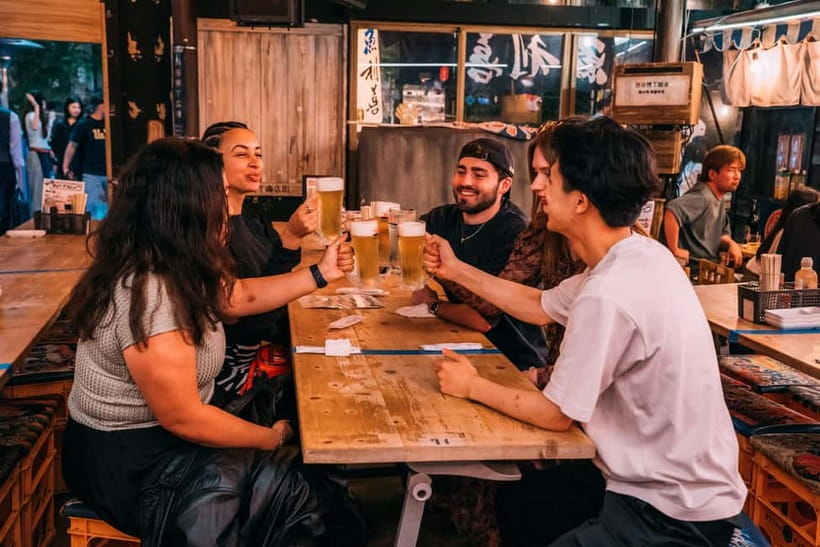
A traditional Japanese dessert rounds out the possible food lineup. Dessert matters on a tasting walk because it gives your palate a break from savory dishes and shows that Japanese food culture is not limited to noodles, grilled meat, and seafood.
The dessert stop also gives the guide another chance to explain customs and ingredients. The specific dessert is not stated, so I would not book this experience expecting a particular sweet. Instead, look at it as a final taste chosen to fit the route and the group.
By the fourth stop, the best strategy is to sample rather than rush. You do not need to eat a full serving at every place. If you are traveling with family or friends, sharing can help everyone try more foods while keeping the total bill reasonable.
The tour ends back near the original meeting point. That is handy if you want to return to your hotel, continue around Shinjuku, or use the station area as your next base.
What the English-speaking guide adds
The guide is the heart of this experience. Shinjuku’s food scene is easy to find but harder to read. A guide can explain what a place specializes in, which dishes suit the group, and how local eating habits differ from the way food is presented to tourists.
Haru has been described as informative, friendly, and welcoming. Those qualities matter on a food walk because the experience depends on conversation. You should feel comfortable asking what a dish contains, how to eat it, or why it is popular.
The guide also gives the walk some cultural weight. You hear stories about food culture and history as you move through the neighborhood, so the dishes have a setting and a purpose. That is more useful than collecting four isolated snacks.
At the same time, you should keep expectations realistic. This is an English-language guided walk, not a full Japanese cooking class or a formal lecture. The information promises stories and explanations, but not hands-on cooking, a market visit, or a lesson in Japanese language.
The real cost: $16 plus food and drinks
The $16 price covers the guided experience, but not what you eat or drink. You should budget another 3,000 to 5,000 yen for the food and drinks, according to the estimated spending for the tour.
That makes the experience affordable by Tokyo sightseeing standards, but the headline price can be misleading if you overlook the extra cost. I would think of the tour as a low-cost guide service plus a pay-as-you-go tasting budget.
There is value in that arrangement. A fixed food package can force you to pay for dishes you do not want. Here, the guide can adjust selections for dislikes, and you can keep better track of your spending. The tradeoff is less certainty about the final menu and bill.
If you are on a strict budget, ask about the ordering plan before the first stop and avoid unnecessary drinks. If you want to sample widely, the 3,000 to 5,000 yen estimate gives you a reasonable planning range.
Who should book this Shinjuku food tour?
I would recommend this walk to first-time Tokyo visitors who want an easy introduction to Japanese food without doing all the research themselves. It also suits families, since the guide can help balance different preferences and the food arrives in smaller portions across several stops.
It is a good match for curious eaters who care about local context. You get more than a meal, but less structure than a formal tasting menu. That middle ground works well if you want to wander, eat, and ask questions.
The tour is less suitable for people with serious food allergies. The information specifically says it is not suitable for people with food allergies, even though dislikes and preferences can be accommodated. Do not assume that a preference adjustment is the same as reliable allergy control.
You should also skip it if you want a guaranteed list of dishes, a set price covering everything, or a fixed duration. The experience is intentionally flexible, and some details depend on the guide’s choices.
Bring comfortable shoes, water, and a camera. Pets and smoking are not allowed. You can reserve now and pay later, and cancellation is available up to 24 hours in advance for a full refund.
Should you book the Shinjuku local eats walk?
Book this tour if you want four casual food stops, local stories, and help ordering in an unfamiliar city. The low booking price makes it a sensible way to get your bearings in Shinjuku while spending your food budget where the guide directs you.
Skip it if food allergies make informal eating risky, or if you need a fixed menu and all-inclusive price. For everyone else, this is a practical, friendly introduction to the everyday side of Tokyo dining, with Haru’s ramen route and the broader mix of sushi, tempura, yakitori, and dessert giving you several reasons to arrive hungry.
FAQ
Where does the Shinjuku food tour start?
The tour starts near Uniqlo in Shinjuku.
Where does the activity finish?
The activity ends back at the meeting point near Uniqlo.
How much does the tour cost?
The tour price is $16 per person.
Are food and drinks included?
No. Food and drinks are not included. Most people should expect to spend about 3,000 to 5,000 yen in total for food and drinks during the tour.
What foods might I try?
Possible dishes include tempura, sushi, yakitori, ramen, and a traditional Japanese dessert. The guide chooses and orders the dishes, so the exact selection is not fixed.
Is the tour conducted in English?
Yes. The tour includes an English-speaking local guide.
Can food choices be adjusted?
The guide can adjust choices for dislikes and dietary preferences. The activity is not suitable for people with food allergies.
What should I bring?
Bring comfortable shoes, water, and a camera. Pets and smoking are not allowed.
Can I cancel for a refund?
You can cancel up to 24 hours in advance for a full refund. You can also reserve and pay later.
Just added around Tokyo
- Tokyo: Tsukiji walk & sushi private tour with Uni Students★ 5.0 · 17 reviews
- Tokyo: Private Tsukiji Street Food & Sake with Local Guide★ 5.0 · 3 reviews
- Tokyo: Tsukiji Market Guided Tour & Sushi-Making Experience★ 4.4 · 11 reviews
- Tokyo: Tsukiji Market and Hama-rikyu Gardens Guided Tour★ 4.8 · 73 reviews
- Tokyo Tsukiji Food & Culture Private Tour Licensed Guide★ 4.9 · 28 reviews
- Tokyo: Tsukiji Fish Market Foodie and Educational Tour★ 5.0 · 4 reviews
- Tokyo: Tsukiji Fish Market Culture Tour with Sashimi Tasting★ 4.6 · 54 reviews
- Tokyo: Tsukiji, Ginza, and Asakusa Japanese Culture Tour★ 5.0 · 2 reviews
Tokyo Street Food Tours, compared.
Tokyo Tsukiji Fish Market Food and Culture Walking Tour
Read our review →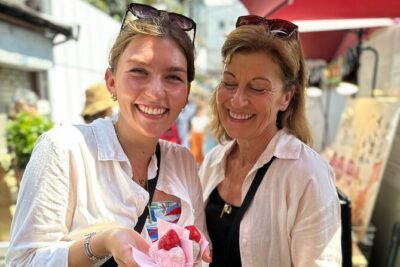
Tokyo: Tsukiji Fish Market Food and Walking tour
Read our review →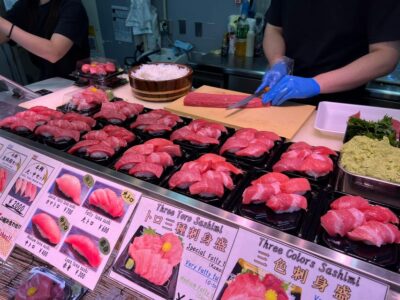
Tokyo: Tsukiji Fish Market Guided Walking Tour
Read our review →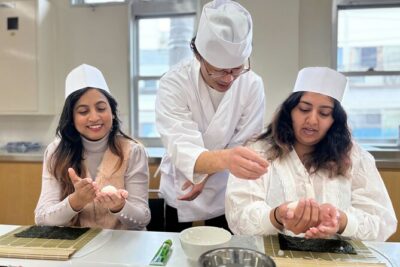
Tokyo Sushi Making Class in Tsukiji with Professional Chef
Read our review →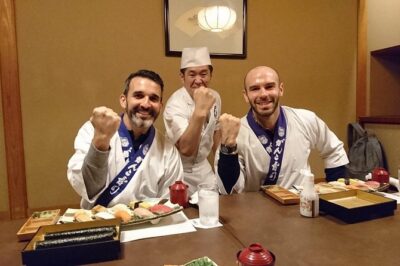
Tsukiji Fish Market Guided Tour and Sushi Making with Pro Chef
Read our review →Tokyo: Tsukiji Fish Market Food and Culture Walking Tour
Read our review →
Tsukiji Fish Market: Street Food & Culture Walking Tour
Read our review →
Tsukiji Fish Market Small-Group Food Walking Tour
Read our review →Browse the lists this tour appears in