
REVIEW · TOKYO STREET FOOD TOURS
Tokyo: Togoshi Ginza Street Food Tour
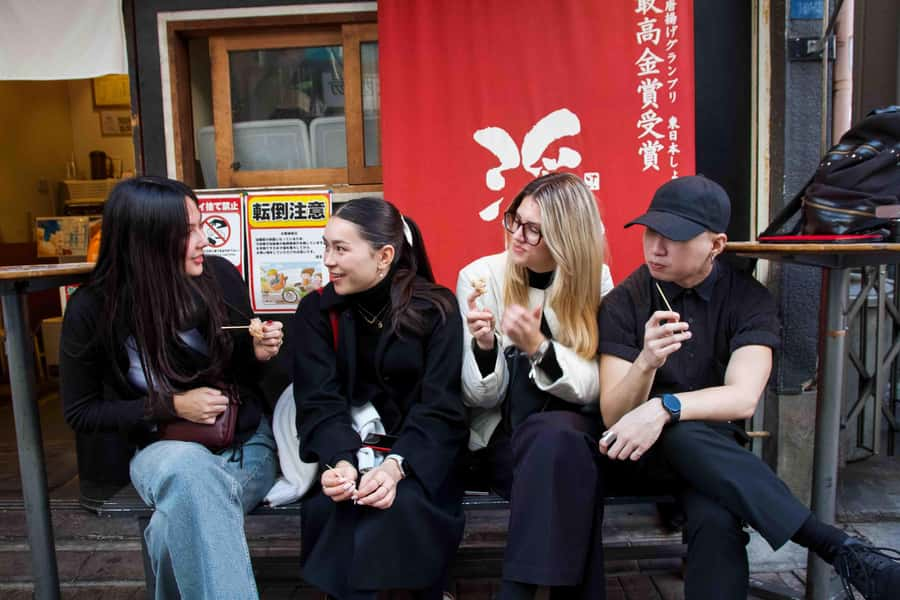
Tokyo’s best food experiences are often found away from the neon and big-name sights. This two-hour walk leads you through Musashi Koyama and Togoshi Ginza, two local shopping districts where people actually live, shop, and eat. Along the way, you’ll try charcoal-grilled chicken from a shop dating to 1929, award-winning karaage, generously filled onigiri, curry bread, and Japanese pudding.
I like the tour for two clear reasons: the food lineup is broad, and the small group makes it easier to ask questions and keep the pace comfortable. You also get a useful look at a less-visited side of Tokyo, rather than another meal in a restaurant built for an international audience.
The main catch is simple: you’ll walk about 1.86 miles, or 3 kilometers, in two hours, with much of the experience outdoors. Come hungry, wear comfortable shoes, and be ready for a full meal’s worth of tasting rather than a few dainty bites.
Key points at a glance
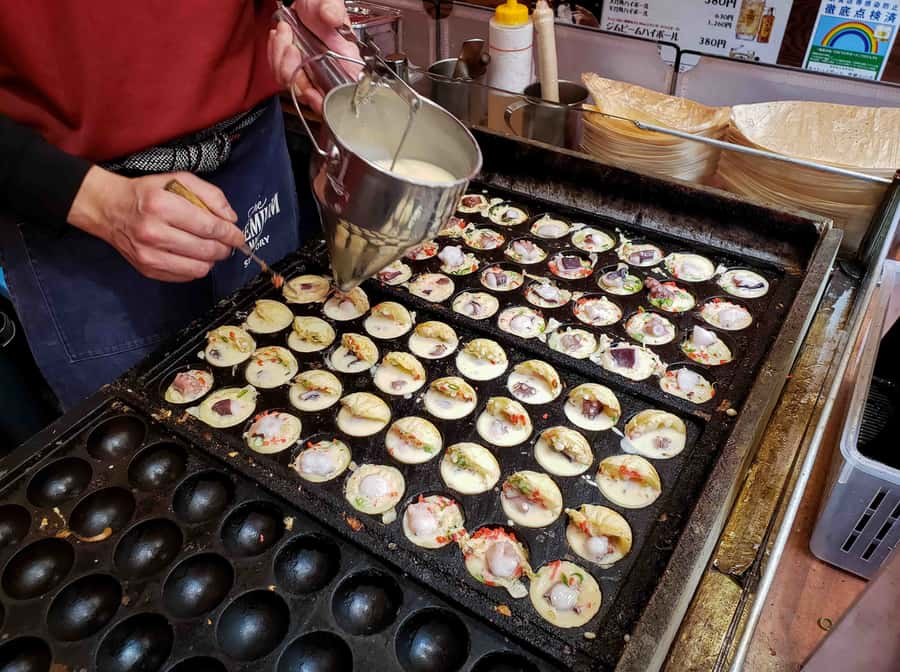
- Two local shopping streets: Begin at Musashi Koyama Palm Shopping Street, then continue to Togoshi Ginza, said to be Tokyo’s longest shopping street with about 400 shops.
- Seven food tastings: The route includes yakitori, karaage, onigiri, beef curry bread, pudding, and another dessert.
- A 1929 yakitori stop: Start with charcoal-grilled chicken skewers at a long-running shop.
- More than 40 onigiri fillings: Choices range from familiar spicy tuna to less expected bacon and cream cheese.
- Small English-speaking group: The maximum group size is eight, with guides such as Sahori, Daisy, Bunga, Brian, and Frank leading different departures.
- A filling two hours: One included alcoholic or non-alcoholic drink joins the food tastings, so this is not a tour to take right after a large lunch.
Why this side of Tokyo is worth your time
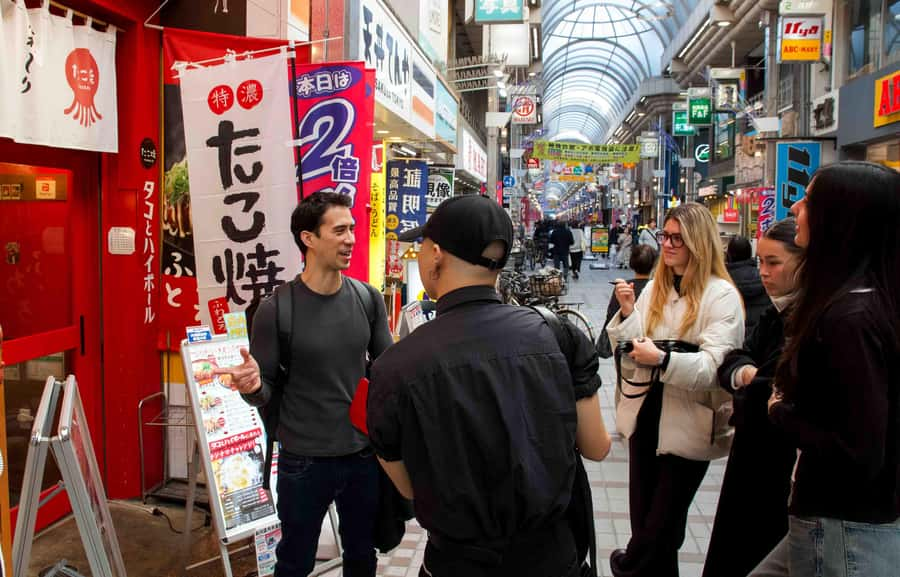
Tokyo has plenty of famous food streets, but fame often brings crowds and a polished tourist feel. Musashi Koyama and Togoshi Ginza offer something more ordinary and, for many people, more revealing: local shopping arcades, neighborhood food shops, and the daily rhythm of residential Tokyo.
You meet outside the Starbucks at the entrance to Musashi Koyama Palm Shopping Street. Look for the guide holding a Food Tours Tokyo sign. From there, the route moves on foot through two connected parts of the city, giving you a better sense of how Japanese shopping streets work than a single restaurant meal would.
Togoshi Ginza is especially useful for first-time visitors who want to try food from small shops but feel unsure about ordering. Menus, fillings, and serving styles can be difficult to decode when you do not read Japanese. Your guide handles the ordering and explains what you are eating, so you can focus on flavor instead of pointing at a menu and hoping for the best.
The tour does not present Tokyo as a collection of grand sights. That is the point. You see storefronts, food counters, and neighborhood streets rather than a checklist of landmarks. If you enjoy noticing how a city works between the major attractions, this route gives you a pleasant two-hour window into local life.
A few more street food tours around Tokyo worth a look
- Tsukiji Fish Market: Street Food & Culture Walking Tour
★ 5.0 · 669 reviews - Tsukiji Fish Market: Street Food & Culture Walking Tour
★ 4.8 · 259 reviews - Tokyo: Private Personalized Local Food Tour
★ 4.5 · 101 reviews
The first bite: charcoal-grilled yakitori
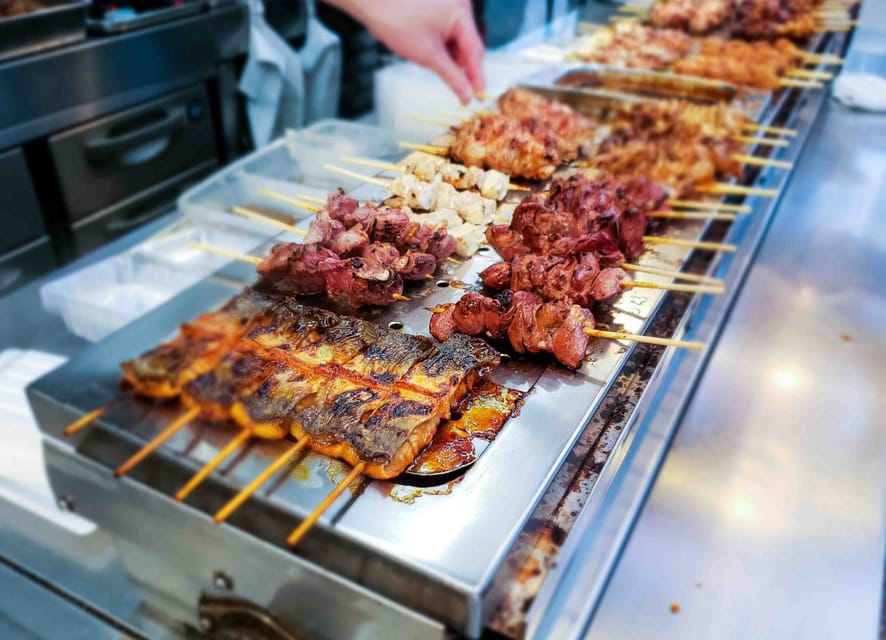
The food begins with yakitori, chicken grilled over charcoal on skewers. The stop is at a shop that has been around since 1929, which gives the first tasting a useful sense of place. This is not simply chicken on a stick. Your guide can explain the dish, the cooking method, and why skewers remain such a practical part of Japanese food culture.
Charcoal matters here. It gives the chicken a smoky edge while the grill keeps the pieces juicy. The format is easy to eat as you walk, though you should still expect to pause and pay attention. Hot food, skewers, and a moving group do not mix especially well.
Starting with yakitori is smart. It is familiar enough for cautious eaters, but it still feels distinctly Japanese. If you already eat Japanese food often, this stop gives you a local shop setting rather than another standard restaurant menu.
From Musashi Koyama to Togoshi Ginza
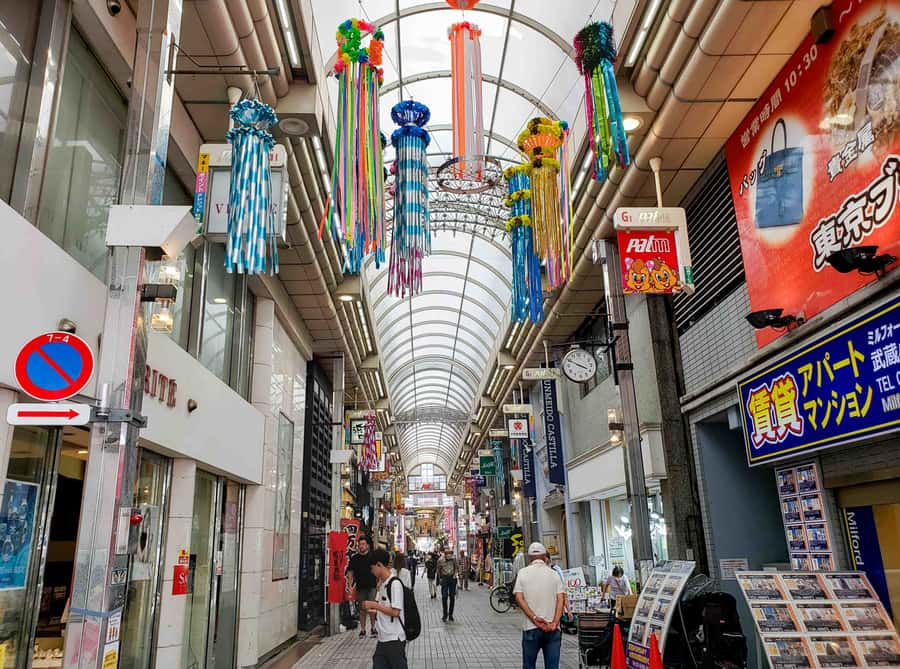
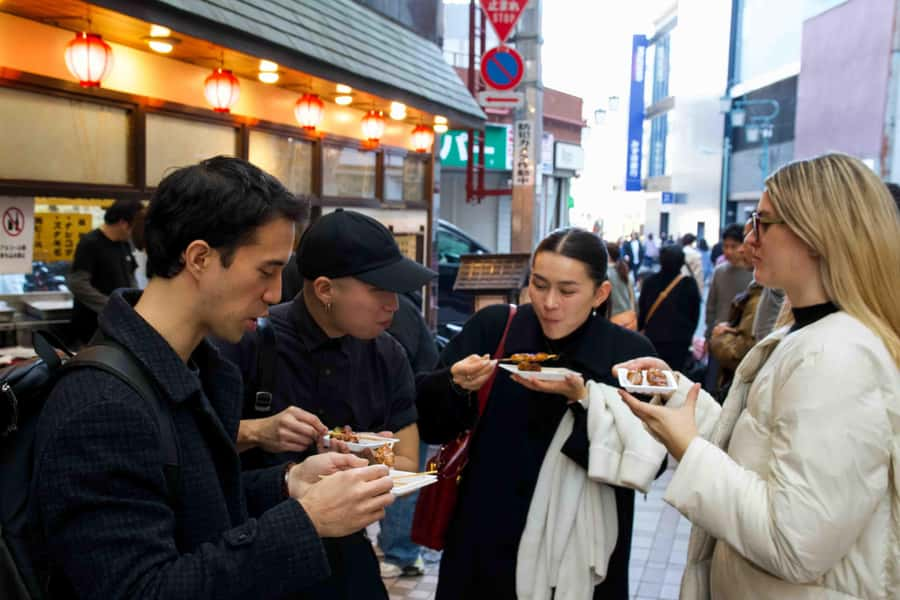
After the first food stop, you continue through Musashi Koyama and toward Togoshi Ginza. The walking is part of the experience, not empty space between tastings. You get time to see the changing streets, work off a little food, and hear about the neighborhoods from the guide.
Togoshi Ginza is the star of the route. With roughly 400 shops, it is described as Tokyo’s longest shopping street. That size gives the tour room to move beyond a single famous snack and show you the range of everyday food available in a Japanese shopping arcade.
The pace is active but not a full-day march. Still, the 3-kilometer distance is worth taking seriously. The route is not suited to someone with a low level of fitness, and the outdoor format means the weather can affect your comfort. On a cold day, wear warm layers. On any day, use shoes you can walk in without complaint.
Award-winning karaage, the crowd-pleasing stop
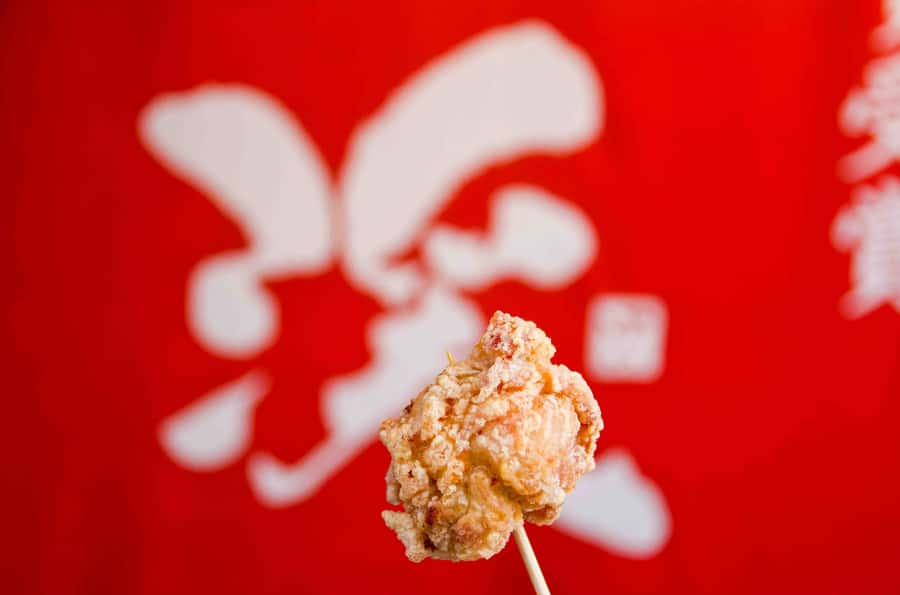
Next comes karaage, Japanese fried chicken. This is one of the easiest stops to appreciate, even if you are new to Japanese food. The chicken is juicy, seasoned, and fried for a crisp finish. The tour uses an award-winning version, so this is a chance to compare a familiar food with a particularly well-regarded local example.
Karaage can be rich, especially when it follows yakitori. That is why I would avoid eating a large meal beforehand. The schedule includes more substantial food after this stop, and the portions across the route can add up quickly.
The benefit of trying karaage on this tour is context. Your guide can explain how it differs from other fried chicken styles and help you notice the seasoning and texture rather than simply labeling it as Japanese fried chicken. If you are bringing children, this is likely to be one of the easiest foods for them to enjoy. One family specifically praised the guide’s ability to keep children involved, though the group experience naturally depends on the guide and the other people booked that day.
Same city, a different plate:
- Tokyo Tsukiji Fish Market Food and Culture Walking Tour
★ 5.0 · 3,184 reviews - Tokyo: Tsukiji Fish Market Food and Walking tour
★ 5.0 · 1,724 reviews - Tokyo: Tsukiji Fish Market Guided Walking Tour
★ 4.9 · 1,397 reviews - Tokyo Sushi Making Class in Tsukiji with Professional Chef
★ 5.0 · 1,177 reviews
Onigiri with 40-plus filling choices
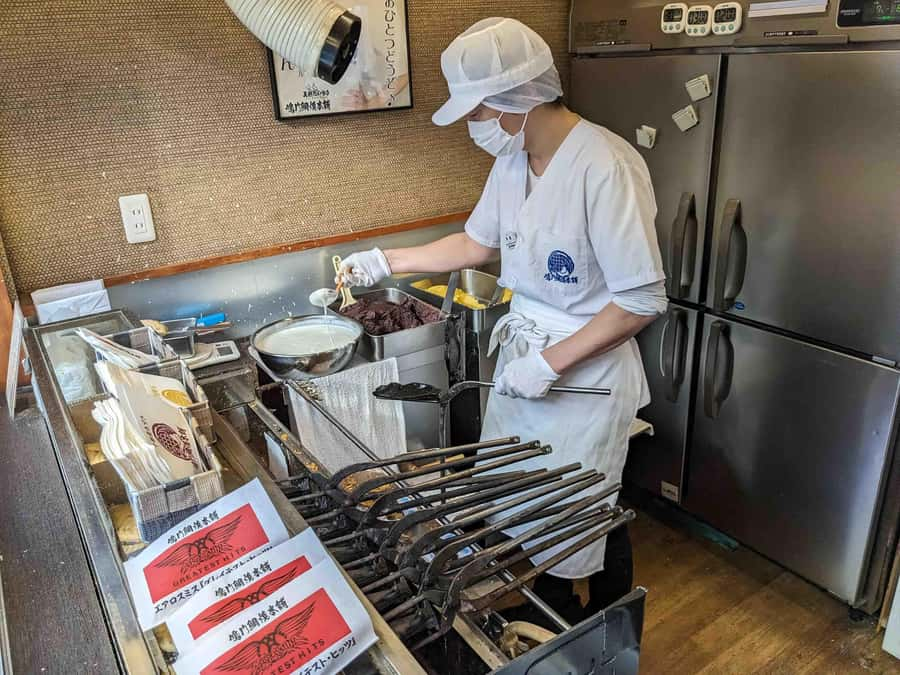
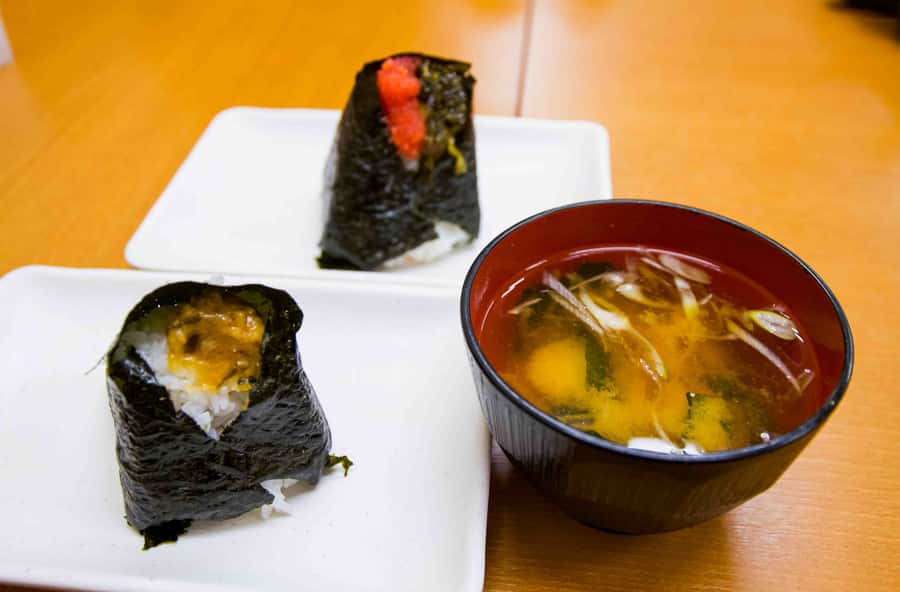
The onigiri stop brings a quieter lesson in Japanese food. These rice balls look simple, but the filling menu can be surprisingly wide, with more than 40 choices. You might choose spicy tuna, or you might try something less expected such as bacon and cream cheese.
This is one of the best parts of the tour for curious eaters. Onigiri is portable, affordable, and common in Japan, yet a visitor may pass it by without understanding how many versions exist. The guide helps you choose and explains how the rice, seaweed, and filling fit together.
The large selection can slow you down if you want to examine every option. That is not a bad problem, but you should expect the group to make choices together rather than spend unlimited time browsing. If you have dietary restrictions, ask the guide before choosing. The supplied information does not list vegetarian, vegan, gluten-free, or allergy-specific options, so do not assume every filling will suit you.
Beef curry bread, a savory bakery treat
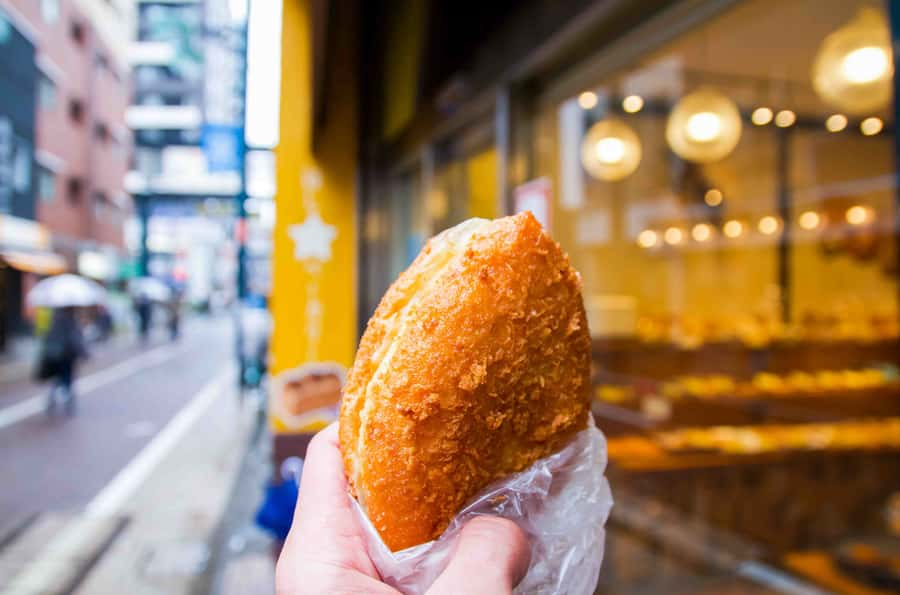
The next tasting is bread filled with beef curry. Japanese curry bread is a useful reminder that Japanese street food is not limited to skewers, rice, and noodles. The outside is savory bread, while the inside carries the warm, spiced filling.
This is a compact but filling snack. After two chicken dishes and an onigiri, it can feel like a small meal rather than another sample. That is why the tour works best as a replacement for lunch or an early dinner, not as an add-on after eating elsewhere.
The curry bread also gives the route some variety in texture. You move from grilled meat to fried chicken, soft rice, and a baked item. Seven tastings over two hours may sound modest, but the food is substantial enough that many people finish feeling pleasantly stuffed.
Pudding and the final sweet bite
The tour finishes with extra-rich Japanese pudding and another dessert if you still have room. The pudding offers a soft, creamy finish after the salty and savory food earlier in the walk.
The words if you still have room matter. You are not racing through tiny portions. The combination of seven tastings and one drink can be more food than expected, especially if you are not used to eating between regular meals.
The final dessert is a nice touch, but it is also the least predictable part of the route because the exact additional sweet is not specified. Think of it as a flexible finish rather than a guaranteed signature dish. If you have a sweet tooth, save some space. If not, the tour has already delivered most of its value before the last bite.
What the guide adds to the food
A food walk succeeds or fails on its guide, and this experience has a useful range of named guides. Sahori, also spelled Sohari in some material, has been praised for her warm manner, local knowledge, and help with Tokyo’s train system after the tour. Daisy has led especially personal outings, including a departure with only two participants. Bunga, Brian, and Frank have also guided departures.
You cannot choose a particular guide unless the booking system allows it, so treat those names as examples of the team rather than a promise. The important feature is the live English guidance. You get explanations of each dish and information about the neighborhoods as you walk.
The small-group limit of eight matters. It is easier to hear the guide at a busy food counter, easier to ask about unfamiliar ingredients, and less awkward when the group needs to stop in a narrow shopping street. A very small departure may even feel almost private, but you should not book expecting that every time.
Several guide styles are represented in the available feedback: friendly, easygoing, informative, and helpful beyond the formal route. One guide helped a participant navigate Tokyo’s complex train system afterward. That kind of extra assistance is useful, but it is best viewed as a personal bonus, not part of the guaranteed tour service.
Is $95 good value for two hours?
At $95 per person, this is not a cheap way to grab snacks. You are paying for seven tastings, one drink, an English-speaking guide, ordering help, neighborhood commentary, and a small group capped at eight.
The value is strongest if you would otherwise hesitate to enter local shops or worry about the language barrier. A guide turns several uncertain food purchases into a planned tasting route, and you get a range of dishes rather than paying separately at each stop. You also avoid spending time researching which shops to try.
The price is less appealing if you already speak Japanese, know Togoshi Ginza well, and are comfortable choosing food on your own. In that case, you could spend less by visiting the street independently. You would, however, lose the explanations and the carefully timed progression from savory food to dessert.
I would treat the tour as a substantial lunch or early dinner. The food quantity has surprised people who expected only small samples, so do not compare the price with a quick snack crawl. Compare it with the cost of a guided meal, plus the convenience of trying seven different foods in two hours.
Who should book this food walk?
I would recommend it to first-time Tokyo visitors who want a local neighborhood without giving up structure. It is especially useful during the first few days of a Japan trip, when you are still learning how food shops work and need a guide to make the choices easier.
Families can enjoy the range of flavors, though children must be comfortable walking about 3 kilometers and eating foods they may not recognize. The small group helps keep the outing manageable, and the route includes familiar options such as fried chicken and sweet pudding.
Food lovers should appreciate the variety. The tour covers grilled chicken, fried chicken, rice, curry bread, and dessert in a short period, with enough background to make each stop more than a quick bite.
I would be more cautious if you have limited mobility, dislike outdoor walking, need a very specific diet, or prefer a slow sit-down meal. The tour involves steady movement, standing at food shops, and a fair amount of eating. The available details do not confirm accessibility features or special-diet substitutions, so ask before booking if those points matter to you.
Practical details before you go
The meeting point is outside the Starbucks at the entrance to Musashi Koyama Palm Shopping Street. Your guide carries a Food Tours Tokyo sign, so arrive looking for the sign rather than only the storefront.
The tour lasts two hours and runs in English. Starting times vary, so check availability for your date. Hotel pickup and drop-off are not included, which means you need to make your own way to the meeting point.
Wear comfortable shoes and dress for the weather. Much of the food tasting takes place outside or at street-side shops, and a cold day can make the walking feel longer. You receive one alcoholic or non-alcoholic drink, so tell the guide your preference.
Free cancellation is available up to 24 hours before the tour for a full refund. You can also reserve and pay later, which helps if your Tokyo schedule is still changing.
Should you book the Togoshi Ginza tour?
Book it if you want a guided taste of everyday Tokyo, not just a famous market or a formal restaurant. The combination of yakitori from a shop dating to 1929, award-winning karaage, 40-plus onigiri fillings, curry bread, and pudding gives you a lot of food variety in two hours.
Skip it if you want a cheap self-guided snack stop, cannot walk 3 kilometers, or need confirmed dietary accommodations. For everyone else, the $95 price makes sense when you value the guide, the small group, and the confidence to try places you might otherwise pass by.
FAQ
How long does the Togoshi Ginza Street Food Tour last?
The tour lasts two hours.
How much walking is involved?
The route involves about 1.86 miles, or 3 kilometers, of walking. It is not recommended for people with a low level of fitness.
How many food tastings are included?
Seven food tastings are included, along with one alcoholic or non-alcoholic drink.
What foods are included on the tour?
The food includes charcoal-grilled yakitori, award-winning karaage, onigiri with more than 40 filling choices, beef curry bread, Japanese pudding, and another dessert.
Where does the tour meet?
Meet outside the Starbucks at the entrance to Musashi Koyama Palm Shopping Street. Your guide will be holding a Food Tours Tokyo sign.
Is the tour conducted in English?
Yes. The tour has a live English-speaking guide, and the group is limited to eight participants.
Just added around Tokyo
- Tokyo: Tsukiji walk & sushi private tour with Uni Students★ 5.0 · 17 reviews
- Tokyo: Private Tsukiji Street Food & Sake with Local Guide★ 5.0 · 3 reviews
- Tokyo: Tsukiji Market Guided Tour & Sushi-Making Experience★ 4.4 · 11 reviews
- Tokyo: Tsukiji Market and Hama-rikyu Gardens Guided Tour★ 4.8 · 73 reviews
- Tokyo Tsukiji Food & Culture Private Tour Licensed Guide★ 4.9 · 28 reviews
- Tokyo: Tsukiji Fish Market Foodie and Educational Tour★ 5.0 · 4 reviews
- Tokyo: Tsukiji Fish Market Culture Tour with Sashimi Tasting★ 4.6 · 54 reviews
- Tokyo: Tsukiji, Ginza, and Asakusa Japanese Culture Tour★ 5.0 · 2 reviews
Tokyo Street Food Tours, compared.
Tokyo Tsukiji Fish Market Food and Culture Walking Tour
Read our review →
Tokyo: Tsukiji Fish Market Food and Walking tour
Read our review →
Tokyo: Tsukiji Fish Market Guided Walking Tour
Read our review →
Tokyo Sushi Making Class in Tsukiji with Professional Chef
Read our review →
Tsukiji Fish Market Guided Tour and Sushi Making with Pro Chef
Read our review →Tokyo: Tsukiji Fish Market Food and Culture Walking Tour
Read our review →
Tsukiji Fish Market: Street Food & Culture Walking Tour
Read our review →
Tsukiji Fish Market Small-Group Food Walking Tour
Read our review →Browse the lists this tour appears in