
REVIEW · TOKYO STREET FOOD TOURS
Tokyo Tsukiji Food & Culture Private Tour Licensed Guide
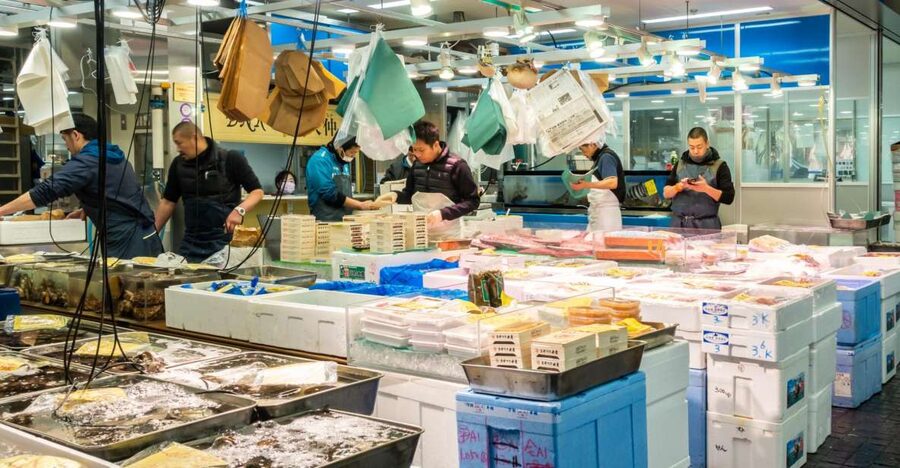
Tokyo’s food story is bigger than sushi. This private walking tour links Toyosu and Tsukiji with places such as Kappabashi, Asakusa, Ueno, or Yanaka Ginza, giving you a useful look at how food, shopping, manners, and daily life fit together. Your guide meets you at your hotel or a requested station, then shapes the day around your interests.
I like the custom itinerary, since you choose two or three sites on the four-hour option, or three or four on the six-hour option. I also like the help with public transportation. Guides such as Kenji Kasama and Naomi have led visitors through Tokyo’s rail system, which can save time and stress.
The main catch is cost control. At $141 per person, you are paying for private guiding, but food, admission fees, and transportation are extra. You also need to confirm your preferred sites with the guide after booking, and the tour is not fully confirmed until a guide accepts it.
Key points to know before booking
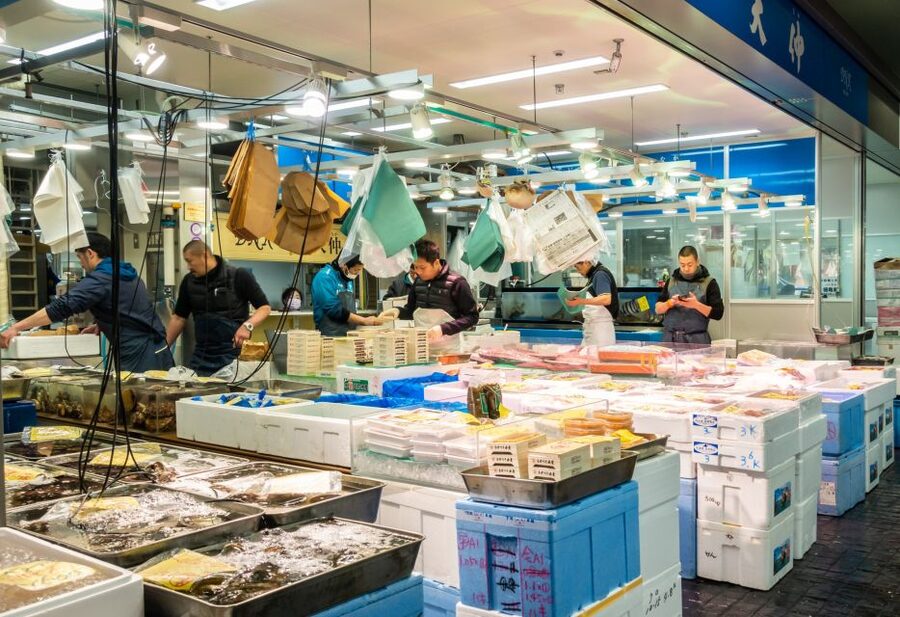
- Toyosu and Tsukiji show two sides of Tokyo’s seafood trade: Toyosu is the newer market complex, while Tsukiji’s outer market is better suited to casual food browsing.
- Your guide can shape the day around food, shopping, art, or local culture: choose from five listed areas rather than following one fixed route.
- Kappabashi is a treat for cooks and curious shoppers: you can browse kitchen supply stores and the famous plastic food displays.
- The six-hour option gives you useful breathing room: it allows three or four areas, though Tokyo travel time and meal stops still matter.
- Public transportation is part of the experience, but not part of the price: you pay train, subway, or taxi costs separately.
- Guide quality is a major strength: Kenji, Fumiko, Naomi, Michio, Show, Katsu, and others have been praised for patience, local insight, and flexible planning.
A food tour that lets you choose the flavor of Tokyo
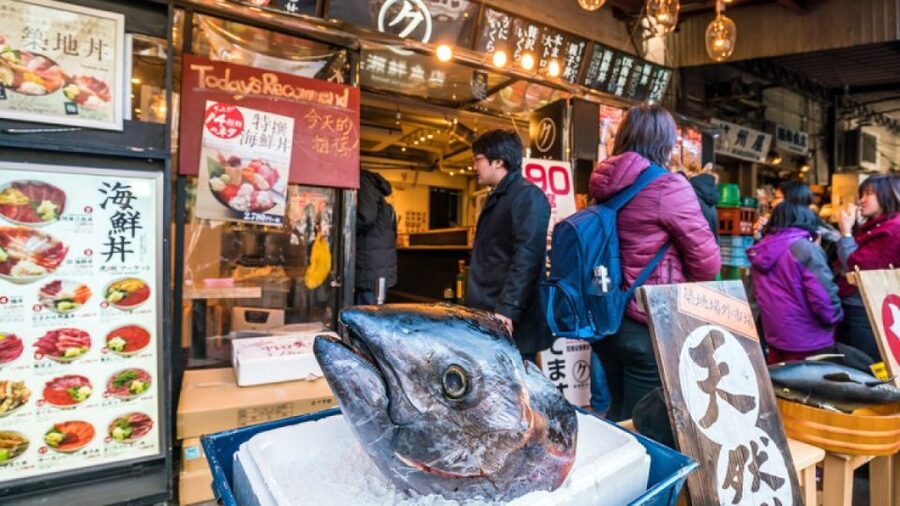
Many Tokyo food tours keep you in one neighborhood. This one takes a wider view. In four or six hours, you can connect a seafood market with a street-food district, a kitchenware shopping street, or an old neighborhood lined with snack shops.
That flexibility is the heart of the experience. You are not locked into a single meal or a long lecture about fish. You can ask for Toyosu and Tsukiji, then add Kappabashi or Asakusa. You can focus on shopping, food, Japanese history, or the practical side of getting around Tokyo.
The tour is private, so the pace belongs to you and your group. That matters in crowded market areas, where one person may want to stop at every food stall while another would rather keep moving. It also helps families. Michio, for example, patiently adjusted the day for a family with teenagers and a younger child, while other guides have helped visitors change plans during the tour.
The experience has a strong rating of 4.9 from 28 reviews, with the most consistent praise going to the guides. Names that appear repeatedly in the feedback include Kenji Kasama, Fumiko, Naomi, Michio Akutsu, Show, Katsu, Yoshii, Koji Shinjo, and Kimy. You cannot choose every guide in advance, but the service clearly depends heavily on the individual guide you are matched with.
More Fish Market and Seafood Tours in Tokyo
- Tokyo Tsukiji Fish Market Food and Culture Walking Tour
★ 5.0 · 3,184 reviews - Tokyo: Tsukiji Fish Market Food and Walking tour
★ 5.0 · 1,724 reviews - Tokyo: Tsukiji Fish Market Guided Walking Tour
★ 4.9 · 1,397 reviews
Toyosu Market and the newer face of seafood Tokyo
Toyosu Market is one of the main choices for the day. It is Tokyo’s newer wholesale fish market, and visiting it helps you understand where the city’s famous seafood trade moved after the old Tsukiji inner market closed.
Your guide can explain how the market works and place the seafood industry in a wider Japanese setting. That context is useful because Toyosu is not simply a row of food stalls. It is a working market complex, and your experience depends on the route, timing, and sites your guide selects.
I would choose Toyosu if you want to understand Tokyo’s modern food infrastructure or if seafood is the main reason you booked. It pairs well with Tsukiji, since the two locations offer different experiences. Toyosu gives you the newer market setting, while the outer Tsukiji area is more immediately snack-friendly.
You should also keep your expectations sensible. This is not advertised as a guaranteed tuna auction viewing or a meal included in the tour price. Food and drinks are extra, and any entrance fees are also your responsibility. Your guide can help you make sense of the place, but you still need to budget for what you eat.
Outer Tsukiji for easy food sampling
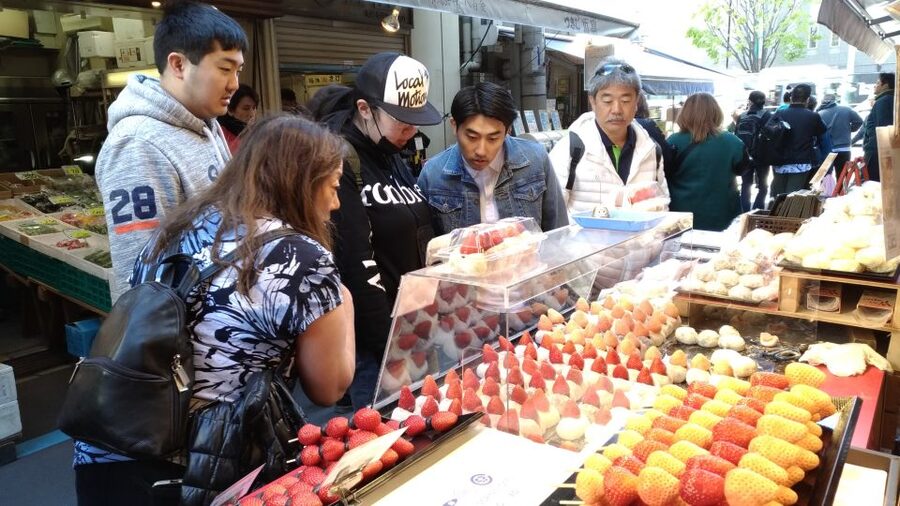
The outer Tsukiji fish market is likely to be the most direct match for anyone who wants to taste Tokyo. This is where you can browse food shops and sample fresh products while your guide explains Japanese eating customs, ingredients, and market behavior.
The value of a guide is especially clear here. A busy food market can be confusing, and you may not know which items are meant to be eaten on the spot, how to order, or how to behave in a narrow shop. Yoshii was praised for carefully guiding visitors through both Tsukiji and Toyosu, while Katsu was credited with sharing practical information about Japanese cuisine and behavior.
You should not expect a fixed tasting menu. Food is not included, so you choose what to buy and pay for it directly. That is both a strength and a weakness. You have freedom to spend little or splurge, but the final cost depends on your appetite.
I would ask your guide in advance if you have allergies, dietary restrictions, or foods you want to seek out. The supplied information does not promise special dietary arrangements, so clear communication matters.
Kappabashi Street, where Tokyo cooks shop
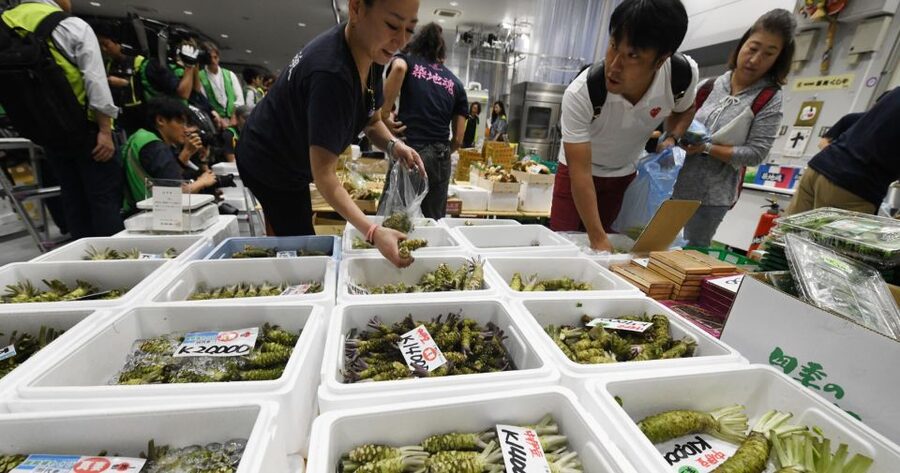
Kappabashi is one of the most distinctive choices on the list. This shopping street is known for kitchen supplies, restaurant equipment, knives, tableware, and the plastic food samples displayed outside Japanese restaurants.
Even if you are not a serious cook, the fake food displays make Kappabashi entertaining. They show how Japanese restaurants present dishes to customers, and they offer an easy way to understand the visual side of dining culture. If you like practical souvenirs, this may be a better stop than a generic shopping center.
A guide can help you understand what you are looking at and handle the language side of buying. That is useful if you want kitchen tools or specialty goods rather than just photographs. You should remember, though, that purchases are not included and the tour does not promise a specific shop or product.
I would select Kappabashi for the six-hour option, especially if you want to combine it with Tsukiji. The two areas complement each other: one focuses on food itself, and the other on the tools and presentation behind Japanese dining.
Same city, a different plate:
- Tokyo Sushi Making Class in Tsukiji with Professional Chef
★ 5.0 · 1,177 reviews - Tsukiji Fish Market Guided Tour and Sushi Making with Pro Chef
★ 5.0 · 775 reviews - Tokyo: Tsukiji Fish Market Food and Culture Walking Tour
★ 4.7 · 757 reviews - Tsukiji Fish Market: Street Food & Culture Walking Tour
★ 5.0 · 669 reviews
Asakusa, Ameyoko, and the wider food story
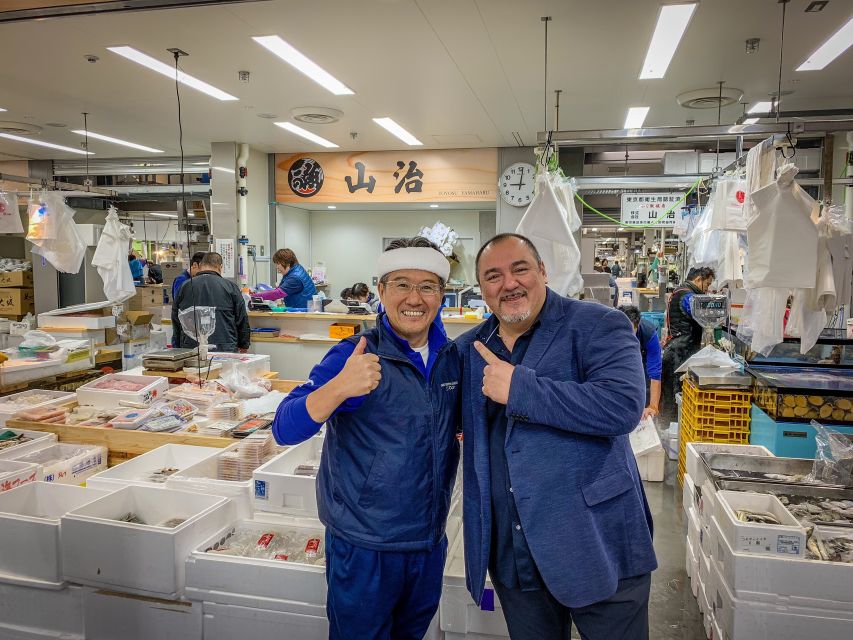
Asakusa shopping street is listed as a place for authentic Tokyo street food. It gives you a chance to connect eating with one of Tokyo’s best-known traditional districts, rather than treating food as an isolated activity.
Ueno’s Ameyoko is another possible area. It is a shopping street with food stalls and small shops, and it can add a more everyday commercial feel to the day. The supplied tour details list Ameyoko among the places a guide may visit, while the formal choice list focuses more directly on Toyosu, Tsukiji, Kappabashi, Tsukishima, and Yanaka Ginza. Confirm your exact route after booking.
These areas work best if you want variety. You might see food shopping, street snacks, local retail, and neighborhood life in one day. The tradeoff is travel time. Tokyo is large, and moving between markets and districts can eat into your time for eating and browsing.
That is why I would not try to force every possible area into a six-hour tour. Three well-chosen stops are likely to feel more satisfying than four rushed ones, particularly if you want to stop for lunch or shop.
Tsukishima Monja Street and Yanaka Ginza
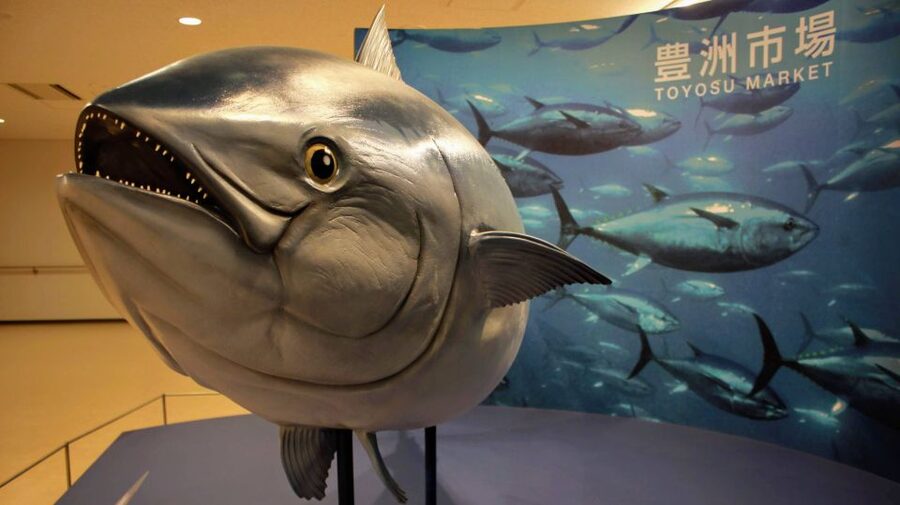
Tsukishima’s Monja Street is the choice for a dish closely tied to Tokyo. Monjayaki is a savory, griddle-cooked specialty, and the street gives your guide a natural opening to explain how local food differs from the sushi image many visitors bring to Japan.
Food is not included, so you will pay for any monja meal separately. That arrangement lets you decide how much you want to eat, but remember to allow time for the meal. A food stop is not just a quick photograph.
Yanaka Ginza offers a different mood. It is known for fried croquettes and a local shopping street atmosphere. I would choose it if you want a neighborhood walk with simple snacks rather than a major market experience.
The two areas are good alternatives to Toyosu if seafood is not your main interest. Yanaka Ginza also fits well with a request for a quieter, more local-feeling part of Tokyo, though you should ask your guide how it fits with the rest of your route.
What the private guide adds
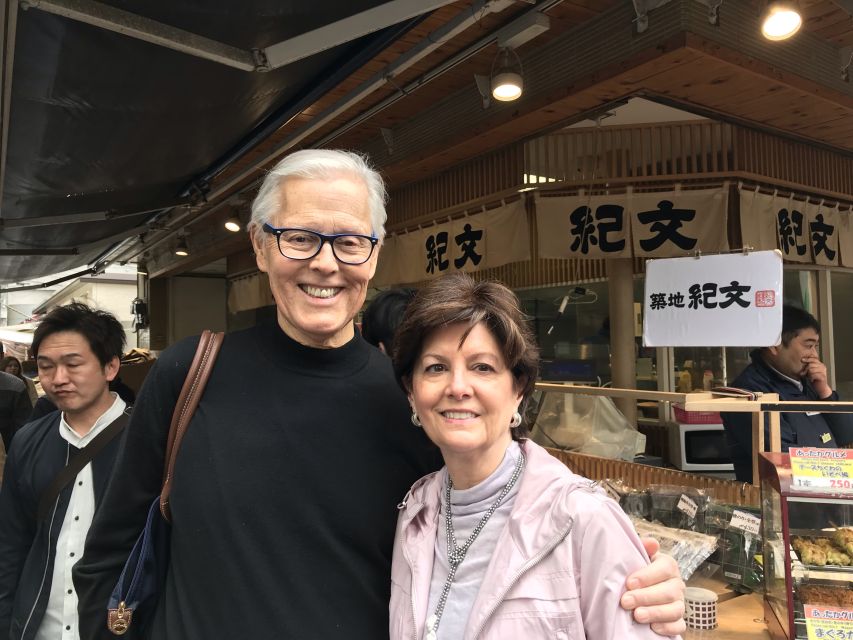
The guide is the main reason to pay for this experience instead of wandering through the markets alone. A private licensed guide can translate signs, explain etiquette, adjust the pace, and help you use trains and subways.
Kenji Kasama received special praise for patiently leading a group through public transportation and building an itinerary around specific requests. Naomi helped with the railway system and explained how to buy a train card during a rainy day. Those details matter because Tokyo’s transportation system is efficient but not always easy on a first visit.
The guides also bring personal judgment. Michio recommended a sushi lunch and an excellent steak restaurant on separate tours. Show was praised for planning the day carefully and paying close attention to a family member’s comfort. Katsu helped connect food tasting with Japanese behavior and cuisine.
You should not expect every guide to offer the same personality or exact route. This is a network of licensed local guides rather than a single named host. If a particular guide is important to you, you can request one, but the information provided does not promise that request will be fulfilled.
Four hours or six hours?
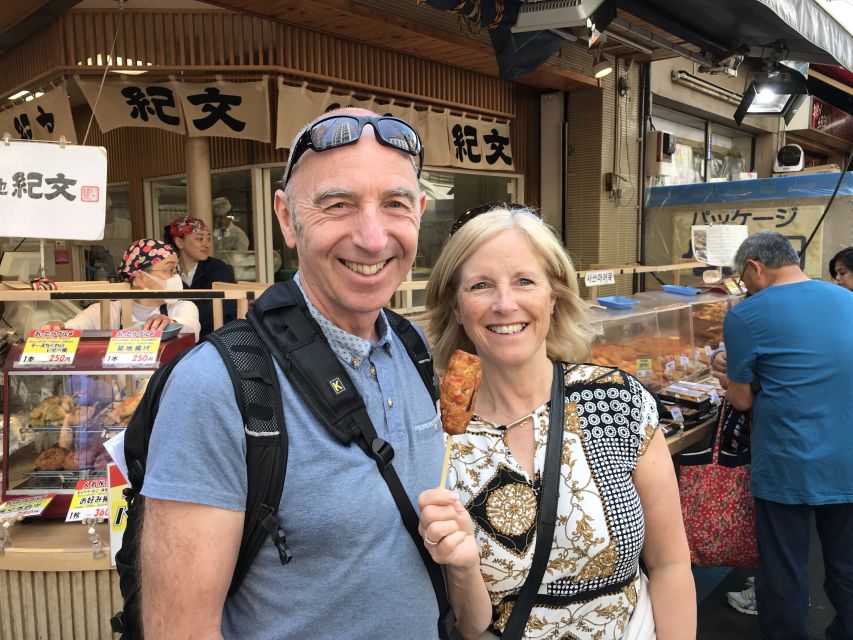
The four-hour option allows two or three sites. It can work well if you want a focused plan, such as Tsukiji plus Kappabashi, or Toyosu plus Tsukiji.
The six-hour option allows three or four sites and is the better choice if you want a full food-and-culture day. It gives you more room for a meal, shopping, and transportation between districts. Even so, you should not treat six hours as unlimited time. Tokyo’s distances, market crowds, and train connections all affect the pace.
I would choose four hours for a first introduction to one part of the city or for a short stay. I would choose six hours if you want the guide to help you connect several neighborhoods or if navigating Tokyo is one of your concerns.
At $141 per person, the price makes the most sense for a small private group that values personal planning and transportation help. For a family or group of friends, the guide fee may feel reasonable when shared across several people. For a solo visitor, it is a larger expense, especially after adding train fares, taxis, food, and shopping.
Transport, meeting point, and practical limits
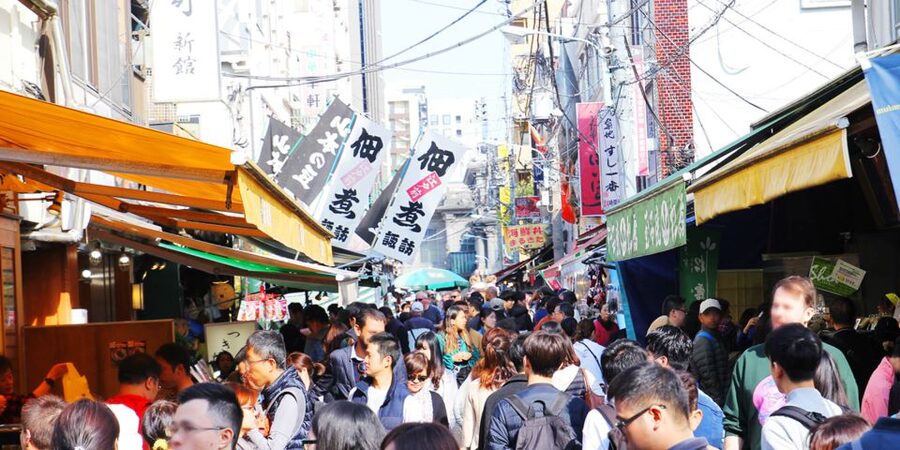
Your guide meets you in your hotel lobby or at a train station you request, usually 10 minutes before the pickup time. The tour begins on foot from there, and you use public transportation or private taxis as needed.
Transportation is not included. You also pay separately for food, drinks, and entrance fees. Ask for an estimated route before the day begins so you understand how much additional cash or card spending may be needed.
The tour takes place rain or shine. Tokyo markets can feel uncomfortable in bad weather, so dress for the forecast and wear shoes you can walk in for several hours. A rainy day did not prevent Naomi from guiding a successful tour, but the weather did make the market visit cold and less comfortable.
The activity is wheelchair accessible, and it is offered as a private group. Still, you should tell the local partner about mobility needs when arranging the itinerary. The provided information confirms accessibility, but it does not explain the exact route or every surface at every market.
The tour is available in English and Japanese. It is not fully confirmed until a guide contacts you and accepts the booking. Most guides contact you within seven days, but in some cases the search can continue until 24 hours before the tour. Keep an eye on messages after booking.
Who will get the most from this tour?
I would recommend it to first-time Tokyo visitors who want help with food customs and transportation, families who need a flexible pace, and cooks or food fans interested in Kappabashi and the markets.
It also suits you if you have a short Tokyo stay and want one organized day rather than several separate food outings. The guide can help you connect areas that would be harder to combine on your own.
I would be more cautious if you want a fixed culinary itinerary with all tastings included. This experience leaves food choices and costs to you. It may also disappoint you if you expect a formal market tour with guaranteed access to every part of Toyosu.
Should you book the Tokyo Tsukiji food tour?
Book it if the idea of choosing your own Tokyo food route appeals to you. The strongest parts are the private format, the ability to combine markets with neighborhood shopping, and the practical help with trains and local customs.
Choose six hours if you want three or four areas, a proper meal, and time to browse. Choose four hours for a tighter plan. Before paying, send your preferred sites and food interests to the guide, then ask how much transportation time the route requires.
The price is fair for a private guide who can save you confusion and adapt the day, but it is not an all-inclusive food tour. Budget separately for meals, transit, and shopping. If you accept that arrangement, this is a useful, personal way to connect Tokyo’s seafood markets with the everyday culture around them.
FAQ
Where does the tour take place?
The tour takes place in Tokyo, on Honshu, and can include areas in the 23 wards of Tokyo.
How long is the tour?
You can choose a private four-hour or six-hour tour. The four-hour option generally covers two to three sites, while the six-hour option generally covers three to four sites.
Which places can I request?
You can request Toyosu Market, Tsukiji Old Fish Market, Kappabashi Street, Tsukishima’s Monja Street, or Yanaka Ginza. Other listed areas include Asakusa and Ueno’s Ameyoko.
Can I choose the itinerary?
Yes. The itinerary can be customized, and you should tell your guide which sites you want to visit after booking.
Is food included in the price?
No. Food and drinks are not included, so you pay separately for anything you choose to eat or drink.
Are transportation costs included?
No. Public transportation and private taxi costs during the tour are paid separately by you.
Where will I meet the guide?
The guide can meet you in your hotel lobby or at a train station you request. The guide waits 10 minutes before the scheduled pickup time, and the tour then begins on foot.
What languages are available?
The tour is available with a live guide speaking English or Japanese.
Is the tour private?
Yes. This is a private group experience with a licensed local guide.
Can I cancel the booking?
You can cancel up to 24 hours before the start time for a full refund. The booking is not confirmed until a guide contacts you and accepts the tour.
Just added around Tokyo
- Tokyo: Tsukiji walk & sushi private tour with Uni Students★ 5.0 · 17 reviews
- Tokyo: Private Tsukiji Street Food & Sake with Local Guide★ 5.0 · 3 reviews
- Tokyo: Tsukiji Market Guided Tour & Sushi-Making Experience★ 4.4 · 11 reviews
- Tokyo: Tsukiji Market and Hama-rikyu Gardens Guided Tour★ 4.8 · 73 reviews
- Tokyo: Tsukiji Fish Market Foodie and Educational Tour★ 5.0 · 4 reviews
- Tokyo: Tsukiji Fish Market Culture Tour with Sashimi Tasting★ 4.6 · 54 reviews
- Tokyo: Tsukiji, Ginza, and Asakusa Japanese Culture Tour★ 5.0 · 2 reviews
- Tokyo: Togoshi Ginza Street Food Tour★ 5.0 · 34 reviews
Tokyo Street Food Tours, compared.
Tokyo Tsukiji Fish Market Food and Culture Walking Tour
Read our review →
Tokyo: Tsukiji Fish Market Food and Walking tour
Read our review →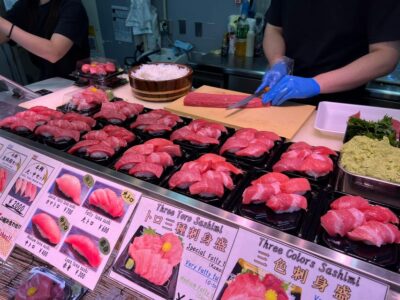
Tokyo: Tsukiji Fish Market Guided Walking Tour
Read our review →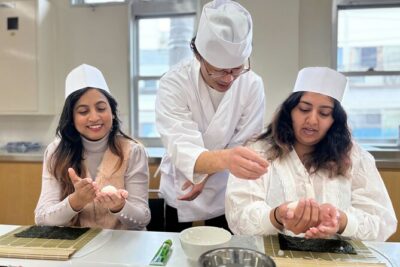
Tokyo Sushi Making Class in Tsukiji with Professional Chef
Read our review →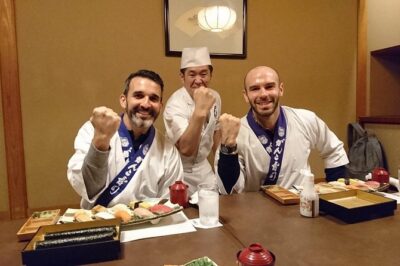
Tsukiji Fish Market Guided Tour and Sushi Making with Pro Chef
Read our review →Tokyo: Tsukiji Fish Market Food and Culture Walking Tour
Read our review →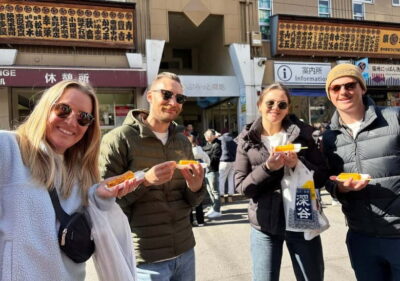
Tsukiji Fish Market: Street Food & Culture Walking Tour
Read our review →
Tsukiji Fish Market Small-Group Food Walking Tour
Read our review →Browse the lists this tour appears in