
REVIEW · JAPAN STREET FOOD TOURS
Hiroshima: Okonomiyaki Cooking Class with a Local Chef
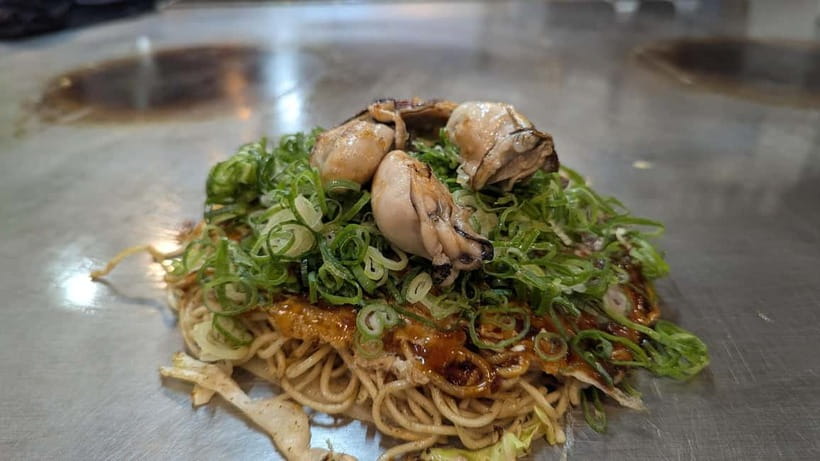
Hiroshima-style okonomiyaki is not a pancake with a few toppings. It is a carefully built stack of batter, cabbage, bean sprouts, noodles, meat or seafood, and a fried egg, cooked layer by layer on a hot grill. This class puts you right beside the action, with a local chef showing you how to make your own.
I like the hands-on cooking and the short tram ride from the Atomic Bomb Dome, which turns a meal into a small introduction to everyday Hiroshima. I also like the choice of meat, seafood, vegetarian, or gluten-free versions. The main caution is that one visitor found the restaurant unclean, so anyone sensitive to restaurant condition should keep that in mind.
Key points at a glance
- Cook beside a professional chef: You can make your own okonomiyaki step by step, or simply watch and eat.
- Meet guide Ken at the Atomic Bomb Dome: The English-speaking guide also shares information about Hiroshima and local culture.
- See the Hiroshima method: Ingredients are layered rather than mixed together, with noodles and a fried egg forming part of the finished dish.
- Travel by historic tram: The ride to the restaurant is included and adds a local touch to the outing.
- Choose your style: Meat, seafood, and vegetarian versions are offered, with gluten-free available by request.
- Small-group setting: Private and small-group options are available, with one alcoholic or non-alcoholic drink included.
Why Hiroshima okonomiyaki is worth your lunch hour
Food is one of the easiest ways to understand a city, and Hiroshima okonomiyaki carries a particularly strong local story. The dish took shape in the years after World War II, when inexpensive ingredients had to stretch a long way. Its name points to flexibility: grill it how you like.
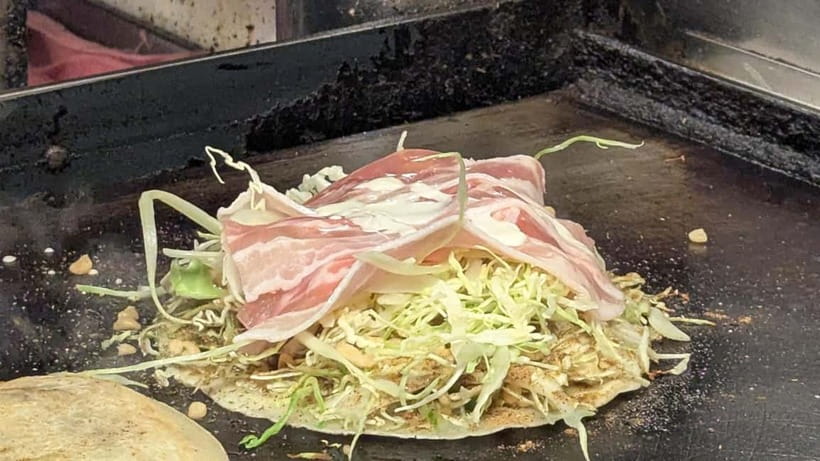
That idea still shapes the dish. You can choose different fillings, but the Hiroshima style has a clear identity. Cabbage, bean sprouts, batter, noodles, meat or seafood, and egg are built in layers. The result is larger and more structured than the mixed-together version often associated with Osaka.
I like this class because it gives you more than a meal at a counter. You see how the ingredients are arranged, how the chef handles the griddle, and why the cooking method matters. The food arrives hot, but the process is the real attraction.
The class also makes a good contrast with a morning spent at the Peace Memorial Park. After serious historical sights, sitting at a grill and learning a popular local dish gives you a more ordinary side of Hiroshima. It is social, practical, and easy to remember.
More Cooking Classes in Japan:
- Osaka Cooking Class: Okonomiyaki &Japanese cuisines experience
★ 5.0 · 261 reviews - Gyoza Cooking Class in Kyoto: Traditional Japanese Dumplings
★ 5.0 · 210 reviews - Ramen and Gyoza Cooking Class in Osaka
★ 5.0 · 202 reviews
Meeting beside the Atomic Bomb Dome
The meeting point is the fountain next to the Atomic Bomb Dome in the Peace Memorial Park. That is a convenient place to find, especially if you are already visiting the park or museum.
Your English-speaking guide meets you there and leads the group toward Hiroshima’s historic tram system. The tram ride is included in the price. It is not just a transfer squeezed between attractions. It lets you see how people move through the city and shifts the experience from a major memorial area into a local food setting.
Guide Ken receives especially strong praise for his friendly manner and clear explanations. He shares information about Hiroshima, okonomiyaki, and Japanese culture during the journey. One particularly useful feature is that the outing can include an impromptu look at local landmarks along the way, rather than following a rigid food-only script.
Keep the meeting point in mind when planning your day. The tour begins near a major sight, so you can visit the Peace Memorial Park before the class. Afterward, you can walk along the river back toward the Peace Memorial Park area, or ask the guide to point you to the nearest tram station.
The tram ride adds a local layer
Many food classes begin and end inside one restaurant. This one includes a short local train ride, which gives the experience a better sense of place.
You leave the Atomic Bomb Dome area with the guide and ride to the restaurant. The exact timing depends on the selected schedule, since the activity is listed as lasting from two to six hours. Check the available start time when booking, especially if you are fitting this around the Peace Memorial Museum or another timed visit.
The tram is also useful for first-time visitors. You get a brief look at Hiroshima beyond its best-known memorial sites, while the guide explains what you are seeing. The ride is part of the included experience, so you are not paying extra for this local connection.
This is not a sightseeing tram tour, and you should not expect a long city circuit. Its value is simpler: it gets you to the restaurant and helps link Hiroshima’s public life with its food culture.
Cooking your okonomiyaki layer by layer
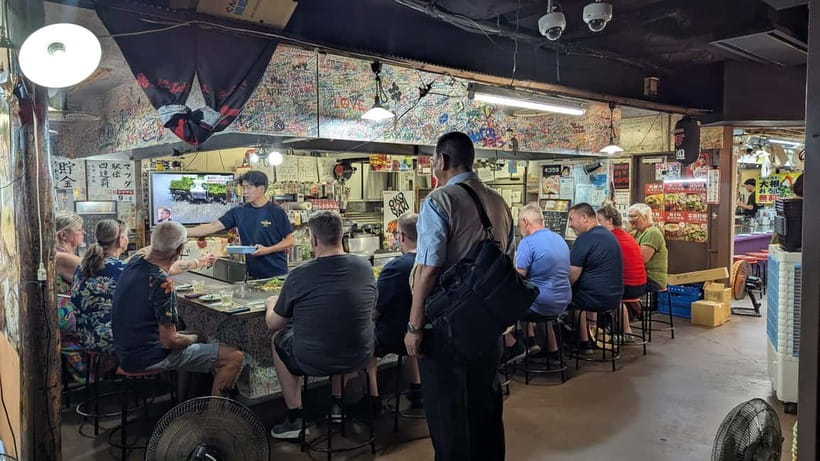
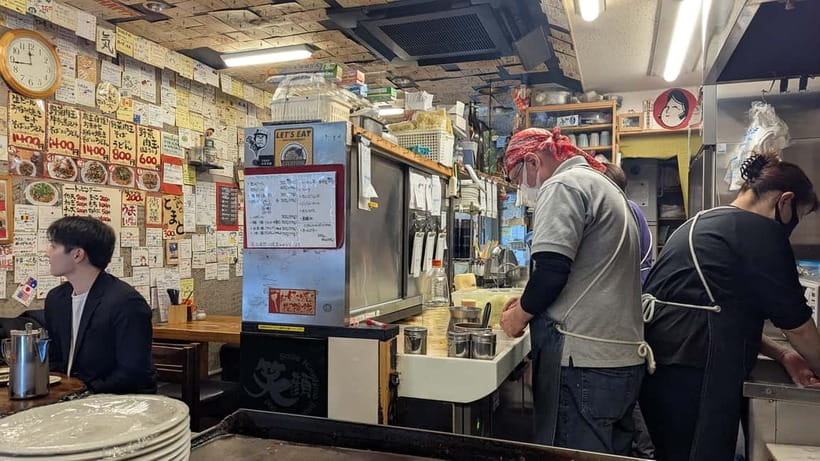
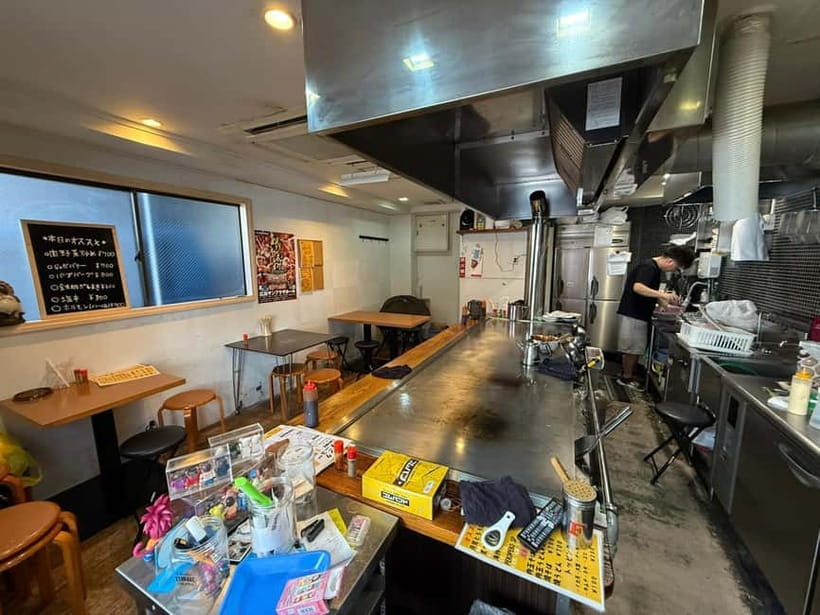
At the restaurant, you sit grill-side with the chef and guide. The chef demonstrates the preparation, while the guide translates and explains the steps in English.
The Hiroshima method is easy to understand once you see it. Batter forms the base, followed by cabbage and bean sprouts. Noodles, meat or seafood, and a fried egg are added in their own layers. Rather than stirring everything into one mixture, the chef cooks each part carefully before bringing the stack together.
You can cook alongside the chef with step-by-step help. The chef is described as patient and personable, which matters here. A hot grill and a large layered dish can feel awkward at first, but you are not expected to know what to do before you begin.
The chef guides the timing and technique, while Ken translates clearly. That arrangement lets you focus on the food instead of trying to follow a demonstration in a language you do not understand.
You can also choose not to cook. If you would rather relax and watch, that is allowed. This makes the class suitable for mixed groups, including one person who wants a hands-on activity and another who mainly wants to eat.
The final result is served hot from the grill. You will probably leave with a better sense of why Hiroshima residents take pride in their version. It is not merely a pancake with toppings. It is a meal assembled with order, patience, and a little theater.
A few more street food tours around Japan worth a look
- Tokyo Sushi Making Class in Tsukiji with Professional Chef
★ 5.0 · 1,177 reviews - Tokyo: Tsukiji Fish Market Sushi Making Class with Pro Chef
★ 4.9 · 506 reviews - Tokyo Tsukiji Fish Market Tour and Sushi Making Lesson
★ 5.0 · 390 reviews - Tokyo: Tsukiji Market Walking Tour & Sushi Cooking Class
★ 4.6 · 122 reviews
Picking the right filling
Four versions are available: meat, seafood, vegetarian, and gluten-free by request.
The meat and seafood choices suit people who want the most familiar local restaurant experience. The vegetarian version gives you a way to enjoy the layered cooking method without meat. If you need gluten-free food, request it in advance rather than waiting until you arrive.
The supplied details do not identify every ingredient in each version, so anyone with a serious allergy should confirm the exact preparation before booking. Gluten-free is available by request, but the information does not promise an allergy-free kitchen.
One drink is included. You can choose an alcoholic or non-alcoholic option. Additional drinks and food are not included, so budget for extras if you want more than the main dish and included drink.
The meal itself is substantial. Hiroshima okonomiyaki includes noodles along with vegetables, egg, and your selected filling. That makes the $56 price easier to assess: you are paying for food, a chef-led activity, an English-speaking guide, local transport, and cultural context, not just a plate at a restaurant.
What the guide and chef add
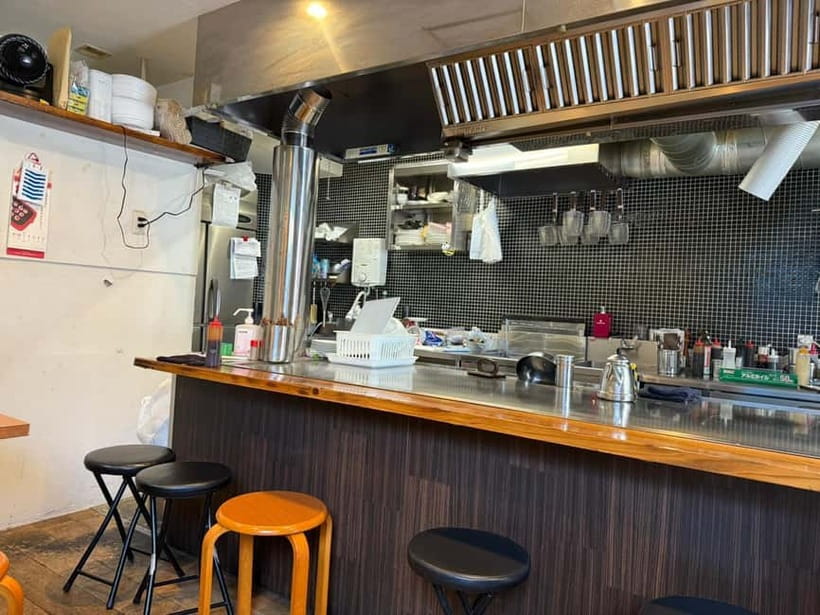
A cooking class can be frustrating if instructions are unclear. Here, the English-speaking guide acts as the bridge between you and the chef.
Ken is repeatedly praised for his friendly personality, clear English, and ability to explain Hiroshima beyond the meal. He helps create a relaxed small-group atmosphere, which is useful if you are nervous about cooking in front of others.
The chef handles the technical side. The strongest part of the experience is the teamwork: the chef demonstrates, Ken translates, and you cook at your own pace. That combination makes the class approachable for beginners.
You also get cultural context without sitting through a formal lecture. You learn how okonomiyaki developed after the war, why the name reflects personal choice, and why Hiroshima and Osaka have different versions. The debate over which city makes the best okonomiyaki is part of the fun.
The class is also a good fit if you want contact with ordinary local life. It takes place in a real restaurant rather than a purpose-built attraction. That can make the meal feel more genuine, though it also means the setting may be less polished.
The honest drawback: restaurant condition
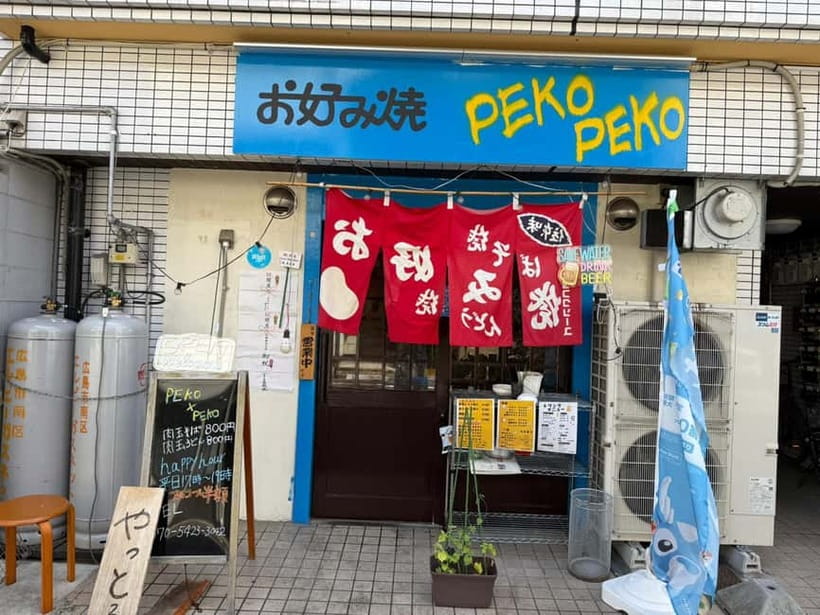
Most of the available feedback is strongly positive, but one visitor found the restaurant dirty and unclean. That is the clearest concern to consider before booking.
A local restaurant can offer a more authentic setting than a polished cooking studio, but authenticity does not guarantee spotless surroundings. If you place a high value on modern decor or a pristine kitchen, this may not be your ideal cooking class.
The concern appears to be an individual negative experience rather than the main pattern of the activity, but it should not be ignored. The chef and guide receive strong praise for patience, friendliness, and communication. The food is also repeatedly described as delicious. Still, restaurant standards can matter as much as flavor for some people.
Price, timing, and group size
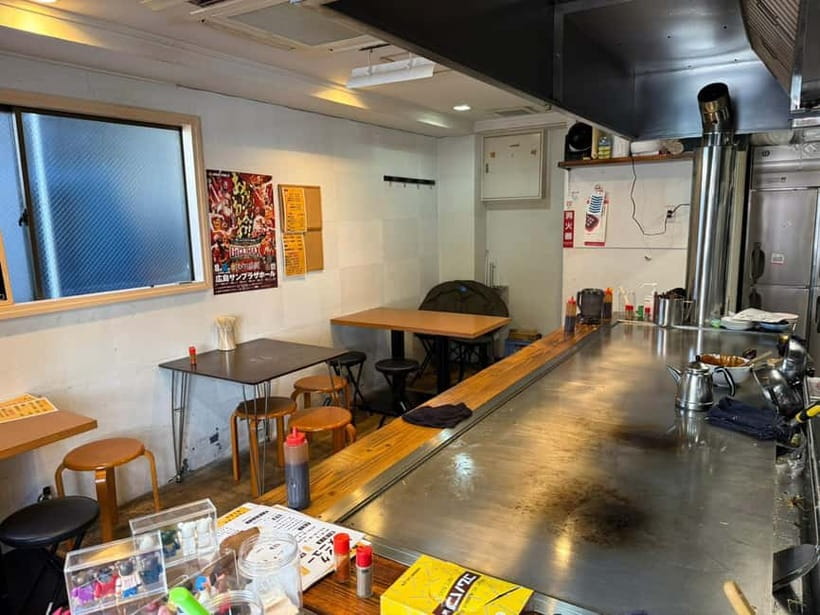
At $56 per person, this is a fair value if you want an activity as well as lunch or dinner. A basic restaurant meal would cost less, but it would not include the bilingual guide, tram ride, chef instruction, cooking practice, and cultural explanation.
The activity is listed at two to six hours, a wide range. That suggests the total schedule may depend on the selected start time, group arrangement, and time spent around the restaurant and city. Check the schedule carefully before booking. Do not place a tightly timed museum reservation immediately afterward unless the available duration makes the fit clear.
Private and small-group formats are available. A small group is likely the best balance for most people: you get personal help at the grill without paying for a fully private outing. Families, couples, and friends who enjoy food activities should find the format easy to share.
The experience is wheelchair accessible, which is useful information when planning a day around Peace Memorial Park. For exact transport and restaurant access details, confirm the arrangement when selecting your date.
Cancellation is flexible, with a full refund available when you cancel at least 24 hours ahead. You can also reserve and pay later, which helps if your Hiroshima schedule is still changing.
Who should book this experience
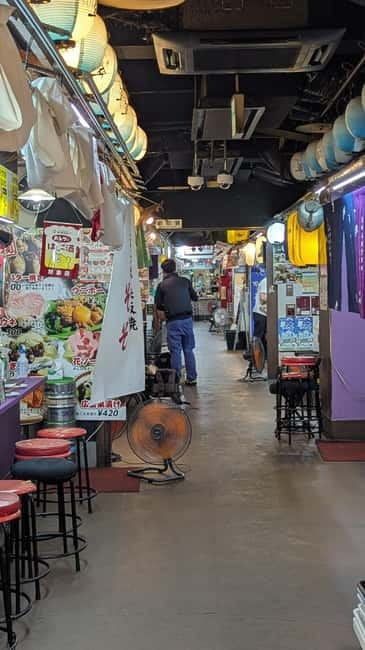
I would recommend this class to you if you want to understand Hiroshima through food rather than simply eat in a restaurant. It is especially useful for first-time visitors who appreciate a guide, local transport, and a little background during the meal.
It also suits people who enjoy doing something with their hands. You do not need cooking experience, and you can choose to watch instead. That flexibility makes it workable for couples or families with different interests.
Vegetarians can request a suitable version, and gluten-free diners have an option if they arrange it ahead of time. People with serious allergies should ask detailed questions before booking, since the available information does not confirm separate preparation areas.
You may want to skip it if you dislike grill-side cooking, prefer a polished culinary school, or have a very tight schedule. You should also think twice if restaurant cleanliness is a major concern.
Planning the rest of your Hiroshima day
The meeting point makes this easy to pair with the Peace Memorial Park. You can visit nearby memorial sights before meeting at the fountain, then shift into a lighter food experience afterward.
Once the class ends, ask the guide about the closest tram stop if you need to continue across the city. If you have time and energy, the riverside walk back toward the Peace Memorial Park area offers a pleasant way to finish without immediately boarding another train.
Because the tour may last anywhere from two to six hours, leave room in your schedule. The flexible duration is helpful for a relaxed day, but less convenient if you are trying to fit in several fixed appointments.
Should you book the okonomiyaki class?
Book it if you want a local meal with a story, clear English help, and the chance to cook instead of simply ordering. The guide and chef pairing is the heart of the experience, and Ken’s friendly explanations add useful context to the tram ride and meal.
The $56 price is reasonable for the combination of food, one drink, local transport, instruction, and cultural background. Just confirm the duration, request gluten-free food early if needed, and keep the restaurant condition concern in mind.
For a first visit to Hiroshima, this is a smart choice for curious eaters who want more than a standard restaurant stop. It gives you a taste of the city’s local pride, one hot layer at a time.
FAQ
Where does the okonomiyaki class meet?
The meeting point is in front of the fountain next to the Atomic Bomb Dome in Hiroshima’s Peace Memorial Park.
Is the experience conducted in English?
Yes. The experience includes a live English-speaking guide, and the guide translates the chef’s instructions.
Who is the guide?
The guide named for this experience is Ken. He explains Hiroshima, Japanese culture, and okonomiyaki during the outing.
What type of okonomiyaki will I make?
You will make Hiroshima-style okonomiyaki, which is built in layers with batter, cabbage, bean sprouts, noodles, meat or seafood, and a fried egg.
Can I choose a vegetarian or gluten-free option?
Yes. Meat, seafood, and vegetarian versions are available. A gluten-free option is available by request.
Do I have to cook my own okonomiyaki?
No. You can cook with the chef’s guidance, or relax and watch the chef prepare it.
Is transportation included?
Yes. A local train ride within Hiroshima, using the city’s historic tram system, is included.
Is a drink included?
Yes. One alcoholic or non-alcoholic drink is included. Additional drinks and food cost extra.
Is the activity wheelchair accessible?
Yes. The activity is listed as wheelchair accessible, and private or small-group options are available.
Just added around Japan
- Savor Setouchi inland sea Local Food & Bike Tour with Local Guide★ 5.0 · 3 reviews
- Okonomiyaki Counter: Hiroshima Edition★ 5.0 · 2 reviews
- Private Fukuoka Bar Hopping and Food Walking Tour★ 5.0 · 3 reviews
- Fukuoka Evening Tours: Yatai, Izakaya, Karaoke and more★ 5.0 · 21 reviews
- Samurai Food Walk in Kakunodate★ 5.0 · 10 reviews
- Tokyo: Tsukiji walk & sushi private tour with Uni Students★ 5.0 · 17 reviews
- Tokyo: Private Tsukiji Street Food & Sake with Local Guide★ 5.0 · 3 reviews
- Tokyo: Tsukiji Market Guided Tour & Sushi-Making Experience★ 4.4 · 11 reviews
Japan Street Food Tours, compared.
Tokyo Tsukiji Fish Market Food and Culture Walking Tour
Read our review →
Hungry Osaka Street Food Tour:15 Tastings & 3 Drinks with a Local
Read our review →
Tokyo: Tsukiji Fish Market Food and Walking tour
Read our review →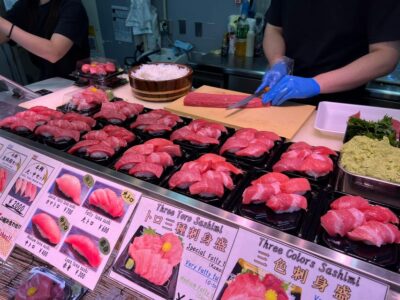
Tokyo: Tsukiji Fish Market Guided Walking Tour
Read our review →
Nishiki Market Brunch Walking Tour (7 Tastings + Brunch)
Read our review →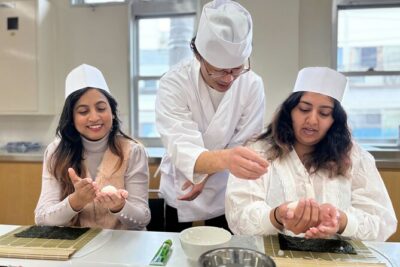
Tokyo Sushi Making Class in Tsukiji with Professional Chef
Read our review →
Osaka Local Foodie Walking Tour in Dotonbori and Shinsekai
Read our review →
Browse the lists this tour appears in