
REVIEW · TOKYO STREET FOOD TOURS
Tokyo: Tsukiji Market Walking Tour & Sushi Cooking Class
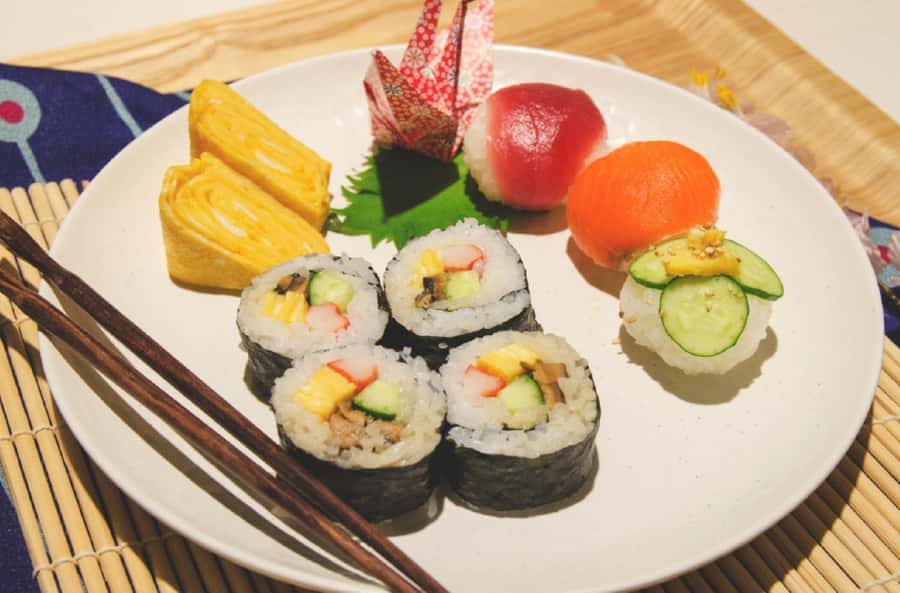
Tsukiji’s narrow food streets make a fine opening act for a hands-on Japanese cooking class. You’ll follow an English-speaking guide through the Outer Market, see seafood and specialty foods up close, then learn to make temari sushi, maki sushi, tamagoyaki, and miso soup.
I like the small maximum of six, which keeps the market walk easy to follow and gives you a better chance to ask questions. I also like the useful finish: you sit down and eat what you made, rather than simply watching an instructor cook. The drawback is time. About 70 minutes at the market can feel short, and the class may feel rushed if you hoped to linger over every dish.
Key points at a glance
- Tsukiji Outer Market: Spend about 70 minutes among seafood stalls, food shops, and ready-to-eat treats.
- Four Japanese dishes: Prepare temari sushi, rolled sushi, tamagoyaki, and miso soup.
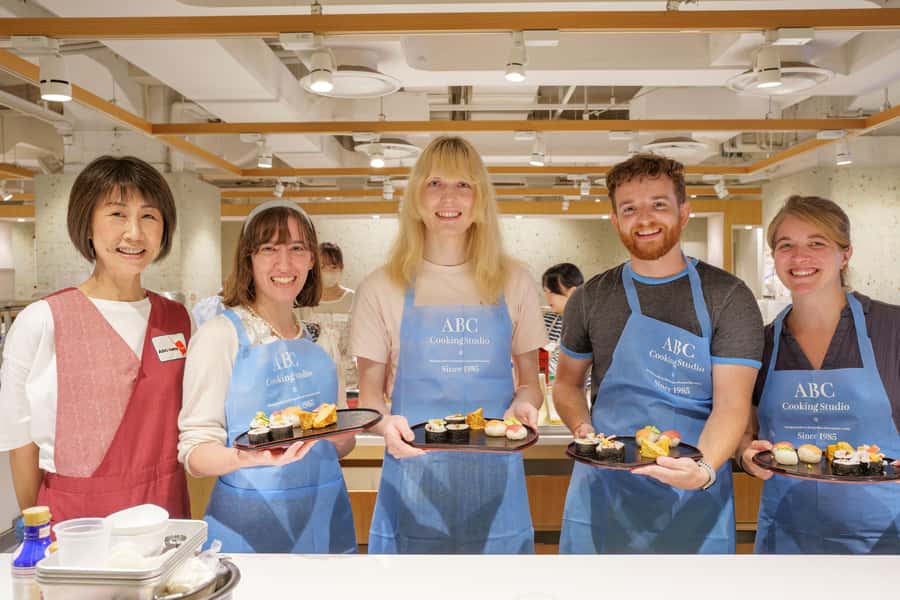
- Small group format: A maximum of six people makes this easier to manage than a large cooking demonstration.
- Skilled local hosts: Past guides have included Aki, Akiko, Takeshita, Nobu, Naomi, and Lucy, with instructors such as Megumi, Miwa, Yukari, and Hiroko.
- Eat your own lunch: The dishes you prepare become the meal at the end of the three-hour experience.
- Important limit: This is not a tuna auction visit or a tour of the inner wholesale fish market.
Why this pairing works in Tokyo
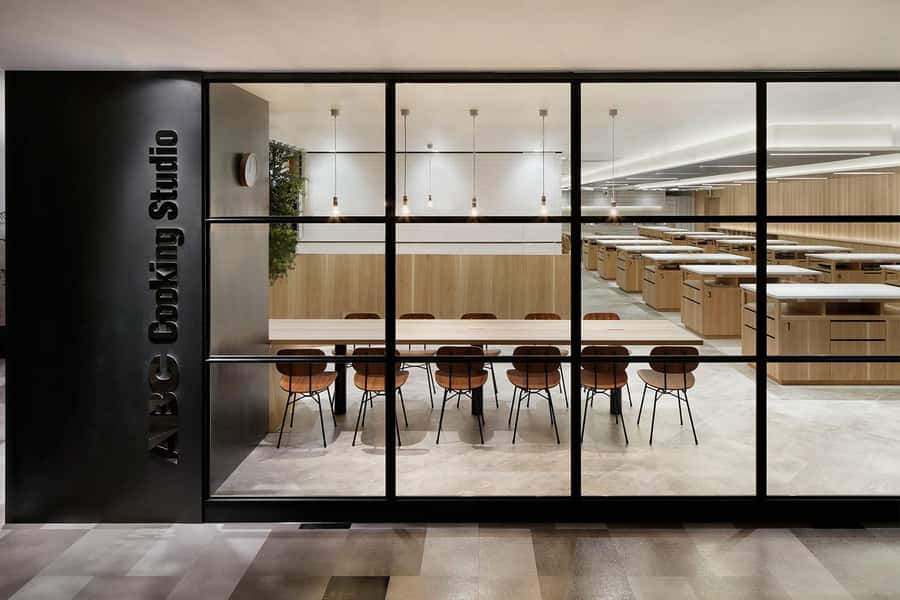
Tokyo food tours often give you one of two things: a guided market walk or a cooking lesson. This experience joins them in a useful order. You first see the ingredients and food customs in the market, then work with related dishes in a professional cooking studio.
That connection matters. At Tsukiji, your guide can explain the role of seafood, Japanese pantry items, and seasonal foods before you sit down to cook. In class, those ideas become practical. You handle rice, seaweed, egg, and soup ingredients instead of simply taking photographs of them.
The activity lasts three hours and costs $96 per person. That is not a bargain if you judge it as only a short market visit or a basic lunch. The value improves if you want an English-speaking guide, a small group, a structured cooking lesson, recipe materials, and lunch all in one booking.
You also receive an apron, drinking water at the studio, a digital recipe, and a digital certificate. The certificate is a small extra, but the recipe is more useful. It gives you a way to repeat the dishes after returning home.
More Fish Market and Seafood Tours in Tokyo
- Tokyo Tsukiji Fish Market Food and Culture Walking Tour
★ 5.0 · 3,184 reviews - Tokyo: Tsukiji Fish Market Food and Walking tour
★ 5.0 · 1,724 reviews - Tokyo: Tsukiji Fish Market Guided Walking Tour
★ 4.9 · 1,397 reviews
Starting at Tsukiji Hongwanji Temple
The meeting point is in front of the main gate of Tsukiji Hongwanji Temple, at 3-15-1 Tsukiji, Chuo, Tokyo. Your guide holds a sign with your name, which is helpful in a busy district where several groups may be gathering.
The location is easy to reach. Tsukiji Station on the Hibiya Metro Line is about a one-minute walk from Exit 1, or two minutes from Exit 2. Tsukijishijo Station on the Oedo Line is about seven minutes away from Exit A1, in the direction of St. Luke’s Hospital.
Arrive ready to walk. Comfortable shoes matter because the market streets can be crowded and the ground may be wet around food stalls. Leave large luggage and baby strollers behind. They are not allowed on the activity.
The temple is a practical meeting point, but it also gives the morning a sense of place. You are not being collected from a hotel and delivered straight to a classroom. You begin in one of Tokyo’s long-established food districts, at a spot that is easy to locate by public transport.
What the Outer Market is really like
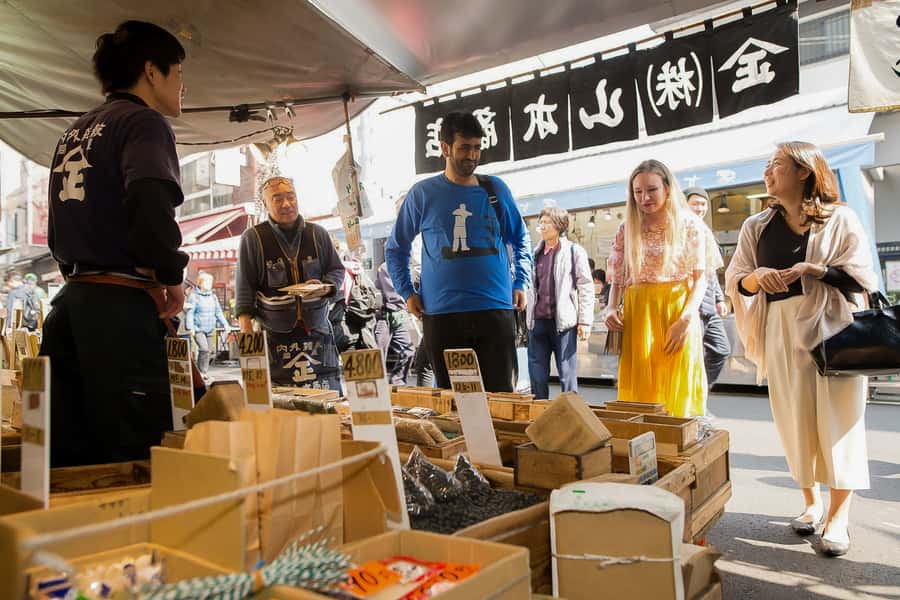
The Tsukiji Outer Market is the public shopping area that remains after the wholesale fish market moved away. It is packed with food shops, small restaurants, knife sellers, kitchen goods, seafood, produce, and Japanese ingredients.
Your guide leads you through the market for around 70 minutes. That guidance is useful because the lanes can be confusing, and the best experience is not always found by simply walking down the main street. Guides such as Aki, Akiko, Takeshita, Nobu, Naomi, and Lucy have been praised for explaining the stalls, answering questions, and helping visitors decide what to look at or taste.
Expect a lively, messy, food-focused setting rather than a polished attraction. You may see seafood being prepared, foods you do not recognize, and shops selling items that are difficult to identify without help. The charm comes from that everyday working atmosphere.
The market walk also has limits. The tour does not include the tuna auction, and it does not visit the inner wholesale fish market. Some older descriptions of Tsukiji still create confusion about this distinction, so set your expectations carefully. You are visiting the Outer Market, the public shopping district.
Several people who enjoyed the activity still wished for more time here. That is understandable. You could spend hours browsing food stalls and tasting small portions, but this schedule must move on to the cooking school. If you want to shop, take photographs, and sample several foods, use the market portion wisely and do not linger too long at the first stop.
Coming hungry is sensible. The market may offer chances to try seafood or other foods, but the main meal comes later and consists of your own cooking. Food purchases at the market are not listed as included, so carry money if you want to buy something extra.
The cooking class and its Japanese menu
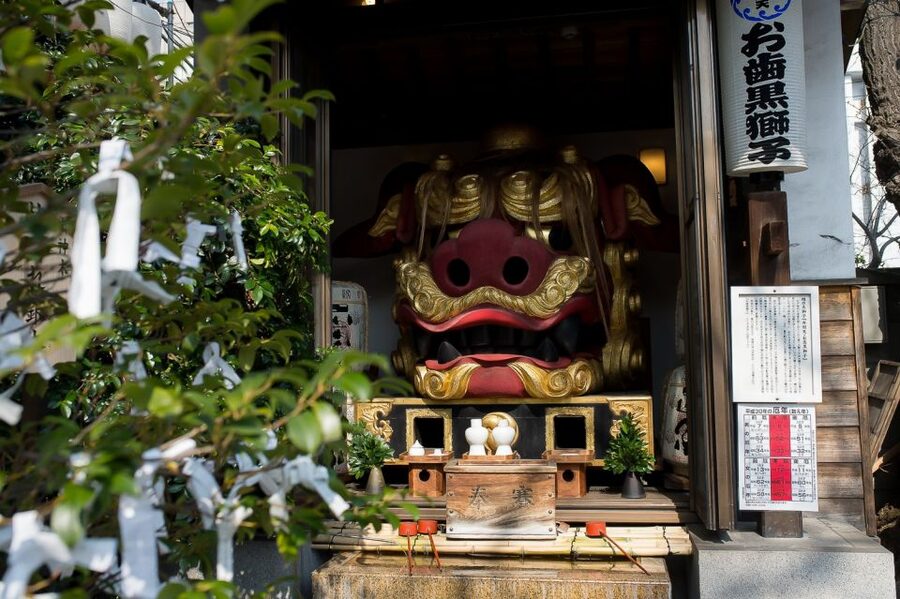
After the market, you continue to a cooking school operated by ABC Cooking Travel. The class is held at one of Asia’s largest cooking schools, with a professional instructor showing you the required techniques.
The menu includes four familiar Japanese preparations:
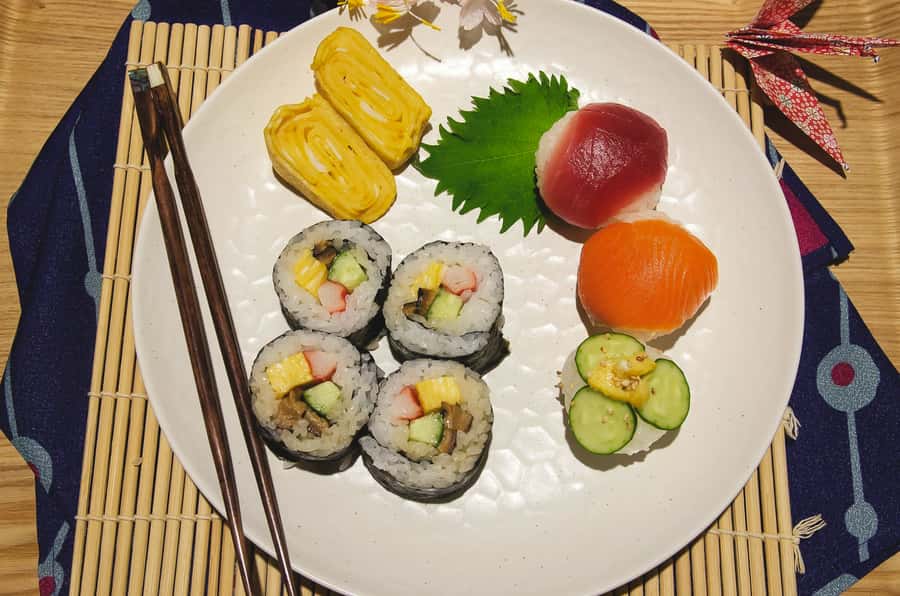
- Temari sushi: Small, ball-shaped sushi that is attractive and approachable for beginners.
- Maki sushi: Rolled sushi assembled with rice and fillings, then cut into pieces.
- Tamagoyaki: Japanese rolled omelet, a dish that rewards careful control and steady technique.
- Miso soup: A simple Japanese staple that helps round out the meal.
The class is not only about sushi. That is important if you are comparing it with a sushi-only workshop. You also learn how Japanese food is balanced across rice, soup, and a cooked egg dish.
The instructors named in past sessions include Megumi, Miwa, Yukari, Hiroko, Kiko, Keiko, Hitomi, and Hatsuko. The strongest pattern is patience and clear instruction. One particularly useful detail from the cooking sessions is that the class can teach you small techniques you may want to repeat at home, including how to prepare tamagoyaki and rolled sushi.
Still, this is a short class inside a three-hour itinerary. One account found the cooking section a little rushed and less hands-on than expected. Ingredients and dishes may change with the season, ingredient availability, and arrival conditions, and they may not look exactly like promotional photographs.
That flexibility is normal in a Japanese cooking lesson, but it is worth knowing before booking. You are learning a compact set of dishes in a group setting, not completing a professional culinary course.
More Street Food Market Tours in Japan
- Tsukiji Fish Market Guided Tour and Sushi Making with Pro Chef
★ 5.0 · 775 reviews - Tokyo: Tsukiji Fish Market Food and Culture Walking Tour
★ 4.7 · 757 reviews - Tsukiji Fish Market: Street Food & Culture Walking Tour
★ 5.0 · 669 reviews - Tsukiji Fish Market Small-Group Food Walking Tour
★ 5.0 · 621 reviews
Lunch tastes better when you made it
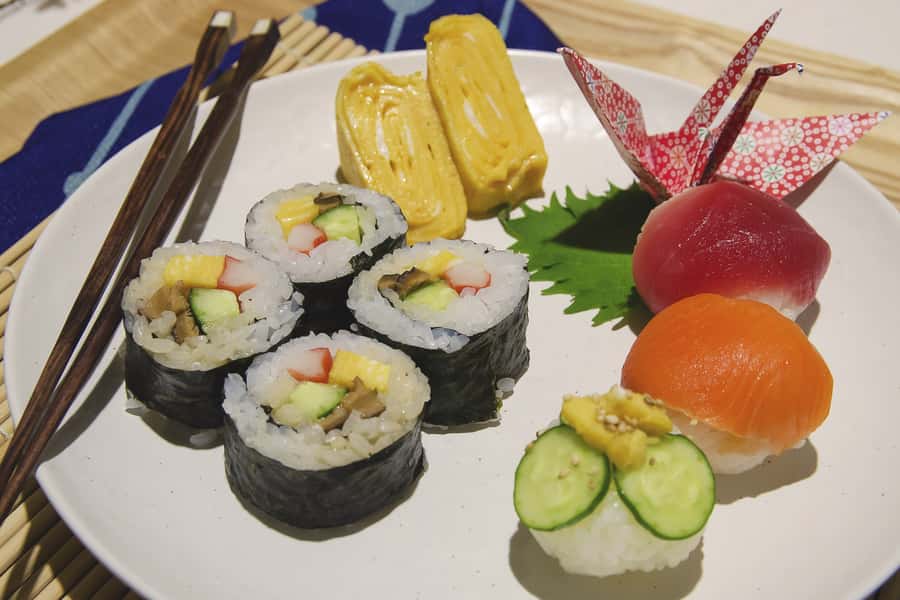
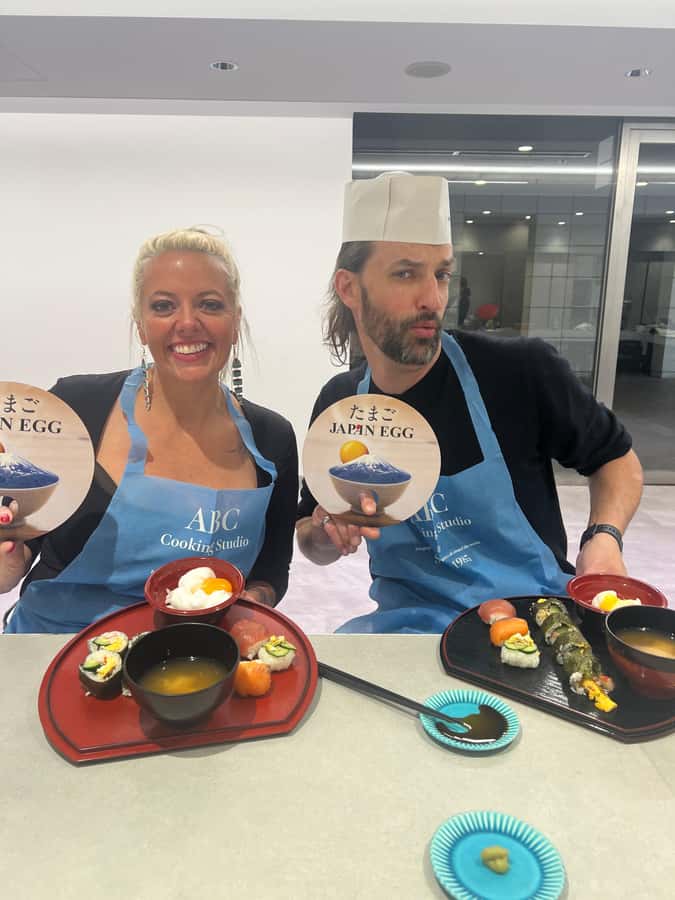
The best part of the format is the meal at the end. You sit down and eat the temari sushi, maki sushi, tamagoyaki, and miso soup you prepared.
This turns the class from a demonstration into a shared activity. You see the result of your work, compare your sushi-making attempts with the rest of the group, and get a proper pause after standing and working in the kitchen.
The food is included as lunch, and drinking water is available at the studio. Since ingredients can differ by season, the exact contents may change. Think of the menu as a Japanese cooking theme rather than a fixed promise that every plate will match a photograph.
The meal also helps you judge the class honestly. You are not paying only for a printed recipe or a taste of food prepared by someone else. You receive instruction, ingredients, use of an apron, and the meal itself. For someone who wants a cultural activity with a result to eat, that package makes more sense than a market tour alone.
How the small group changes the experience
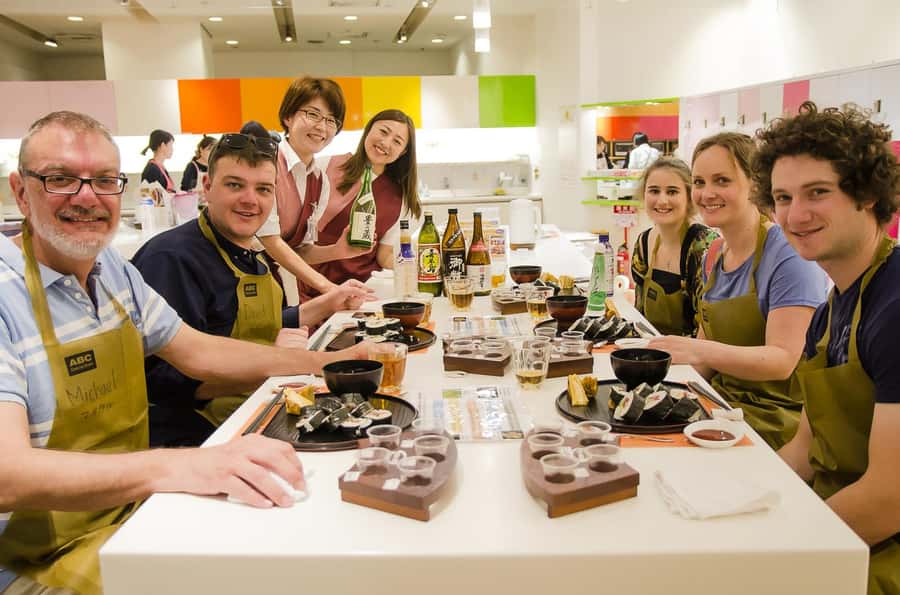
The group is limited to six participants, with at least two people required for the activity to operate. That is a useful size for both parts of the morning.
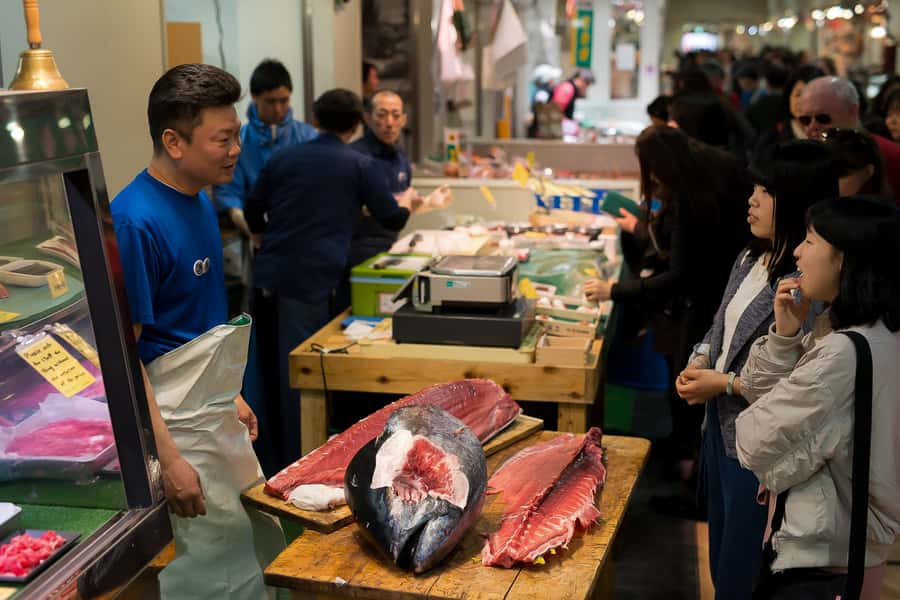
In the market, a small group can stop without blocking the lane for a large crowd. You can hear the guide’s explanations and ask about unfamiliar seafood or ingredients. The named guides have been praised for being friendly, easy to talk with, and willing to explain the market beyond a quick list of shop names.
In the kitchen, six people is still enough to make the class social, but not so many that you disappear at the back of a demonstration. Families have enjoyed the activity with children aged 11, 13, and 15, and the minimum age is nine.
The minimum height is 4.2 feet, or about 130 centimeters. The experience is not suitable for children under nine, people under that height, wheelchair users, or anyone bringing a stroller. It is also not recommended for people with back or heart problems, pregnant people, or those with other serious medical conditions.
Timing, weather, and what to bring
The experience lasts three hours, but the starting time varies. Check the available departure times when booking and plan your morning around the meeting point at Tsukiji Hongwanji Temple.
Wear comfortable clothing and shoes. You will walk through a food market and then take part in kitchen work, so this is not the place for restrictive clothing or delicate footwear.
Large bags and luggage are not allowed. That rule is practical in tight market lanes and a cooking studio, but it means you should arrange luggage storage before arriving. Hotel pickup and drop-off are not included, so you make your own way to and from the activity.
The tour requires good weather. If poor weather or unavoidable circumstances force cancellation, a full refund is available. You can cancel up to 24 hours ahead for a full refund, and the reserve-now, pay-later option lets you keep your plans flexible.
The provider may take photographs during the activity and use them on its website, social media, or advertising. Keep that in mind if you prefer not to appear in promotional images.
The most useful way to judge the $96 price
At $96, this activity is best understood as a compact food and culture package. You are paying for a guided market orientation, a professional cooking lesson, ingredients, lunch, an apron, water, a digital recipe, and a small group.
The price is easier to justify if you would otherwise book a separate cooking class and spend money finding your way through Tsukiji on your own. It is less attractive if your main goal is simply to wander the Outer Market. You can visit that public area without a tour, and the scheduled 70 minutes may feel brief compared with the time you could spend exploring independently.
The guide adds the most value when you are unfamiliar with Japanese food. Names, cuts, ingredients, and shop customs can be hard to interpret from signs alone. The cooking class adds a second kind of value: you leave with skills, not only memories.
I would also count the meal as part of the price, though it is not a restaurant lunch with a choice of dishes. You eat what the group prepares, and the seasonal menu may vary. That is a fair trade for people who want participation, but not for someone seeking a leisurely gourmet meal.
Who should book this Tsukiji experience?
I would recommend it to first-time visitors who want a manageable introduction to Japanese food. It suits couples, families with older children, and solo participants who enjoy meeting a small group while doing something practical.
It is especially good for you if:
- You want to understand Japanese ingredients before cooking with them.
- You prefer a guided introduction to Tsukiji rather than wandering alone.
- You enjoy hands-on activities more than long sightseeing explanations.
- You want a Japanese lunch that you helped prepare.
- You are comfortable with a fixed schedule and a short market visit.
I would hesitate if you mainly want the inner wholesale market, the tuna auction, or several hours of independent shopping. This activity does not provide those things. I would also skip it if you need wheelchair access, plan to bring luggage, or want a slow, restaurant-style lunch.
Should you book it?
Book this tour if you want one efficient morning that connects Tsukiji’s food culture with basic Japanese cooking. The small group, friendly guides, patient instructors, and meal at the end give the experience more substance than a quick market walk.
Do not book it expecting secret access to the wholesale market or unlimited time among the stalls. The strongest choice is to arrive hungry, wear comfortable shoes, ask plenty of questions, and treat the market as an introduction to the cooking class rather than the entire event. For that purpose, $96 is a reasonable price for a focused Tokyo food experience.
FAQ
Where does the tour meet?
Meet your guide in front of the main gate of Tsukiji Hongwanji Temple at 3-15-1, Tsukiji, Chuo, Tokyo. The guide holds a sign with your name.
How long does the activity last?
The full experience lasts three hours. You spend about 70 minutes in the Tsukiji Outer Market before continuing to the cooking school.
Does the tour visit the inner wholesale fish market or tuna auction?
No. The tuna auction and inner wholesale fish market are not included. The tour visits the Tsukiji Outer Market.
What food will I learn to make?
The class covers temari sushi, maki sushi, tamagoyaki, and miso soup. Ingredients and exact dishes may change according to the season and availability.
Is lunch included?
Yes. You eat the food you prepare during the class. Drinking water at the cooking studio is also included.
Is the activity suitable for children?
The minimum age is nine, and participants must be at least 4.2 feet, or about 130 centimeters, tall. The activity is not suitable for children under those limits.
More Street Food Walking Tours in Japan
- Tokyo Tsukiji Fish Market Food Tour: 15 Stops & Walk Local Street
★ 5.0 · 139 reviews - Tokyo: Guided Walking Tour of Tsukiji Market with Breakfast
★ 4.4 · 134 reviews - Tokyo’s Kitchen: Tsukiji Market Food & Culture Walk
★ 4.7 · 74 reviews - Tokyo: Secret Food Walking Tour
★ 4.7 · 38 reviews
More Street Food Market Tours in Tokyo
- Tokyo: Tsukiji Fish Market Sushi Making Class with Pro Chef
★ 4.9 · 506 reviews - Tokyo Food Tour Taste Fresh Delights at Tsukiji Market
★ 5.0 · 429 reviews - Tokyo Tsukiji Fish Market Tour and Sushi Making Lesson
★ 5.0 · 390 reviews - Tsukiji Fish Market: Street Food & Culture Walking Tour
★ 4.8 · 259 reviews
Just added around Tokyo
- Tokyo: Tsukiji walk & sushi private tour with Uni Students★ 5.0 · 17 reviews
- Tokyo: Private Tsukiji Street Food & Sake with Local Guide★ 5.0 · 3 reviews
- Tokyo: Tsukiji Market Guided Tour & Sushi-Making Experience★ 4.4 · 11 reviews
- Tokyo: Tsukiji Market and Hama-rikyu Gardens Guided Tour★ 4.8 · 73 reviews
- Tokyo Tsukiji Food & Culture Private Tour Licensed Guide★ 4.9 · 28 reviews
- Tokyo: Tsukiji Fish Market Foodie and Educational Tour★ 5.0 · 4 reviews
- Tokyo: Tsukiji Fish Market Culture Tour with Sashimi Tasting★ 4.6 · 54 reviews
- Tokyo: Tsukiji, Ginza, and Asakusa Japanese Culture Tour★ 5.0 · 2 reviews
Tokyo Street Food Tours, compared.
Tokyo Tsukiji Fish Market Food and Culture Walking Tour
Read our review →
Tokyo: Tsukiji Fish Market Food and Walking tour
Read our review →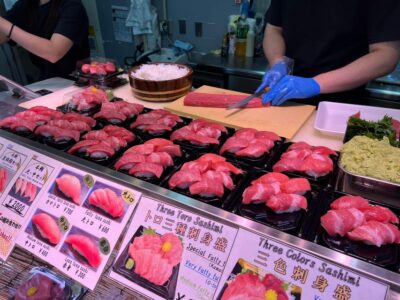
Tokyo: Tsukiji Fish Market Guided Walking Tour
Read our review →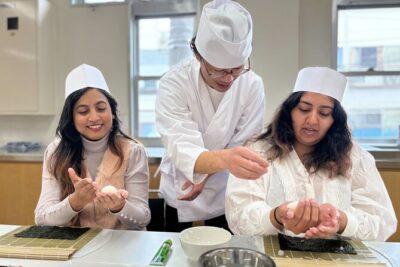
Tokyo Sushi Making Class in Tsukiji with Professional Chef
Read our review →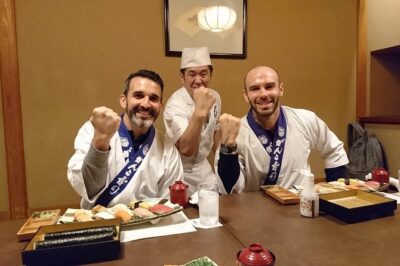
Tsukiji Fish Market Guided Tour and Sushi Making with Pro Chef
Read our review →Tokyo: Tsukiji Fish Market Food and Culture Walking Tour
Read our review →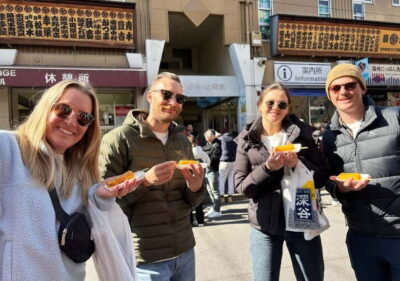
Tsukiji Fish Market: Street Food & Culture Walking Tour
Read our review →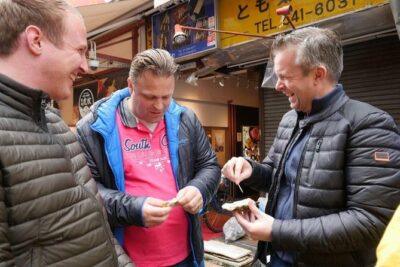
Tsukiji Fish Market Small-Group Food Walking Tour
Read our review →Browse the lists this tour appears in