
REVIEW · OSAKA STREET FOOD TOURS
Osaka: Takoyaki Keychain and Magnet-Food Replica Workshop
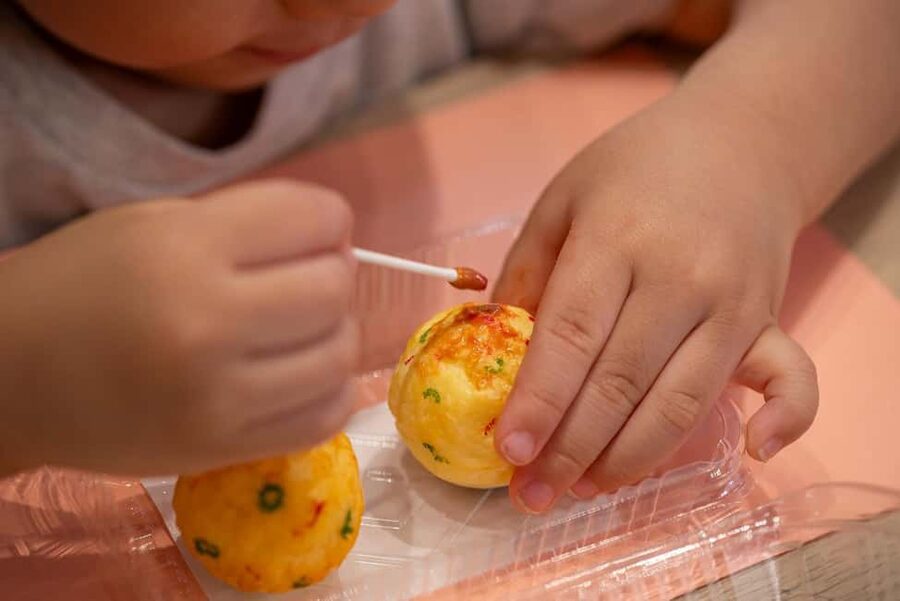
Osaka’s famous takoyaki becomes your souvenir in this hands-on workshop. At Design Pocket Osaka, you paint tiny grilled textures, add toppings, and finish the pieces with a sauce-style coating that makes the faux octopus balls look ready to eat. The finished pieces are about 3.5 cm wide, roughly actual takoyaki size.
I like the clear, creative format: you make something with your own hands, and you learn a little about Japanese food culture along the way. I also like the location, just five minutes from Namba Station and at the entrance to Doguyasuji Shopping Street. The main drawback is the lack of restrooms, so use one before you arrive.
Key points at a glance
- Make two takoyaki souvenirs: The activity includes two realistic pieces, described as a keychain and magnet, with supplied details also referring to two keychains.
- Paint the details yourself: You add grilled marks, green onions, red pickled ginger, and sauce for a convincing food replica.
- Keep the time commitment short: The workshop lasts about an hour and can fit neatly between sightseeing stops.
- Find it near Namba: Look for the large grilled-meat model and big yellow duck outside Design Pocket Osaka.
- Work in a small group: The class is limited to 10 people, with instruction in English and Japanese.
- Pay one clear price: The cost is ¥2,980, about $19, with materials, tools, guidance, and finished pieces included.
Making Osaka street food in miniature
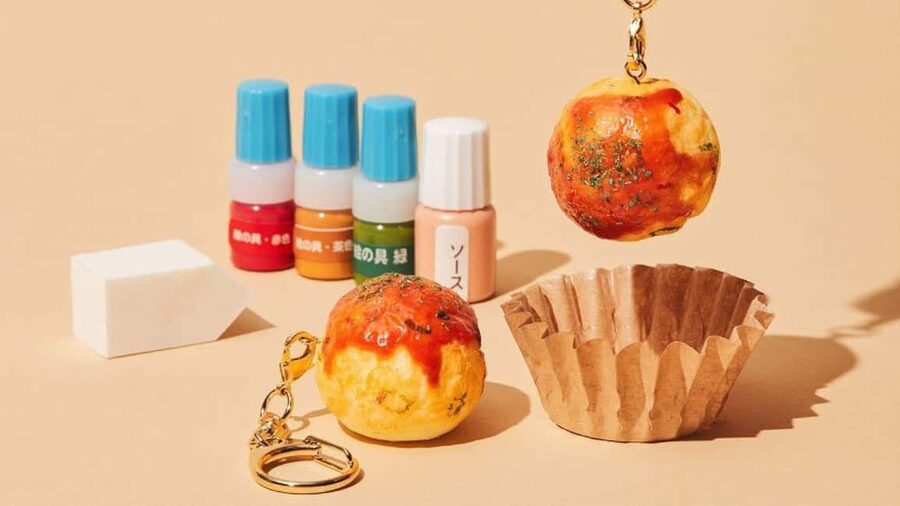
Takoyaki is one of Osaka’s signature foods: small, round batter snacks cooked in a special molded pan and topped with sauce and other garnishes. You usually encounter it steaming from a street stall or restaurant counter. Here, the food becomes a craft project.
The workshop uses faux takoyaki rather than asking you to cook. That makes the session tidy, quick, and suitable for people who want a cultural activity without committing to a full cooking class. You focus on appearance, texture, and toppings.
The pieces are made at about 3.5 cm in diameter. That detail matters. These are not oversized novelty models. They are small enough to work as practical souvenirs, yet large enough for you to paint the grilled surface and place recognizable toppings on top.
You will make two pieces. The supplied information describes them as a takoyaki keychain and magnet, while the included materials also refer to two takoyaki keychains. In practical terms, expect two finished takoyaki keepsakes, with the final format presented during the activity.
A few more street food tours around Osaka worth a look
- Osaka Cooking Class: Okonomiyaki &Japanese cuisines experience
★ 5.0 · 261 reviews - Ramen and Gyoza Cooking Class in Osaka
★ 5.0 · 202 reviews - Osaka : Cooking Class Okonomiyaki & Takoyaki course in Nanba
★ 4.9 · 25 reviews
Finding Design Pocket Osaka near Namba
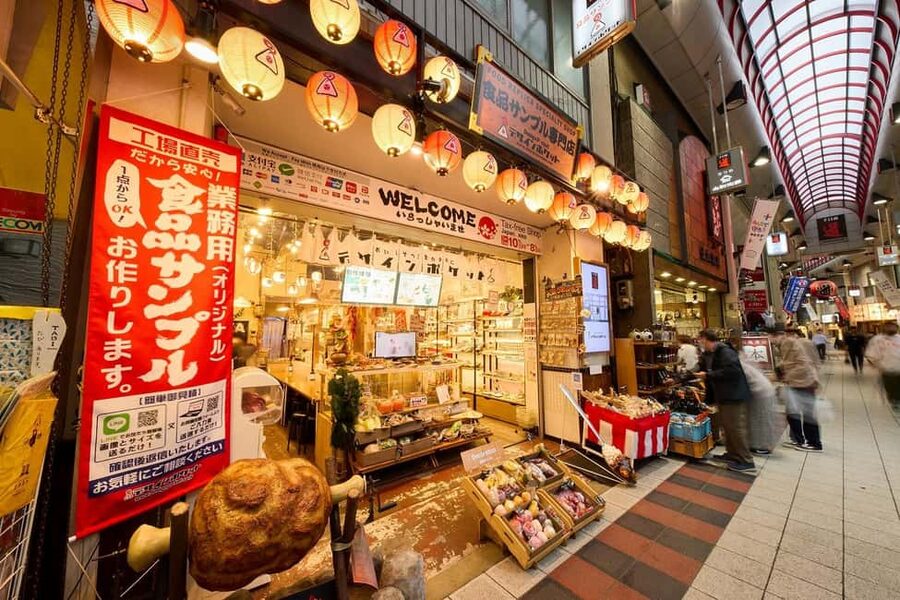
The shop is easy to spot if you know what to look for. Outside, a large model of grilled meat and a big yellow duck mark the entrance. These decorations are more useful than a street address when you are walking through this busy part of Osaka.
The shop sits at the north entrance of Sennichimae Doguyasuji Shopping Street. It is about a five-minute walk from Namba Station, three minutes from Takashimaya Osaka, and very close to Namba Grand Kagetsu Theater.
That placement gives the workshop real value for a sightseeing day. You do not need to cross Osaka for a one-hour class. You can pair it with Namba, Dotonbori, shopping, or a walk along Doguyasuji, a street known for shops connected with cooking and restaurant supplies.
Use the coordinates 34.6645408, 135.5034111 if you prefer a map pin. Once you reach the entrance, speak with a staff member at Design Pocket Osaka.
There are no restrooms at the shop. This is a small point, but it can matter if you are visiting with young children or planning to arrive straight from a train ride. Use a nearby facility before you check in.
The first stage: shaping a realistic food replica
The activity begins with step-by-step guidance from the Design Pocket staff. Instruction is available in English and Japanese, so you can ask for help even if your Japanese is limited.
The workshop does not require you to arrive with craft experience. The appeal is in following the stages, watching the plain faux takoyaki change, and deciding how much detail you want to add.
You start with the basic replica and work toward the look of grilled takoyaki. The surface needs more than a flat coat of paint. The workshop has you paint grilled textures, giving the ball the browned, cooked appearance that makes the finished piece feel like food rather than a plain plastic trinket.
This is where the activity becomes more than a simple souvenir purchase. A shop-bought keychain gives you an object. This workshop gives you a small story about how you spent part of your time in Osaka.
The staff guide you through the steps, and one verified German-language comment described the employees as very friendly and the instructions as easy to understand. That fits the design of the class: the process is structured, short, and meant for first-time participants.
Adding green onions, ginger, and sauce
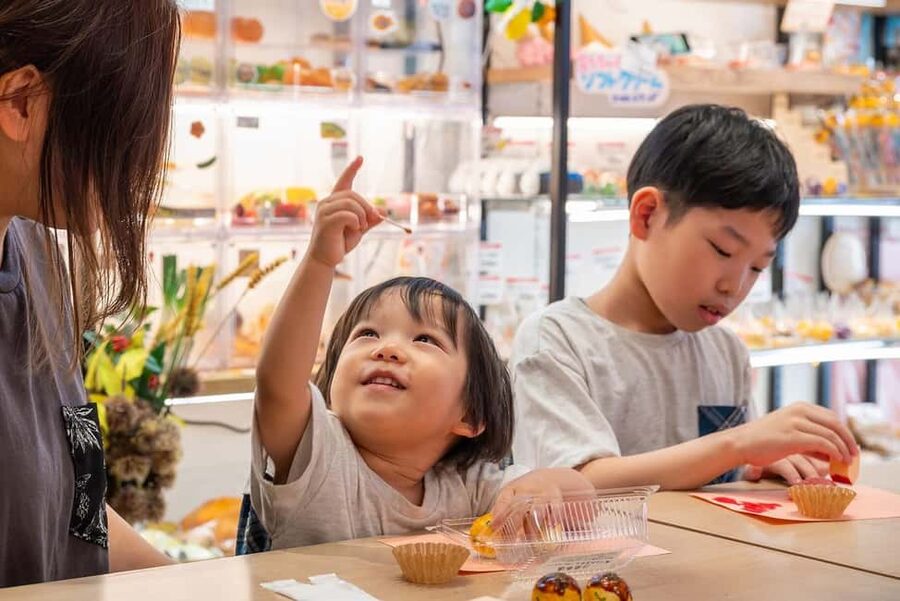
Once the grilled look is in place, you add the toppings. Green onions and red pickled ginger create the familiar color contrast associated with takoyaki.
These tiny ingredients are important because food replicas work through visual cues. The brown surface suggests heat from the grill. The green and red toppings signal the finished dish. The sauce adds the final layer and gives the replica its glossy, savory look.
You also apply a sauce-style coating. It helps the finished pieces look more lifelike, but it means you should follow the staff’s directions carefully and allow the coating to be handled as instructed.
The creative choices are modest but satisfying. You are not designing a completely free-form sculpture. You are working within the recognizable shape of takoyaki, then adjusting the color and topping details to make your two pieces look convincing.
I see this as a good balance for a short holiday activity. A completely open craft class can feel vague, while a rigid demonstration leaves you with little to do. Here, you get a clear result and enough hands-on work to feel involved.
Same city, a different plate:
- Hungry Osaka Street Food Tour:15 Tastings & 3 Drinks with a Local
★ 5.0 · 1,727 reviews - Osaka Local Foodie Walking Tour in Dotonbori and Shinsekai
★ 5.0 · 985 reviews - Hungry Osaka Street Food Tour: 15 Dishes & 3 Drinks
★ 4.9 · 694 reviews - Kuromon Market Food Walking Tour in Osaka (6 stops, 6 tastes)
★ 5.0 · 550 reviews
Why the one-hour length works well
The class takes less than an hour, with the experience described as lasting about one hour. That makes it easy to place between larger Osaka plans.
You could schedule it during a Namba afternoon, before shopping on Doguyasuji, or near a visit to Namba Grand Kagetsu Theater. The short format also helps if your group includes people who may not want a long museum visit or a full cooking lesson.
The time limit has a trade-off. You should not expect a long lecture on takoyaki, a full meal, or an extended craft session with many different projects. The cultural learning is light and practical, tied to the food you are making.
That is not a flaw for the right audience. If you want a relaxed introduction to Japanese food culture with a physical souvenir at the end, the length is a strength. If you want a serious cooking course or detailed instruction in traditional replica-making, this workshop will feel brief.
A good fit for families, couples, and solo visitors
The activity is suitable for families, couples, and solo participants. Children under two are not suitable for the workshop, and babies under one year are not accepted.
For families with older children, the key appeal is that everyone gets a visible task. Painting the grilled marks and placing toppings are simple enough to understand, while the finished pieces provide a keepsake that is more personal than a standard souvenir.
Couples can make matching or slightly different pieces. You might focus on neat details, while your companion creates a messier, more heavily topped version. The small size also makes the activity manageable when you are trying to pack lightly.
Solo visitors should find the format comfortable. The small group is limited to 10 participants, so the room should not feel like a large production line. Staff guidance in English and Japanese also helps take pressure off if you are attending alone.
The workshop is wheelchair accessible. The supplied information does not provide details about table height, transfer space, or the exact route inside, so you may want to confirm any specific access needs before booking.
What the ¥2,980 price includes
The listed price is ¥2,980 per person, or about $19. For that cost, you receive the materials for two takoyaki pieces, paints, decorating tools, the sauce-style coating, staff guidance, and the finished souvenirs.
I consider that a fair price when you value the activity itself, not just the objects. Two small food replicas alone may not justify the fee for every visitor. The cost makes more sense when you include the instruction, the work space, the chance to try a distinctly Japanese craft, and the memory attached to what you take home.
There are no required extra fees. Optional souvenirs or additional keychain kits may be available for purchase at the shop, but you do not need to buy anything else to complete the booked activity.
The price also compares well with the time commitment. You are paying for roughly an hour, not half a day. That matters in Osaka, where you may prefer to keep most of your schedule open for food, shopping, and neighborhoods.
Still, budget-minded visitors should be honest about what they want. If your goal is simply to buy an inexpensive takoyaki magnet, you may find a ready-made souvenir more direct. Book this for the making, the guidance, and the personal result.
Small-group comfort and practical limits
The group size is limited to 10 participants. That is small enough to make staff assistance practical, especially when you are working with tiny toppings and detailed paint.
English and Japanese are the available languages. The activity is built around demonstration and hands-on steps, so you do not need advanced language skills to understand every part. You can also ask staff for help as you work.
The main practical limit is the missing restroom. Plan around it rather than treating it as an afterthought.
Weapons, sharp objects, alcohol, and drugs are not allowed. The activity uses craft tools and materials, so normal care and attention are expected. The supplied information does not identify any other special equipment you need to bring.
Free cancellation is available up to 24 hours in advance for a full refund. You can also reserve now and pay later, which helps if your Osaka schedule is still shifting.
The best way to fit it into an Osaka day
I would combine the workshop with nearby stops rather than make a separate trip across the city. Start around Namba Station, walk toward the shop, and use the workshop as a short planned stop before or after exploring Sennichimae Doguyasuji Shopping Street.
Takashimaya Osaka is only about three minutes away, and Namba Grand Kagetsu Theater is close by. The location also places you within the broader Namba area, so you can continue to restaurants, shops, and other sights after the class.
The entrance markers matter because the surrounding area can offer plenty to look at. Keep an eye out for the large grilled-meat model and yellow duck rather than relying only on a small shop sign.
Allow enough time to arrive five to ten minutes early, especially if you are meeting a group or moving with children. The class is short, so arriving late could take a noticeable bite out of the hands-on portion.
Who should book this workshop
I would recommend this to you if you like small creative activities, want a practical Osaka souvenir, or need a short break from sightseeing. It is especially useful for families and solo visitors who want an activity with a clear beginning and end.
It also suits anyone curious about Japanese food replicas. These models are a familiar part of food culture in Japan, where realistic displays help customers see what a restaurant serves. This workshop gives you a simple look at that craft through a takoyaki-shaped project.
I would be less likely to recommend it to you if you dislike crafts, want to eat takoyaki rather than imitate it, or expect a full cultural lesson. The class is hands-on and light. Its pleasure comes from making two small objects, not from a long presentation.
Should you book the takoyaki workshop?
Book it if you want a personal souvenir and have an hour near Namba. The location is convenient, the price includes the needed materials, the group stays small, and the staff provide clear step-by-step help in English and Japanese.
The strongest reasons to go are the creative process and the finished keepsake. You paint the grilled surface, add green onions and red pickled ginger, and finish the pieces with sauce. That gives you more than a standard magnet from a shop shelf.
Skip it if your Osaka schedule is packed or if you are only looking for the cheapest possible souvenir. For everyone else, this is a cheerful, low-risk way to spend an hour in the heart of Osaka, with two tiny reminders of the city to take home.
FAQ
How long does the takoyaki workshop last?
The experience lasts about one hour and takes less than an hour to complete according to the activity information.
How much does the activity cost?
The price is ¥2,980 per person, which is listed as about $19.
What will I make during the workshop?
You will make two takoyaki food replicas, described as a keychain and magnet. The included details also refer to the two pieces as keychains.
What is included in the price?
The price includes the materials, paints, decorating tools, sauce-style coating, step-by-step staff guidance, and your completed takoyaki souvenirs.
Where is Design Pocket Osaka?
The shop is at the north entrance of Sennichimae Doguyasuji Shopping Street, about five minutes from Namba Station, three minutes from Takashimaya Osaka, and close to Namba Grand Kagetsu Theater. Look for the large grilled-meat model and big yellow duck.
Is the workshop available in English?
Yes. Staff instruction is available in English and Japanese, and the group is limited to 10 participants.
Just added around Osaka
- Same Day OK! Osaka: Local Food, Izakaya & Local Bites Tour!★ 4.8 · 17 reviews
- Eat Like a Local in Osaka – Private Custom Street Food Tour★ 4.3 · 33 reviews
- Osaka Shinsekai Street Food Tour – Evening★ 5.0 · 2 reviews
- Okonomiyaki&Takoyaki for Families:Osaka Street Food Festival★ 5.0 · 4 reviews
- Osaka: Local Foodie Tour in Dotonbori and Shinsekai★ 4.7 · 95 reviews
- Osaka Okonomiyaki Cooking Experience for Families & Groups★ 4.9 · 8 reviews
- Osaka: Namba Guided Local Food Tour (Taste 15 dishes)★ 5.0 · 6 reviews
- Osaka: Kuromon Market Street Food Tour with Pro Local Guide★ 5.0 · 5 reviews
Osaka Street Food Tours, compared.
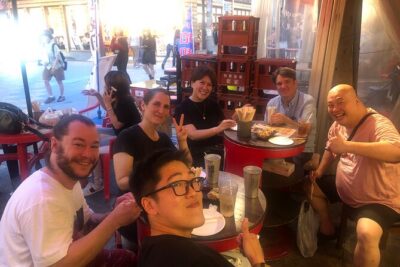
Hungry Osaka Street Food Tour:15 Tastings & 3 Drinks with a Local
Read our review →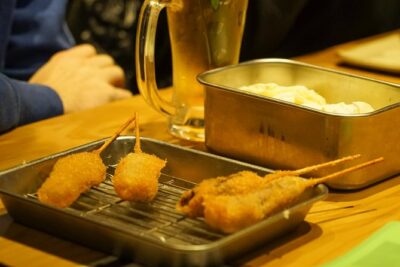
Osaka Local Foodie Walking Tour in Dotonbori and Shinsekai
Read our review →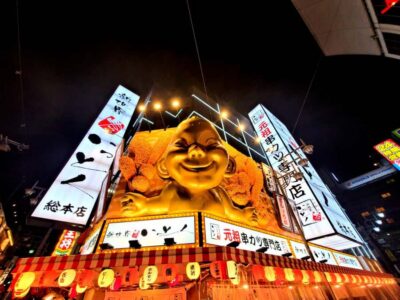
Hungry Osaka Street Food Tour: 15 Dishes & 3 Drinks
Read our review →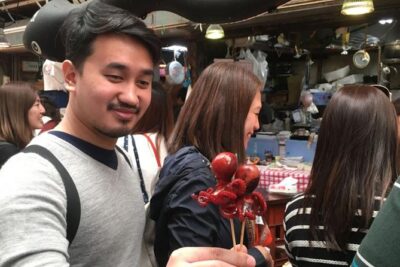
Kuromon Market Food Walking Tour in Osaka (6 stops, 6 tastes)
Read our review →
Osaka: Kuromon Market Food Walking Tour (6 stops, 6 tastes)
Read our review →
Osaka Cooking Class: Okonomiyaki &Japanese cuisines experience
Read our review →
[1 Group Only] Osaka Street Food Tour for Family
Read our review →
Browse the lists this tour appears in