
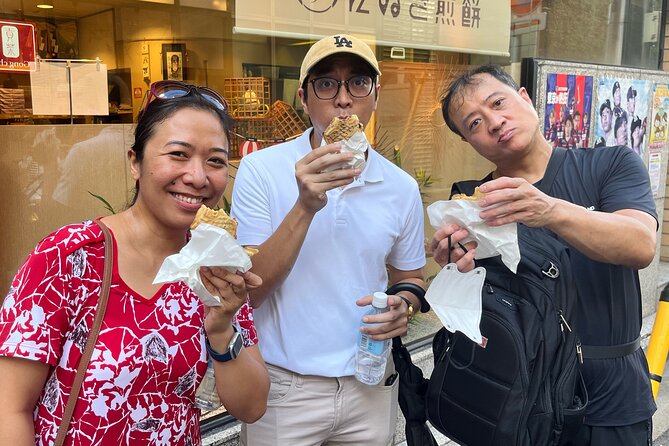
REVIEW · TOKYO STREET FOOD TOURS
Tokyo: Local Foodie Adventure near Roppongi
Azabujuban gives you a side of Tokyo that most visitors miss. Just beyond Roppongi’s high-rises, this old neighborhood offers family-run food shops, shrines, temples, and more than 300 stores, many with roots stretching back nearly a century. The food walk is led by Ellen, whose warm, personal approach helps turn a simple snack crawl into a lesson in local life.
I like the small group size, usually just one to four people, because it gives you room to ask questions and adjust the stops to your interests. I also like the mix of five Japanese treats, local landmarks, and shopping, rather than a tour that simply moves from one restaurant to the next.
The main drawback is that the food selection changes with store availability, so you cannot count on every named dish. You also need to walk around town at a moderate pace, and the $71 price does not include transportation or extra food and drinks.
Key points to know before you book

- Azabujuban feels separate from central Tokyo: You explore a long-established neighborhood close to Roppongi, but far from the usual sightseeing circuit.
- Five tastings are included: Possible treats include yakitori, mame daifuku, taiyaki, oden, and other Japanese snacks.
- Ellen is the guide to look for: She explains local history, folklore, food, and shop traditions in English.
- Shrines and temples add context: The walk is about luck, customs, and neighborhood stories as much as eating.
- A small group makes the route flexible: With one to four people, questions and food preferences can shape the experience.
- Sailor Moon fans get an extra connection: Azabujuban includes real places linked to the setting that inspired creator Naoko Takeuchi.
Why Azabujuban makes a good food-walk setting
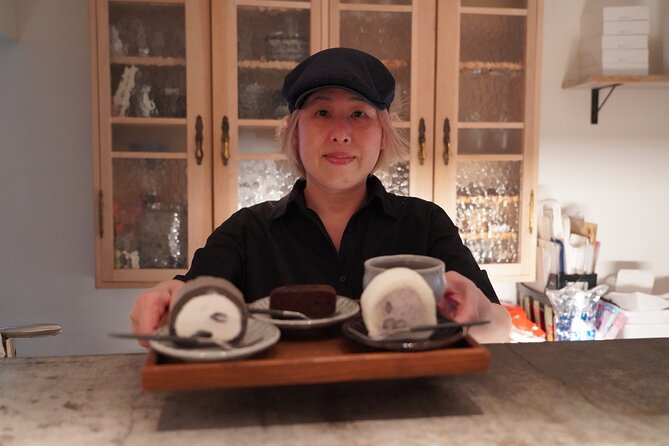
Roppongi is known for nightlife, galleries, and modern towers. Azabujuban, nearby in central Tokyo, offers a different rhythm. Its shopping streets and side lanes are tied to local residents, old stores, temples, shrines, and everyday eating.
That contrast is the reason I find this experience appealing. You do not need to travel far from a famous Tokyo district to see a neighborhood with a strong sense of place. The area has more than 300 shops, and many have remained open for close to 100 years. That gives the food a useful context. A snack is not just something to eat quickly. It may be part of a shop’s long-standing trade or a familiar item bought by local families.
The route also gives you a chance to learn how old customs fit into a modern city. You may visit a shrine for good luck, hear local folklore, and then stop at a food shop or café. That mix is more revealing than a meal in a restaurant designed mainly for visitors.
A few more street food tours around Tokyo worth a look
- Tsukiji Fish Market: Street Food & Culture Walking Tour
★ 5.0 · 669 reviews - Tsukiji Fish Market: Street Food & Culture Walking Tour
★ 4.8 · 259 reviews - Tokyo: Private Personalized Local Food Tour
★ 4.5 · 101 reviews
Meeting Ellen at Azabujuban Station
You meet at Azabujuban Station, Exit 4, in front of Oslo Coffee. Look for the Japan Hopping Tours logo and the guide waiting outside.
This is a practical meeting point because it is clear and easy to identify. I would arrive with your phone charged and your confirmation ready, especially if you are unfamiliar with Tokyo’s station system. Roppongi and Azabujuban are close on a map, but Tokyo’s streets and transit stations can still take time to navigate.
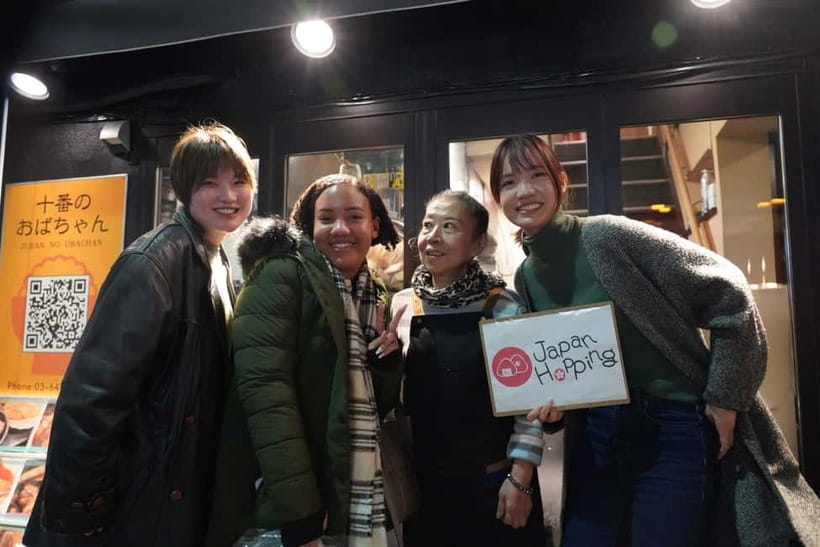
The tour is conducted in English. Ellen has been praised for explaining the neighborhood, answering questions, and creating a relaxed atmosphere. The small group format matters here. A group of one to four people is much better suited to a food walk through small shops than a large crowd. You can ask why a dish is eaten, how a shop fits into the neighborhood, or what a shrine custom means without holding up dozens of people.
The guide may also tailor individual stops to your needs. That does not mean every request can be guaranteed, since food choices depend on what is available that day, but the format offers more personal attention than a fixed, large-group route.
The first tastings: from yakitori to homemade oden
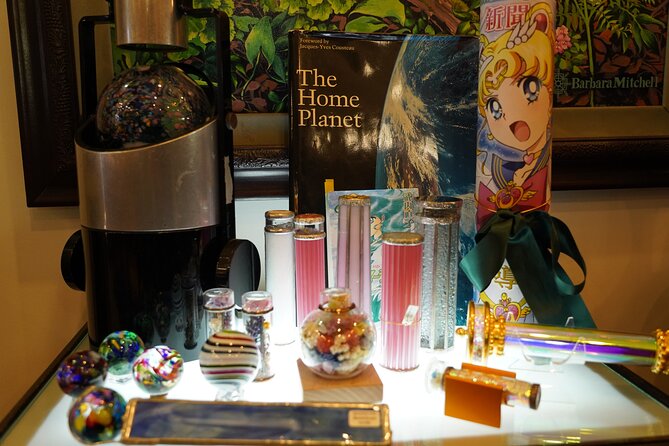
The central part of the experience is a set of five Japanese treats. The exact selection changes, so you should treat the named dishes as examples rather than a promise.
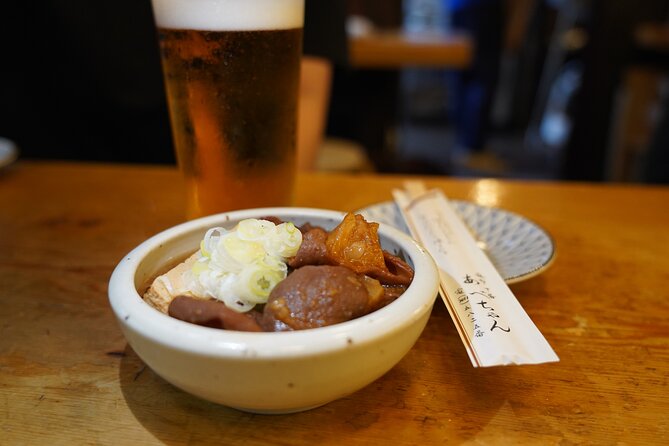
Yakitori gives you a savory start. These grilled skewers are simple in form but useful for understanding the appeal of Japanese neighborhood food: a small portion, strong flavor, and an easy connection to local eating habits. Homemade oden offers a different texture and mood. Served in broth, it is the sort of comfort food that shows how much flavor can come from patient preparation rather than elaborate presentation.
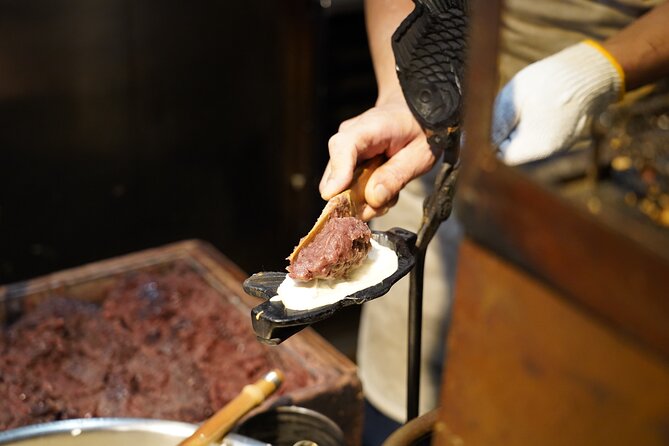
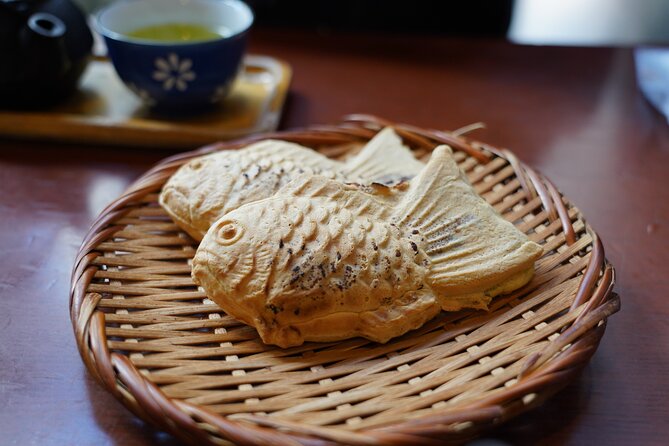
You may also try taiyaki, the fish-shaped cake often filled with a sweet center. Its crisp outside and soft filling make it an easy favorite, especially if you want a snack that feels playful without being overly complicated.
Mame daifuku provides another change of pace. This soft rice cake with beans has a chewy texture and a gentle sweetness. It is worth trying slowly, since the mouthfeel may be unfamiliar if you mainly know Western pastries.
The food can extend beyond these examples. Stops described by the guide have included snacks, pastries, omelettes, and sushi. That range is one of the strongest parts of the walk, but it also explains why you should not expect a fixed tasting menu. Availability shapes the route.
The included food is intended to be enough to fill you up. Even so, bring a little extra money if you want additional portions or drinks. One alcoholic beverage is included, while other drinks and personal purchases cost extra.
Shrines, temples, and the neighborhood’s stories
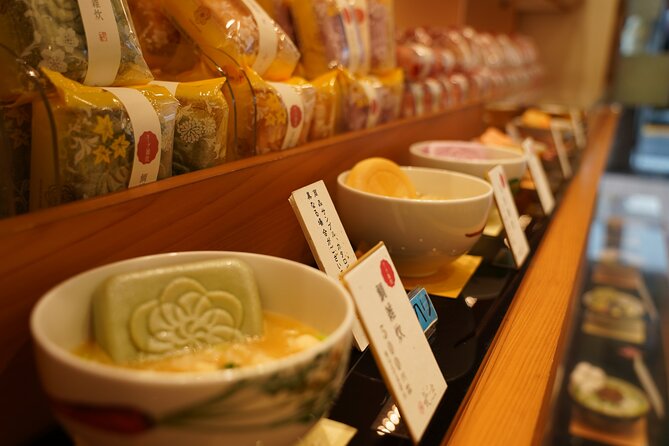
The walk does not treat the shrines and temples as quick photo stops. Their purpose is to help you understand the customs and stories that shaped Azabujuban.
A visit connected with good luck gives the route a clear theme. You can ask about local beliefs, how people use these places, and why they matter within a neighborhood that otherwise looks like a shopping district. The experience also includes local folklore destinations, giving the guide room to explain stories that are easy to miss when you explore alone.
This part will appeal to you if you prefer food tours with some cultural background. It will be less satisfying if you want to sit down for a long meal or spend the whole outing sampling dishes. The walking and storytelling are equal parts of the activity.
The value here comes from connection. Eating yakitori or taiyaki on your own is easy. Understanding the street, the nearby religious sites, and the stores that have served the area for decades gives those foods a stronger sense of place.
Same city, a different plate:
- Tokyo Tsukiji Fish Market Food and Culture Walking Tour
★ 5.0 · 3,184 reviews - Tokyo: Tsukiji Fish Market Food and Walking tour
★ 5.0 · 1,724 reviews - Tokyo: Tsukiji Fish Market Guided Walking Tour
★ 4.9 · 1,397 reviews - Tokyo Sushi Making Class in Tsukiji with Professional Chef
★ 5.0 · 1,177 reviews
Small shops and gifts you will not find everywhere
Azabujuban has a useful advantage for shoppers: its stores are tied to the neighborhood rather than built around a standard souvenir list. You can browse unusual shops and look for gifts that feel specific to this part of Tokyo.
The experience does not promise a particular shop or purchase, and your personal expenses are not included. Still, the opportunity is worthwhile because the guide can explain why a store matters and how it fits into the district. That makes shopping more interesting than simply entering a shop, buying something, and leaving.
You might find yourself choosing between a food gift, a traditional item, or a small object linked to local life. The key is to leave some space in your budget and your bag. The tour price covers the five tastings and one alcoholic beverage, not souvenirs.
The Sailor Moon connection
For Sailor Moon fans, Azabujuban has an extra layer of interest. The neighborhood includes real-life locations associated with settings that inspired manga creator Naoko Takeuchi.
This is not presented as a separate cosplay or character tour. It is part of the broader walk through the neighborhood. If you know the series, the connection can make ordinary streets and landmarks more meaningful. If you do not, the guide’s discussion of the area’s creative influence still adds a local story.
I would not book the experience solely for this feature unless you are already a fan. The food, history, and small-shop visits form the main experience. But for Sailor Moon followers, it is a genuine bonus that most general Tokyo food walks will not offer.
What the $71 price really covers
At $71 per person, this is not the cheapest way to eat in Tokyo. You could buy five individual snacks for less if you already knew where to go. The price makes more sense when you count the guide’s time, the neighborhood context, the shrine and temple visits, the local stories, and the convenience of having the route organized.
The small group is especially important to the value. With only one to four people, you are paying for a personal walking experience rather than a mass tour. Ellen can answer questions, explain unfamiliar foods, and adjust the stops to the group’s needs.
Still, you should compare this cost with your own priorities. If you want a large meal, the tour may not be the right choice. Five tastings are designed as a food walk, not a single formal lunch or dinner. If you want extra dishes, drinks, or gifts, your final spending will be higher.
The price is easier to justify if you value food knowledge and local context. It is less compelling if you are comfortable navigating Japanese shops on your own and prefer to spend your budget entirely on restaurant meals.
Walking, timing, and practical comfort
A moderate level of fitness is needed because the experience involves walking around town. Wear comfortable shoes. The route includes food stops, shrines, temples, shops, and neighborhood streets, so you should not plan to treat it as a seated activity.
No tour duration is provided, so avoid scheduling a tight appointment immediately afterward. The activity ends back at the meeting point, which makes it easier to continue exploring Azabujuban or travel onward after the walk.
Transportation to and from the meeting point is not included. You are responsible for reaching Azabujuban Station and for any later train or subway travel. The meeting point is at Exit 4, and the return to that same point gives you a clear finish.
Food availability can change from day to day. That is normal for a route built around local shops, but it means you should not book expecting a fixed list of five named dishes. The included tastings should fill you up, but additional food and drinks are extra.
Who will enjoy this most
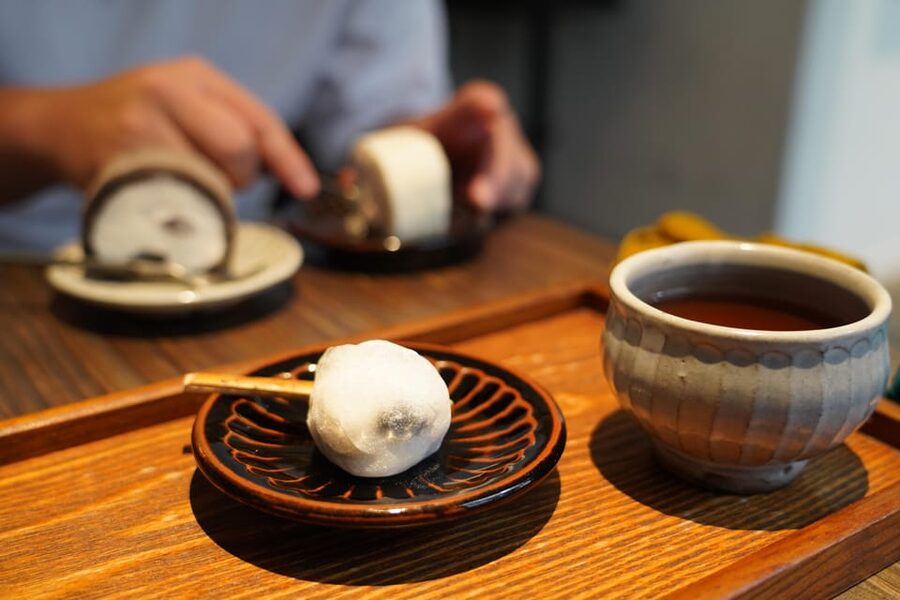
I would recommend this walk to you if you want Tokyo food with a human scale. It suits first-time visitors who want help understanding Japanese snacks, as well as repeat visitors who have already seen the major sights.
It is a particularly good fit for:
- Couples or friends who prefer a very small group
- Solo visitors who want company and a local guide
- Food lovers who enjoy trying several small portions
- People interested in shrines, folklore, and neighborhood history
- Sailor Moon fans looking for real places linked to the series
- Shoppers seeking gifts from long-running local stores
Families and older participants should consider the walking requirement. The activity is not suitable for people over 95, according to the stated conditions, and everyone should be comfortable walking around town at a moderate pace.
The tour may be less suitable for you if you need a guaranteed menu, dislike sweet and savory foods mixed together, or want a long sit-down meal. It is also not the best pick if you plan to avoid extra spending entirely, since transportation, extra food, drinks, and purchases are separate.
Should you book the Azabujuban food walk?
Book it if you want to eat your way through a less familiar Tokyo neighborhood while learning why its shops, shrines, and stories matter. Ellen’s friendly, flexible guiding style is a major reason this works, and the 1 to 4 person format gives the experience a personal feel.
Go in with an open mind about the menu. You may get yakitori, mame daifuku, taiyaki, oden, or a different set of snacks depending on the day. Bring comfortable shoes, allow room for extra purchases, and do not confuse this with a full restaurant meal.
For $71, the best value comes from the combination of food, local knowledge, and access to a neighborhood you might otherwise pass through without noticing. If that combination sounds better to you than a standard sightseeing route, this is a strong choice near Roppongi.
FAQ
Where does the tour start?
The tour starts at Azabujuban Station, Exit 4, in front of Oslo Coffee. Look for the Japan Hopping Tours logo.
Where does the tour end?
The activity ends back at the meeting point.
Who provides the tour?
The experience is provided by Japan Hopping. The guide named for the tour is Ellen.
What language is the tour conducted in?
The tour is conducted in English.
How many people usually join?
This is a small-group activity, with one to four people expected to join.
How many food tastings are included?
Five different Japanese treats are included. The selection depends on store availability that day.
Which foods might be included?
Possible foods include yakitori, mame daifuku, taiyaki, homemade oden, snacks, pastries, omelettes, and sushi. The exact selection may change.
Is a drink included?
One alcoholic beverage is included. Additional drinks are not included.
Are transportation and personal purchases included?
No. Transportation costs, additional food and drinks, souvenirs, and other personal expenses are separate.
What should I bring?
Bring comfortable shoes for walking around Azabujuban.
Can I cancel for a full refund?
You can cancel up to 24 hours in advance for a full refund.
Can I reserve now and pay later?
Yes. You can reserve your spot and pay nothing today.
Just added around Tokyo
- Tokyo: Tsukiji walk & sushi private tour with Uni Students★ 5.0 · 17 reviews
- Tokyo: Private Tsukiji Street Food & Sake with Local Guide★ 5.0 · 3 reviews
- Tokyo: Tsukiji Market Guided Tour & Sushi-Making Experience★ 4.4 · 11 reviews
- Tokyo: Tsukiji Market and Hama-rikyu Gardens Guided Tour★ 4.8 · 73 reviews
- Tokyo Tsukiji Food & Culture Private Tour Licensed Guide★ 4.9 · 28 reviews
- Tokyo: Tsukiji, Ginza, and Asakusa Japanese Culture Tour★ 5.0 · 2 reviews
- Tokyo: Tsukiji Fish Market Foodie and Educational Tour★ 5.0 · 4 reviews
- Tokyo: Tsukiji Fish Market Culture Tour with Sashimi Tasting★ 4.6 · 54 reviews
Tokyo Street Food Tours, compared.
Tokyo Tsukiji Fish Market Food and Culture Walking Tour
Read our review →
Tokyo: Tsukiji Fish Market Food and Walking tour
Read our review →
Tokyo: Tsukiji Fish Market Guided Walking Tour
Read our review →
Tokyo Sushi Making Class in Tsukiji with Professional Chef
Read our review →
Tsukiji Fish Market Guided Tour and Sushi Making with Pro Chef
Read our review →Tokyo: Tsukiji Fish Market Food and Culture Walking Tour
Read our review →
Tsukiji Fish Market: Street Food & Culture Walking Tour
Read our review →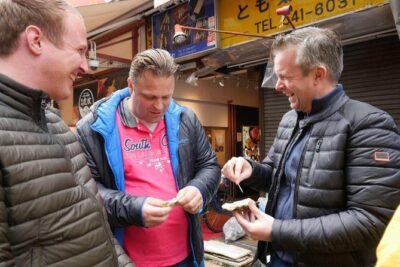
Tsukiji Fish Market Small-Group Food Walking Tour
Read our review →Browse the lists this tour appears in