
REVIEW · JAPAN STREET FOOD TOURS
Tokyo: Tsukiji Fish Market food Tour
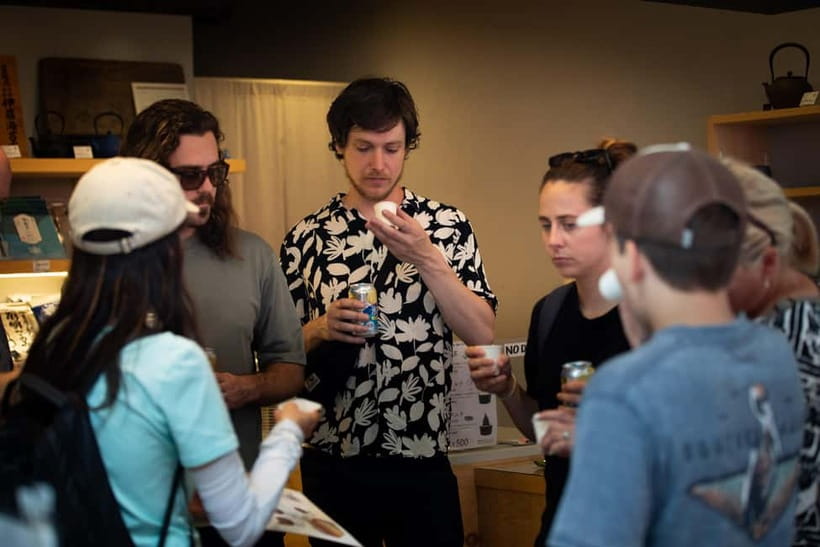
Tsukiji is best understood one bite at a time. This 150-minute walk takes you through the Outer Market, where tuna sushi, sashimi, fish cake, egg roll, dashi soup, and green tea turn a morning market visit into a full meal. I like the way the tour adds context to foods you might otherwise pass by, and I like that guides such as Keiko have friendly ties with the vendors. Come hungry: the portions and number of tastings can add up quickly.
The main tradeoff is control. You follow a set route and stop at chosen shops, so you may not get to linger wherever you wish. One past participant found the stops too predetermined, while most of the feedback praised the guides, food, and clear explanations. If you prefer a free-form wander, go alone. If you want a well-fed introduction with help choosing unfamiliar foods, this tour makes sense.
Key things to know before you book
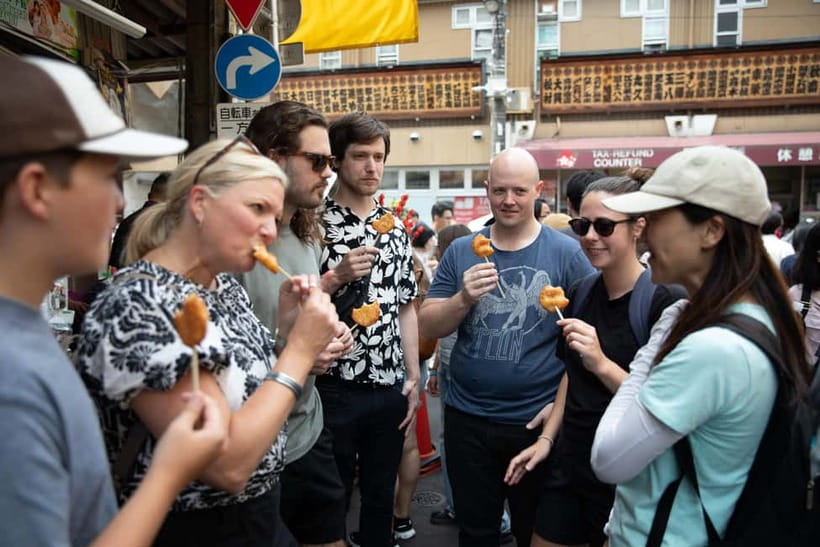
- The food is the main event: Expect tuna sushi, sashimi, fish cake, egg roll, dashi soup, green tea, and additional samples.
- Keiko receives especially strong praise: She is described as warm, well informed, and familiar with the market vendors.
- You will cover the Outer Market on foot: The tour includes a guided food-market visit lasting about two hours, within a total activity time of 150 minutes.
- Skip breakfast: The food comes in enough variety that a normal morning meal could leave you too full.
- The focus goes beyond seafood: The walk can include explanations of fish, beef, tea, market customs, and the work of local sellers.
- The route is planned: That keeps the tasting moving, but it may disappoint you if you want to choose every stop yourself.
Why Tsukiji works so well for a food tour
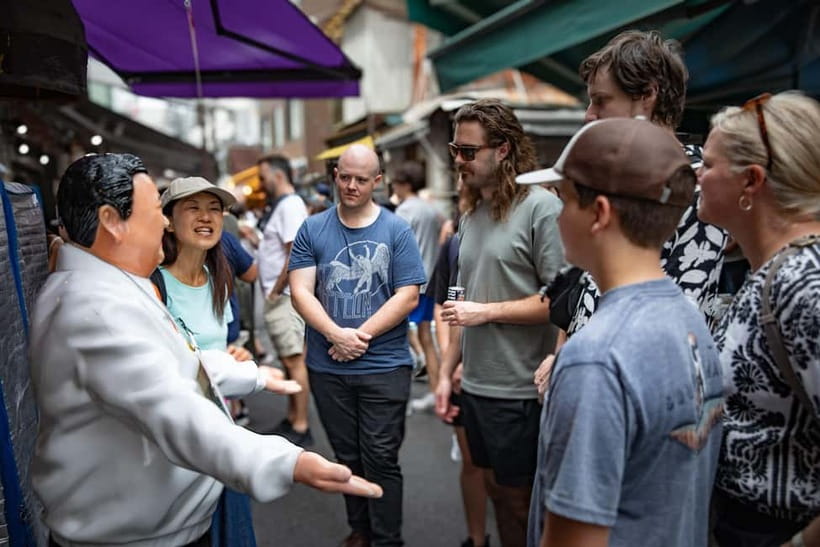
Tsukiji Outer Market is a place where buying food and eating food happen side by side. Stalls sell seafood, prepared bites, tea, and other Japanese ingredients, while nearby counters offer ready-to-eat treats. For a first visit, that mix can be exciting but confusing.
A guide gives the market some order. Instead of trying to decode every sign and decide what is worth the price, you can ask what a food is, how it is normally eaten, and why it matters. That is useful at a market where unfamiliar cuts of fish and small specialties may look similar at first glance.
The walk is also about local working life. You hear about vendors, their products, and the market’s past as you move between stops. The best part is not simply finding something delicious. It is learning why one piece of fish is handled differently from another, or why a simple broth deserves your attention.
This is not a formal cooking class. You are not preparing food yourself. It is a guided tasting walk with historical and cultural explanation, best suited to people who want to eat their way through Tsukiji without spending time researching every stall.
More Street Food Market Tours in Japan
- Tokyo Tsukiji Fish Market Food and Culture Walking Tour
★ 5.0 · 3,184 reviews - Tokyo: Tsukiji Fish Market Food and Walking tour
★ 5.0 · 1,724 reviews - Tokyo: Tsukiji Fish Market Guided Walking Tour
★ 4.9 · 1,397 reviews
Meeting near Lawson Tsukiji 4 Chome Store
The meeting point is the LAWSON Tsukiji 4 Chome Store. Your guide will hold a board, and you should arrive 10 minutes before the scheduled start. That early arrival matters in a busy market area, where a late start can be hard to recover from.
The tour is offered in English. Keiko is the guide most often singled out for her warm manner and strong relationships with vendors. Loc also receives praise for setting a good pace and explaining things clearly. Since the guide can vary, you should expect the same general format but not necessarily the same personality or exact commentary every time.
The activity is listed as wheelchair accessible. Still, the market is a food-shopping area rather than a purpose-built attraction, so you may want to confirm any specific access needs when booking.
Walking the Outer Market for two hours
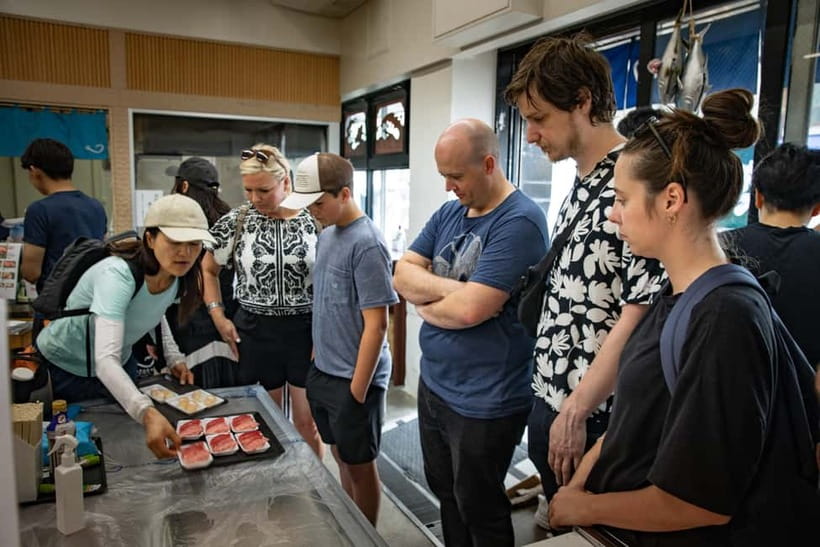
The main portion takes place in Tsukiji Outer Market and lasts about two hours. You move between food stalls and shops while your guide explains what you are seeing. The pace is intended to let you sample several foods without turning the visit into a rushed checklist.
The market’s appeal comes from its variety. Seafood is central, but the tour also introduces items such as fish cake and egg roll, along with tea and soup. This matters because Japanese food culture is bigger than raw fish, and the mix gives you a broader sense of everyday flavors.
You may also hear about different kinds of fish and beef, as well as the people who sell and prepare them. That extra context helps you distinguish a market visit from a string of restaurant stops. You are not just handed food. You get a basic explanation of what it is and why the vendor specializes in it.
The route is planned in advance. That can be helpful if you are short on time or nervous about ordering in an unfamiliar place. It also means you should not expect to stop at every shop that catches your eye. One dissatisfied participant felt the chosen stores were too fixed and that some of the time was spent on things they would have skipped.
My advice is simple: decide what kind of freedom you want before booking. If your priority is efficiency, guidance, and a broad tasting, the planned route works in your favor. If you want to browse slowly, compare prices, and choose each bite yourself, an independent visit may suit you better.
What you actually eat on the walk
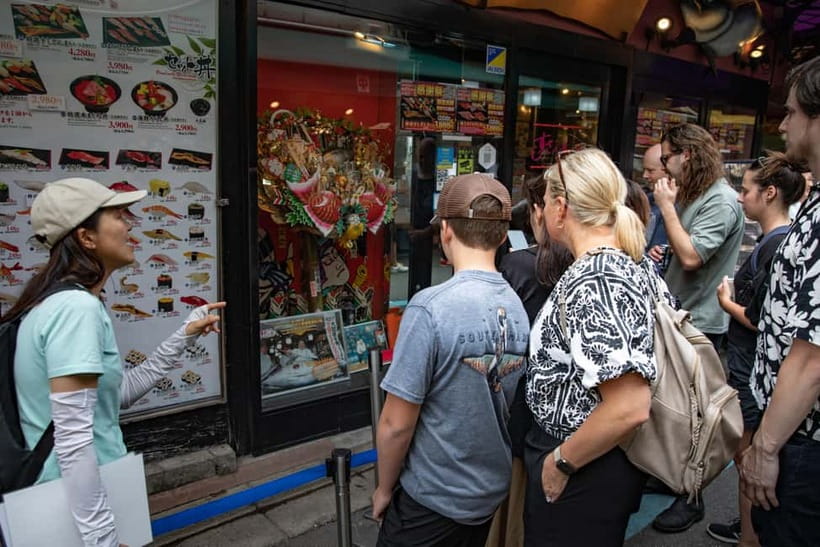
The food list gives this tour its value. Tuna sushi and sashimi provide the obvious seafood highlights, but the other samples prevent the experience from becoming repetitive.
Fish cake offers a different texture from raw fish. Egg roll brings a soft, lightly sweet contrast. Dashi soup shows how much flavor can come from a simple Japanese stock, and green tea gives you a warm, clean drink between tastings. Additional foods may be included, so the exact spread can vary.
You should think of the meal as a series of small stops rather than one large dish. That is useful for cautious eaters because you can try new foods in manageable portions. It also gives you a chance to ask questions before accepting something unfamiliar.
The strongest practical tip is to skip breakfast. The amount of food can be substantial, and the experience is scheduled around breakfast or brunch. Arriving hungry lets you enjoy the full range instead of choosing between the final tastings and an already full stomach.
If you have strict dietary needs, the supplied information does not specify substitutions or allergy arrangements. Ask before booking rather than assuming the route can be changed.
More Fish Market and Seafood Tours in Japan:
- Nishiki Market Brunch Walking Tour (7 Tastings + Brunch)
★ 5.0 · 1,355 reviews - Tokyo Sushi Making Class in Tsukiji with Professional Chef
★ 5.0 · 1,177 reviews - Kimono Tea Ceremony at Kyoto Maikoya, NISHIKI
★ 5.0 · 911 reviews - Tsukiji Fish Market Guided Tour and Sushi Making with Pro Chef
★ 5.0 · 775 reviews
The value of a local guide
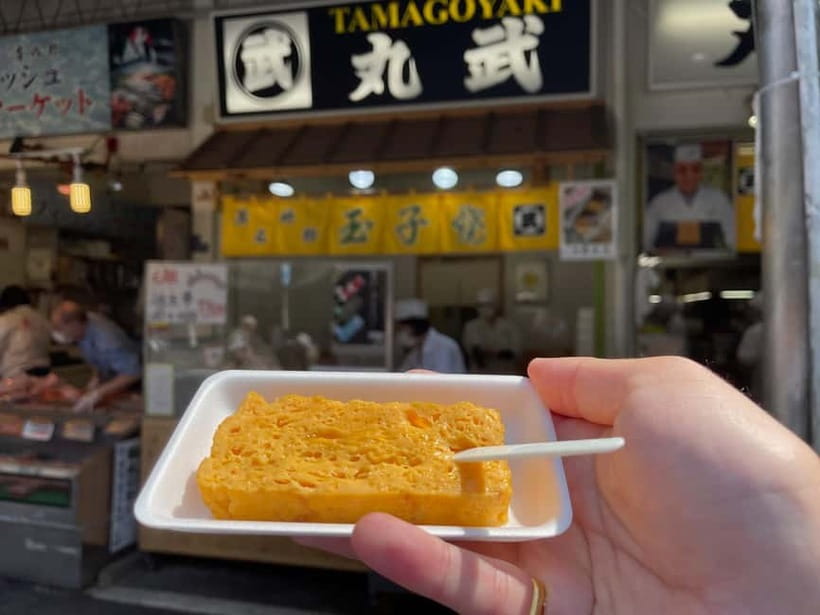
At $83 per person, this is not the cheapest way to buy breakfast in Tokyo. You are paying for the guide’s time, the explanations, the vendor connections, and the included tastings as well as the food itself.
The value improves if you are new to Japanese cuisine. A guide can explain the difference between sashimi and sushi, identify unfamiliar ingredients, and help you approach foods you might otherwise ignore. The market history also gives the meal a setting and purpose.
Keiko’s rapport with vendors is a particular advantage. A friendly introduction can make a small shop feel less intimidating, especially when you do not speak Japanese. The guide can also help keep the group moving while still allowing time for questions.
The price is harder to justify if you already know Tsukiji well or enjoy choosing restaurants and stalls on your own. The one negative account points directly to this issue: a fixed selection of shops may feel limiting when you believe you could make similar stops independently.
For a first market visit, I consider the cost reasonable if you value instruction and a full tasting session. For repeat visitors, the decision depends on whether you want another organized food walk or would rather spend the same money sampling at your own pace.
What makes the guide quality important
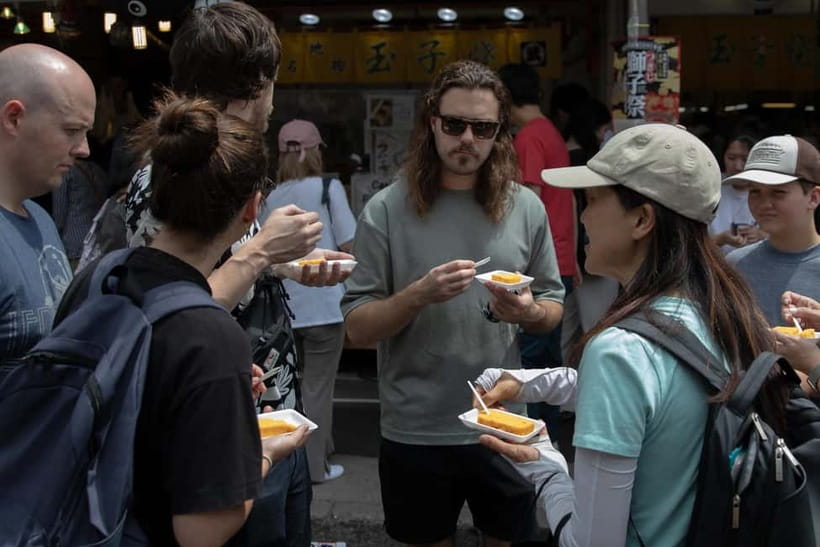
The guide can shape the whole morning. A good guide does more than name each dish. They explain the market, answer questions, manage the timing, and make it easier to speak with vendors.
That is why the repeated praise for Keiko matters. She is described as kind, personable, clear, and familiar with the sellers. Those qualities are especially useful in a crowded food market, where the difference between a pleasant stop and a rushed purchase can come down to communication.
Loc is also praised for his pace and explanations. That suggests the experience is not designed as a race from one bite to the next. You should have enough time to understand what you are eating while still covering a broad section of the market.
No guide can remove every uncertainty. The route remains structured, and your exact experience depends on the guide assigned and the market conditions that day. Still, the available feedback points strongly toward the human side of the tour as one of its best features.
Timing, comfort, and practical planning
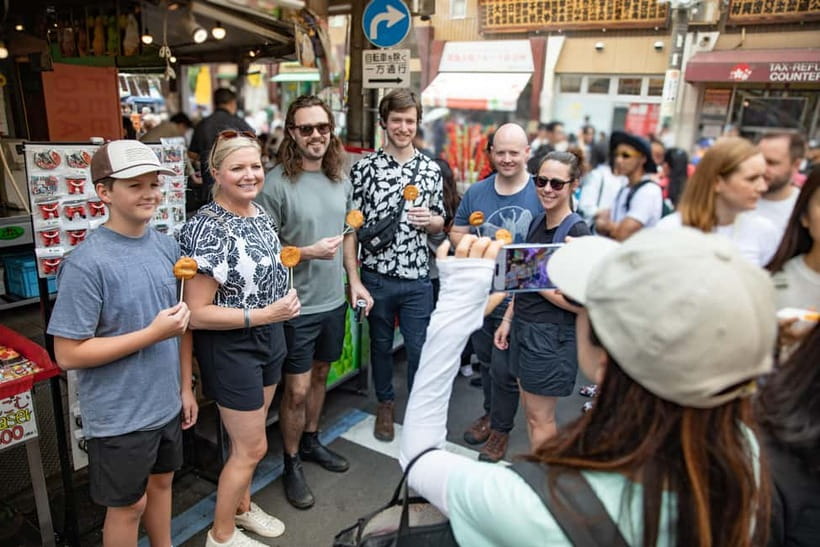
The total duration is 150 minutes. The market visit itself is described as about two hours, with the remaining time covering the start and finish of the activity. That makes it easy to fit into a morning plan without giving up your entire day.
Arrive 10 minutes early at the Lawson meeting point. Bring an appetite and wear comfortable shoes, since the experience involves walking through a working market rather than sitting in one restaurant.
You should also keep your schedule flexible after the tour. The food may be enough for brunch, and you may want time to continue browsing the Outer Market. The activity finishes there, so you can keep exploring instead of returning to the original meeting point.
The tour is wheelchair accessible according to the supplied details. Because market conditions can affect movement, it is still sensible to raise any mobility questions before you reserve.
Cancellation is free up to 24 hours before the start time, and you can reserve now and pay later. Those terms are helpful if your Tokyo plans are still shifting.
Who should book this Tsukiji experience
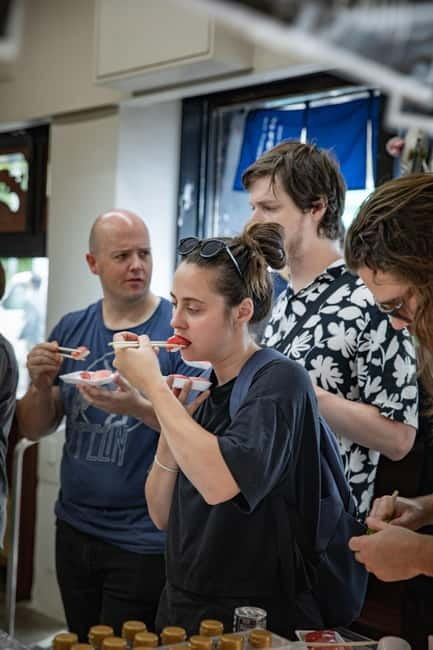
I would recommend this tour to first-time visitors who want a guided introduction to Japanese market food. It is also a good fit for curious eaters who want to try sashimi, soup, tea, and less obvious snacks without making every decision alone.
Families and mixed groups may appreciate the variety. One person can focus on sushi while another tries fish cake or egg roll, and the guide can explain the choices as you go. The 150-minute length is long enough to feel substantial but short enough to pair with other Tokyo plans.
This is less suitable for independent food hunters. If you already know which stalls you want, prefer to set your own pace, or dislike organized stops, the fixed route may frustrate you. The same applies if you are looking for a sit-down meal rather than a walking breakfast.
The tour is also not the right choice if you expect a behind-the-scenes wholesale auction visit or a cooking lesson. The supplied details describe a guided Outer Market tasting walk, not those activities.
Should you book the Tsukiji food tour?
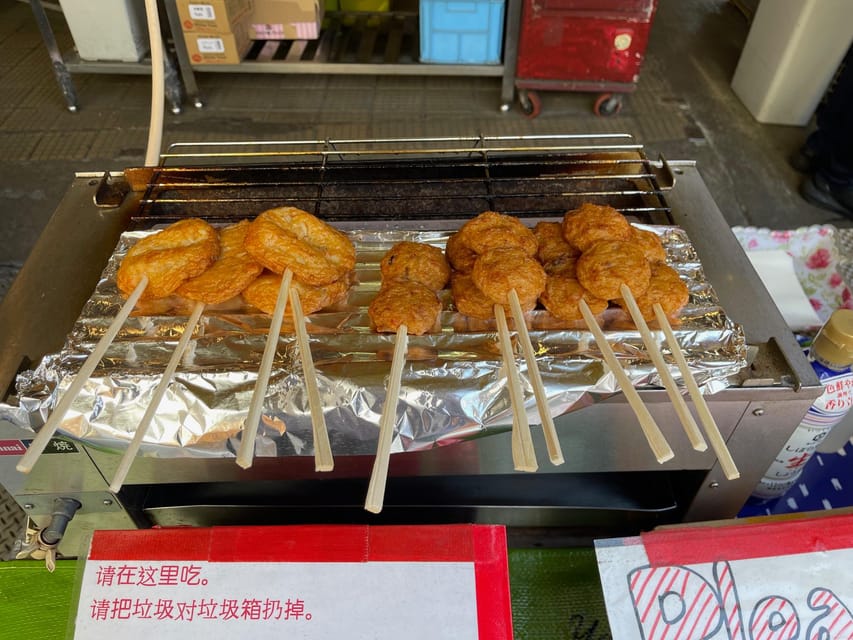
Book it if you want a generous tasting session, an English-speaking guide, and enough background to make sense of Tsukiji. Keiko’s vendor relationships and the broad food selection are the strongest reasons to choose it. Skip breakfast, arrive early, and treat the planned route as part of the service.
Choose another approach if independence matters more than explanation. You can visit the market yourself, choose your own shops, and avoid paying for a guide, but you will give up the organized tasting and the help that makes unfamiliar foods easier to try.
At $83, this is best viewed as a guided food-and-culture morning rather than a simple meal. For a first Tokyo visit, that combination offers solid value. For an experienced Tsukiji regular, the answer depends on how much you want someone else to lead the way.
FAQ
Where does the Tsukiji food tour begin?
It begins at the LAWSON Tsukiji 4 Chome Store. The guide will be holding a board.
How early should I arrive?
You should arrive 10 minutes before the tour starts.
How long does the activity last?
The total duration is 150 minutes. The guided visit to Tsukiji Outer Market lasts about two hours.
What language is the tour offered in?
The live tour guide speaks English.
What foods are included?
Included tastings are tuna sushi, fish cake, egg roll, sashimi, dashi soup, green tea, and more.
Is breakfast included?
The activity includes food served around breakfast or brunch, including the listed tastings. You are advised to skip breakfast before arriving.
Where does the tour finish?
It finishes at Tsukiji Outer Market.
Is the tour wheelchair accessible?
Yes, the activity is listed as wheelchair accessible.
Can I cancel for a full refund?
Yes. You can cancel up to 24 hours in advance for a full refund.
Do I have to pay when I reserve?
No. The reserve-now, pay-later option lets you book without paying immediately.
More Market Food Tours in Japan
- Tokyo: Tsukiji Fish Market Food and Culture Walking Tour
★ 4.7 · 757 reviews - Tsukiji Fish Market: Street Food & Culture Walking Tour
★ 5.0 · 669 reviews - Tsukiji Fish Market Small-Group Food Walking Tour
★ 5.0 · 621 reviews - Kuromon Market Food Walking Tour in Osaka (6 stops, 6 tastes)
★ 5.0 · 550 reviews
Just added around Japan
- Savor Setouchi inland sea Local Food & Bike Tour with Local Guide★ 5.0 · 3 reviews
- Okonomiyaki Counter: Hiroshima Edition★ 5.0 · 2 reviews
- Private Fukuoka Bar Hopping and Food Walking Tour★ 5.0 · 3 reviews
- Fukuoka Evening Tours: Yatai, Izakaya, Karaoke and more★ 5.0 · 21 reviews
- Samurai Food Walk in Kakunodate★ 5.0 · 10 reviews
- Tokyo: Tsukiji walk & sushi private tour with Uni Students★ 5.0 · 17 reviews
- Tokyo: Private Tsukiji Street Food & Sake with Local Guide★ 5.0 · 3 reviews
- Tokyo: Tsukiji Market Guided Tour & Sushi-Making Experience★ 4.4 · 11 reviews
Japan Street Food Tours, compared.
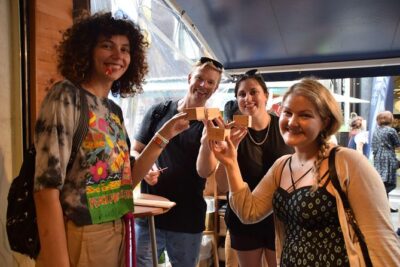
Tokyo Tsukiji Fish Market Food and Culture Walking Tour
Read our review →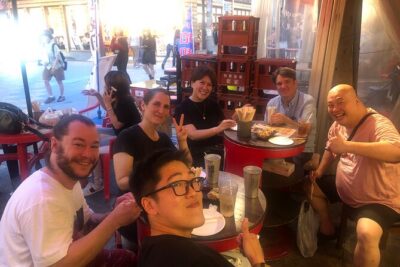
Hungry Osaka Street Food Tour:15 Tastings & 3 Drinks with a Local
Read our review →
Tokyo: Tsukiji Fish Market Food and Walking tour
Read our review →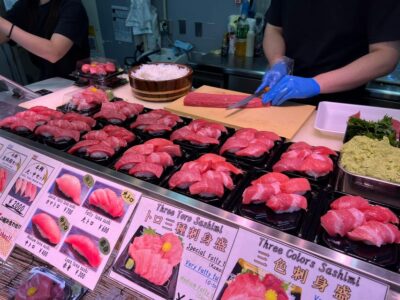
Tokyo: Tsukiji Fish Market Guided Walking Tour
Read our review →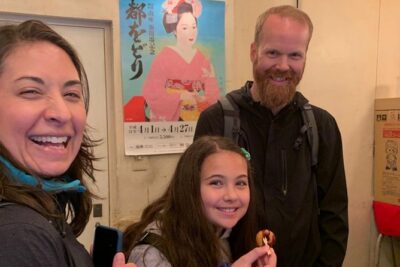
Nishiki Market Brunch Walking Tour (7 Tastings + Brunch)
Read our review →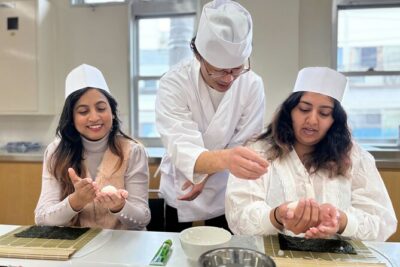
Tokyo Sushi Making Class in Tsukiji with Professional Chef
Read our review →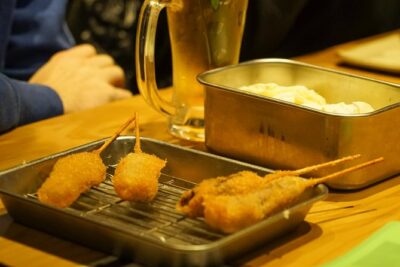
Osaka Local Foodie Walking Tour in Dotonbori and Shinsekai
Read our review →
Browse the lists this tour appears in