
REVIEW · TOKYO STREET FOOD TOURS
Tsukiji: Unlimited Sake Tasting Experience
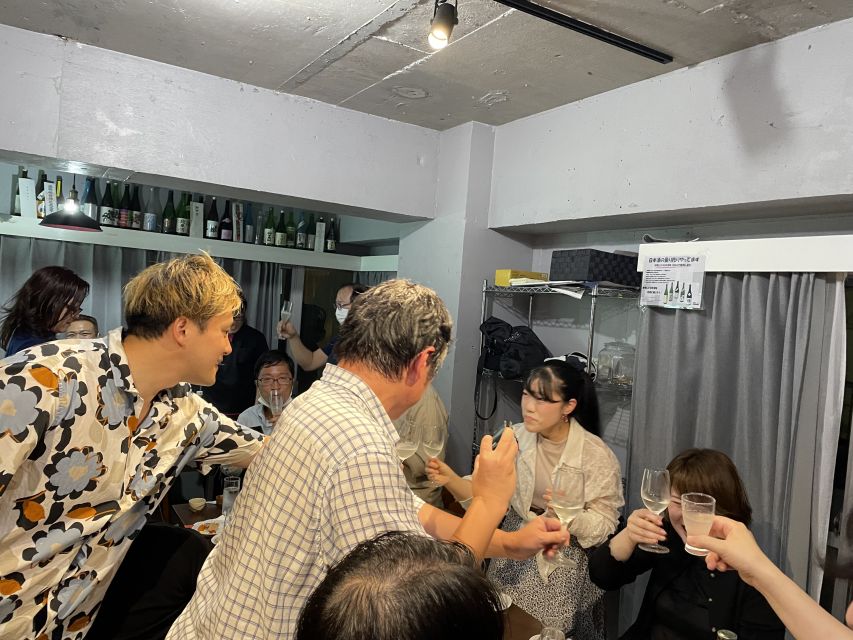
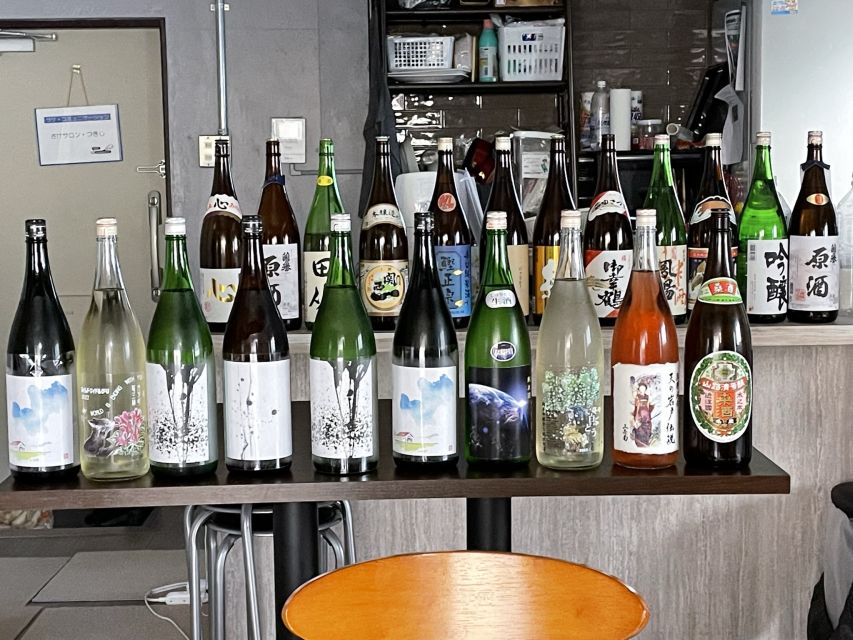
Tsukiji’s best food experience may be the one that does not involve a fish market lunch. In a small private salon, you can work through 50 to 60 kinds of sake from breweries across Japan, usually tasting around 20 to 30 of them in a session. Guides such as Mako, Yuki, Kyoko, and Mako-san adjust the tasting to your level, so you can arrive knowing little and leave with a much clearer idea of what to order.
I like the intimate setting, where a small group can ask real questions and sometimes receive what feels like a private lesson. I also like the temperature comparison, since the same drink can show different flavors when served chilled or warm. The main catch is that snacks are included, but a full meal is not, and 90 minutes can pass quickly when you are trying so many samples.
Key points to know before booking
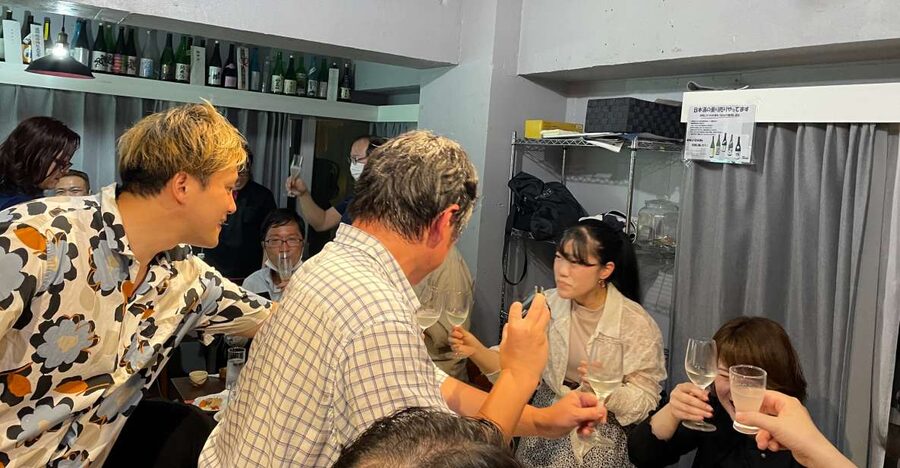
- Try far more than a standard restaurant pour: Around 20 to 30 samples are common, with 50 to 60 bottles available to choose from.
- Learn in a private Tsukiji salon: The small setting makes it easy to ask questions about brewing, breweries, flavor, and serving style.
- Compare warm and chilled sake: The temperature changes the drink, giving you a useful lesson you can apply at restaurants.
- Expect light snacks, not lunch: Cheese, rice crackers, and similar nibbles help with tasting, but food is not included as a full meal.
- English support is provided: The host or greeter speaks English, and sessions have included guides named Mako, Yuki, and Kyoko.
- Plan your drinking responsibly: This is an all-you-can-drink sake session, so eat beforehand and use the water provided during the tasting.
What happens inside the Tsukiji sake salon
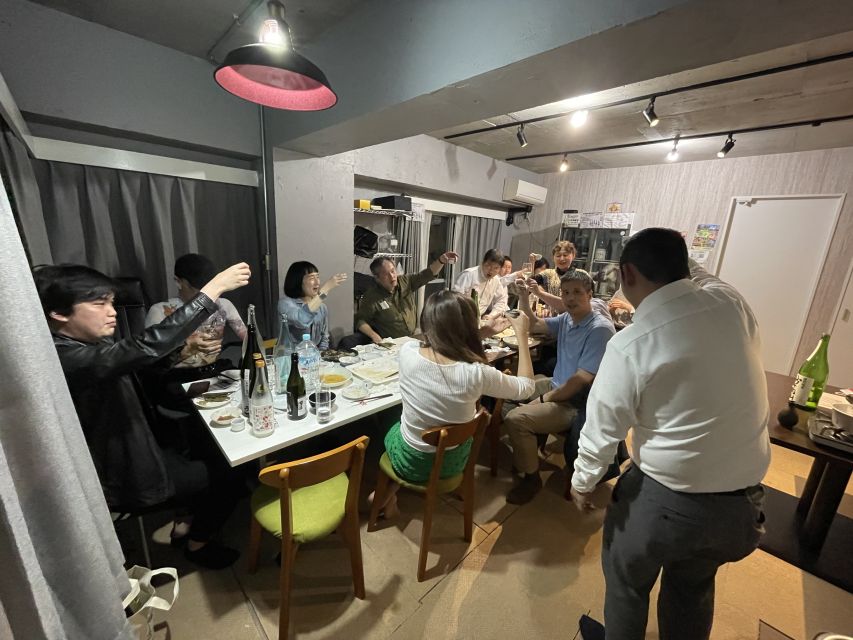
You meet at Sake Lovers Inc., in a red brick building in Tsukiji. Take the elevator to the fourth floor, then use the first door on the left, marked 405. This is not a large bar or a brewery tour. It is a private salon designed for tasting and conversation.
The session lasts 90 minutes according to the booking information. The tasting format is relaxed, but it has a clear educational purpose. Your English-speaking host introduces sake, explains how it is made, and gives background on the brewery and bottle before you taste it.
That order matters. Instead of pouring random drinks and asking you to pick a favorite, the host gives each sample a little context. You begin to notice why one sake feels light and gentle, while another seems dry, bitter, sweet, or full-bodied.
The exact number of pours depends on your pace and the group. The selection includes 50 to 60 different kinds, while people commonly taste about 20 to 30 during the session. You are not expected to drink every bottle. The point is to compare styles and find a few that suit you.
Some sessions are very small. A few have had only one or three participants, creating the feel of a private class. Other sessions give you a chance to meet people from different countries. Either way, the format is far more personal than a crowded tasting counter.
More Fish Market and Seafood Tours in Tokyo
- Tokyo Tsukiji Fish Market Food and Culture Walking Tour
★ 5.0 · 3,184 reviews - Tokyo: Tsukiji Fish Market Food and Walking tour
★ 5.0 · 1,724 reviews - Tokyo: Tsukiji Fish Market Guided Walking Tour
★ 4.9 · 1,397 reviews
Why sake tasting works better than ordering one glass
Many first-time sake drinkers know only the broad label of sake. That is a bit like treating all wine as the same because it comes in a bottle. Sake varies by brewery, rice, brewing method, sweetness, dryness, aroma, and serving temperature.
This experience gives you a practical way to understand those differences. You taste one sample, listen to the explanation, and then compare it with another. After several pours, the menu at a Japanese restaurant becomes less mysterious.
The hosts also explain the brewing process and the place of sake in Japanese food culture. You learn what goes into making the drink, along with the stories behind individual bottles. The education is not delivered as a long lecture. It is tied to what is in your glass.
That makes the session useful for beginners, but it also has appeal if you have already tried sake in Japan. One returning participant used a later visit to taste new bottles, which is a good sign for repeat visitors who want more than an introductory lesson.
The tasting itself: 20 to 30 samples in 90 minutes
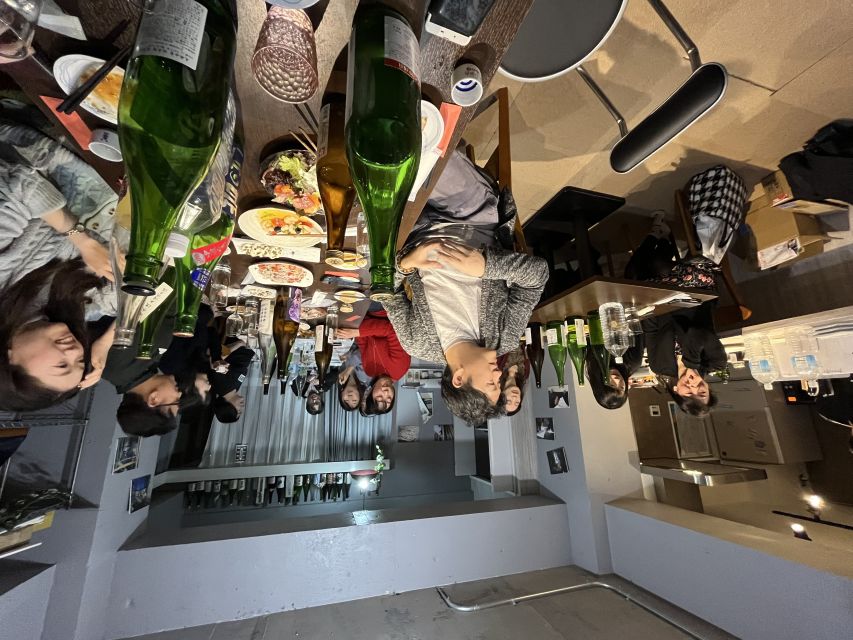
A typical session begins with introductions and a basic explanation of sake. Your host then starts pouring a selection that lets you compare different styles. The tasting moves at a steady pace, with time for questions and small bites between samples.
The full selection is much larger than what you can reasonably taste in 90 minutes. That is a benefit rather than a problem. You can focus on styles that interest you, ask for another sample, or spend more time discussing a bottle that surprises you.
The experience is not only about finding the strongest or most unusual drink. You may prefer a soft, easy sake, a dry sample, or one with a more pronounced flavor. The host can guide you based on what you like, which is especially helpful if restaurant menus leave you guessing.
One useful detail is the progressive nature of some sessions. Kyoko, for example, has led tastings that move through sake in a deliberate order. This gives your palate a sensible path rather than a confusing succession of unrelated flavors.
You should pace yourself. Unlimited tasting sounds generous, but sake still contains alcohol, and 20 or more samples can add up. Water is available, and small snacks help, but eating before you arrive is a wise idea. The experience is more enjoyable when you can pay attention to the flavors instead of simply trying to keep up.
Warm, chilled, and changing flavors
One of the most useful parts of the experience is tasting sake at different temperatures. You may think of sake as a single drink served cold, but temperature can change its aroma, texture, and flavor.
A chilled sample may seem crisp and clean. A warmer pour can feel softer, rounder, or more aromatic. The difference gives you a better sense of why the serving style matters and why a sake that did not impress you cold might work better warm.
This is also a lesson you can use later. If you order sake in a restaurant, you will have a more informed idea of what to request. You may decide that a certain bottle should be served chilled, or that another is worth trying warm.
The temperature comparison is not a gimmick. It is a simple demonstration that helps you understand the drink with your own palate. For anyone who has found sake confusing, this may be the moment when the subject starts to make sense.
Same city, a different plate:
- Tokyo Sushi Making Class in Tsukiji with Professional Chef
★ 5.0 · 1,177 reviews - Tsukiji Fish Market Guided Tour and Sushi Making with Pro Chef
★ 5.0 · 775 reviews - Tokyo: Tsukiji Fish Market Food and Culture Walking Tour
★ 4.7 · 757 reviews - Tsukiji Fish Market: Street Food & Culture Walking Tour
★ 5.0 · 669 reviews
Cheese, rice crackers, and the missing meal
The tasting includes light snacks such as cheese, rice crackers, and similar nibbles. These give you something to eat between samples and show how food changes the way sake tastes.
The snacks are helpful, but do not treat them as lunch or dinner. Food is not included as a full part of the booking. If you are arranging this around a day at Tsukiji, eat beforehand or plan a separate meal afterward.
That limitation is easy to overlook because Tsukiji is known for food. The sake salon itself is focused on education and sampling, not on serving a complete menu. I consider the small snacks enough for the purpose of tasting, but not enough to replace a meal.
The food pairings also make the session more approachable. Cheese and rice crackers are familiar, low-key accompaniments that let you focus on the sake. You can notice how a salty bite, a creamy texture, or a crisp cracker changes the drink in your glass.
The hosts make the difference
The strongest feature of this experience is the host. A bottle list can be impressive, but a good guide turns a shelf of unfamiliar labels into something you can understand.
Mako is described as friendly and well informed, with a knack for adjusting explanations to the group. Yuki has led small sessions that felt like private lessons, offering clear guidance while keeping the mood warm. Kyoko has been praised for her progressive tasting approach and clear explanations of breweries.
The hosts also appear comfortable with complete beginners. You do not need to know technical sake terms before arriving. If your experience is limited to a few restaurant pours or supermarket bottles, you can ask basic questions without feeling out of place.
That is important because sake has its own vocabulary and customs. A formal lesson could make the subject feel stiff. Here, the small salon and conversational approach make it easier to say what you like, what you do not like, and what you want to try next.
English is the stated language for the host or greeter. The quality of the session still depends on the individual guide and group, but the format is clearly intended for international visitors.
Is $54 a fair price?
At $54 per person, this is not the cheapest way to drink sake in Tokyo. You could order one or two glasses at a bar for much less. That comparison misses the main value, though.
You are paying for access to a large selection, an English-speaking host, guided explanations, snacks, and unlimited tasting during the session. If you sample 20 or more kinds and use the lesson to learn how to order sake later, the price is reasonable for a focused educational experience.
The value is best for people who would otherwise buy several drinks without knowing what they are tasting. It is also useful if you want to understand Japanese sake before visiting restaurants, breweries, or specialty shops elsewhere in Japan.
The price is less attractive if your main goal is a full meal, a brewery visit, or taking several bottles home. This is a salon tasting, not a production tour, and food is limited to snacks. Bottles you enjoy may not all be available for purchase at the venue, so do not assume you can buy every favorite afterward.
I would view the $54 as the cost of a guided introduction to sake, not simply the cost of alcohol. For someone curious about the subject, that is a fair exchange. For someone who only wants a casual drink, a bar may be better value.
Who will enjoy this experience most?
This tasting suits curious adults who want to understand Japanese sake without committing to a formal course. It is especially good for first-time drinkers, couples, small groups, and anyone who has felt lost when reading a sake menu.
It also works well for people who enjoy comparing flavors. You will get more from the session if you pay attention to differences and tell the host what you prefer. Saying that you like something dry, sweet, light, fruity, or strong gives the guide a useful starting point.
Repeat visitors can enjoy it too. The large selection means a second session may include bottles you did not try before. One person returned for another visit and found new sake, which is a good reason to consider this if you are spending several days in Tokyo.
Families can attend, but there is an important condition: children will not be served alcohol, and parents must bring their own nonalcoholic drinks for them. Pregnant women should not book, and the activity is not suitable for wheelchair users.
Practical planning for your Tsukiji day
Give yourself enough time to find the red brick building. Once inside, take the elevator to the fourth floor and look for door 405, the first door on the left. The meeting point is specific, so save the address and room number before leaving your hotel.
The session is listed as 90 minutes, with starting times available according to the booking schedule. Another part of the description refers to two hours of unlimited tasting, but you should plan around the stated 90-minute duration when building your day.
Do not schedule a demanding activity immediately afterward. The tasting is social and educational, but it is still alcohol consumption. A relaxed meal or a walk through the Tsukiji area makes more sense than rushing to another appointment.
The booking allows cancellation up to 24 hours in advance for a full refund. You can also reserve now and pay later, which helps if your Tokyo schedule is still changing.
The drawbacks you should weigh
The biggest drawback is the limited food. Cheese and rice crackers are useful tasting companions, but they will not satisfy you after a long morning in Tokyo.
The second is the pace. Trying 20 to 30 sakes in 90 minutes can feel quick, particularly if you want detailed explanations for every bottle. A small group makes discussion easier, but it can also mean you spend longer on questions and taste fewer samples.
The selection is broad, but not every bottle will be available for purchase afterward. If you find a favorite, write down the name or take a photo of the label if permitted. That will make it easier to look for the same sake later.
Finally, unlimited tasting requires self-control. The format encourages comparison, not rapid drinking. Use the water, eat before arriving, and remember that you do not need to sample every available bottle to get your money’s worth.
Should you book the Tsukiji sake tasting?
Book it if you want a friendly, small-scale introduction to Japanese sake and value explanation as much as drinking. The hosts give beginners a clear starting point, while the large selection and temperature comparisons offer enough variety for returning sake fans.
Skip it if you want a full meal, a brewery visit, or a chance to buy every bottle you taste. For most curious adults, though, $54 buys more than a series of pours. It gives you a better palate, a clearer idea of what to order, and a useful connection to one of Japan’s most distinctive drinks.
FAQ
How long does the sake tasting last?
The activity duration is listed as 90 minutes. The description also refers to two hours of unlimited tasting, so check the available start time and plan your day around the stated 90-minute booking duration.
How many kinds of sake can I try?
The salon has 50 to 60 different kinds available. In practice, a session commonly includes around 20 to 30 samples, depending on the pace and group.
Is the sake tasting unlimited?
Yes. Entry to the private salon and all-you-can-drink sake are included.
Is food included?
A full meal is not included. Small snacks such as cheese and rice crackers are available during the tasting.
Is the experience offered in English?
Yes. The host or greeter speaks English, and the session includes explanations about sake, breweries, brewing, and serving temperatures.
Where is the meeting point?
Meet at Sake Lovers Inc. in the red brick building. Take the elevator to the fourth floor, then use the first door on the left, marked 405.
Can children attend?
The experience is family-friendly, but children will not be served alcohol. If you bring children, you must provide their own nonalcoholic drinks.
Who should not take part?
The experience is not suitable for pregnant women or wheelchair users.
More Sake Tastings in Tokyo
- Osaka Sake Tasting with Takoyaki Cooking
★ 5.0 · 156 reviews - Osaka Sake Tasting & Takoyaki Cooking Experience
★ 5.0 · 149 reviews - Nara – Craft Beer, Sake, and Food Walking Tour
★ 3.5 · 9 reviews - Explore Matsumoto: Castle, Sake & Taste of Local Life
★ 4.8 · 6 reviews
More Drinking Tours in Tokyo
- Tokyo VIP Hidden Food & Bar Night – Private Local Experience
★ 5.0 · 57 reviews - Tokyo: Private Tsukiji Street Food & Sake with Local Guide
★ 5.0 · 3 reviews - Tokyo: Shibuya Bar Crawl – 3 Drinks & Local Foods –
★ 5.0 · 3 reviews - Lucha Libre Tickets & Tacos & Beer & Mezcal – BEST NIGHT EVER!
★ 5.0 · 1,077 reviews
Just added around Tokyo
- Tokyo: Tsukiji walk & sushi private tour with Uni Students★ 5.0 · 17 reviews
- Tokyo: Private Tsukiji Street Food & Sake with Local Guide★ 5.0 · 3 reviews
- Tokyo: Tsukiji Market Guided Tour & Sushi-Making Experience★ 4.4 · 11 reviews
- Tokyo: Tsukiji Market and Hama-rikyu Gardens Guided Tour★ 4.8 · 73 reviews
- Tokyo Tsukiji Food & Culture Private Tour Licensed Guide★ 4.9 · 28 reviews
- Tokyo: Tsukiji Fish Market Culture Tour with Sashimi Tasting★ 4.6 · 54 reviews
- Tokyo: Tsukiji, Ginza, and Asakusa Japanese Culture Tour★ 5.0 · 2 reviews
- Tokyo: Tsukiji Fish Market Foodie and Educational Tour★ 5.0 · 4 reviews
Tokyo Street Food Tours, compared.
Tokyo Tsukiji Fish Market Food and Culture Walking Tour
Read our review →
Tokyo: Tsukiji Fish Market Food and Walking tour
Read our review →
Tokyo: Tsukiji Fish Market Guided Walking Tour
Read our review →
Tokyo Sushi Making Class in Tsukiji with Professional Chef
Read our review →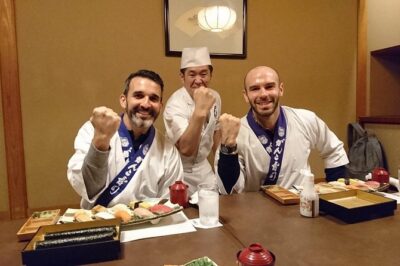
Tsukiji Fish Market Guided Tour and Sushi Making with Pro Chef
Read our review →Tokyo: Tsukiji Fish Market Food and Culture Walking Tour
Read our review →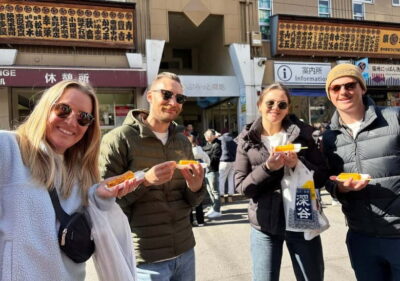
Tsukiji Fish Market: Street Food & Culture Walking Tour
Read our review →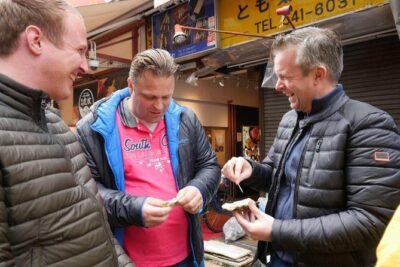
Tsukiji Fish Market Small-Group Food Walking Tour
Read our review →Browse the lists this tour appears in