
REVIEW · CHINATOWN FOOD TOURS
Manila Chinatown Food Tour Experience
Manila’s Binondo district is best understood one bite and one street at a time. This two-hour food walk takes you through one of the world’s oldest Chinatowns, with Filipino-Chinese snacks, old buildings, local shops, and short rides by tuk-tuk and jeepney. Guide Venus, also called V, leads the route in English.
I like the chance to eat beyond the usual Manila stops and the way local transport becomes part of the outing. I also like that the tour takes you into areas you might skip on your own. The main caution is that the food selection may feel incomplete if you came expecting every famous Binondo specialty, and the historical explanation may be fairly light.
Key points to know
- Shanghai fried siopao and Lord Stow’s egg tart are among the foods specifically enjoyed on the route.
- Tuk-tuk and jeepney rides add a local, practical side to the walking tour.
- Venus, also known as V, guides the experience in English and explains Filipino culture.
- Tutuban Center Mall is the meeting point, making it easy to identify before the walk begins.
- The route runs for two hours, though the final portion may continue beyond the main food stops.
- Fresh lumpia, kuchay dumplings, and hand-pulled noodles are not guaranteed, so serious food hunters should set expectations carefully.
Binondo: Manila’s Chinese Filipino crossroads
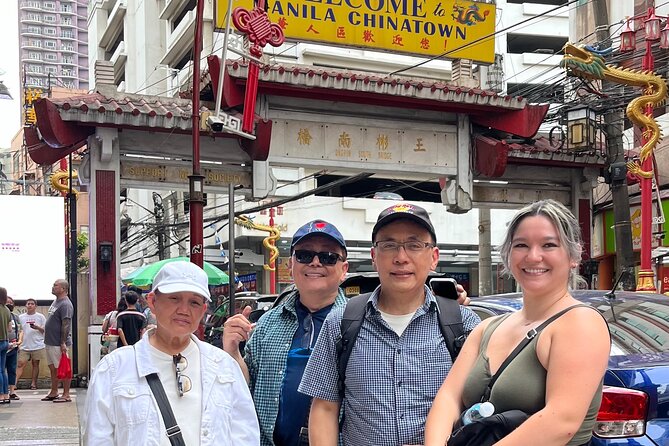
Binondo, commonly called Manila Chinatown, sits in the heart of the capital and carries centuries of Chinese Filipino influence. The district is known for Chinese restaurants, small food shops, traditional celebrations, old structures, and streets where daily commerce takes place at close range.
This is not a polished food hall. You should expect a real city neighborhood, with the movement, noise, traffic, and visual clutter that come with it. That is part of the point. The tour places food beside ordinary city life, so you are not only tasting dishes. You are also seeing how Chinese and Filipino customs meet in Manila.
The experience is listed at $65 per person for two hours. That is not a cheap snack crawl, so the value depends on what you want. If you mainly want a long list of food samples, you may find the price hard to justify. If you want a guide, local transport, cultural context, bottled water, and an introduction to streets you may not choose alone, the package makes more sense.
One practical note deserves attention. The supplied location information says Nueva Vizcaya, while the meeting point, food route, and description clearly refer to Binondo and downtown Manila. Confirm the exact location before booking, especially if you are arranging transport from outside Manila.
More Chinatown Food Tours in Philippines:
- Manila: Intramuros and Chinatown Food Tour with Food Samples
★ 4.8 · 12 reviews - Manila Chinatown Food Tour with Local Guide
★ 5.0 · 6 reviews - Manila: Binondo Chinatown Food Tour with Free Food Samples
★ 5.0 · 5 reviews
Meeting Venus at Tutuban Center Mall
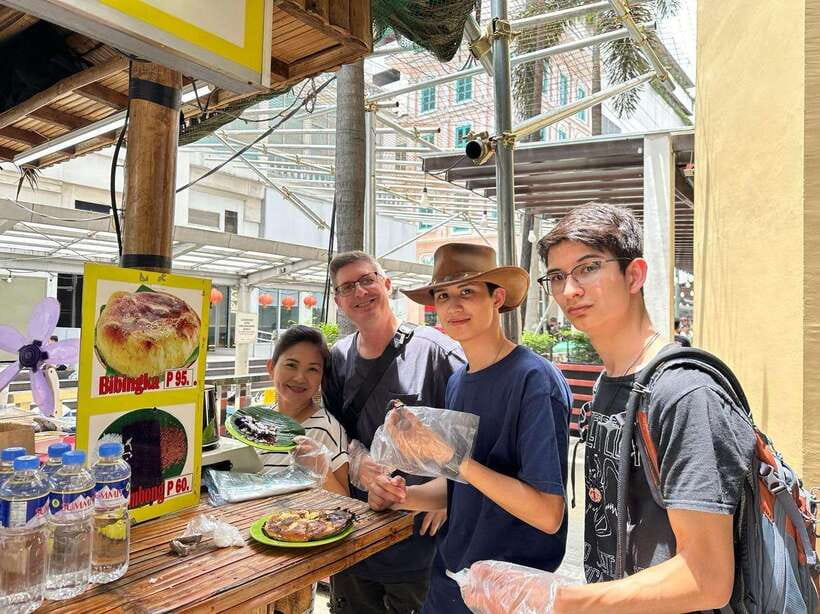
The meeting point is the entrance of Tutuban Center Mall. This gives you a clear landmark in a district where street names and small storefronts can be confusing, but you still need to allow plenty of time to reach it.
Traffic caused a late arrival for one participant who was staying farther away. I would leave early, even if your map suggests a short journey. Manila traffic can turn a simple transfer into the most stressful part of the day.
Venus, also referred to as V, is the named local guide. The strongest feedback about the tour centers on her energy, cultural explanations, and personal approach. She is described as helpful, informative, and passionate, which matters on a walking tour through a busy district. A guide who can explain what you are seeing gives the streets more meaning than a simple list of snack stops.
Bring questions. The tour specifically encourages them, and that is good advice. Ask about the Chinese and Filipino influences in the district, the food traditions, the buildings, and the way local transport fits into daily life. Your questions may help turn a quick food walk into a more useful introduction to Manila.
Tasting the Chinese Filipino street food
The food is the heart of this experience, but the exact menu should be treated as a sample rather than a full survey of Binondo cuisine.
Shanghai fried siopao is one confirmed highlight. This filled bun offers the kind of quick, savory bite that suits a walking route. It is also a useful example of how Chinese food traditions have become part of Manila’s everyday food culture.
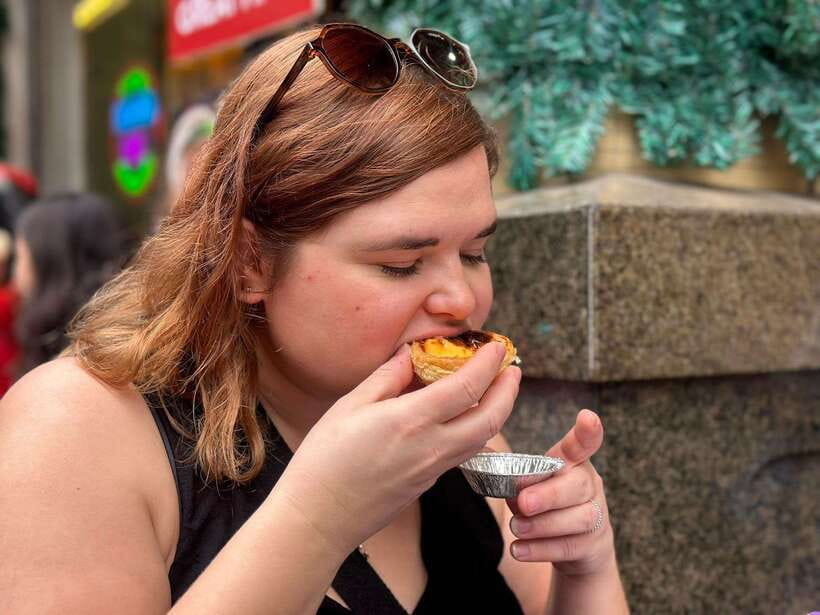
Lord Stow’s egg tart is another named stop. Its sweet custard filling gives the tasting sequence a change of pace after savory food. Having both a savory snack and a dessert-style bite helps keep the short tour from feeling like one long series of similar flavors.
The tour also promises Filipino street food in Tondo and Binondo, with sweet, savory, and spicy flavors along the way. That wording leaves room for changes based on availability, timing, and the day’s route. You should not assume that every food shown in promotional material will be served.
This matters because Binondo has several famous dishes that food-focused visitors may hope to try. Fresh lumpia at New Po Heng Lumpia House, kuchay dumplings at Dong Bei Dumplings, and hand-pulled noodles at Lan Zhou La Mien were specifically wished for but were not part of one recent route. If those dishes are your main reason for booking, ask Venus in advance if they can be included or if the itinerary has changed.
That limitation does not make the food poor. It simply means the tour is better viewed as a guided introduction than as the final word on Binondo eating. You may taste good food, learn what to seek later, and return independently for the specialties that were not included.
Come hungry, as requested. A two-hour route with several tastings is more enjoyable when you have room for the food. Bottled water is included, which is helpful in Manila’s warm conditions and during the walking portions.
Old buildings and a light historical layer
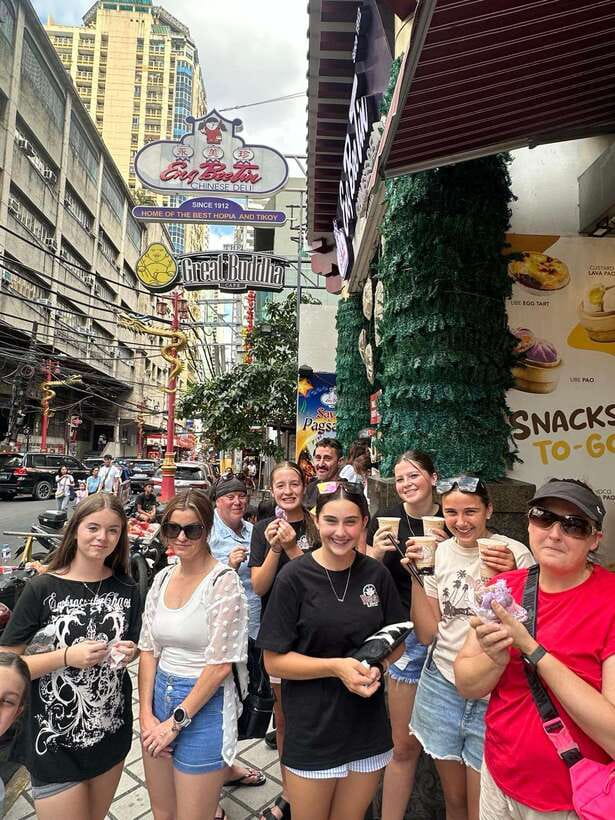
The route includes historical landmarks and some of the oldest buildings in the area. This gives the walk a setting beyond restaurants and stalls. Old facades, commercial lanes, and long-standing neighborhood structures help show how Binondo developed as a Chinese Filipino district.
Still, you should keep your expectations measured. The historical side may not be the tour’s strongest feature. One assessment found that the explanations about Chinatown lacked depth, and that is useful to know if you want a serious history walk.
I would book this for a practical introduction to the district, not a detailed lecture on Manila’s past. Venus can answer questions about Filipino culture, and her explanations are said to be useful, but the short two-hour format limits how much history can fit between food stops and transport changes.
The best approach is to notice the district while moving through it. Look at how old buildings sit beside shops and road traffic. Pay attention to the blend of Chinese names, Filipino habits, and food traditions. You may gain more from asking focused questions than from waiting for a long formal explanation.
Same city, a different plate:
- Manila Food Tour: Introduction to Philippine Street Food
★ 5.0 · 417 reviews - Manila: Street Food and Drinks Walking Tour with Tastings
★ 4.8 · 114 reviews - The Original Cebu City Historical and Food Walking Tour
★ 4.5 · 81 reviews - Manila: Sightseeing and Food Walking Tour with Tastings
★ 4.7 · 68 reviews
Tuk-tuks, jeepneys, and the shape of the route
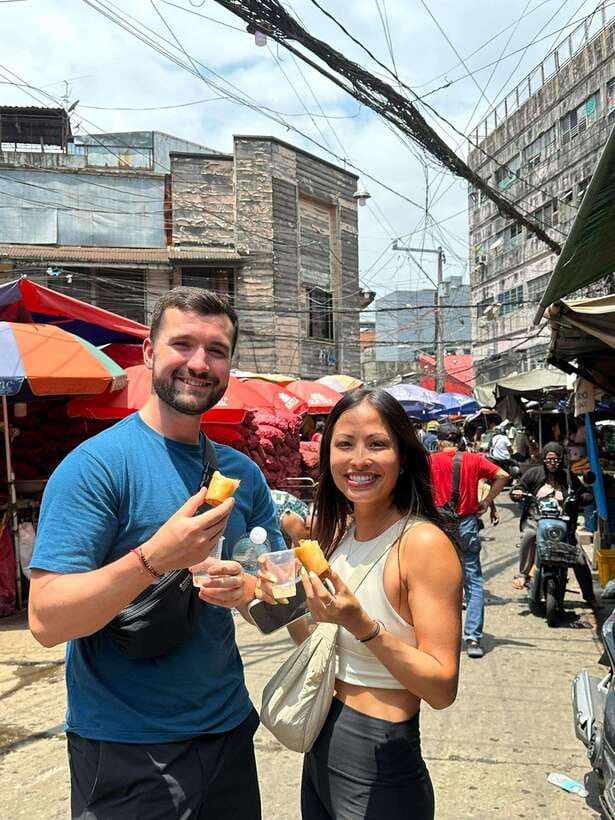
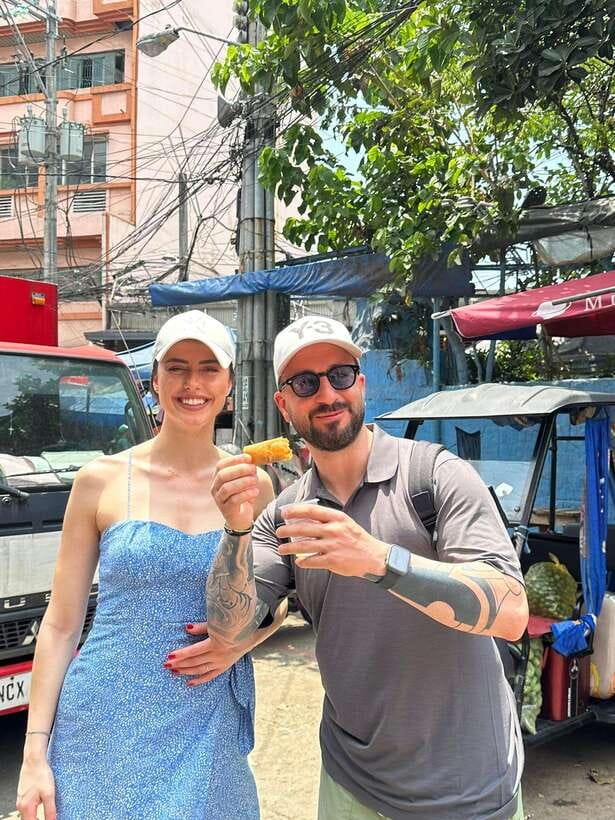
The local transport is one of the most distinctive parts of the outing. You may ride a tuk-tuk and a jeepney, giving you a short taste of how people move through Manila beyond private cars and tourist buses.
These rides are not just a novelty. They connect separate parts of the experience and show you the city at street level. A jeepney ride, in particular, places you inside a familiar part of Philippine daily transport. The tuk-tuk adds another local touch and makes the route feel less like a standard walking circuit.
At the same time, transport takes time. A two-hour tour is short, and each ride reduces the minutes available for food, buildings, and conversation. If you prefer to spend every minute eating, you may see the rides as a tradeoff. I see them as part of the cultural value, provided you understand that this is not a nonstop tasting menu.
The experience includes food in downtown Tondo and Binondo. That wider reach is useful because it can take you beyond the streets you might find by staying near the most familiar Chinatown landmarks. It also makes timing more important. Traffic, loading, and short transfers can affect the end of the tour.
What two hours really gives you
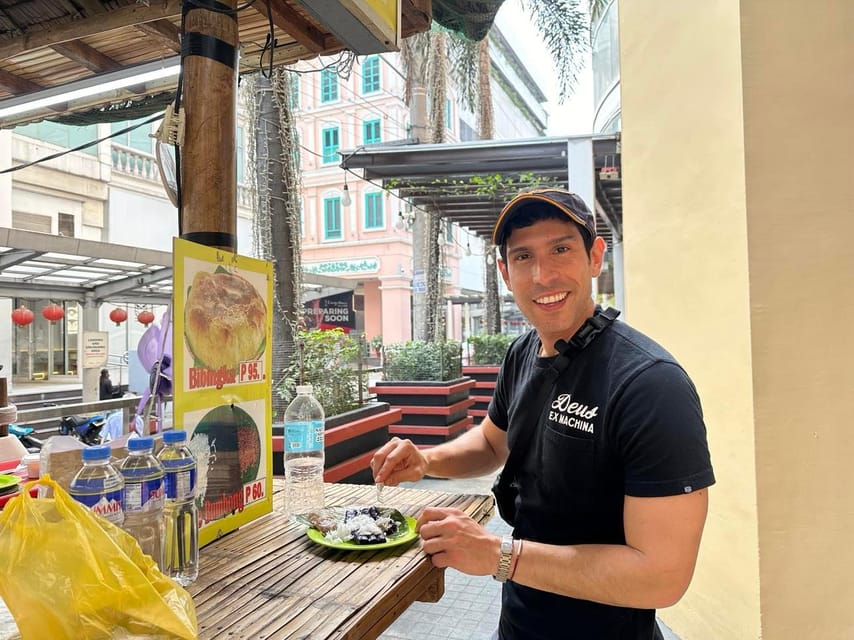
Two hours is enough for a brisk introduction. You can meet the guide, walk through part of the district, try selected foods, see older structures, and use local transportation. You cannot expect a full survey of Binondo’s restaurants, shops, celebrations, and historical sites in that time.
The timing also needs careful planning at the end. One person expected the food portion to finish when the two hours were up, but found the group continuing into another part of the route that did not involve more tastings. This created a problem because another activity had been booked nearby.
For that reason, do not schedule a separate tour immediately after this one. Ask Venus at the start how the timing works and when the main food stops end. If you have a fixed appointment, tell the guide early. The tour is short, but the final transition may not match your assumption of a hard stop.
The experience runs rain or shine. Wear clothing suitable for walking and changing weather, and keep your plans flexible. Children aged three and up are allowed, but the busy streets, food variety, and transport changes may require close attention from adults.
Is $65 a fair price?
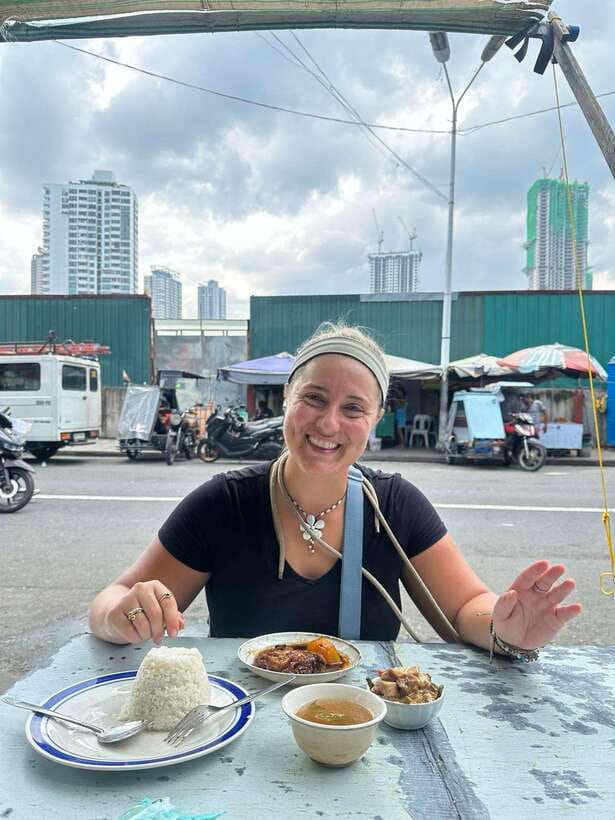
At $65 per person, this is a mid-priced guided food walk rather than a bargain snack outing. The cost includes a live English-speaking guide, food tastings, bottled water, and local transportation. You are also paying for route planning and the confidence of moving through an unfamiliar part of Manila with someone who knows the area.
The value is strongest for first-time visitors who want cultural orientation as much as food. Venus’s role adds context, and the tuk-tuk and jeepney rides provide experiences you might not arrange easily during a short stay.
The value is weaker for independent eaters who already know Binondo or who mainly want specific dishes. You could spend less by choosing restaurants and snacks yourself, though you would lose the guide’s route, explanations, and transport component.
The menu is the key question. Shanghai fried siopao and Lord Stow’s egg tart have been singled out as good stops, but several famous Binondo foods were not included on one recent outing. Before paying $65, ask what dishes are planned for your date. That simple question will tell you if the tour fits your appetite.
The booking terms add flexibility. You can cancel up to 24 hours before the activity for a full refund, and you can reserve now and pay later. The experience asks you to book within 24 hours, so check the exact availability and starting time when you arrange it.
Who will enjoy this Binondo food walk?
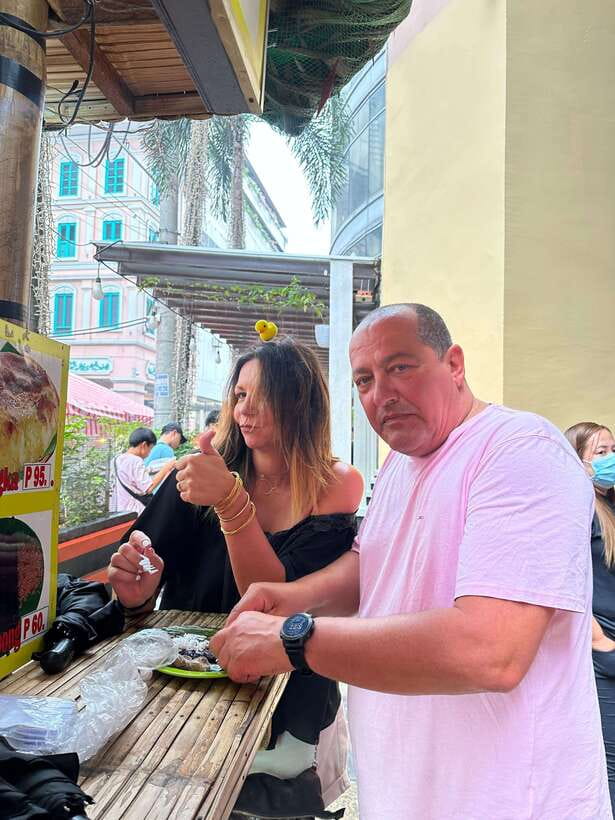
I would recommend it most strongly to first-time Manila visitors, curious eaters, and anyone who wants a guided look at Chinese Filipino culture without committing to a full-day program.
It also suits people who enjoy variety. You are not only sitting in one restaurant. You are walking, sampling food, looking at old buildings, asking questions, and using more than one type of local transport.
It may suit families with children aged three and up, but adults should consider the pace, street conditions, and food preferences before booking. The tour is also a good fit for people who like meeting others, since the group can include people from different countries.
I would be more cautious about recommending it to dedicated food specialists. If you have a precise list of fresh lumpia, kuchay dumplings, and hand-pulled noodles, confirm the menu first. You may prefer a longer food-focused outing with more control over each stop.
Should you book the Manila Chinatown Food Tour?
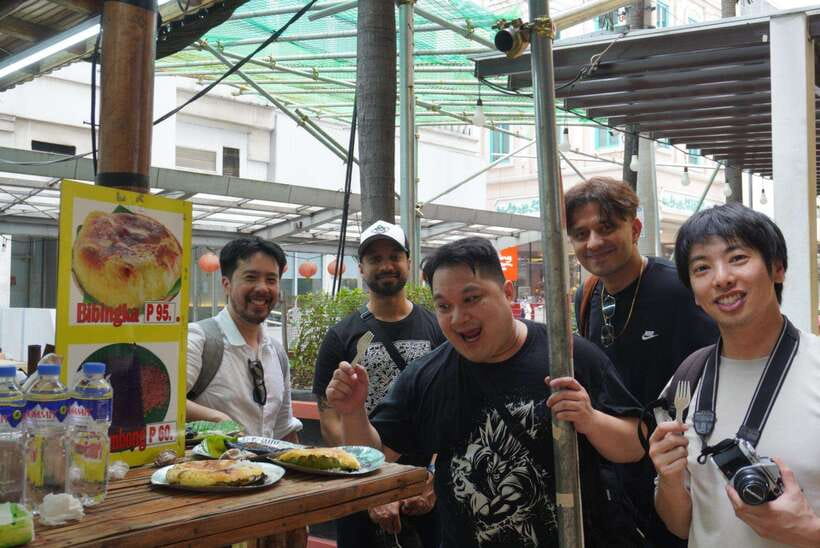
Book it if you want a guided first look at Binondo, Filipino-Chinese street food, and local transport in one compact outing. Venus appears to be the main strength, and the combination of food, culture, and tuk-tuk and jeepney rides gives the experience a personal feel.
Skip it if you need a detailed historical tour, a guaranteed list of famous dishes, or a strict two-hour finish with no extra route afterward. The food menu can be less ambitious than the district itself.
For the best chance of a good day, arrive early at Tutuban Center Mall, come hungry, ask about the exact food stops, and leave space after the scheduled finish. With those expectations in place, the tour offers a lively and useful introduction to one of Manila’s most distinctive neighborhoods.
FAQ
Where does the Manila Chinatown Food Tour meet?
The meeting point is at the entrance of Tutuban Center Mall.
How long does the tour last?
The listed duration is two hours. The route may continue into a final section after the main food tastings, so allow extra time before your next activity.
What language is the tour conducted in?
The live tour guide speaks English.
Who leads the experience?
The local guide is Venus, also called V.
What food is included?
The experience includes Filipino street food in downtown Tondo and Binondo. Shanghai fried siopao and Lord Stow’s egg tart are specifically associated with the route, but the exact food selection can vary.
Are fresh lumpia, kuchay dumplings, and hand-pulled noodles included?
They are not guaranteed. Fresh lumpia from New Po Heng Lumpia House, kuchay dumplings from Dong Bei Dumplings, and hand-pulled noodles from Lan Zhou La Mien were not included on one recent route.
Is transportation included?
Yes. The experience includes local transportation, including tuk-tuk and jeepney rides.
Can children join the tour?
Yes. Children aged three and up are allowed.
What happens if it rains?
The tour operates rain or shine. Bring suitable clothing and plan for outdoor walking.
Just added around Philippines
- The Original Cebu City Historical and Food Walking Tour★ 4.5 · 81 reviews
- Makati: Street Food Experience with a Local Guide★ 4.6 · 14 reviews
- Manila Street food and Night Market Tour★ 4.7 · 21 reviews
- Manila Street Food and Drinks with Tuktuk Experience★ 5.0 · 4 reviews
- Manila Night Market with Local Guide★ 4.7 · 12 reviews
- Manila: Intramuros and Chinatown Food Tour with Food Samples★ 4.8 · 12 reviews
- Manila Chinatown Food Tour with Local Guide★ 5.0 · 6 reviews
- Manila: Binondo Chinatown Food Tour with Free Food Samples★ 5.0 · 5 reviews
Chinatown Food Tours, compared.

SoHo, Little Italy, and Chinatown Walking Tour in New York
Read our review →
Bangkok Authentic Tasting Thai-Chinatown Walking Food Tour
Read our review →
Bangkok Tuk-Tuk Tour by Night with Chinatown Street Food Meal
Read our review →
Bangkok Tuk-Tuk by Night with Chinatown Street Food Meal
Read our review →
Bangkok: Chinatown Food Tour with Michelin Food Stalls
Read our review →
New York City: Food Walking Tour of Chinatown & Little Italy
Read our review →Browse the lists this tour appears in