
REVIEW · CHINATOWN FOOD TOURS
Manila: Intramuros and Chinatown Food Tour with Food Samples
Manila’s strongest city walk pairs two very different sides of the capital: the stone walls and colonial landmarks of Intramuros, followed by the family-run food stalls and Chinese Filipino flavors of Binondo. I like the contrast, and I like that a tuk-tuk connects the two districts instead of making you walk the whole way through busy streets. The small group, capped at eight people, also gives the guide room to explain details and help with photographs.
The main catch is the pace and physical effort. You walk for roughly two hours before settling into three hours of food tasting, often in Manila heat. Food allergies are listed as a serious concern, wheelchair users cannot join, and the $80 price makes the tour best for visitors who want both sightseeing and a substantial tasting experience rather than a cheap stroll.
Key points at a glance
- Seven Binondo tastings: Expect items such as fried siopao, pork siomai, lumpia, hopia, pansit, egg tart, and buchi, depending on availability.
- Three major Intramuros sights: Fort Santiago, Manila Cathedral, and San Agustin Church give the first half a clear historical shape.
- Tuk-tuk transfer: A 20-minute ride links Intramuros with Binondo while adding a local transport experience.
- Small group format: With no more than eight participants, you can ask questions and receive photography help.
- Helpful named guides: Jane and Jayne are associated with warm explanations, personal attention, and help getting home after the tour.
- Five-hour city sampler: The tour works well when you want Manila’s landmarks and food in one half-day outing.
Why this Manila pairing works
Many city tours separate sightseeing from food. This one puts them together in a logical sequence. You begin with Manila’s Spanish colonial center, then move toward Binondo, where Chinese influence has shaped local food, trade, and daily life for generations.
That change of setting is the real appeal. Intramuros gives you walls, churches, old gates, and stories tied to the Philippines’ colonial period. Binondo gives you dumplings, noodles, pastries, and streets where Filipino and Chinese traditions meet on the plate.
I especially like that the tour does not treat Chinatown as a quick photo stop. Three hours are reserved for tasting, which gives the food portion enough room to feel like a proper part of the day. The guide can explain how Chinese cooking has influenced Filipino favorites, rather than simply handing you one snack after another.
You should also expect a practical, people-focused experience. The named guides Jane and Jayne receive strong praise for being friendly, clear, and helpful beyond the formal route. One guide even stayed with guests while they waited for a taxi and checked that they reached their next stop safely. That sort of care matters in a large city, especially if Manila is new to you.
More Chinatown Food Tours in Philippines:
- Manila Chinatown Food Tour with Local Guide
★ 5.0 · 6 reviews - Manila: Binondo Chinatown Food Tour with Free Food Samples
★ 5.0 · 5 reviews - Manila Chinatown Food Tour Experience
★ 4.2 · 4 reviews
Starting at Fort Santiago
The tour begins at the Fort Santiago Gate. This is a sensible meeting point because the fort gives you an immediate sense of Intramuros and its role in Manila’s past.
You spend about an hour walking through the fort. Expect preserved ruins, old stonework, and places connected with José Rizal, the Philippine national hero. The guide’s interpretation is important here. Without context, the fort can look like a collection of walls and courtyards. With a guide, the site becomes a place tied to colonial rule, wartime suffering, and the national story.
Photography assistance is included, which is useful at Fort Santiago. The site has several strong photo spots, and a guide can help you frame the gates, stone corridors, and historic remains. Flash photography is not allowed, so bring a camera or phone and use natural light.
The hour-long visit is long enough to see the main areas without turning the morning into a museum marathon. Still, you are outdoors and on your feet. Wear shoes with good support, bring water, and use sunscreen. Manila’s heat can make a short walk feel much longer.
Manila Cathedral and San Agustin Church
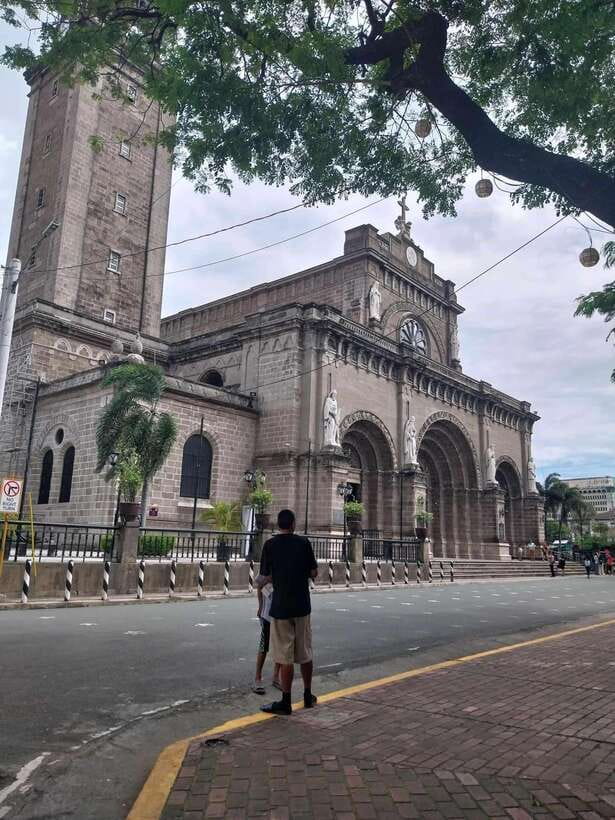
From Fort Santiago, you walk for about 20 minutes to Manila Cathedral. The walk helps connect the separate sights, but it also means you are not simply being driven from one entrance to the next. You get a closer look at Intramuros as a district.
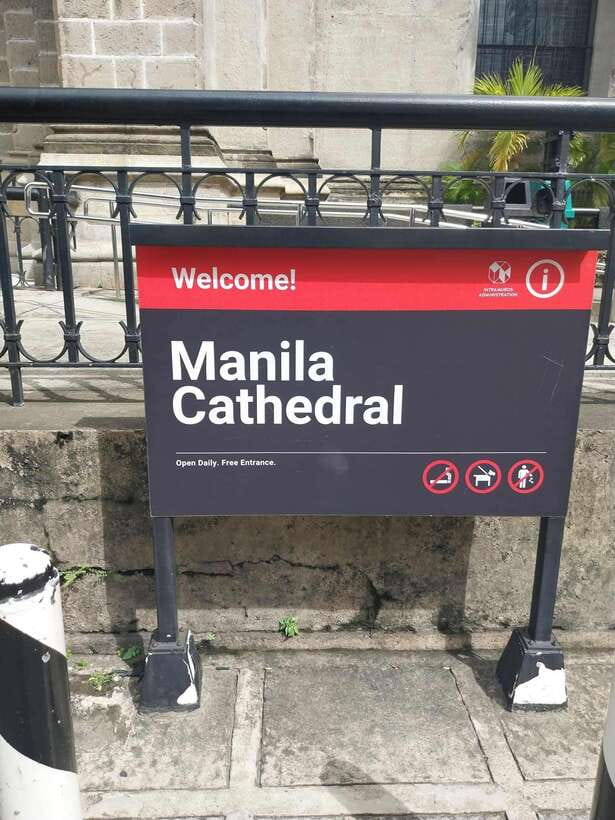
Manila Cathedral has survived repeated natural disasters and changes over time. It serves as both a religious building and a marker of Manila’s long Spanish Catholic connection. Your guide can explain why the cathedral matters beyond its facade and interior design.
The next stop is San Agustin Church, another short walk away. It is the oldest stone church in the Philippines and a UNESCO World Heritage Site. Its baroque design gives you a different visual experience from the fort and cathedral, with more attention to religious decoration and architectural detail.
These church visits are valuable for visitors who want context, but they may feel less engaging if you prefer food, street scenes, or modern Manila. The tour is clearly built around heritage sites, so give this section your attention rather than treating it as filler before lunch.
Check any instructions from the guide before taking photographs. Flash photography is not permitted, and churches may have their own expectations for behavior and dress.
The 20-minute tuk-tuk ride
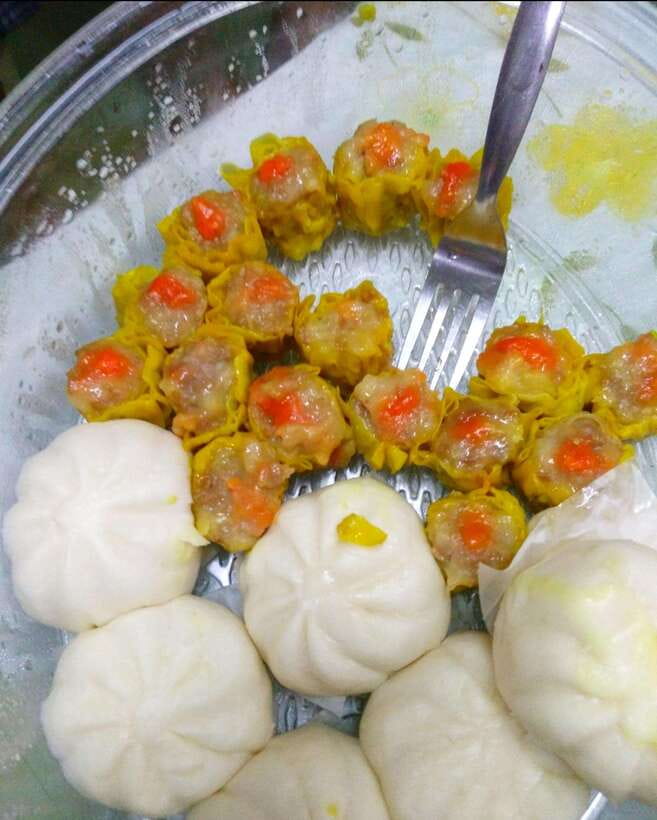
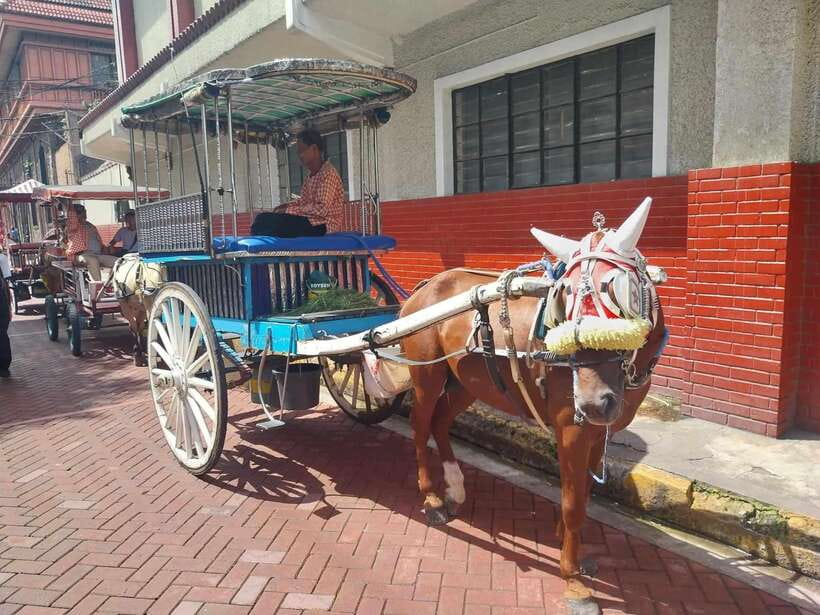
After the Intramuros walking section, you take a tuk-tuk toward Chinatown. The ride lasts about 20 minutes and adds a welcome change of pace.
This is not just a transfer in the practical sense. From the back of a tuk-tuk, you can watch Intramuros shift from cobblestone streets and old walls toward the denser city around Binondo. It gives you a quick look at the contrast between preserved heritage areas and modern Manila.
The ride is also a small but memorable part of the outing. It is breezier than walking and breaks up the heat before the food stops. Do not expect a long sightseeing drive with extended stops. The value is in the local feel and the connection between the two halves of the tour.
The tuk-tuk is described as an eco-friendly vehicle, but the more important point for you is comfort and variety. After roughly two hours of walking, sitting for part of the route makes the five-hour schedule easier to manage.
Same city, a different plate:
- Manila Food Tour: Introduction to Philippine Street Food
★ 5.0 · 417 reviews - Manila: Street Food and Drinks Walking Tour with Tastings
★ 4.8 · 114 reviews - The Original Cebu City Historical and Food Walking Tour
★ 4.5 · 81 reviews - Manila: Sightseeing and Food Walking Tour with Tastings
★ 4.7 · 68 reviews
Eating your way through Binondo
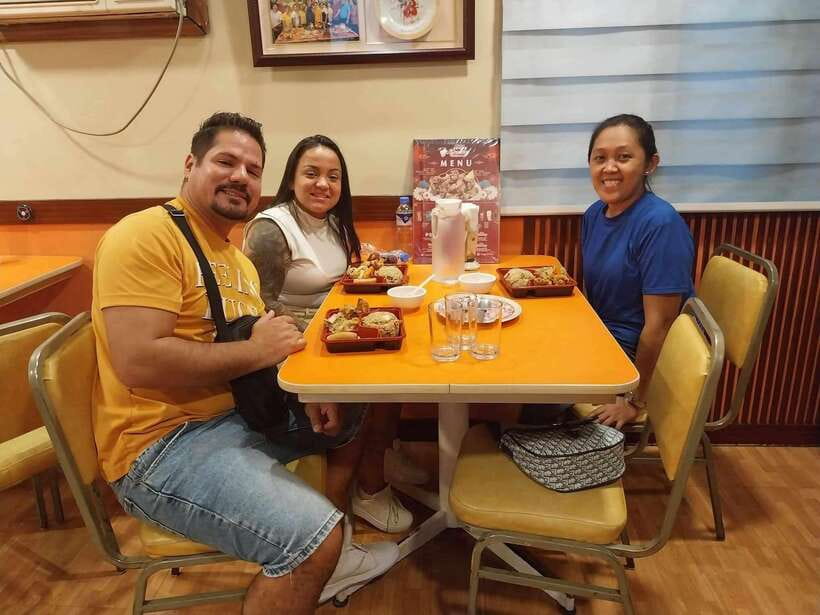
The food portion takes about three hours and ends at Binondo Church. Binondo is recognized as the world’s oldest Chinatown, and the tour uses food to show how Chinese traditions became part of Filipino life.
You taste at least seven Chinese delicacies. The exact selection depends on availability, but the planned items include:
- Fried siopao
- Pork siomai
- Lumpia
- Hopia with mung bean filling
- Pansit
- Egg tart
- Buchi
This is a good spread because it covers several types of food. You get steamed or savory bites, fried snacks, noodles, pastry, and sweet treats. Pansit gives you a fuller dish, while siomai and lumpia let you sample smaller portions as you walk between stops.
Hopia is a particularly useful inclusion for first-time visitors. Its pastry shell and mung bean filling show a Chinese food tradition that has become familiar in the Philippines. Buchi and egg tart provide a sweeter finish, though the exact order and availability may change.
The food is meant to be more than a checklist. Your guide explains how Chinese culture has shaped Filipino cuisine and why Binondo developed into such an important center. That explanation makes the tasting more worthwhile than simply buying random snacks on your own.
The food can also be plentiful. One guest described the meal as filling enough that resisting additional snacks afterward was difficult. Plan accordingly. If you eat a large breakfast or lunch before the tour, you may have less room to appreciate the full range of samples.
You should tell the operator about allergies or dietary restrictions in advance. The activity specifically warns that people with food allergies are not suitable for the tour, so do not assume substitutions will be available. The listed tasting plan also includes pork, wheat-based pastries, and other ingredients that may not suit every diet.
Ending at Binondo Church
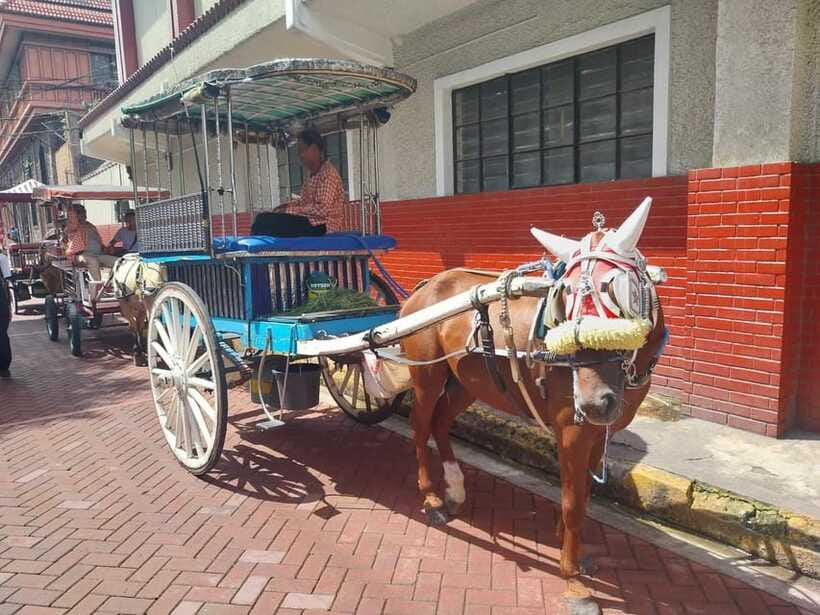
The tour finishes at the Minor Basilica and National Shrine of Saint Lorenzo Ruiz, commonly called Binondo Church. This gives the route a final heritage stop rather than ending at an anonymous food stall.
The church ties the food district back to the wider story of Manila. After tasting Chinese influenced dishes, you end at a site that reflects the religious and cultural layers of the city.
The finish point is useful for planning the rest of your day, but transport after the tour is not included. Ask your guide for help if you need a taxi or directions. The personal assistance provided by guides such as Jane and Jayne has been a notable part of the experience, including help while guests waited for their ride.
What the $80 price buys you
At $80 per person, this is not a budget street-food walk. The price includes an English or Tagalog-speaking guide, entry to Fort Santiago, the tuk-tuk ride, seven food tastings, and photography assistance.
The value depends on how you would otherwise spend the day. If you would pay separately for a guided Intramuros visit, Fort Santiago entry, transport to Binondo, and a substantial food crawl, the package is easier to justify. You also gain a small group rather than joining a large crowd.
The food is the main factor in the price. Seven tastings spread across three hours can replace a meal, and the guide supplies the cultural connection between dishes. If you mainly want to see the churches and fort, you can likely find a simpler sightseeing option. If you want food but do not care about history, a dedicated Chinatown food tour may offer more tasting time for less money.
The reserve-now, pay-later option helps if your Manila schedule is still changing. You can cancel up to 24 hours ahead for a full refund, according to the stated terms. Starting times vary, so check availability before booking.
Who should book this walk
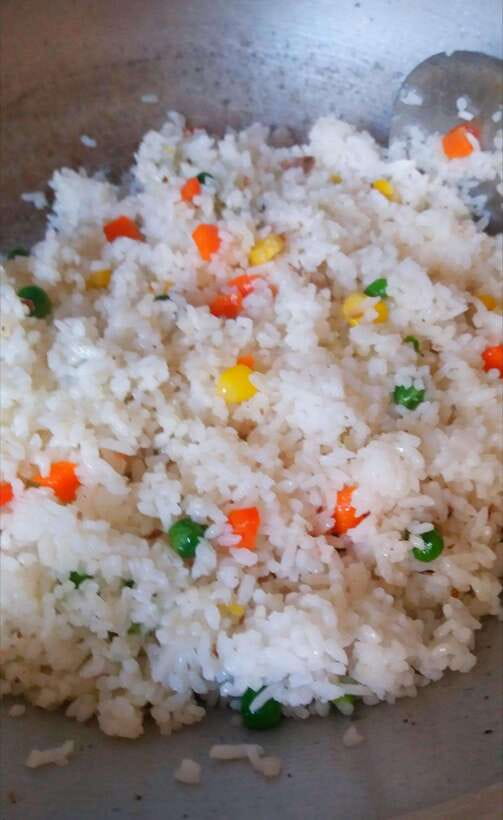
I would choose this for a first visit to Manila, especially if you want a guided introduction rather than a list of disconnected stops. It suits couples, families with older children, and solo visitors who like having a local guide handle the route.
The group limit of eight is a real advantage. You can ask about ingredients, history, and getting around without trying to catch a guide’s attention across a large crowd.
The tour is also a good fit for anyone who wants authentic local food but feels unsure about choosing stalls independently. You get a planned introduction to Binondo, with the guide explaining what you are eating and why it matters.
I would be cautious if you have limited stamina, food allergies, or mobility concerns. This is a walking tour with several stops and no wheelchair access. Comfortable clothing, walking shoes, water, sunscreen, and a camera are the right gear.
My verdict on this Intramuros and Binondo tour
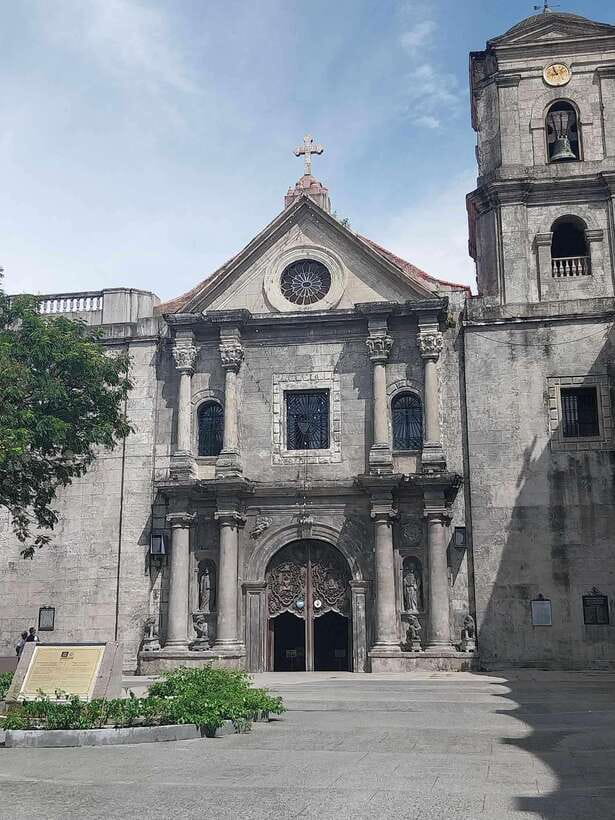
Book it if you want one carefully shaped half-day that combines Fort Santiago, two major churches, a tuk-tuk ride, and seven Chinese Filipino food samples. The strongest parts are the contrast between Intramuros and Binondo, the small group size, and the friendly help offered by guides such as Jane and Jayne.
Skip it if your priority is a low-cost meal, a relaxed pace, or fully accessible sightseeing. For the right visitor, $80 buys more than food and admission. It buys a guide who gives Manila’s old stones and busy food streets a clear connection.
FAQ
Where does the tour begin?
It begins at the Fort Santiago Gate in Intramuros. Exact meetup details are advised within 24 hours after booking.
Where does the tour end?
The tour ends at the Minor Basilica and National Shrine of Saint Lorenzo Ruiz, also known as Binondo Church.
How long does the experience last?
The full experience lasts five hours. The schedule includes about one hour at Fort Santiago, walks to the churches, a 20-minute tuk-tuk ride, and about three hours of food tasting.
What food is included?
Seven tastings are included. Possible items are fried siopao, pork siomai, lumpia, hopia, pansit, egg tart, and buchi. The selection depends on availability.
Is transportation included?
A tuk-tuk ride from Intramuros to Chinatown is included. Other transportation, including travel after the tour ends, is not included.
What languages are available?
The live guide service is available in English and Tagalog.
How large is the group?
The tour is limited to eight participants.
Is the tour suitable for wheelchair users?
No. The activity is not suitable for wheelchair users because it involves walking between several sites.
Can people with food allergies join?
The activity states that it is not suitable for people with food allergies. You should also inform the operator about allergies or dietary restrictions before the tour.
Just added around Philippines
- The Original Cebu City Historical and Food Walking Tour★ 4.5 · 81 reviews
- Makati: Street Food Experience with a Local Guide★ 4.6 · 14 reviews
- Manila Street food and Night Market Tour★ 4.7 · 21 reviews
- Manila Street Food and Drinks with Tuktuk Experience★ 5.0 · 4 reviews
- Manila Night Market with Local Guide★ 4.7 · 12 reviews
- Manila Chinatown Food Tour with Local Guide★ 5.0 · 6 reviews
- Manila Chinatown Food Tour Experience★ 4.2 · 4 reviews
- Manila: Binondo Chinatown Food Tour with Free Food Samples★ 5.0 · 5 reviews
Chinatown Food Tours, compared.

SoHo, Little Italy, and Chinatown Walking Tour in New York
Read our review →
Bangkok Authentic Tasting Thai-Chinatown Walking Food Tour
Read our review →
Bangkok Tuk-Tuk Tour by Night with Chinatown Street Food Meal
Read our review →
Bangkok Tuk-Tuk by Night with Chinatown Street Food Meal
Read our review →
Bangkok: Chinatown Food Tour with Michelin Food Stalls
Read our review →
New York City: Food Walking Tour of Chinatown & Little Italy
Read our review →Browse the lists this tour appears in