
REVIEW · TOKYO STREET FOOD TOURS
Tokyo: Private Tsukiji Street Food & Sake with Local Guide
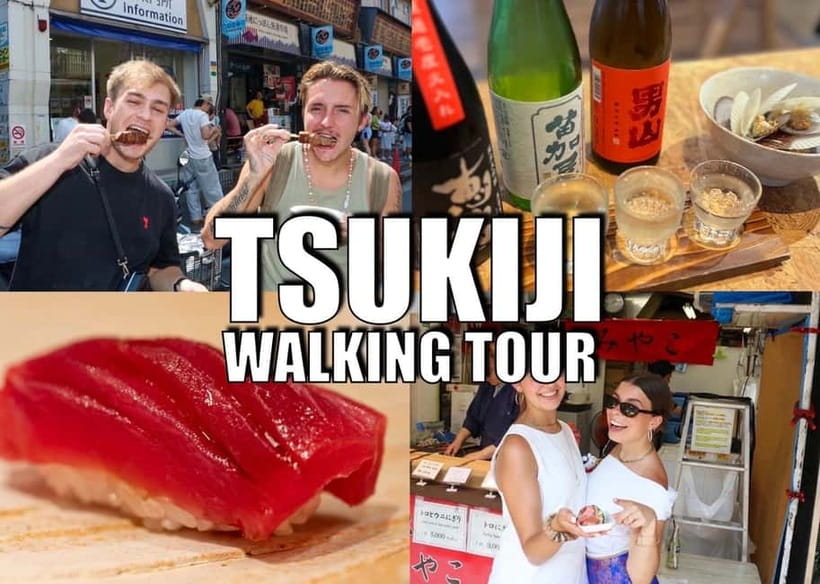
The best part of this two-hour walk is the way it links Tsukiji’s food stalls with the less expected world of temple architecture, traditional tea, and sake. You are not simply sent into the market with a list of shops. A guide leads you through the crowds, explains what you are tasting, and handles the language gap.
I like the included food stops, especially the charcoal-grilled wagyu skewer and dashi-filled tamagoyaki. I also like the final sake session, where three sakes and one special selection come with baby scallops. The main consideration is pace: two hours passes quickly, and extra snacks or shopping cost more.
Key points at a glance
- A surprising temple start: Tsukiji Hongwanji combines Indian-inspired stone details, animal carvings, stained glass, and Japanese Buddhist tradition.
- Four included tastings: Your $99 covers wagyu, tamagoyaki, tea and bean samples, dashi broth, and the full sake flight with scallops.
- A guide makes Tsukiji easier: You get help finding the worthwhile stalls and understanding what is included.
- A calm pause in the market: A century-old specialty shop offers chilled tea, black beans, peanuts, and dashi.
- A proper sake finish: Compare three types plus a special pour instead of drinking one generic sample.
- Useful personal attention: Guides ask about food restrictions and can suggest lunch options for the rest of your day.
Starting with Tsukiji Hongwanji’s unusual design
Meet your guide at the main gate of Tsukiji Hongwanji Temple. Look for someone holding a smartphone marked AlvaJapan. This is a simple meeting point, and it puts you beside one of Tokyo’s more unusual religious buildings before the market crowds take over.
The temple is worth more than a quick photograph. Its stone exterior and decorative details reflect Indian architectural ideas, while the building remains a working expression of Japanese Buddhist tradition. Look for carved animals and stained glass. These details feel far removed from the familiar wooden temple style associated with Kyoto.
The guide spends about 20 minutes here, giving you the background needed to understand why the building looks this way. The temple was reconstructed after a major fire during the Meiji era, and that rebuilding story adds weight to what might otherwise be a short photo stop.
I like this opening because it gives the tour a little shape. You begin with architecture and history, then move into food. The drawback is that the temple visit is fairly brief. If you want a long, quiet temple visit, this tour is not designed for that. Think of it as a useful introduction before the main event.
More Fish Market and Seafood Tours in Tokyo
- Tokyo Tsukiji Fish Market Food and Culture Walking Tour
★ 5.0 · 3,184 reviews - Tokyo: Tsukiji Fish Market Food and Walking tour
★ 5.0 · 1,724 reviews - Tokyo: Tsukiji Fish Market Guided Walking Tour
★ 4.9 · 1,397 reviews
Making sense of Tsukiji Outer Market
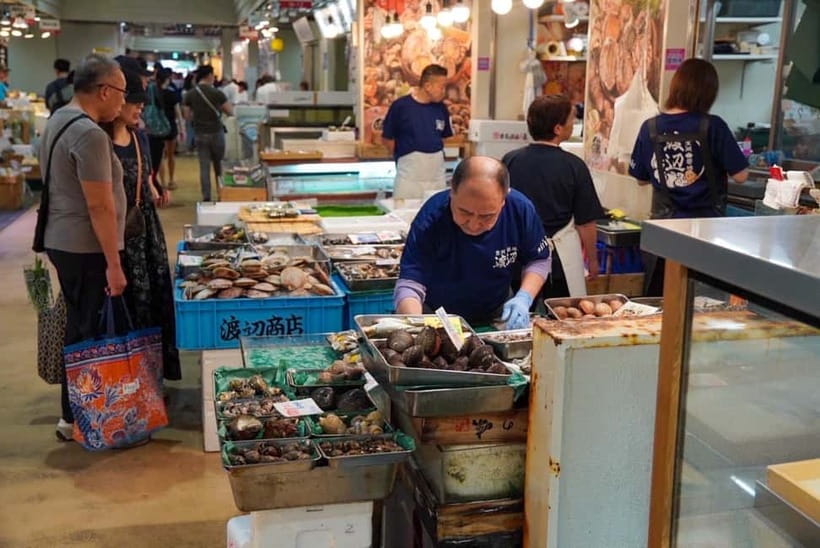
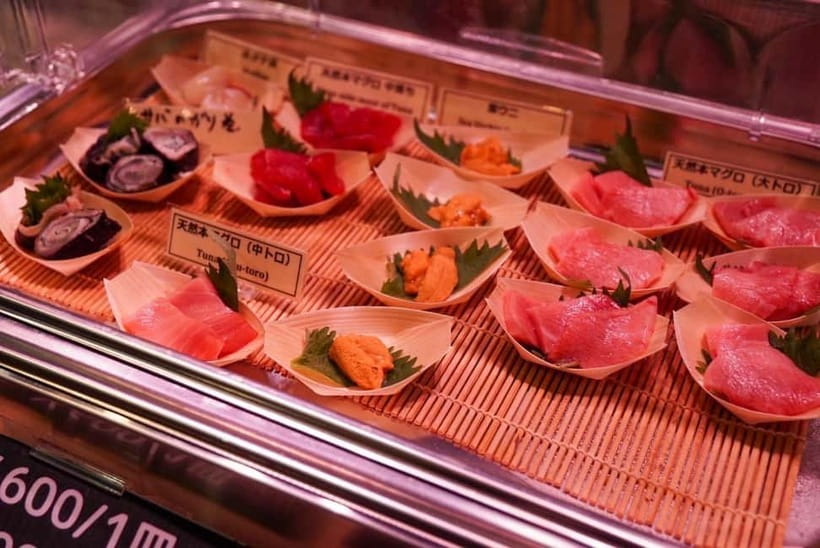
From the temple, you walk into Tsukiji Outer Market for roughly 100 minutes. The market is known for seafood, but its food range is much broader. You may see prepared dishes, snacks, specialty stores, and small counters serving food as you wait.
The former inner wholesale fish market moved to Toyosu, but Tsukiji Outer Market continued as a place for shops and eating. That distinction matters. You are not visiting the wholesale auction site here. You are exploring the older market district that still supplies a strong taste of Tokyo food culture.
This is where a local guide earns the fee. Tsukiji can feel confusing, especially when signs are limited or several stalls appear to offer similar food. Your guide takes you to the included tastings, explains what you are receiving, and helps you avoid spending your whole visit trying to work out where to go next.
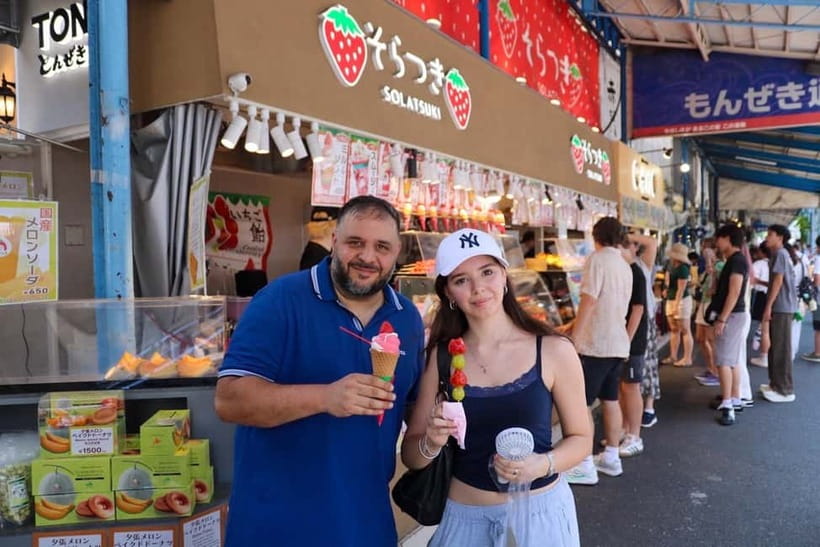
A small point is worth clarifying: the included food is specific. You receive one wagyu skewer and one portion of tamagoyaki, along with the other listed tastings. Any extra seafood, sweets, drinks, or market purchases come from your own pocket. Carry some cash for those extras, even though the main tasting costs are covered.
Wagyu and tamagoyaki, the first real bites
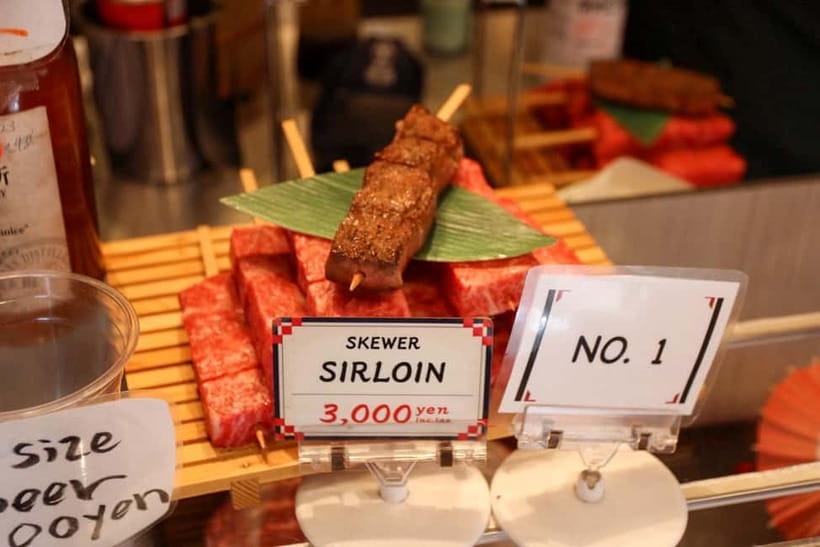
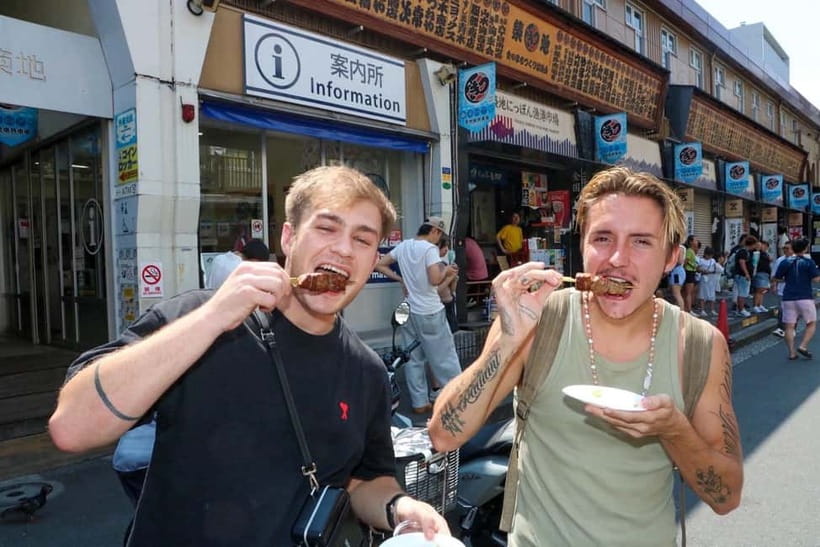
The first major food stop features a charcoal-grilled wagyu beef skewer. It is a compact serving rather than a full meal, but that is the right scale for a market walk. You can taste the beef, notice the grilling, and still have room for the other stops.
The second bite is tamagoyaki, the Japanese rolled omelet. Here it is described as fluffy and full of dashi flavor, so it offers a useful contrast to the grilled beef. The wagyu is savory and direct. The omelet is softer, lighter, and shaped by the broth used in the mixture.
I appreciate that these are not random snacks chosen only because they photograph well. They introduce two familiar parts of Japanese food: careful grilling and dashi-based cooking. The guide can also ask about eating restrictions and preferences. That personal check mattered on one recent private booking, where the guests received food choices tailored to what they liked.
The food is served as you move, so do not expect a sit-down meal. This is a tasting route. If you arrive very hungry, you may want to buy an extra item in the market, but remember that those purchases are not part of the $99 price.
A quiet tea and dashi stop after the crowds
After the market’s noise and movement, the tour pauses at a traditional specialty shop with more than a century of service. This is one of the more thoughtful parts of the route because it changes the pace.
You taste chilled Japanese teas, black beans, peanuts, and dashi broth. The selection gives you several different ways to think about everyday Japanese flavor. The tea is cooling, the beans and peanuts offer a simple savory-sweet note, and the dashi shows the stock that supports so much Edo-style cooking.
Dashi can be easy to overlook when it appears in a dish, but tasting the broth on its own makes its role clearer. It is the gentle base behind foods such as tamagoyaki, rather than a loud seasoning that takes over the plate.
I like this stop because it gives you a moment to pay attention. Tsukiji is full of smells, voices, and movement. A traditional shop with a slower rhythm lets you notice the ingredients instead of rushing from one purchase to the next.
The tea and food samples are included. You do not need to keep coins ready for each bite, which makes the route easier to follow. If you enjoy the products, you can make your own purchases, but the cost of those items is separate.
Same city, a different plate:
- Tokyo Sushi Making Class in Tsukiji with Professional Chef
★ 5.0 · 1,177 reviews - Tsukiji Fish Market Guided Tour and Sushi Making with Pro Chef
★ 5.0 · 775 reviews - Tokyo: Tsukiji Fish Market Food and Culture Walking Tour
★ 4.7 · 757 reviews - Tsukiji Fish Market: Street Food & Culture Walking Tour
★ 5.0 · 669 reviews
Four pours and scallops to finish
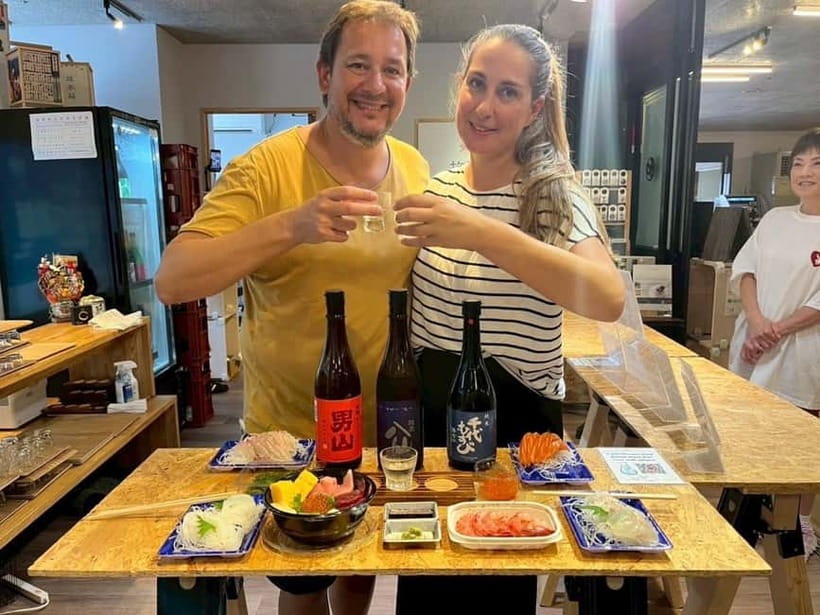
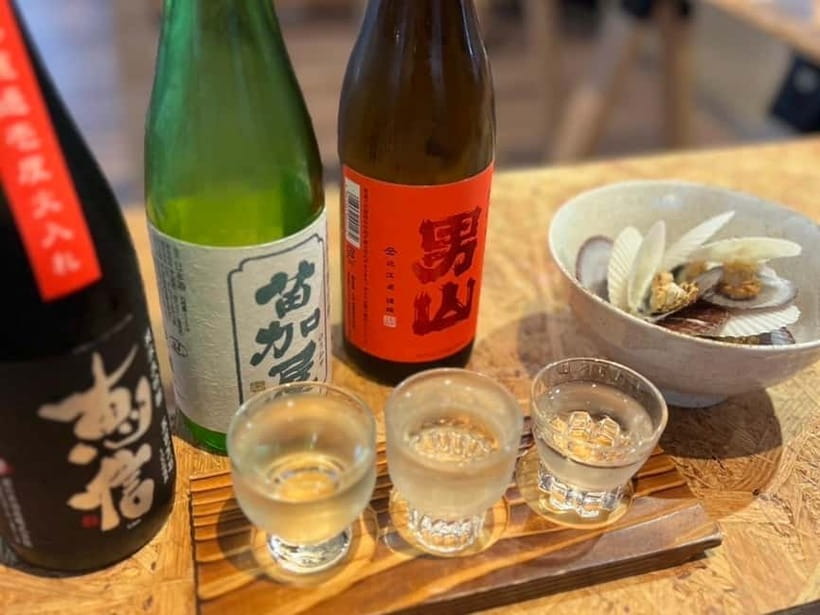
The tour closes with a guided sake tasting lasting about 40 minutes. You compare three kinds of sake plus one special selection, with baby scallops prepared using sake.
This is more useful than a single tasting because comparison teaches you what to notice. You can look at differences in aroma, texture, and finish from one pour to the next. The guide or certified sake specialist explains the samples, so you are not left guessing why one tastes lighter or more full-bodied than another.
The scallops add a food pairing rather than treating the sake as a drink in isolation. Their small size fits the tasting format, and the pairing gives you a practical sense of how sake works with seafood.
You must bring identification for this part. Japan’s legal drinking age is 20, and the sake tasting is not available to anyone below that age. If you do not drink alcohol, the supplied information does not specify a substitute, so ask about this before booking.
The sake session received especially strong praise for its quality and relaxed tone. The guides are described as upbeat, friendly, and attentive, with a style that makes it easy to ask questions. That matters here. Sake can seem intimidating if you know little about it, but a short guided comparison is a friendly way to begin.
What the guide adds to the experience
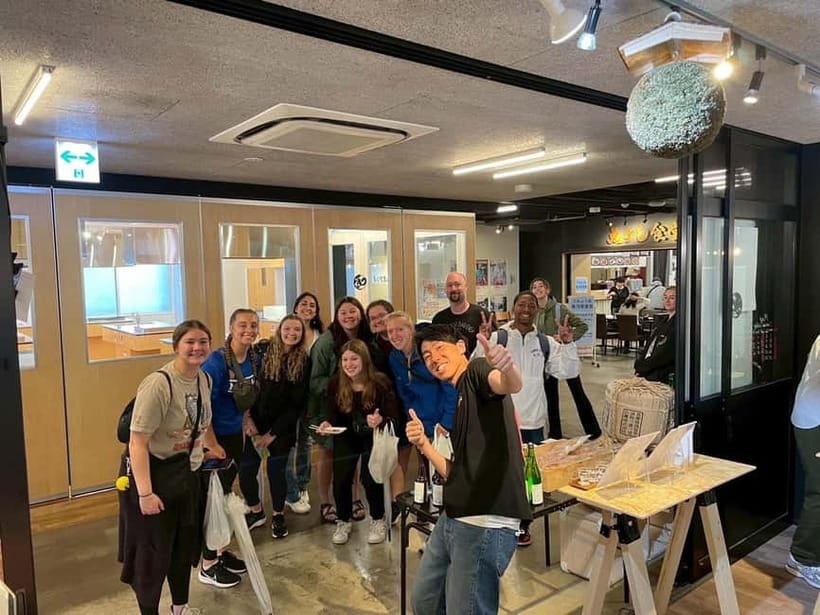
The tour is conducted in English and Japanese, with an English-speaking guide available. The guide’s job is not only to give facts. It is to keep the food route moving, explain the market, and help you understand what you are eating.
That assistance is most useful at Tsukiji, where you may otherwise spend time deciding between stalls or trying to communicate a specific request. A guide can also make food restrictions easier to discuss. One of the strongest practical features is that the guide asks about those restrictions rather than waiting for you to raise the subject after food has been ordered.
The tour can feel very personal when the group is small. One booking had two guides with only one guest, though group size is not specified as a standard feature, so you should not assume that arrangement every time.
At the end, you receive lunch suggestions and ideas for the rest of your trip. This is a small but useful touch. The tastings are not meant to replace lunch, and the guide can point you toward a sensible next meal after the tour.
Is $99 a fair price?
At $99 per person, this is not the cheapest way to wander through Tsukiji. You could walk into the market on your own and buy individual snacks for less. The value comes from the combination of included food, temple context, market navigation, and sake instruction.
The included items add up to a substantial tasting:
- One charcoal-grilled wagyu skewer
- One portion of tamagoyaki
- Chilled traditional tea
- Black bean and peanut samples
- Dashi broth
- Three sake samples
- One special sake
- Baby scallops paired with the sake
You also get a bilingual guide for the full two hours. If you are new to Tokyo food culture or uneasy about ordering in a crowded market, that support can justify the price. If you already know Tsukiji well and mainly want a large lunch, the value is weaker.
I see this as a food orientation rather than a full meal. You pay for access to several carefully chosen tastes and for the explanations that connect them. Plan to spend extra if you want more seafood, sweets, drinks, or gifts.
Timing, walking, and practical details
The experience lasts about two hours and involves walking through the temple area and market. Wear comfortable shoes. The market route is active, and you will enjoy it more if you are ready to stand, walk, and eat small portions along the way.
The tour runs rain or shine, with many stops indoors or under cover. That makes it workable in poor weather, but it does not mean every part takes place inside. Bring suitable clothing and expect the outdoor walk between stops.
Transportation to Tsukiji Hongwanji Temple is not included. You need to make your own way to the main gate. The meeting point is specific, so arrive with enough time to find the temple and locate the guide’s phone display.
You can cancel up to 24 hours before the start for a full refund, and the booking option allows you to reserve without paying immediately. Those terms are useful if your Tokyo schedule is still shifting.
Who should book this Tsukiji tour?
I would choose this experience for a first visit to Tokyo, especially if you want food and culture in one compact morning or afternoon. It suits people who enjoy tasting several small portions, asking questions, and learning why ingredients matter.
It is also a good fit for visitors who want a softer introduction to sake. The tasting is guided and paired with scallops, rather than leaving you to order a bottle without context.
Families should check the drinking-age rule carefully. Anyone under 20 cannot take part in the sake tasting, and the supplied details do not state how that portion is handled for non-drinkers.
You may want a different plan if your priority is a long temple visit, a full lunch, or unstructured market shopping. The route gives you a focused selection, not hours to browse every counter.
Should you book it?
Book this tour if you value guided access and explanation as much as the food itself. The strongest parts are the market tastings, the century-old specialty shop, and the four-part sake session with scallops. You also get useful help with dietary preferences and lunch planning.
Skip it if you prefer to explore Tsukiji alone, want to choose every dish yourself, or are looking for a large meal rather than a series of samples. At $99, the price works best when you take advantage of the included tastings and the guide’s local help. For a compact introduction to Tsukiji, Japanese pantry flavors, and sake, it is a well-focused choice.
FAQ
Where does the tour meet?
Meet at the main gate of Tsukiji Hongwanji Temple. Your guide will hold a smartphone displaying AlvaJapan.
How long does the experience last?
The tour lasts about two hours.
What language is the tour conducted in?
The tour is conducted in English and Japanese, with an English-speaking guide available.
Is transportation included?
No. Transportation to and from the meeting point is not included.
What food is included?
The price includes one wagyu beef skewer, one tamagoyaki portion, tea tasting, samples of black beans and peanuts, and dashi broth.
What is included in the sake tasting?
You receive three types of sake plus one special selection, served with baby scallops.
Do I need identification?
Yes. Identification is required for the sake tasting.
What is the legal drinking age for this tour?
The legal drinking age in Japan is 20.
Can I buy extra food at Tsukiji?
Yes. You can make additional food, drink, or shopping purchases, but they are not included in the tour price. Cash is recommended for extras.
What happens if it rains?
The tour operates rain or shine and includes mostly covered or indoor stops. Comfortable walking shoes are recommended.
More Sake Tastings in Tokyo
- Osaka Sake Tasting with Takoyaki Cooking
★ 5.0 · 156 reviews - Osaka Sake Tasting & Takoyaki Cooking Experience
★ 5.0 · 149 reviews - Nara – Craft Beer, Sake, and Food Walking Tour
★ 3.5 · 9 reviews - Explore Matsumoto: Castle, Sake & Taste of Local Life
★ 4.8 · 6 reviews
More Drinking Tours in Tokyo
- Tsukiji: Unlimited Sake Tasting Experience
★ 4.9 · 67 reviews - Tokyo VIP Hidden Food & Bar Night – Private Local Experience
★ 5.0 · 57 reviews - Tokyo: Shibuya Bar Crawl – 3 Drinks & Local Foods –
★ 5.0 · 3 reviews - Lucha Libre Tickets & Tacos & Beer & Mezcal – BEST NIGHT EVER!
★ 5.0 · 1,077 reviews
Just added around Tokyo
- Tokyo: Tsukiji walk & sushi private tour with Uni Students★ 5.0 · 17 reviews
- Tokyo: Tsukiji Market Guided Tour & Sushi-Making Experience★ 4.4 · 11 reviews
- Tokyo: Tsukiji Market and Hama-rikyu Gardens Guided Tour★ 4.8 · 73 reviews
- Tokyo Tsukiji Food & Culture Private Tour Licensed Guide★ 4.9 · 28 reviews
- Tokyo: Tsukiji, Ginza, and Asakusa Japanese Culture Tour★ 5.0 · 2 reviews
- Tokyo: Tsukiji Fish Market Foodie and Educational Tour★ 5.0 · 4 reviews
- Tokyo: Tsukiji Fish Market Culture Tour with Sashimi Tasting★ 4.6 · 54 reviews
- Tokyo: Togoshi Ginza Street Food Tour★ 5.0 · 34 reviews
Tokyo Street Food Tours, compared.
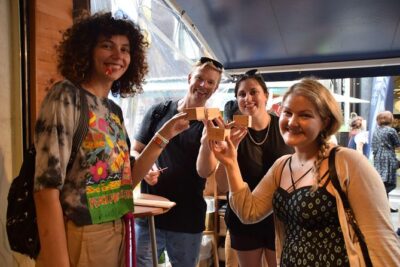
Tokyo Tsukiji Fish Market Food and Culture Walking Tour
Read our review →
Tokyo: Tsukiji Fish Market Food and Walking tour
Read our review →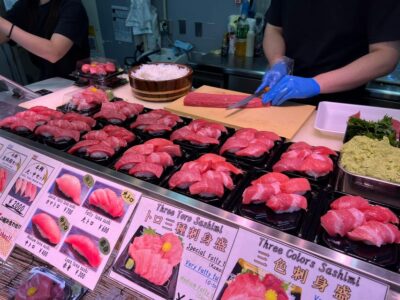
Tokyo: Tsukiji Fish Market Guided Walking Tour
Read our review →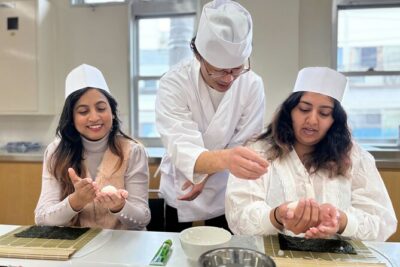
Tokyo Sushi Making Class in Tsukiji with Professional Chef
Read our review →
Tsukiji Fish Market Guided Tour and Sushi Making with Pro Chef
Read our review →Tokyo: Tsukiji Fish Market Food and Culture Walking Tour
Read our review →
Tsukiji Fish Market: Street Food & Culture Walking Tour
Read our review →
Tsukiji Fish Market Small-Group Food Walking Tour
Read our review →Browse the lists this tour appears in