
REVIEW · OSAKA STREET FOOD TOURS
Osaka: 2-Hour Local Street Food Tour – Dotonbori & Namba
Osaka’s best introduction may be served on a paper tray. This two-hour walk takes you through Dotonbori and Namba for takoyaki, taiyaki, pork buns, and other local bites, with stops at the Glico Man sign and quiet Hozenji Temple. I like the mix of famous sights and small streets, and I like that guides such as Kaito, Hina, Fuka, and Hiro have adjusted food choices to suit each group.
The tour also earns points for its useful human touch. Guides help with ordering, explain local customs, teach a few Japanese phrases, and can steer you toward places you might not pick alone. The main drawback is that food and drinks cost extra, and the official food warning says vegan and gluten-free requests cannot be accommodated, even though some individual guides have worked hard to find suitable choices.
Key points at a glance
- Osaka classics in one short walk: Try takoyaki, takosen, taiyaki, apple candy, pork buns, okonomiyaki, kushikatsu, or doteyaki, depending on the route and your appetite.
- A useful first-night activity: The guide helps you understand what to order before you explore Osaka on your own.
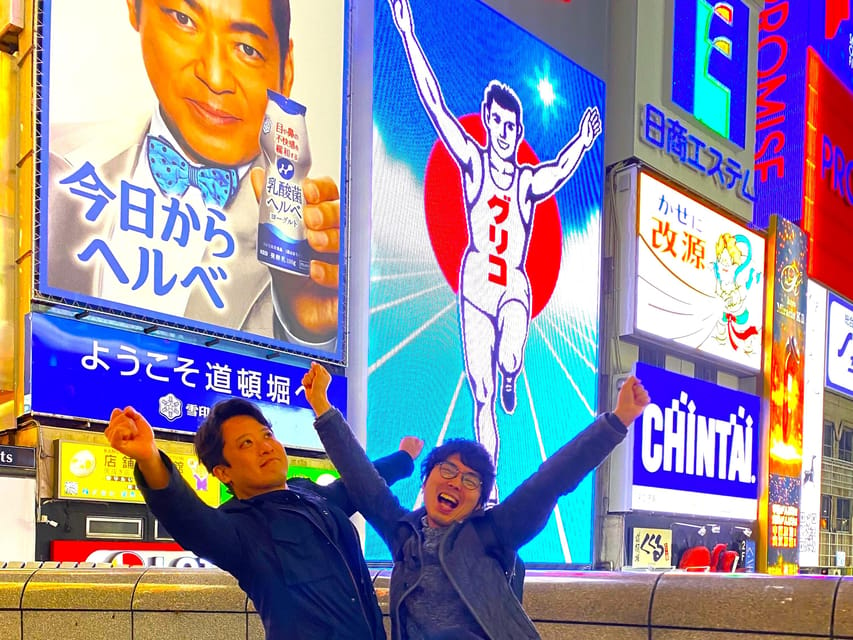
- Two famous photo stops: The Glico Man sign gives you the classic Dotonbori picture, while Hozenji Temple offers a quieter change of pace.
- Personal guidance matters: Guides have helped with ordering, local phrases, restaurant choices, and food preferences.
- Small groups or private tours: This format can feel more like an evening with a local than a fixed coach excursion.
- Budget for extra food: The $51 tour fee covers the English or Japanese speaking guide, not your tastings and drinks.
Why Dotonbori makes such a good food walk
Dotonbori is Osaka at full volume: bright signs, crowded sidewalks, riverside views, food displays, and restaurants competing for your attention. It is a place made for walking and grazing rather than sitting down for one long meal.
That can also make it confusing. You may see a dozen versions of the same dish and have no easy way to judge which one fits your budget or taste. A local guide gives the area some order. Instead of stopping at the first flashy sign, you can ask what a dish is, how it is eaten, and which choices match your appetite.
The tour begins outside Starbucks Coffee TSUTAYA EBISUBASHI. Look for the guide holding a yellow DeepExperience sign. This meeting point sits near the central action, so take a little care to identify the correct Starbucks and arrive with enough time to orient yourself.
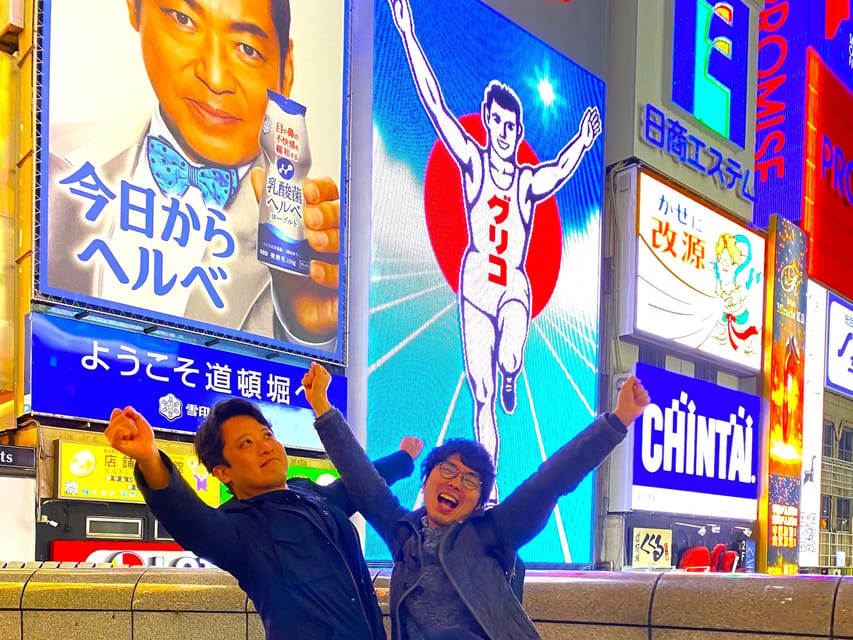
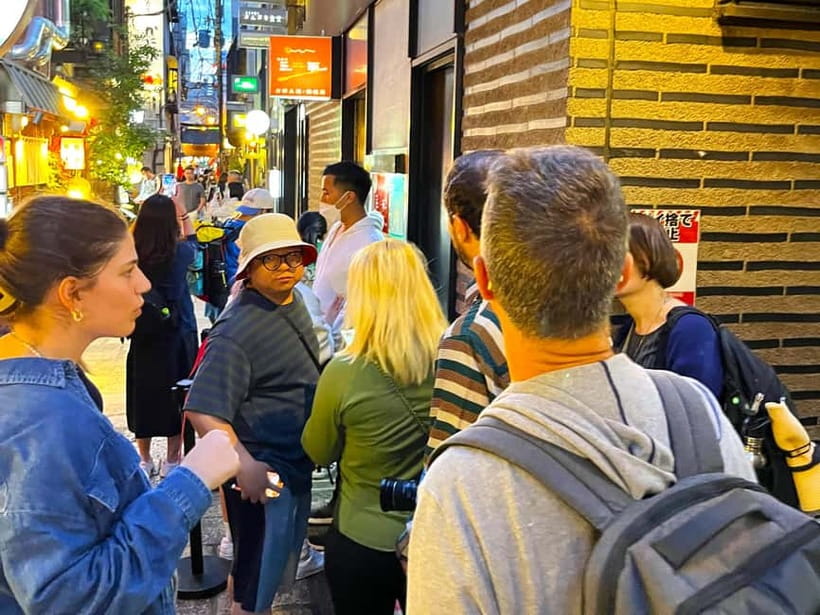
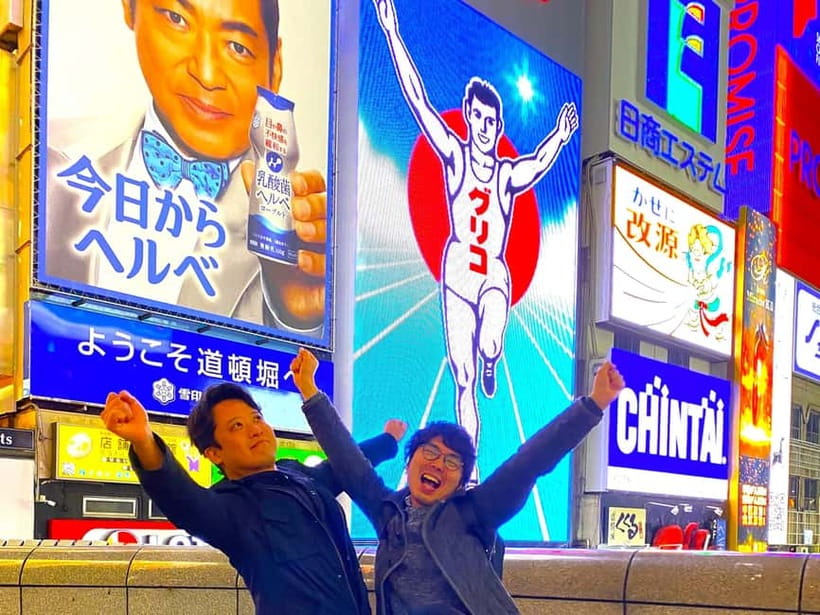
The first stop is the Glico Man sign, one of Osaka’s most recognizable symbols. It is a quick photo stop, but it helps you get your bearings in Dotonbori. The familiar running figure, raised arms, and riverfront setting make this the picture most people want from the district.
I would not book this experience only for the photo. You can see the sign on your own. Its real value begins when the guide uses the area as a doorway into Osaka’s food culture.
A few more street food tours around Osaka worth a look
- Osaka: 2-Hour Nightlife District Walking & Local Food Culture
★ 5.0 · 199 reviews - 2 Hour Historic Market Food Tour and Hands-On Biscuit Class
★ 5.0 · 251 reviews - Saigon: City Unseen Highlights 2h Tour | Opt: Ao Dai Riders
★ 5.0 · 69 reviews
Takoyaki, takosen, and the art of eating as you walk
The first food section focuses on Osaka staples. Takoyaki, the round batter balls filled with octopus, is the dish most closely tied to the city’s street food identity. It is usually served hot, so your guide can help you avoid attacking the first piece too quickly.
Takosen combines takoyaki with a crisp prawn cracker. It is a small but useful example of how Osaka food often plays with texture: soft and hot inside, crisp around the edges. Taiyaki, shaped like a fish and commonly filled with sweet red bean paste or custard, gives you a dessert-style pause.
The precise stops can change. The advertised choices also include apple candy, pork buns, okonomiyaki, kushikatsu, and doteyaki. Some are easy to eat from a stall, while others work better at a restaurant or standing counter. You should think of the tour as a guided tasting route, not a fixed meal with a guaranteed menu.
This distinction matters. If you arrive expecting every listed food, you could be disappointed. If you arrive ready to try several Osaka favorites and let the guide shape the order, the format makes more sense.
Several guides have also taken groups to sushi, udon, ramen, dumplings, tempura, onigiri, Japanese barbecue, Kobe beef, and crab-filled buns. Those dishes show how much the evening can change according to the guide, the group, and what you have already eaten in Osaka.
Ukiyo-Koji and Hozenji Temple
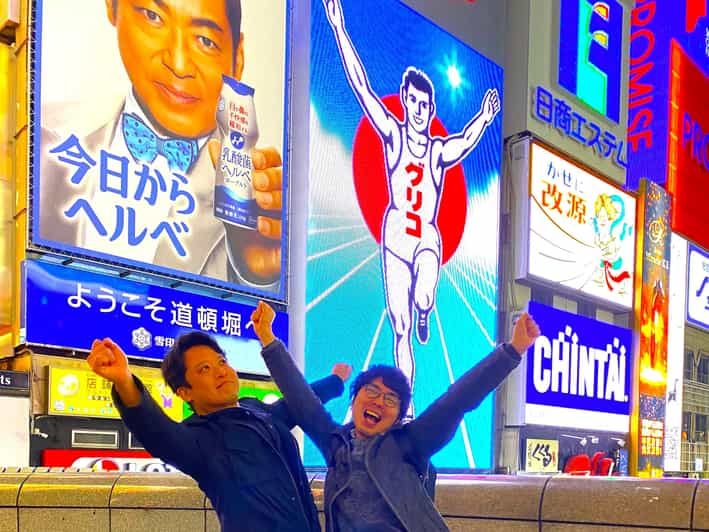
After the noisy main streets, the route moves through Ukiyo-Koji, a narrow old-style alley. This short passage is one of the tour’s useful contrasts. Dotonbori can feel like a wall of signs and sound, while smaller lanes reveal a more intimate side of the district.
The stop at Hozenji Temple adds another change of pace. This small Buddhist temple sits in the middle of the commercial area, yet the atmosphere is far calmer than the surrounding streets. It is a good place to pause, look closely, and ask your guide about local customs.
Hozenji is known for its moss-covered Fudo Myoo statue. The supplied tour details promise a visit and guided explanation, but they do not specify how much religious or historical detail each guide will provide. If this part interests you, ask questions. Guides such as Naoko and Kaito have been praised for adding cultural information, and the tour works best when you treat it as a conversation rather than a lecture.
I like this temple stop because it keeps the experience from becoming a simple snack crawl. You get a little food, a little street life, a little local belief, and a better sense of how old and new Osaka share the same few blocks.
Namba brings more food and more choice
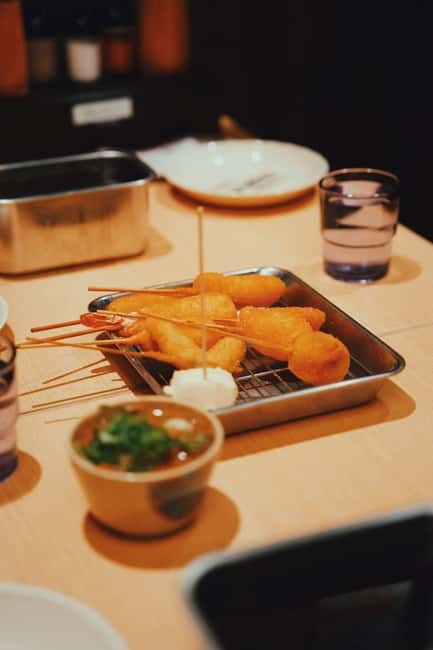
The route continues into Namba for another food stop. Namba is one of Osaka’s main entertainment and shopping areas, and it connects naturally with Dotonbori. You will not spend the tour riding between attractions. The appeal is the compact route, with more time for eating and talking.
The food can be savory or sweet. You might be offered okonomiyaki, a savory pancake cooked with a range of fillings and toppings. Kushikatsu consists of skewered and fried ingredients, while doteyaki is a slow-cooked beef tendon dish associated with Osaka. Pork buns, taiyaki, apple candy, and other snacks may help break up the heavier foods.
A strong guide can make a major difference here. Hina has been singled out for giving groups choices and avoiding long lines. Fuka received praise for keeping the walking modest, which is useful if you want more time to eat rather than march from stop to stop. Kaito has helped visitors order, use Japanese phrases, and find local-style eateries.
The tour is not designed as a formal cooking class. You are not promised recipes or hands-on preparation. Its strength is practical: you learn what the food is, how to order it, and which dishes are worth remembering for later.
Same city, a different plate:
- Hungry Osaka Street Food Tour:15 Tastings & 3 Drinks with a Local
★ 5.0 · 1,727 reviews - Osaka Local Foodie Walking Tour in Dotonbori and Shinsekai
★ 5.0 · 985 reviews - Hungry Osaka Street Food Tour: 15 Dishes & 3 Drinks
★ 4.9 · 694 reviews - Kuromon Market Food Walking Tour in Osaka (6 stops, 6 tastes)
★ 5.0 · 550 reviews
What the guides add
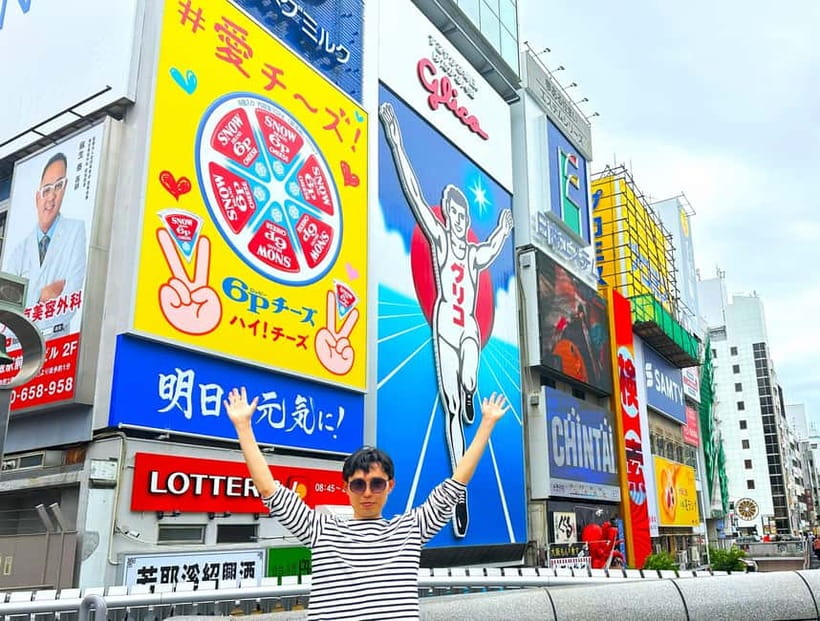
The guide is the heart of this experience. The sights are public, and you can find Dotonbori’s main streets yourself. The guide’s job is to make the area easier to read.
Past groups have praised Kaito, Hina, Hiro, Aki, Fuka, Naoko, Maru, Benoit, Kanako, and others for being friendly, flexible, and easy to talk with. That does not mean you can request a particular guide or expect the same personality every time. It does show that the company uses several guides who can shape the route around the people in front of them.
This flexibility is especially useful for first-time visitors. A guide may explain the difference between dishes, suggest a phrase in Japanese, help you order at a small counter, or point out a side street you would have skipped. Some guides have also suggested later restaurants, anime shops, and other Osaka activities.
Repeat visitors can benefit too. If you already know the Glico sign and have eaten basic takoyaki, tell the guide. The route can be adjusted around what you have seen and what you want to try next. One group had its tour tailored around places it had not yet visited, while another used the guide’s food suggestions on later days.
English and Japanese are offered. The quality of communication will vary by guide, but the supplied feedback includes repeated praise for clear English from Kaito, Hina, Fuka, and others.
Price, food costs, and overall value
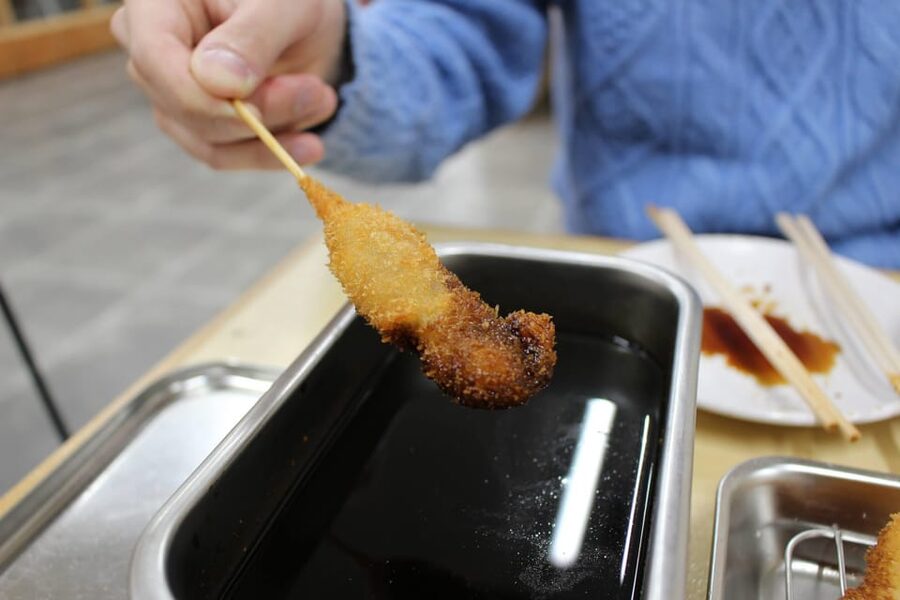
The price is $51 per person for two hours. That fee covers the guide, but not food or drinks. Your final cost depends on how many items you try and how many restaurant stops the guide makes.
At first, the price may look high for a walk through an area you could visit without help. I think the value comes from reducing guesswork. You are paying for translation, ordering help, local judgment, cultural context, and a route that can connect several small tastings in a short time.
The value is strongest if you are new to Osaka, nervous about ordering, or interested in trying dishes beyond the obvious tourist choices. It is less compelling if you already know Dotonbori well, speak Japanese comfortably, and prefer to choose every restaurant yourself.
Do not arrive after a large meal. Two hours of small bites can add up quickly, especially if you try several savory dishes. At the same time, do not expect the $51 fee alone to fill you up. Plan for extra food money and think of the tour as a guided tasting session.
The free cancellation deadline is 24 hours before the activity, and you can reserve now and pay later. The tour lasts two hours, with starting times based on availability. It is offered as a private or small-group experience, and the activity is listed as wheelchair accessible.
Dietary needs and family considerations
The official information says vegan and gluten-free requests cannot be accommodated. Take that warning seriously when deciding whether to book.
Some guides have made strong efforts for vegetarian, gluten-free, or other food restrictions. Hina researched gluten-free options for one group, and other guides adjusted choices around what people could and could not eat. Those examples are encouraging, but they do not override the stated policy. Contact the operator before booking if a dietary restriction is important, and do not assume every stop will be safe.
For families, the answer depends on the children. The walk is short, the food is fun, and one guide handled a group with teenagers very well. Still, Dotonbori is crowded and noisy, and the experience centers on tastes that some children may not enjoy. One rating specifically questioned its fit for younger children, so I would choose it mainly for older kids and teens who enjoy trying new foods.
Who should book this Osaka food tour?
I would recommend it most strongly for:
- First-time visitors who want a quick introduction to Osaka food
- People who feel unsure ordering at small Japanese eateries
- Repeat visitors who want a more personal route through familiar districts
- Couples and small groups that enjoy eating, walking, and conversation
- Visitors who want practical suggestions for later meals
- Families with older children or teenagers who enjoy street food
I would be more cautious if you need a strict vegan or gluten-free menu, dislike crowded commercial districts, or want a full sit-down dinner included in the price. The tour is also not ideal if your main goal is detailed temple history. Hozenji is a short cultural stop within a food walk, not the central subject.
Should you book it?
Book this tour if you want someone to make Osaka’s food scene easier to approach. The best parts are not the Glico sign, which you can photograph alone, or the simple act of walking through Dotonbori. The real benefit is having a local explain the food, guide you through ordering, and adjust the evening around your interests.
I especially like the mix of takoyaki and other familiar Osaka bites with quieter Ukiyo-Koji and Hozenji Temple. The price makes sense when the guide is active and personal, as Kaito, Hina, Hiro, Fuka, and others have been. Just budget separately for the food, confirm dietary needs in advance, and arrive hungry but not overconfident. Osaka portions have a way of winning that argument.
FAQ
How long does the Osaka street food tour last?
The tour lasts two hours.
Where does the tour begin and end?
It begins and ends outside Starbucks Coffee TSUTAYA EBISUBASHI. The guide will hold a yellow sign with the DeepExperience logo.
What languages are available?
The tour is offered with a live guide in English or Japanese.
Is food included in the $51 price?
No. Food and drinks are not included, so you should budget extra for tastings and any restaurant items.
Which foods might I try?
Possible foods include takoyaki, takosen, taiyaki, apple candy, pork buns, okonomiyaki, kushikatsu, and doteyaki. Other food stops may include dishes such as sushi, udon, ramen, dumplings, tempura, onigiri, and Japanese barbecue.
Can the tour accommodate vegan or gluten-free diets?
The official information says vegan and gluten-free requests cannot be accommodated. Some guides have helped individual groups find suitable choices, but you should confirm your needs before booking and not assume that every stop will be suitable.
Is the tour wheelchair accessible?
Yes. The activity is listed as wheelchair accessible.
Just added around Osaka
- Same Day OK! Osaka: Local Food, Izakaya & Local Bites Tour!★ 4.8 · 17 reviews
- Eat Like a Local in Osaka – Private Custom Street Food Tour★ 4.3 · 33 reviews
- Osaka Shinsekai Street Food Tour – Evening★ 5.0 · 2 reviews
- Okonomiyaki&Takoyaki for Families:Osaka Street Food Festival★ 5.0 · 4 reviews
- Osaka: Local Foodie Tour in Dotonbori and Shinsekai★ 4.7 · 95 reviews
- Osaka: Takoyaki Keychain and Magnet-Food Replica Workshop★ 5.0 · 2 reviews
- Osaka Okonomiyaki Cooking Experience for Families & Groups★ 4.9 · 8 reviews
- Osaka: Namba Guided Local Food Tour (Taste 15 dishes)★ 5.0 · 6 reviews
Osaka Street Food Tours, compared.
Hungry Osaka Street Food Tour:15 Tastings & 3 Drinks with a Local
Read our review →
Osaka Local Foodie Walking Tour in Dotonbori and Shinsekai
Read our review →
Hungry Osaka Street Food Tour: 15 Dishes & 3 Drinks
Read our review →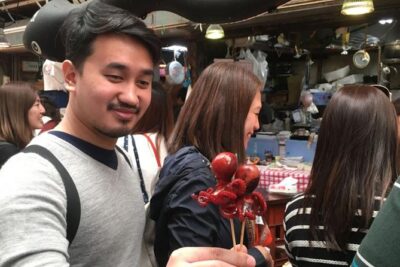
Kuromon Market Food Walking Tour in Osaka (6 stops, 6 tastes)
Read our review →
Osaka: Kuromon Market Food Walking Tour (6 stops, 6 tastes)
Read our review →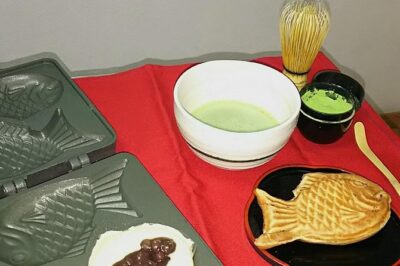
Osaka Cooking Class: Okonomiyaki &Japanese cuisines experience
Read our review →
[1 Group Only] Osaka Street Food Tour for Family
Read our review →
Browse the lists this tour appears in