
REVIEW · TOKYO STREET FOOD TOURS
Tokyo: Sensoji Temple & Street Food: Private Tour with guide
Asakusa gives you old Tokyo in a compact, walkable package: red temple gates, incense, souvenir stalls, narrow side streets, and snacks eaten as you go. Sensoji Temple and Thunder Gate provide the big sights, while the food stops keep the experience moving.
I like the private guide format, which lets you ask questions and pause when the crowds or heat call for it. I also like that three foods are included, rather than leaving you to guess what is worth buying. The main drawback is that this is a walking tour in a crowded area, and it is not suitable for wheelchair users or people with mobility impairments.
Key points at a glance
- Private Asakusa walk: You have a dedicated local guide rather than joining a large group.
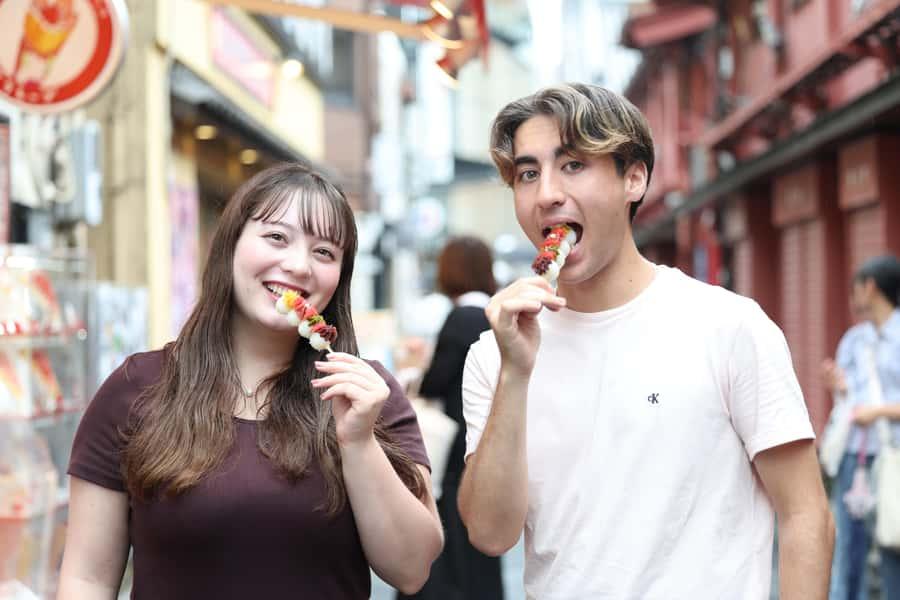
- Three included food tastings: The price covers three selected Japanese street foods, with extra snacks available at your own cost.
- Classic temple route: See Thunder Gate, Sensoji Temple, Nakamise Street, and nearby alleys.
- Useful local context: Guides such as Ryota, Sewa, and Mari have helped visitors understand the temple and find places to shop and eat.
- Photos after the tour: The guide takes pictures during the walk and sends them afterward.
- Good hot-weather planning: Stops and breaks can be adjusted during a demanding summer walk, but you should still bring water.
Why Asakusa works so well for a first Tokyo walk
Tokyo can feel enormous. Asakusa helps you get your bearings quickly because several major sights sit close together, and the streets change character within a few minutes.
You begin at the meeting point in front of a Family Mart. This is a simple place to find your guide, but arrive early. If you are not there within 15 minutes of the scheduled start, the booking is treated as a no-show and no refund is provided. If you expect to be late, contact the tour provider by email or emergency number before the start time.
From there, your guide leads you into Asakusa’s traditional center. The area has an old-town feel tied to Tokyo’s Edo period, with temple customs, food stalls, small shops, and streets that feel very different from the city’s office districts. You are not just checking off a temple. You are seeing how worship, shopping, and casual eating fit together in one neighborhood.
Because the tour is private, you can ask the questions that often get lost in a large group. You might want to know how to behave at a temple, what a particular ritual means, or which snack is worth trying. Your guide can shape the conversation around your interests.
A few more street food tours around Tokyo worth a look
- Private Toyosu & Tsukiji Market Adventure with Tuna Auction
★ 4.8 · 191 reviews - Tokyo: Private Personalized Local Food Tour
★ 4.5 · 101 reviews - Tokyo VIP Hidden Food & Bar Night – Private Local Experience
★ 5.0 · 57 reviews
Thunder Gate: the dramatic start to Sensoji
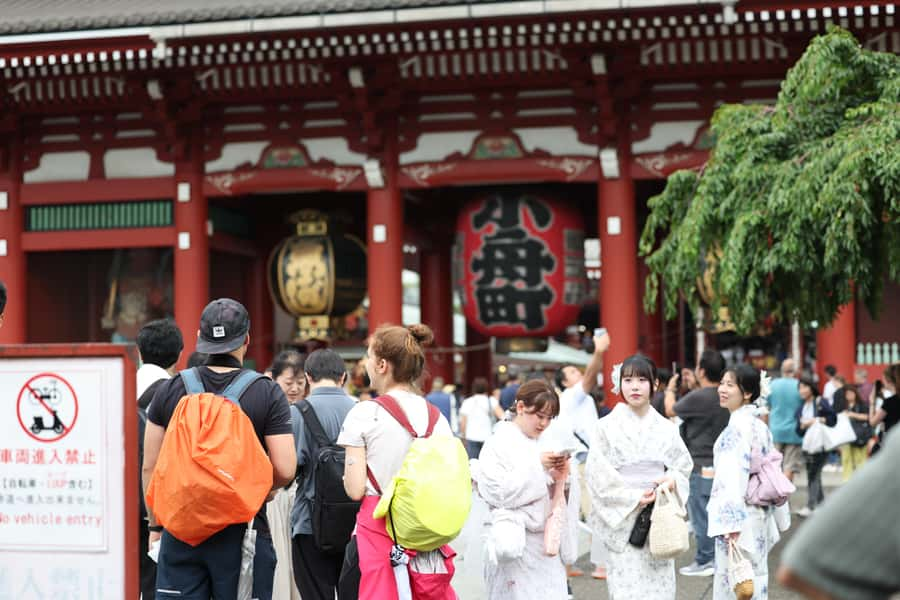
Thunder Gate, known for its large lantern and bold entrance, is one of Asakusa’s most recognizable sights. It creates a clear sense of arrival, and it is also a useful place for your guide to explain the layout and purpose of Sensoji.
This is a busy spot, especially in the summer tourist season. Crowds gather for photographs, and the gate can be difficult to appreciate if you rush through it. A private guide helps by explaining what you are looking at and by helping you move through the area without spending the entire visit in the thickest crowd.
Bring your camera, but keep it ready rather than stopping in the middle of the walkway. The guide takes photos during the tour as well, then sends them afterward. That means you can pay more attention to the setting instead of trying to document every moment yourself.
The heat matters here. One past tour was conducted in roughly 90-degree weather with heavy crowds, and the guide built in breaks at sensible points. That does not make summer walking easy, but it shows why a private schedule can be useful. You can ask for a short pause without holding up a busload of people.
Sensoji Temple and the customs behind the visit
Sensoji is the central cultural stop. Your guide explains the temple’s spiritual role and the traditions connected with the grounds, giving you more than a quick photo opportunity.
The value here depends on how much context you want. If you only need a few pictures of the gate and main hall, you can see the area independently. If you want to understand what you are seeing, the guide adds practical meaning: how the temple fits into Asakusa, what visitors do at a Buddhist temple, and how the site connects with Tokyo’s past.
A guide can also help you handle the visit respectfully. That is useful if you are unfamiliar with Japanese temple customs or unsure when to step aside, where to pause, and how to behave around worshippers. The tour is cultural rather than academic, so expect clear explanations and conversation rather than a long lecture.
Crowds are the major limitation. Sensoji is not a quiet retreat during the popular seasons, and the temple grounds can feel packed. The guide may steer you away from the densest areas when possible, but no private booking can remove the crowds entirely.
This is one reason I prefer the timing and pacing of a private walk. You can stop when a detail catches your attention, then move on before the heat and noise become tiring. A past guide named Ryota was especially good at answering many questions while adding personal observations about the temple and the neighborhood.
Nakamise Street: shopping, snacks, and the Edo-period mood
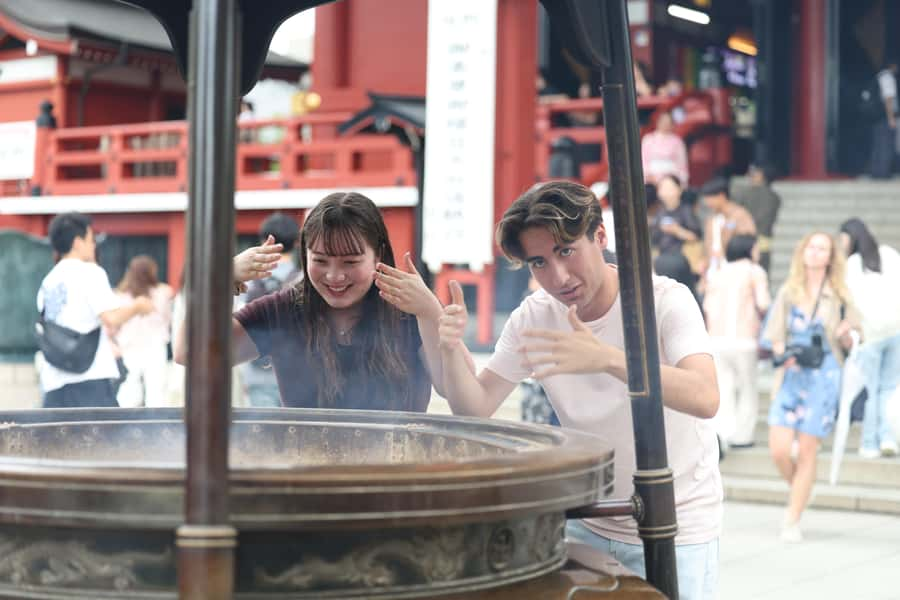
Nakamise Street links Thunder Gate with Sensoji and is lined with shops selling souvenirs, sweets, small gifts, and traditional goods. It is one of the liveliest sections of the route, so expect plenty of foot traffic and frequent temptation to stop.
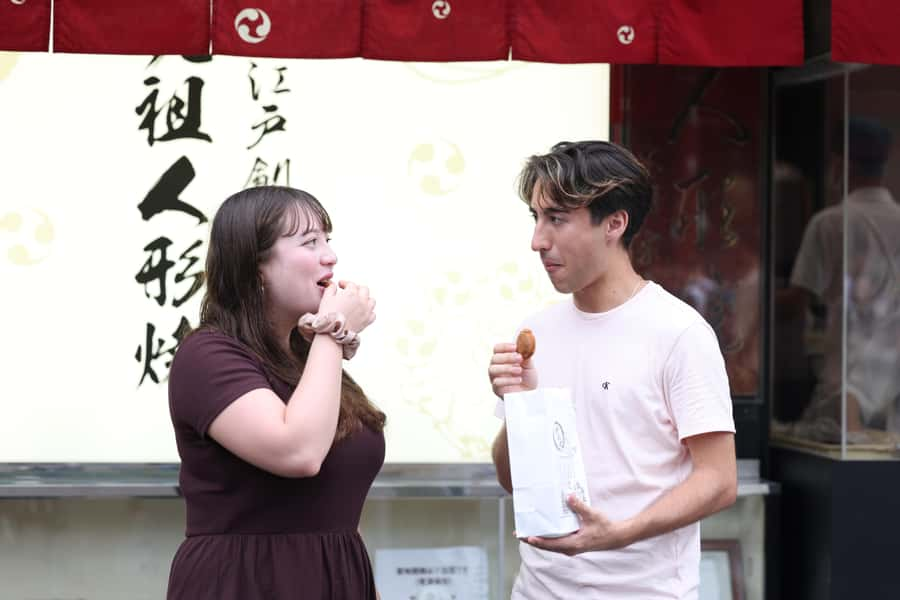
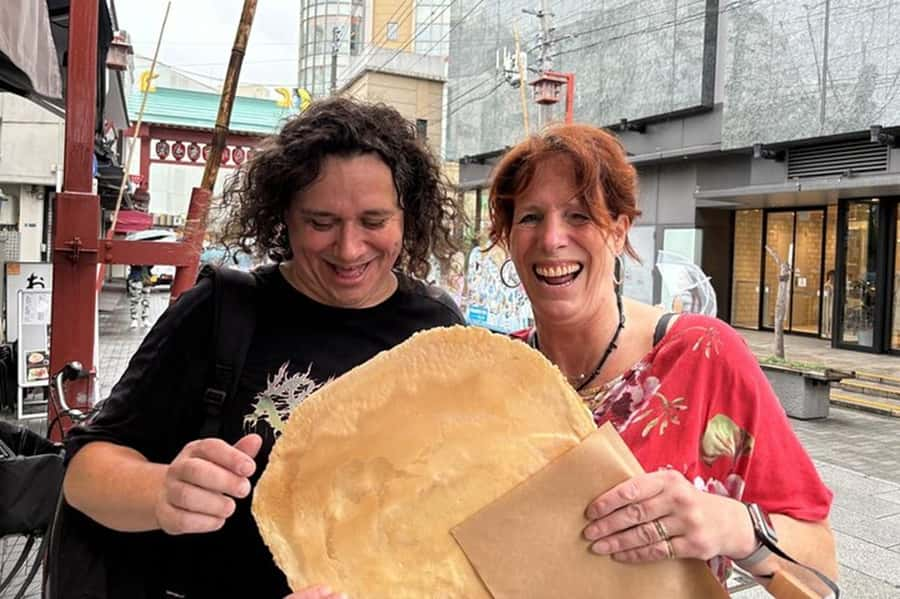
The three included food tastings are selected by the provider. The exact foods are not specified in advance, which has both an advantage and a drawback. The advantage is that your guide can introduce you to local choices rather than locking you into a fixed menu. The drawback is that you cannot plan around a particular snack or dietary preference from the information provided.
Extra food is not included, but you can buy additional items along the way. Budget a little more if you know you will want to sample several stalls. The included tastings give you a starting point, not an unlimited food crawl.
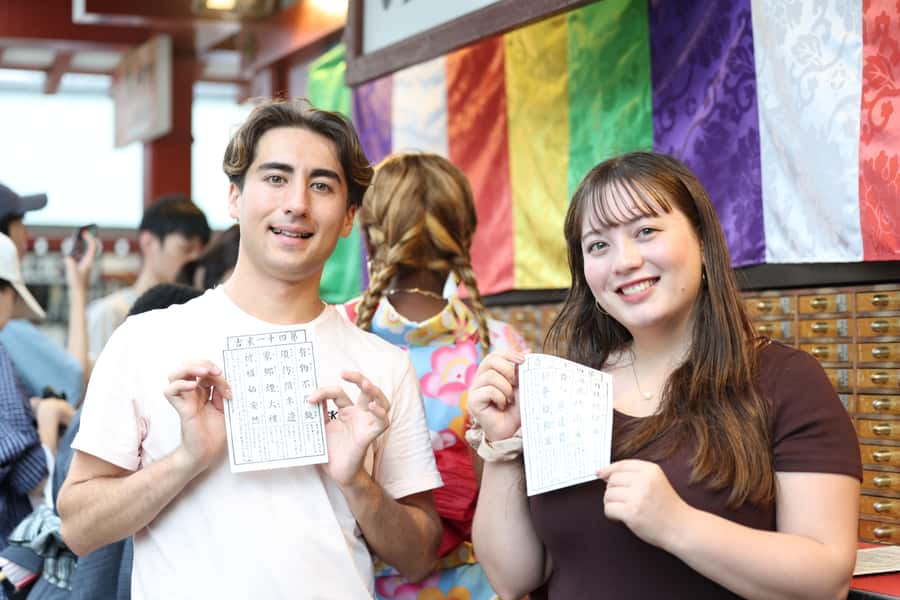
One guide, Mari, helped a visitor try an octopus taco, which shows the sort of small food discovery that can make the walk memorable. That does not mean this item is guaranteed on every departure. It does show why asking your guide about unfamiliar foods can pay off, especially if you are willing to try something outside your usual order.
The street is also a good place to ask where to shop and eat later. Mari recommended local places, and Sewa guided visitors through the busy food street and historic temple area. Your guide can point out options, but additional purchases remain your responsibility.
Same city, a different plate:
- Tokyo Tsukiji Fish Market Food and Culture Walking Tour
★ 5.0 · 3,184 reviews - Tokyo: Tsukiji Fish Market Food and Walking tour
★ 5.0 · 1,724 reviews - Tokyo: Tsukiji Fish Market Guided Walking Tour
★ 4.9 · 1,397 reviews - Tokyo Sushi Making Class in Tsukiji with Professional Chef
★ 5.0 · 1,177 reviews
Side alleys and a possible walk toward Kappabashi
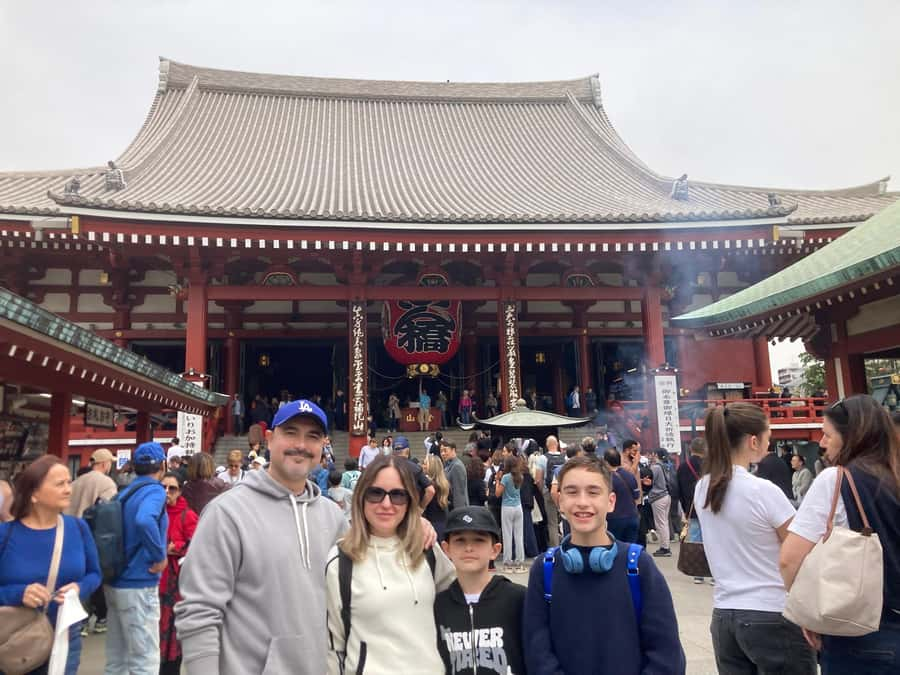
The official route focuses on Sensoji, Thunder Gate, Nakamise Street, and nearby alleys. Those side streets are important because they give you a break from the main temple approach and show a less formal side of Asakusa.
Depending on the guide and the day, the walk may extend toward Kappabashi Street, also called Kitchen Town. One especially well-paced tour included this walk after Sensoji. It created time to talk about Tokyo and reflect on the temple visit instead of rushing straight from one sight to the next.
Kappabashi is a useful addition for people interested in Japanese cooking, kitchen tools, or restaurant culture. Still, you should not assume that every booking includes the same extension. Ask your guide at the beginning if the route can include it, particularly if this is a priority for you.
The possible extension also explains why comfortable shoes matter. This is not a ride between attractions. You walk through public streets, shopping areas, and temple grounds, often surrounded by other people. Bring water, especially in warm weather.
What the private format is worth at $43
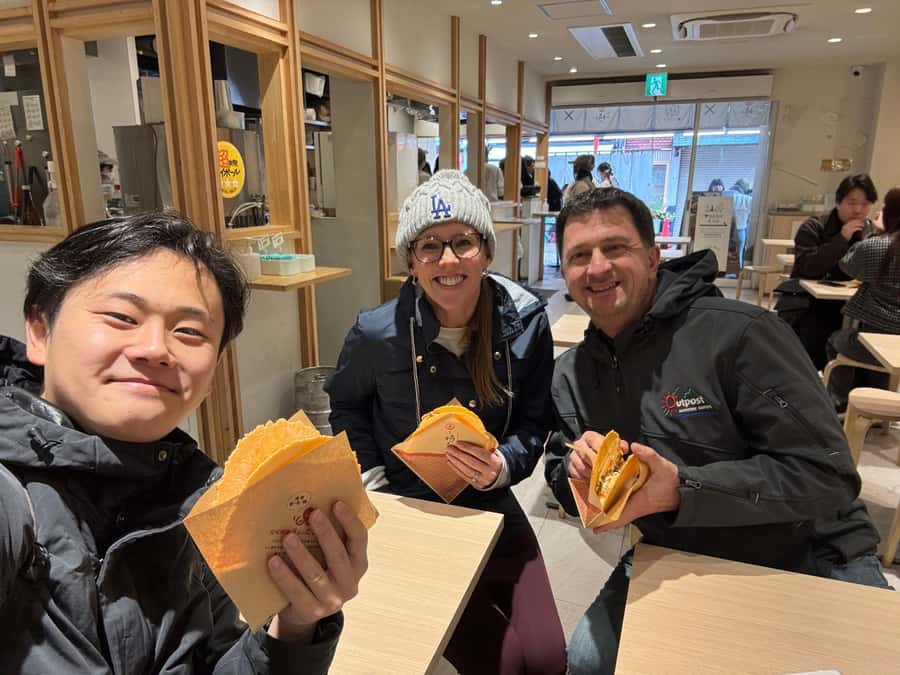
At $43 per person, the price is reasonable if you want conversation, local guidance, and a small amount of food included. You are paying for a dedicated guide, three tastings, photos, and help making sense of one of Tokyo’s busiest traditional districts.
The value is strongest for first-time visitors, families, and people who dislike guessing at food stalls. A private guide can answer questions in the moment and adjust the pace when the sun, crowds, or language differences become a problem.
It is less compelling if you already know Asakusa well or prefer to explore at your own speed. Sensoji and Nakamise Street are accessible without a tour, and you will pay extra for any food beyond the three included selections.
The food allowance is modest rather than lavish. Think of it as three well-chosen introductions to Japanese street food, not a full lunch. If you arrive hungry, plan to buy something else or eat separately after the tour.
You can reserve now and pay later, which helps if your Tokyo plans are still shifting. Cancellation is free up to 24 hours before the start time. The stricter rule applies close to departure: arriving more than 15 minutes late without warning can mean losing the booking fee.
The guides and the tone of the walk
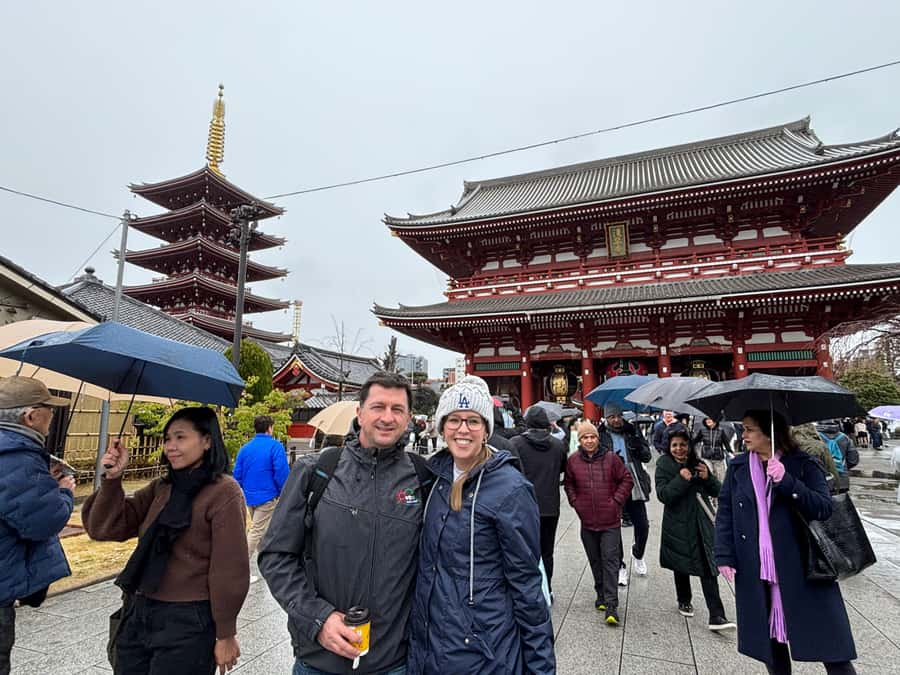
The guide makes a large difference here because the sights themselves are public and easy to reach. A good guide turns a crowded route into a readable one, explaining what matters and helping you avoid wasting time.
Ryota led a particularly well-organized walk in difficult summer conditions. He moved the group away from dense crowds when possible, answered repeated questions, and placed breaks where they were most useful. That sort of pacing is one of the strongest reasons to book privately.
Sewa helped make sense of the busy food streets and the temple. Mari was patient across a language barrier, offered shopping and eating suggestions, and encouraged an adventurous food choice. English and Japanese are available, though the experience may feel different depending on the guide assigned to you.
Do not expect every guide to follow an identical script. The appeal of a private tour is the human element, but that also means the personality and interests of your guide shape the day. Tell the guide early if you care most about food, temple customs, photography, shopping, or local history.
Who should book this Asakusa experience
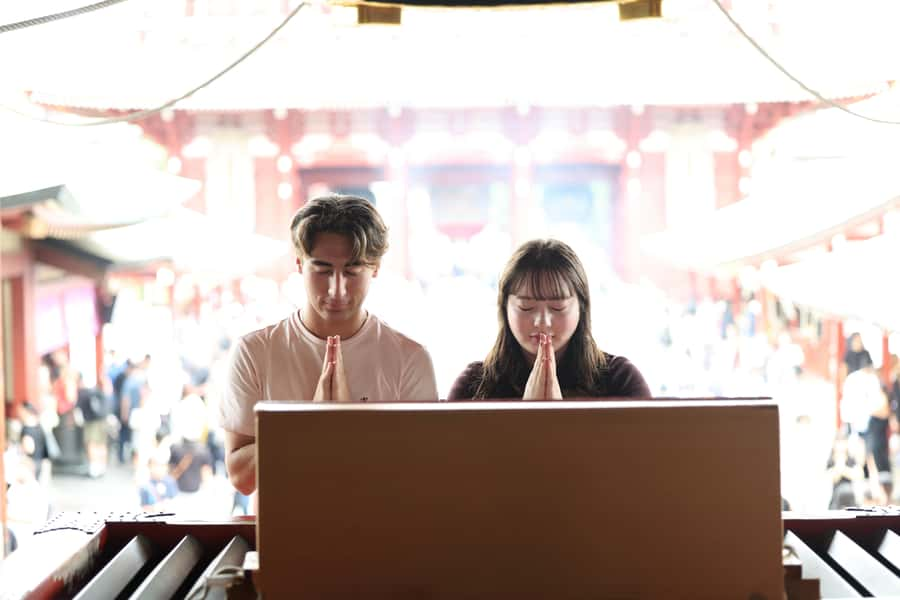
I would choose this tour for a first visit to Tokyo, especially if you want an easy introduction to traditional Japan without organizing every stop yourself. It also suits families and couples who want to ask private questions and keep the walk at a manageable pace.
It can work well for food-curious visitors who want a safe first taste of local snacks. You receive three foods, and you can buy more once you know what appeals to you.
This is not the best fit for anyone with limited mobility. The provider specifically says it is unsuitable for wheelchair users and people with mobility impairments. The walking, crowds, temple grounds, and possible side-street extension require steady movement.
You should also reconsider it if you want a quiet temple visit. Asakusa is popular, and Sensoji can be crowded and hot. The guide can manage the route, but the neighborhood remains a public city district.
Practical advice before you meet the guide
Wear comfortable shoes. That is the most important packing tip because the experience takes place on foot and may include nearby streets beyond the main temple route.
Carry water and a camera. Hydration matters in warm weather, and the neighborhood offers plenty of picture opportunities. Smoking is not allowed during the activity.
Arrive before the meeting time and look for the guide in front of Family Mart. The tour ends back at the same meeting point, so you do not need to arrange transport from a separate final location.
If you are late, contact the provider directly through the email or emergency contact. The instructions ask you to wait for its response rather than contacting the booking agency. This matters because the tour clock begins at the scheduled start time, and the route may need to be adjusted if you arrive late.
Should you book it?
Book this tour if you want a private introduction to Asakusa with temple context, three food tastings, and a guide who can adjust the pace. The $43 price is fair for the personal attention and included extras, especially if you would otherwise feel unsure about temple customs or Japanese street food.
Skip it if you prefer complete independence, need wheelchair access, or want a long food tour with a fixed menu. For everyone else, this is a practical way to connect Sensoji, Thunder Gate, Nakamise Street, and the surrounding old-town streets in one well-paced outing.
FAQ
Where does the tour start?
The guide meets you in front of Family Mart.
Where does the tour end?
The activity ends back at the meeting point.
What food is included?
Three selected Japanese street foods are included. Additional street food is available for purchase but costs extra.
Is a guide included?
Yes. A local guide is included, and the tour is private with a dedicated guide.
What languages are available?
The tour is available in English and Japanese.
Is the tour suitable for wheelchair users?
No. The activity is listed as unsuitable for wheelchair users and people with mobility impairments.
Can I cancel for a full refund?
Yes. You can cancel up to 24 hours in advance for a full refund. If you do not arrive within 15 minutes of the meeting time, it is treated as a no-show with no refund.
Just added around Tokyo
- Tokyo: Tsukiji walk & sushi private tour with Uni Students★ 5.0 · 17 reviews
- Tokyo: Private Tsukiji Street Food & Sake with Local Guide★ 5.0 · 3 reviews
- Tokyo: Tsukiji Market Guided Tour & Sushi-Making Experience★ 4.4 · 11 reviews
- Tokyo: Tsukiji Market and Hama-rikyu Gardens Guided Tour★ 4.8 · 73 reviews
- Tokyo Tsukiji Food & Culture Private Tour Licensed Guide★ 4.9 · 28 reviews
- Tokyo: Tsukiji Fish Market Foodie and Educational Tour★ 5.0 · 4 reviews
- Tokyo: Tsukiji Fish Market Culture Tour with Sashimi Tasting★ 4.6 · 54 reviews
- Tokyo: Tsukiji, Ginza, and Asakusa Japanese Culture Tour★ 5.0 · 2 reviews
Tokyo Street Food Tours, compared.
Tokyo Tsukiji Fish Market Food and Culture Walking Tour
Read our review →
Tokyo: Tsukiji Fish Market Food and Walking tour
Read our review →
Tokyo: Tsukiji Fish Market Guided Walking Tour
Read our review →
Tokyo Sushi Making Class in Tsukiji with Professional Chef
Read our review →
Tsukiji Fish Market Guided Tour and Sushi Making with Pro Chef
Read our review →Tokyo: Tsukiji Fish Market Food and Culture Walking Tour
Read our review →
Tsukiji Fish Market: Street Food & Culture Walking Tour
Read our review →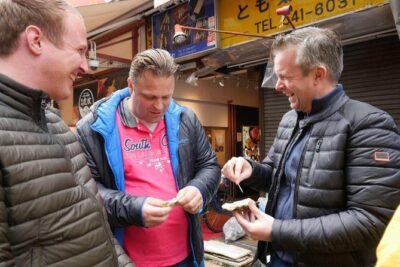
Tsukiji Fish Market Small-Group Food Walking Tour
Read our review →Browse the lists this tour appears in