
REVIEW · OSAKA STREET FOOD TOURS
Okonomiyaki or Ramen&Gyoza Class with Local Shop Tour
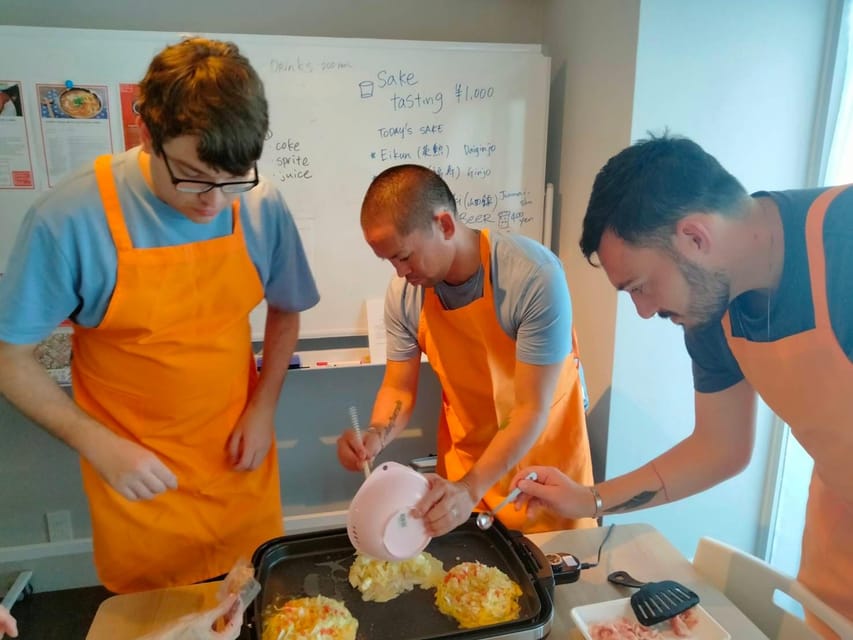
Osaka Cooking Base turns a cooking lesson into a small cultural outing. You meet at the large main gate of Osaka Tenmangu Shrine, visit a few local shops, then cook familiar Osaka dishes with English guidance. The useful part is that the food is simple enough to make again at home.
I like the small group of up to eight, which gives you room to ask about ingredients, sauces, and daily life in Japan. I also like the local focus: guides such as Yumi, Yuki, Rie, and Tomo explain Osaka products while taking you through shops where you may try some of what you see.
The main thing to check before booking is the exact menu. The experience title mentions ramen and gyoza, while the detailed plan focuses on Okonomiyaki and Yakisoba or Takoyaki. Katsu Curry and Bento boxes are also mentioned as dishes you may learn, so confirm your chosen option before paying.
Key points to know
- Start at Osaka Tenmangu Shrine: Meet at the large main gate, not the smaller rear entrance.
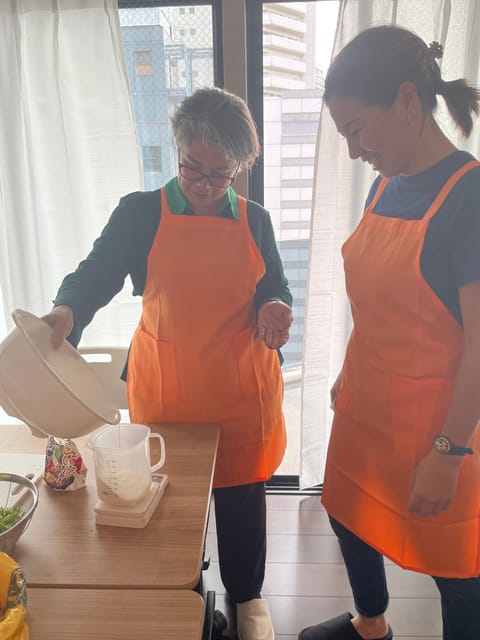
- Shop before you cook: The local tour visits a few stores and explains Osaka ingredients with translation help.
- Choose a cooking route: The main options are Okonomiyaki and Yakisoba, or Takoyaki.
- Learn food you can repeat at home: The techniques are designed for home kitchens, not professional chefs.
- Small and English-speaking: The group is limited to eight, with English instruction throughout.
- Allow about 2.5 hours: The listing says the activity is valid for one day, but the actual session is a 2.5-hour experience.
A food lesson that begins at Osaka Tenmangu
The best feature here is the order of the experience. You do not simply sit down at a kitchen counter and start chopping. You first meet at Osaka Tenmangu Shrine, then walk through a few nearby shops before cooking.
That sequence gives the food some context. You see ingredients in a local setting, learn what they are used for, and then handle them in the kitchen. I find that more useful than a class that presents Japanese cooking as a list of recipes with no connection to daily life.
The meeting point needs care. Osaka Tenmangu has a large main gate and a smaller back gate. Your meeting place is the large main gate, so allow enough time to find the correct entrance. The supplied information does not give a hotel pickup or transport service, so you should plan to arrive at the shrine on your own.
The class lasts about 2.5 hours. That is long enough for a shop visit, instruction, cooking, eating, and conversation without taking over your whole Osaka day. It is also short enough to fit around sightseeing in the Tenma or central Osaka area.
More Dumpling and Dim Sum Tours in Japan
- Ramen and Gyoza Cooking Class in Osaka
★ 5.0 · 202 reviews - Cooking Ramen&Gyoza/KatsuCurry/Bento/Okonomiyaki+Store Tour@Osaka
★ 5.0 · 138 reviews - Gyoza Cooking Class in Kyoto: Traditional Japanese Dumplings
★ 5.0 · 210 reviews
Browsing Osaka shops before the kitchen
The local shop visit is a modest part of the outing, not a full market tour. You visit a few stores with the guide, who explains specific products from the Osaka region and helps translate what you are seeing.
This is where the guides add value. Yumi has explained regional products and taken participants into shops where they could try some of them. Yuki has shared cooking tips, cultural details, and suggestions for places to eat in Osaka, Kyoto, and Nara. Rie and Tomo have also led the shop visit and cooking session.
The experience is not built around shopping pressure. The point is to understand ingredients before using them. You may learn why certain sauces matter, how Osaka products fit into local cooking, or which items are practical to buy for your own kitchen.
Because the tour includes only a few shops, do not book it expecting a large food market expedition. Its strength is the connection between a small amount of browsing and the meal you prepare afterward. If you enjoy asking questions, this part can be especially useful.
Choosing between Okonomiyaki, Yakisoba, and Takoyaki
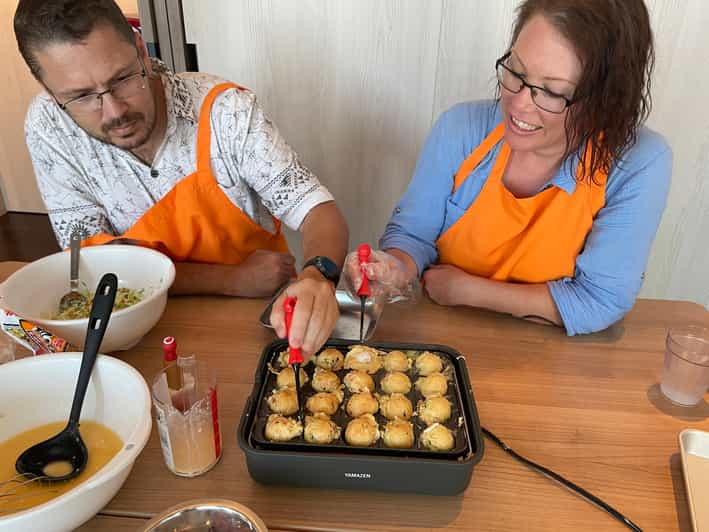
The clearest cooking choices are:
- Okonomiyaki and Yakisoba
- Takoyaki
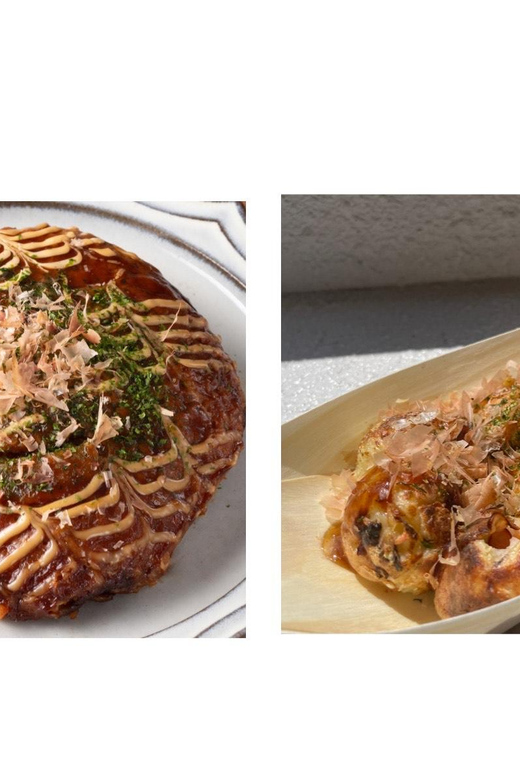
Okonomiyaki is a savory Japanese pancake, usually built from a batter and mixed ingredients, then finished with sauces and toppings. Yakisoba is stir-fried noodles. Together, they make a good introduction to casual Osaka cooking because you learn more than one texture and cooking method in the same session.
Takoyaki is a different kind of challenge. These round, filled snacks are cooked in a special pan, so the class gives you a chance to learn a technique that is harder to pick up from a written recipe. The description says each stage is explained step by step, which matters here. Timing and turning are part of the fun.
The information also refers to Katsu Curry and Bento boxes as traditional dishes you may learn. Since the detailed cooking plan centers on Okonomiyaki, Yakisoba, and Takoyaki, you should ask which menu is running on your date if Katsu Curry or Bento is your priority.
The title also includes Ramen and Gyoza, but the stated itinerary does not explain how those dishes fit into the session. Treat the menu as something to confirm rather than assuming all of these foods are included.
Why the hands-on format works
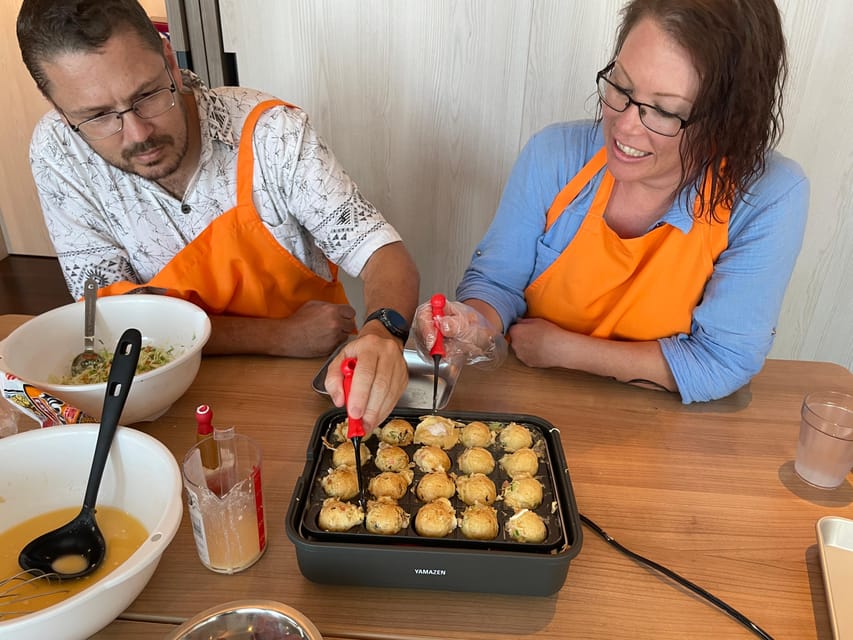
This is not a demonstration where you watch a guide prepare food and then receive a plate. You take part in each stage, with the guide explaining the method and the food traditions behind it.
That makes the class useful after your trip. The stated goal is to teach meals that you can recreate at home, and the dishes are approachable rather than highly formal. Several parts of the menu rely on sauces, noodles, batter, fillings, and simple assembly. You leave with a clearer sense of how the dish is built, not just how it tastes.
I especially like the practical angle. A cooking class is better value when you can use what you learned later. The class aims to give you the confidence to prepare these foods at home, and the step-by-step structure should help if you have never cooked Japanese food before.
There is also room for questions during the session. You can ask about Japanese culture, ingredients, cooking methods, or places to eat. The conversation is a real part of the experience, not just filler while food cooks.
More Dumpling and Dim Sum Tours in Osaka:
- Hong Kong: Street Food Tour with Locals – Dim Sum and Wonton
★ 4.8 · 673 reviews - Warsaw’s No 1 cooking class-Polish dumplings with liqueur tasting
★ 5.0 · 576 reviews - Hong Kong Day Tour: Priority Peak Tram, City Walk & Dim Sum
★ 4.5 · 266 reviews - Xi’an: Great Tang Dynasty Night Show & Dumpling Meal Option
★ 4.4 · 177 reviews
A welcoming option for mixed-age groups
The class is designed for all ages, from young children to seniors. That does not mean every part will suit every person equally. Takoyaki, in particular, may require more attention because the food is shaped and turned during cooking.
Families may like the clear structure and short duration. You get an activity with a finished meal, rather than a long formal lesson. Older participants may appreciate the English instruction and translation support when unfamiliar products appear in shops.
The group limit is eight people. That is small enough for direct help, but the exact size of your session can vary. One reported session had only two people, which allowed plenty of time to talk about seasonings and sauces. You should not assume every date will be private, but the eight-person limit keeps the class from becoming a large demonstration.
The English language option is important. The instructor language is English, and translation assistance is provided during the local shop portion. If you want a class in another language, the supplied information does not confirm that option.
What the $83 price buys you
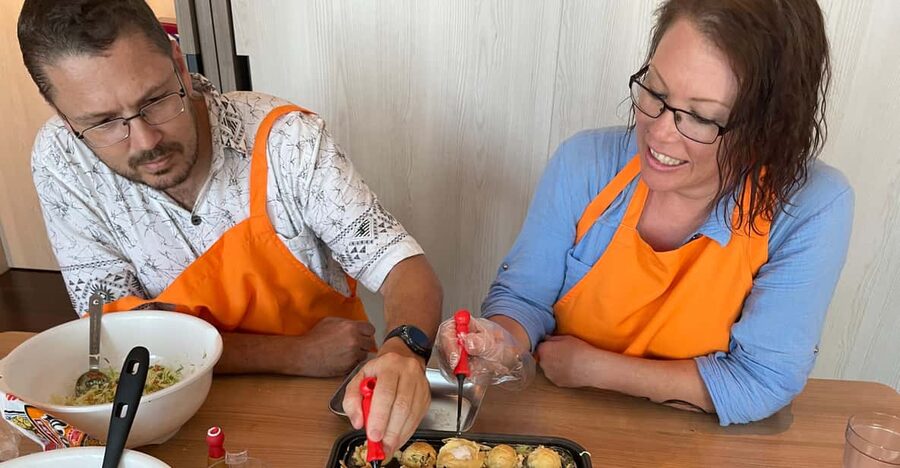
At $83 per person, this is not the cheapest way to eat Okonomiyaki in Osaka. A restaurant meal will cost less, and you will not need to spend part of your morning in a lesson.
The value comes from combining several things in one appointment: a shrine meeting point, a local shop visit, ingredient explanations, hands-on cooking, food, and a chance to ask a local guide about Osaka. For you, the price makes the most sense if the cultural explanation and cooking skills matter as much as the meal.
The small group improves that value. You are not paying for a large class where the instructor stays at the front of the room. With up to eight participants, there should be more space for questions and corrections while you cook.
Still, expectations matter. This is a 2.5-hour class, not a full-day food tour, and the local shopping portion visits only a few stores. If you want a long market walk, several tastings, or a broad survey of Japanese cuisine, this is a narrow experience.
The food itself is included, with Okonomiyaki and Yakisoba or Takoyaki named in the activity details. Because the title and description mention different dishes, confirm the selected menu before booking so the price matches what you want to learn.
The guides bring the culture into the room
The strongest human element is the guide-led conversation. Yumi has focused on Osaka products and the stores that sell them. Yuki has answered questions about local culture while sharing restaurant tips for Osaka, Kyoto, and Nara. Rie and Tomo have also led a friendly morning of shopping and cooking.
Those details suggest that the class is not limited to recipe instructions. You can use the cooking time to ask about sauces, local food habits, and places to eat during the rest of your trip.
The style appears informal and welcoming. That is useful if you are nervous about cooking in front of other people or if you are visiting Japan with children. The guides explain each stage rather than assuming you already understand the equipment or ingredients.
Do keep in mind that individual guide assignments can change. Yumi, Yuki, Rie, and Tomo are names connected with the experience, but your guide on the day is not guaranteed in the supplied details.
Practical details that can save you trouble
Book at least 24 hours ahead. The activity does not promise same-day availability, and the small group limit can make late booking difficult.
Cancellation is flexible up to 24 hours before the start time, with a full refund stated for eligible cancellations. You can also reserve and pay later, which helps if your Osaka schedule is still changing.
The meeting point is very specific: the large main gate of Osaka Tenmangu Shrine. Do not head to the small rear gate. The information does not list hotel pickup, so treat the shrine as your arrival point.
The listed price is $83 per person. The class is available for one day, with starting times shown when you check availability. The activity is conducted in English, and the group is limited to eight participants.
Since the total duration is about 2.5 hours, consider pairing it with nearby sightseeing rather than building your whole day around it. The shrine provides a clear starting point, while the cooking session gives you a break from the usual sightseeing routine.
Who will get the most from this class
I would choose this for you if you want a practical Osaka food experience instead of a restaurant-only meal. It suits first-time visitors who want a simple introduction to local cooking and experienced Japan visitors who still want direct contact with everyday food culture.
It is a good match for:
- Families looking for a shared activity
- Couples who enjoy cooking together
- Solo visitors who like small-group conversation
- Beginners who want recipes they can repeat at home
- Food fans curious about Osaka ingredients and sauces
- Anyone who wants to ask a local guide about Osaka, Kyoto, or Nara
It may be less suitable if you want an advanced culinary workshop, a long market tour, or a guaranteed ramen and gyoza lesson. The stated menu needs clarification, and the shop visit is intentionally limited.
Should you book Osaka Cooking Base?
Book it if you value hands-on cooking, local food explanations, and conversation more than a long sightseeing route. The combination of Osaka Tenmangu, a few neighborhood shops, and a meal you prepare yourself gives the experience a clear purpose.
The best reason to go is practical: you can take the method home. The second is personal: a small English-speaking group gives you time to ask about Japanese life, ingredients, sauces, and places to eat.
Before confirming, check whether your session is for Okonomiyaki and Yakisoba, Takoyaki, or another menu mentioned in the description. If that matches your plans, $83 is a fair price for a compact food and culture lesson in Osaka.
FAQ
Where does the cooking class meet?
The meeting point is in front of the large main gate of Osaka Tenmangu Shrine. Be careful not to go to the small back gate.
How long does the activity last?
The cooking session and local shop visit take about 2.5 hours. The activity is listed as valid for one day, with available starting times shown when you check.
What food can I learn to cook?
The main options are Okonomiyaki and Yakisoba or Takoyaki. The description also mentions Katsu Curry and Bento boxes, while the activity title refers to Ramen and Gyoza, so confirm the exact menu when booking.
Is food included?
Yes. Food is included, with Okonomiyaki and Yakisoba or Takoyaki listed among the included dishes.
Is the activity taught in English?
Yes. English is the listed instructor language, and translation assistance is provided during the local shop visit.
How many people are in the group?
The group is limited to eight participants. The exact number on your date can be smaller.
Can I cancel and receive a refund?
You can cancel up to 24 hours in advance for a full refund, according to the stated cancellation terms. You can also reserve now and pay later.
More Workshops in Osaka
- Osaka Cooking Class: Okonomiyaki &Japanese cuisines experience
★ 5.0 · 261 reviews - Osaka : Cooking Class Okonomiyaki & Takoyaki course in Nanba
★ 4.9 · 25 reviews - Osaka: Okonomiyaki Cooking Class with Beer or Soft Drink
★ 4.9 · 9 reviews - Osaka: Takoyaki Keychain and Magnet-Food Replica Workshop
★ 5.0 · 2 reviews
Just added around Osaka
- Same Day OK! Osaka: Local Food, Izakaya & Local Bites Tour!★ 4.8 · 17 reviews
- Eat Like a Local in Osaka – Private Custom Street Food Tour★ 4.3 · 33 reviews
- Osaka Shinsekai Street Food Tour – Evening★ 5.0 · 2 reviews
- Okonomiyaki&Takoyaki for Families:Osaka Street Food Festival★ 5.0 · 4 reviews
- Osaka: Takoyaki Keychain and Magnet-Food Replica Workshop★ 5.0 · 2 reviews
- Osaka: Local Foodie Tour in Dotonbori and Shinsekai★ 4.7 · 95 reviews
- Osaka Okonomiyaki Cooking Experience for Families & Groups★ 4.9 · 8 reviews
- Osaka: Namba Guided Local Food Tour (Taste 15 dishes)★ 5.0 · 6 reviews
Osaka Street Food Tours, compared.
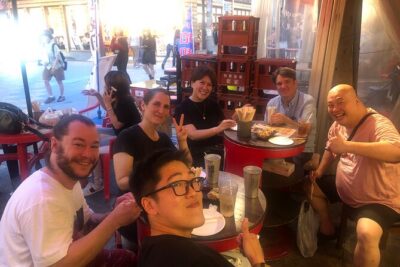
Hungry Osaka Street Food Tour:15 Tastings & 3 Drinks with a Local
Read our review →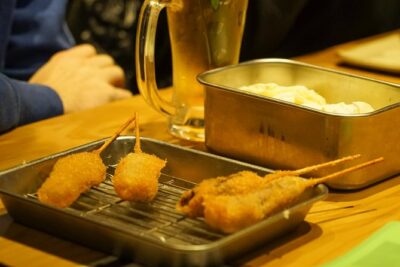
Osaka Local Foodie Walking Tour in Dotonbori and Shinsekai
Read our review →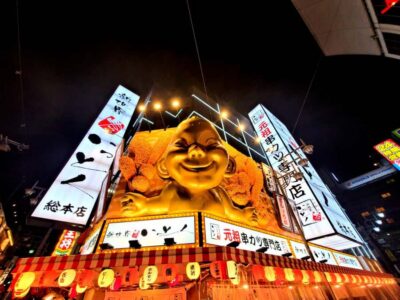
Hungry Osaka Street Food Tour: 15 Dishes & 3 Drinks
Read our review →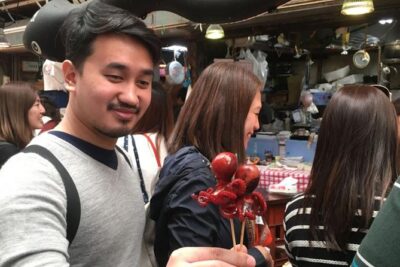
Kuromon Market Food Walking Tour in Osaka (6 stops, 6 tastes)
Read our review →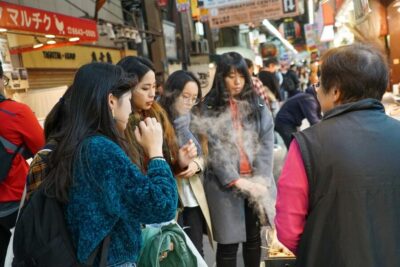
Osaka: Kuromon Market Food Walking Tour (6 stops, 6 tastes)
Read our review →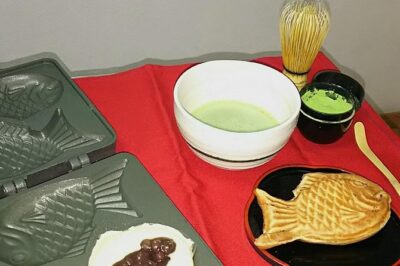
Osaka Cooking Class: Okonomiyaki &Japanese cuisines experience
Read our review →
[1 Group Only] Osaka Street Food Tour for Family
Read our review →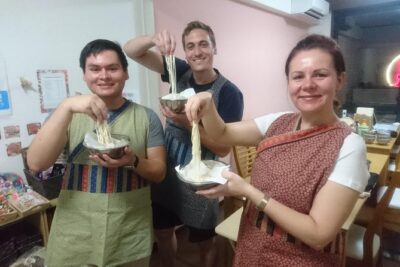
Browse the lists this tour appears in