
REVIEW · OSAKA STREET FOOD TOURS
Osaka Sake Tasting with Takoyaki Cooking
Osaka’s signature street food becomes your dinner project in this friendly two-hour class. You cook takoyaki from scratch, then pair your handiwork with a broad tasting of Japanese sake led by Momo, a sake sommelier and former brewer. I like the hands-on cooking and the chance to taste more than 10 sake types in one sitting.
I also like the small scale. With no more than six people, Momo can answer questions, adjust the lesson to your tastes, and help you sort through sake styles without making the talk feel stiff. The main drawback is simple: $70 is not a cheap snack stop, and the generous sake pours mean this suits adults who want a proper tasting more than anyone seeking a quick sample.
Key points at a glance
- Cook your own Osaka classic: Learn Momo’s method for turning batter, octopus, and fillings into crisp-edged, soft-centered takoyaki.
- Taste beyond the familiar: More than 10 Japanese sake types are available, with seasonal selections chosen by the sake expert.
- Learn from a brewer’s perspective: Momo explains sake’s ingredients, production, grading, flavors, and drinking culture in clear English.
- Keep the group small: The class is limited to six people, which leaves room for questions and personal recommendations.
- Find it near Namba: Meet at MOMO to SAKE, on the second floor of the building, with easy access from Osaka’s main Namba area.
- Come hungry: You cook enough food to share with the sake, and soft drinks are available for non-drinkers and children.
Why this Osaka class works so well
Osaka is proud of its food. Takoyaki is not a precious restaurant dish. It is hot, casual, messy, and made to be eaten while chatting. That makes it a good match for a small cooking class, where you can learn the basic technique without worrying about making perfect little balls on the first try.
The sake side gives the experience more depth. Instead of simply handing you a glass and naming the brewery, Momo explains how sake is made, how its styles differ, and what to look for when choosing a bottle. I like this practical approach because it helps you later, when a menu offers several unfamiliar names and very little English.
You also get a useful lesson in Japanese terminology. Sake is often called nihonshu in Japan, since the word sake can refer more broadly to alcoholic drinks. You do not need to memorize every term, but learning the basics helps you read a menu and ask better questions at a sake bar.
More Cooking Classes in Osaka:
- Osaka Cooking Class: Okonomiyaki &Japanese cuisines experience
★ 5.0 · 261 reviews - Ramen and Gyoza Cooking Class in Osaka
★ 5.0 · 202 reviews - Osaka Sake Tasting & Takoyaki Cooking Experience
★ 5.0 · 149 reviews
Meeting Momo at MOMO to SAKE
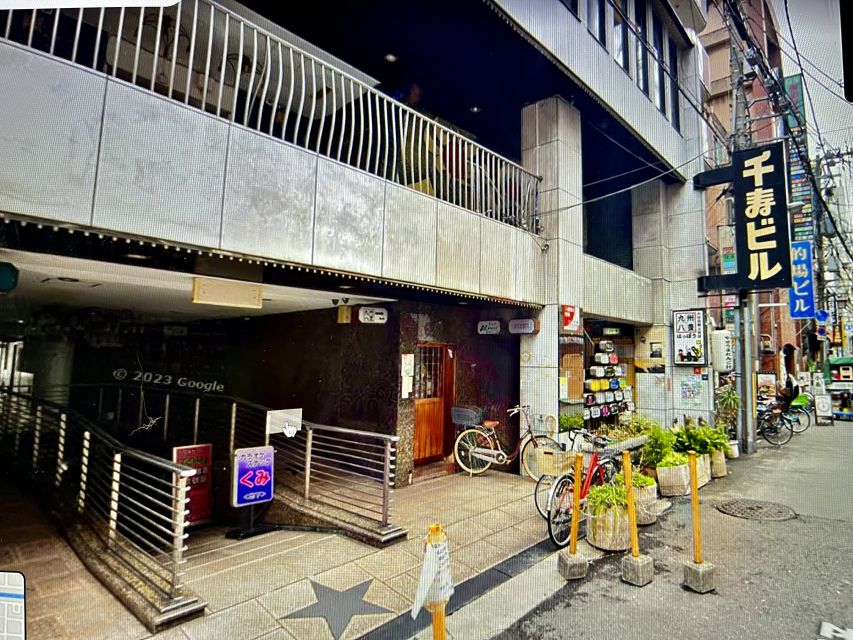
The meeting point is the store MOMO to SAKE, located on the second floor of its building near Osaka Namba. The location matters because Namba is one of the easiest parts of Osaka for visitors to reach, and the class fits neatly into an evening around the city’s food and nightlife areas.
This is not a large demonstration kitchen with rows of strangers. The group limit is six, and some sessions may be even smaller. A couple has described having what felt like a private lesson, while another booking was a one-on-one experience. That format gives Momo time to learn what you like and adjust her explanations.
Momo’s English is a major practical benefit. She teaches in English and Japanese, and the class is designed for questions. You can ask about flavor, production, serving styles, or what to order later in Japan without needing specialist vocabulary.
The setting is best understood as cozy and personal rather than polished or theatrical. You are there to cook, talk, taste, and learn. If you prefer a large food tour with several locations, this will feel too contained. If you want direct contact with a local host, the small room works in its favor.
Making takoyaki from batter to plate
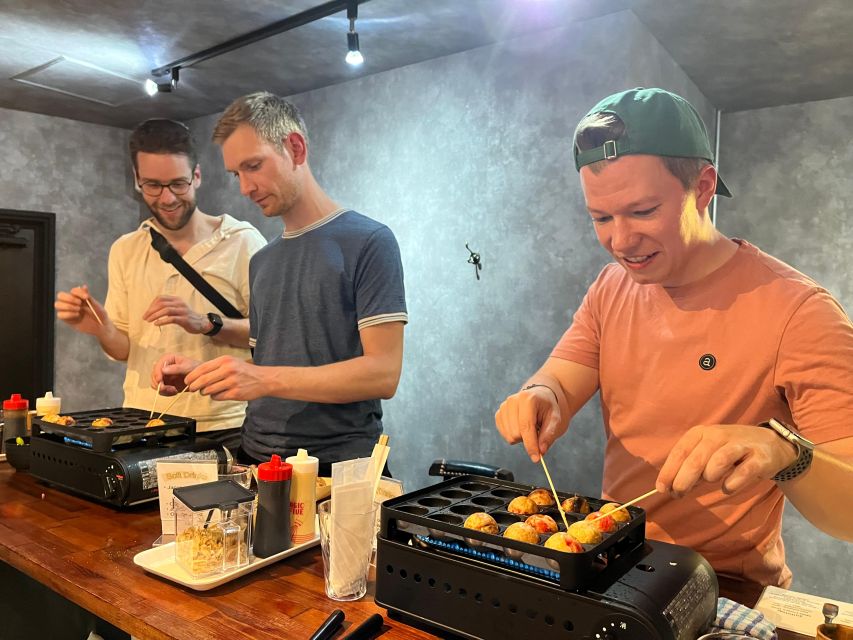
The cooking begins with the dish that gives Osaka much of its food identity: takoyaki, often translated as grilled octopus balls. The basic method looks easier than it is. You fill the round spaces of a hot takoyaki pan, wait for the mixture to set, then turn each piece with picks until it becomes round and browned.
Momo shows you the technique step by step, but you do the actual cooking. That is important. You are not simply watching a skilled cook make a perfect batch while you take pictures. Your first few pieces may be irregular, and that is part of the fun.
The class uses Momo’s own recipe and includes extra fillings beyond octopus. Depending on your choices, you may add wagyu beef, cheese, kimchi, or corn. One useful feature is the flexibility for people who do not eat octopus. A couple created several variations, including beef and cheese, and still had plenty to eat.
The cooking has a social rhythm. You start by concentrating on the pan, then begin laughing when the pieces refuse to turn neatly. Once you get the motion right, the work becomes surprisingly satisfying. You gain a new appreciation for the speed and skill of Osaka street-food cooks, who make this look effortless.
The final takoyaki is eaten after cooking, alongside the sake tasting. The timing is sensible. You do not begin with a series of drinks on an empty stomach, then attempt a hot-pan lesson while trying to keep track of several sake styles. You cook first, eat, and then give the drinks your attention.
Understanding sake without the technical fog
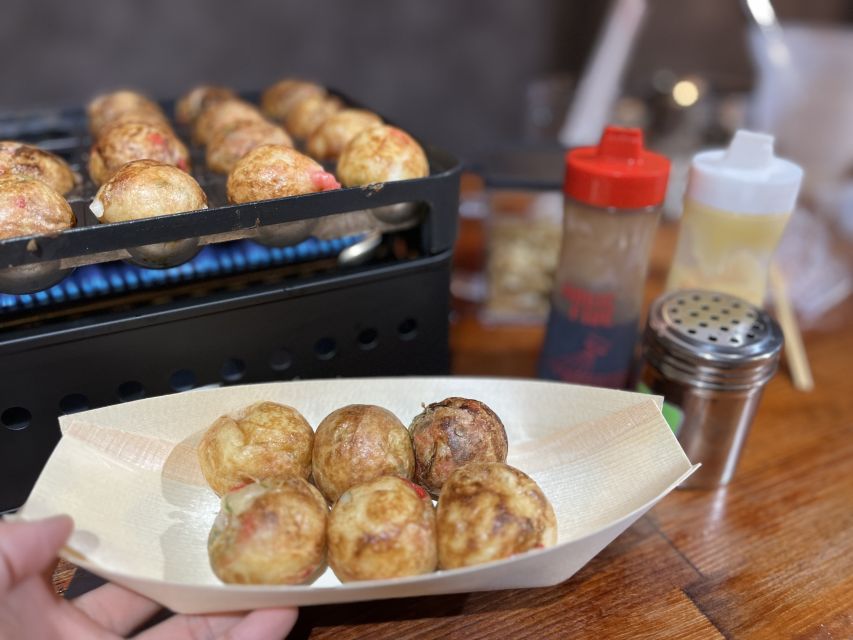
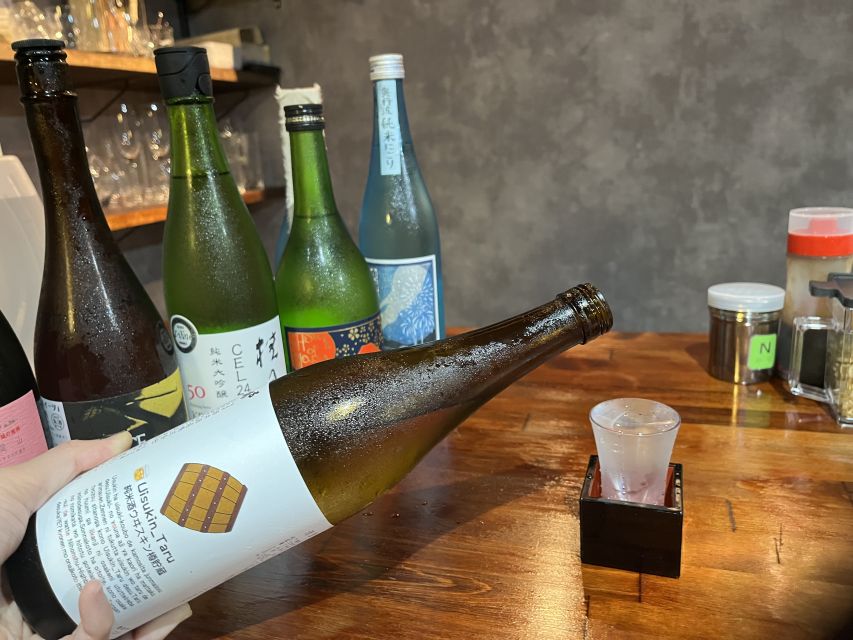
Momo’s background is one of the strongest reasons to book this activity. She is a sake sommelier and former brewer, so she can explain both the finished drink and the work behind it. The lesson covers sake’s history, culture, making process, types, grading, and flavor differences.
I particularly like the way this information can be used right away. You learn to notice qualities such as sweetness, dryness, aroma, body, and texture. You then taste several options and compare your reactions. That is far more useful than being told which sake is supposedly best.
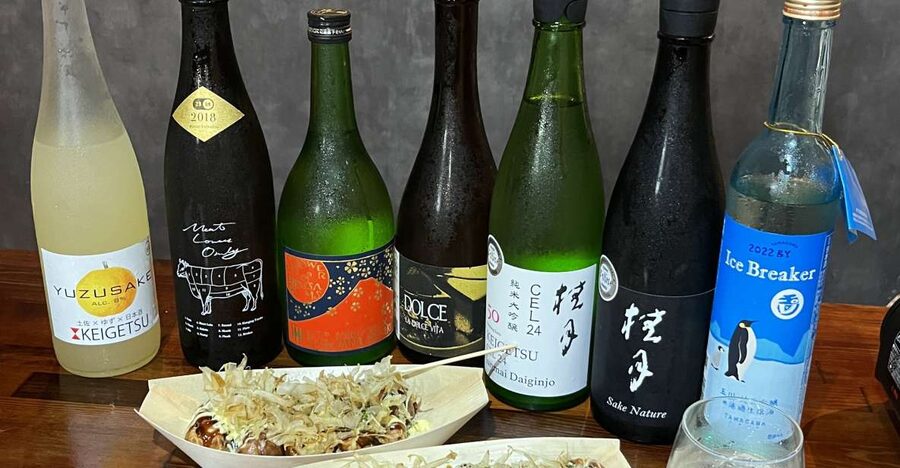
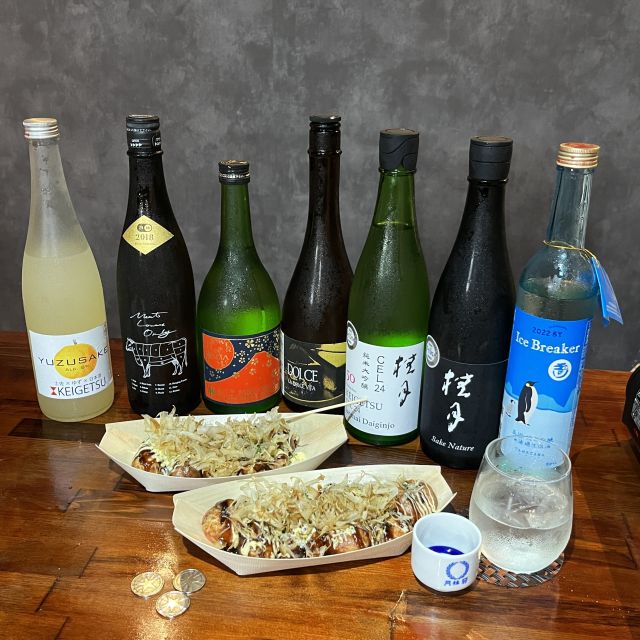
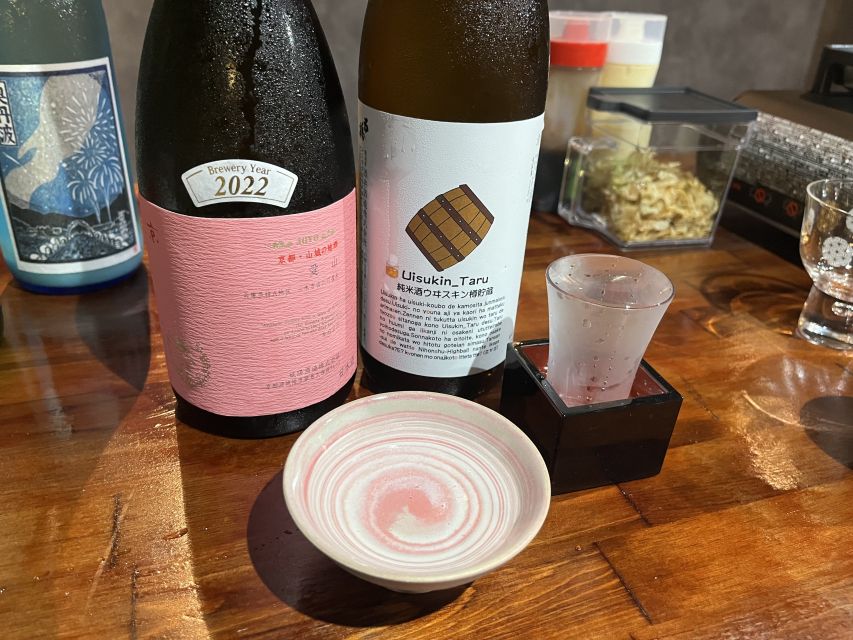
More than 10 Japanese sake types are available, selected from seasonal choices. The exact number you drink can vary, but some sessions have included seven or eight different pours. The pours can be generous, so treat this as a real drinking session rather than a token tasting.
Momo helps you connect your preferences to future orders. If you prefer a lighter, cleaner style, she can steer you in that direction. If you like fuller or more aromatic sake, she can explain what to look for. The goal is not to turn you into a sake judge in two hours. It is to make you less hesitant at a bar or restaurant.
That practical skill is where the $70 price begins to make sense. You are paying for food, drinks, instruction, and a local host who can explain a complicated subject in plain English. A single tasting elsewhere might cost less, but it may not give you the same guidance or hands-on meal.
More Drinking Tours in Osaka:
- Same Day OK! Osaka: Local Food, Izakaya & Local Bites Tour!
★ 4.8 · 17 reviews - Osaka: Okonomiyaki Cooking Class with Beer or Soft Drink
★ 4.9 · 9 reviews - Lucha Libre Tickets & Tacos & Beer & Mezcal – BEST NIGHT EVER!
★ 5.0 · 1,077 reviews - Cancun Taco Tour, Local Beer and Night Market with Transportation
★ 5.0 · 816 reviews
Eating and tasting in the right order
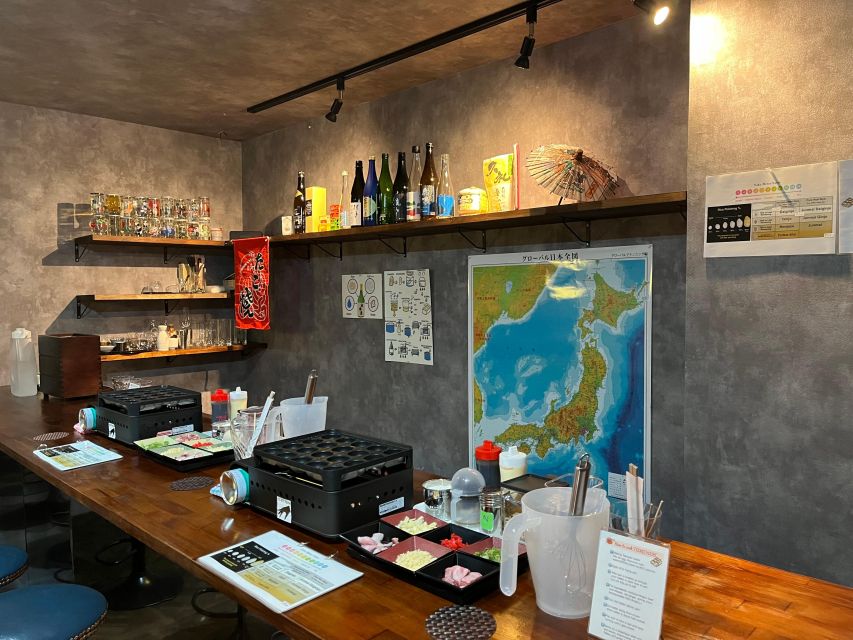
After you have cooked the takoyaki, Momo brings the sake into the picture. The handmade food gives you something substantial to eat while you taste, and the contrast between warm savory fillings and chilled or room-temperature sake makes the pairing more interesting.
You can taste the sake on its own first, then try it with the takoyaki. A cheese-filled piece may work differently from one with octopus, kimchi, or wagyu. This is not presented as a formal pairing course, but you can use the food to notice how different flavors change the drink.
Soft drinks are included, which makes the class more flexible for families and mixed groups. Children can take part in the takoyaki cooking while adults taste sake. A family with young children found the format suitable, with soft drinks provided for the kids.
If you do not drink alcohol, the cooking remains worthwhile, but the experience is built around sake. You should book it mainly if you are interested in learning about Japanese drinks, even if you plan to take only a small taste or choose soft drinks.
Dietary needs and food choices
The extra fillings make the class more adaptable than a standard octopus-only lesson. You may have options such as wagyu beef, cheese, kimchi, and corn, and Momo has adapted the food for a participant with coeliac disease.
Still, do not assume every dietary need can be handled automatically. If you have coeliac disease, an allergy, or a strict restriction, contact the provider before booking and explain exactly what you need. The available information shows that Momo has made the experience work for individual needs, but the ingredients and preparation should be confirmed in advance.
Vegetarians and people who dislike seafood may find the extra fillings useful, though the class is rooted in a dish traditionally made with octopus. If takoyaki is the main reason you are interested, the cooking itself remains part of the appeal even when you choose a different filling.
Is two hours enough?
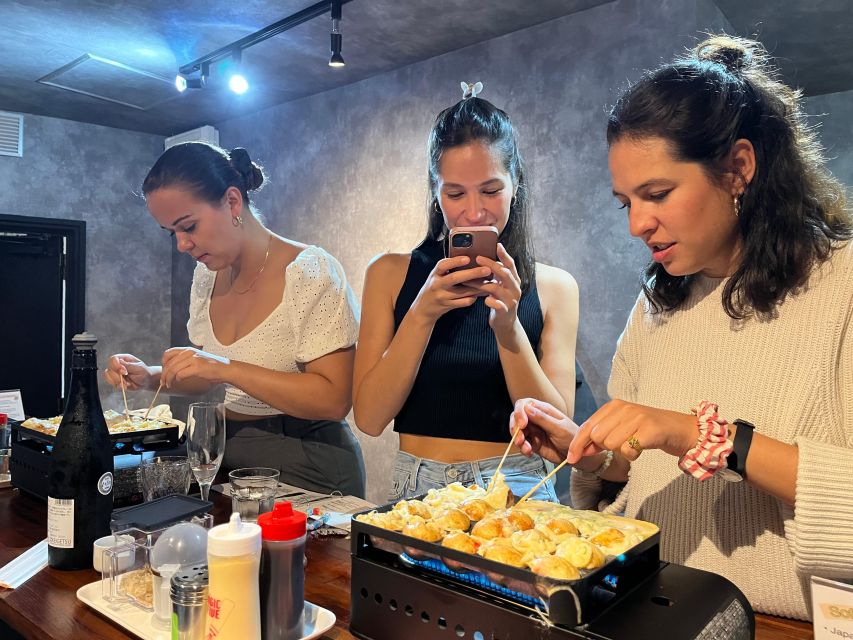
Two hours is a good length for this format. You have time to learn the cooking method, make and eat the takoyaki, hear the sake lesson, and taste several varieties. It is long enough to feel like an activity, but short enough to fit around sightseeing in Namba.
Do not expect a full brewery tour or a professional cooking qualification. The sake information is focused on useful basics, not an exhaustive study of every brewing region and grading category. The takoyaki lesson teaches you how to make the dish at home, but the main purpose is shared food and drink, not culinary certification.
The schedule also depends on the group. With six participants, the cooking may take a little longer and the conversation may move at a relaxed pace. With two people, you may get more direct attention and more time for personal questions. Either way, the small-group limit keeps the session from becoming anonymous.
The real value of the $70 price
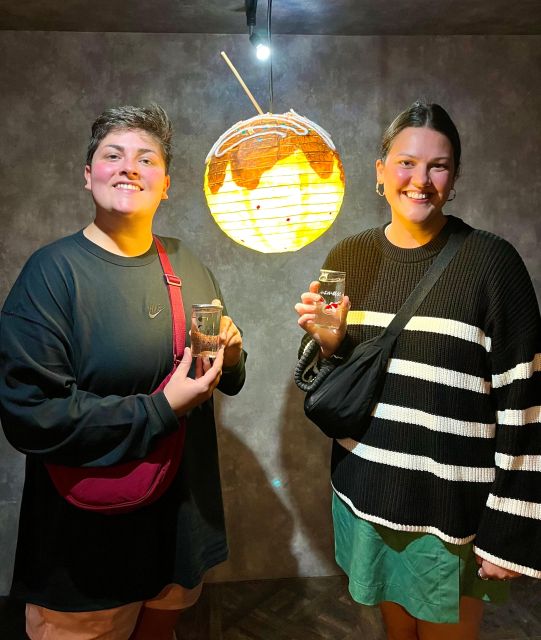
At $70 per person, this is a midrange Osaka food activity rather than a cheap street-food bite. The price includes all cooking ingredients, instruction, more than 10 sake options, soft drinks, and an English-speaking sake expert.
The value is strongest if you would otherwise pay for a separate sake tasting and a food class. You receive both in one two-hour session, plus practical advice you can use during the rest of your Japan trip. Several people have even bought sake cups or a takoyaki pan after learning how much they enjoyed the experience.
The price is less compelling if you only want to eat takoyaki. Osaka has many inexpensive places to try it, and you can order a plate without paying for instruction. It is also not the best choice for someone who wants a broad city tour, since you stay in one location.
For me, the deciding question is simple: do you want to understand sake and make the food yourself? If yes, the price is fair. The combination of expert guidance, multiple pours, and a full hands-on meal gives it more substance than a standard tasting flight.
Who should book this experience?
I would choose this for couples, friends, solo visitors, and families with adults who want to drink sake. The six-person maximum is especially good for solo visitors, since the class gives you a natural way to meet people without joining a large bus tour.
It also suits anyone who plans to visit sake bars later in Japan. Book it early in your Osaka stay if possible, since the advice about flavor and ordering can help you make better choices afterward. The class works just as well near the end of a trip if you want a relaxed final meal and a personal send-off.
Food lovers will appreciate the local focus, but you do not need prior sake knowledge. Momo explains the subject for beginners and answers detailed questions for people who already drink sake. The tone is friendly and conversational rather than formal.
You may want to skip it if you dislike communal cooking, do not drink alcohol, or prefer a fast-paced food walk. It is also worth noting that generous pours can add up quickly, so pace yourself and use the available soft drinks or water as needed.
Booking details worth knowing
The activity lasts two hours and runs at set starting times, so check availability for your preferred day. You meet at MOMO to SAKE on the second floor of the building near Namba.
The group is limited to six people. English and Japanese are supported, and the activity includes free cancellation up to 24 hours in advance for a full refund. You can also reserve now and pay later, which is useful when your Osaka schedule is still changing.
Come hungry, but not so hungry that you rush the cooking. You will eat your handmade takoyaki after preparing it, then enjoy the sake with the meal. If you have a food restriction, mention it before the session.
Should you book it?
Book this experience if you want more than a plate of Osaka food. You will learn how to make takoyaki, taste a broad range of sake, and leave with enough basic knowledge to order more confidently elsewhere.
I would be especially keen to book it near the start of an Osaka stay, when Momo’s advice can guide later meals and sake-bar visits. The small group, personal teaching, flexible fillings, and generous tasting make the $70 worthwhile for food and drink enthusiasts.
Skip it if your priority is the lowest possible meal price or a tour that moves through several neighborhoods. For everyone else, this is a focused, social way to understand two distinctly Osaka pleasures: hot takoyaki and good sake.
FAQ
Where does the Osaka sake and takoyaki experience take place?
It takes place at MOMO to SAKE, located on the second floor of the building near Osaka Namba.
How long does the activity last?
The activity lasts two hours.
How much does it cost?
The listed price is $70 per person.
How many people can join the class?
The group is limited to six participants.
Who leads the activity?
Momo leads the experience. She is a sake sommelier and former brewer.
How many types of sake can I taste?
More than 10 types of Japanese sake are available, including seasonal selections chosen by the sake expert.
Is the activity available in English?
Yes. The instructor speaks English and Japanese.
Are soft drinks included?
Yes. Soft drinks are included along with the sake selection.
Can the activity accommodate dietary needs?
Momo has adapted the food for a participant with coeliac disease, and the takoyaki can include fillings such as wagyu beef, cheese, kimchi, and corn. Contact the provider in advance about your specific dietary needs.
More Sake Tastings in Osaka
- Tsukiji: Unlimited Sake Tasting Experience
★ 4.9 · 67 reviews - Nara – Craft Beer, Sake, and Food Walking Tour
★ 3.5 · 9 reviews - Explore Matsumoto: Castle, Sake & Taste of Local Life
★ 4.8 · 6 reviews - Tokyo: Private Tsukiji Street Food & Sake with Local Guide
★ 5.0 · 3 reviews
Just added around Osaka
- Same Day OK! Osaka: Local Food, Izakaya & Local Bites Tour!★ 4.8 · 17 reviews
- Eat Like a Local in Osaka – Private Custom Street Food Tour★ 4.3 · 33 reviews
- Okonomiyaki&Takoyaki for Families:Osaka Street Food Festival★ 5.0 · 4 reviews
- Osaka Shinsekai Street Food Tour – Evening★ 5.0 · 2 reviews
- Osaka: Local Foodie Tour in Dotonbori and Shinsekai★ 4.7 · 95 reviews
- Osaka: Takoyaki Keychain and Magnet-Food Replica Workshop★ 5.0 · 2 reviews
- Osaka Okonomiyaki Cooking Experience for Families & Groups★ 4.9 · 8 reviews
- Osaka: Namba Guided Local Food Tour (Taste 15 dishes)★ 5.0 · 6 reviews
Osaka Street Food Tours, compared.
Hungry Osaka Street Food Tour:15 Tastings & 3 Drinks with a Local
Read our review →
Osaka Local Foodie Walking Tour in Dotonbori and Shinsekai
Read our review →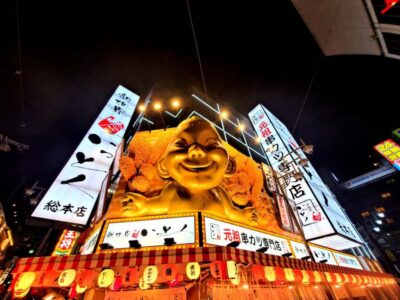
Hungry Osaka Street Food Tour: 15 Dishes & 3 Drinks
Read our review →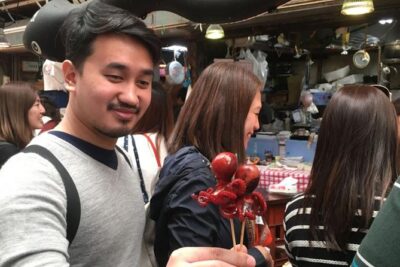
Kuromon Market Food Walking Tour in Osaka (6 stops, 6 tastes)
Read our review →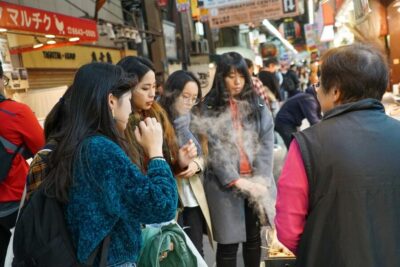
Osaka: Kuromon Market Food Walking Tour (6 stops, 6 tastes)
Read our review →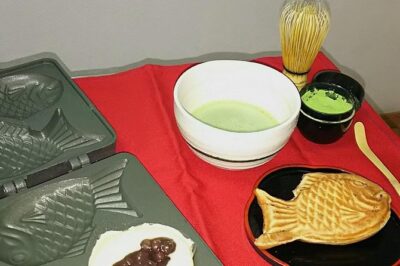
Osaka Cooking Class: Okonomiyaki &Japanese cuisines experience
Read our review →![[1 Group Only] Osaka Street Food Tour for Family](https://4.streetfoodtrips.com/wp-content/uploads/1-group-only-osaka-street-food-tour-for-family-400x267.jpg)
[1 Group Only] Osaka Street Food Tour for Family
Read our review →
Browse the lists this tour appears in