REVIEW · TOKYO STREET FOOD TOURS
Tokyo: Tsukiji Fish Market Foodie and Educational Tour
Tsukiji is best understood with your appetite switched on. This two-hour walk links Namiyoke Inari Shrine, a local wholesaler, the Tsukiji Uogashi Mall, the Outer Market, and a Lawson convenience store. You get a small tuna bento with fresh wasabi and sake, then time to hunt for more food on your own.
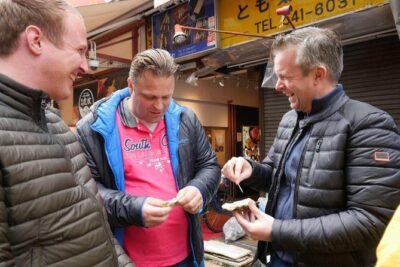
I like the small group of six, which keeps the market walk personal rather than parade-like. I also like the way the tour connects food with place: you learn why the shrine matters, how tuna is appreciated, and what to buy in a Japanese convenience store. The catch is that extra snacks and drinks cost more, and this tour is not suitable for vegetarians.
Key points at a glance
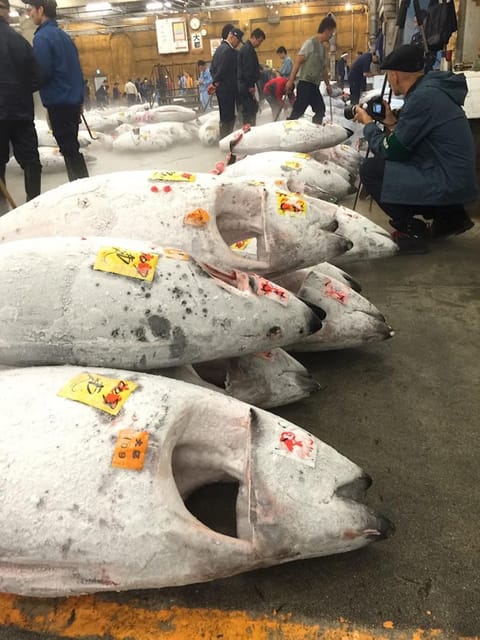
- Fresh tuna tasting included: Try freshly cut tuna, fresh wasabi, a small bento box, water, and a small amount of sake.
- Four useful stops: The route covers Lawson, Namiyoke Inari Shrine, Tsukiji Uogashi Mall, the Outer Market, and a final Lawson snack stop.
- Chinami may lead the walk: She has been praised for clear English, local advice, and steering people away from tourist traps.
- Small and focused: The group is limited to six people, making questions and food explanations easier.
- Bring extra yen or a card for food: Street food, drinks, market purchases, and Lawson items are not included.
- A food tour with cultural context: The shrine visit gives the market a human and religious setting, not just a string of tasting stops.
Why this Tsukiji tour is more than a food crawl
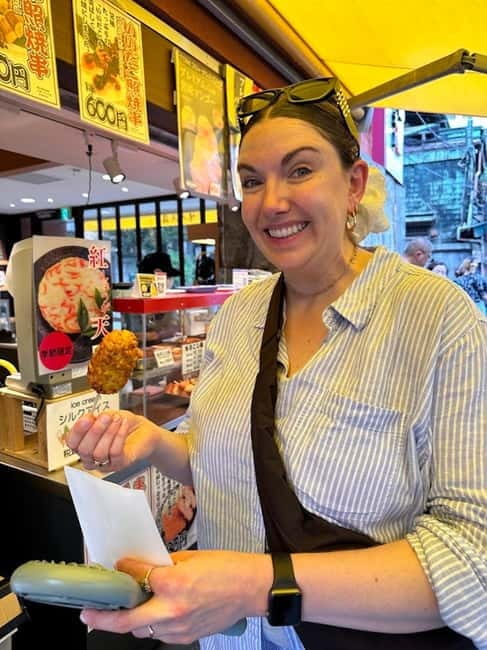
Tsukiji is easy to visit on your own, but it is also easy to wander without understanding what you are seeing. This tour gives you a simple framework. You start with a shrine tied to the market community, move into a wholesaler-run tasting, then explore the market stalls and convenience-store food with guidance.
That order makes sense. Food comes first, but not food without context. You learn why Namiyoke Inari Shrine is respected, then taste tuna in a setting connected to the trade. After that, the Outer Market becomes easier to read. You can look at ingredients, knives, utensils, sweets, and prepared foods with a better sense of what belongs in a Japanese kitchen.
The activity costs $70 per person for two hours. That is not a cheap snack walk, but the price includes a guide, a small bento with tuna, fresh wasabi, a little sake, bottled water, historical background, and photos taken during the tour. If you planned to taste tuna, sake, and several market foods independently, the price can make sense, especially if you value explanations and personal suggestions.
The value is weaker if you mainly want a large meal. The included bento is described as small, and extra food is your responsibility. Think of this as an introduction and tasting session, not a full breakfast or lunch.
More Fish Market and Seafood Tours in Tokyo
- Tokyo Tsukiji Fish Market Food and Culture Walking Tour
★ 5.0 · 3,184 reviews - Tokyo: Tsukiji Fish Market Food and Walking tour
★ 5.0 · 1,724 reviews - Tokyo: Tsukiji Fish Market Guided Walking Tour
★ 4.9 · 1,397 reviews
Meeting outside Lawson at Tsukiji 4 chome
The tour begins outside the Lawson at the Tsukiji 4 chome intersection. Look for the staff member holding a notice board. Do not gather directly around the shop entrance, since that can block people going in and out.
This is a practical meeting point because the tour returns there at the end. You do not need to work out a new station or restaurant meeting place after the walk. It also makes the final convenience-store stop part of the route rather than an afterthought.
The walk involves several short sections: about 10 minutes to the shrine, five minutes onward to the food stop, and 10 minutes back to Lawson after the Outer Market. You are on your feet for most of the two hours, so comfortable shoes are sensible.
The English guide leads the entire experience. Chinami has received especially warm praise for her English, her understanding of local food, and her useful tips for the rest of a Japan trip, including Tokyo and Kyoto. Guides can vary, but the small-group format gives you a good chance to ask questions.
Namiyoke Inari Shrine, where Tsukiji begins with a prayer
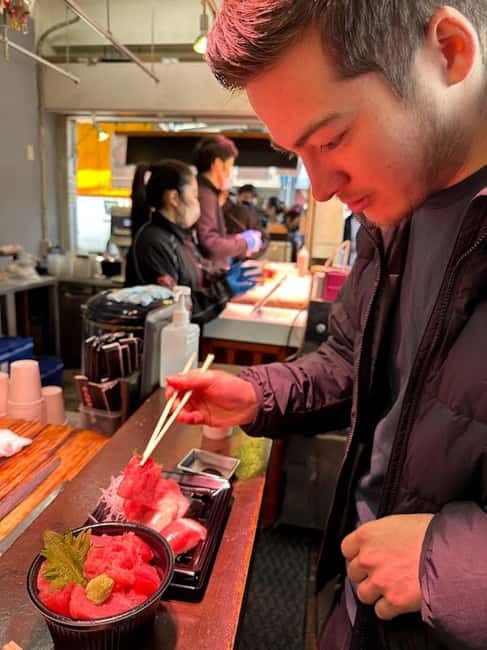
After a short walk, you reach Namiyoke Inari Shrine for about 15 minutes. This is not a rushed photo stop. The guide explains why people in the area worship the shrine and how to pray for protection from bad luck, misfortune, and turmoil.
That lesson matters because it puts the market in a local setting. Tsukiji is famous for seafood, but the people who worked around the market also had reasons to seek protection and good fortune. The shrine visit helps you see the district as a community, not only as a shopping zone.
You will also learn the basic way to pray. That is useful if you have visited Japanese shrines before but were unsure about the small rituals. The guide can explain what you are doing and why, which is more helpful than copying the nearest person and hoping for the best.
The stop lasts only 15 minutes, so do not expect an extended religious tour. It is a compact introduction before the food portion. If you are mainly interested in eating, this may feel like a pause. If you want some cultural background, it gives the tour a welcome change of pace.
Tuna, wasabi, and sake at Tsukiji Uogashi Mall
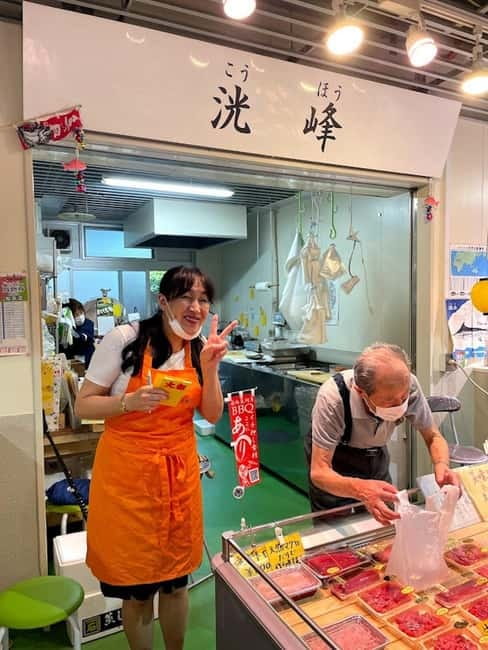
The next stop takes about five minutes on foot and lasts roughly 35 minutes. Here, a local wholesaler called Tsukiji KohHoh, connected with Toyosu Market, provides the tasting. The people involved are described as specialists in blue marlin.
You receive a small bento box with freshly cut tuna and fresh wasabi, along with a small amount of Japanese sake. A bottle of water is also included. This is the most clearly defined food element of the tour, and it is the part that gives the $70 price its most direct value.
The point is not simply to eat sashimi. The guide explains Japanese cuisine and the care involved in serving it. You may learn to notice differences between types of fish and tuna, rather than treating every piece as the same. One participant specifically found the comparison of fish and tuna helpful for understanding the fine distinctions behind sushi.
Fresh wasabi is another useful detail. It gives you a chance to compare it with the familiar green paste served in many restaurants. The small sake serving adds another traditional pairing, though it is only a tasting amount, not a drinking session.
The Uogashi Mall itself is worth seeing. You can browse products, fruit, vegetables, and a food court with restaurants. The tour does not include additional purchases, so you can choose your own spending level. You might simply look around, or you might leave with ingredients and a plan for another meal.
The wholesaler connection gives this stop a more specific purpose than a random market sample. You are tasting from a place tied to the seafood trade, while the guide explains what is in front of you. That combination is the strongest part of the experience for anyone who wants food knowledge, not just food photos.
More Street Food Market Tours in Japan
- Tsukiji Fish Market Guided Tour and Sushi Making with Pro Chef
★ 5.0 · 775 reviews - Tokyo: Tsukiji Fish Market Food and Culture Walking Tour
★ 4.7 · 757 reviews - Tsukiji Fish Market: Street Food & Culture Walking Tour
★ 5.0 · 669 reviews - Tsukiji Fish Market Small-Group Food Walking Tour
★ 5.0 · 621 reviews
The Outer Market, with room for your own appetite
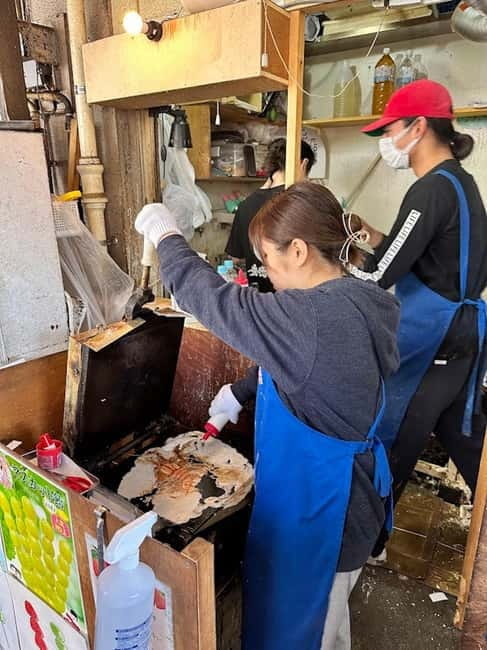
The tour then heads into Tsukiji Outer Market for about 45 minutes. This is the longest stop and the section with the most freedom. The guide shows you around the market, explains its past, points out local ingredients, and helps you decide what might be worth trying.
This is where you can buy street food and drinks, but those costs are not included. The same applies to sweets, snacks, ingredients, souvenirs, knives, utensils, and anything else that catches your eye. Set aside extra money if you want to taste as you go.
You do not have to focus only on seafood. The guide points out other food choices, which is useful because the market includes much more than fish. You might find fruit, vegetables, prepared foods, desserts, cooking tools, and Japanese ingredients tucked into the side streets and alleys.
That variety is one reason a guide helps. A short visit can become a blur of signs, samples, and people. With someone explaining what you are looking at, you can spend your limited time on products that interest you instead of buying the first attractive snack.
The 45-minute limit also calls for realistic expectations. You will not examine every lane or shop. You will get an introduction and some direction. If you want a long, unhurried shopping session, plan to return on your own.
I would use this part of the tour to ask specific questions. Ask what makes one tuna different from another, which ingredients are common in home cooking, or what a certain utensil is used for. The more direct your questions, the more useful the small group becomes.
The guide also helps you avoid the common problem of spending too much on novelty food before you know what you actually want. Chinami was praised for helping people avoid tourist traps and for offering local suggestions. That kind of advice can save money, even though it does not remove the temptation to buy one more snack.
The final Lawson stop and the art of convenience-store eating
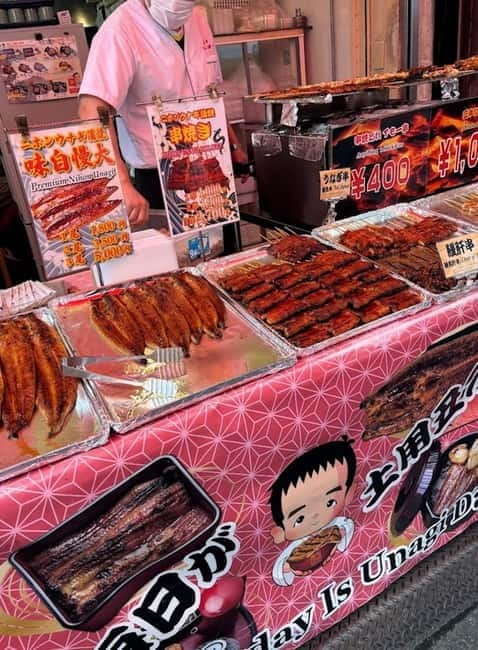
The walk finishes back at Lawson, where the guide offers advice on snack hunting. This may sound less exciting than tuna and sake, but it is one of the most practical parts of the tour.
Japanese convenience stores can be excellent places to find affordable food and drinks. The guide explains what to buy and how to enjoy it, giving you ideas for later in your trip. That can be especially useful on busy sightseeing days when you want something quick without committing to a full restaurant meal.
The activity description specifically promises recommendations about Lawson food and drinks, not a free convenience-store meal. You pay for anything you choose. This is a small but important distinction when comparing the tour price.
I like ending here because it shifts the focus from a special market tasting to everyday Japan. You get both ends of the food spectrum: carefully handled tuna from a wholesaler and simple snacks from a convenience store. That contrast tells you more about eating in Japan than another formal tasting would.
What the two-hour schedule feels like
The schedule is compact and active. Roughly 10 minutes of walking gets you to the shrine, followed by 15 minutes there. Another five-minute walk leads to about 35 minutes of tasting and market orientation, then 45 minutes in the Outer Market, and a final 10-minute walk back to Lawson.
That leaves little dead time. You are moving, listening, tasting, and making choices. The pace should suit you if you want a clear introduction in one morning or afternoon, but it may feel quick if you like to linger over every stall.
The group limit of six is important here. Market lanes can be tight, and a large group would make explanations harder. With fewer people, you can ask about a food item or pause briefly without holding up a crowd.
Photos taken during the tour are included. The activity details do not specify how many photos you receive or how they are delivered, so treat this as a pleasant extra rather than the main reason to book.
The tour is offered in English with a live guide. Availability depends on the chosen starting time, so check the schedule before booking. Free cancellation is available up to 24 hours in advance, and you can reserve while paying later, which helps if your Tokyo plans are still shifting.
Who will get the most from this experience
I would recommend this tour to first-time visitors who want a gentle introduction to Tsukiji without spending half a day planning every stop. It also suits food-focused visitors who want to understand tuna, wasabi, sake, and Japanese ingredients rather than simply take a quick bite.
It is a good match for couples, solo visitors, and small groups who like asking questions. The guide’s local recommendations may also be useful if Tsukiji is early in your Japan trip and you want ideas for later meals in Tokyo or Kyoto.
Families can ask about bringing children. If a child will not eat the bento, tell the operator the child’s age and food preferences in advance. The team will try to make suitable arrangements, but the information does not promise a separate children’s menu.
Vegetarians should skip this activity. The tour is specifically marked as unsuitable for vegetarians, and the included tasting centers on tuna. The same practical warning applies to anyone who does not eat fish or drink alcohol. Ask before booking if you have dietary concerns that are not covered by the available information.
This is not the best choice if you want a large meal, a private tour, or unlimited tasting. It is also not ideal if you dislike walking or prefer to explore markets entirely at your own pace.
Should you book the Tsukiji foodie tour?
I would book it if you want a short, well-organized introduction to Tsukiji with real food, shrine background, and useful shopping advice. The included tuna, fresh wasabi, sake, water, guide, and photos give the $70 price a fair foundation, especially with a group capped at six.
I would pass if you are vegetarian, already know the Tsukiji area well, or mainly want to spend hours sampling street food without a set route. Remember that the extra food, drinks, and shopping are paid separately.
For most first-time visitors who want more than a quick market stroll, this is a sensible choice. The best reason to book is not the amount of food. It is the combination of a local shrine, a wholesaler tasting, practical market guidance, and the small everyday lesson at Lawson. That mix gives you a better feel for how food fits into Tokyo life.
FAQ
Where does the tour meet?
The meeting point is outside the Lawson at the Tsukiji 4 chome intersection. Do not gather around the entrance, because you may block people entering the store. Staff will hold a notice board.
How long does the tour last?
The tour lasts two hours and returns to the Lawson meeting point at the end.
What food and drink are included?
You receive a small bento box with freshly cut tuna, fresh wasabi, a small amount of sake, and a bottle of water.
Are additional market foods included?
No. Snacks, street food, drinks, market purchases, and Lawson items are paid for separately by each participant.
Is the tour suitable for vegetarians?
No. The activity is listed as unsuitable for vegetarians, and the included tasting centers on tuna.
Can children join the tour?
Children may be accommodated if you provide their ages and food preferences in advance, especially if they will not eat the included bento.
What language is the tour in, and how large is the group?
The tour is conducted in English, with a live guide. The group is limited to six participants.
More Market Food Tours in Tokyo
- Private Toyosu & Tsukiji Market Adventure with Tuna Auction
★ 4.8 · 191 reviews - Tokyo: Toyosu Tuna Auction &Tsukiji Market Gourmet Adventure
★ 4.8 · 187 reviews - Tokyo: Tsukiji Fish Market Tour with 6 Stops & Seafood Lunch
★ 4.5 · 165 reviews - Inside Tokyo’s Kitchen: Tsukiji Market, Food & Culture Tour
★ 5.0 · 162 reviews
More Street Food Market Tours in Tokyo
- Tokyo: Tsukiji Fish Market Sushi Making Class with Pro Chef
★ 4.9 · 506 reviews - Tokyo Food Tour Taste Fresh Delights at Tsukiji Market
★ 5.0 · 429 reviews - Tokyo Tsukiji Fish Market Tour and Sushi Making Lesson
★ 5.0 · 390 reviews - Tsukiji Fish Market: Street Food & Culture Walking Tour
★ 4.8 · 259 reviews
Just added around Tokyo
- Tokyo: Tsukiji walk & sushi private tour with Uni Students★ 5.0 · 17 reviews
- Tokyo: Private Tsukiji Street Food & Sake with Local Guide★ 5.0 · 3 reviews
- Tokyo: Tsukiji Market Guided Tour & Sushi-Making Experience★ 4.4 · 11 reviews
- Tokyo: Tsukiji Market and Hama-rikyu Gardens Guided Tour★ 4.8 · 73 reviews
- Tokyo Tsukiji Food & Culture Private Tour Licensed Guide★ 4.9 · 28 reviews
- Tokyo: Tsukiji Fish Market Culture Tour with Sashimi Tasting★ 4.6 · 54 reviews
- Tokyo: Tsukiji, Ginza, and Asakusa Japanese Culture Tour★ 5.0 · 2 reviews
- Tokyo: Togoshi Ginza Street Food Tour★ 5.0 · 34 reviews
Tokyo Street Food Tours, compared.
Tokyo Tsukiji Fish Market Food and Culture Walking Tour
Read our review →
Tokyo: Tsukiji Fish Market Food and Walking tour
Read our review →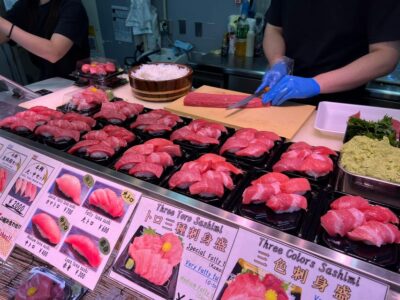
Tokyo: Tsukiji Fish Market Guided Walking Tour
Read our review →
Tokyo Sushi Making Class in Tsukiji with Professional Chef
Read our review →
Tsukiji Fish Market Guided Tour and Sushi Making with Pro Chef
Read our review →Tokyo: Tsukiji Fish Market Food and Culture Walking Tour
Read our review →
Tsukiji Fish Market: Street Food & Culture Walking Tour
Read our review →