REVIEW · TOKYO STREET FOOD TOURS
Tokyo: Tsukiji Market Guided Tour & Sushi-Making Experience
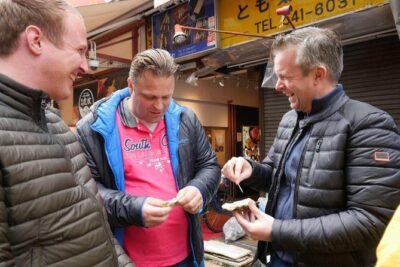
The best part of this 225-minute experience is the combination of Tsukiji’s working food stalls and hands-on sushi making. You begin among tuna, sashimi, seaweed, produce, and kitchen tools, then move to a modern facility for a lesson in three classic sushi styles.
I like the small group, limited to 10 people, and the fact that an English-speaking guide leads you through narrow market lanes instead of leaving you to guess what you are seeing. I also like the practical lesson in hygiene and dining etiquette. The main caution is value: at $177, this is costly if you mainly want a good sushi meal, especially since the fish quality may not match what you find at a dedicated sushi restaurant.
Key points to know
- Three sushi styles in one class: Make nigiri, thin hosomaki rolls, and gunkanmaki wrapped in nori.
- Tsukiji before the kitchen: See seafood, sashimi, dried seaweed, produce, tuna, and specialist cooking shops.
- A small English-speaking group: The maximum group size is 10, giving the guide room to answer questions.
- Public transport is part of the experience: You travel from Tsukiji to the sushi kitchen rather than staying in one venue.
- The tuna promise needs careful reading: Expect a guided market walk, but do not assume you will select or buy fish for the class.
- A premium price for participation: The cost covers the tour, lesson, ingredients, instructors, transport between venues, and a sushi souvenir kit.
Starting at Tsukiji Hongwanji Temple
Your meeting point is easy to find: the entrance of Tsukiji Hongwanji Temple, about a 30-second walk from Exit 1 of Tsukiji Station on the Hibiya Line. That is a useful start in a busy part of central Tokyo because you are not expected to hunt down a shop hidden in the market lanes.
The temple gives you a clear landmark before the food tour begins. From there, your nationally licensed English-speaking guide takes you into Tsukiji Outer Market, the part of the district that remains open to the public after the wholesale fish market moved to Toyosu.
The tour does not begin with a cooking demonstration or a restaurant meal. It begins on foot, among stores selling ingredients used in Japanese home kitchens and professional restaurants. Wear comfortable shoes. You will be walking through narrow alleys and market streets, and the ground can feel crowded even if the group itself is small.
More Fish Market and Seafood Tours in Tokyo
- Tokyo Tsukiji Fish Market Food and Culture Walking Tour
★ 5.0 · 3,184 reviews - Tokyo: Tsukiji Fish Market Food and Walking tour
★ 5.0 · 1,724 reviews - Tokyo: Tsukiji Fish Market Guided Walking Tour
★ 4.9 · 1,397 reviews
Reading Tsukiji Through Its Food Stalls
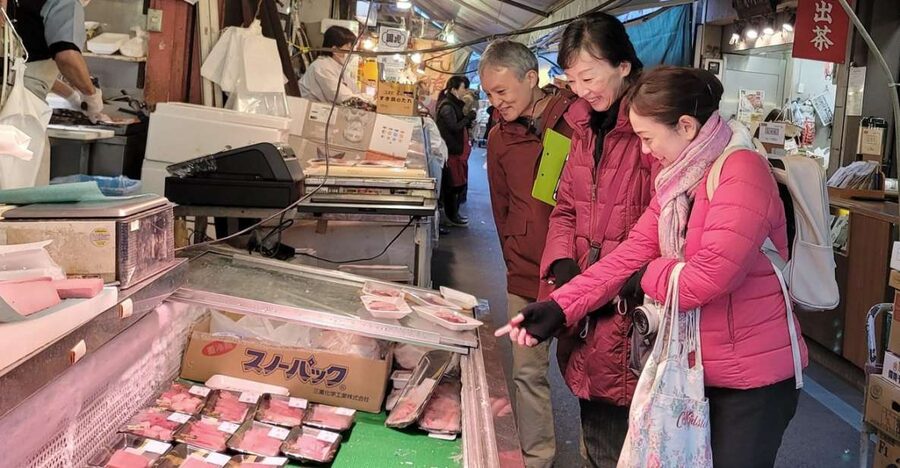
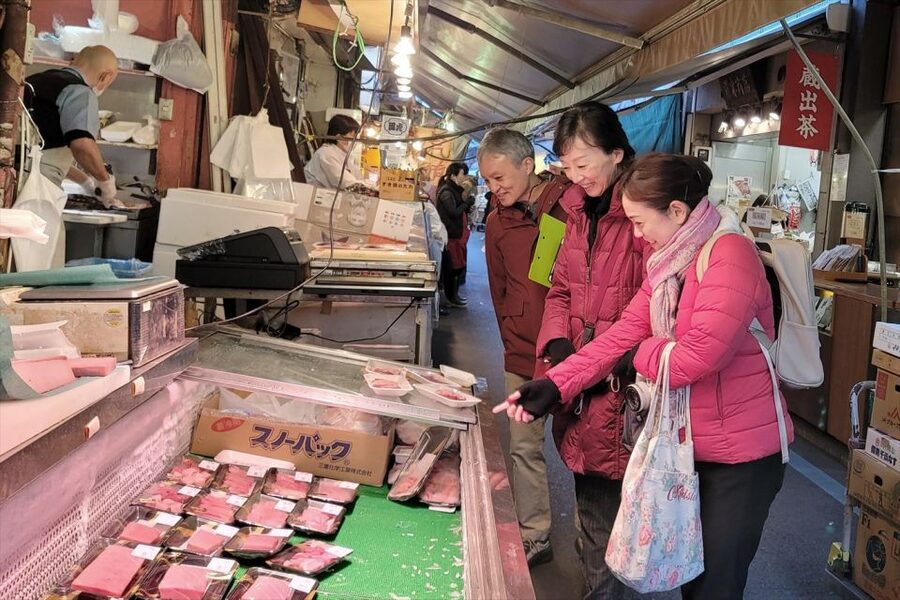
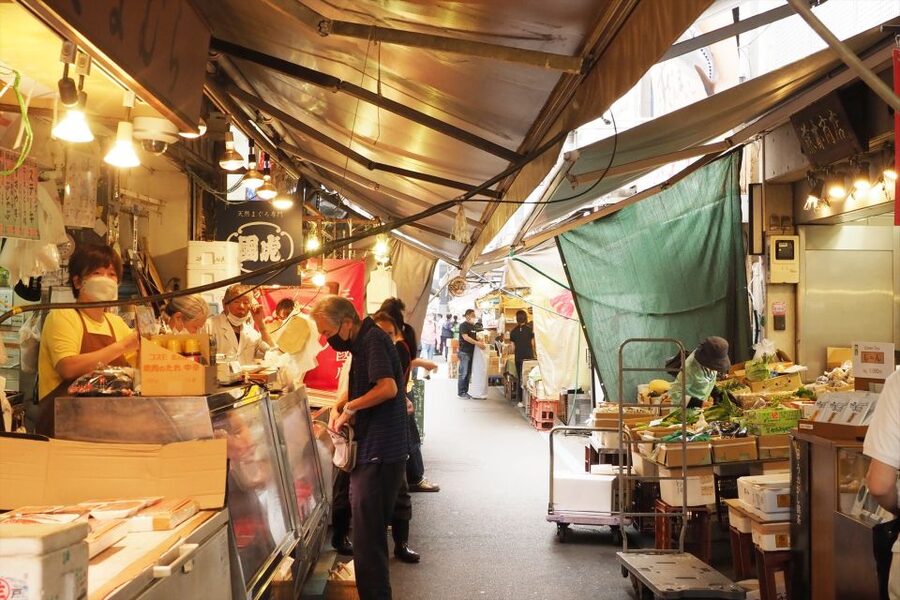
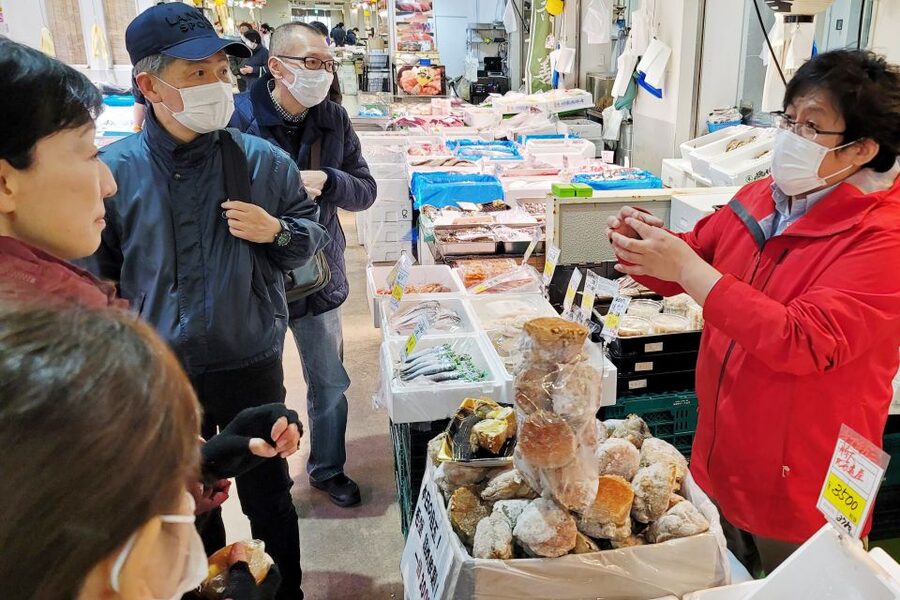
Tsukiji Outer Market is useful for more than photographs. It gives you a quick lesson in how Japanese food reaches the table. You might see freshly sliced sashimi, whole or cut tuna, dried seaweed, fruits, vegetables, and cooking supplies arranged for shoppers who know exactly what they need.
Your guide explains the area’s past as one of the world’s best-known seafood markets and points out the shops used by high-end chefs. That context matters. Without guidance, you may see a row of similar stalls and miss the difference between a fish shop, a specialist food store, and a place selling equipment or pantry goods.
The most enjoyable part for me is the chance to watch merchants at work. This is not a staged market built only for sightseeing. You are moving through a real commercial area where food is displayed, cut, packed, and sold. The trade-off is that the market can be tight and busy, so you need to stay close to your guide and keep your belongings under control.
The experience promises a search for freshly caught tuna and emphasizes where top chefs shop. Keep your expectations measured. The available information confirms a guided walk through the market, but it does not guarantee that you will purchase tuna, choose fish for your class, or take part in a tuna-selection lesson.
That distinction matters because buying fish in the market would make the tour feel more connected from start to finish. Instead, you should view the market section as an introduction to Japanese ingredients and food culture, followed by a separate sushi lesson.
Moving From Tsukiji to the Sushi Kitchen
After the market walk, you use public transportation to reach a state-of-the-art kitchen near Tokyo Tower. Public transport is included, but hotel pickup and drop-off are not. You therefore need to reach Tsukiji on your own and make your own way back after the class.
The transfer breaks the experience into two clear parts. First comes observation and explanation in the market. Then comes controlled practice in a purpose-built kitchen. I like that arrangement because making sushi in a clean, prepared facility is easier than trying to teach precise techniques in a cramped market stall.
The move also adds time and coordination. The total duration is about 225 minutes, but the timing can change with group size and the pace of the market walk. If you have a timed reservation afterward, leave room in your schedule rather than treating the finish time as exact.
Making Nigiri, Hosomaki, and Gunkanmaki
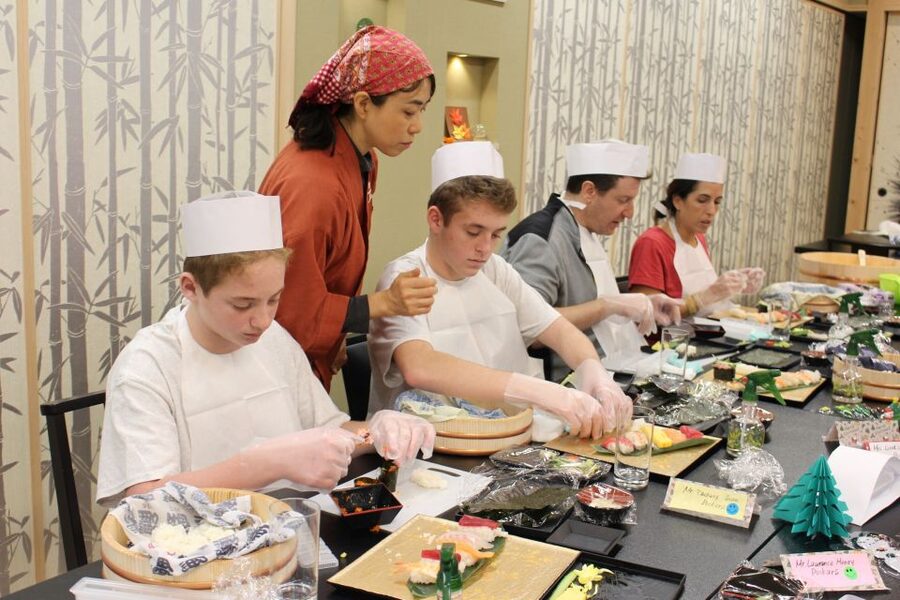
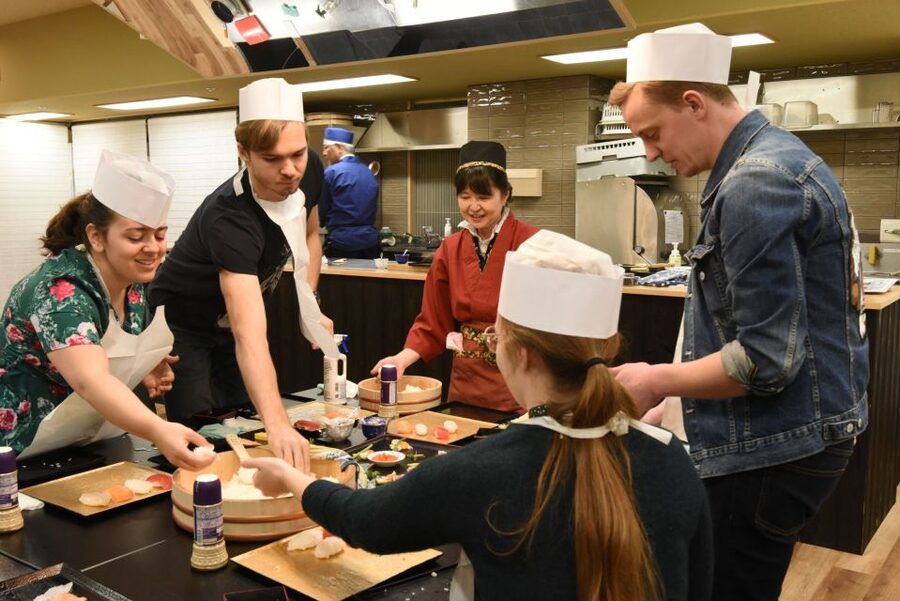
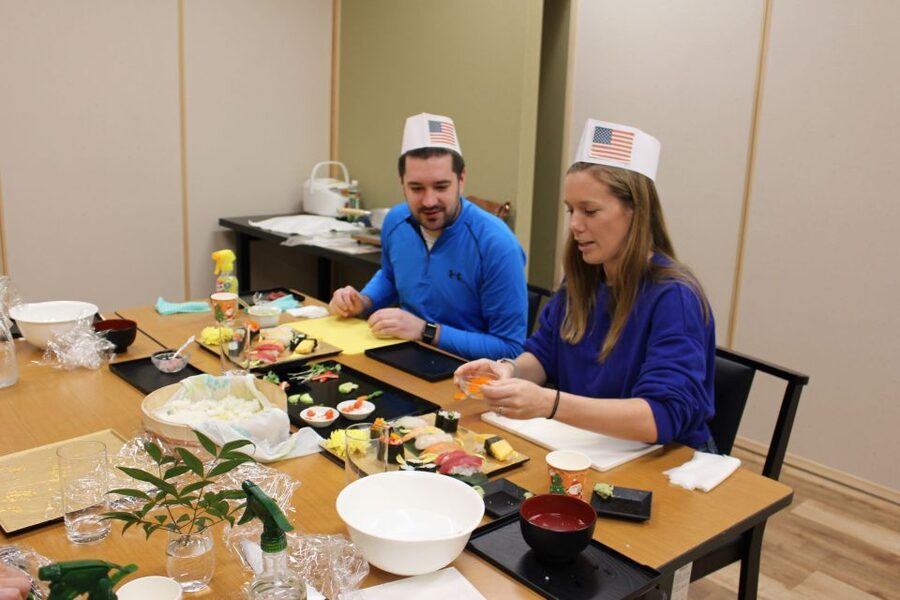
At the kitchen, a licensed instructor explains the cuisine, hygiene methods, and the basic techniques needed for the class. You then make three types of sushi under supervision.
Nigiri is the familiar hand-formed piece of sushi, with a portion of fish or another topping placed over shaped rice. This is the simplest form visually, but rice size, pressure, and balance all affect the result.
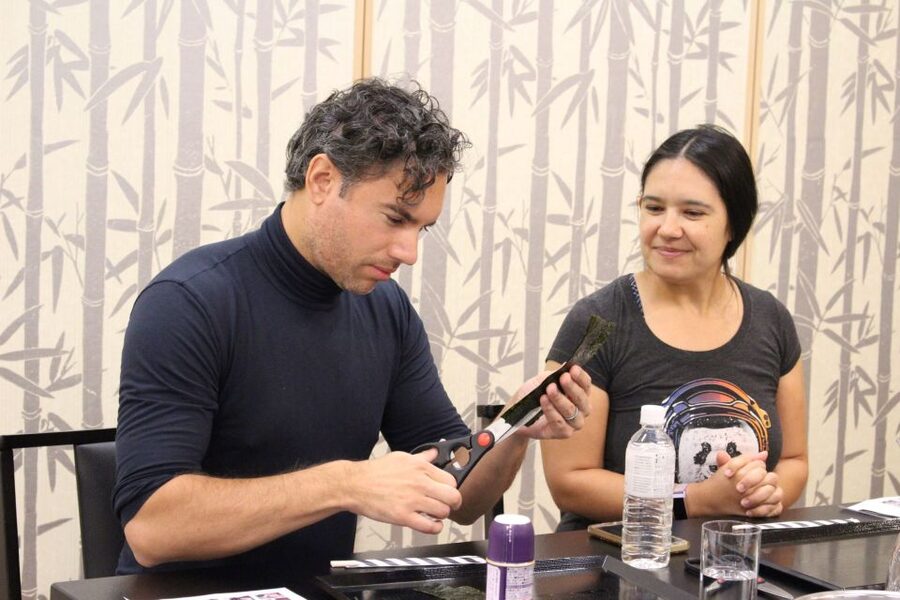
Hosomaki is a thin sushi roll. You work with nori and rice, add the filling, and roll it into a compact shape. The challenge is using enough filling without making the roll too loose or too thick.
Gunkanmaki uses nori wrapped around the rice, creating a small cup for a soft topping of your choice. It looks different from a regular roll and gives you a third way to work with seaweed, rice, and toppings.
The benefit of making all three is variety. You are not repeating one recipe several times. You get a basic sense of how sushi changes according to shape, wrapping method, and topping.
The class is designed for participation, not for watching an expert do everything. You make your own sushi with an instructor nearby. That makes the experience more memorable, but it also means your meal depends partly on your technique. Do not expect restaurant-level presentation from your first attempts.
More Street Food Market Tours in Japan
- Tsukiji Fish Market Guided Tour and Sushi Making with Pro Chef
★ 5.0 · 775 reviews - Tokyo: Tsukiji Fish Market Food and Culture Walking Tour
★ 4.7 · 757 reviews - Tsukiji Fish Market: Street Food & Culture Walking Tour
★ 5.0 · 669 reviews - Tsukiji Fish Market Small-Group Food Walking Tour
★ 5.0 · 621 reviews
The Important Question: How Good Is the Sushi?
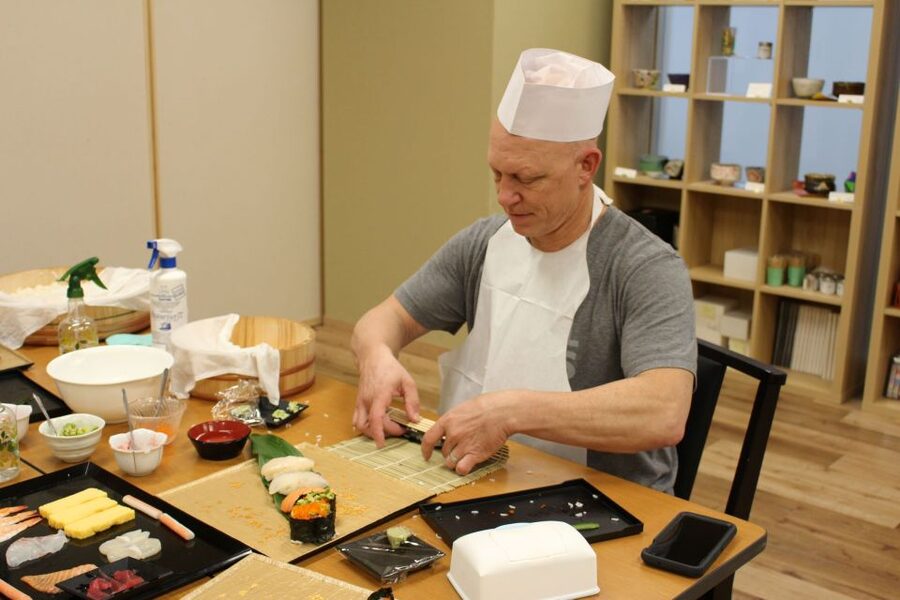
This is where I would make the most careful distinction. The activity gives you a lesson and a meal made by you, but it is not primarily a premium sushi tasting.
One participant found the fish quality disappointing and considered the sushi the weakest part of an otherwise pleasant experience. That criticism deserves attention because $177 is enough to buy an excellent sushi meal in Tokyo, depending on the restaurant and menu. If your main goal is the finest fish possible, a respected sushi counter may be a better use of your money.
Your handmade sushi can still be enjoyable because you understand how it was assembled. You learn the parts of the dish rather than simply receiving a finished plate. Still, the included ingredients may not satisfy someone who has already planned several high-end sushi meals.
I would book this for the activity, instruction, and market access, not as a bargain dining deal. The value improves if you are curious about technique, want a structured introduction to Tsukiji, and appreciate leaving with a souvenir kit. The value drops if you are mainly comparing fish quality, portion size, or restaurant service.
Finishing With Japanese Dining Etiquette
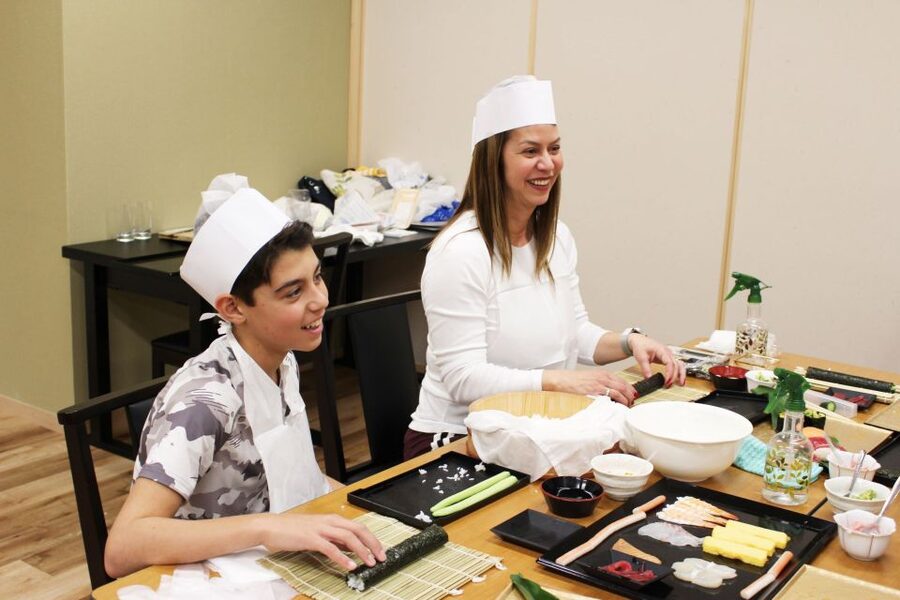
Before you sit down to eat, the instructor introduces Japanese dining etiquette. This is a small but worthwhile part of the class. Sushi is not only about rolling rice and seaweed. How you handle food, use chopsticks, and approach the meal is part of understanding the cuisine.
The etiquette lesson also gives the experience a proper ending. You move from market observation to food preparation, then sit down to eat what you made. That progression feels more complete than a cooking lesson that ends as soon as the final roll is finished.
You should not expect additional food or drinks beyond the sushi ingredients supplied for the class. The tour does not include other meals, beverages, or hotel transfers, so plan accordingly if you need a larger lunch or dinner afterward.
Group Size, Language, and Accessibility
The group is limited to 10 participants. That is small enough for an instructor to watch your technique and for you to ask questions without shouting across a large room. A smaller group also makes the market walk easier to manage.
The tour is offered in English, with a live guide and a licensed sushi instructor. No guide or instructor names are provided, so you should not book this expecting a particular named host.
Most dietary restrictions and requirements can be accommodated. You should raise your needs when booking rather than waiting until the kitchen. The available information does not list every possible substitute, so accommodation should be confirmed in advance if your diet is strict.
There is a mixed accessibility message to consider. The activity is listed as wheelchair accessible, but it is also marked as unsuitable for people with mobility impairments. Because the tour includes walking through narrow market lanes and public transportation, contact the provider before booking if you have mobility concerns.
Babies under one year old are not suitable for this activity. Comfortable shoes are the main item to bring.
Is $177 a Fair Price in Tokyo?
At $177 per person, this sits in the premium sightseeing category. The fee includes the market tour, a nationally licensed guide, transportation from Tsukiji to the kitchen, the sushi-making class, a licensed instructor, ingredients, and a sushi souvenir kit.
That package can make sense for someone who wants several activities organized into one half-day. You do not have to research the market, find the cooking venue, work out the transfer, or shop for ingredients. The small group adds practical value, too.
The price is harder to justify if you are comfortable exploring Tsukiji on your own. You can walk through the Outer Market without joining this tour, and you can choose a sushi restaurant based on your budget. The tour’s extra cost pays for structure, teaching, transport, and participation rather than simply access to the market.
I would compare it with your plans. If you already have a sushi class booked, this duplicates part of your day. If you want both a market introduction and a cooking lesson but prefer not to manage the details yourself, the combined format may be worthwhile.
Free cancellation up to 24 hours before the activity and a reserve-now, pay-later option reduce the risk of booking. Weather can affect the schedule, and the duration is approximate.
Who Will Enjoy This Most?
I would recommend this experience to first-time visitors who want an organized introduction to Japanese food. It works especially well for couples, families with older children, and small groups of friends who would rather make sushi than only eat it.
It also suits people who enjoy learning by doing. You get more from the class if you are happy to shape imperfect nigiri, roll uneven hosomaki, and laugh at your first attempts.
It is less suitable for a serious sushi enthusiast seeking the best fish in Tokyo. It may also disappoint you if you expect a tuna-buying activity, a high-end tasting menu, or a leisurely private market shopping session.
The morning or afternoon timing is not specified, so check the available start times before building the rest of your Tokyo schedule. Allow extra time around the 225-minute estimate.
Should You Book This Tsukiji and Sushi Experience?
Book it if you want a structured food lesson with a market walk, a small English-speaking group, and three sushi styles to make yourself. The Tsukiji visit gives useful context, while the kitchen offers a clean setting for hands-on practice.
Skip it if your priority is exceptional fish, the lowest possible cost, or independent exploration. At $177, the class needs to be the main attraction. Go in expecting an educational activity and a self-made meal, not a substitute for an excellent omakase dinner.
FAQ
Where does the tour meet?
Meet your guide at the entrance of Tsukiji Hongwanji Temple. It is about a 30-second walk from Exit 1 of Tsukiji Metro Station on the Hibiya Line.
How long does the experience last?
The stated duration is 225 minutes, or about three hours and 45 minutes. The actual timing can change depending on the number of participants and the pace of the activity.
What languages are available?
The experience is offered in English with a live guide and a licensed sushi instructor.
What types of sushi will I make?
You will learn to make nigiri sushi, hosomaki sushi, and gunkanmaki sushi.
Is transportation included?
Public transportation from Tsukiji to the sushi kitchen is included. Hotel pickup and drop-off are not included.
Are ingredients included?
Yes. Sushi ingredients are included, along with a sushi souvenir kit.
Can dietary restrictions be accommodated?
Most dietary restrictions and requirements can be accommodated. Share your needs in advance so the provider can confirm the arrangements.
Is the activity wheelchair accessible?
The activity is listed as wheelchair accessible, but it is also marked as unsuitable for people with mobility impairments. Because the experience includes walking through narrow market lanes and taking public transportation, confirm your needs with the provider before booking.
More Market Food Tours in Tokyo
- Private Toyosu & Tsukiji Market Adventure with Tuna Auction
★ 4.8 · 191 reviews - Tokyo: Toyosu Tuna Auction &Tsukiji Market Gourmet Adventure
★ 4.8 · 187 reviews - Tokyo: Tsukiji Fish Market Tour with 6 Stops & Seafood Lunch
★ 4.5 · 165 reviews - Inside Tokyo’s Kitchen: Tsukiji Market, Food & Culture Tour
★ 5.0 · 162 reviews
More Street Food Market Tours in Tokyo
- Tokyo: Tsukiji Fish Market Sushi Making Class with Pro Chef
★ 4.9 · 506 reviews - Tokyo Food Tour Taste Fresh Delights at Tsukiji Market
★ 5.0 · 429 reviews - Tokyo Tsukiji Fish Market Tour and Sushi Making Lesson
★ 5.0 · 390 reviews - Tsukiji Fish Market: Street Food & Culture Walking Tour
★ 4.8 · 259 reviews
Just added around Tokyo
- Tokyo: Tsukiji walk & sushi private tour with Uni Students★ 5.0 · 17 reviews
- Tokyo: Private Tsukiji Street Food & Sake with Local Guide★ 5.0 · 3 reviews
- Tokyo: Tsukiji Market and Hama-rikyu Gardens Guided Tour★ 4.8 · 73 reviews
- Tokyo Tsukiji Food & Culture Private Tour Licensed Guide★ 4.9 · 28 reviews
- Tokyo: Tsukiji Fish Market Foodie and Educational Tour★ 5.0 · 4 reviews
- Tokyo: Tsukiji Fish Market Culture Tour with Sashimi Tasting★ 4.6 · 54 reviews
- Tokyo: Tsukiji, Ginza, and Asakusa Japanese Culture Tour★ 5.0 · 2 reviews
- Tokyo: Togoshi Ginza Street Food Tour★ 5.0 · 34 reviews
Tokyo Street Food Tours, compared.
Tokyo Tsukiji Fish Market Food and Culture Walking Tour
Read our review →
Tokyo: Tsukiji Fish Market Food and Walking tour
Read our review →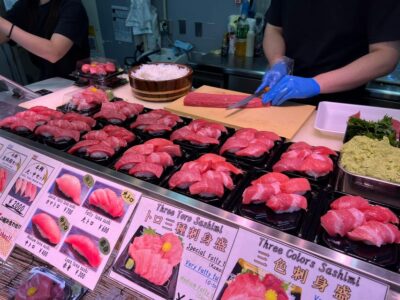
Tokyo: Tsukiji Fish Market Guided Walking Tour
Read our review →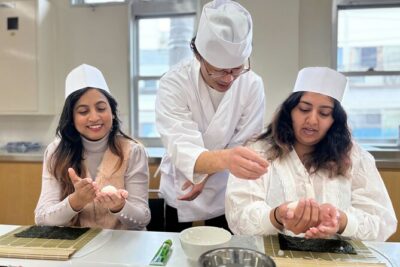
Tokyo Sushi Making Class in Tsukiji with Professional Chef
Read our review →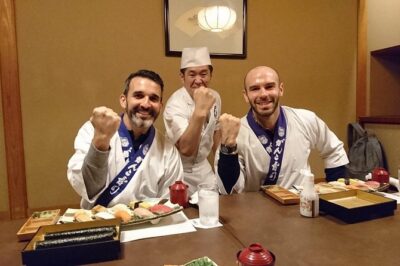
Tsukiji Fish Market Guided Tour and Sushi Making with Pro Chef
Read our review →Tokyo: Tsukiji Fish Market Food and Culture Walking Tour
Read our review →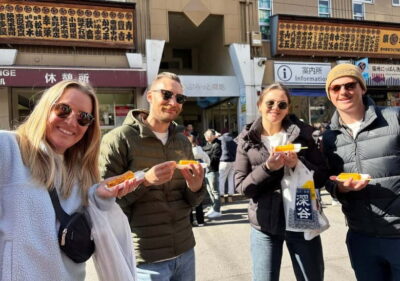
Tsukiji Fish Market: Street Food & Culture Walking Tour
Read our review →