
REVIEW · TOKYO STREET FOOD TOURS
Tokyo Local Food Tour: Noodles, Skewers, Dumplings, Sweets
Tokyo’s best food memories often begin in a small place you would never find on your own. This Shimbashi food tour leads you through four casual stops for gyoza, udon, yakitori, drinks, and taiyaki, with a local guide handling the route and the Japanese menus.
I like two things right away: the food comes in a sensible progression, and the guide adds the social ease that can be missing on a first night in Tokyo. Guides named Ryu, Ryo, and Lou appear in the tour’s feedback, with Ryu receiving the most detailed praise for his fluent English, humor, and helpful restaurant advice.
The main consideration is that the menu is familiar rather than daring. You get classic Japanese comfort food, but one guest felt the dishes were items they could have ordered themselves. Dietary restrictions also matter: vegetarian, vegan, and gluten-free needs cannot be accommodated.
Key points for your Shimbashi evening
- Four food stops in about 2 hours 15 minutes: You eat gyoza, udon, yakitori, and a fish-shaped Japanese sweet.
- A local guide removes menu stress: Your guide orders and explains food, drinks, and customs in English.
- Shimbashi is the setting: The stops sit within a few blocks of the station, in local eateries you might easily miss.
- Come hungry: The portions add up, especially with noodles, skewers, and drinks in the same evening.
- Alcohol is part of the plan: The yakitori stop includes a fun all-you-can-drink option, but under-19s cannot drink under Japanese law.
- The group can reach 20 people: A smaller group may feel more personal, while a full group will be less intimate.
Why Shimbashi works for a first food night
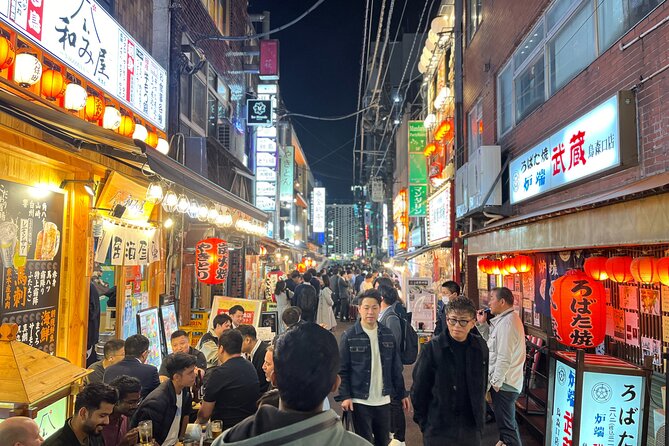
Shimbashi is a practical place to begin eating in Tokyo. It is easy to reach by train, and the meeting point at SL Square, near the station’s recognizable railway exhibit, gives you a clear landmark for the 6:30 pm start.
This is not a tour of grand restaurants or famous sushi counters. It is an evening of ordinary Japanese foods eaten in the way many people enjoy them after work: dumplings, noodles, grilled skewers, drinks, and a sweet finish.
That difference matters. Sushi is only one small part of Japanese food, and this tour makes that point without turning dinner into a lecture. You move through casual shops, sit down to eat, and get a look at a side of Tokyo that can be hard to access if you cannot read the signs.
The route stays close to Shimbashi Station. That keeps the night simple. You are not spending half the tour on trains, and your guide leads the way from one stop to the next. The tradeoff is that the tour is focused on one compact neighborhood rather than several parts of Tokyo.
More Dumpling and Dim Sum Tours in Japan
- Tokyo: Real Ramen & Dumpling Cooking with Master Chef
★ 5.0 · 10 reviews - Gyoza Cooking Class in Kyoto: Traditional Japanese Dumplings
★ 5.0 · 210 reviews - Ramen and Gyoza Cooking Class in Osaka
★ 5.0 · 202 reviews
Gyoza and a drink to get things started
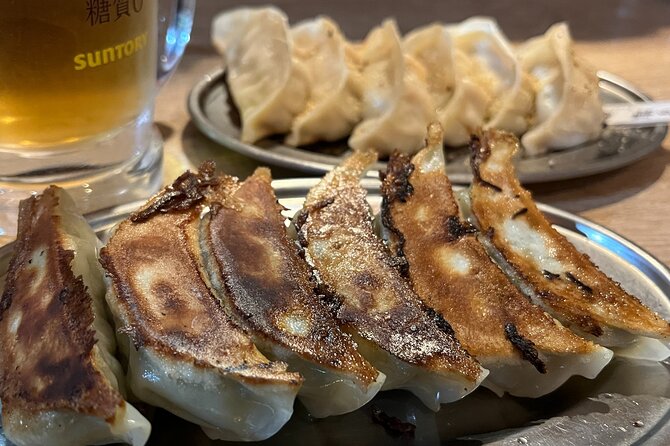
The first proper stop is for Japanese dumplings, known as gyoza, along with drinks. You can expect this to be a relaxed introduction to the evening. Gyoza are familiar enough for cautious eaters, yet still give your guide plenty of room to explain how the dish fits into everyday Japanese dining.
This stop is useful if you are nervous about ordering. Your guide can help with the menu, explain what is being served, and keep the group moving without making you feel rushed. Several people singled out the guides’ friendly manner and strong English, which is especially helpful at a small local restaurant where ordering may not be obvious.
The drink element also sets the tone. This is a social food tour, not a formal tasting. You are expected to chat, try the food, and enjoy the evening with the group.
If you do not drink much, tell the guide at the start. One guide adjusted suggestions for a participant who avoided alcohol, and another took care with a shrimp allergy. Still, you should not treat that as a guarantee for every dietary need. The operator says vegetarian, vegan, and gluten-free diets cannot be accommodated.
Udon in a local noodle shop
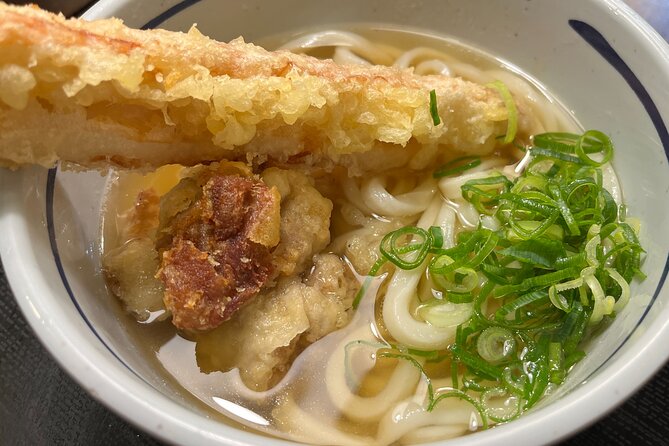
Next comes udon, the thick wheat noodle soup that is one of Japan’s great comfort foods. The stop lasts about 20 minutes, so it is a quick meal rather than a long noodle-house visit.
What makes this part worthwhile is the setting. The noodle shop is described as tucked away and easy for a visitor to miss. You get a chance to eat in a place selected for its local character, rather than simply walking into the most obvious restaurant beside the station.
Udon is also a good contrast to gyoza. The dumplings offer a crisp, savory start, while the noodles bring a warm and filling middle course. If you eat everything served, you will already have made a serious dent in your dinner before the skewers arrive.
The short stop can feel a little brisk if you want a slow meal. That is part of the design: the tour aims to give you several tastes in one night. I would avoid scheduling a major dinner before or after it. The portions are described as plentiful, and the full meal can leave you quite satisfied.
Yakitori, skewers, and the longest stop
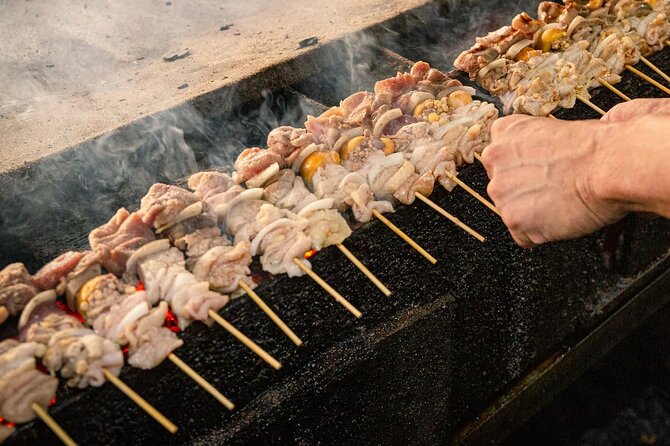
The yakitori stop is the heart of the evening. You spend about an hour here, eating Japanese skewers and taking part in an all-you-can-drink alcohol option.
Yakitori can include several types of grilled chicken and other skewered items, giving you more variety than a single plate of food. The format also encourages conversation. You are not just eating one dish and moving on. You have time to talk with the guide, ask about Japanese food culture, and compare what is arriving at the table.
This is where guide quality matters most. Ryu is repeatedly described as funny, warm, and easy to talk with. His English, cultural explanations, and willingness to offer food suggestions for Tokyo, Kyoto, and Osaka add value beyond the dishes themselves.
The all-you-can-drink arrangement is worth understanding before booking. Alcohol is part of the planned experience, and anyone under 19 cannot consume it under Japanese law. If you are traveling with younger family members, this tour may not suit the whole group. The information provided does not promise a separate child-focused substitute at this stop.
The drink plan can also affect the pace and feel of the night. If you enjoy casual pub-style eating, it adds energy. If you do not drink, the guide may suggest alternatives, but you should make that clear before the tour begins.
More Dumpling and Dim Sum Tours in Tokyo:
- Hong Kong: Street Food Tour with Locals – Dim Sum and Wonton
★ 4.8 · 673 reviews - Warsaw’s No 1 cooking class-Polish dumplings with liqueur tasting
★ 5.0 · 576 reviews - Hong Kong Day Tour: Priority Peak Tram, City Walk & Dim Sum
★ 4.5 · 266 reviews - Xi’an: Great Tang Dynasty Night Show & Dumpling Meal Option
★ 4.4 · 177 reviews
Taiyaki for a sweet finish
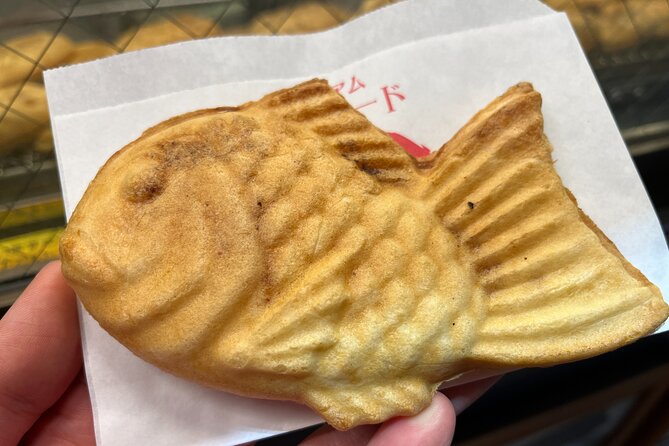
The final stop is for a fish-shaped Japanese cake, taiyaki, filled with custard according to one detailed account. You may have seen taiyaki on social media, but eating one fresh at the end of a neighborhood food walk is a better introduction than simply photographing it.
This small dessert provides a neat finish after the savory food. The stop lasts about 10 minutes, so think of it as a final treat rather than a separate dessert course with lots of time to linger.
Taiyaki is also friendly to first-time visitors. The fish shape is playful, and the sweet filling gives the meal a clear ending. After gyoza, udon, skewers, and drinks, that little pastry is probably all you need.
What the guide adds to the meal
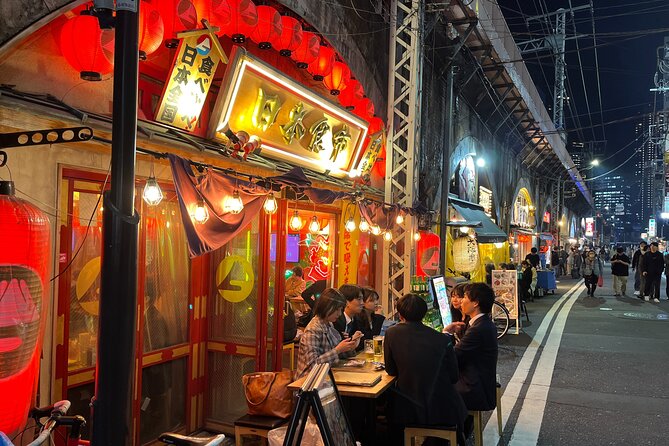
Food tours succeed or fail on the guide, and this one depends heavily on personal hosting. The most praised guides are Ryu, Ryo, and Lou, though the name may vary depending on who leads your departure.
Ryu receives especially strong attention for his fluent English, humor, patience, and ability to keep conversation going. He also helped people who were unsure of the meeting point, contacted participants before the tour, and sent additional restaurant suggestions and photos after some outings.
That kind of help has real value in Tokyo. A guide can explain a menu, show you how a local restaurant works, and point out details you might otherwise miss. You also get tailored food ideas for the rest of your trip, which can be more useful than a fixed list of famous restaurants.
The experience is informal. You are not signing up for a culinary lecture or a chef-led class. You are joining a local host for a meal and a walk. That suits people who want conversation and practical tips. It may disappoint you if you expect rare ingredients, advanced cooking instruction, or restaurants chosen only for culinary prestige.
Food quality and expectations
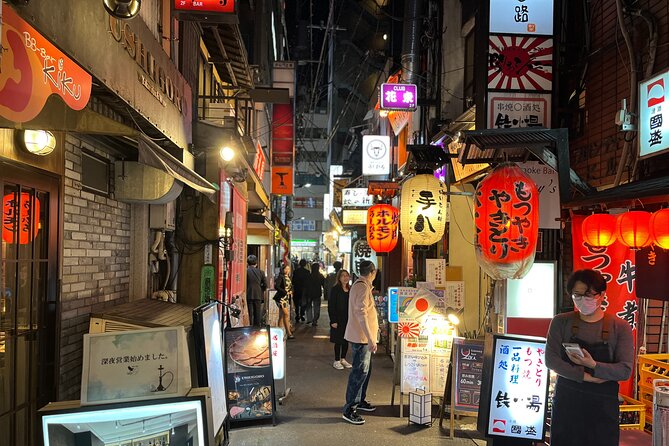
The food is consistently described as good, plentiful, and enjoyable. The strongest praise goes to the combination of local restaurants, easy pacing, and the chance to visit places participants would not have chosen alone.
Still, keep your expectations sensible. Gyoza, udon, yakitori, and taiyaki are classic foods, not secret discoveries. One person found the dishes tasty but not unusual, noting that some were familiar from other meals in Japan.
I see that as a useful warning rather than a serious fault. The tour’s value is not based on rare food. It comes from putting several everyday dishes together, finding local places, and giving you a confident start in Tokyo’s food scene.
If this is your first night in Japan, the familiar dishes can be an advantage. You can learn how casual restaurants work without facing an intimidating menu full of ingredients you cannot identify. If you have already spent weeks eating across Japan, you may want a more specialized tour.
Price, time, and group size
At $74.64 per person, the price should be judged as a meal, a guided walk, and an introduction to local dining. You receive four food stops, drinks, English-language help, and roughly two hours and 15 minutes with a host.
That is fair value if you would otherwise spend time guessing where to eat and ordering without help. The guide’s restaurant choices and local recommendations are part of what you are paying for. You also avoid the common first-night problem of wandering around hungry while trying to decode signs.
The value is less clear if you measure the tour only by food quantity or novelty. These are ordinary dishes, and you might find cheaper versions on your own. The tour earns its price through convenience, access, conversation, and the confidence it gives you for later meals.
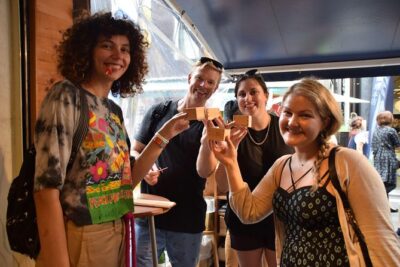
The maximum group size is 20 people. A small group can feel almost like meeting a local friend, while a full group will naturally be less personal. The guides appear comfortable with larger groups, but you should not expect the same close attention as on a private booking.
The tour begins at 6:30 pm and ends back at the meeting point. That timing works well for a first full evening in Tokyo, especially if you want dinner handled without committing your entire night.
Who should book this Tokyo food tour
I would choose this experience for a first-time visitor who wants an easy introduction to Japanese food beyond sushi. It is also a good fit for solo visitors, couples, families with older children, and anyone who feels uneasy about ordering in Japanese.
It suits you especially well if you value:
- Friendly conversation with a local guide
- Small, casual restaurants
- A steady meal rather than one long formal dinner
- Practical food suggestions for the rest of your trip
- A neighborhood experience close to a major station
I would think twice if you need vegetarian, vegan, or gluten-free food. The operator says those needs cannot be accommodated. I would also skip it if you want a quiet, alcohol-free evening, though the guide may be able to suggest alternatives for people who do not drink.
The food is not designed to shock you with unusual flavors. It is designed to help you eat comfortably, try several Japanese staples, and gain the confidence to order more meals on your own.
Small details that make the evening easier
Meet at SL Square in Shimbashi at 6:30 pm. The location is near public transportation and an iconic train exhibit, which gives you a useful landmark, but allow time to find the exact meeting point in the station area.
Wear shoes and clothes that suit a short evening walk between nearby restaurants. The stops are within a few blocks of one another, so the walking is not the challenge. The challenge is arriving hungry enough to enjoy four food stops.
The activity uses a mobile ticket, and confirmation is provided when you book. Most people can participate, but anyone under 19 must avoid alcoholic drinks. Free cancellation is available up to 24 hours before the start time. Cancellations or changes made later do not qualify for a refund.
Should you book it?
Book this tour if you want a friendly, low-stress first taste of Tokyo’s everyday food culture. The strongest reason to go is the combination of local eateries, a compact Shimbashi route, and a guide such as Ryu who can make menus and customs feel manageable.
Skip it if you are seeking rare dishes, fine dining, or a fully customizable diet. For most curious first-time visitors, though, the $74.64 price buys more than dinner. It gives you a useful start, a full stomach, and several ideas for where to eat next.
FAQ
Where does the Tokyo food tour begin?
The tour begins at SL Square, 2-chōme-7-先 Shinbashi, Minato City, Tokyo 105-0004, Japan.
What time does the tour start?
The start time is 6:30 pm.
How long does the experience last?
The tour lasts approximately 2 hours and 15 minutes.
Where does the tour end?
The activity ends back at the meeting point at SL Square.
What food is included?
The tour includes Japanese dumplings, udon noodles, yakitori skewers, drinks, and a Japanese fish-shaped sweet. One detailed food description identifies the sweet as taiyaki with custard.
Is alcohol included?
Alcohol is included during the yakitori stop through an all-you-can-drink option. People under 19 cannot drink alcohol under Japanese law.
Can the tour accommodate vegetarian, vegan, or gluten-free diets?
No. The operator states that vegetarian, vegan, and gluten-free dietary needs cannot be accommodated.
How many people can join the tour?
The tour has a maximum group size of 20 people.
Can I cancel for a full refund?
Yes. You can cancel at least 24 hours before the experience start time for a full refund. Cancellations or changes made less than 24 hours before the start time are not accepted for a refund.
More Dessert Tours in Tokyo
- San Antonio Centre Food Tour of 6 Tastings with Tacos & Ice Cream
★ 5.0 · 153 reviews - Budapest Street Food Tour with Local Snacks, Dessert and Beer
★ 5.0 · 121 reviews - Tapas and history tour ending with churros with chocolate
★ 5.0 · 119 reviews - Family Private Tour: Churros, Hot Chocolate & Games in Barcelona
★ 5.0 · 79 reviews
Just added around Tokyo
- Tokyo: Tsukiji walk & sushi private tour with Uni Students★ 5.0 · 17 reviews
- Tokyo: Private Tsukiji Street Food & Sake with Local Guide★ 5.0 · 3 reviews
- Tokyo: Tsukiji Market Guided Tour & Sushi-Making Experience★ 4.4 · 11 reviews
- Tokyo: Tsukiji Market and Hama-rikyu Gardens Guided Tour★ 4.8 · 73 reviews
- Tokyo Tsukiji Food & Culture Private Tour Licensed Guide★ 4.9 · 28 reviews
- Tokyo: Tsukiji, Ginza, and Asakusa Japanese Culture Tour★ 5.0 · 2 reviews
- Tokyo: Tsukiji Fish Market Foodie and Educational Tour★ 5.0 · 4 reviews
- Tokyo: Tsukiji Fish Market Culture Tour with Sashimi Tasting★ 4.6 · 54 reviews
Tokyo Street Food Tours, compared.
Tokyo Tsukiji Fish Market Food and Culture Walking Tour
Read our review →
Tokyo: Tsukiji Fish Market Food and Walking tour
Read our review →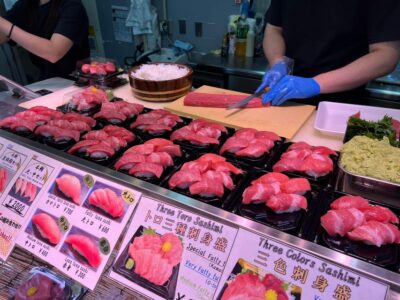
Tokyo: Tsukiji Fish Market Guided Walking Tour
Read our review →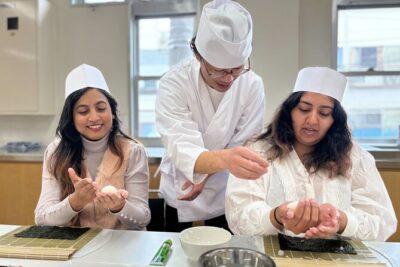
Tokyo Sushi Making Class in Tsukiji with Professional Chef
Read our review →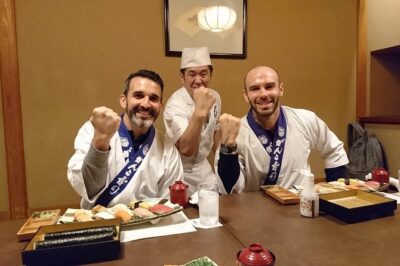
Tsukiji Fish Market Guided Tour and Sushi Making with Pro Chef
Read our review →Tokyo: Tsukiji Fish Market Food and Culture Walking Tour
Read our review →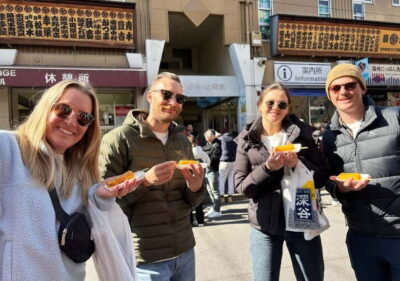
Tsukiji Fish Market: Street Food & Culture Walking Tour
Read our review →
Tsukiji Fish Market Small-Group Food Walking Tour
Read our review →Browse the lists this tour appears in