
REVIEW · TOKYO STREET FOOD TOURS
Tokyo: Real Ramen & Dumpling Cooking with Master Chef
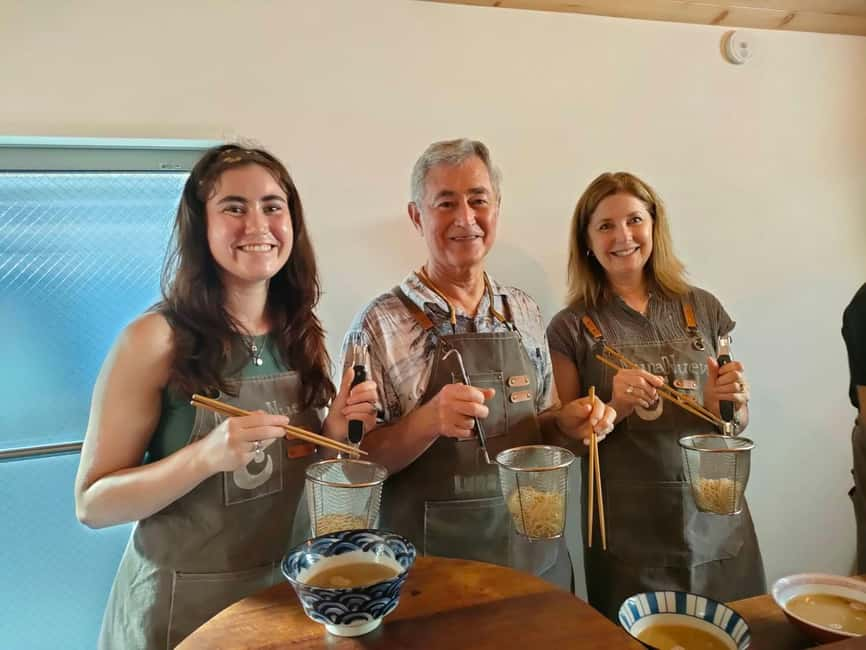
The best part of this Tokyo class is that you do not just watch a chef make ramen. You prepare the whole bowl yourself, from seasoned egg and toppings to soup, noodles, and the famous noodle-draining flourish. Then you sit down to eat it with five gyoza you folded and cooked.
I like the small group size, which can be as few as four participants, and the practical teaching from Yoshi and Amo. I also like that you receive the recipes afterward, so the class can continue in your own kitchen. The main drawback is the meeting point: Ekoda Station is on the Seibu Ikebukuro Line, not the JR network, and a late arrival may shorten your class.
Key points at a glance
- A full ramen lesson in two hours: Prepare the egg, toppings, chashu, soup, noodles, and final bowl.
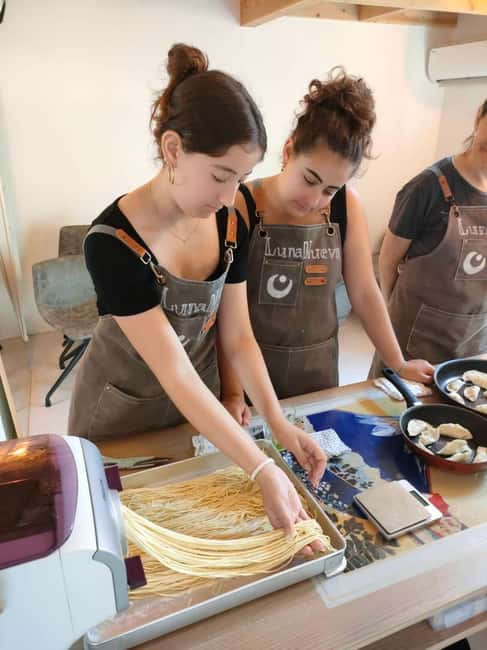
- Five handmade gyoza included: Slice the filling, combine it, fold the dumplings, and cook them.
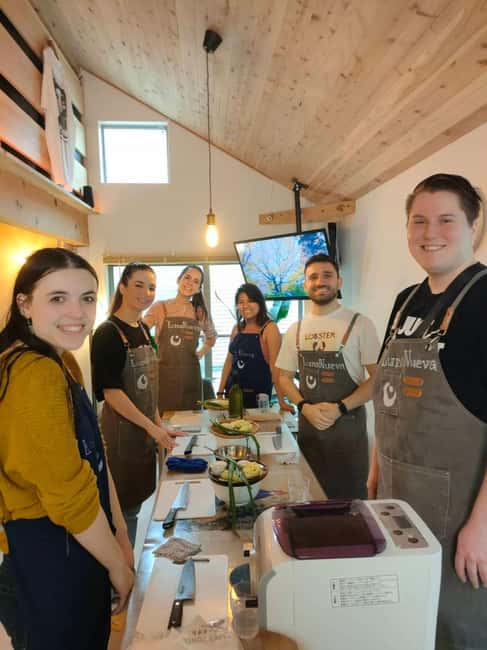
- Small English-speaking class: The group may have up to four participants, with plenty of room for questions.
- Chef with international experience: Yoshi has run a restaurant in Sydney and trained in well-known Japanese ramen shops.
- Recipes sent after class: You can repeat the ramen and gyoza at home.
- Vegetarian ramen needs advance notice: Same-day vegetarian requests cannot be accommodated.
Why this ramen class feels different
Many food classes give you one prepared dish and a short demonstration. This one breaks ramen into its working parts. You handle the toppings, seasoning, soup, and noodles, so you leave with a clearer sense of why a good bowl tastes balanced.
The class also includes gyoza, which makes the two-hour price easier to understand. You are not paying for a short ramen demonstration followed by a token sample. You prepare a substantial meal with ramen and five dumplings, then eat what you made.
The instruction is in English, and Yoshi and Amo work together. Yoshi brings experience from running a restaurant in Sydney as well as training in Japanese ramen shops. Amo helps welcome participants and guide the cooking. That combination matters when you are working with several steps at once.
You can expect stories about ramen culture and restaurant life along the way. The class is not presented as a formal lecture, but the food carries useful context. You learn what goes into a bowl and why each part matters.
More Dumpling and Dim Sum Tours in Japan
- Tokyo Local Food Tour: Noodles, Skewers, Dumplings, Sweets
★ 5.0 · 48 reviews - Gyoza Cooking Class in Kyoto: Traditional Japanese Dumplings
★ 5.0 · 210 reviews - Ramen and Gyoza Cooking Class in Osaka
★ 5.0 · 202 reviews
Meeting Yoshi and Amo near Ekoda Station
Your meeting point is outside the ticket gate at Ekoda Station, at 1 Chome-78 Asahigaoka in Nerima City. Plan to arrive at least 15 minutes before the scheduled start. That gives you time to find the correct exit, meet the hosts, and settle in before the cooking begins.
Pay close attention to the railway instructions. Ekoda is on the Seibu Ikebukuro Line, not a JR line. Take a local train because the rapid train does not stop there. The station name may also appear as Ekota or Egota in directions, so check the spelling and line before leaving your hotel.
A host waits at the station and walks with you to the cooking location. One participant described being picked up by Amo and then walking about five minutes before meeting Yoshi. The kitchen setting is part of the appeal. You are not in a large commercial studio, and the class feels closer to being welcomed into someone’s working cooking space.
If you have WiFi but no mobile service, add the supplied phone number, +81 80 7262 1175, to WhatsApp before the class. Late arrival may reduce your cooking time, so this is one of those activities where a small transport mistake has a real effect.
Preparing the egg and ramen toppings
The first food task is making semi-soft boiled eggs, called nitamago when seasoned for ramen. The menu describes these as seasoned eggs with a runny yolk. This small topping is a good introduction because timing matters, and the finished egg adds both texture and flavor to the bowl.
Next, you prepare the ramen toppings. The listed ingredients include seaweed, sliced spring onion, wood ear fungus, and chashu. The class gives you a chance to see how a bowl is built in layers rather than treating toppings as decoration added at the last second.
The chashu is described here as slow-cooked chicken. Some food descriptions use chashu as a general name for the tender meat served with ramen, so listen closely to the chef’s explanation of the ingredient used in your class. The flavor comes from preparation as much as from the meat itself.
The hosts have the soup, ramen sauce, fragrant oil, and chashu prepared in advance. That is a useful compromise. You get to learn the parts that are practical in a short class without spending two hours waiting for a stock or slow-cooked topping to finish.
Folding five gyoza by hand
The dumpling portion gives the class a welcome change of pace. You slice and combine the filling, then fold five gyoza yourself before cooking them. The folding is hands-on and usually takes more care than a quick demonstration suggests.
This is especially good for families and pairs. You can compare folding styles, help each other, and see how small changes in sealing affect the shape. The dumplings are cooked during the class, so you get the satisfaction of eating them hot rather than taking them home unfinished.
The gyoza also makes the experience more social. Ramen preparation has several individual jobs, while dumpling folding invites conversation around the table. If you are booking with a friend, partner, or family member, this part gives everyone a clear task.
The class includes five gyoza, not an unlimited serving. That is enough to make and taste the dish, while the ramen remains the main meal. If you have a large appetite, keep the substantial portions in mind, but do not expect a restaurant-style menu with several courses.
More Dumpling and Dim Sum Tours in Tokyo:
- Hong Kong: Street Food Tour with Locals – Dim Sum and Wonton
★ 4.8 · 673 reviews - Warsaw’s No 1 cooking class-Polish dumplings with liqueur tasting
★ 5.0 · 576 reviews - Hong Kong Day Tour: Priority Peak Tram, City Walk & Dim Sum
★ 4.5 · 266 reviews - Xi’an: Great Tang Dynasty Night Show & Dumpling Meal Option
★ 4.4 · 177 reviews
Building the soup and mastering the noodle drain
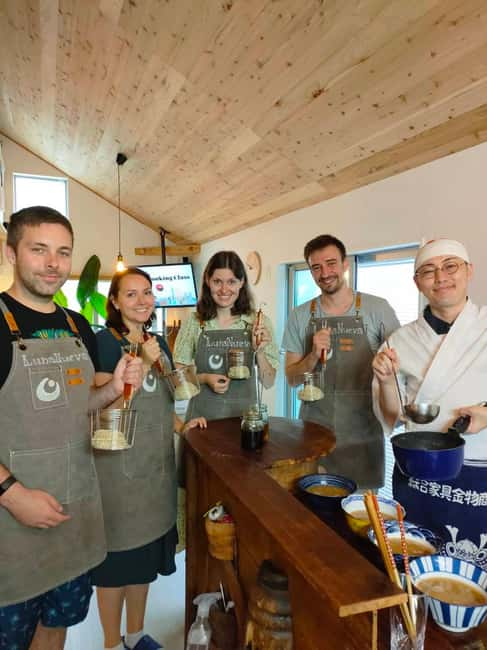
The final ramen stage brings the earlier work together. You make the soup, boil the noodles, and practice the noodle-draining technique. This is the moment when the class feels most like a ramen kitchen rather than a general cooking lesson.
The draining motion is practical, but it is also fun. Ramen noodles hold cooking water, and draining them properly helps prevent a diluted bowl. You will be shown how to handle the noodles before adding them to the soup.
Then you assemble the bowl with the toppings. The order and placement are explained, and the final result includes the seasoned egg, chashu, seaweed, spring onion, and wood ear fungus. You get to see how color, texture, and portion affect the finished dish.
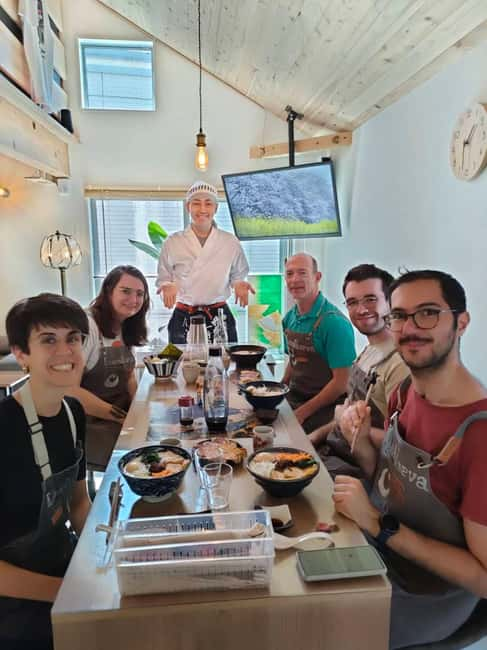
The meal is served at the end, using what you prepared during the class. That gives the lesson a clear payoff. You are not simply practicing techniques and leaving hungry. You sit down and taste the result while the instructions are still fresh.
What the two-hour schedule means for you
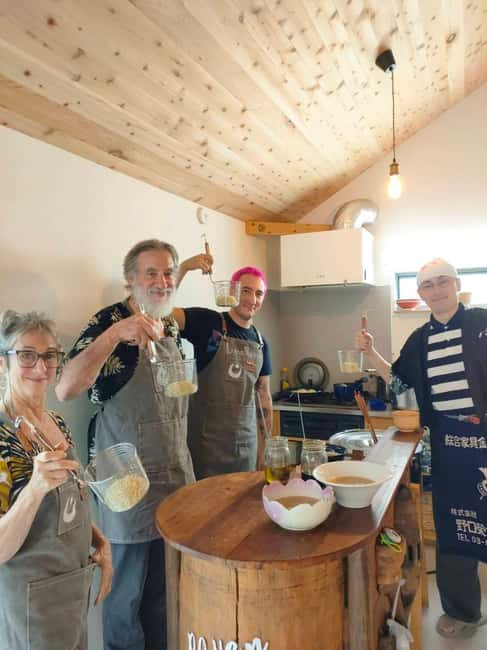
Two hours is enough for a focused lesson, but it is not a leisurely afternoon cooking workshop. The hosts have key ingredients ready, which keeps the pace moving. You should expect a steady series of tasks rather than long breaks between demonstrations.
The class may have up to four participants. A small group is a real advantage here because ramen has many moving parts. You can ask how long to boil the noodles, how to season the egg, or how to fold the gyoza without waiting behind a large crowd.
The limited duration also means you should arrive ready to begin. Come 15 minutes early, wear something comfortable for cooking, and avoid building a tight schedule immediately afterward. The class itself lasts two hours, but transport to and from Ekoda takes additional time.
The English instruction is one of the strongest practical features. Yoshi and Amo can explain the process clearly, answer questions patiently, and share stories without requiring you to understand Japanese cooking terms first. That is valuable when the class includes timing, texture, and technique rather than simple assembly.
The value of $99 per person
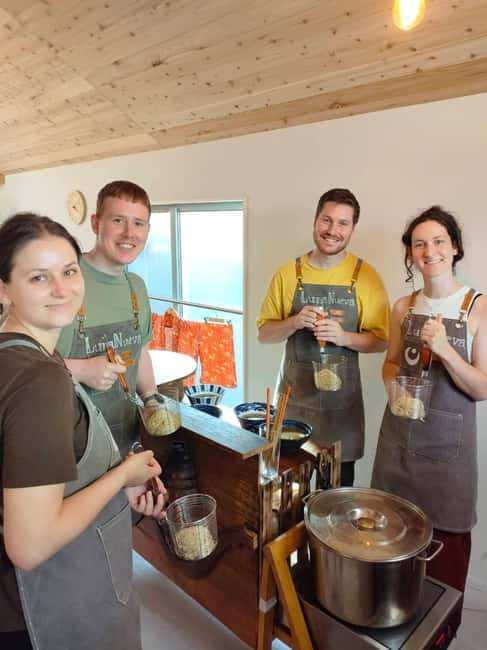
At $99 per person, this is not the cheapest way to eat ramen in Tokyo. A restaurant bowl costs far less. You are paying for the meal, the ingredients, the chef’s instruction, the small class setting, and the chance to repeat the recipes later.
The value improves if you like cooking. You receive the ramen and five gyoza, plus the toppings and ingredients used in the bowl. Recipes are sent after the lesson, allowing you to recreate the meal at home instead of leaving with only a memory.
The class can also be a good use of time at the end of a Tokyo trip. One participant called it a wonderful way to finish a visit, and that makes sense. The experience gives you a final meal, a skill, and a recipe rather than another quick restaurant stop.
There are also optional souvenirs. Participants have been offered items such as self-designed T-shirts and custom aprons. These are not the reason to book, and you should treat them as optional extras rather than part of the $99 value.
If you rarely cook, the cost may feel high for a two-hour activity. If you enjoy food, want direct contact with a local chef, and expect to make ramen again, the price is easier to justify.
Vegetarian ramen requires planning
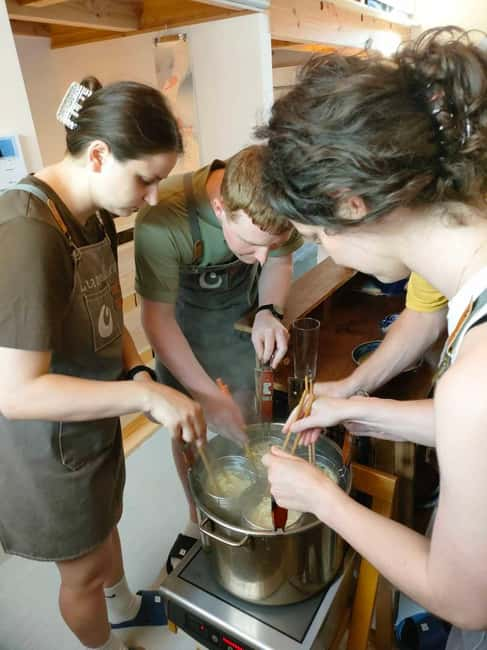
Vegetarian ramen is available, but you must request it in advance. The kitchen cannot accommodate a same-day vegetarian request, so add the information when you book or contact the hosts before the class.
The supplied menu includes chashu and other ingredients that may not suit a vegetarian diet. Do not assume that you can simply leave one topping off. The broth, sauce, fragrant oil, and preparation need to be adjusted before the lesson begins.
This is also the right time to share any other food concerns with the provider. The supplied information specifically confirms advance notice for vegetarian ramen, but it does not promise other dietary substitutions. Ask before booking if your needs go beyond that option.
Who will enjoy this class most
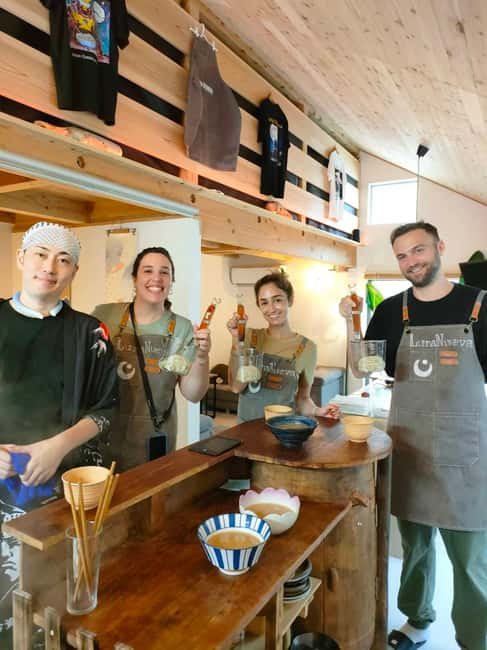
I would choose this experience for someone who wants more than a food tasting. You should be comfortable taking part, handling several ingredients, and eating a full ramen meal with dumplings at the end.
It is a strong fit for:
- Couples who want a shared activity rather than another dinner reservation
- Families who enjoy practical, hands-on lessons
- First-time Tokyo visitors looking for an English-language food experience
- Home cooks who want recipes they can use after the trip
- Ramen fans curious about soup, toppings, noodles, and presentation
It may be less suitable if you want a quiet demonstration, a very short activity, or a central Tokyo meeting point. Ekoda is not a JR station, and the local train detail matters. It is also not ideal for anyone who cannot arrange dietary needs in advance.
Booking details worth checking before you go
The activity lasts two hours, with starting times based on availability. The language is English, and the group may contain up to four participants.
You can reserve now and pay later, which helps if your Tokyo schedule is still changing. Cancellation is free up to 24 hours before the class for a full refund. Read the booking terms for your chosen date, especially if your plans depend on a tight rail connection.
Most important, arrive 15 minutes early at the out-of-ticket-gate meeting point. Use the Seibu Ikebukuro Line, choose a local train, and do not confuse Ekoda with a JR station. Save the phone number in WhatsApp if you may need to call over WiFi.
Should you book the Ekoda ramen class?
Book it if you want to learn by doing. The small group, clear English instruction, full ramen preparation, five gyoza, and follow-up recipes give you more than a meal. Yoshi and Amo also add the kind of personal guidance that is hard to get in a large class.
Think twice if $99 feels too high for a two-hour activity or if getting to Ekoda will make your day awkward. The class is not a quick stop near Tokyo’s major sightseeing districts, and a late arrival can cut into the lesson.
For food-focused visitors, families, and anyone who plans to make ramen at home, I think the balance is good. You leave with a full meal, a practical cooking lesson, and a better understanding of what makes a ramen bowl work.
FAQ
Where does the ramen and gyoza class meet?
The meeting point is outside the ticket gate at Ekoda Station, at 1 Chome-78 Asahigaoka, Nerima City, Tokyo 176-0005, Japan.
Which train line should I use to reach Ekoda Station?
Ekoda is on the Seibu Ikebukuro Line, not the JR line. Use a local train because rapid trains do not stop at Ekoda.
How early should I arrive?
Arrive at least 15 minutes before the class begins. Late arrival may reduce the time available for your class.
Is vegetarian ramen available?
Yes, but you must request vegetarian ramen in advance. The kitchen cannot accommodate a same-day request.
What food is included?
You prepare and eat ramen with toppings including a seasoned runny-yolk egg, chashu, seaweed, spring onion, and wood ear fungus. You also make and eat five gyoza.
Is the class taught in English?
Yes. The instructor language is English, and Yoshi and Amo guide the class and answer questions in English.
More Cooking Classes in Tokyo
- Tokyo: Tsukiji Market Walking Tour & Sushi Cooking Class
★ 4.6 · 122 reviews - Takoyaki cooking experience in Kabukicho, Shinjuku
★ 4.8 · 36 reviews - Small Group Cooking Class & Market Food Tour in Florence
★ 5.0 · 1,574 reviews - Athens: Food Market Visit and Cooking Class with Wine
★ 4.9 · 1,087 reviews
Just added around Tokyo
- Tokyo: Tsukiji walk & sushi private tour with Uni Students★ 5.0 · 17 reviews
- Tokyo: Private Tsukiji Street Food & Sake with Local Guide★ 5.0 · 3 reviews
- Tokyo: Tsukiji Market Guided Tour & Sushi-Making Experience★ 4.4 · 11 reviews
- Tokyo: Tsukiji Market and Hama-rikyu Gardens Guided Tour★ 4.8 · 73 reviews
- Tokyo Tsukiji Food & Culture Private Tour Licensed Guide★ 4.9 · 28 reviews
- Tokyo: Tsukiji Fish Market Foodie and Educational Tour★ 5.0 · 4 reviews
- Tokyo: Tsukiji Fish Market Culture Tour with Sashimi Tasting★ 4.6 · 54 reviews
- Tokyo: Tsukiji, Ginza, and Asakusa Japanese Culture Tour★ 5.0 · 2 reviews
Tokyo Street Food Tours, compared.
Tokyo Tsukiji Fish Market Food and Culture Walking Tour
Read our review →
Tokyo: Tsukiji Fish Market Food and Walking tour
Read our review →
Tokyo: Tsukiji Fish Market Guided Walking Tour
Read our review →
Tokyo Sushi Making Class in Tsukiji with Professional Chef
Read our review →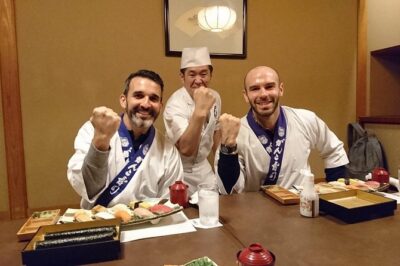
Tsukiji Fish Market Guided Tour and Sushi Making with Pro Chef
Read our review →Tokyo: Tsukiji Fish Market Food and Culture Walking Tour
Read our review →
Tsukiji Fish Market: Street Food & Culture Walking Tour
Read our review →
Tsukiji Fish Market Small-Group Food Walking Tour
Read our review →Browse the lists this tour appears in