REVIEW · TOKYO STREET FOOD TOURS
Inside Tokyo’s Kitchen: Tsukiji Market, Food & Culture Tour
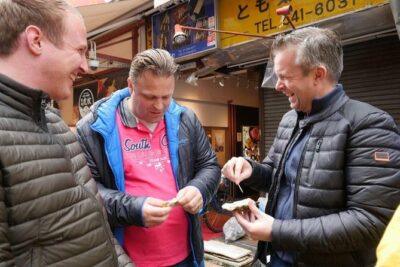
Tsukiji is easiest to enjoy when someone else handles the maze. This three-hour walk takes you from the Kabuki-za area into the Tsukiji Outer Market, where you can try sushi, sashimi, tamagoyaki, fish cakes, sweets, and other small bites without guessing which stall deserves your time.
I like the tiny group, limited to six people, because it gives you room to ask questions and keeps the guide close in crowded lanes. I also like that this is more than a food crawl, with stops at two shrines and an introduction to Kabuki culture. The main caution is simple: the food is a tasting experience, not a guaranteed full meal, and the selection can vary.
Key points to know before you book
- Small group of six: You get personal help with food choices, translation, and market navigation.
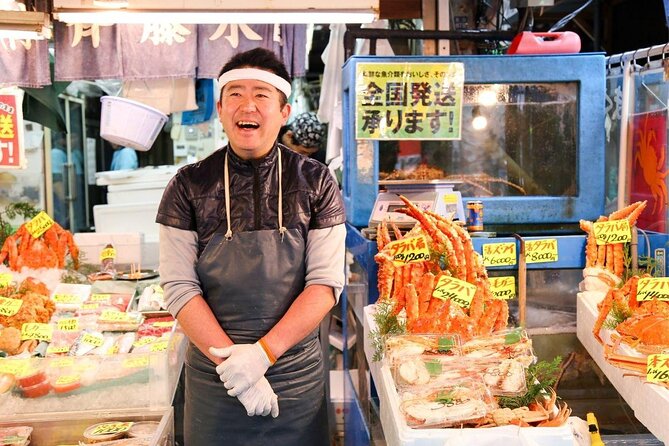
- A broad tasting menu: Depending on the day, samples may include sushi, sashimi, tuna, tamagoyaki, fish cake, dried anchovies, wagashi sweets, and white strawberries.
- Two cultural stops: Kabuki Inari Shrine and Namiyoke Inari Shrine give the walk a useful sense of place.
- Early start: The meeting time is 8:00 am, when Tsukiji is well suited to food shopping and market exploration.
- Vegetarian and vegan options exist: Choices are limited, so this tour works best for flexible eaters.
- Wear practical shoes: Sneakers or other closed-toe shoes are recommended because market floors can be wet.
Why Tsukiji works better with a guide
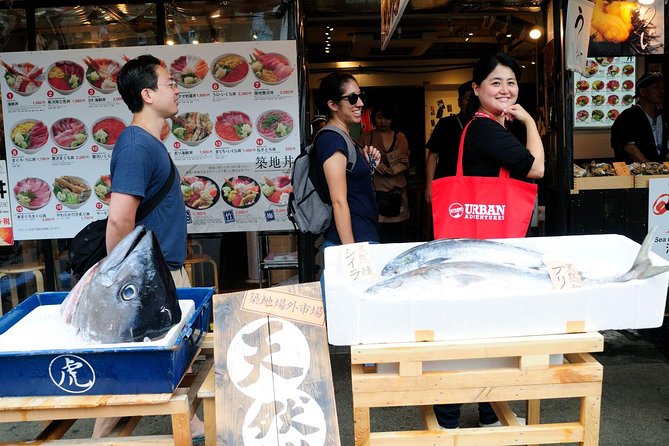
Tsukiji’s outer market is not one tidy hall with a clear entrance and exit. It is a network of narrow streets, food shops, seafood counters, produce sellers, kitchenware stores, small restaurants, and indoor passages. You can have a good time alone, but it is easy to walk past an interesting stall or lose track of where you are.
A guide helps you make sense of what you are seeing. You can ask what a particular fish is, how a Japanese omelette differs from the version you know at home, or how a sweet is traditionally eaten. The guide can also help with language when you are ordering or trying to understand a shopkeeper.
The group limit matters here. With six people at most, you are not following a large flag through the market. You can stop for a closer look, hear the explanation, and keep the group moving when an alley becomes crowded.
I would not book this expecting a chef-led class or a long sit-down lunch. The appeal is guided discovery through a working food district, with several tastings along the way.
More Fish Market and Seafood Tours in Tokyo
- Tokyo Tsukiji Fish Market Food and Culture Walking Tour
★ 5.0 · 3,184 reviews - Tokyo: Tsukiji Fish Market Food and Walking tour
★ 5.0 · 1,724 reviews - Tokyo: Tsukiji Fish Market Guided Walking Tour
★ 4.9 · 1,397 reviews
Starting at Kabuki-za and Kabuki Inari Shrine
The meeting point is Kabuki Inari Shrine, in front of Kabuki-za at 4 Chome-12 Ginza. This is a useful start because the theater gives you a clear landmark, and the shrine offers a quick introduction to the neighborhood before the food focus begins.
You spend about ten minutes here. The guide explains Kabuki, Japan’s traditional blend of drama and dance, and points out the striking Kabuki-za architecture. The stop is brief, but it adds context. You are not simply heading toward a market; you are moving from one of Tokyo’s major performance traditions into its food culture.
Be careful with the meeting point. Tokyo’s streets and station exits can confuse even confident navigators, and the shrine sits near a major theater rather than inside a station. Arrive early enough to locate Kabuki-za and the shrine without rushing. The start time is 8:00 am.
Walking through Tsukiji Outer Market
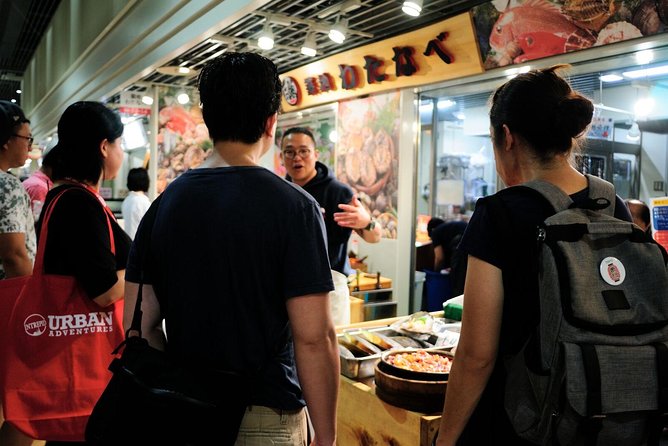
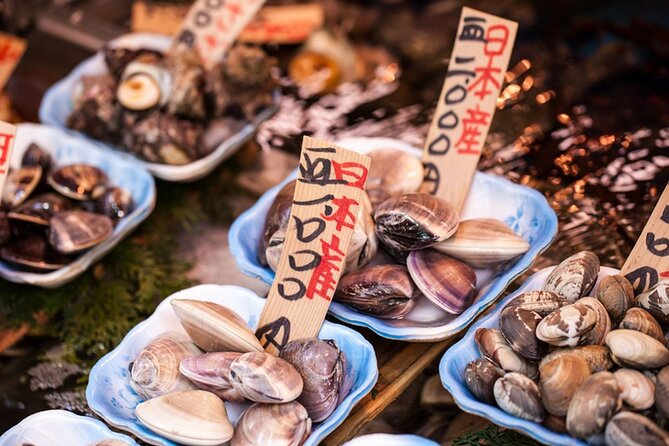
The central part of the tour lasts about two hours. You walk through the market’s tight lanes while the guide points out seafood, vegetables, snacks, and the customs connected with Japanese cooking.
This is where the tour earns much of its price. A market guide can tell you what you are looking at instead of leaving you to identify every item through guesswork. You may learn how different cuts of tuna are described, why certain foods are sold in particular forms, or how everyday Japanese ingredients fit into home cooking.
The tastings give the walk a clear structure. Depending on the day, you might sample:
- Fresh sushi or assorted tuna nigiri
- Tuna sashimi, including lean and fattier cuts
- Sea eel rolls
- Satsuma-age, a fried fish cake
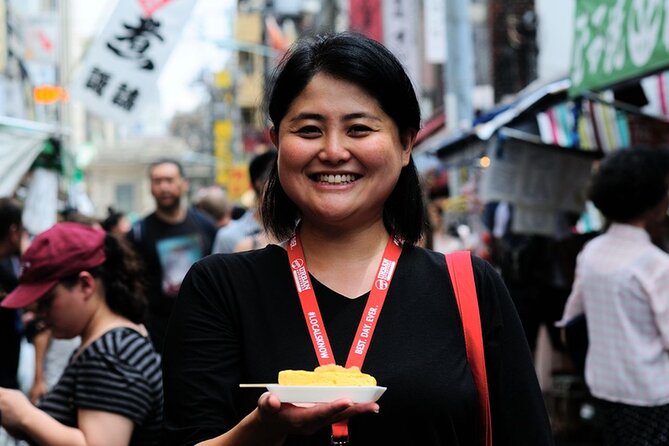
- Tamagoyaki, a sweet Japanese omelette
- Fried tuna or other seafood snacks
- Dried anchovies
- Fish broth omelette served on a stick
- Wagashi sweets and sweetened rice treats
- White strawberries
- Sake, if available and appropriate for the group
One particularly hands-on detail described from this tour is the chance to taste real wasabi freshly ground with a wasabi tool. That is a small moment, but it helps you understand why freshly grated wasabi tastes different from the common green paste served outside Japan.
You might also see a large tuna being prepared for sushi. That is not guaranteed, but market activity can provide memorable surprises when timing works in your favor.
What the food portion is really like
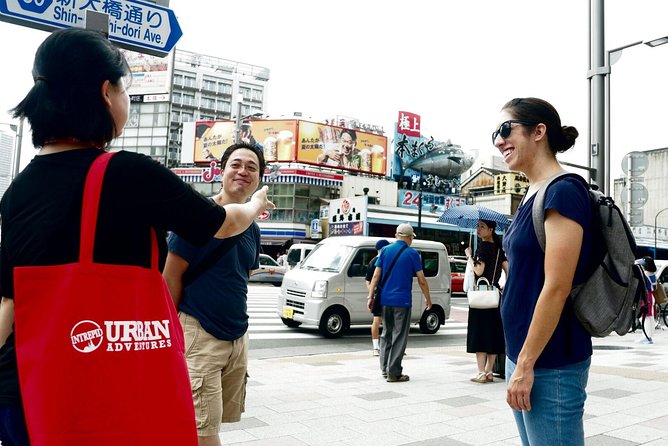
The strongest reason to choose this tour is the range of small tastes. You are not limited to one sushi restaurant. The experience can introduce you to seafood, prepared snacks, sweets, and ingredients you might not recognize on your own.
The amount of food is less predictable. Some experiences have included enough samples to leave people feeling full, while other descriptions point to smaller portions or food purchased from nearby shops. One account described packaged tuna sushi and fried tuna rather than sushi made directly in front of the group. The provider addressed that concern, but the practical lesson remains: ask your guide what is being served if the distinction matters to you.
You should also understand that included food is not the same as unlimited food. Drinks and extra purchases are not included. If you have a large appetite, bring money for an additional breakfast or lunch after the walk.
This arrangement can be a plus. You get to try many things without committing to a large meal, and you can buy more of anything you particularly enjoy. It can also disappoint you if you expect every tasting to be freshly prepared at a market counter.
More Street Food Market Tours in Japan
- Tsukiji Fish Market Guided Tour and Sushi Making with Pro Chef
★ 5.0 · 775 reviews - Tokyo: Tsukiji Fish Market Food and Culture Walking Tour
★ 4.7 · 757 reviews - Tsukiji Fish Market: Street Food & Culture Walking Tour
★ 5.0 · 669 reviews - Tsukiji Fish Market Small-Group Food Walking Tour
★ 5.0 · 621 reviews
The culture behind the bites
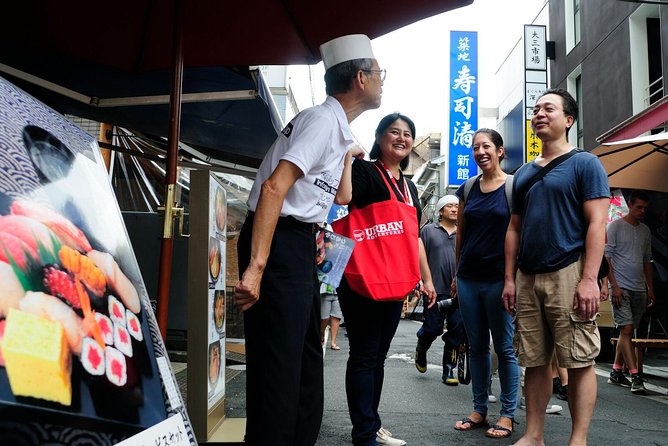
Food is the main event, but the cultural explanations give it meaning. A good guide can connect the market’s products with Japanese cooking habits, seasonal ingredients, preparation methods, and local etiquette.
That is also why translation matters. Some stalls may display products without much English explanation. Your guide can help you understand what you are seeing and make the market feel less like a visual puzzle.
The best guide reports describe leaders who answer questions, adjust to the group, and add small details beyond the standard route. Mihari, Yuri, Shino, Aya, and Koz are among the guides associated with particularly strong experiences on this walk. Yuri, for example, has been praised for bringing a tool for grinding real wasabi, while Aya’s route included several tuna cuts, assorted nigiri, tamagoyaki, and sea eel roll.
These details are not guaranteed on every departure. Guide style and market availability shape the day. Still, the small group gives your guide a better chance to respond to your interests.
Ending at Namiyoke Inari Shrine
The tour finishes at Namiyoke Inari Shrine, near the Tsukiji market area. You spend about ten minutes here before walking roughly ten minutes toward the nearest station.
This is a calm way to finish a morning of food stalls and tight passageways. Namiyoke Inari is closely tied to the Tsukiji area and its seafood community, so the visit brings the market and its traditions back together.
The final location is useful for your next plan. The tour ends near Tsukiji Station on the Hibiya Tokyo Metro Line, rather than returning you to Kabuki-za. Plan your day accordingly. If you want to continue sightseeing in the Tsukiji or Ginza area, the route leaves you well placed to do so.
Is $83.35 a fair price?
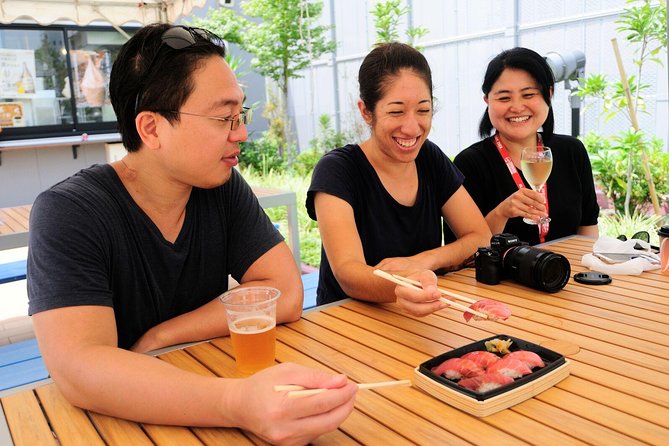
At $83.35 per person, this is not the cheapest way to visit Tsukiji. You can walk through the market without paying a tour fee, and you can choose your own breakfast. The value comes from the small group, the guide’s explanations, translation help, shrine visits, and the chance to sample several foods in a short period.
I consider the price reasonable if you are new to Tokyo, uncertain about Japanese seafood, or likely to miss the best stalls alone. It is also useful for people who want a set three-hour introduction rather than spending half a morning deciding where to go.
The value is weaker if you already know Tsukiji well, speak Japanese comfortably, or mainly want a substantial meal. You should also budget for drinks and any extra food. Since the tasting selection can change, book this for access and guidance rather than a fixed menu.
The tour is often booked well ahead, around 38 days in advance on average. That suggests you should not leave it until the last part of a short Tokyo visit if the date and early start suit your plans.
Practical details that affect the morning
The tour begins at 8:00 am and lasts about three hours. That early timing is helpful for a market visit, but it may be tough after a long flight or a late evening in Tokyo.
Wear closed-toe shoes. Sneakers are the safest choice because some indoor market floors can be damp. Avoid delicate footwear and anything that makes walking on uneven or wet surfaces uncomfortable.
The tour is near public transportation, and most people can participate. Children under six can join free of charge. It is a family-friendly format, though young children need to stay close in narrow market lanes.
Vegetarian and vegan options are available, but the selection is limited. If you avoid fish, eggs, or seafood completely, this is probably not the best food tour for you. You may still appreciate the shrines and cultural walk, but much of the route centers on seafood and market foods.
A mobile ticket is provided, and confirmation arrives when you book. Cancellation is free up to 24 hours before the start time. Changes or cancellations made within 24 hours do not qualify for a refund.
Who will enjoy this Tsukiji walk most?
I would recommend it to first-time Tokyo visitors who want an easy introduction to Japanese food. It is especially useful if you are curious about sushi but unsure how to order, what different fish cuts mean, or which market foods are worth trying.
It also suits people who like variety. You can taste seafood, cooked snacks, sweets, and produce rather than spending the whole morning on one dish.
Families can make good use of the short format and small group, provided children are comfortable walking and staying close. Food-focused couples and solo visitors will also benefit from the personal attention.
I would hesitate to recommend it to strict vegetarians, vegans seeking a wide menu, or anyone expecting a formal meal. It is also not the right pick if you prefer a late morning start or dislike wet market surfaces and crowded lanes.
Should you book it?
Book this tour if you want a guided first look at Tsukiji, several food samples, and a little Tokyo culture in one compact morning. The strongest reasons are the six-person limit, the translation help, and the range of possible tastes, from tuna and sushi to tamagoyaki and wagashi.
Set your expectations correctly. The food is not a guaranteed fixed menu, and it may not always be served directly from the stall where it was made. If that is acceptable, the tour offers a practical way to get your bearings and start eating with more confidence.
I would choose it early in a Tokyo stay. You can return to Tsukiji later for anything you want to buy again, while the guide’s advice can help shape the rest of your food plans.
FAQ
Where does the Tsukiji market tour begin?
It begins at Kabuki Inari Shrine in front of Kabuki-za, located at 4 Chome-12 Ginza, Chuo City, Tokyo.
What time does the tour start?
The tour starts at 8:00 am and lasts approximately three hours.
What food is included?
Included tastings can feature freshly made sushi, sashimi, local snacks, tamagoyaki, fish cake, seafood items, and wagashi sweets. The exact selection can vary.
Are vegetarian and vegan options available?
Yes. Vegetarian and vegan options are available, but the selection is limited.
How many people can join the tour?
The group has a maximum of six travelers, allowing for personal attention from the guide.
What should I wear?
Wear closed-toe shoes, preferably sneakers. Some market floors can be wet, so practical footwear is recommended.
More Market Food Tours in Tokyo
- Private Toyosu & Tsukiji Market Adventure with Tuna Auction
★ 4.8 · 191 reviews - Tokyo: Toyosu Tuna Auction &Tsukiji Market Gourmet Adventure
★ 4.8 · 187 reviews - Tokyo: Tsukiji Fish Market Tour with 6 Stops & Seafood Lunch
★ 4.5 · 165 reviews - Tsukiji Food and Toyosu Market with Government-Licensed Guide
★ 5.0 · 158 reviews
More Street Food Market Tours in Tokyo
- Tokyo: Tsukiji Fish Market Sushi Making Class with Pro Chef
★ 4.9 · 506 reviews - Tokyo Food Tour Taste Fresh Delights at Tsukiji Market
★ 5.0 · 429 reviews - Tokyo Tsukiji Fish Market Tour and Sushi Making Lesson
★ 5.0 · 390 reviews - Tsukiji Fish Market: Street Food & Culture Walking Tour
★ 4.8 · 259 reviews
Just added around Tokyo
- Tokyo: Tsukiji walk & sushi private tour with Uni Students★ 5.0 · 17 reviews
- Tokyo: Private Tsukiji Street Food & Sake with Local Guide★ 5.0 · 3 reviews
- Tokyo: Tsukiji Market Guided Tour & Sushi-Making Experience★ 4.4 · 11 reviews
- Tokyo: Tsukiji Market and Hama-rikyu Gardens Guided Tour★ 4.8 · 73 reviews
- Tokyo Tsukiji Food & Culture Private Tour Licensed Guide★ 4.9 · 28 reviews
- Tokyo: Tsukiji Fish Market Culture Tour with Sashimi Tasting★ 4.6 · 54 reviews
- Tokyo: Tsukiji, Ginza, and Asakusa Japanese Culture Tour★ 5.0 · 2 reviews
- Tokyo: Tsukiji Fish Market Foodie and Educational Tour★ 5.0 · 4 reviews
Tokyo Street Food Tours, compared.
Tokyo Tsukiji Fish Market Food and Culture Walking Tour
Read our review →
Tokyo: Tsukiji Fish Market Food and Walking tour
Read our review →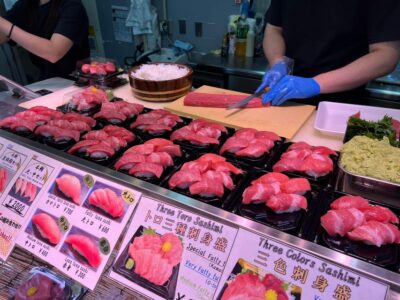
Tokyo: Tsukiji Fish Market Guided Walking Tour
Read our review →
Tokyo Sushi Making Class in Tsukiji with Professional Chef
Read our review →
Tsukiji Fish Market Guided Tour and Sushi Making with Pro Chef
Read our review →Tokyo: Tsukiji Fish Market Food and Culture Walking Tour
Read our review →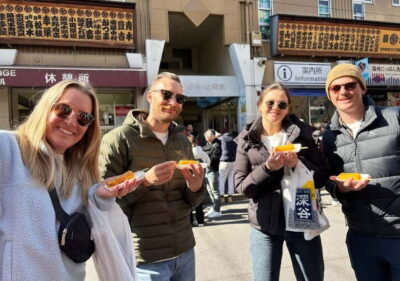
Tsukiji Fish Market: Street Food & Culture Walking Tour
Read our review →