
REVIEW · OSAKA STREET FOOD TOURS
All Inclusive Kuromon Markets Tour: Flavors Of Osaka
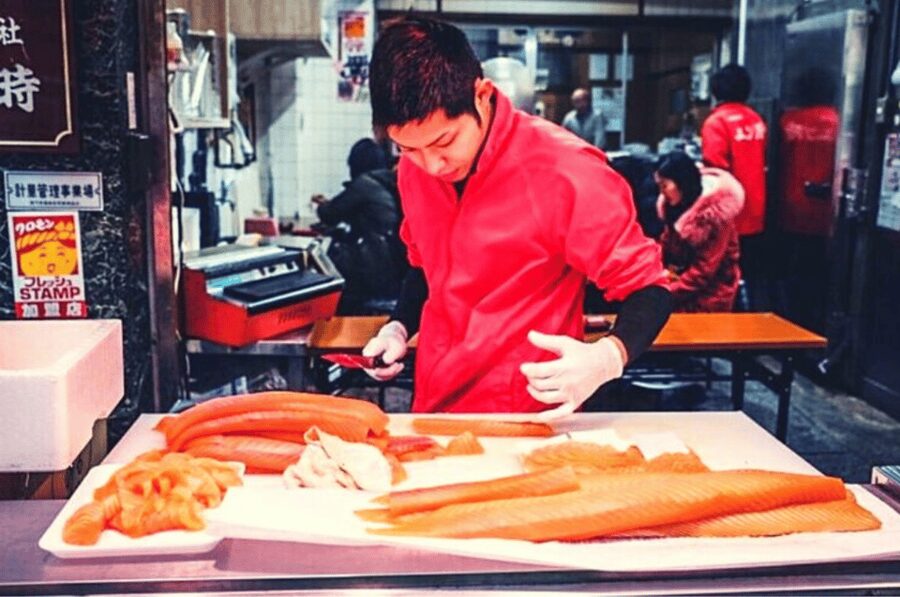
Kuromon Market is one of Osaka’s best places to understand the city through food. In two hours, you’ll move from scallops and tuna sashimi to gobo tempura, okonomiyaki, red bean mochi, green tea, pickles, and other small bites. The guide does the ordering, which matters when handwritten menus and limited English make the market hard to read.
I like the small group of up to nine people, since it keeps the tasting personal and makes it easier to hear the guide. I also like that the food is enough for a proper meal, not just a few samples. The main caution is simple: this is strongly seafood-focused, so it is not suitable for vegans and may disappoint anyone hoping for a broad mix of meat and vegetable dishes.
Key points to know before you book
- Kuromon Market is a seafood-first food tour: Expect scallops, tuna sashimi, dried fish, and other seafood alongside Osaka specialties and sweets.
- Your guide makes the market easy to handle: Guides such as Anna, Hikaru, Taka, and Hakuri order food, explain ingredients, and help you understand how dishes are prepared.
- You get five to seven dishes plus three to four tastings: The portions can add up to a filling lunch or late meal.
- The meeting time is firm: Arrive at Nipponbashi Station Exit 6 by 1:45 or 1:50 p.m. for the exact 2 p.m. start.
- Two hours gives you a focused introduction: You’ll see and taste a lot, but you will not have time for a slow, stall-by-stall exploration of the entire market.
- The $61 price includes the food and guide: For a small group and a substantial tasting menu, it offers solid value if you want help ordering and local context.
Why Kuromon Market makes a good first food stop in Osaka
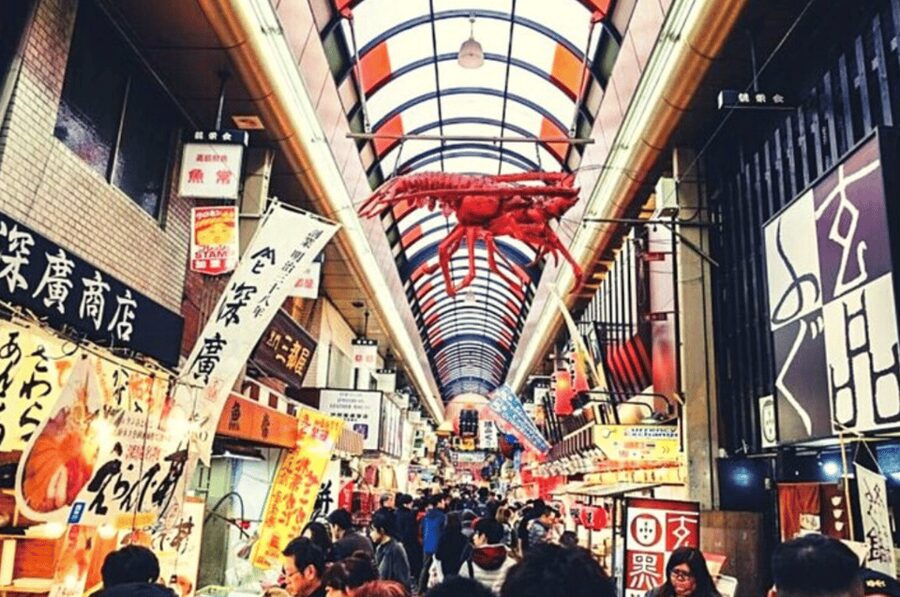
Kuromon Market has drawn food shoppers for more than 200 years. Its covered lanes bring together vendors selling seafood, prepared food, sweets, tea, pickles, dried goods, knives, tableware, and other kitchen items.
That matters because this is not a restaurant-style tasting room built for tourists. You are eating in a working market, where stalls often focus on one specialty and recipes may have passed through several generations. The setting gives you a better sense of how food fits into daily life in Osaka.
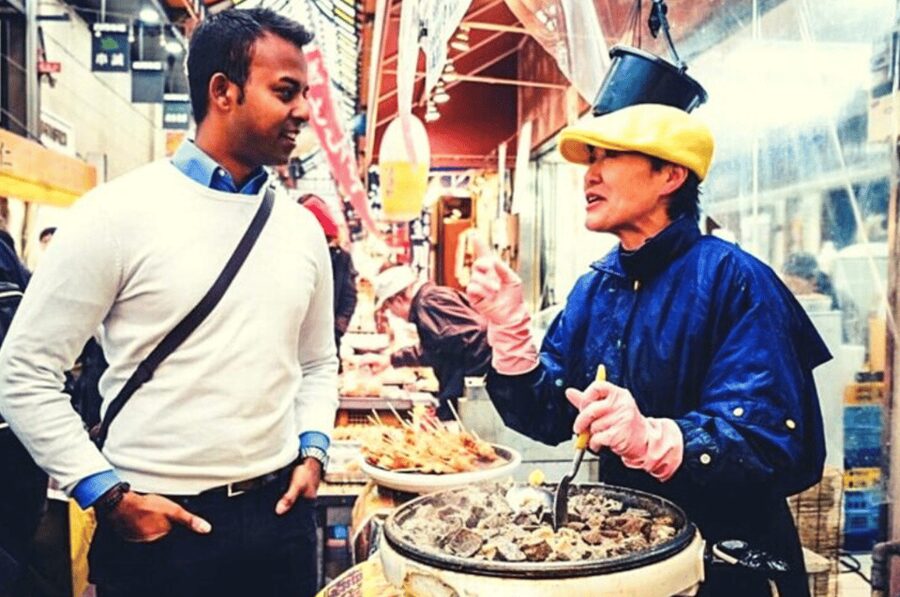
I like the way the tour uses the market as both a dining room and a classroom. Your guide can point out ingredients, explain cooking methods, and connect each taste to Osaka’s food culture. That extra context helps you recognize what you are eating instead of simply accepting a plate and moving on.
The market can also feel confusing at first. Some stalls have no menu at all, while others use handwritten Japanese lettering that can be difficult to decipher even if you read Japanese. Many vendors do not speak English. Your guide handles the ordering and explains what arrives, removing much of the guesswork.
More Street Food Market Tours in Japan
- Kuromon Market Food Walking Tour in Osaka (6 stops, 6 tastes)
★ 5.0 · 550 reviews - Osaka: Kuromon Market Food Walking Tour (6 stops, 6 tastes)
★ 4.6 · 272 reviews - Kuromon Market Tour: All inclusive 6~8 Dishes & 3~4 samplings
★ 5.0 · 103 reviews
Starting at Nipponbashi Station Exit 6
The tour begins at the top of the stairs at Exit 6 of Nipponbashi metro station. The meeting time is 2 p.m., but I would arrive around 1:45 to 1:50 p.m. This is not a tour where you can casually catch up after the group enters the market.
The activity lasts only two hours, so a late arrival can mean missing several tastings. The exact meeting point is useful for planning: you do not need a hotel pickup, and you should build your route to the station before the start time rather than relying on a last-minute dash.
After a brief introduction, the group heads into the market. The small-group format, limited to nine people, is helpful here. Kuromon’s lanes can be busy, and a compact group is easier to keep together than a large crowd. It also gives you a better chance to ask questions while the guide is explaining a dish or speaking with a vendor.
The first tastes: scallops, tuna, and market seafood
The food lineup can change, but the experience includes several substantial dishes and smaller samples. Scallops and tuna sashimi are among the featured tastes, putting the market’s seafood character front and center.
If you already enjoy seafood, this is a strong part of the tour. You can try items in the place where they are sold, with your guide explaining the ingredients and preparation as you go. The food is not presented as a formal course. Instead, you move through different stalls and sample specialties in the way a local market visit naturally works.
The seafood focus deserves attention before you book. One visitor found that almost everything apart from the sweets was fish or seafood. That is not a flaw if you want an introduction to Osaka’s market food, but it is important to know if you prefer meat, noodles, or vegetable dishes.
The guide’s role is especially useful at this stage. Anna has been praised for her warm relationships with vendors and her clear explanations of the foods. Hikaru has a chef’s background and can offer extra detail about ingredients and cooking. Hakuri has also brought chef-level food knowledge and answered questions about Japanese food culture and Osaka’s dining scene.
Guide assignments can vary, so you should not assume one particular person will lead your departure. Still, the repeated strength of the guiding is central to the experience. The food may bring you through the market, but the explanations help you make sense of it.
Osaka favorites beyond raw fish
The tour is not only sashimi. You can expect dishes such as gobo tempura and okonomiyaki, two foods that show different sides of Japanese cooking.
Gobo is burdock root, a firm, earthy vegetable often used in Japanese cooking. In tempura form, it provides a contrast to the softer seafood and gives the tasting some variety. Okonomiyaki offers another change of pace, with a savory Osaka specialty prepared as a filling cooked dish.
These tastes are valuable because they place seafood within a wider food tradition. You are not simply sampling market ingredients. You are also seeing how Osaka turns everyday foods into local specialties.
The tour includes five to seven dishes, along with roughly three to four additional tastings. That distinction is worth noting. The main dishes provide the substance, while the smaller samples may include green tea, pickled vegetables, dried fish, wasabi beans, and other market goods.
Come hungry, but not uncomfortably so. One two-hour outing left a pair of visitors very full, especially because they had skipped lunch. Since the tour begins at 2 p.m., it can work well as a late lunch or early dinner. If you eat a large meal beforehand, you may struggle to appreciate the full range of tastes.
More Street Food Market Tours in Osaka
- PRIVATE 6hr, Food tour from Osaka Castle, Kuromon, Dotonbori.
★ 5.0 · 68 reviews - Osaka: Food Tour Kuromon Market & Dotonbori with Guide
★ 4.5 · 15 reviews - Osaka: Kuromon Market 1.5-Hour Seafood & Street Food Tour
★ 5.0 · 8 reviews - Osaka: Kuromon Market Street Food Tour with Pro Local Guide
★ 5.0 · 5 reviews
Sweet finishes and small market samples
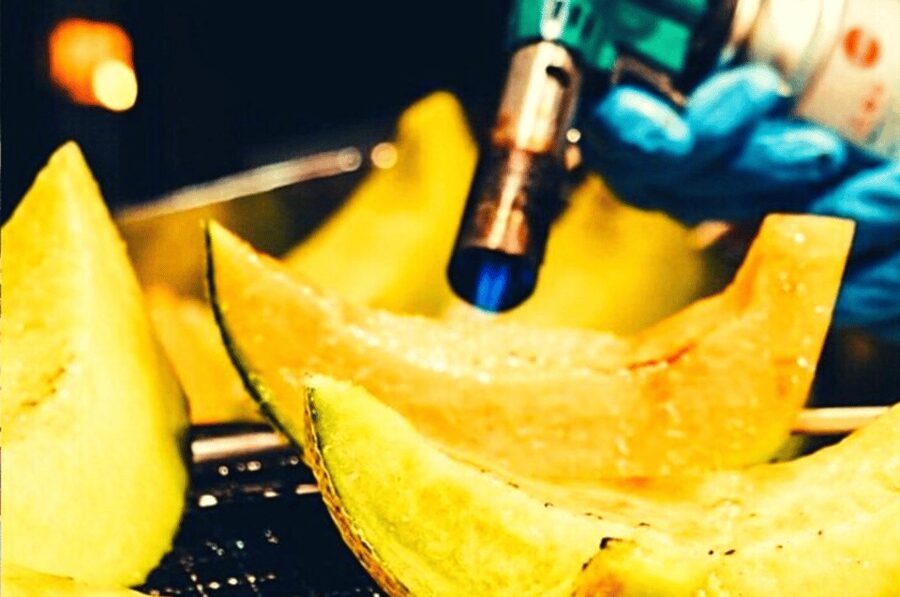
Cherry blossom red bean mochi gives the tour a sweet counterpoint. The soft rice cake and red bean filling provide a very different texture from sashimi, tempura, and grilled or prepared market foods.
Green tea, pickled vegetables, dried fish, and wasabi beans help fill out the tasting. These are small items, but they show how Japanese food culture includes preserved, dried, seasoned, and snackable foods as well as freshly cooked dishes.
You may also receive recommendations for food to try after the official tasting. One guide helped a visitor order mochi to take away, and the recommendation became a highlight of the day. Another guide suggested places to visit after the market. These extras are not part of the guaranteed food list, but a good guide can help you keep eating well once the two hours end.
The market also sells Japanese knives and tableware. You may not have time for a long shopping session during the food walk, but your guide can help you notice these useful souvenirs. A knife or piece of tableware offers more lasting value than a generic trinket, though you should treat shopping as an added possibility rather than a main stop.
What the guide adds to the $61 price

At $61 per person, this is not the cheapest way to buy food in Osaka. You could purchase individual snacks at Kuromon Market for less if you already know what you want and feel comfortable ordering in Japanese.
The price makes more sense when you count what the guide handles. You receive five to seven dishes, three to four smaller tastings, explanations of ingredients and cooking methods, and help communicating with vendors. You also avoid spending your limited market time trying to identify unfamiliar foods or decide which stall to choose.
For me, the strongest value comes from the combination of access and interpretation. The food itself can make the cost worthwhile if the portions add up to a meal. The guide is what makes the outing easier and more useful for a first visit.
The small group also supports the price. With a maximum of nine people, this is more personal than a large food walk. You can ask about Japanese dining customs, Osaka specialties, or an ingredient you do not recognize. That level of help is especially useful if you have never visited a Japanese food market.
The 4.7 rating from 31 reviews reflects a consistently positive experience, but you should still judge the tour by your own eating habits. Seafood lovers will get more from it than people seeking a broad menu. The tour is not suitable for vegans, and pregnant women are specifically excluded from the activity.
The pace and practical limits of two hours

Two hours is enough for a concentrated introduction, not a complete survey of Kuromon Market. You will taste many items and hear the story behind them, but you should not expect long free time at every stall.
That pace is useful if your Osaka schedule is tight. You can fit the tour into an afternoon and still have time afterward for Dotonbori or another nearby plan. One guide used spare time to show part of Dotonbori, though you should treat that as dependent on the pace of the group rather than a guaranteed stop.
The short format also means timing matters. Arrive early, wear comfortable shoes, and avoid planning another fixed appointment immediately after the tour. The market visit is built around vendors, food preparation, and group movement, so the end may not feel as exact as the start.
The station meeting point makes the activity easy to add to an Osaka day, but there is no hotel pickup. You are responsible for reaching Nipponbashi Station Exit 6.
Free cancellation is available up to 24 hours before the tour for a full refund, and you can reserve now and pay later. Those policies help if your Osaka plans are still changing, but they do not soften the need to arrive on time once the booking is set.
Which guide style may suit you best
The supplied guide names include Anna, Hikaru, Taka, Hakuri, Mico, and Michael. You cannot select a guide based on the information provided, but their strengths give you a useful idea of the experience.
Anna is associated with a friendly approach, strong food knowledge, and good connections with market vendors. Hikaru has a chef background and a clear passion for Japanese food. Hakuri has also been praised for combining cooking expertise with stories about Osaka’s food culture.
Taka has been described as helpful, informative, and fun. Mico has offered food recommendations and historical context, while Michael has explained both the market and its food. The exact personality will vary, but the tour depends on an English-speaking guide who can bridge the gap between you and vendors.
That bridge is the key feature. You do not need to know Japanese to take part, and you do not need to guess what a handwritten sign means. The guide can order, explain, and keep the food moving at a comfortable pace.
Who should book this Kuromon Market tour?
I would choose this tour if you are visiting Osaka for the first time and want a guided introduction to Japanese market food. It is especially well suited to people who enjoy seafood, want to try unfamiliar dishes, and prefer a small group rather than wandering alone.
It also fits you if you want your food experience to include cultural background. The guide explains how dishes are prepared and how the market developed, so you come away with more than a full stomach.
You may want to skip it if you are vegan, pregnant, or strongly avoid seafood. You may also prefer exploring independently if you enjoy reading menus, comparing stalls, and setting your own pace. The tour’s value rests on its guided structure, so independent market experts will gain less from paying for the extra help.
FAQ
Where does the tour meet?
Meet your English-speaking guide at the top of the stairs at Exit 6 of Nipponbashi metro station.
What time should I arrive?
The tour starts exactly at 2 p.m. Arrive around 1:45 to 1:50 p.m. so you are ready for the start. Late arrivals cannot catch up with the group.
How long does the Kuromon Market tour last?
The tour lasts two hours.
How many people are in the group?
The group is limited to nine participants.
What food is included?
You receive five to seven dishes and three to four smaller tastings. Examples include scallops, tuna sashimi, gobo tempura, okonomiyaki, cherry blossom red bean mochi, green tea, pickled vegetables, dried fish, and wasabi beans.
Is the tour suitable for vegans or pregnant women?
No. The activity is not suitable for vegans or pregnant women, and the food is strongly focused on seafood.
Should you book it?
Book this tour if you want a filling, guided introduction to Osaka’s food culture and would rather have someone else handle the ordering. The $61 price is reasonable for the amount of food, the small group, and the English explanations, especially on a first visit.
I would make the seafood focus part of your decision. If scallops, sashimi, fish, Osaka-style specialties, and Japanese sweets sound appealing, this is a practical way to make Kuromon Market less confusing and more rewarding. Arrive early at Exit 6, leave room in your appetite, and treat the two hours as a focused tasting rather than a complete market tour.
More Market Food Tours in Osaka
- Deep Dive: Osaka Food Markets from Local to Luxurious!
★ 5.0 · 2 reviews - Tokyo Tsukiji Fish Market Food and Culture Walking Tour
★ 5.0 · 3,184 reviews - Phuket: Full Day City Tour with Night Market
★ 4.5 · 2,888 reviews - London Bridge & Borough Market Food Tour with 7 Authentic Dishes
★ 5.0 · 1,972 reviews
Just added around Osaka
- Same Day OK! Osaka: Local Food, Izakaya & Local Bites Tour!★ 4.8 · 17 reviews
- Eat Like a Local in Osaka – Private Custom Street Food Tour★ 4.3 · 33 reviews
- Osaka Shinsekai Street Food Tour – Evening★ 5.0 · 2 reviews
- Okonomiyaki&Takoyaki for Families:Osaka Street Food Festival★ 5.0 · 4 reviews
- Osaka: Local Foodie Tour in Dotonbori and Shinsekai★ 4.7 · 95 reviews
- Osaka: Takoyaki Keychain and Magnet-Food Replica Workshop★ 5.0 · 2 reviews
- Osaka Okonomiyaki Cooking Experience for Families & Groups★ 4.9 · 8 reviews
- Osaka: Namba Guided Local Food Tour (Taste 15 dishes)★ 5.0 · 6 reviews
Osaka Street Food Tours, compared.

Hungry Osaka Street Food Tour:15 Tastings & 3 Drinks with a Local
Read our review →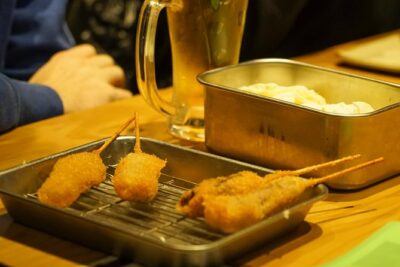
Osaka Local Foodie Walking Tour in Dotonbori and Shinsekai
Read our review →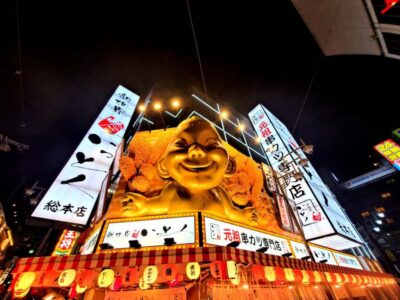
Hungry Osaka Street Food Tour: 15 Dishes & 3 Drinks
Read our review →
Kuromon Market Food Walking Tour in Osaka (6 stops, 6 tastes)
Read our review →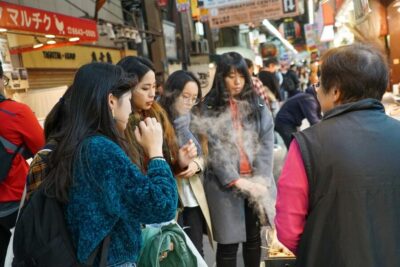
Osaka: Kuromon Market Food Walking Tour (6 stops, 6 tastes)
Read our review →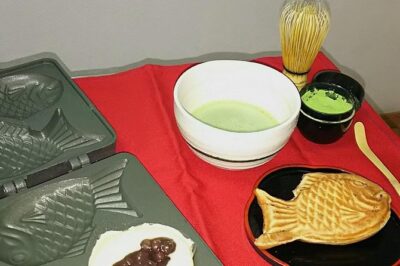
Osaka Cooking Class: Okonomiyaki &Japanese cuisines experience
Read our review →![[1 Group Only] Osaka Street Food Tour for Family](https://4.streetfoodtrips.com/wp-content/uploads/1-group-only-osaka-street-food-tour-for-family-400x267.jpg)
[1 Group Only] Osaka Street Food Tour for Family
Read our review →
Browse the lists this tour appears in